Tag: Reliance Broadcast Network Ltd

  • Sapphire Media tunes into Big FM 92.7 with a Rs 261 crore takeover

    Sapphire Media tunes into Big FM 92.7 with a Rs 261 crore takeover

    MUMBAI: Sapphire Media Ltd has officially acquired the debt-ridden Reliance Broadcast Network Ltd (RBNL), which owns Big FM 92.7, following a successful bid of Rs 261 crore during the Corporate Insolvency Resolution Process (CIRP). With 58 stations and a reach across 1,200 towns and 50,000+ villages, Big FM is one of India’s largest radio networks.

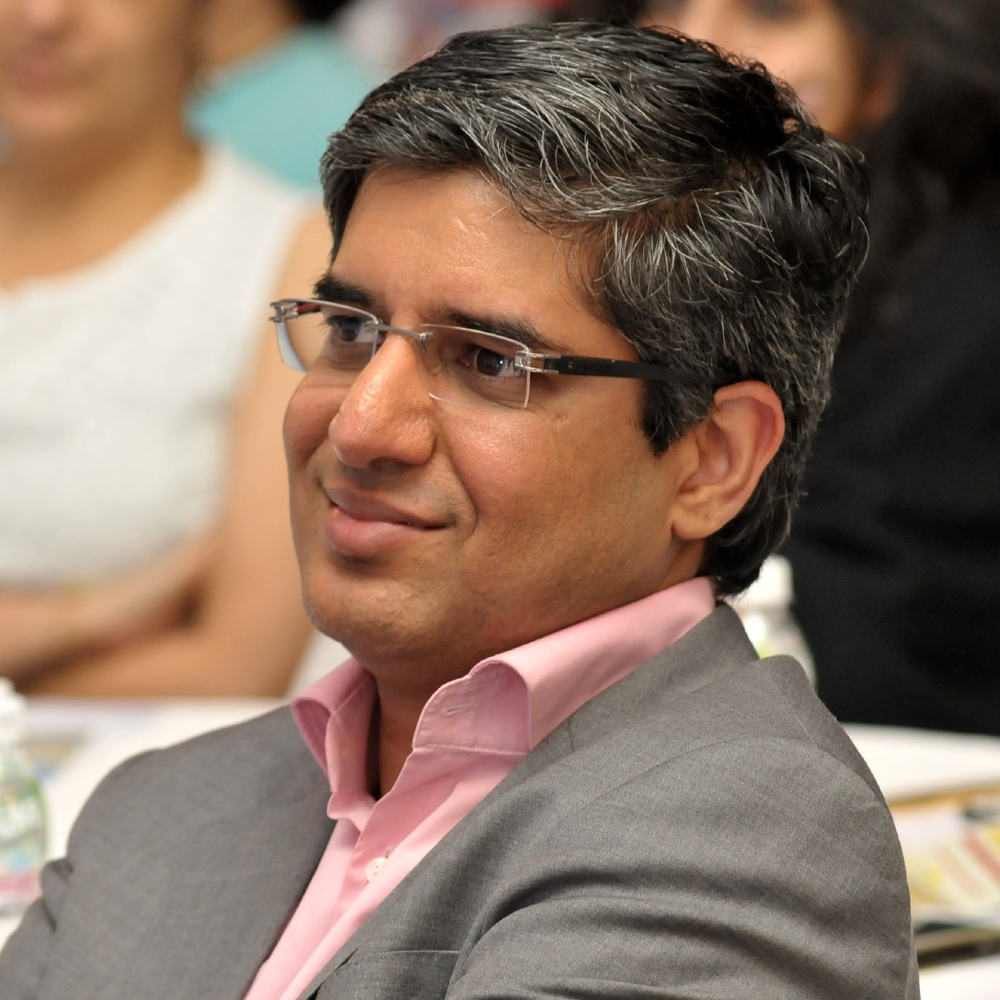
    The acquisition comes after Sapphire Media, promoted by Kaithal-based entrepreneur Sahil Mangla and media professional-turned-entrepreneur Aditya Vashistha, received all necessary regulatory approvals, including a green light from the ministry of information & broadcasting. The company promptly cleared dues to the committee of creditors (CoC) as per the approved resolution plan.

    The saga reached its crescendo on  23 December  2024, when the National Company Law Appellate Tribunal (NCLAT) dismissed petitions from rival bidders and upheld the National Company Law Tribunal’s (NCLT’s) 6 May 2024, decision in favour of Sapphire Media. Rivals like Radio Orange and others had contested the resolution, but Sapphire’s bid, which secured 88.97 per cent of CoC votes, emerged victorious.

    Big FM, known for its rich legacy and a massive listener base of 340 million, will now undergo a wave of innovation under Sapphire Media’s stewardship. The group, which already boasts a vast outdoor advertising network and recently launched the Hindi news channel India Daily 24×7, plans to inject fresh energy into the radio brand, blending its heritage with cutting-edge content creation.

    “We are thrilled to welcome Big FM into the Sapphire Media family. This acquisition aligns with our vision of becoming a leader in digital content creation and broadcasting,” the company stated.

    The CIRP against RBNL was flagged off on 24 February 2023, following a petition by IDBI Trusteeship Services, the financial creditor. Six resolution plans were submitted, but Sapphire’s bid struck the winning note.

  • NCLT approves resolution plan of Sapphire Media Ltd for Big 92.7 FM

    NCLT approves resolution plan of Sapphire Media Ltd for Big 92.7 FM

    Mumbai: The Mumbai bench of the National Company Law Tribunal (NCLT) has approved the resolution plan of Sapphire Media Ltd for the iconic radio network Big 92.7 FM, owned by Reliance Broadcast Network Ltd.

    The NCLT Bench comprising technical member Madhu Sinha and judicial member Reeta Kohli approved the resolution plan submitted by Sapphire Media Ltd in its order dated 6 May.

    “The interlocutory application is allowed. The Resolution Plan submitted by Sapphire Media Ltd is hereby approved. It shall become effective from this date and shall form part of this order,” the bench said in its order.

    Big FM, owned by Reliance Broadcast Network Ltd, has been going through the insolvency process since Feb 2023. The Corporate Insolvency Resolution Process (CIRP) was initiated under the Insolvency and Bankruptcy Code of 2016 and Rohit Mehra was appointed as the resolution professional.

    A committee of creditors of Big FM was also appointed, which approved Sapphire Media Limited’s resolution plan on November 11, 2023, with a voting share of 88.97% under the provisions of the Insolvency and Bankruptcy Code.

    The resolution professional subsequently filed an application with NCLT Mumbai seeking approval of Sapphire Media Limited’s resolution plan. As per the plan, Sapphire Media Ltd will pay Rs. 261 crores to secured and operational creditors as against the total claims of Rs. 947.5 crore.

    The NCLT order also directed the monitoring committee to supervise the implementation of the resolution plan and file the status of its implementation before it from time to time.

    The acquisition by Sapphire Media Ltd is expected to inject fresh energy into Big FM. As the country’s largest radio network with 58 stations and a reach of over 1,200 towns and 50,000 villages, the brand will reinforce Sapphire Media Limited’s pan-India presence.

  • “Our aim is to get into the Top 5 this year”: Tarun Katial

    “Our aim is to get into the Top 5 this year”: Tarun Katial

    Tarun Katial has many notable achievements to his credit. Among them: being one of a bunch of  advertising media professionals who  made an effective and successful transition to broadcasting. As programming head of Star Plus, he ensured that the network stayed on top of the viewership ratings in the last decade, before he shifted to Sony Entertainment (now SPN TV).

    But what has kept him busy over the last decade is radio, followed by TV, at the Anil Ambani group owned Reliance Broadcast Network Ltd (RBNL). As CEO he is responsible for the nationwide radio network under the 92.7 Big FM brand and two successful channels – Big Magic and Big Ganga. It is with the last two that he has disrupted the broadcasting ecosystem by building audiences for the two niche channels and making them profitable.

    Indiantelevision.com had a conversation with Katial who spoke about the selloff rumours, his radio journey, benefits of DAS Phase III and trends in television content.  

    Excerpts:

    These days whenever we read we read about the network, the one canard that comes up is the sell off of RBNL. Is there any truth in the entire rumour?

    We are a 10-year old brand and the journey has been very interesting. At this stage of our brand life cycle we look for opportunities to partner with different people. We have been in the process of exploration for sometime now but there isn’t anything definite about the option that we are exploring. Only time will tell where it goes.

    You are the one at the helm of a television channel as well as a radio network. Both are placed poles apart. As a professional, how do you manage the two roles?

    I draw motivation from my consumers and I think it’s an interesting time where consumer and media are concerned…where the content is concerned. We see ourselves as a platform, as a content rich company, and we look to evolve as a company which can stay ahead and map consumer trends as much and as far as possible. It is also hard but interesting as how can you differentiate yourself from everybody else in the market as there are some media companies which are doing excellent work and it becomes a very tiring task to be able to build a product which can actually stand out.

    And now you have been doing it since a decade? What are your key observations over this journey?

    I think consumers have incredibly changed. From time where we started feature phones or smart phones were way away. Apple, Blackberry were not even there to now where everything is smart. You can’t hope that a consumer will latch on to something unless you’re unique, you are value creating, you have a point view and you have place in his daily life and media consumption habits. Until you are cutting edge, sharply focussed and you stand for something you cannot make progress.  

    Do you think the art of storytelling has also changed over the years when it comes to radio?

    We have really evolved as a network and it has taken a lot of time and effort in creating some of the content pillars we have. Yes, the art of storytelling is very rich now. Whatever you do it has to be in depth. If you look at some of our shows like Suhaana Safar with Annu Kapoor whether its Nayak with Sanjeev Srivastava or its Arth or our National breakfast show with Siddharth, each of our shows rely on a huge amount of research and consumer insights.

    Are you happy with the way the industry is evolving in terms of advertising?

    I think the advertising industry has discovered radio from the past three or four years. Every single activity is extremely active on radio. People have seen distinct convergence of their business through radio advertising today. If you look at the national category to local categories, FMCG (which is very number oriented and reach oriented) to the real estate business  – all have discovered radio as their advertising objective.  

    What now for BigFM?

    We are interested in more radio stations coming up. We are exploring how we are going to play them out. Whether we are going to come up with the  retro format in some cities or local format in many cities. So yes we are working on them. There are some interesting markets including Pune, Nagpur, Lucknow which is a very old radio market.

    As we spoke about phase III and now let’s shift our focus to the other phase III which is the DAS Phase III? Has it really happened? Do you see any difference?

    The court cases apart, cable TV digitization has been very, very encouraging. Whatever the remaining pockets will get covered sooner the later.  I think there has been certain amount of innovation from the DTH end. We have seen some very different packaging options coming from the DTH players to cater to the market. Pre-paid options, small ticket size packaging – entry level packaging has been introduced by all the DTH players which is encouraging. The other big encouraging thing is even a more consolidated push in the free-to-air and free dish market. The current FICCI estimates now put this at 30 million which probably will be double that of any other operator. Phase III pushed free TV deeper and our estimate is that  if FreeDish was to start doing regional entertainment, which now it has started to do, this could lead to very polarised Pay TV- free TV scenario. I envision there will be three buckets: one is cable in the main metros, secondly, it will be DTH largely national and then there will be free TV which will be again across metros, mini-metros and small towns.

    How much is the BARC rural roll out a factor behind the separate Pay TV and free TV markets?

    If you look at TAM numbers of free TV they were very encouraging. Some of the TAM estimates for urban on free dish were almost 50 million this year. FreeDish is not a rural phenomenon alone. Yes it has a lot of push in semi-urban areas but it has significant reach in metros, mini-metros and all sorts of strata. We have ourselves seen a 13 per cent reach increase in a city like Delhi.  

    If we go back to the discussion regarding Bhojpuri, is there a market only in Bihar and Jharkhand, or is it across India?

    So we have done lot of work with a large section of the Bhojpuri community across the country. If you look at Ganga’s number even in Mumbai, it is very high and strong. To everyone’s surprise Ganga can actually beat some of the local channels in Bombay. And the truth is there is a population of  Bhojpuri immigrants across the country today. There is Punjab, there is Gujarat, there is Bombay there is Kerala and there is Kolkata, you will see a lot of Bhojpuri speaking people and they are very language loyal wanting to consume entertainment and content in their own language.

    From a brand perspective have you seen advertisers getting on board with a national audience perspective or only those catering to Jharkhand and Bihar in Bhojpuri?

    Actually that depends on the advertiser’s objective, when they look for deep penetration in the market, they tend to influence Bihar and Jharkhand. When they are looking to get their messages nationwide, yes there is large spillover that they can benefit from, and they do benefit from. Initially brands spread the budget in regional then spread across the country.

    Be it Akbar Birbal, be it Chutki, be it Rasoi ki Rani, there is certain amount of differentiated programming. From where do you spark this programming strategy?

    The backend of our programming strategy is good people. We have a very good research team, research desk who actually snap in consumer trends. We entered the entry to television business late and we realized that it is very important for us to look into these trends and identify those which would help us stand apart from the large players. That’s why we tend to do things differently, we tend to do things remotely and we have been fortunate to have a lot of people around us and have been able to do good work.

    In terms of your team structure, are you in that perfect place you want to be?

    Yes, I think we are never perfect, imperfection is also beautiful.

    Has TV storytelling changed since the growth of digital?

    I think storytelling has always changed according to the target audiences we are talking to. There are three or four aspects. One, people love stories that are page-turners. So the level of hooks that you need in stories today are far more than you needed earlier.

    It’s an impatient audience at this time. You can’t hope to hold on to audiences with simple story telling any longer. So it’s very layered, it’s very fast-paced and it’s very hooky.

    When it comes to characters, there are two or three things to them. One thing, why people want realistic characters, is because that at some level they need to be inspirational for them. So it’s a mix of two other people they look for. In cinema you can get away with being realistic but in television you need to be slightly loud and over the top.   Increasingly viewers are looking for characters that they can relate to but also stand out.

    But the quality of storytelling has certainly improved, the quality of production has improved, so have production costs also gone up?

    I think production costs are steady…basically production cost has stayed flat. I think that’s not because of storytelling it is because of technology. Technology has really helped to bring production costs downward. Editing facilities have really helped. Linear and nonlinear facilities are easier and quicker. Standing infrastructure on sets and technology have helped put budget into better talent in writing, better talent in acting, direction and better costumes. Production cost has stayed flat but the composition of the production budget has changed.

    Is the equation of advertising revenue and production costs profitable at this stage without growing any numbers?

    Yeah, I think the margin is there, definitely profits are there. I think all the businesses today have become far more profitable than they used to. We broke even on Ganga much sooner than we thought. The cost mixes are much better than it used to.

    Since you have Big Magic and Big Ganga, one thing that we see on every channel now a days is Naagin, How far are you from a Nagin show in your channels?

    I don’t think we are looking to get to Naagin. A bunch of guys have done Naagin and they have done a wonderful job.

    Is it a trend that something gets successful and then everyone follows it?

    Yeah I think everybody does it all over the world. One horror show starts many follow, one crime show starts many others start to make them. It’s a trend. People do enough of the genre and consumers will see that what are its possible variants, then they move to the next one.

    Do you think somehow content is getting a little less progressive?

    I think content is getting more innovative and more lateral. People are thinking of different ways of storytelling. We have to put our imagination around this. You know if we were to call Nagin regressive then we should also call Vampire Diaries regressive but we watch Vampire Diaries then we don’t tend to call it regressive.

    All the sci-fi or supernatural that goes around in American television, we don’t tend to call it regressive because it comes from Hollywood.

    So you don’t agree to the fact that BARC data is somehow regulating what content can be watched?

    See BARC data has given a perspective as to what people want. Everybody is trying to deliver balanced content across demographics. Somebody might focus on metro somebody might be doing so on other towns. It depends on the strategy you are taking and then the advertisers will buy you accordingly.

    We spoke about your entire radio evolution that you have gone through. Are you happy with the way evolution is happening on TV? Yes on one side we are having HD discussion and 4k discussion. On the other hand nobody knows that consumer is going to pay for content as yet. So what is next with TV?

    I think we should stop thinking TV, and you need to start thinking content. I think as TV channels and broadcasters are building great content, they are also becoming content powerhouses. Whether you see what Star has done with Hotstar and Sony has done with SonyLiv or Zee has done with OZee, it’s not really about TV but it’s about content.

    I think as long as we can build content that appeals to consumers, that consumers want to consume, whether it is on time-shifted DVRs or it’s on DTH or it’s on FreeDish or on OTT platforms or apps it will work . Increasingly,  we are finding ways for monetizing these platforms.

    So, I don’t think that TV is going to go away or content is going to go away. The way uniquely TV broadcasters are structured in India that they are content companies rather than TV companies. We are largely by ourselves content companies. We commission content and run content on a made-for-hire basis. Soo TV companies in India are not going anywhere, They may be simple TV ventures or they could become video platforms or they could become multiplatform companies.

    Time is already out there, there is Voot, Hotstar, Sony Liv, oZee. We are working on one or two platforms. We are working on a separate audio platform. People will continue to consume our content in different forms and fashion, in different ways and we are going to continue to monetize that, which is not changing.

    Star has launched Hotstar, Viacom has launched Voot. What is your plan with digital?

    We are working with a couple of plans. There is definitely going to be an audio platform, on video we will most probably partner with couple of the current platforms. We are in the midst of conversations.

    Are you happy with entire OTT ecosystem? How it is progressing? Again we are giving content to all for free.

    I think that’s a customer acquisition strategy.  Most people do this at the beginning. Everybody spoke about how e-commerce is giving free discounts but you have to look at the ecosystem they have been able to create. They have been able to create a habit of people buying online and all predictions and projections are saying that this online marketplace system is going to go a long way.

    There is Amazon here. Alibaba is going to come. So yes there is an entry level cost and cost of customer acquisition that everybody goes through. As long as you can get the right mix of free vs subscription and get your customer acquisition threshold out there, you always have the opportunity to switch.

    I can tell you when we started Star in 1999, we were a free to air channel and for many years we didn’t have any conditional access system. We completed our first round of KBC and Kyuki and then we moved to conditional access and subscription came in and so on and so forth. The subscription ecosystem grew to what it has only the past 15 years.

    When  C&S started in India, it was a paid ecosystem but ecosystems develop themselves and over a period of time every model does find its feet. But you have to give customers a chance to get used to that ecosystem before you start to monetize it. You can’t say I will monetize it before the customer is even there.

    Has the TV habit been formed now that TV is celebrating now that 25 years of satellite TV in India?

    Yes subscription revenues have started rolling back to TV channels, And the numbers are pretty significant. If you look at any TV channel balance sheet, they have a significant amount of subscription revenue. It’s not small numbers, it may not be as much as they expected but it’s not small either.

    With Reliance Jio coming in, do you see the infrastructure getting better for OTT content?   

    Yes OTT platforms will thrive under Jio but what will thrive is content. There is no OTT content without good content. I think content, content makers, broadcasters like us who have content to be able to monetize and deliver them on various platforms will breathe easier.

    Future Plans?

    I think we have a lot to do. We have a serious distance to go with Big Magic. We will be the number 11 player in the GEC space. Our aim to get into the top 5-top 7 by this year for sure. So that’s a task and with Ganga we want to invest more in content and make it go international. There is a large Bhojpuri population across the world so that’s something now we are working upon.

    With radio we have 14 stations coming up. That’s more than a station a month. We are getting some India dark regions like the Northeast which we are extremely excited to discover. Indian media has not really penetrated into the Northeast.

    Has digital become one of the prime spending platforms?

    Yes, we do spend increasingly on digital but we also spend across platforms. One platform we don’t spend too much now is print because we have not seen any traction from it.
     

  • “Our aim is to get into the Top 5 this year”: Tarun Katial

    “Our aim is to get into the Top 5 this year”: Tarun Katial

    Tarun Katial has many notable achievements to his credit. Among them: being one of a bunch of  advertising media professionals who  made an effective and successful transition to broadcasting. As programming head of Star Plus, he ensured that the network stayed on top of the viewership ratings in the last decade, before he shifted to Sony Entertainment (now SPN TV).

    But what has kept him busy over the last decade is radio, followed by TV, at the Anil Ambani group owned Reliance Broadcast Network Ltd (RBNL). As CEO he is responsible for the nationwide radio network under the 92.7 Big FM brand and two successful channels – Big Magic and Big Ganga. It is with the last two that he has disrupted the broadcasting ecosystem by building audiences for the two niche channels and making them profitable.

    Indiantelevision.com had a conversation with Katial who spoke about the selloff rumours, his radio journey, benefits of DAS Phase III and trends in television content.  

    Excerpts:

    These days whenever we read we read about the network, the one canard that comes up is the sell off of RBNL. Is there any truth in the entire rumour?

    We are a 10-year old brand and the journey has been very interesting. At this stage of our brand life cycle we look for opportunities to partner with different people. We have been in the process of exploration for sometime now but there isn’t anything definite about the option that we are exploring. Only time will tell where it goes.

    You are the one at the helm of a television channel as well as a radio network. Both are placed poles apart. As a professional, how do you manage the two roles?

    I draw motivation from my consumers and I think it’s an interesting time where consumer and media are concerned…where the content is concerned. We see ourselves as a platform, as a content rich company, and we look to evolve as a company which can stay ahead and map consumer trends as much and as far as possible. It is also hard but interesting as how can you differentiate yourself from everybody else in the market as there are some media companies which are doing excellent work and it becomes a very tiring task to be able to build a product which can actually stand out.

    And now you have been doing it since a decade? What are your key observations over this journey?

    I think consumers have incredibly changed. From time where we started feature phones or smart phones were way away. Apple, Blackberry were not even there to now where everything is smart. You can’t hope that a consumer will latch on to something unless you’re unique, you are value creating, you have a point view and you have place in his daily life and media consumption habits. Until you are cutting edge, sharply focussed and you stand for something you cannot make progress.  

    Do you think the art of storytelling has also changed over the years when it comes to radio?

    We have really evolved as a network and it has taken a lot of time and effort in creating some of the content pillars we have. Yes, the art of storytelling is very rich now. Whatever you do it has to be in depth. If you look at some of our shows like Suhaana Safar with Annu Kapoor whether its Nayak with Sanjeev Srivastava or its Arth or our National breakfast show with Siddharth, each of our shows rely on a huge amount of research and consumer insights.

    Are you happy with the way the industry is evolving in terms of advertising?

    I think the advertising industry has discovered radio from the past three or four years. Every single activity is extremely active on radio. People have seen distinct convergence of their business through radio advertising today. If you look at the national category to local categories, FMCG (which is very number oriented and reach oriented) to the real estate business  – all have discovered radio as their advertising objective.  

    What now for BigFM?

    We are interested in more radio stations coming up. We are exploring how we are going to play them out. Whether we are going to come up with the  retro format in some cities or local format in many cities. So yes we are working on them. There are some interesting markets including Pune, Nagpur, Lucknow which is a very old radio market.

    As we spoke about phase III and now let’s shift our focus to the other phase III which is the DAS Phase III? Has it really happened? Do you see any difference?

    The court cases apart, cable TV digitization has been very, very encouraging. Whatever the remaining pockets will get covered sooner the later.  I think there has been certain amount of innovation from the DTH end. We have seen some very different packaging options coming from the DTH players to cater to the market. Pre-paid options, small ticket size packaging – entry level packaging has been introduced by all the DTH players which is encouraging. The other big encouraging thing is even a more consolidated push in the free-to-air and free dish market. The current FICCI estimates now put this at 30 million which probably will be double that of any other operator. Phase III pushed free TV deeper and our estimate is that  if FreeDish was to start doing regional entertainment, which now it has started to do, this could lead to very polarised Pay TV- free TV scenario. I envision there will be three buckets: one is cable in the main metros, secondly, it will be DTH largely national and then there will be free TV which will be again across metros, mini-metros and small towns.

    How much is the BARC rural roll out a factor behind the separate Pay TV and free TV markets?

    If you look at TAM numbers of free TV they were very encouraging. Some of the TAM estimates for urban on free dish were almost 50 million this year. FreeDish is not a rural phenomenon alone. Yes it has a lot of push in semi-urban areas but it has significant reach in metros, mini-metros and all sorts of strata. We have ourselves seen a 13 per cent reach increase in a city like Delhi.  

    If we go back to the discussion regarding Bhojpuri, is there a market only in Bihar and Jharkhand, or is it across India?

    So we have done lot of work with a large section of the Bhojpuri community across the country. If you look at Ganga’s number even in Mumbai, it is very high and strong. To everyone’s surprise Ganga can actually beat some of the local channels in Bombay. And the truth is there is a population of  Bhojpuri immigrants across the country today. There is Punjab, there is Gujarat, there is Bombay there is Kerala and there is Kolkata, you will see a lot of Bhojpuri speaking people and they are very language loyal wanting to consume entertainment and content in their own language.

    From a brand perspective have you seen advertisers getting on board with a national audience perspective or only those catering to Jharkhand and Bihar in Bhojpuri?

    Actually that depends on the advertiser’s objective, when they look for deep penetration in the market, they tend to influence Bihar and Jharkhand. When they are looking to get their messages nationwide, yes there is large spillover that they can benefit from, and they do benefit from. Initially brands spread the budget in regional then spread across the country.

    Be it Akbar Birbal, be it Chutki, be it Rasoi ki Rani, there is certain amount of differentiated programming. From where do you spark this programming strategy?

    The backend of our programming strategy is good people. We have a very good research team, research desk who actually snap in consumer trends. We entered the entry to television business late and we realized that it is very important for us to look into these trends and identify those which would help us stand apart from the large players. That’s why we tend to do things differently, we tend to do things remotely and we have been fortunate to have a lot of people around us and have been able to do good work.

    In terms of your team structure, are you in that perfect place you want to be?

    Yes, I think we are never perfect, imperfection is also beautiful.

    Has TV storytelling changed since the growth of digital?

    I think storytelling has always changed according to the target audiences we are talking to. There are three or four aspects. One, people love stories that are page-turners. So the level of hooks that you need in stories today are far more than you needed earlier.

    It’s an impatient audience at this time. You can’t hope to hold on to audiences with simple story telling any longer. So it’s very layered, it’s very fast-paced and it’s very hooky.

    When it comes to characters, there are two or three things to them. One thing, why people want realistic characters, is because that at some level they need to be inspirational for them. So it’s a mix of two other people they look for. In cinema you can get away with being realistic but in television you need to be slightly loud and over the top.   Increasingly viewers are looking for characters that they can relate to but also stand out.

    But the quality of storytelling has certainly improved, the quality of production has improved, so have production costs also gone up?

    I think production costs are steady…basically production cost has stayed flat. I think that’s not because of storytelling it is because of technology. Technology has really helped to bring production costs downward. Editing facilities have really helped. Linear and nonlinear facilities are easier and quicker. Standing infrastructure on sets and technology have helped put budget into better talent in writing, better talent in acting, direction and better costumes. Production cost has stayed flat but the composition of the production budget has changed.

    Is the equation of advertising revenue and production costs profitable at this stage without growing any numbers?

    Yeah, I think the margin is there, definitely profits are there. I think all the businesses today have become far more profitable than they used to. We broke even on Ganga much sooner than we thought. The cost mixes are much better than it used to.

    Since you have Big Magic and Big Ganga, one thing that we see on every channel now a days is Naagin, How far are you from a Nagin show in your channels?

    I don’t think we are looking to get to Naagin. A bunch of guys have done Naagin and they have done a wonderful job.

    Is it a trend that something gets successful and then everyone follows it?

    Yeah I think everybody does it all over the world. One horror show starts many follow, one crime show starts many others start to make them. It’s a trend. People do enough of the genre and consumers will see that what are its possible variants, then they move to the next one.

    Do you think somehow content is getting a little less progressive?

    I think content is getting more innovative and more lateral. People are thinking of different ways of storytelling. We have to put our imagination around this. You know if we were to call Nagin regressive then we should also call Vampire Diaries regressive but we watch Vampire Diaries then we don’t tend to call it regressive.

    All the sci-fi or supernatural that goes around in American television, we don’t tend to call it regressive because it comes from Hollywood.

    So you don’t agree to the fact that BARC data is somehow regulating what content can be watched?

    See BARC data has given a perspective as to what people want. Everybody is trying to deliver balanced content across demographics. Somebody might focus on metro somebody might be doing so on other towns. It depends on the strategy you are taking and then the advertisers will buy you accordingly.

    We spoke about your entire radio evolution that you have gone through. Are you happy with the way evolution is happening on TV? Yes on one side we are having HD discussion and 4k discussion. On the other hand nobody knows that consumer is going to pay for content as yet. So what is next with TV?

    I think we should stop thinking TV, and you need to start thinking content. I think as TV channels and broadcasters are building great content, they are also becoming content powerhouses. Whether you see what Star has done with Hotstar and Sony has done with SonyLiv or Zee has done with OZee, it’s not really about TV but it’s about content.

    I think as long as we can build content that appeals to consumers, that consumers want to consume, whether it is on time-shifted DVRs or it’s on DTH or it’s on FreeDish or on OTT platforms or apps it will work . Increasingly,  we are finding ways for monetizing these platforms.

    So, I don’t think that TV is going to go away or content is going to go away. The way uniquely TV broadcasters are structured in India that they are content companies rather than TV companies. We are largely by ourselves content companies. We commission content and run content on a made-for-hire basis. Soo TV companies in India are not going anywhere, They may be simple TV ventures or they could become video platforms or they could become multiplatform companies.

    Time is already out there, there is Voot, Hotstar, Sony Liv, oZee. We are working on one or two platforms. We are working on a separate audio platform. People will continue to consume our content in different forms and fashion, in different ways and we are going to continue to monetize that, which is not changing.

    Star has launched Hotstar, Viacom has launched Voot. What is your plan with digital?

    We are working with a couple of plans. There is definitely going to be an audio platform, on video we will most probably partner with couple of the current platforms. We are in the midst of conversations.

    Are you happy with entire OTT ecosystem? How it is progressing? Again we are giving content to all for free.

    I think that’s a customer acquisition strategy.  Most people do this at the beginning. Everybody spoke about how e-commerce is giving free discounts but you have to look at the ecosystem they have been able to create. They have been able to create a habit of people buying online and all predictions and projections are saying that this online marketplace system is going to go a long way.

    There is Amazon here. Alibaba is going to come. So yes there is an entry level cost and cost of customer acquisition that everybody goes through. As long as you can get the right mix of free vs subscription and get your customer acquisition threshold out there, you always have the opportunity to switch.

    I can tell you when we started Star in 1999, we were a free to air channel and for many years we didn’t have any conditional access system. We completed our first round of KBC and Kyuki and then we moved to conditional access and subscription came in and so on and so forth. The subscription ecosystem grew to what it has only the past 15 years.

    When  C&S started in India, it was a paid ecosystem but ecosystems develop themselves and over a period of time every model does find its feet. But you have to give customers a chance to get used to that ecosystem before you start to monetize it. You can’t say I will monetize it before the customer is even there.

    Has the TV habit been formed now that TV is celebrating now that 25 years of satellite TV in India?

    Yes subscription revenues have started rolling back to TV channels, And the numbers are pretty significant. If you look at any TV channel balance sheet, they have a significant amount of subscription revenue. It’s not small numbers, it may not be as much as they expected but it’s not small either.

    With Reliance Jio coming in, do you see the infrastructure getting better for OTT content?   

    Yes OTT platforms will thrive under Jio but what will thrive is content. There is no OTT content without good content. I think content, content makers, broadcasters like us who have content to be able to monetize and deliver them on various platforms will breathe easier.

    Future Plans?

    I think we have a lot to do. We have a serious distance to go with Big Magic. We will be the number 11 player in the GEC space. Our aim to get into the top 5-top 7 by this year for sure. So that’s a task and with Ganga we want to invest more in content and make it go international. There is a large Bhojpuri population across the world so that’s something now we are working upon.

    With radio we have 14 stations coming up. That’s more than a station a month. We are getting some India dark regions like the Northeast which we are extremely excited to discover. Indian media has not really penetrated into the Northeast.

    Has digital become one of the prime spending platforms?

    Yes, we do spend increasingly on digital but we also spend across platforms. One platform we don’t spend too much now is print because we have not seen any traction from it.
     

  • TRAI: 35 companies control 243 operational FM channels, seven control 169

    TRAI: 35 companies control 243 operational FM channels, seven control 169

    New Delhi: Reliance Broadcast Network Ltd holds the largest number of FM radio channels with 45 Big FM channels in various cities.

    Figures released by the Telecom Regulatory Authority of India as part of its consultation paper on ‘Issues related to Radio Audience Measurement and Ratings in India’ shows that seven companies hold the largest number of FM channels (169) of the 243 channels currently operational after Phase II.

    Entertainment Network India Ltd through Radio Mirchi holds 36; South Asia FM Ltd through S FM has 23; Kal Radio Pvt. Ltd with S FM has 18; Music Broadcast Pvt. Ltd has 20 Radio City channels; D B Corp Ltd has 17 My FM channels; and BAG Information P Ltd runs ten Radio Dhamaal channels.A total of 28 companies run the remaining 74 FM channels in various parts of the country.

    Radio broadcasting services were opened to private sector in 2000 when the Government auctioned 108 FM radio channels in the VHF band (88 –108 MHz) in 40 cities in Phase-I of FM Radio. Out of these, only 21 FM radio channels became operational and subsequently migrated to Phase-II in 2005. In Phase-II of FM Radio, a total of 337 channels were put on bid across 91 cities having population equal to or more than 300,000. Of 337 channels, 222 channels became operational. At present, 243 FM Radio channels are operational in 86 cities.

    Phase-III auctions have begun to enable setting up of private FM Radio channels in all cities with a population of more than 100,000. As part of this Phase, auctions were done for 135 FM Radio channels in 69 cities where at least one channel of FM radio is already operational. Out of these, 91 FM Radio channels in 54 cities have been successfully auctioned.

    A total of 831 more FM Radio channels will be put up for auction in 264 new cities under FM radio Phase-III in addition to remaining channels of 135 FM radio channels put for auction recently.

    Terrestrial radio broadcasting which includes FM is a free-to-air service. A consumer can simply procure radio receiver equipment and tune into various radio channels available in that region. The business model of radio broadcasting service is based on advertisement revenue. Radio broadcasters are permitted to air commercials during their programme.

    The revenue of radio broadcasting sector in 2014 was Rs 1720 crore, with a year-on year increase of 18 per cent from 2013 to 2014, driven by increasing popularity of radio in smaller towns and cities. The radio broadcasting sector revenues are expected to grow at a CAGR of 18 per cent to reach Rs. 3950 crore by 2019.

    The total advertisement revenue of Media and Entertainment (M&E) industry was Rs. 41,400 crore in 2014, contributing approximately 31 per cent to the total M&E revenues. The advertisement revenue is expected to grow at a CAGR of 14.5 per cent to reach Rs 81,600 crore by 2019. Presently television and print media sectors corner the maximum advertisement revenue (approximately 80 per cent of the total revenues) spend in India. Though the radio broadcasting sector presently accounted for only 4 per cent of total advertisement revenue in 20143, it is however expected to garner 5 per cent of the total advertisement revenues by 2019.

  • TRAI: 35 companies control 243 operational FM channels, seven control 169

    TRAI: 35 companies control 243 operational FM channels, seven control 169

    New Delhi: Reliance Broadcast Network Ltd holds the largest number of FM radio channels with 45 Big FM channels in various cities.

    Figures released by the Telecom Regulatory Authority of India as part of its consultation paper on ‘Issues related to Radio Audience Measurement and Ratings in India’ shows that seven companies hold the largest number of FM channels (169) of the 243 channels currently operational after Phase II.

    Entertainment Network India Ltd through Radio Mirchi holds 36; South Asia FM Ltd through S FM has 23; Kal Radio Pvt. Ltd with S FM has 18; Music Broadcast Pvt. Ltd has 20 Radio City channels; D B Corp Ltd has 17 My FM channels; and BAG Information P Ltd runs ten Radio Dhamaal channels.A total of 28 companies run the remaining 74 FM channels in various parts of the country.

    Radio broadcasting services were opened to private sector in 2000 when the Government auctioned 108 FM radio channels in the VHF band (88 –108 MHz) in 40 cities in Phase-I of FM Radio. Out of these, only 21 FM radio channels became operational and subsequently migrated to Phase-II in 2005. In Phase-II of FM Radio, a total of 337 channels were put on bid across 91 cities having population equal to or more than 300,000. Of 337 channels, 222 channels became operational. At present, 243 FM Radio channels are operational in 86 cities.

    Phase-III auctions have begun to enable setting up of private FM Radio channels in all cities with a population of more than 100,000. As part of this Phase, auctions were done for 135 FM Radio channels in 69 cities where at least one channel of FM radio is already operational. Out of these, 91 FM Radio channels in 54 cities have been successfully auctioned.

    A total of 831 more FM Radio channels will be put up for auction in 264 new cities under FM radio Phase-III in addition to remaining channels of 135 FM radio channels put for auction recently.

    Terrestrial radio broadcasting which includes FM is a free-to-air service. A consumer can simply procure radio receiver equipment and tune into various radio channels available in that region. The business model of radio broadcasting service is based on advertisement revenue. Radio broadcasters are permitted to air commercials during their programme.

    The revenue of radio broadcasting sector in 2014 was Rs 1720 crore, with a year-on year increase of 18 per cent from 2013 to 2014, driven by increasing popularity of radio in smaller towns and cities. The radio broadcasting sector revenues are expected to grow at a CAGR of 18 per cent to reach Rs. 3950 crore by 2019.

    The total advertisement revenue of Media and Entertainment (M&E) industry was Rs. 41,400 crore in 2014, contributing approximately 31 per cent to the total M&E revenues. The advertisement revenue is expected to grow at a CAGR of 14.5 per cent to reach Rs 81,600 crore by 2019. Presently television and print media sectors corner the maximum advertisement revenue (approximately 80 per cent of the total revenues) spend in India. Though the radio broadcasting sector presently accounted for only 4 per cent of total advertisement revenue in 20143, it is however expected to garner 5 per cent of the total advertisement revenues by 2019.

  • Dentsu Aegis launches The Story Lab in India; Sunil Kumaran to head

    Dentsu Aegis launches The Story Lab in India; Sunil Kumaran to head

    MUMBAI: Dentsu Aegis Network’s specialist content agency The Story Lab (TSL) has expanded its footprint by setting shop in India and has roped in Sunil Kumaran as country head.

    Based out of Mumbai, Kumaran will be guided by Carat India MD Kartik Iyer, who is the executive sponsor for TSL. Prior to this, Kumaran was with Reliance Broadcast Network Ltd as chief strategy officer (CSO).

    Dentsu Aegis Network-South Asia CEO and chairman Ashish Bhasin said, “Content is an exciting space for us to be in. Clients are increasingly looking at how they can ‘influence’ the consumers more effectively than just increasing their ‘reach’ through traditional forms of advertising. We have been building various expertise centres within Denstu Aegis Network and TSL is a significant step towards consolidating our position as a Network, which delivers superior value to clients and partners. Also, this is a big step forward in helping us achieve our mission of being the second largest agency group by end 2017 in India, overturning for the first time the existing ranking which has historically been in place for over 80 years in India.”

    Iyer added, “An entity like TSL is the need of the hour as brands look to accelerate the effectiveness of their ecosystems through innovative content solutions that can deliver scale, engagement and advocacy. We are very happy to have Sunil Kumaran on board who brings with him years of strategic media planning experience and deep understanding of this space.”

    Kumaran said, “I’m very excited about this new initiative, which is based on the philosophy of providing a superior value proposition to clients. Media convergence has disrupted the traditional advertising-led marketing communications model and ‘Content’ is one of the most valuable assets within media companies’ and brands’ ecosystems. I am looking forward to doing some exciting work across brands within the Dentsu Aegis Network Group.”

  • Big Magic undergoes revamp; observes 30% viewership growth

    Big Magic undergoes revamp; observes 30% viewership growth

    MUMBAI: Comedy is a serious business. It was in the year 2011 when Anil Ambani-led Reliance Broadcast Network Ltd (RBNL) announced its foray into regional television space with the launch of its Hindi entertainment channel – Big Magic (for Central India – MP /UP).


    In 2013, tailored to meet the preferences of Hindi speaking markets of India, it was launched across Hindi Speaking Markets (HSM’s) on the back of phase II of cable TV digitisation.


    In 2014, it launched as a national general entertainment channel for India, positioned as a humour destination which comprised light relationship dramas, rom-coms, sitcoms, movies and a historical comedy.


    This year, it has shed its current logo and gone for a complete makeover by launching a fresh new look and channel identity. The content as part of the renewed strategic vision will be unpredictable, cutting edge, quirky, contemporary, surprising, differentiated, hilarious and entertaining; targeting families, but predominantly the male audience.


    With original content including a high degree of humour, viewers will enjoy shows in the sitcom, non-fiction space, focused on building iconic characters which are stand out, quirky and funny. The content offered will be platform agnostic with a large play on the digital and mobile medium.


    Research, the key factor


    According to RBNL CEO Tarun Katial as the consumers’ taste changes dynamically and quickly, the channel wanted to sharpen its comedy positioning and appeal to the urban audiences’ mindset and bring about a relatable icon in its identity which is emoticon. “Today emoticon is used by everybody and it’s an extremely relatable form of communication amongst consumers,” he says.


    Including regulatory approvals, it has been a four month process for the revamp of the channel. Extensive research was done amongst the core TG to understand the kind of comedy and content consumers want. The research showed that the content being desired was extremely dynamic, vibrant, surprising and iirreverent comedy and the logo is build on that thought. The new look has been designed by Purple Pink agency.


    Talking about the new look identity, RBNL network creative director Paritosh Painter says, “At Big Magic, we strive to offer comedy content that is fresh, surprising, unpredictable and fully over the top. In line with our new campaign, we will continue our commitment to offer a comical line up of hilarious sitcoms, surprising and unpredictable short formats on topical issues, laugh out loud weekend special and festive specials.”


    With the new identity, the channel aims to build a strong line-up of content at both long and short formats. With currently two and half hours to three hours of original content running everyday with shows like Akbar Birbal, Tedi Medi Family, Total Nadaniyaan amongst others, the channel is all set to take the original hours of content to 4 hours a day. Big Magic will launch two new shows in the next couple of months, one of which will be an unscripted show in the late primetime band and an irreverent young comedy in the early evening.


    The channel will also air an animated series with Akbar Birbal and bring one of its Big FM 92.7 Radio show – Actor calling Actor on to television.


    “On the content front, our attempt is to build a certain amount of iconic characters around male irreverent comedy. We believe that Indians are ready to laugh at each other and themselves. This is predominantly young urban male skewed content that we want to launch,” explains Katial.


    In terms of marketing, the channel will strongly focus on digital and mobile. Katial believes that comedy content moves very quickly and goes viral on platforms like digital and mobile. “For us content is marketing and marketing is content,” he says.


    Katial further reveals that after Broadcast Audience Research Council (BARC) India started rolling out data, the channel has witnessed a 30 per cent growth in viewership.


    For the record, the channel is available across all DTH platforms such as Tata Sky, Airtel Digital TV, Videocon d2h, DD Free Dish, Dish TV, Reliance Digital TV along with all cable operators including the likes of Hathway Cable & Datacom, Incable, Digicable, Den Networks, 7 Star, ABS, Siti Cable, Star Broadband and GTPL amongst others.

  • Paritosh Painter joins Reliance Broadcast as network creative director

    Paritosh Painter joins Reliance Broadcast as network creative director

    MUMBAI: Reliance Broadcast Network Ltd (RBNL) has appointed actor, writer, director, television and theatre personality Paritosh Painter as its network creative director.


    In his new role, Painter will be looking into all the overall creative conceptualization and creation of differentiated content at Reliance Broadcast TV and radio business – Big Magic & 92.7 BIGFM. He will report to RBNL CEO Tarun Katial.


    Katial said, “Paritosh and Big have been associated with each other for years since he has been a creative mastermind behind some of our iconic shows as Har Mushkil Ka Hal Akbar Birbal. I believe that Paritosh is one of the astute creative minds of today who has clear roadmap in evolving a character or a relationship with his unique story-telling.”


    “He is one of the best content developers of our industry today. Considering our long-term association and the fact that he has immense knowledge about several aspects of the media and the industry, we decided to consolidate his position in the network and rightfully use his expertise across our brands and properties,” Katial added.


    Painter said, “I am looking forward to this new opportunity that has come my way. I have had a great working experience with the company so far. I hope, with my inputs and expertise, I will able to take the brand to the next level.”


    Having over 15 years of experience in the field of entertainment, Painter has directed over 23 plays in Hindi and English and has done 2500 shows across the globe. Besides this, he has scripted several Bollywood films like Dhamaal (2007), Paying Guest (2009) and All The Best: Fun Begins (2009). His repertoire also includes stand-up comedy, content development and producing shows on television.

  • CCL 2015: Big Magic Ganga to live broadcast Bhojpuri Dabanggs’ matches

    CCL 2015: Big Magic Ganga to live broadcast Bhojpuri Dabanggs’ matches

    MUMBAI: Big Magic Ganga has entered into an exclusive broadcast partnership with Celebrity Cricket League (CCL) 2015 for team ‘Bhojpuri Dabanggs’. It allows the channel the right to telecast three matches of the team along with the semi finals and finals.


    The specials have already started live on the channel between 7 pm from 10 January onwards, opening a window to artists from the Bhojpuri industry in matches.


    Team ‘Bhojpuri Dabanggs’ is owned and captained by Bhojpuri actor and politician Manoj Tiwari, with actor Nirahua as the vice captain. The team consists of other celebrities from the Bhojpuri entertainment industry. As official and exclusive broadcast partners, Big Magic Ganga will feature entertainment capsules beyond the field, which will include practice sessions, candid moments, fitness tips, interests of the players and more.


    Through this partnership, Big Magic Ganga offers to its audience rich entertainment content and a peek into the lives of the stars. On the other hand, with this platform, CCL will deliver its content to a relevant audience base.


    Reliance Broadcast Network Ltd (RBNL) COO Lavneesh Gupta said, “This is the second year of our partnership with CCL. The content has in the past resonated excellently with our audiences, and we are happy to be offering them with yet another opportunity to engage with our channel through this content. This also presents an excellent window for marketers seeking relevant reach in this media dark market.”


    CCL founder and MD Vishnu Induri added, “India is a country of immense diversity and tastes. India’s fabric of unity is exemplified by the way its people watch cricket and movies. We have combined the two to give the public an extraordinary dose of entertainment while riding on the regions number one channel. Let’s hope CCL 2015 is a success amongst the viewers.”


    Speaking on the association, actor Manoj Tiwari said, “I am happy to know Big Magic Ganga is broadcast partner for Bhojpuri Dabangg team. Ganga brings out the essence of the region and has the right local connect as a leader in the region. Bhojpuri Dabangg team thanks the channel for their support.”