Tag: Regulatory

  • TRAI releases consultation paper on platform services by DTH operators

    TRAI releases consultation paper on platform services by DTH operators

    MUMBAI: The Telecom Regulatory Authority of India (TRAI) has issued a consultation paper on platform services (PS) offered by DTH operators. The authority has invited comments from stakeholders by 27 September 2019.

    The consultation paper has been released with an aim to address the issues related to platform services (PS) and to come up with a regulatory framework for it.

    TRAI has received a reference from the Ministry of Information & Broadcasting (MIB) dated 2 July 2019 wherein the authority has been requested to give its considered recommendations related to platform services with reference to DTH guidelines. Some of its discussion points are listed here. DTH operators offering platform service channels have to ensure that the same content is not shared with any other DPO. The one-time registration fee to be enhanced to Rs 1 lakh per PS channel as against Rs 1000 per PS channel recommended earlier by the authority. The maximum number of PS channels that a DTH operator can offer and platform service could be sequenced separately from the regular channels.

    “India has a large base of pay TV subscribers. Predominantly, the pay TV services are being delivered through cable TV and direct to home (DTH) systems. Other modes of TV broadcasting such as internet protocol TV (IPTV), head-end in the sky (HITS) have minuscule subscriber base as compared to the cable TV and DTH systems. All TV channel distribution platform operators (DPOs), i.e. MSOs, DTH and HITS operators, operate certain kind of programming services which are specific to each platform and are not obtained from broadcasters. All these platform-specific services being offered by DPOs but not obtained from broadcasters have been referred to as platform services,” explained TRAI in its release.

    It further said, “DPOs use PS to offer innovative services and product differentiation. It also acts as a unique selling proposition (USP) for DPOs and also helps them in meeting the specific needs of their subscribers.”

    “Unlike private satellite TV channels, which are permitted and regulated under the uplinking/ downlinking guidelines of MIB, Platform services (PS) is not subject to any specific regulations or guidelines as of now,” said TRAI in its consultation paper.

    Earlier, the authority in its recommendations on a regulatory framework for platform services dated 19 November 2014 had, inter alia recommended that the definition of PS shall be “Platform services (PS) are programs transmitted by Distribution Platform Operators (DPOs) exclusively to their own subscribers and does not include Doordarshan channels and registered TV channels. PS shall not include foreign TV channels that are not registered in India.”

  • Content a ‘Game of Thrones’;  AT&T’s control over HBO, Cartoon Network, Warner Bros faces regulatory lens

    Content a ‘Game of Thrones’; AT&T’s control over HBO, Cartoon Network, Warner Bros faces regulatory lens

    MUMBAI: The global media landscape is resulting in a new juggernaut as an internet and cable behemoth yesterday purchased an entertainment conglomerate making the former unmatched in its size and reach to consumers through home broadband, smartphones, satellite television and a battery of movies and cable channels. This deal could lead to more cautionary flags than Comcast’s merger with NBCUniversal in 2009.

    The US$ 108.7-billion AT&T, Time Warner merger has been met with suspicion as analysts raised antitrust concerns that it would create unfair pricing and lead to further media consolidation. The
    cash-and-stock deal values Time Warner – with CNN, HBO, and Warner Bros Studios – at over $85 billion, and involves AT&T taking on its debt.

    AT&T, over a year ago, became the nation’s largest pay-TV operator when it acquired DirecTV. Now, Time Warner would give AT&T HBO, CNN, TBS, TNT, Cartoon Network and Warner Bros., Hollywood’s biggest television and film studio. The massive deal has become a subject of discussion in the US presidential campaign. Donald J. Trump, condemning the deal, said he would block it if he were the president, “because it’s too much concentration of power in the hands of too few.” Hillary Clinton has assured to be tough on consolidation and corporate megapowers.

    Although the latest merger is considered “vertical integration” as the two broadly do not compete against each other as compared to other “horizontal integration” of similar businesses, regulators could look at other ways AT&T might affect the media ecosystem if the deal were to consummate.

    AT&T may possibly make it more expensive for its competitors to gain access to HBO or Time Warner’s content or give preferential treatment to its own programming.

    A brief history of media/telecom deals

    1995
    Turner Broadcasting System and Time Warner announced a $7.5-billion merger, bringing together brands including Warner Brothers, CNN, Time magazine, and the Cartoon Network.

    2000
    AOL announced its plan to buy Time Warner for over $160 billion.

    2005
    SBC Corporation acquired AT&T for over $16 billion.

    2008
    Time Warner spins off its cable unit, which becomes Time Warner Cable (not a part of the current deal).

    2009
    Time Warner spins off AOL.

    2011
    Comcast receives regulatory nod for its $30-billion bid to buy a majority stake in NBCUniversal. Comcast took over NBCUniversalm completely in 2013, as GE divested its stake.

    2013
    Time Warner spins off its Time Inc magazine division.

    2014
    Verizon buys out Vodafone’s stake in Verizon Wireless for $130 billion, gaining complete ownership. Time Warner turns down $ 80-billion bid from Twenty-First Century Fox.

    2015
    Comcast drops its $45-billion bid to buy Time Warner Cable after the regulator opposes the merger over concerns of creating an Internet provider and a cable operator with too much control. Verizon purchases for $4.4 billion. AT&T gets government nod to purchase the satellite TV company DirecTV creating one of the largest pay-TV servicen providers to compete with Comcast.

    2016

    Regulators approved US$ 88-billion merger of Charter Communications with Time Warner Cable and Bright House Networks, creating the third-largest video provider and the second-largest broadband
    provider. (Comcast purchased DreamWorks Animation for $3.8 billion to compete against Disney.) Time Warner bought a 10 per cent stake in Hulu for $583 million.

    Yahoo and Verizon announced a $4.8-billion merger that would give the latter ownership of the former’s Internet assets. AT&T acquires Time Warner.

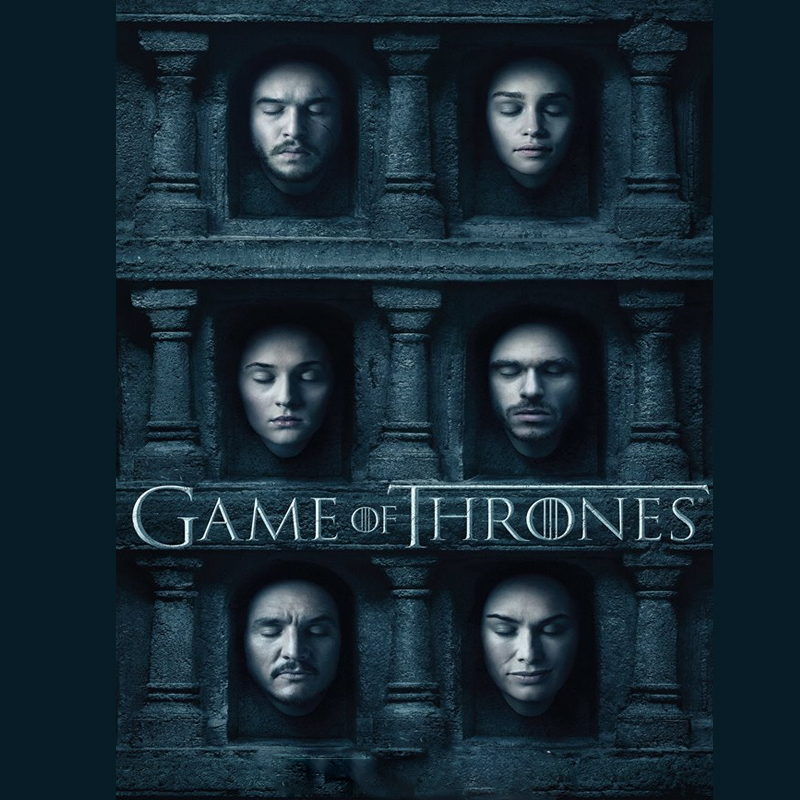
    Regulators could seek promises from AT&T and Time Warner to make content from HBO like “Game of Thrones” or cable networks like CNN available through apps or through streaming, not withholding them from competitors, which could be addressed in conditions attached to an approval.

  • Content a ‘Game of Thrones’;  AT&T’s control over HBO, Cartoon Network, Warner Bros faces regulatory lens

    Content a ‘Game of Thrones’; AT&T’s control over HBO, Cartoon Network, Warner Bros faces regulatory lens

    MUMBAI: The global media landscape is resulting in a new juggernaut as an internet and cable behemoth yesterday purchased an entertainment conglomerate making the former unmatched in its size and reach to consumers through home broadband, smartphones, satellite television and a battery of movies and cable channels. This deal could lead to more cautionary flags than Comcast’s merger with NBCUniversal in 2009.

    The US$ 108.7-billion AT&T, Time Warner merger has been met with suspicion as analysts raised antitrust concerns that it would create unfair pricing and lead to further media consolidation. The
    cash-and-stock deal values Time Warner – with CNN, HBO, and Warner Bros Studios – at over $85 billion, and involves AT&T taking on its debt.

    AT&T, over a year ago, became the nation’s largest pay-TV operator when it acquired DirecTV. Now, Time Warner would give AT&T HBO, CNN, TBS, TNT, Cartoon Network and Warner Bros., Hollywood’s biggest television and film studio. The massive deal has become a subject of discussion in the US presidential campaign. Donald J. Trump, condemning the deal, said he would block it if he were the president, “because it’s too much concentration of power in the hands of too few.” Hillary Clinton has assured to be tough on consolidation and corporate megapowers.

    Although the latest merger is considered “vertical integration” as the two broadly do not compete against each other as compared to other “horizontal integration” of similar businesses, regulators could look at other ways AT&T might affect the media ecosystem if the deal were to consummate.

    AT&T may possibly make it more expensive for its competitors to gain access to HBO or Time Warner’s content or give preferential treatment to its own programming.

    A brief history of media/telecom deals

    1995
    Turner Broadcasting System and Time Warner announced a $7.5-billion merger, bringing together brands including Warner Brothers, CNN, Time magazine, and the Cartoon Network.

    2000
    AOL announced its plan to buy Time Warner for over $160 billion.

    2005
    SBC Corporation acquired AT&T for over $16 billion.

    2008
    Time Warner spins off its cable unit, which becomes Time Warner Cable (not a part of the current deal).

    2009
    Time Warner spins off AOL.

    2011
    Comcast receives regulatory nod for its $30-billion bid to buy a majority stake in NBCUniversal. Comcast took over NBCUniversalm completely in 2013, as GE divested its stake.

    2013
    Time Warner spins off its Time Inc magazine division.

    2014
    Verizon buys out Vodafone’s stake in Verizon Wireless for $130 billion, gaining complete ownership. Time Warner turns down $ 80-billion bid from Twenty-First Century Fox.

    2015
    Comcast drops its $45-billion bid to buy Time Warner Cable after the regulator opposes the merger over concerns of creating an Internet provider and a cable operator with too much control. Verizon purchases for $4.4 billion. AT&T gets government nod to purchase the satellite TV company DirecTV creating one of the largest pay-TV servicen providers to compete with Comcast.

    2016

    Regulators approved US$ 88-billion merger of Charter Communications with Time Warner Cable and Bright House Networks, creating the third-largest video provider and the second-largest broadband
    provider. (Comcast purchased DreamWorks Animation for $3.8 billion to compete against Disney.) Time Warner bought a 10 per cent stake in Hulu for $583 million.

    Yahoo and Verizon announced a $4.8-billion merger that would give the latter ownership of the former’s Internet assets. AT&T acquires Time Warner.

    Regulators could seek promises from AT&T and Time Warner to make content from HBO like “Game of Thrones” or cable networks like CNN available through apps or through streaming, not withholding them from competitors, which could be addressed in conditions attached to an approval.

  • TRAI meets MCOF’s Prabhoo on LMO issues

    TRAI meets MCOF’s Prabhoo on LMO issues

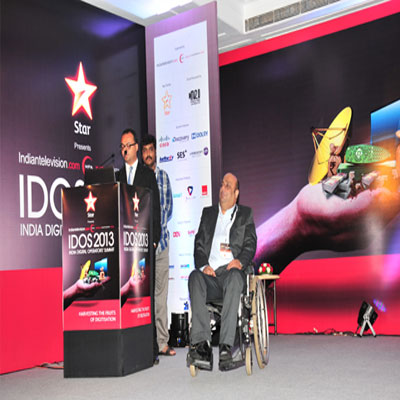
    MUMBAI: It was at indiantelevision.com & MPA’s (Media Partners Asia) India Digital Operators Summit (IDOS) that Mumbai-based cable TV heavyweight and MCOF (Maharashtra Cable Operators Federation) president Arvind Prabhoo first presented to India’s cable, DTH, regulatory and broadcast leaders the local cable TV operators’ perspective. Everyone was impressed including Telecom Regulatory Authority of India (TRAI)’s advisor N. Parameswaran, who said the regulatory body would like him to come and present at its headquarters in Delhi.

    The wheelchair bound Prabhoo did exactly that three days ago on 6 November when he presented the LMO’s viewpoint once again before the TRAI’s N Parmeshwaran, Wasi Ahmed, S K Singhal and G S Kesarwani.

    Prabhoo once again highlighted the issues that are bothering the LMOs and the role they can play in phase III and phase IV of digitisation.

    “There is a crisis in DAS I and II areas regarding LMO-MSO relationship,” says Prabhoo, adding that it was important to address the problems. Prabhoo has told TRAI that his major concern was the MSO-LMO-subscriber relationship. Subscribers belong to LMOs who collect money from them and give it to the MSOs who in turn pass it on to broadcasters. However, the MSOs believe that subscribers belong to them and not to the LMOs.

    Prabhoo also raised the issue of uneven pricing of packages in cities like Mumbai. He wants all MSOs to have similar packages so that it is convenient for a subscriber to migrate and that will even make money collection easier. At the same time, clarity on a-la-carte channels is missing even today.

    He also brought to fore the issue regarding the ownership of set top boxes (STBs). He thinks it is a big bone of contention. “On one hand, customers think they own the STBs, while the MSOs think that STBs are their property,” he remarks. “This disallows customers from migrating from one provider to another using the same STB when he shifts to a new place with a new provider and if he does, the LCO is held responsible for it. Because of this, many subscribers are shifting from cable to DTH, as it seems to be more convenient.”

    Since there’s no fixed revenue sharing deal between the MSOs and LMOs, Prabhoo came up with few solutions. He suggested that for an FTA (Free to Air) channel the sharing between MSO and LMO can be 20:80, while for pay channels it can be 75:25.

    He also suggested that the price of a STB can be reduced and a free basic broadband service be given to communicate by mail. Another suggestion was to rename the LMOs as Horizontal Connectivity Provider Agency (HCPA).

    Prabhoo also brought to TRAI’s notice the issue of entertainment tax. The 42B licenses of LMOs have not been renewed since two to three years and yet the tax is being collected from them. TRAI seemed to be unaware about the issue and has told to get in touch with the chief secretary of Maharashtra soon. They also said that as a regulator they had done everything they could.
    “There needs to be more interaction between LMO, MSO, broadcaster and TRAI if we need a proactive solution to address all our concerns,” concludes Prabhoo.

  • Eutelsat acquires GE-23 satellite for $228 mn

    Eutelsat acquires GE-23 satellite for $228 mn

    MUMBAI: Satellite operator Eutelsat has concluded negotiations to acquire from GE Capital the GE-23 satellite, associated customer contracts and orbital rights.


    The deal for $228 million is expected to close in the second half of the year, subject to regulatory approvals.


    Built by Thales Alenia Space, GE-23 was launched in December 2005 and has an expected life of 15 years. From its location in geostationary orbit at 172°E, the satellite offers unique coverage over the Asia-Pacific region via a payload of 20 Ku-band transponders accessing five interconnecting beams and 18 C-band transponders connected to a trans-Pacific beam.

    Leveraging its coverage and high-bandwidth capability, GE-23 offers a broad range of telecom services to a diverse base of blue chip customers.


    GE-23 will be integrated into the Eutelsat’s fleet, with a smooth transition for existing customers. It will be renamed Eutelsat 172A.


    The opportunity was assessed consistently with the Group’s disciplined approach to both organic and external growth opportunities. The transaction is expected to be accretive to EBITDA margin and to EPS in year 1.


    It will be financed through Eutelsat’s existing liquidity. From a leverage standpoint, it will lead to a moderate increase in the Net Debt / EBITDA ratio, and will, therefore, have no material impact on Eutelsat’s financial flexibility.

    Expanding Eutelsat’s reach and commercial offering in Asia


    The acquisition of GE-23 fits with Eutelsat’s strategy to expand its presence in the most dynamic geographic regions. The satellite brings coverage of the Asia-Pacific markets where growth is driven by a broad range of applications. It will complement Eutelsat’s organic initiatives, notably the Eutelsat 70B satellite, equipped with a dedicated Asian beam, which is scheduled to launch in the fourth quarter of 2012.


    With GE-23, Eutelsat is also acquiring a quality customer portfolio with a strong track record of contract renewals. The extended coverage also opens the way for Eutelsat to broaden its offering to its existing clients and to develop new business.

  • FDI nod for Sun’s DTH

    FDI nod for Sun’s DTH

    MUMBAI: Kalanithi Maran’s Sun Direct TV has secured government approval to induct 20 per cent foreign equity worth $150 million. Malaysia-based Astro is making the investment in the direct-to-home (DTH) venture through its wholly owned subsidiary company South Asia Entertainment Holdings Ltd (SAHEL) of Mauritius.

    The cabinet committee on economic affairs gave its nod today to Sun Direct to issue equity shares to SAHEL. The approval is subject to guidelines issued by the ministry of information and broadcasting.

    Sun, which was waiting for a satellite and regulatory approvals, can be ready to kick off its services after Insat-4B launches on 10 March.

  • Allow news on private FM: international radio broadcasters association

    Allow news on private FM: international radio broadcasters association

    NEW DELHI: Madrid-based Association International De RadioDifusion (AIR) and International Association of Broadcasting (IAB) have written to the Indian government exhorting green signal to news on private radio FM stations here.

    In a letter dispatched today to the information and broadcasting ministry in Delhi, the international association of private radio broadcasters, including FM, has also attached supportive documents on the regulatory environment from all across the globe where hard core news is allowed on private FM radio stations.

    In India, private FM radio stations are barred from carrying any news and current affairs programming, except information relating to the weather and stock market quotes.

    According to AIR and IAB president Alfonso Ruiz De Assin, “I fail to understand why news is not allowed in India (on private stations) as radio is the fastest medium and extremely user-friendly tool of communication.”

    Early this morning at Madrid (Spain), the general assembly of IAB, in principle, agreed to grant Association of Radio Operators of India (AROI) an active membership. IAB is the global body of private FM Radio broadcasters with more than 17,000 frequencies as members.

    AROI co-coordinator and BAG Infotainment CEO Rajiv Mishra said, “We are glad to get membership of IAB and are hopeful that news will be allowed on private FM radio soon.”

  • Anthony Dale is FCC acting MD

    Anthony Dale is FCC acting MD

    MUMBAI: US media regulatory body Federal Communications Commission (FCC) chairman Kevin J. Martin has named Anthony Dale as FCC acting MD and Mark Stephens as acting CFO.

    Dale has been with the FCC for almost 10 years working on a broad range of management and policy roles. Most recently, Dale served as acting deputy M D in the commission’s office of MD. Dale also served as interim director of the Commission’s Office of Legislative Affairs.

    He served in management positions in the Wireline Competition Bureau where he also served as special advisor for homeland security, the International Bureau, the Enforcement Bureau, and the Common Carrier Bureau. In these roles, Mr. Dale supervised a variety of issues, including Universal Service Fund policy and management issues, budget presentation and execution, financial reporting and compliance, audits and investigations, mergers and competition policy, homeland security matters, and various proceedings addressing telecommunications issues.

    Stephens has over two decades experience in financial management, auditing, and accounting in both the public and the private sectors. Most recently, Stephens served as acting deputy CFO in the commission’s office of MD. In that capacity, he managed the commission’s financial reporting and compliance, oversaw preparation and implementation of the Commission’s budget, and provided advice on financial management and accounting matters.

    Stephens also served as special advisor for Universal Service Fund Oversight in the Commission’s Wireline Competition Bureau, where he worked to strengthen the FCC’s safeguards against potential waste, fraud, and abuse. Stephens also worked as a senior audit manager and systems accountant in the Wireline Competition Bureau (including the former Common Carrier Bureau) and the Enforcement Bureau.