Tag: Regulators

  • Trai seeks suggestions to enhance ease of doing business in telecom and broadcasting sector

    Trai seeks suggestions to enhance ease of doing business in telecom and broadcasting sector

    New Delhi: The Telecom Regulatory Authority of India (Trai) has released a consultation paper on “Ease of Doing Business in Telecom and Broadcasting Sector”.

    The industry stakeholders can send their comments by 5 January 2022, and counter comments can be submitted by 19 January 2022.

    The regulatory body highlighted that the telecommunication and broadcasting sectors have emerged as key drivers of economic and social development and has made the country a favorite business destination amongst investors. According to Trai, both the sectors have immense potential to move on the higher trajectory of growth, “if business environment could be made more attractive by simplifying the existing provisions of policy frameworks in various ministries and departments including the ministry of information and broadcasting, department of telecommunications, ministry of electronics and information technology involved in issuing permission, registrations, and licenses to the players of the sector.”

    It said that the larger aim behind floating this consultation paper is to identify various concerns in the existing processes and suggest measures for the reforms required in the regulatory processes, policies, practices and procedures in the telecom and broadcasting sector for creating a conducive business environment in India.

    The consultation paper also seeks comments of the stakeholders on various issues and difficulties being faced by them in commencement and operation of their businesses in telecom and broadcasting sectors in the country.

    It also seeks suggestions on measures for making the existing processes simple, business friendly and creating an ecosystem for attracting more and more investment in the sectors. It also emphasises the single window concept for submitting applications and getting approvals from different agencies without running to each agency separately for its approval.

    Suggestions are also invited on simplifying the applications which have just the required details for the conduct of business and well-documented timelines with query response systems, having seamless integration with other ministries, etc. Apart from that, the stakeholders have also been requested to provide their comments on adoption of new technologies for all the issues raised in this consultation paper.

  • V Raghunandan roped in as new TRAI secretary

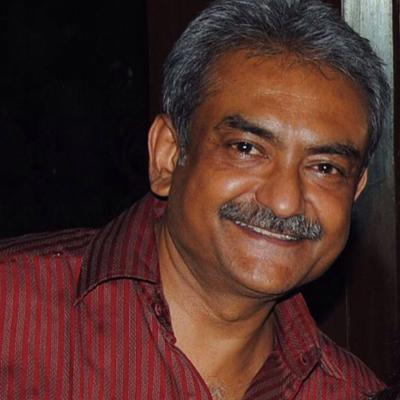
    New Delhi: The Telecom Regulatory Authority of India (TRAI) on Monday announced the appointment of V Raghunandan as the new secretary of the regulatory body.

    Raghunandan was working as a deputy director general at the Department of Telecommunications (DoT).

    The decision comes after the current TRAI secretary Sunil Kumar Gupta’s two-month extension comes to an end. Gupta was appointed the TRAI secretary in September, 2018, post the retirement of Sudhir Gupta. His tenure was extended till 31 May.

    Gupta has now been appointed as a senior deputy director general at the office of director general – Telecom in the DoT. He will oversee all field units under the 22 Licensed Service Areas (LSA).

  • DTH license to be issued for 20 years, 100% FDI allowed in the sector

    DTH license to be issued for 20 years, 100% FDI allowed in the sector

    KOLKATA: The ministry of information and broadcasting (MIB) announced major key decisions for the direct-to-home (DTH) segment on Wednesday. The cabinet has revised guidelines for providing DTH service in India as well as licensing norms.

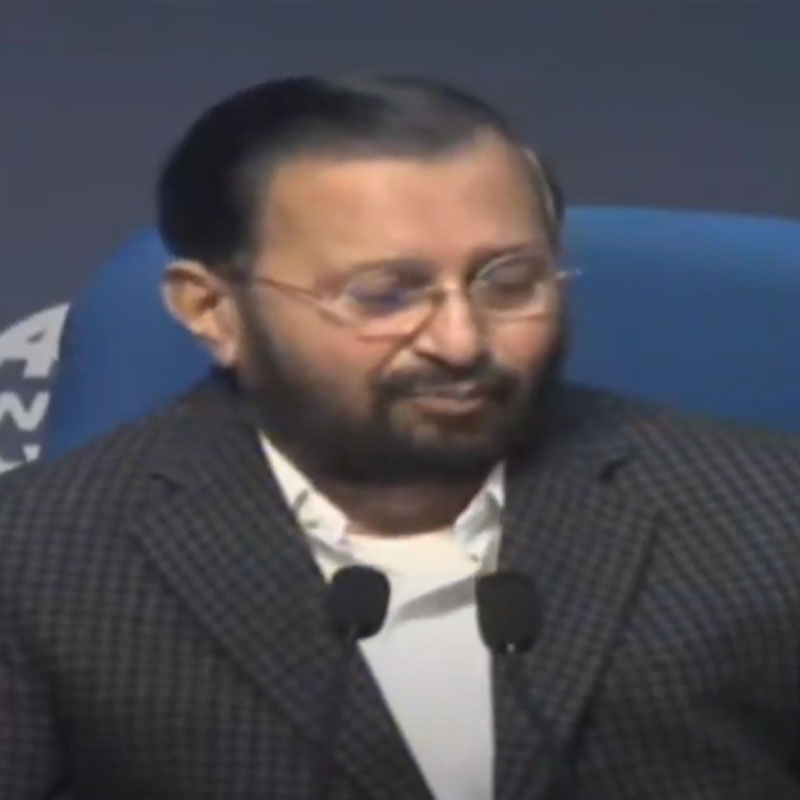
    I&B minister Prakash Javadekar stated in a briefing that 100 per cent foreign direct investment (FDI) will be allowed for the DTH sector. He also added that the decision was taken earlier by the ministry of commerce and industry but the sector could not avail the benefits due to existing MIB guidelines.

    Moreover, DTH licenses will be issued for 20 years and license fee will be collected quarterly. Further, the period of license may be renewed by 10 years at a time. The cabinet has also approved the sharing of infrastructure between DTH operators. Distributors of TV channels will be permitted to share the common hardware for their subscriber management system (SMS) and conditional access system (CAS) applications. Javadekar said that the decision has been taken to create a level playing field.

    The other salient features of the decision are:

    DTH operators shall be permitted to operate to a maximum of five per cent of their total channel carrying capacity as permitted platform channels. A one-time non-refundable registration fee of Rs 10,000 per platform service channel shall be charged from a DTH operator.

    The cap of 49 per cent FDl in the existing DTH guidelines will be aligned with the extant government (DPIIT's) policy on FDl as amended from time to time. The decision will come into effect as per revised DTH guidelines issued by the ministry of information and broadcasting.

    "The proposed reduction is intended to align the license fee regime applicable to telecom sector and will be prospectively applied. The difference may also enable DTH service providers to invest for more coverage leading to increased operations and higher growth and thereby enhanced and regular payment of license fee by them. Registration fee for platform services is likely to bring a revenue of approximately Rs 12 lakh. Sharing of infrastructure by the DTH operators may bring in more efficient use of scarce satellite resources and reduce the costs borne by the consumers. Adoption of the extant FDI policy will bring in more foreign investment into the country," the government said in a press statement. 

    The authority also added that the DTH sector is a highly employment intensive sector that operates pan-India. It directly employs DTH operators as well as those in the call centres, besides indirectly employing a sizeable number of installers at the grass-root level. The amended guidelines, with longer license period and clarity on renewals, relaxed FDI limits, etc will ensure a fair degree of stability and new investments in the DTH sector along with employment opportunities.

  • A wrong to correct a wrong

    A wrong to correct a wrong

    MUMBAI: If you look back a few years it was the MSOs who were arm twisting the Broadcasters and carriage subsidies shot up to an estimate of about 1800-2000 crores so it was but obvious that the broadcasters had to resort to some countervailing power and adopted the age old saying of ‘in unity there is strength’ to fight back. Hence, the mergers and partnerships to create the Aggregator now termed the Aggressor!


    But the battle here is not between the MSO and the Broadcaster. Unfortunately, both have been caught in a situation and a created one at that. Both are responsible for this situation. The Broadcaster wanted distribution beyond available bandwidth, the MSO but naturally driven by common supply – demand market dynamics fleeced exorbitant carriage fees. To demand higher shares of which he started grabbing more territory. For doing so he gave significant concessions towards the subscription collections. Soon it reached a stage that they began to subsist on this easy money and forgot about the upward flow of subscriptions. So, the broadcasters were giving and getting back their own monies and plus or minus a little depending on the so called legacy of the channels rather than any rationale of popularity. That is where the business model started floundering. It’s not that the subscriber was getting a free view. Sure 20,000 + crore was getting collected and of course most of it in cash.


    So, where did all this money go? And why are both the Broadcasters and MSOs bleeding. One has to examine the value chain and leakages in the upward flow. The interface to the customer is the LCO/LMO the one who is making the collections. A reasonable share of this will need to flow upward to the broadcasters. Content too with all the competition is only getting more expensive especially with international formats and Bollywood hosts.


    How much should be a fair share is secondary. First, one needs to ensure that there actually is a streamlined reverse flow. The bottlenecks and leakages lie in the value chain and systems created by both the MSO and the broadcasters. In addition to the MSO in the middle between the LCO/LMO at one end and the Broadcaster at the other end, there are at least three more middlemen in the current system that prevails. The agent aggregator, their dealers and the distributor/JV partner of the MSOs. The money the consumer pays goes through five hands before what’s left will eventually reach the broadcaster. Obviously there are not one but two too many middlemen and this is where the ecosystem needs change.


    Now in all of this, how’s the consumer or subscriber faring? We are the cheapest cable market in the world and honestly without an iota of debate our consumers have been spoilt. For three to five dollars a month subscription, we get the most premium of content. (Given the way our rupee is depreciating we’ll soon be down to $2 subscriptions!) And for that an abundance of choice with half a dozen channels per genre. Live sports of pretty much every event around the world and movies within two months of theatrical release.


    Wow! Even if the Govt. is floundering in providing Roti, Kapda aur Makaan nobody is complaining about the 4th essential – Entertainment. Sure everyone’s complaining about the cost of electricity and fuel and multiple taxes but no one’s saying cut off my cable!


    Fortunately, we are also the 2nd largest cable and satellite market in the world and so can provide affordable entertainment and the best there is to offer. There’s enough to go around for legitimate stake holders we just need to get the business model right. Imbalances will correct themselves over time.


    As to the regulator and regulation, digital addressable system (DAS) is great, but for now let’s just focus on getting the boxes. Let it just be an exercise in technological evolution. Enjoy the digital experience and abundance of choice. We are a privileged lot. Trying to introduce addressability and ‘pay for what you want’ is only going to increase the consumer’s monthly outflow or severely restrict choice. When DAS gets to that stage of choosing and billing, it is not going to be a populist regulation.


    So Mr Khullar Sir, the aggregator has been disarmed (agent regulation), the MSO reigned in (max 50 per cent of state control) and the broadcaster chastised (12-minute ad cap). The LCO is still trying to figure out how by merely putting a box, the MSO claims the home whereas he’s the guy who has been upgrading the cables and amplifiers for over two decades. Let’s not add a confused customer to this. He’s happy leave him alone for now. Let the market dynamics come into play and let it all settle for a while. Average Revenue Per User (ARPUs) will increase but not at the cost of denying the consumer what he is already used to. Niche content, value added services and TV on the go are new revenue streams and customers will be willing to pay more for these. Affordable internet access is the key to this next phase of growth wherein traditional media and what we call new media need to converge. What will certainly be interesting is to see who will be the players here to emerge.


    (The author is a media observor and consultant, and the views expressed are his own.)

  • TRAI’s toothless content aggregator regulations

    TRAI’s toothless content aggregator regulations

    The Telecom Regulaotry Auhtority of India  (TRAI) was right in both identifying and bringing in new regulation in an attempt to curb content aggregator aggression (read: broadcaster aggression). However, the restrictions are very minimal and on the face of it, they don’t seem to have too much teeth. Aggregators can get renamed as Agents but will TRAI’s effort at redoing and notifying regulations for them really act as an agent of change?


    There is no restriction on the ownership of agent companies or how many broadcasters they can represent. (Will need to be addressed in issue of cross media.) Broadcasters belonging to the same group can bundle channels. For the immediate future it is more likely to lead to a futile exercise in splitting existing contracts and  and overtime and consulting fees for the guys in black suits (read: lawyers).


    Already agreed terms including carrying weak channels and desired packages are the tradeoffs by which the DPOs negotiate to their advantage, so contrary to TRAI’s belief that they add to unwanted costs, they actually subsidize the DPOs costs – whether for carriage, packaging or for a preferred LCN.


    Restricting multi-broadcaster packages is not important. What is important are the DPO’s packages which are what subscribers eventually subscribe to. As mentioned, these are negotiation tradeoffs.


    In any case most of the channel pricing and bouquets evolved arbitrarily at a time when there were already existing TRAI restrictions on a-la-carte, bouquets, price freeze on existing channels etc and very often broadcasters introduced highly priced new channels to offset the freeze on existing channels pricing. Even internal allocations between various broadcasters within an aggregator skewed rationale on pricing.


    The new regulations have not addressed many potent issues which have been plaguing the business and continue to beg solutions. For starters, let us understand that the entity signing the RIO is of little consequence to the consumer.  Where are the guidelines for DPOs to price to consumers? Should the retail pricing be determined by the DPO or Broadcaster and who should communicate this to the consumer?  Same goes for the packages. Is the DPO the real content aggregator buying in wholesale and then retailing to consumers or is he merely offering his delivery infrastructure and payment gateway for a commission?  What is the business model TRAI envisages? Is it going to continue as a B2B or should there be complete transparency to consumer in a B2C approach? 


    Third party channels within aggregator/agent will be most likely impacted. The Stars and Zees are big enough bouquets by themselves, same goes for the TV18/Viacom18 group channels. (Presuming 50 per cent ownership qualifies to label a broadcaster a Group Company!). Yes, Sony and Discovery channels on paper need to be split but their distribution venture has survived many long years and they can resolve any internal issues without upsetting present equations.


    The onus is now on the various DPOs – whether DTH or MSO – to leverage the only real advantage and actually negotiate separately for each of the various broadcasters’ bouquets. Some positive effect of this is likely but it would take a while for the dynamics of negotiations to change. For now it will more likely be just a paper tiger.


    All of this makes sense only if the end objective of DAS is achieved: which is individual consumer choice and billing. For now it seems to be stuck in a farcical CAF exercise. No one has really asked the consumer if he is happy paying his 150-200 bucks (ARPU) and wants to continue having his unlimited thali and buffet! And if one were to do the maths on this basis for current pay TV homes and allocate say 40 per cent to content- well, everyone’s happy!


    (The author is a media observor and consultant, and the views expressed are his own.)

  • TRAI releases its 2013 report card

    TRAI releases its 2013 report card

    MUMBAI: The year 2013 saw the Telecom Regulatory Authority of India (TRAI) cracking its whip on the broadcasters as well as every other party within the industry for its betterment. It released several papers and regulations in order to do so. The Regulator that released its activity report for the year gone by as the New Year kicked off, said that consumer interest has been one of its main mandates.

    To ensure good consumer experience, in 2013, TRAI amended ‘standards of quality of service (duration of ads in TVs)” of 2004. And what came into effect was the regulation that restricts advertising air time to 12 minutes for a clock hour. The regulator says that this practice is not uncommon in several countries and also goes along with the provisions of the Cable TV Network Rules (1994). “Excessive advertisement adversely affects the quality of viewing experience of the consumer. The objective behind the issue of these regulations was to ensure a better quality of experience for the consumer,” says the TRAI’s activity paper.

    But even after this amendment, not all the broadcasters have been following it and the current fate of the ad cap is in a limbo. Several broadcasters have even challenged it in the Delhi High Court including the News Broadcasters Association (NBA). When channels openly did not follow the rule, TRAI started prosecuting them for it. Complaints were filed against 14 broadcasters for non compliance with the regulation. With this, TRAI disappointed many channels as the regulation came at a time when advertising rates were dipping and digitisation had not even entered phase II.

    TRAI also came up with The Telecommunication (Broadcasting and Cable) Services Tariff Orders for cable TV and DTH services that provides standard tariff packs for supply and installation of STBs to consumers in DAS areas and Customer Premises Equipment (CPE) to DTH consumers.

    When India’s oldest DTH operator, Dish TV went to the regulator for extension of its 10 year licence that was to expire on 30 September, it woke up to the fact there were no guidelines/rules on  extension. The new consultation paper is reportedly coming out this month and meanwhile Dish TV has been allowed to continue on its existing terms and conditions.

    The issue of media ownership was also addressed with the Regulator coming out with a consultation paper that discussed points related to ownership of a media outlet, disqualification from the media sector and rules for mergers and acquisitions in the sector. Media monopoly issues were also taken up when the Ministry of Information and Broadcasting (MIB) asked TRAI to examine whether there was a requirement of restrictions on MSOs and LCOs to prevent them from monopolising cable TV markets.

    The TAM brouhaha that saw adamant broadcasters unsubscribe to its ratings system led to the TRAI coming up with its guidelines defining parameters for ratings agencies and ratings systems.

    Major steps were taken to strengthen the process of digitsation. Multi-system Operators (MSOs) and Local Cable Operators (LCOs) were ordered to bring a proper subscriber management system (SMS) in place and disconnect signals for those whose details were not entered.

    Pay TV channels were asked to have written interconnect agreements with MSOs. One of the provisions that protected broadcasters was that an MSO could not demand signals for a particular channel under the ‘must provide’ clause and ask for carriage fee.

    As India is progressing towards digitisation, a la carte channels should also be available along with packages, so that subscribers can opt for either a la carte or bouquets or a combination of both. 14 LCOs and a MSO were also taken to court for not following DAS regulations.