Tag: Regional OTT

  • Stage gets Clear on PFT’s AI-powered  content management solution

    Stage gets Clear on PFT’s AI-powered content management solution

    MUMBAI:  Prime Focus Technologies (PFT), the muscle behind indigenous tech Clear and a global maven in AI-led media solutions, has inked a long-term pact with Stage —the homegrown OTT star championing regional India. The goal? To supercharge Stage’s content operations and serve up smart entertainment with a tech twist.

    With this tie-up, Stage will plug into PFT’s Clear media asset management (Mam) and Clear AI suite. Expect an overhaul of workflows, from AI-assisted post-production to intelligent tagging, slick compliance, natural language search, and turbo-charged team collaboration. In short: more brains, less brawn.

    “As our content library continues to grow, adopting a forward-looking Mam platform became crucial,” said  Stage co-founder Shashank Vaishnav. “With Clear and its integrated AI features, we gain the scalability and intelligence to enhance operational efficiency, improve metadata quality, and ensure quick access to the right content. We’re looking forward to the innovation and impact this partnership will bring.”

    PFT SVP & head of APAC Anupam Sharma added: “We’re thrilled to collaborate with Stage on this transformative journey/This agreement underscores the increasing demand for intelligent Mam systems that go beyond asset management—unlocking insights, accelerating workflows, and driving monetization through AI.”

    This alliance marks another feather in PFT’s APAC cap and underscores its growing grip on the media-tech landscape across borders.

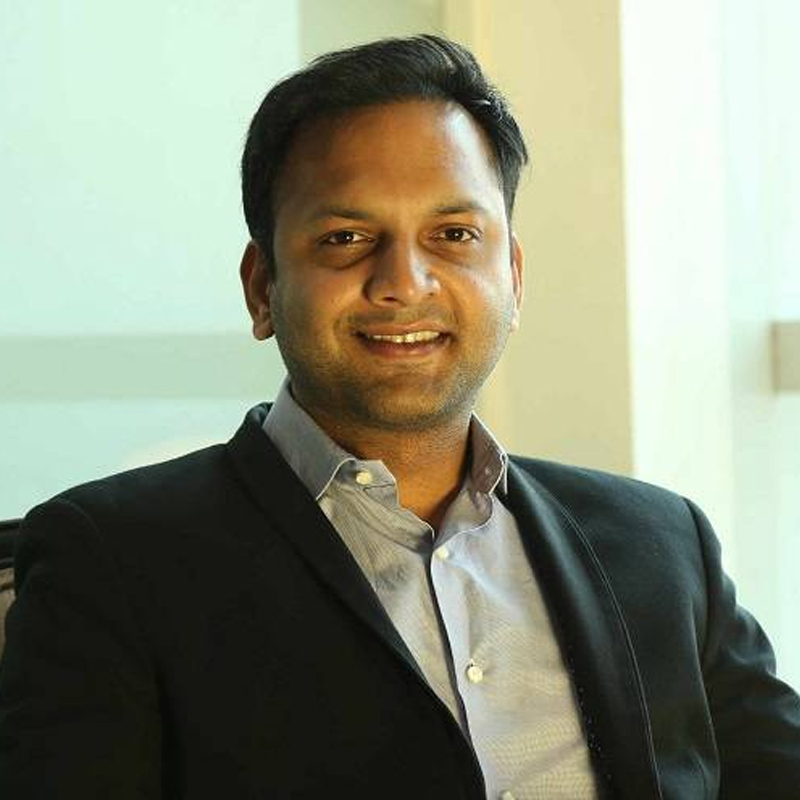
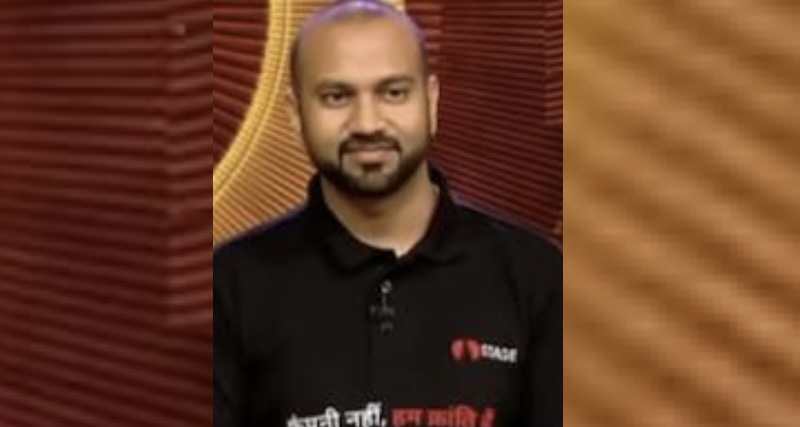
    (Featured in the picture above Stage co-founder Shashank Vaishnav)

  • aha partners with JioSaavn to launch an exciting subscription offer

    aha partners with JioSaavn to launch an exciting subscription offer

    MUMBAI : The regional OTT player, aha has partnered with audio OTT platform JioSaavn to offer access to each other’s content at the price of one. This move comes as a surprise for the new subscribers as the platforms will become super affordable for them.

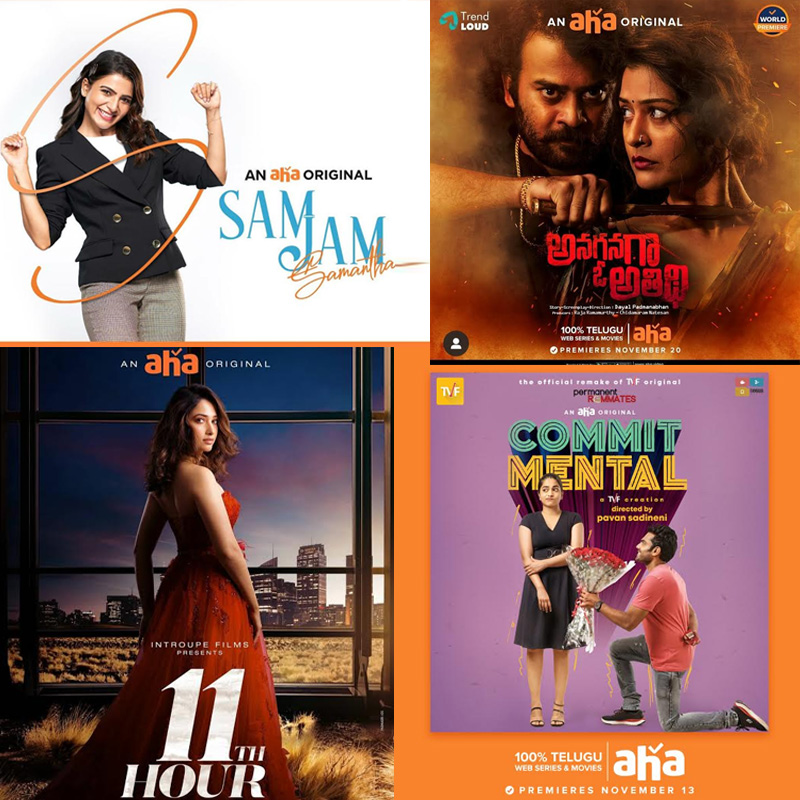
    The partnership will allow new users to stream eighty million plus audio tracks on JioSaavn and access to two hundred fifty films, series and original shows such as Unstoppable, Telugu Indian Idol, Bheemla Nayak, DJ Tillu , and many more on aha. aha and JioSaavn unlock access to a world of entertainment, with the #OkeDebbaKiAataPaata campaign.

    Following this partnership both aha and JioSaavn will offer one-year subscription of both apps to the new users at an effective price of Rs 399 with 50 per cent discount from the actual annual subscription price of Rs 798 on both platforms independently.

    The latest partnership underscores aha’s aim to entertain the audience in their native language and JioSaavn’s commitment to providing a superlative audio streaming experience to users in regional markets with the most relevant content offerings.

    Additionally, the association will drive organic subscription growth for both platforms while adding value to their new users that sign up for this offer. At present, aha and JioSaavn’s annual subscriptions are priced at Rs. 399. With this collaboration both brands will offer an annual subscription at the price of one ie., Rs 399 per annum for their new users.

    Commenting on the partnership, aha CEO Ajit K Thakur said, “We at aha are delighted to partner with JioSaavn for this exclusive offer. Our partnership with JioSaavn emphasizes our commitment to generate better value for our users with exclusive partnerships. We warmly welcome our new users to enjoy both aha and JioSaavn annual subscription at 50 per cent discount”.

  • Regional OTT platform aha wins two silvers at Abbys 2022

    Regional OTT platform aha wins two silvers at Abbys 2022

    Mumbai: The regional OTT platform aha bagged two silvers at Abbys 2022 for ‘best regional TV reality show promo’ and ‘best regional TV program promo’ at the star-studded Goafest.

    The Abby awards 2022 recognised and honoured aha’s creative work for its NBK campaign and has become the top talk show on the IMDb list during its run. The promo features Telugu superstar NBK- Nandamuri Balakrishna, which has garnered millions of views.

    aha winning these awards, in the first year of Abby’s participation, speaks volumes about its creative strengths and fine campaign execution. The two promos created by aha’s in-house team are worthy of praise, as they not only bode well for the company but also inspire every new creative shop from regional markets to dream big at the Abbys.

    On the winning, aha CEO Ajit Thakur said, “We are thrilled and grateful to Abby Awards for recognizing us and our work. Our endeavor had always been to question the status quo and give the best to the consumer, be it in content or in communication. We are glad that this award is for the promo of one of our path-breaking shows Unstoppable.  We tried to represent the stature of the celebrity and show, in the promo in an interesting way and it connected very well with all the Telugu audience.”

    aha has close to two million Paid subscriptions in Telugu market with more than seven million users. The company has recently launched a slate in the Tamil language as well, further manifesting its promise of providing “100 per cent local entertainment.” It has a variety of content offerings, right from blockbuster films to web series, original films to talk shows, game shows and much more.

  • New Telugu OTT platform Aha bullish on its growth and expansion

    New Telugu OTT platform Aha bullish on its growth and expansion

    KOLKATA: In the sea of moody blues and ebony blacks, the orange OTT platform Aha stands out – but that alone is not enough for the fledgling brand. It is gearing up to win over audiences that are already spoiled for choice in a market saturated with streaming services. With its sights set on the Telugu regional space for now, Aha’s promoters are very bullish on its expansion plans and promise to offer local yet premium content.

    The platform entered the market in early 2020 but due to unprecedented Covid2019 crisis it had to push back some of its plans. With production resuming in September, Aha is back on track to lure one of the largest entertainment markets in India. From the beginning, it has opted for a subscription plan priced at Rs 365 per year. While the company has no plans to make the streaming service ad-based in near future, it might not overlook advertising revenue from other sources like branded content.

    It is not easy to sustain in a cash-burning business that demands huge investment but does not offer immediate profit. However, Aha management has emphasised that they will not compromise on content quality and user experience. Although the production cost may not reach the level of Hindi shows, the company claimed it is pumping money into the venture, without divulging any number.

    The market for the newly launched platform is as big as 50 million Telugu speaking internet users who are already consuming online videos, shared Aha promoter Ramu Rao Jupally. As for paying propensity, CEO Ajit Thakur said that they believe this entire market will be ready to pay in future, but 25 per cent – that’s around 12 million users – are already willing to shell out cash for premium content. Aha is owned by Arha Media & Broadcasting Private Ltd, a joint venture by Geetha Arts and My Home Group.

    The management is excited with the initial growth –  Aha has garnered five million downloads and 18 million unique visitors within a few months of the launch. Moreover, the platform has already clocked 2X subscribers compared to the target set initially.

    But in the end, content is king. Rao stated that they already have 52 shows lined up for the next one year. They plan to release five shows during the Diwali season. While production was halted during the Covid2019 crisis, the platform still offered one fresh show every week to prevent subscriber churn. Initially, they had opted for acquisition aggressively, but going forward the ratio of original and acquired will be 70:30.

    At the moment, major international and domestic players are gradually increasing investment in the regional markets which could increase the competition for the new entrant. However, Thakur appeared confident while delineating Aha’s frequency, volume of content, sharply curated content including films, best creative minds working for the platform would talk in their favour.

    “On the distribution strategy, we have been a bit conservative. We have positioned ourselves wherever the audience has touch points like LG, Sony, Roku, Firestick, Samsung. But we have not pursued aggressive partnerships with other aggregators yet. Once we do that, our organic growth will get affected. We want to test the potential of how far we can get an audience on our own. So we are available across all platforms but we have not really pursued aggregators’ strategy.”

    As for tie-ups with broadband providers, Aha has sealed the deal with ACR Fibernet only, “because we were able to do it on equal terms,” added Thakur.

    The road to profitability is a long and winding one for an OTT platform due to the high cost required for content, marketing, and product. However, Rao is optimistic Aha would be able to break even within three-four years post debut, though it’s still early days to make a definite projection.

  • Planet Marathi OTT launches the first-ever Marathi pay per view ‘Ticket Window’

    Planet Marathi OTT launches the first-ever Marathi pay per view ‘Ticket Window’

    KOLKATA: Planet Marathi OTT has launched the first-ever pay-per-view platform for Marathi Films. It has announced the launch of ‘the ticket window’, a select pay-per-view format of the movie experience! Yes, it is a first-ever OTT platform to enable the ‘first day – first show’ experience, especially for the Marathi films.

    Planet Marathi CMD Akshay Bardapurkar and COO Aditya Oke jointly today announced their plans to open their Ticket Window segment under the Planet Marathi OTT platform. While talking about the same both Bardapurkar and Oke said, "We are initiating the ‘pay-per-view’ model falling under the ambit of Planet marathi OTT. It means that the ticket windows will open up for our audiences to purchase their online tickets and watch their favorite movie online at a one time fee like never before!"

    The segment is named "Planet Marathi Digital Theatre" which will be available to the audience as early as the first week of September 2020. Planet Marathi has been always been ahead of the industry when it comes to aggregation and promotion of Marathi content in different formats. 

    While talking about what inspired his passion project Bardapurkar said, “Maharashtra film body recently announced in a press release appealing producers to release/sell their films digitally due to the COVID-19 impact. Producers are facing insurmountable losses and it was only natural that producers will try to stay afloat with the help of OTT’s in these trying times”.

    Akshay further added, “We have to be agile and adapt quickly in this industry, as soon as we got to know that the film body has taken this stance, taking a cue from them we decided to act as fast as possible and make available a part our platform wherein audience will be able to log in – purchase tickets – and watch their favorite film every Friday”.

    Answering the question “which movies are going to be premiered?”, Oke replied, “We have an array of films, a lot of producers are ready to launch their films digitally on our platform but for now, we can’t reveal which films are lined up for a digital release. If you look at Planet Marathi’s commitment to the people and its supportive nature towards the industry we are surely hitting a bullseye with our OTT and the array of features we have under it”. Akshay signs off saying, “Forget Marathi I don’t think anyone has matched anything like Planet Marathi Digital Theatre even for the Hindi industry”.

  • Hoichoi to double original content to 100 hours this year

    Hoichoi to double original content to 100 hours this year

    MUMBAI: The over the top (OTT) platform that has been a rage in the eastern part of India has ambitious plans for the coming year. With about 50 hours of original content live on the platform, Hoichoi aims to double that to 100 hours by the end of 2018.

    A product of Shree Venkatesh Films (SVF), Hoichoi has 16 original shows (with three in-house productions) and 500 movies thanks to its parent. With 20 years of experience in the media business, SVF was no stranger to the content business when it launched Hoichoi in September 2017. The mandate was simple: give premium and ad-free content in turn for subscription. While other players are jittery when it comes to subscription, Hoichoi co-founder Vishnu Mohta says it has been confident of an SVOD model in the niche Bengali market.

    Mohta says that out of the three plans of Rs 399 for 12 months, Rs 249 for six months and Rs 149 for three, the six-month plan is the opted for the least. As long as people continue to pick the annual plan, the lack of uptake for the middle one doesn’t bother.

    The first six months were dedicated entirely to brand awareness. Heavy marketing has been kept for later. However, Mohta believes that word of mouth will be a way to attract new customers. “We still believe very strongly that people, who want to watch content of this sort, will largely be driven by referrals. I think that drives a lot more business than pure marketing. We don’t do marketing on large scale. Our focus is largely on awareness,” he says. Last year’s #HoyeJak campaign was called a success and soon another campaign is on the anvil.

    Using feedback, Hoichoi keeps updating its library and recently added an audio-streaming option too. Despite having originals, Mohta thinks that the power to acquire customers lies in the movie section since West Bengal has an active movie market.

    “Movies make your decision easier when you subscribe because they come in handy on a Sunday afternoon.  Originals are about impulse, someone can see a trailer or may be told by a friend about a show. However, we made a promise to our consumers that we would continue with our originals,” he adds.

    Among recent originals, Japani Toy was launched on 12 May. Another original Dupur Thakurpo which got great traction across Bengal, will see its second season launch on 26 May. Another show Shei Je Holud Pakhi, starring famous faces from the Bengali film industry Saswata Chatterjee and Tridha Choudhury will be launched sometime in June.

    Hoichoi sees a potential market outside the state in Delhi, Mumbai, Bangalore and Agartala. Even the Indian diaspora markets of the US, UK and Middle East and even Bangladesh are large pockets offering good opportunities to leverage. For exploring the Bangladeshi market more, Hoichoi will provide payment options in local currency in the next one or two months. It has also bundled up one Bangladeshi show shot there and directed by a local name. The show Dhaka Metro will be followed by at least two more in 2018 itself.

    Being in an industry which is backed by partnerships, Hoichoi is dependent on Viulift since its launch for tech support. To provide customers a seamless experience, Hoichoi depends on Amazon Cloudfront as CDN partner. It is in talks with many telcos both in India and Bangladesh too.

    Customers are demanding more features, especially from second seasons, and this has thrown challenges for Hoichoi. But it looks like the plan for 2018 is a done deal.

  • Regional OTT content more than just catch-up TV

    Regional OTT content more than just catch-up TV

    MUMBAI: The rise of digital content platforms has forever changed television viewing in India. The revolution in the over-the-top content (OTT) and video-on-demand (VOD) industry in the country is reminiscent of the growth of satellite television during the 1990s. Due to the rollout of 4G services and exponential growth in the smart phones, the OTT industry expanded widely in 2017 in India.

     In the past two years, the competitive landscape has evolved quickly with the entry of 25 to 30 OTT service providers in India. There were nearly 10 investments in OTT and OTT technology companies during 2016 and competition is heating up in terms of who is acquiring the exclusive rights of TV shows as well as in terms of launching originals. Millions of rupees are being invested in content production and acquisition by all major players. According to the Accenture 2017 Digital Consumer Survey, the surge in VOD in India is pegged at 78 per cent, which is growth in the number of consumers of VOD services in India.

    When a brand addresses a regional demographic in its language, it builds an emotional connect with it. Likewise, when video content players such as OTTs serve content in vernacular mediums, people tend to associate better with them. And 2017 has seen almost every player dive into the regional language pond.

    The entertainment sector has woken up to the huge potential of the regional OTT language content with platforms like ViuClip, YuppTV, Amazon, ALTBalaji, SonyLIV, Voot, Hotstar, and Netflix providing exclusive regional content.

    In an interaction with Indiantelevision.com’s Kirti Chauhan, Viu country head (India) Vishal Maheshwari, ALTBalaji CMO Manav Sethi, Voot COO Gaurav Gandhi, Amazon Prime Video content director India Vijay Subramaniam, SonyLIV EVP and head digital Business Uday Sodhi, YuppTV CEO Uday Reddy, and Amagi Media Labs co-founder Baskar Subramanian spoke about the current scenario of regional content language on various digital platforms. The inputs by media experts of the industry from Stratagem Media MD Sundeep Nagpal and Lodestar Media GM Deepak Netram overviewed the role and the potential of regional content in the OTT space.

    Among the trends that emerged, include: the current OTT ecosystem is geared towards serving the youth. Said Netram, “Maximum users are in the age group of 18 to 34 years spending 15 minutes plus on average on consuming content via apps and more than 55 minutes overall in a day.”

    Defining regional content

    “Content available in languages catering beyond the Hindi and English-speaking masses in India would be categorised as regional content. The focus of the content is shifting from what is popular across India to what is popular in a select region. At Viu, we are creating relevant and contemporary entertainment to cater to these masses,” commented Maheshwari.

    Gandhi said that besides Hindi, the VOD’s focus on regional languages like Marathi, Kannada, Bangla, Gujarati, and Tamil.

    Amazon Prime’s Subramaniam thinks that their content mix is significantly local. “We have a line up of multiple new Hindi originals coming up that would also be dubbed in multiple languages. We already offer the latest movies in Marathi, Tamil, Telugu and Bengali,” he said. In Bengali, we have tied up with Shree Venkatesh Films, in Tamil, we have partnerships with Dream Warrior Pictures, V Creations and Studio Green; in Telugu, we have tied up with Lakshmi Narasimha Productions, DVV Entertainments, and in Marathi we have tied up with Everest.”

    Amazon Prime Video availed some of the blockbusters of 2017 like Arjun Reddy, VIP2, Nene Raju Nene Mantri, Dhananjoy, and Bhikari soon after their theatrical release.

    The new player in town, ALTBalaji, has added another angle. “Regional content cannot be defined under state boundaries. The democratisation of labour and movement in jobs have showed that language travels across the region from where it originates. So, it will be wrong to look at regional content from location stand point, it has to be looked at from language stand point,” said Sethi.

    The early entrant, YuppTV, shared plans to have Telugu content. For now, it is launching content in Tamil and, going forward, it will feature content in Malayalam, Marathi, and Bengali, too.

    SonyLIV’s Uday Sodhi is gung-ho about regional content. “Besides Hindi, we have a strong catalogue of Bengali content. We are now aggressively looking at adding other languages on our platform as we have created original shows in Marathi and Gujarati. We are looking for acquiring content in south Indian languages to make our regional language portfolio strong,” he said.

    According to Netram, 25 to 30 per cent of the audience visiting the OTT platforms consume regional content and it is expected to reach around 50% by 2018. Maharashtra and the South are the two dominant markets in India at the moment.

    Beyond catch-up TV

    While discussing the restrictions of regional content, Amagi’s Baskar Subramanian said, “I feel that regional OTT is largely driven by television content like what they call catch-up TV.”

    Sodhi, however, believes that catch-up TV is the starting point for consumers because they are familiar with it. SonyLIV is witnessing significant consumption of films, short films and original shows on the platform.

    Sethi offers a different perspective. “Not many investments are being made in creating shows or narratives or stories that have the propensity to be consumed by 10 to 20 million people outside TV. But now ALT is investing a lot in creating shows outside TV.”

    Added Maheshwari, “Video on demand around the country has moved beyond catch up TV. While there is a sizable amount of regular television content consumption on these platforms, the growing effort to create locally relevant originals is establishing the demand for experimental and fresh content created for the digital-first audience.”

    YuppTV, which already has a big basket of TV content to watch on-demand, now has a small basket of originals for binge watching. Reddy said that they have created their own linear TV playout so people can watch it like a typical TV format as well. “We have created epic engagement of audience with our own and syndicated content. Our goal is to have 20 per cent of our own YuppTV content. We will be announcing four more shows soon.”

    Besides making Viacom18’s TV shows available as catch-up TV, Voot is providing exclusive content around the TV shows. Gandhi said that they are now starting to create original series for Voot in regional languages.

    Working with language experts

    Viu works with creative minds from the particular region they are catering to. This builds a content base for them that the millennial audience can resonate with. Said Maheshwari, “We are consistently working with creative talent that has the knowledge and expertise to create content in specific regional languages. We have an in-house team of researchers who dive deep into market and consumer insights. We work with studios big and small, independent producers as well as creative folks.”

    Reddy said that they have content team experts who had been in the industry and going forth, they will be hiring more experts for other regional languages.
    Gandhi added, “We work with our TV networks in each of the regional markets to create and curate the content in the respective language. We also have a regional content team at Voot, which focuses on shows for their respective language.”

    SonyLiv, meanwhile, has a team that looks at the content and understands the content beyond languages.

    Even Amazon’s Subramaniam said that the platform has dedicated teams that assess content demand amongst customers in each region based on various factors.  “A combination of these factors decides our content strategy.”

    Sethi too agreed on having a language expert on board, giving the example of the soon-to-be released Bose and Dhimaner Dinkal series, which have a Bengali expert. “Our choice of the production house is also guided by the person’s understanding of the nuances of that particular region’s language, traditions, culture, and many more things.”

    “The benefit of taking OTT players to regional sectors is that they give them a platform to talk to the local audiences in their language, helping advertisers to engage more efficiently,” pointed out Netram. Nagpal, however, thinks that the benefits for OTT players is just to capture eyeballs from a different screen and different audiences, while they are young, with fresh content and win them over from TV.

    Market research

    According to Sethi, both primary as well as secondary research needs to be done before undertaking a new language sector. “Our secondary research is all about the shows, which have come live, sources of data that have guidance, whether the show worked in particular region, how did it work, what was the monetisation opportunity in that show and many more. From the stand point of primary research, it is largely based on picking up the focus group. While doing our Bengali show research, we spoke to a group of Bengali people to identify the kinds of stories and drama they would like to consume. In our secondary research, we looked at the data consumed on Facebook and Youtube along with the growth in consumption.”

    Baskar Subramanian believes that there are two things to consider for regional content creation. First is the economics of production and second is the cultural nuisances of those regions that can be captured exclusive to the TV content.

    Maheshwari said, “Our strategy is deeply anchored in technology and consumer insights. Research affirms that regional content on OTT will command close to 30 per cent of the overall share in the years to come. Indian language internet users will drive the next phase of internet adoption in India. This new generation of users will come on board from tier 2 and tier 3 cities. With this potential increase in consumer base, there will be immense demand for intriguing regional content.”

    Sodhi said that they have we looked at the original content in language while doing Marathi and Gujarati shows. He said, “We found that both are underserved markets and, besides the television content, there is very little digital only content is available but a lot of our consumers come from these regions, which made it a perfect combination to serve content in these languages.”

    “At Amazon, we keep customers as our prime focus. The best way we customise and select our content is by giving our consumers what they want. We invest a lot of time and effort in market research to understand what customers want in order to deliver it to them,” said Subramaniam.

    Voot is currently open only to those languages on that have a strong TV network content. Based on internet penetration, digital video penetration, content availability, and preference of the native language over Hindi, Voot is looking at opening other markets, too.

    Said Nagpal, “Given the rapid penetration of mobile and growth rates of internet services in the hinterland, as well as the reducing tariff rates of bandwidth and downloads, the biggest challenge can well be to produce compelling content.”

    Content creation and marketing strategies

    For promotion, Voot uses its TV networks and other digital media assets as well. ALTBalaji, however,  focusses largely on digital for marketing. “On digital, it becomes easier for us to target in terms of reach and frequency,” added Sethi.

    At Viu, the content ecosystem is driven by consumer demand and their anticipated entertainment needs. This includes a mix of licensed and originally created content. The platform is focussed on locally relevant content in every market and does not believe that one size fits all. “We knew Korean dramas did well in Malaysia and Indonesia, and decided to put the content on our Indian app as well. Since then, we have witnessed a lot of consumption by a small group of people,” said Maheshwari

    Sodhi’s team is capable of targetting the right content to the right user with the help of analytics, which tells them which audience is coming from which spoken language region. And, similarly, based on the content engagement matrix of YuppTV, Reddy and the team designs the content strategies. YuppTV has its own platform intelligence to build the content strategy. For marketing, they use social media platforms.
     
    Revenue potential

    As the audiences grow across regional language content, monetisation will grow as well. “While this was small so far, it is beginning to become interesting,” Gandhi believes. “It is an early evolving market. We are still at early stage when revenue started coming in. However, we are confident that over the next 12-18 months, we will see significant numbers in revenues,” said Sodhi.

    “With urban markets saturating with content, the regional content demand will be the next thing that OTT platforms are likely to tap into. This will command close to 30 percent share in overall revenue,” Maheshwari added.

    “After Hindi, regional has acquired the maximum share in terms of viewership and monetization ability. From monetization and ROI stand point, largely Tamil language has the highest potential because it has far invite, they are higher on payment curve, they are affluent, they are educated and the mobile uptake is more,” said Sethi.

    While sharing the current regional content on their platforms Sethi said, “15 per cent of our total number of hours of shows will come from regional content. We are investing a lot in regional talent across genres because they have tremendous appeal in terms of following. However, SonyLIV currently have regional content of around 10 per cent, besides Hindi and English, said Sodhi.

    Nagpal commented that OTT content can be made available for advertising almost immediately, but it would take about 2 years to reach a critical mass for advertisers to recognize its value. But the options to market can be many more than just airtime. Wherein, Netram thinks that this is an active aspect, monetization has already started and is expected to further ramp up looking at the consumption pattern. He said, “OTT Platforms like Ozee are centered on the regional content and are monetizing it well.”

    Regional programming

    Maheshwari said that there is an immense scope for original content in regional language. “For Viu, we are focused on creating and providing a mix of regional content beginning with Hindi and Telugu. Currently, we are focusing on Telugu as a region with shows such as Cinema Pichollu, Pelli Gola and PillA. We aim to provide undubbed shows. Instead, we are creating bilingual content in Telugu and Hindi that has universal appeal.”

    Gandhi agreed and said, “We are already working on digital original series across 3 regional languages already.”

    Subramaniam believes that homegrown and original content are significant drivers of viewership and box office collections already. Local stories help them to remain relevant, relatable and eventually widen audience reach.

    Sethi, Reddy and Sodhi accepted that the market has tremendous scope. And the regional content growth will only come from original shows made in various regional languages.

    Where Nagpal thinks that Regional advertisers are still not enthusiast about digital regional content, Netram believes they are.
    Nagpal said, “Not yet, but this will not take time, once the content starts flowing out. There are enough regional success stories to go by. However, “Netram said, “Yes the OTT Platforms are very kicked about the regional content and the same is shown by the way it’s been consumed, special web series in the regional language have also been created.”

    Growth potential

    Gandhi said “Our biggest regional language on Voot is Kannada. We are also seeing good growth in Marathi. We are extremely bullish on our Tamil language play as well, especially as we launch our TV network in that market soon.”

    Sethi believes that Tamil, Bengali, Kannada and Telugu languages has the biggest scope for growth.

    Sodhi said that they have seen significant adoption for South Indian languages which includes Tamil, Telugu, Kannada & Malayalam and then Marathi, Gujarati, Bengali and Punjabi by audience.

    Because YuppTV have started a little early in Telugu, the platform has higher audience numbers in it. Reddy firmly believes that Telugu, Hindi and Tamil, other regional languages like Malayalam, Marathi and Bengali have a big scope for growth.

    Maheshwari said, “We have launched Telugu and Hindi, we are contemplating other language content to get added to our regional repertoire.”
    Netram said, “Identify content that is working well on TV, get the same content in the regional language, for example if a big reality show on TV gets the highest viewership. South being the second highest region to consume regional content, the same could is also been leveraged on OTT.” However, Nagpal only suggests to just watch the growth of technology.

    While talking about the investment in regional content language, Maheshwari said, “Content investment is required to seed adoption. This investment partly goes towards licensing content and partly towards producing originals. In a market like India where there are many OTT players, differentiation is the key. When we do originals, we let the script, production quality required for the script to reach its full potential and audience reach and monetization expectations define the budget for a show. Sometimes, it is well below TV production scale and sometimes it is much bigger.”