Tag: regional Channel

  • NDTV Rajasthan launches on 5 September

    NDTV Rajasthan launches on 5 September

    Mumbai: NDTV Rajasthan, NDTV’s second regional channel, launches on 5 September 2023.

    The regional channel and website https://rajasthan.ndtv.in/ brings NDTV’s legacy of trust to the ‘land of kings,’ the largest state by area in India.

    NDTV will bring its 35 years of journalism to the state, promising to go beyond politics. Our focus on ground reports will give the public that much-needed voice. Our focus on hyper-local utility news, on issues that matter to the youth, on gender and climate, incisive coverage of the cities and villages, NDTV’s legacy of covering elections from the ground and intelligent analysis gives the regional channel a global touch. Our channel will focus on the rich cultural diversity of the state, its history, music, dance, entrepreneurship and language.

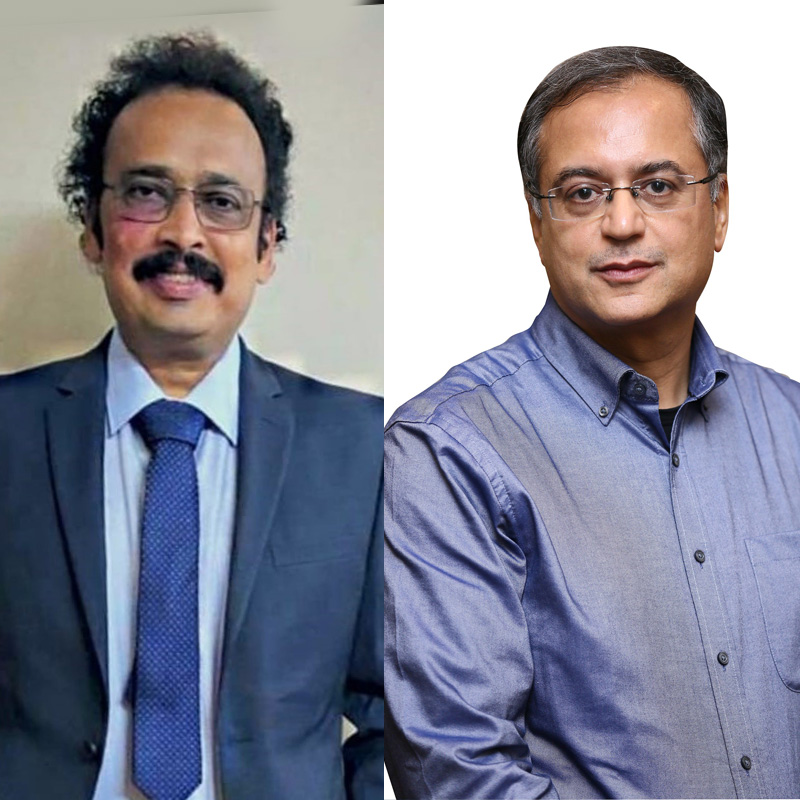
    NDTV’s executive director and editor-in-chief Sanjay Pugalia reiterated the company’s commitment to journalism of trust.

    “Our decision to go regional stems from our desire to provide hyper-local, relevant news to people living in Rajasthan. Our reporters and stringers will ensure no region, city or village feels alienated from the capital.”

    Adding to the sentiment, NDTV’s executive director Senthil Chengalvarayan added, “The launch of NDTV Rajasthan comes at a time when news has increasingly become limited to politics and not much else. We want to change  this  and ensure  every citizen of Rajasthan feels that their voice matters.”

    NDTV Rajasthan will be available on leading local cable and DTH networks.

    Follow and subscribe to our handles:

    On Youtube: @NDTVRajasthan
    On Twitter: @NDTV_Rajasthan
    On Facebook: @NDTVRajasthanOfficial

    NDTV Rajasthan and NDTV Madhya Pradesh-Chhattisgarh mark the beginning of NDTV’s foray into regional news, with many more launches planned in the next few months.

  • Q Marathi sets off with four top national advertisers, 17 digital creators

    Q Marathi sets off with four top national advertisers, 17 digital creators

    Mumbai: With the biggest national FMCG advertisers such as Himalaya, L’Oréal, Pepsi, and Reckitt, and 17 top Marathi digital creators on board, Canada-based QYOU Media’s regional foray Q Marathi is off to a good start.

    Starting 15 March, the free-to-air market of over 84 million Marathi audiences in Maharashtra will have access to ‘original-to-TV’ content from across genres including comedy, romance, horror, animation, drama, and religion and spirituality in the form of Q Marathi. Reinforcing the network’s core DNA, the channel will tap into the world of social video to feature content from Marathi digital creators and social media stars.

    Why Marathi

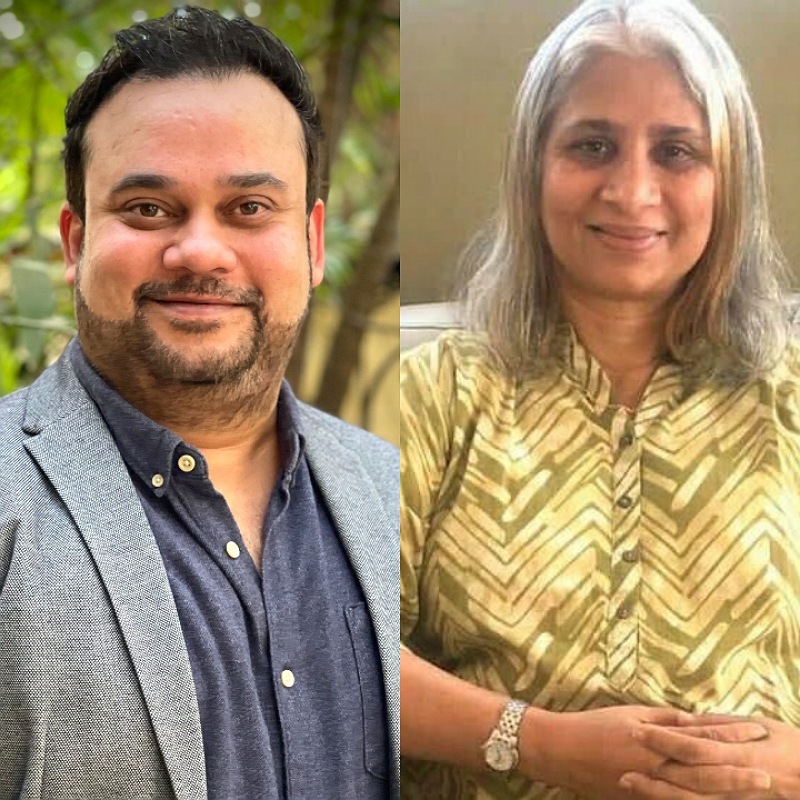
    Q Marathi channel head Neeta Thakare says that while the network plans to venture into a bunch of languages and genre niches going ahead, the decision to begin with Maharashtra was both natural and strategic. “The state being the company’s base and a top management that is strongly rooted in the Marathi cultural ethos, helped. Marathi being third-most spoken language, as well as Maharashtra’s high literacy rate, disposable income, and digital savvy youth make it an attractive market for content providers and advertisers alike,” Thakare shares.

    This is evinced by the coming on board of some of the biggest pan-India brands such as Himalaya, L’Oréal, Pepsi, and Reckitt as ‘founding sponsors’, along with several others. These are among the top advertisers, nationally.

    According to Q Marathi programming head Ashutosh Barve Marathi channels are generally driven by retail advertising by local stores and businesses. “Having four pan-India clients as ‘founding sponsors’ for a start-up channel is a significant achievement. It reflects the faith these diverse brands have in us and our content for being able to connect them to the right kind of audience.” he says.

    The content proposition

    Talking of content, uniquely positioned as the ‘Bhannat Aahe’ channel in a market dominated by pay channels Star Pravah, Zee Marathi, Colors Marathi, and Sony Marathi and the sole FTA brand Sun Marathi, Q Marathi promises to carve out a niche for itself as the “OTT of Marathi television through its edgy and exclusive programming,” asserts Barve.

    Elaborating on the channel’s unique proposition, he notes, “In recent times the Marathi audience has taken to digital and youth content in a big way in terms of both consumption and creation. There are so many brilliant creators from the small town and villages who are churning out videos in the long-form 10/15/20-minutes space on a regular basis. As a brand driven by the booming creator economy, the Q is bringing this content to the underserved youth that is currently limited to consuming mostly drama and mythology on television. In the future we may open to shorter content and social commerce, among other things.”

    All the talk about youth and youth/digital/edgy content aside, can the channel as a GEC afford to eliminate other section of audiences? Barve clarifies that Q Marathi is definitely a family-inclusive channel. “We are programming for the entire spectrum of the audience with shows that talk of diverse subjects like childhood memories of grandmother’s home and another one that is reminiscent of Malgudi days, and yet other which depicts live-in relationships. So, while our content is always very ‘young-at-heart’, it most definitely caters to the entire family.”

    Making it known

    The Q Marathi is being promoted through a phased 360-degrees campaign, with a focus on reaching out to interior regions of Maharashtra. Currently, in the awareness-building phase, the campaign is heavy on print, shares Thakare.

    Pointing out another unique feature of the Q’s promotional strategy on digital, Barve says, “it is for the first time a TV channel is using the social media might of its creator partners as a force multiplier to reach out to the ‘aam aadmi’ in a sustained manner.”  

  • Zee Ganga becomes only channel in the region to celebrate Chhath in primetime original fiction shows

    Zee Ganga becomes only channel in the region to celebrate Chhath in primetime original fiction shows

    Mumbai: When it comes to festive celebrations, no one does it better than Zee Ganga. Taking that legacy forward, the channel is all set to bring a unique Chhath themed lineup for its viewers.

    Considering the significance of Chhath and the elaborate celebrations not just around the core region of Uttar Pradesh and Bihar but nationally as well as internationally these days, the channel will create a landmark moment this year by being the only channel to celebrate Chhath in original primetime fiction shows with a unique theme — “Yeh Hath Vrat Hai,” “Yeh Chath Vrat Hai.” Each show will undertake a journey signifying and amplifying the tough resolve that is needed to observe the most auspicious festival Chhath.  

    This is further accentuated by enhancing the celebration of Chhath across “Shyam Tulsi,” “Kaniya Pradhan,” “Mitwa,” and “Bandhan Tute Na” with the region’s biggest female celebrity icons Rani Chatterjee, Akshara Singh, and Monalisa across primetime shows on 10 November, from 7 p.m to 9 p.m only on Zee Ganga.  

    Presenting viewers a triple treat, each of the three spectacular shows is bound together by a common theme. One that sees the central character overcome constant barriers as they look forward to celebrating Chhath. Despite having their backs to the wall, their Aviral spirit, encouraged by the above-mentioned special guests,  help them rise to the challenge culminating into a Maha Vrath Chhath celebrated amidst much gusto. With such engaging plotlines, power-packed performances and a never-say-die attitude brought out in full display, Zee Ganga brings an added sense of elation and pride to audiences on one of the biggest festivals in the region.

    The show “Shyam Tulsi” will have a special surprise for the audience as actor Rani Chatterjee makes a guest appearance. The episode will showcase how Chhathi Mayi helps Shyama through Rani Chatterjee, who is a close friend of Nikhil, and makes his family accept her. This track will be aired at 7 p.m. Adding to the festive fervour, audiences are in for a treat with the special Mahasangam episode between Mitwa and Kaniya Pradhan featuring one of regions biggest stars Akshara Singh, where she will help strengthen the bond between Amarendra and his mother, as well as Ritu and Mithlesh. The one-hour-long episode will be telecast from 7:30 p.m to 8:30 p.m. 

    Last but not the least, “Bandhan Tute Na” will celebrate the festival with popular Bhojpuri as well Hindi GEC celebrity Monalisa Antara Biswas. As Chanda wants to impress Madhav keeping Chhath Vrat but Neela Devi creates obstacles, viewers will get to know how Chhathi Mayi helps Chanda through Monalisa, this special episode is to be aired between 8:30 p.m to 9 p.m.

    “As one of the pioneers in Bhojpuri GEC category, we have always looked towards building on consumer insights and adapting accordingly. With Chhath being one of the most celebrated festivals in the region, we do understand how one, with their Aviral spirit, manages to complete the fast every single year,” stated chief channel officer- Bhojpuri Amarpreet Singh Saini. “Taking this thought forward, we pride ourselves in being the only channel to curate fictional shows themed around Chhath that audiences can relate to. Having roped in some of the biggest names in the region, we have left no stone unturned towards celebrating this feeling of pride and accomplishment amongst our viewers.”

    “The idea behind weaving festive themes into Zee Ganga’s prime time offerings is to elevate the viewing experience and make it more personal. Considering all these are eagerly-awaited family shows, and festivals are the time when people indulge in buying and new investments, leading brands across sectors also can reach out to viewers across age groups with deeper and more meaningful associations through these festive offerings,” he further said.

  • Viacom18 names Viraj Raje the head of programming for Colors Marathi

    Viacom18 names Viraj Raje the head of programming for Colors Marathi

    New Delhi: Viacom18 on Wednesday announced the appointment of Viraj Raje as head of programming for Colors Marathi. He will be responsible for managing the channel’s content strategy and creative framework.

    Raje comes with over 25 years of experience in the industry, having led creative teams across Marathi television and films. Prior to joining Colors Marathi, he has worked with Disney+Star India, Reliance – Big Productions, and as a freelance film director, wherein he revolutionised Marathi entertainment by creating novel and engaging content, said the channel in a statement.

    Welcoming Raje on board, Viacom18, head – regional entertainment (Kannada and Marathi clusters), Ravish Kumar said, “Marathi entertainment, especially on television, caters to audiences with extremely varied preferences – connecting viewers in both urban metros as well as rural parts of the state. Colors Marathi has been paving the path for content that resonates with this diverse audience, bringing stories that are modern yet seeped into the culture of the land. Viraj’s rich experience in the entertainment industry and knowledge about the pulse of the Marathi viewer will help us further enhance the channel’s footprint and bring delight to our audiences.”

    Elaborating on his new role, Raje said, “Content creators today need to be subservient to the fact that to captivate the audience’s interest, one needs to bring the right balance of novelty and mass appeal. I am excited to embark on this exciting journey at Colors Marathi and look forward to creating unique stories that truly reflect the ethos of the Marathi audience.”

    In his career spanning 25 years, Raje has been honoured with numerous awards like the Maharashtra State Award: Best Director for the feature film “Shyamche Vadil“, Best Social Film and Screenplay for “Babanchi Shala“.

  • West Bengal consumers look for relatable and aspirational content: Zeel’s Samrat Ghosh

    West Bengal consumers look for relatable and aspirational content: Zeel’s Samrat Ghosh

    New Delhi: After a successful national run, Zee Entertainment Enterprises (Zeel) forayed into the West Bengal market in the year 1999, and Zee Bangla became the first Bengali TV channel to be launched in the country. Over two decades later, the channel continues to enjoy a strong presence in the regional market with several successful shows that connected with the local masses. It further bolstered its regional genre with the launch of the sister channel, Zee Bangla Cinema in 2012.

    As part of the inaugural edition of the Tele-wise Bangla summit, Indiantelevision.com, CEO and editor-in-chief Anil Wanwari got in a fireside chat with Zee Entertainment Enterprises Ltd (Zeel), cluster head, Samrat Ghosh who spearheaded the network’s journey to the east.

    Ghosh has been a member of Zeel for over two decades. He took over Zeel’s Bangla business in 2014 and has been responsible for overseeing a bouquet of channels which includes Zee Bangla, Zee Bangla Cinema, Zee Sarthak, Big Ganga, and Zee Biskope. The conversation delved upon the various facets of the network’s growth in the Bangla market, the psyche of local consumers, channel’s content offering, and the brand’s philosophy. 

    Edited excerpts:

    On Zee Bangla’s journey so far and the challenges along the way

    Zee Bangla had already established a strong brand identity when I took over the channel’s business in 2014. It was perceived to be a pioneer in the non-fiction space and had some advantages over several established brands. In the fiction space, we had some flashes of brilliance here and there. My main objective at that time was to further strengthen this brand identity, create brand equity and transform the brand into ‘a brand of love and relevance’. Adopting a consumer-centric approach is the key to success. So, we reached out to consumers and gained loads of consumer insights, and started designing our products accordingly which was all-inclusive. This inclusiveness helped us to get a wide spectrum of audiences and top the viewership charts. We brought lots of cultural relevance in fiction and non-fiction shows to build more engagement among viewers and remained invested in content.

    On selecting stories in the culturally rich east market

    Bengal consumers are very different from other regional markets. They are bilingual, well-read, and well-informed. The state literacy level is also high at 77 per cent and they are culturally very sensitive. They also look forward to something new all the time, which also makes them extremely loyal to the brand. If the brand talks in their language and understands their needs, then they remain faithful to the brand. They look forward to a unique blend of content offering, where their values are also embedded. Such content resonates well with Bengal consumers. We have also done biopics, including the one on Netaji Subhash Chandra Bose which was well-accepted by the audiences. Bengal consumers lap up content if it is relevant to them and appeals to their aspirations.

    On the choice between chasing ratings and a good story 

    Rating is a by-product of the content that you create. We have always embraced a consumer-centric approach. We take consumer insights to make the content more relatable and aspirational for our viewers. If we can create content like that with relevant storytelling, then the rating is bound to follow. We reach out to consumers before the launch of the product and after launch too. They are quite excited to dissect the product and tell about likes and dislikes, so content correction also happens along the way.

    On reaching out to non-Bengali consumers nationally 

    In the non-fiction space, we have had some reality shows which developed into cult brands in the market. We had a quiz show, called Dadagiri with Sourav Ganguly and Dance Bangla Dance, and the vernacular season of Sa Re Ga Ma Pa. Many non-Bengali consumers also watch some of our shows and find them relevant. Many shows have travelled to other parts of the country within the Zeel network. So, we have catered to a wide spectrum of audiences.

    On whether Bengali consumer is programme-loyal or channel-loyal

    Both exist in the Bangla market. First and foremost, the Brand inertia and affinity in a typical Bengali consumer is very high. So, if you win their heart once, they will remain loyal to you for a very long time. There is a high brand loyalty among the Bengali audiences. If the content is relatable and it appeals to their aspirations, then there is always an appetite for consumption. They will wait a year after year if they develop an affinity for a show. Some shows have been running on the channel for years. But most importantly, the content has to be relatable to them.

    On genres that Bengali viewer binges on

    Any kind of content that has high cultural relevance will always resonate with the consumer. When he sees that the brand understands their needs, they develop an affinity for it. Localised content drives engagement and regional channels always have a higher ability to connect with consumers. The show Didi no 1 is a game show for women and it appeals to their aspirations. At the core, the brand has to be consumer-centric.

    On the challenges in finding talent in writing and acting, and unique solutions adopted

    Bengali TV industry has seen an upsurge in content production in the last decade and ramping up of content production hours. So, the growing demand has led to a short supply of talent for acting, writing, etc. So, we have embraced multiple ways to overcome this challenge. First, we have widened our production eco-system and we are now collaborating not only with established production houses, but the emerging ones too. Secondly, we are producing in-house shows to nurture new talent. Thirdly, we have launched a talent nurturing platform, YesBangla.com for searching for new and nurturing talent. The response has been great for acting, but for screenwriting, it is limited so far.

    On the OTT boom and impact on TV

    Both complement each other. TV works in the family space, while OTT is in personal space. Both platforms cater to a different set of audiences and both will co-exist. If you see, 95 per cent of video consumption is in vernacular, so OTT will grow. But, in West Bengal, for instance, there is 60 per cent penetration of TV. So, there is a lot of headroom for growth there too.

    On some successful partnerships with brands and advertisers

    We have had a couple of examples in the recent past. We believe in providing a value proposition to our advertising clients. We collaborated with Senco Gold and Diamonds, a jewellery brand for a show based on a jewellers’ family. So, while the brand utilized the platform and used it to launch new product ranges, it also lent huge insights for us, especially while taking our main protagonist for workshops. So, we keep doing a lot of integrations, Dadagiri was another such TV show. We have witnessed continuous support from our advertisers who see immense value in the collaboration. At Zeel, we provide a holistic proposition to advertisers, creating a win-win for the channel and the advertisers. 

    (The virtual summit – Zee Bangla was organised by Indiantelevision.com in partnership with Zee Bangla on 29 June and witnessed insightful sessions with representatives from television, advertising, and media.)

  • Viacom18 launches Colors Gujarati in UK

    Viacom18 launches Colors Gujarati in UK

    Kolkata: Viacom18 Media has launched its regional entertainment channel, Colors Gujarati, in the UK. IndiaCast Media Distribution, jointly owned by TV18 & Viacom18, partnered with Sky & Virgin Media for the channel launch.

    The channel is available to Sky subscribers from 1 June on Channel No. 794 and will be available for Virgin Media’s- Asian Mela Pack subscribers from 8 June on Channel No. 825. The network currently offers its flagship general entertainment channel Colors along with the premium entertainment channel Colors Rishtey as well as the movie channel Colors Cineplex in the UK.

    With this new addition, Colors Gujarati becomes the only Gujarati language channel available to UK viewers. The channel will bring the best of Gujarati content all through the week along with movie premieres on Sundays at 7 PM.

    BT Media and Broadcast director Faisal Mahomed said: “As a leading provider of media services in the UK, BT Media and Broadcast is at the forefront of broadcast innovation. With a successful partner track record, we’re pleased to continue to help Viacom18 capture larger UK audiences through our cutting-edge technology, and as always, we look forward to supporting Viacom18 with their growth plans – both in the UK and internationally.”

    Colors Gujarati has been launched with its ‘Dil Thi Gujarati’ motto which mirrors the essence of the fun-loving Gujaratis in the UK. Colors Gujarati creates content that cuts across age groups with genres ranging from drama, comedy, mythological shows, movies, awards, events, and lifestyle. The channel will largely showcase the same shows as India. Some of the popular shows include Bhakta Gora Kumbhar, Rashi Rikshawali, Prem Ni Bhavai, Kahu Chu Sambhlo Chu, and the soon-to-be-launched ManMilap.com.

    IndiaCast international business executive VP Govind Shahi said: “We have a large Gujarati speaking population in the UK and they have made their presence felt in the social and cultural fabric of the country. But currently, there is no single Gujarati channel in the UK even though there are various TV channels for Punjabi, Urdu, Bangla, and other regional language audiences. The launch of Colors Gujarati will fulfill this need-gap in the UK. The channel will constitute of best-in-class Gujarati content from our hugely popular India library – including fiction, non-fiction series, and movies”.

    With this launch on both Sky and Virgin, Colors Gujarati will reach out to a vast majority of subscribers who can sample and enjoy quality content in sync with their strong socio-cultural identity.”

  • Odisha Television enters the list of top 15 networks in India

    Odisha Television enters the list of top 15 networks in India

    MUMBAI: Odisha Television, popularly known as OTV has become the only Odia language network to enter the list of top 15 networks in the BARC’s network-level performance for the month of July 2020. It is the pioneering media venture that redefined television viewing in Odisha.

    OTV carries the onus of charting a course that behoves its pioneering efforts. The channel is respected for its free, fair, and unbiased news reporting, its integrity and commitment to set and practice enviable standards of journalism. The Odisha Television Network is more than a household name in the state catering to 45 million Odia speaking population across the globe.

    Launched in 1997, Odisha TV has always led from the front in its 24 year-long journey from cable television channel to satellite channel and now also dominates the digital world in the Odia language, with no significant competitors.

    “We pride ourselves for being number one not only as a news channel but for being at the helm in all the five genres of TV channels in Odisha. We are the only uni region network in this list of top 15 TV networks of India with no other regional or national channels in our bouquet. We dedicate this to the relentless efforts of our journalists and the undying trust of our viewers for their support throughout,” says Odisha Television Limited MD Jagi Mangat Panda.

  • Zee Thirai to fulfil demand for content and star-driven movies

    Zee Thirai to fulfil demand for content and star-driven movies

    MUMBAI: Zee has covered most of the regional space with its GEC and movie channels. With the launch of Zee Thirai it strengthened its footprint in the southern market. Unveiling the plans and programming strategies for the channel to have strong consumer pull in Tamil market, Zee Entertainment Enterprises Ltd. (ZEEL) South Cluster Head Siju Prabhakaran says, “Our commitment is to keep ourselves in-line with the demand for content driven or star driven movies in that market.”

    He further says, “The ability to differentiate viewers by offering brand propositions and our engagement with audiences, are what we believe will make us stand apart from other players and help us garner viewership share.”

    Zee Thirai has 400 plus library strength and it will aggressively acquire movies from time to time both star-driven and content-driven. The library would be shared between Zee Tamil and Zee Thirai but there will be big movies which might air on Zee Tamil first and then come to Zee Thirai or there could be certain movies which might premiere only on Zee Thirai.

    “We believe in the regional market and specifically in southern market which is very strong. Otherwise we would not be investing in it. These are growing markets and there is tremendous scope for us to grow in this market too,” says Prabhakaran.

    He also informs, “Through our brand we are trying to communicate that we will celebrate Tamil cinema in the best possible way and this celebration will extent to the channel's offering. Every week there will be new premiere and this is a first of its kind that any regional channel is offering.”

    Viewership trends in southern market is different from other markets. The audiences in this market consumes more content in the morning and afternoon. To grab maximum eyeballs from those slots, Zee Thirai has strategised by offering a breakless movie slot in the afternoon and in the morning slot it will show classical movies from yesteryear.

    “All these product offerings make Zee Thirai very interesting. It is available on all leading DTH operator/ players and lot of cable operators are carrying it. In fact, those who have not carried it yet are getting constant enquiries,” says Prabhakaran.

    The channel is looking at both advertising and subscription-driven revenue models. “We have just launched the channel and I am sure once the audience build up happens, advertisers will follow but it’s very important that we get the product right first. If the consumer pull is created, advertisers are always willing to support brands which build consumer base.”

    Tamil is one of the largest regional markets in our country and movie as a space is the second largest genre after general entertainment. Movie channels specifically contribute around 12 per cent viewership. With the increase in the number of movies released in the theatre, it is a value proposition for the broadcasters to have movie channels. Movie viewership has also grown on the television.

    He opines, “In Tamil Nadu, we have been growing from strength to strength in the last 3 to 4 years. We are able to establish ourselves as a strong number two channel in market. In a market where there are difficulties but we have managed to get very strong viewership, it gives us confidence to launch other channels.”

    Prabhakaran also hopes by the end of the 12 months, Zee Thirai becomes a strong brand. “We definitely want to be amongst the movie watching audience. We want to be able to capture the minds of our audience,” he concludes.

  • ZEEL to launch another regional channel – Zee Punjabi on 13 January, 2020

    ZEEL to launch another regional channel – Zee Punjabi on 13 January, 2020

    MUMBAI: Zee Entertainment Enterprises Limited (ZEEL) is all set to launch its another regional channel Zee Punjabi, the Punjabi General Entertainment Channel on the auspicious day of Lohri, 13th January, 2020. The channel has a strong content line up of fiction, non-fiction and movies with storylines familiar to the land.  

    With its unique brand promise, 'Jazba Kar Vakhon Da' – the spirit to make the Vadde Sapne come true, Zee Punjabi's full range of robust content endeavours to be the jazbaa that pole vaults people to their extraordinary dreams. The legendary singer Gurdas Mann who has been associated with the channel says, "Zee Punjabi laa raha hai Punjabiyon ki kahaani, Punjabiyo ke liye, Pehli baar Punjabi mein. I am always happy to give back to my land and I am even happier that a network like Zee is taking this initiative. I am looking forward to the launch of the channel and being associated with it!"

    Show line-up of ZEE Punjabi:

    Commenting on the much-awaited launch of its first GEC in the region, ZEEL North, West and Premium Channels Cluster Head Amit Shah said, Zee invests in understanding the pulse of Middle Class India and what drives people across different regions. We have had very successful regional channel launches across the country. With our consumer understanding and the innate ability of creating magic with our stories, we are now looking at the launch of Zee Punjabi. Despite the highest TV penetration (88%) in the country, Punjab has a significantly low Time Spent and that is a factor of not having dedicated Punjabi content that does justice to the region and the culture. 

    He further said, "Zee Punjabi is being launched by understanding the viewer's need gap; for a culture that is so powerful, Punjab definitely needs its own authentic Punjabi channel. Intensive consumer work in the market has helped us understand the potential and craft the strategy for our content and brand. We are certain the audiences will resonate with the stories and fall in love with the characters"

    Speaking of the launch, Zee Punjabi business head Rahul Rao says, "We look forward to bring shows that are inspired from the region and its culture. Punjabis have a jazba and junoon which is very unique to them and our content is a reflection of that spirit. We have a strong line up of stories with themes familiar to Punjab, characters that people will fall in love with and faces like Gurdas Mann, Jazzy B, Jaidev Kumar, Sonu Kakkar and Sara Gurpal who are respected here! With over 20 hours of original content every week and a strong line up of World TV Premieres every month, we are certain of being wholeheartedly accepted by the Punjabi audiences."

    Zee Punjabi will be available across all major cable, DTH, Freedish and digital platforms starting 13th January 2020. The channel will also be available on ZEEL's digital and mobile entertainment platform, Zee5.

  • TRAI issues consultation paper discussing target market, placement issues between broadcasters, DPOs

    TRAI issues consultation paper discussing target market, placement issues between broadcasters, DPOs

    MUMBAI: The Telecom Regulatory authority of India (TRAI) released a consultation paper on ‘Issues related to Interconnection Regulation 2017'. The objective of the move is to consult all the stakeholders on issues related to target market, placement and other agreements between broadcasters and distributors.

    The authority has received representations from quite a few regional broadcasters highlighting their concerns regarding the declaration of the target market by distributors of television channels (DPOs). As the existing regulations provide freedom to DPOs to declare their target market for the purpose of ascertaining the carriage fee, some of the DPOs have declared multiple states (or entire country in some cases) as their target market.

    In this context, regional broadcasters are compelled to pay very high carriage fee. This has created a negative economic barrier for regional channels thereby limiting their presence on smaller distribution platforms as proposition to pay carriage fee for national market makes it unviable for such channels.

    Not only does this put undesired financial burden on regional broadcasters, it makes them prone to undue arm twisting by the distributors, as their subscription continues to remain lower than the minimum prescribed threshold of five percent (5 per cent ), which is the limit under which a DPO is not mandated to carry any channel.

    "Further, the placement agreement, marketing agreements or any other technical or commercial arrangements between broadcasters and distributors (apart from RIO-based agreements) are in forbearance. But now, quite a few complaints have been received from various broadcasters whereby it is being alleged that some DPOs are resorting to pushing for marketing/placement/promotion agreement, by exploiting the available forbearance,” TRAI said in a press release.

    Recently, Telecom Disputes Settlement and Appellate Tribunal (TDSAT) also recommended the authority to examine the issue. According to a TDSAT order dated 29 July, the main challenge appears to be the wisdom of the regulator in giving liberty to DTH operators to declare their target areas.

    Adhering to the orders, the authority had several meetings with each group of stakeholders in the industry including news broadcasters, broadcasters, DTH operators, MSOs and regional broadcasters to discuss their viewpoints and come forward with a balanced solution that is in the interest of both the concerned parties (DPOs and regional broadcasters).

    According to some of the broadcasters, the decision of declaration of target market should be left upon them as it is their channel and they should have the freedom to decide that which sector of the population will opt for their channels. Almost all the regional broadcasters want that the target market should only be their respective state or city or territory and they should not be asked to pay carriage fee for the entire universe (PAN India).

    However, DPOs have a different opinion. According to some of the distributors, the cost of infrastructure associated with running a channel is significant. In case the provision related to target market is altered to states, it will alter their revenue structure. According to them, any reduction in the revenue stream from carriage fee will result in additional subscription cost for the consumers. Moreover, any smaller target market will mean more and more broadcasters will achieve subscription threshold of 20 per cent. As soon as the subscription crosses the threshold, their carriage fee revenue will reduce to zero. As per extent provisions, a broadcaster is exempted from payment of any carriage fee if the monthly subscription of his channel in the target market exceeds 20 per cent.

    As per TRAI, MSOs declaring its target market as the area covered under a head end or any smaller area within the total area covered by a head end can be an alternative. Another option which has been highlighted as a possible altenative is linking carriage fee to cost of carrying a channel. In this option the cost of carrying a channel may be worked out and the amount of carriage fee that a broadcaster may be required to pay the distributor may be capped at that level.

    The highlighted questions are primary issues for consultation:

    1. Do you think that the flexibility of defining the target market is being misused by the distribution platform operators for determining carriage fee? Provide requisite details and facts           supported by documents/ data. If yes, please provide your comments on possible solution to address this issue?

    2. Should there be a cap on the amount of carriage fee that a broadcaster may be required to pay to a DPO? If yes, what should be the amount of this cap and the basis of arriving at the           same?

    3. How should cost of carrying a channel may be determined both for DTH platform and MSO platform? Please provide detailed justification and facts supported by documents/ data.

    4. Do you think that the right granted to the DPO to decline to carry a channel having a subscriber base less than 5 per cent in the, immediately preceding six months is likely to be misused? If yes, what can be done to prevent such misuse?