Tag: Reed Hastings

  • Netflix steams ahead with blockbuster Q1 as profits pop; Reed Hastings moves to non-exec chair

    Netflix steams ahead with blockbuster Q1 as profits pop; Reed Hastings moves to non-exec chair

    MUMBAI: Netflix smashed expectations in its first quarter of 2025, raking in $10.54bn in revenue—up nearly 13 per cent from last year—as the streaming titan shifts the spotlight from subscriber counts to cold, hard cash.
    The platform’s earnings per share soared to $6.61, comfortably beating Wall Street’s forecast of $5.71, while net income hit $2.89bn, up from $2.33bn a year ago. Operating income leapt 27 per cent to $3.35bn, pushing the margin up to 31.7 per cent.

    This was Netflix’s first earnings show without revealing its subscriber count, a move designed to pivot focus onto financial muscle and engagement rather than the once-sacrosanct user numbers. With pricing bumped up in key markets and a small but growing ad business, the company managed to woo both viewers and investors alike.

    Shares gained around three per cent in after-hours trading, closing Thursday at a sizzling $973. Netflix also doubled down on its full-year revenue forecast of $43.5bn–$44.5bn, projecting a 15 per cent year-on-year lift for Q2, with a beefier operating margin of 33 per cent.

    By region, the US and Canada contributed $4.62bn (up 9 per cent), EMEA rose 15 per cent to $3.41bn, Latin America clocked $1.26bn (up 8 per cent), while Asia Pacific surged 23 per cent to hit the same $1.26bn mark.
    On the content front, the UK’s moody miniseries Adolescence got a nod for driving eyeballs, alongside action flicks Back in Action, Ad Vitam and Counterattack. WWE’s Monday Night Raw also proved a global hit, cracking the streamer’s weekly top 10 since its January debut.

    The company launched its in-house ad tech platform in the US in April, touting it as a foundation for “enhanced targeting, snazzier formats and programmatic wizardry” in the quarters ahead.

    While economic clouds hover—thanks to tariff turmoil under President Trump 2.0—co-chief executive Greg Peters struck a bullish tone.

    “Based on what we are seeing by actually operating the business right now, there’s nothing really significant to note. We also take some comfort that entertainment historically has been pretty resilient in tougher economic times. Netflix, specifically, also, has been generally quite resilient. We haven’t seen any major impacts during those tougher times, albeit over a much shorter history,”  he said, adding that Netflix’s cheaper ad tier gives it added economic resilience.

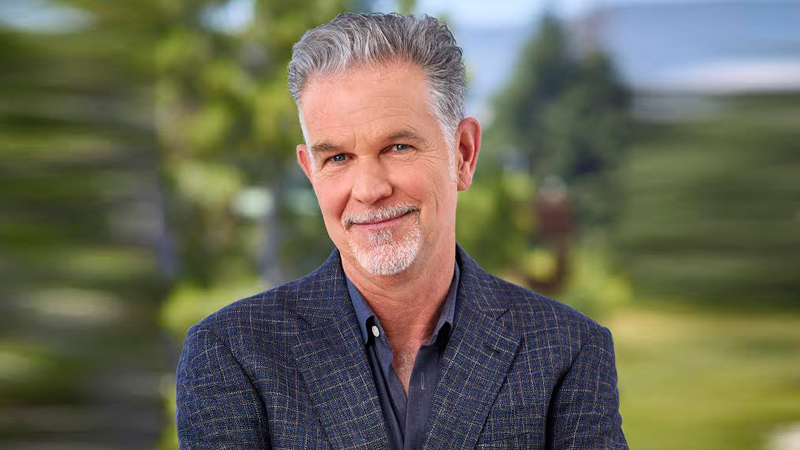
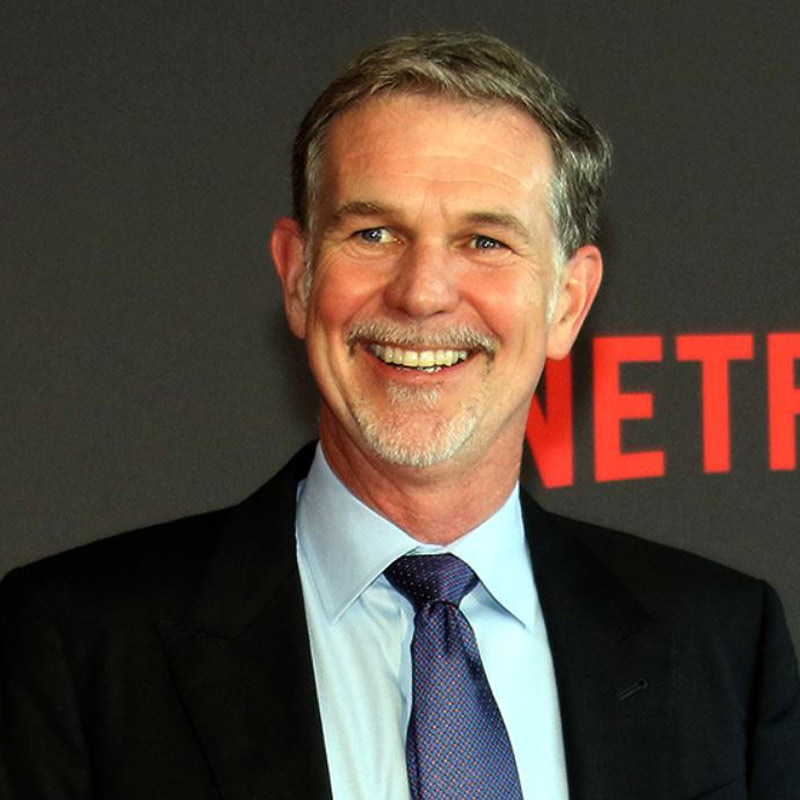
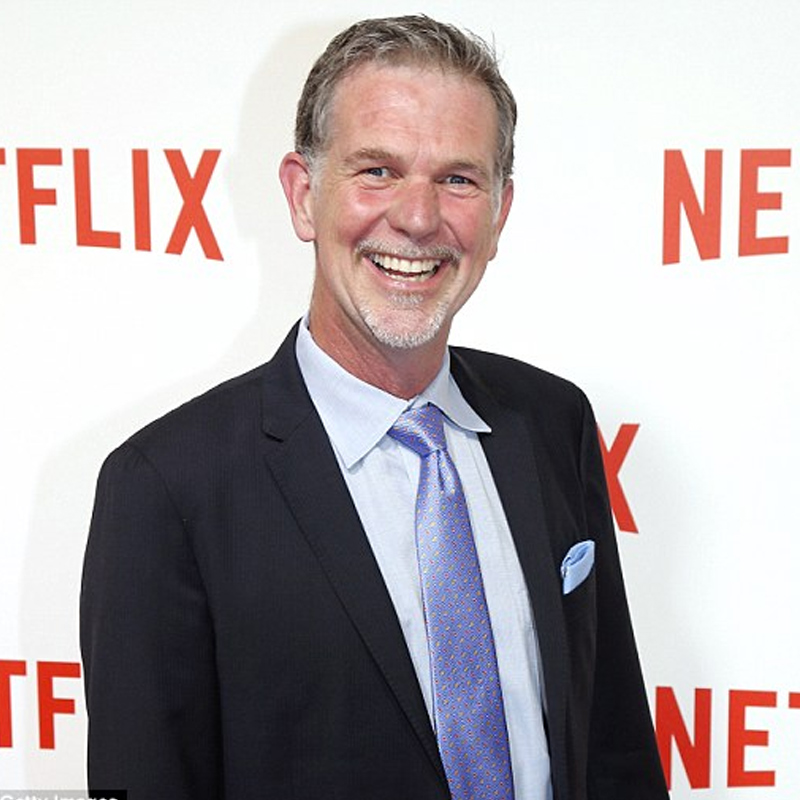
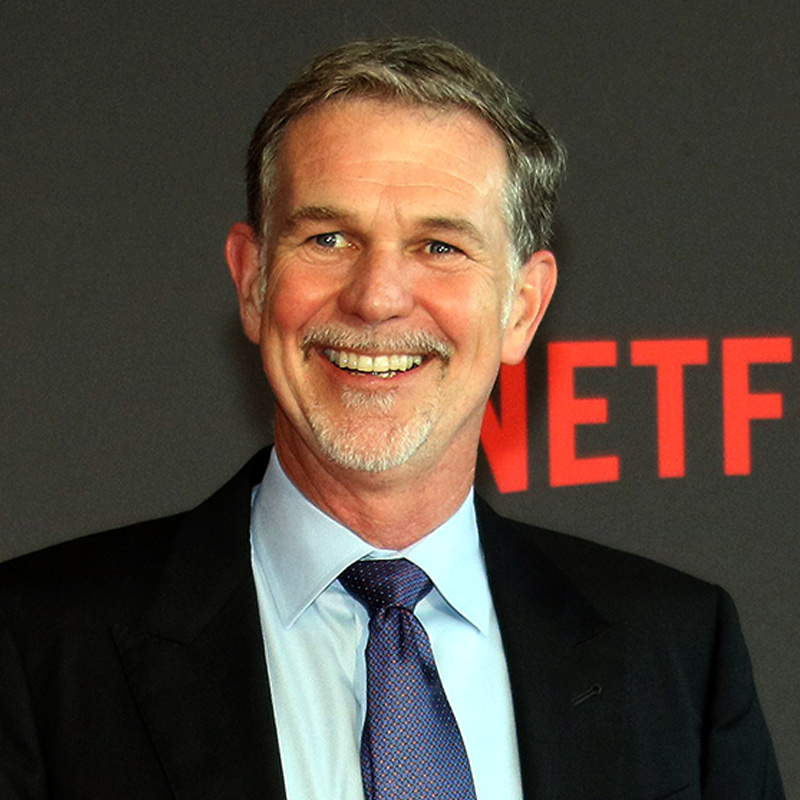
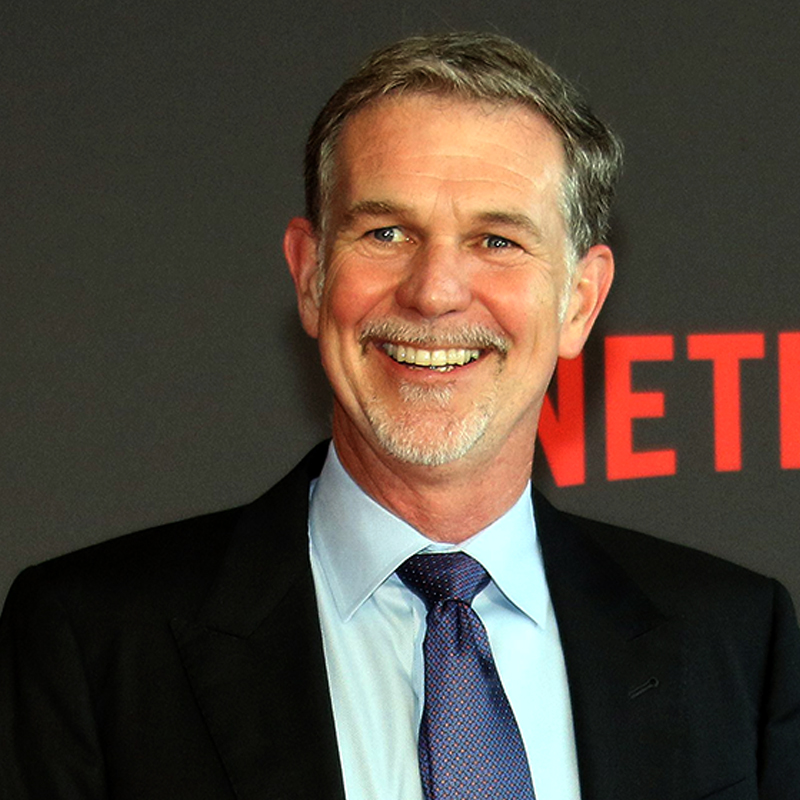
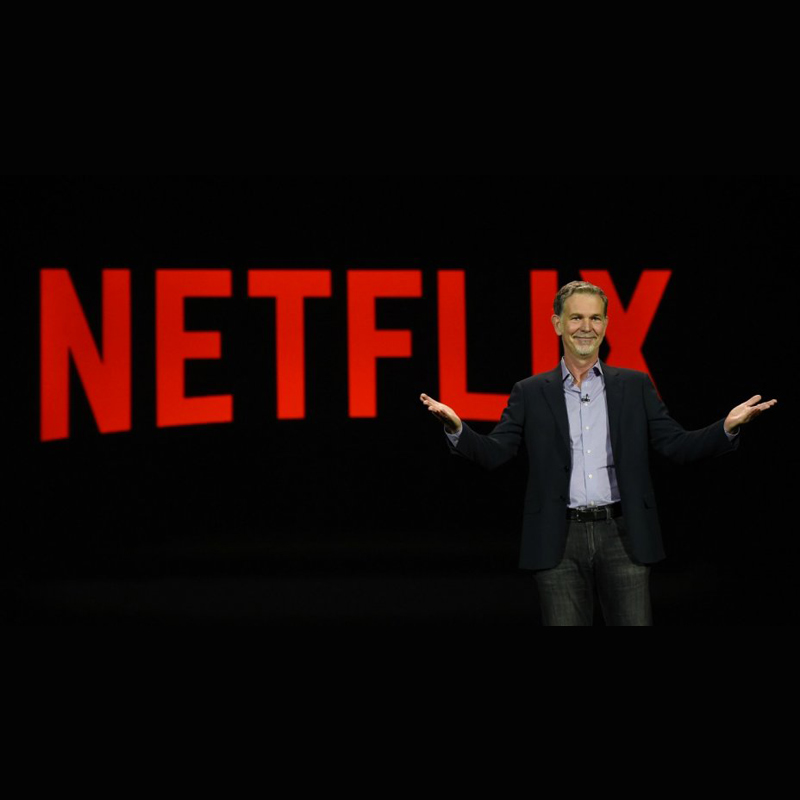
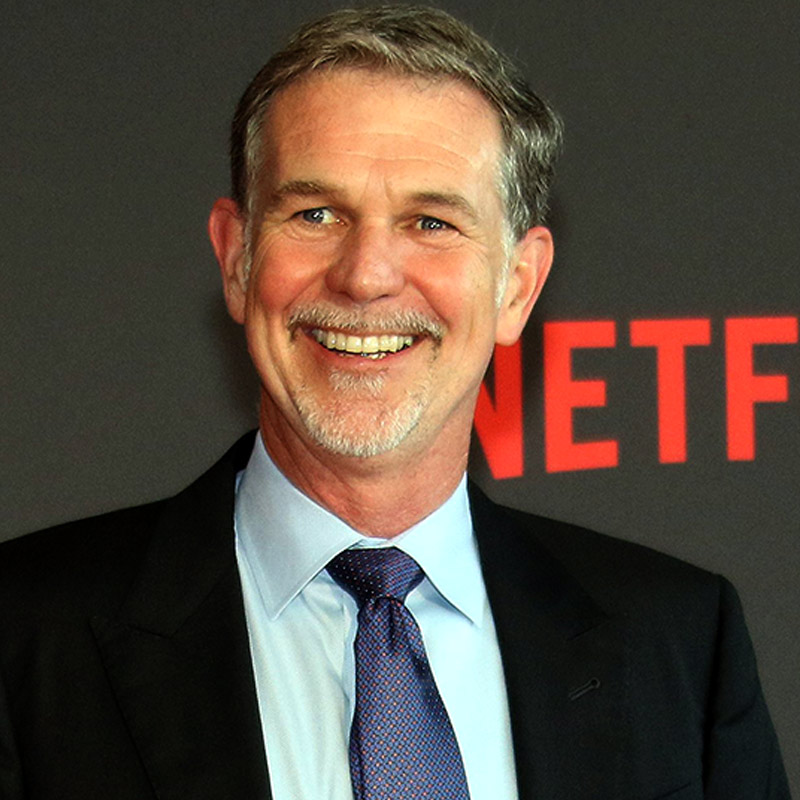
    The earnings bonanza was capped off with a curtain call from co-founder Reed Hastings, who stepped down as executive chairman to become a non-executive chair—marking the end of an era for the man who helped binge-watching go mainstream.

    And just to keep Wall Street happy, Netflix threw in some shareholder candy too—buying back 3.7 million shares for $3.5bn and paying down $800m in debt. Still, with $15.1bn in debt on the books and $7.2bn in the bank, the company isn’t quite ready to roll the end credits.

  • Mattress firm Wakefit throws down the gauntlet to Netflix in battle for India’s shut-eye

    Mattress firm Wakefit throws down the gauntlet to Netflix in battle for India’s shut-eye

    MUMBAI:  In a ballsy marketing campaign that’s got the attention of the advertising world, Indian mattress maker Wakefit has taken a full-page broadside at streaming behemoth Netflix, cheekily positioning the US giant as its direct competitor in the battle for Indians’ bedtime hours.

    The eye-catching advert, splashed across mainline newspapers nationwide, references Netflix co-founder Reed Hastings’ infamous 2017 quip that “sleep” was their biggest competitor—a joke that’s turned into a bloody nightmare for millions of Indians, according to Wakefit.

    “In India, the joke came true,” proclaims the advert with undisguised glee. “According to Wakefit’s Great Indian Sleep Scorecard 2025, 51 per cent Indians blame binge-watching for late nights, and one in three of us have insomnia. Happy now, Mr Co-founder?”

    wakefitThe cheeky campaign, timed to coincide with World Sleep Day which was on 14 March, sees Wakefit positioning itself as the plucky David to streaming’s Goliath, declaring “sleep a.k.a. Wakefit is competing back” with what the company has dubbed “sleep-tech vs screen-tech” and “now sleeping vs now streaming.”

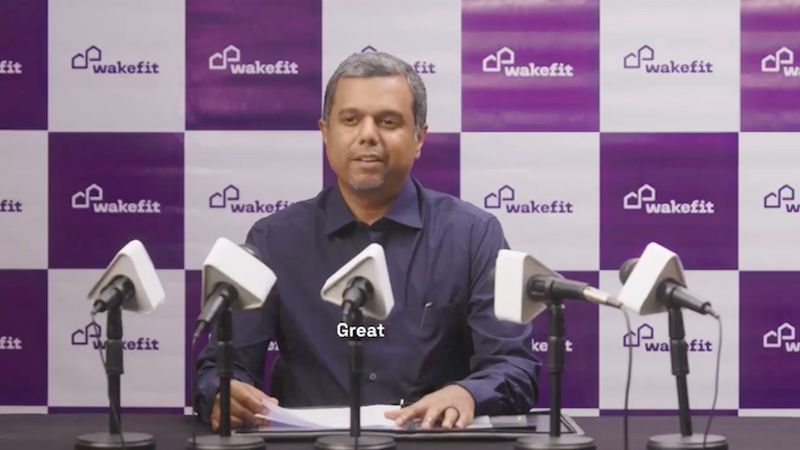
    Wakefit co-founder Chaitanya Ramalingegowda didn’t stop at print. The savvy entrepreneur took to social media with a video of himself reading the advert, further amplifying the message that’s struck a chord with knackered Indians nationwide.

    “May ‘du-dumm’ become the sound of India crashing on a Wakefit mattress,” the advert proclaims in a cheeky reference to Netflix’s iconic sound logo. “The road is long. It may take several seasons to beat the competition. But this show is never getting cancelled.”

    Not content with mere verbal sparring, Wakefit is backing its fighting talk with action, offering punters up to 55 per cent off all mattresses until 16 March—a commercial sweetener that’s got cash-conscious consumers sitting up in their beds.

    The campaign dovetails perfectly with this year’s World Sleep Day theme: “Make Sleep Health a Priority.” The annual awareness day, organised by the World Sleep Society, aims to elevate conversations around sleep health globally at a time when digital distractions are at an all-time high.

    Industry analysts are calling Wakefit’s campaign a masterstroke in challenger brand marketing. By positioning streaming giants as the villain in India’s sleep crisis narrative, the mattress maker has effectively elevated itself from flogging bedroom furniture to championing a public health cause.

    With Netflix raking in billions globally while Indians increasingly struggle to catch their forty winks, Wakefit’s provocative question—”Happy now, Mr Co-founder?”—might just be keeping a few streaming executives up at night for a change.

  • Can Reed Hastings Netflix the skiing business?

    Can Reed Hastings Netflix the skiing business?

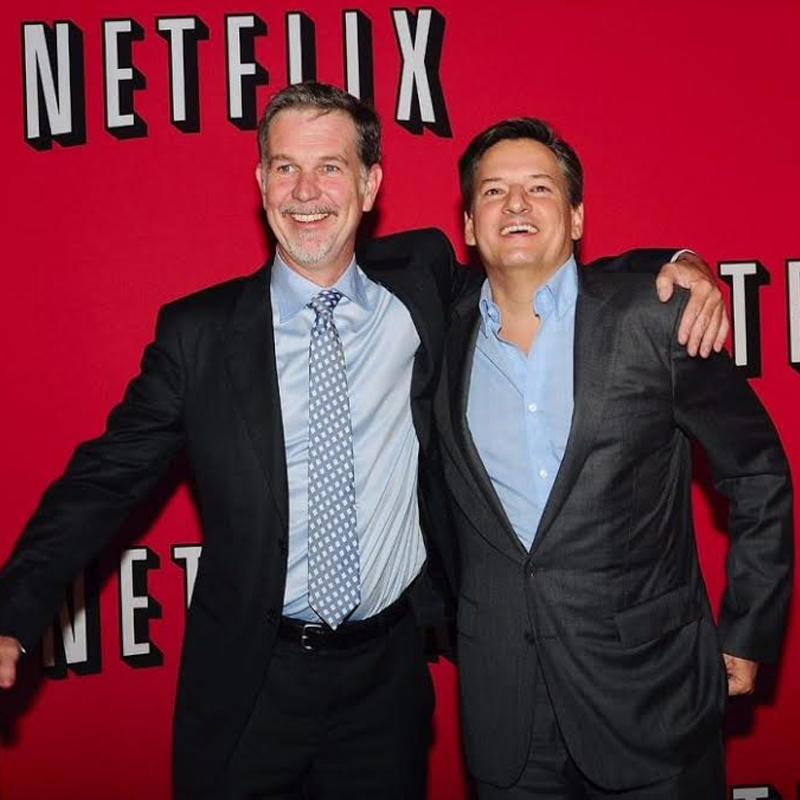
    Ted Sarandos and he totally and irreversibly changed how video is consumed with their streaming service Netflix. Forever. Now Reed Hastings is putting his best forward into the skiing business in the US, according to a feature in The New York Times.

    The 63 year old billionaire plonked an undisclosed sum to buy a controlling interest in Powder Mountain a skiing area in the north east patch of Utah.  The mountain receives close to 360 inches of snow each winter season which makes It a snow lovers delight. Summit, the owners of the mountain – one of the few private ones in the US (most of the rest are leased from the US Forest Service or are on a mix of private and publicy owned land) – had struggled to make a profit despite grandiose plans. Hastings a -an avid skier and snowboarder – jumped at the chance and put down $100 million of his own money and bought the 8,646 acre skiing property in September 2023. He followed that up by acquiring another 2,400 acres adjacent to the skiing area in March 2024.

    Hastings plans to spruce up PowMow (as Powder Mountain is locally called) by installing four chair lifts, building two day lodges with restaurants, private rentals, retail stores and a 40,000 square foot lodge with a state of the art spa.

    2,000 acres of this would be made private, he announced. An enclave at the top would host homes which would be sold at upwards of $2 million each. These would also carry an annual membership fee of between $30,000 and 100,000, which would give homeowners exclusive access to the private skiing area, apart from the 2,400 acres he acquired recently.

    The rest of the mountain which would be left open to the public, will cost skiers $1,399 for a season pass (as against $1,259 previously), seniors above 75 years  $1,049 (as against free). Additionally, there would be no limit on the membership numbers as has been the practice so far. The public area is slated to be opened in 2025.

    Hastings told The New York Times that his move into the skiing business is not a CSR activity.

    “I’m investing a lot of my money in Powder Mountain but my plan was never to subsidise it,: he said. “…I never saw this as a charitable endeavor. We are building a luxury experience on the private side of the mountain…We decided we needed to lure people here by offering a private experience they can’t get anyplace else..”

    And no one knows better than him about providing experiences, especially if you consider how he transformed a movie rental business into one of the most valuable media and entertainment business globally. 

  • Netflix faces strong headwinds due to slowdown in revenue growth

    Netflix faces strong headwinds due to slowdown in revenue growth

    Mumbai: On Tuesday, Netflix reported a loss of almost 1 million subscribers during the spring amid soaring inflation that’s squeezing household budgets while the company faced tougher competition from rivals including HBO Max and Disney+.

    However, the drop was not nearly as high as the two million cancellations that had been forecast. Nonetheless, Netflix co-CEO Reed Hastings didn’t try to minimize things during a Tuesday conference call about the results. “It’s tough losing a million subscribers and calling it a success,” he said.

    Netflix was probably spared from deeper losses by the ongoing popularity of Stranger Things, its science fiction/horror series that debuted in 2016. Stranger Things 4 is the second-most-popular TV series on Netflix, drawing more than 1.3 billion hours of watch time on the platform in its first 28 days, according to the company.

    Despite the downturn, Netflix still earned $1.4 billion, or $3.20 per share during the quarter, a 6 per cent increase from the same time last year. Revenue rose 9 per cent from the same time last year to nearly $8 billion. Netflix’s stock price had previously plunged by nearly 70 percent in the last year, wiping out about $180 billion in shareholder wealth.

    Netflix is taking steps to decrease costs and bump revenue. The company has been cutting costs with employee and contract worker lay-offs in such areas as marketing and social media. In April, the company announced a crack-down on subscriber password sharing.

    To attract and retain subscribers, the company began branching out last year by adding free video games to its streaming service and is also reportedly exploring live-streaming content, such as comedy specials. In addition, Netflix has taken another step toward putting together a cheaper, ad-supported subscriber option when it announced it will team up with Microsoft to deliver the commercials.

    “We have some headwinds right now and we are navigating through them,” Netflix co-CEO Ted Sarandos said at the end of Tuesday’s conference call. “We’ve seen entertainment formats come and go, we’ve seen entertainment business models come and go, and we have managed to grow through all of them, though all kinds of economic conditions and through all levels of competition.”

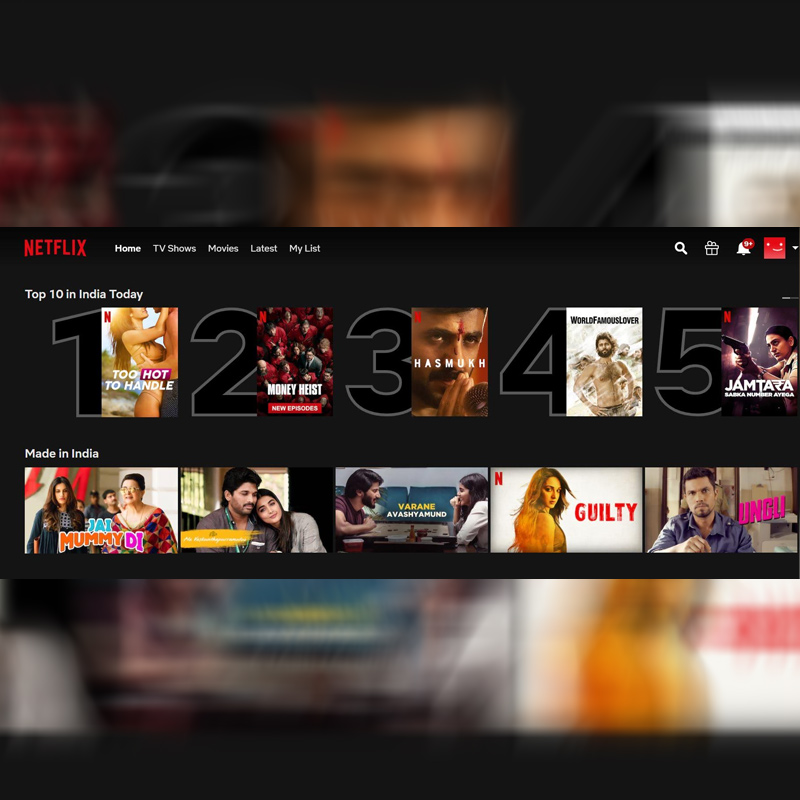
    Last year, Netflix India made a bold move in slashing prices across its four subscription tiers, notably cutting its popular ‘Basic’ plan by a huge 60 per cent, reducing it from $6.24 (Rs 499) a month to just $2.49 ( Rs 199).

    While the company didn’t state a reason at the time for the price cut, Netflix India’s vice president of content Monika Shergill told the entertainment news portal Deadline that the strategic move was made in a bid to open up the service to a broader range of audiences across the Indian market.

    Six months down the line, Shergill says the pricing cut is “working very well for us, and it’s brought in a whole new set of audiences,” enabling Netflix India to prioritize subscriber growth at a time when the company had begun to ramp up its licensing and original programming slate beyond Hindi and English-language content. “It’s a very different pricing model,” she says of the Indian streaming market, adding that most local competitors work on annual plans with the benefit of big discounts from telco partners.

    “For us, our revision of the pricing was very well-timed with our content strategy and the new slate we were rolling out. We were very clear that when we started programming for a broader set of audiences that we would need to increase access and the pricing was a very important part of it,” said Shergill.

    After Netflix’s better-than-expected second-quarter earnings on Tuesday, the company’s shares continued their recent upturn as Wall Street analysts had differing opinions on the takeaway from the report. After weeks of worry, investors took a brief sigh of relief. However, sceptics point out that the loss was the biggest in any quarter in the company’s 25-year history.

    In a bold move to woo back subscribers and attract new ones, Netflix will stream the action thriller, The Gray Man this weekend after a limited release in theatres. The film cost a reported $200 million, the most expensive movie in Netflix’s history.


  • Netflix launches its mobile games worldwide

    Netflix launches its mobile games worldwide

    Mumbai: Netflix has announced that it will launch its games on mobile across the world. Every Netflix subscriber can play up to five mobile games including “Stranger Things: 1984” (BonusXP), “Stranger Things 3: The Game” (BonusXP), “Shooting Hoops” (Frosty Pop), “Card Blast” (Amuzo & Rogue Games), and “Teeter Up” (Frosty Pop).

    Netflix members can play these mobile games without paying any additional fees, ad-free and without any in-app purchases. These games are currently only available on Android devices. Members on an Android tablet will see a dedicated games row or be able to select games from the categories drop down menu to download and play. The games are available in multiple languages but will default to English if the language is not available in a particular country, said the streaming giant in a statement.

    Users can play games across multiple mobile devices via the same account. If you hit your device limit, you can sign out of devices not in use or deactivate them remotely on Netflix website to free up a slot. Keeping in mind child safety controls, Netflix has made these games unavailable on kids’ profiles. While some mobile games will require an internet connection, others will be playable offline, it added.

    “We are in the early days of creating a great gaming experience, and we’re excited to take you on this journey with us,” said Netflix vice president for game development Mike Verdu.

    In July, Netflix hired former Facebook vice president Mike Verdu to head its video games unit as vice president, game development. Verdu has been associated with EA Mobile, Kabam, TapZen and served as chief executive officer at Zynga from 2009 to 2012. 

    The company officially revealed its plans to enter the video game market in its second quarter earnings call. Netflix views gaming as a segment that will help it attract and retain customers. Co-CEO Reed Hastings emphasised that Netflix is not looking to generate revenues from video games per se, it is about “enhancing the big service that we have.”

    The company announced its first big move in the gaming space on 28 September with the acquisition of indie video game creator Night School Studio.

  • I&B minister Anurag Thakur meets Netflix chief Reed Hastings

    I&B minister Anurag Thakur meets Netflix chief Reed Hastings

    Mumbai: Minister of information and broadcasting Anurag Thakur met with Netflix co-founder and chief executive officer Reed Hastings for a discussion on Tuesday. Thakur presented Hastings with a copy of the holy book Bhagvad Gita during the meeting. 

    The minister shared photos of the meeting via his personal handle on Twitter.

    “Good discussion with Mr Reed Hastings (Co-Founder & CEO Netflix),” said Thakur in a tweet. “Today consumers of content are traveling the world through stories; India offers a variety of opportunities and ideas – in multiple languages,” he wrote.

    Hastings recently announced that Netflix would invest more in India after already pumping Rs 3000 crore in the past two years. In an interview with Business Today, the Netflix chief had said that India is one of its “top priorities” and that the streaming company will continue its commitment to the Indian market by simply “investing more” in content.

    In February, the government framed the Information Technology (Intermediary Guidelines and Digital Media Ethics Code) Rules 2021 that introduced a grievance redressal mechanism for news publishers, OTT platforms and digital media and a Code of Ethics that prescribe the guidelines to be followed by OTT platforms and online news and digital media entities.

  • Netflix’s India ambitions surpass Rs 3000 crore investment

    Netflix’s India ambitions surpass Rs 3000 crore investment

    Mumbai: Global streaming platform Netflix will pump more money into producing content in India, said chief executive officer Reed Hastings. The key executive of the streaming giant was speaking to Business Today’s global business editor Udayan Mukherjee in an interview.

    The company has already pumped in Rs 3,000 crore in the past two years to develop original programming, particularly focused on local content, and more investments are in the offing. “India as a market is witnessing explosive growth in video content viewership over the past couple of years – partially propelled by people having to stay home because of the Covid-19 pandemic,” Hastings said.

    The competition in India’s OTT arena is heating up with HBO Max service expected to hit the subcontinent early next year. Hastings sees the competition differently, saying that services such as YouTube and TikTok are the platform’s biggest competitors. But instead of focusing on the competition, he chooses to focus on the next big show that everyone could be talking about.

    “Netflix has emerged as one of the prime contenders for the consumer’s wallet. Over the past five years, the brand has established instant recall in the minds of the Indian consumer,” he said. “What’s great about the Indian market is that Hotstar started so early and pioneered streaming in India. It has really increased the market size, and then Reliance Jio transformed it with regard to access and cost, democratised it. So, they created the base for the market which is today one of our top global priorities.”

    According to a report by Media Partners Asia, the Indian OTT industry is expected to spend $ one billion on content out of which 45 per cent will be local and original content. Reports estimate that the OTT platform has more than five million Indian subscribers. 

    Hastings admitted that Netflix’s journey in India has been harder than was initially anticipated, but he revealed the company’s determination to overcome those challenges through its continued commitment to the Indian market and simply by investing more. He also highlighted that Netflix, which has strong premium imagery in the consumer’s mind, is also focused on providing greater affordability to Indian subscribers.

    The interview will be aired on 17 September at 10:30 p.m on Business Today Show with Udayan Mukherjee.

  • India is a ‘speculative’ investment: Netflix’s Reed Hastings

    India is a ‘speculative’ investment: Netflix’s Reed Hastings

    KOLKATA: It is not easy to win over Indian consumers given the diversity of the market – be it in terms of language, income or preferences. Since its foray into India, streaming giant Netflix has taken several measures from the dual point of view of content and pricing. While top executives remain bullish about the India market, there’s still a lot of work to be done by the streamer.

    Netflix has already seen huge success in some Asian markets like Japan, South Korea. The APAC region has contributed to a third of its subscriber growth in Q1 and has seen healthy revenue growth, including average revenue per member. However, it is “still figuring things out” in India, Netflix co-CEO Reed Hastings said in an earnings call.

    “Investment takes some guts and belief forward-looking. But the other investments you should think of, just like rich European countries, content exports really well and we are just getting a little better every month on it,” he added.

    While comparing India’s growth story to that of other Asian countries, Hastings averred that investing here still remains a "speculative" venture as they're still working out the kinks in their overall content strategy.

    “I would say we are still mostly focused on getting a content fit and getting broader content. So that’s why I would say that one is a more speculative investment than, say, Korea or Japan, which again, five years ago was very speculative. But we are over the hump on that,” he detailed.

    India is a tremendous opportunity for Netflix; moreover, the platform offers great scope for the creative community to connect with the enormous audiences, Netflix co-CEO and chief content officer Ted Sarandos said.

    “It’s just like all great opportunities. It’s a long journey, and it’s a challenge. And we think it’s worth it. And that’s why we’re investing early and trying to stay ahead of it. And I think we will be able to see those kinds of results that we’ve seen in other places in the world as we continue to learn more and more and more,” he stated.

    Of all its markets, India was the first one where Netflix launched its mobile only plan. Recently, it started testing Mobile+ plan at Rs 299 per month. Netflix COO Greg Peters said they would work more and more on such plans that have the right balance of features and pricing. The streaming platform is working on bringing in price points that are low enough for more and more of the world’s population to be able to access the service.

    Along with sachet plans, partnerships with market leaders have also yielded good results for the platform. “Jio is a great example of a partner we’ve been working with there to really bring the service to a new demographic at a very, very low price associated with low-cost mobile plans that they are offering as well as home-based IPTV plans. And those have been successful for us as well,” Peters said.

  • Netflix adds 3.98 mn subs in Q1, to spend $17 bn on content this year

    Netflix adds 3.98 mn subs in Q1, to spend $17 bn on content this year

    KOLKATA: After a year of astounding growth, Netflix has missed the subscriber addition estimates in the first quarter of 2021. The company has added 3.98 million subscribers globally in contrast to its six million guidance. It has estimated even lower gains for the next quarter – one million with almost zero growth from US, Canada, Latin America.

    The Los Gatos-based streaming platform has cited the pull-forward growth in 2020, a lighter content slate due to delayed production as the reasons for slowdown in subscriber addition. “We don’t believe competitive intensity materially changed in the quarter or was a material factor in the variance as the over-forecast was across all of our regions,” it stated in a letter to shareholders.

    However, it has topped analysts’ expectations in terms of revenue and earnings per share. The entertainment giant has posted $7.16 billion revenue compared to $7.13 billion expectations and $3.75 earnings per share versus estimated $2.97.

    “We compete with many activities for consumers’ entertainment time, ranging from watching linear TV, video gaming, and viewing user generated content, just to name a few. Against this backdrop, the entertainment market is huge, giving us plenty of room to grow, if we can continue to improve our service. We believe we are less than 10 per cent of TV screen time in the US and even smaller in other regions and when including mobile devices,” it added.

    The streamer expects paid membership growth will re-accelerate in the second half of 2021 thanks to its strong slate with the return of big hits like Sex Education, The Witcher, La Casa de Papel (aka Money Heist), and You, as well as number of original films including the finale to The Kissing Booth trilogy, Red Notice, Don’t Look U. It also promises a comprehensive local language offering including Too Hot to Handle for Brazil and Mexico, Dhamaka for India along with others.

    Netflix will spend $17 billion cash on content this year compared to $11.8 billion last year. The company is also testing a crackdown on password sharing. It is working on making sure the people who are using a Netflix account are the ones who are authorised to do so, Netflix COO Greg Peters said.

    “We’ll test many things, but we’ll never roll something out that feels like turning the screws,” co-CEO Reed Hastings said.