Tag: RBI

  • Experian rolls out Grameen Score for rural India

    Experian rolls out Grameen Score for rural India

    MUMBAI: Scoring big in Bharat! Experian Credit Information Company of India has unveiled the Grameen Score, a fresh credit scoring model designed to make borrowing easier and fairer for India’s rural population. The move aims to bridge the gap between financial institutions and millions of rural consumers who have long remained outside the formal credit net.

    Aligned with the Government of India’s push for financial inclusion and the Reserve Bank of India’s efforts to widen access to credit, the Grameen Score helps lenders assess rural borrowers more accurately and responsibly.

    Developed with a deep understanding of India’s villages, the model considers unique rural financial patterns such as repayment behaviour on small loans, the types of credit typically used in villages and even migration trends between towns and cities. The score ranges from 300 to 900, making it simple for lenders and borrowers alike to understand.

    The Grameen Score particularly shines a spotlight on women entrepreneurs and self-help groups, helping them secure fairer loans and build stronger financial identities. For lenders, it translates into faster, data-driven decisions and a clearer picture of repayment capability.

    Commenting on the launch, Experian Credit Information Company of India  chairman Manish Jain said, “The Experian Grameen Score aligns with India’s agenda of inclusive growth. By helping institutions assess credit risk more effectively in rural areas, we are improving access to finance and building a more resilient and transparent credit ecosystem.”

    He added that the score reflects Experian’s philosophy of “innovation with purpose”, using data and analytics to enable responsible rural lending and sustainable growth.

    With this initiative, Experian aims to turn financial dreams in India’s heartlands into reality, one score at a time.

  • TRAI dials up a united front as regulators join forces to fight digital spam

    TRAI dials up a united front as regulators join forces to fight digital spam

    MUMBAI: If spam calls and scam messages are the villains of our digital age, India’s top regulators are teaming up like superheroes. On 25 April 2025, TRAI hosted a meeting of the Joint Committee of Regulators (JCoR) at its New Delhi headquarters, bringing together heavyweights from RBI, IRDAI, PFRDA, SEBI, MoCA, MeitY, and special invitees from DoT and MHA to chart a stronger, cross-sector response to unsolicited commercial communication (UCC) and fraudulent activities.

    Opening the session, TRAI Chairman Anil Kumar Lahoti stressed the urgent need for a collaborative approach. Highlighting the mounting threat to citizens, particularly senior citizens, Lahoti praised the JCoR’s progress but warned that “the challenges ahead demand even greater synergy and vigilance.”

    Key issues topping the agenda included the nationwide rollout of 1600 series numbers for transactional and service calls from government and financial entities. Members agreed to push for swift onboarding within their respective sectors and monitor progress closely. The Council of Administered Telecommunications (CoAT) also presented a solution offering a unified 1600-series CLI for seamless call identification across networks.

    Another major move discussed was the onboarding of commercial communication senders onto the Digital Consent Acquisition (DCA) platform. Regulators pledged to work with principal entities to ensure compliance, aiming to empower consumers with more control over who contacts them.

    Fraudulent communications and the rise of “digital arrest” scams were a serious point of concern. I4C proposed measures including deletion of unused SMS headers, swift action on fraudulent SMS identifiers, and blocking of mobile numbers and IMEIs used for scam messages. Members pledged to develop clear modalities for rapid action.

    Emerging threats from OTT and Rich Communication Services (RCS) platforms also grabbed attention. Recognising that spammers are shifting to newer communication channels, the committee decided that MeitY would engage with stakeholders to roll out spam mitigation strategies mirroring those in traditional telecom.

    The session closed on a determined note, with JCoR members agreeing to intensify collaboration across sectors. The goal? A safer, more secure digital communication ecosystem for India’s consumers, one where fraudsters find it harder to hide and trust travels faster than spam.

  • CNBC-TV18’s 25th anniversary inspires new business horizons at Global Leadership Summit

    CNBC-TV18’s 25th anniversary inspires new business horizons at Global Leadership Summit

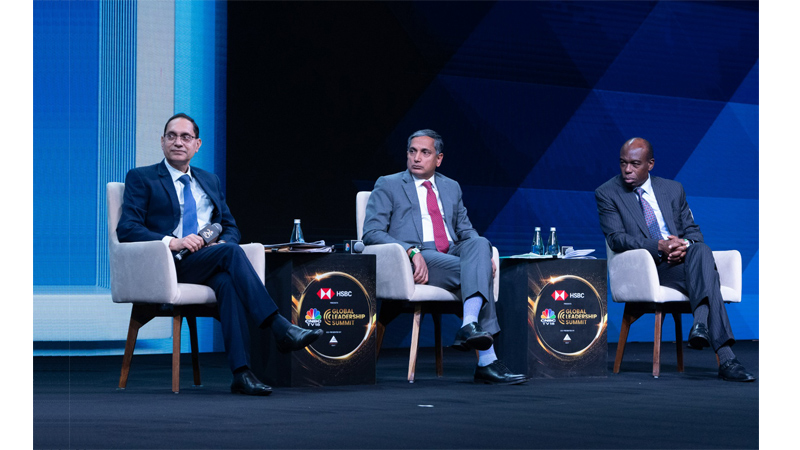
    Mumbai: As CNBC-TV18 marked 25 years of excellence in business journalism, the Global Leadership Summit presented by HSBC India and co-presented by Embassy REIT, unfolded as a landmark event, showcasing the channel’s profound impact on India’s economic and business landscape. Held at Jio World Centre, the summit brought together visionaries from across industries, policymakers, and thought leaders to deliberate on pressing global challenges, emerging opportunities, and India’s ascent on the world stage.

    The summit opened with an address by CNBC-TV18 managing editor Shereen Bhan, who underlined India’s journey in the global economic narrative. She remarked “As CNBC-TV18 marks 25 years of excellence, the Global Leadership Summit brought together the most influential thinkers to chart out the roadmap for what India needs to focus on over the next quarter century to achieve high performance. From the policy priorities to the role of the Private sector, from manufacturing to services, from infrastructure to Artificial Intelligence, the Global Leadership Summit was the stage for insightful and transformative discussions. As we look ahead, we hope This summit will continue to reflect our commitment to providing thought leadership and an execution strategy to deliver on India’s promise and potential”

    Minister of Commerce & Industry, Government Of India, Piyush Goyal initiated the day’s conversations with a thought-provoking fireside chat, stating, “I was reviewing the numbers of a major automobile company that recently went public. It’s remarkable to note that an initial investment of $200 million made 25 years ago has yielded dividends and royalties exceeding $12 to $13 billion in just the last decade. Even with such extraordinary returns, the company’s current market capitalization remains at approximately $15 billion. This highlights the significant competitive edge that companies manufacturing in India possess. As they continue to offer better pricing and greater value, I’m confident they are poised for even greater growth.  Ultimately, companies must decide whether to maintain high margins in a softening market or to become more aggressive, capture a larger market share, and drive growth through competitive pricing. The answer lies in how they leverage their strengths in this evolving landscape.”

    The summit’s agenda was packed with discussions and thought-provoking dialogues. RBI Governor Shaktikanta Das delivered a compelling keynote titled “Sailing Through Turbulence: India’s Tryst with Financial Stability”. He said, “Central banks worldwide are navigating an increasingly complex financial environment, and the Reserve Bank of India is no exception. The trade-off between supporting growth and controlling inflation remains challenging, especially in a time of high global volatility. We have witnessed the repercussions of moving ‘too early’ or ‘too late,’ particularly in the banking sector issues that emerged in advanced economies earlier this year. At the Reserve Bank, our response has been measured and timely, maintaining the flexibility to act in sync with evolving conditions. By balancing growth and inflation priorities, we aim to build resilience into India’s financial system. As we shift towards a neutral stance, we remain focused on achieving a durable alignment of inflation within target while supporting growth, underscoring our commitment to a stable and thriving economy.”

    A special segment at the event was devoted to honour Dr. C Rangarajan, Dr. Bimal Jalan, and Dr. Y. V. Reddy, former Governors of the Reserve Bank of India, for their monumental contributions to India’s economic stability.  This tribute was followed by the unveiling of “5/25 Transformative Ideas for the Next Quarter Century,” where Uday Kotak, Founder of Kotak Mahindra Bank, shared a visionary roadmap for India’s future.

    Global Leader, Esi Eggleston Bracey, Global Chief Growth & Marketing Officer, Unilever, took centre stage during the session “Boost Brands, Boost Business” where she delved into strategies for driving brand growth in competitive markets. Another highlight was the panel discussion “Investing in India’s Today & Tomorrow,” featuring insights from leading investors such as Ramesh Damani, Owner, Ramesh Damani Finance Pvt Ltd., Manish Chokhani, Director, Enam Holdings, Raamdeo Agrawal, Chairman & Co-founder, Motilal Oswal Financial Services and Ashishkumar Chauhan, MD & CEO, NSE who explored India’s economic potential and sustainable growth strategies.

    The afternoon sessions kicked off with a dynamic panel discussion on ‘Managing Markets: Is it Time to be Bullish or Bearish?’ where Ridham Desai, Managing Director, Morgan Stanley India, Rama Bijapurkar, Author & Independent Director, India Blue-Chip Companies, V. Vaidyanathan, MD & CEO, IDFC First Bank, Nilesh Shah, MD, Kotak Mahindra Asset Management Company Ltd. and Samir Arora, Founder & Fund Manager, Helios Capital, shared perspectives on market trends and investment strategies. The subsequent panel, ‘India: The Outlier, ’discussed India’s position amid global economic changes, with insights from Auguste Tano Kouame, Country Director, World Bank, Krishna Srinivasan, Director, Asia & Pacific Department, International Monetary Fund  and Tuhin Kanta Pandey, Finance Secretary & Secretary (DIPAM).

    An engaging discussion titled, ‘Legacy, Longevity, Leadership: The Playbook for the Future,’ which brought together Rishad Premji, Executive Chairman of Wipro, and Rajiv Bajaj, Managing Director of Bajaj Auto, who shared their insights on sustaining leadership in rapidly evolving industries.

    The summit continued with a fireside chat with Hitendra Dave, CEO of HSBC India who spoke about ‘The Next Superpower: India’s Growth Blueprint,’ and he explored strategies that could propel India to global superpower status. He commented, “India’s optimism for the next 25 years is rooted in its young demographics and unmatched digital infrastructure. With 1.4 billion people, most under 28, the potential for transformation is staggering. Strategic investments in digital payments and unified lending systems can redefine credit access, unleashing growth across sectors. By harnessing this opportunity, India can pave its way to becoming a developed economy with a per capita income of $13,000–$15,000—a bold but achievable vision.”

    The event also featured notable sessions on entrepreneurship, innovation, and India’s competitive edge. A discussion titled ‘Startup Dreams to Wealth Creation,’ where Rajan Anandan, MD, Peak XV, Amrit Acharya, Co-founder & CEO, Zetwerk, Kunal Shah, Founder, CRED and Kapil Makhija, MD & CEO, Unicommerce eSolutions discussed the challenges and successes of building thriving startups in India. Meanwhile, ‘The Promise of Phygital India: From Bricks to Broadband’ underlined the seamless integration of digital and physical spaces, with insights from Ari Sarker, President, Asia Pacific, Mastercard, Jitu Virwani, Chairman and Managing Director, Embassy Group, and Ankur Gupta, Head, Asia & Middle East Rela Estate, Brookfield.

    As the evening unfolded, Sajjan Jindal, Chairman & MD, JSW Group of Companies led a session titled ‘India’s Manufacturing Moment: Breakout Ready?’ discussing India’s potential as a global manufacturing leader. The event also witnessed the felicitation of Deepak Parekh, Former Chairman of HDFC, as an Icon of The Indian Economy who also delivered an insightful TED Talk on ‘Transforming the Financial Sector for a New Generation’.

    Further discussions explored India’s global leadership potential with a segment on –‘From The Foreign Investors Lens’ where the speakers Prem Watsa, Chairman & CEO, Fairfax Financial Holdings Limited, and John Chambers, Chairman, USISPF and Founder & CEO, J2C Ventures shared their insights. The discussion ‘India’s Right to Win,’ featuring Dr. Anish Shah, Group CEO & MD, Mahindra Group, and Falguni Nayar, Founder & CEO, Nykaa further highlighted India’s competitive edge in global markets.

    In one of the summit’s most engaging fireside chats, Adar Poonawalla, CEO, Serum Institute Of India and Karan Johar, Film Director discussed the evolution of India’s entertainment industry in ‘Cinema: Magic to Monetisation.’ Another captivating fireside chat was with Sriharsha Majety, Co-founder and Group CEO, Swiggy, who shared Swiggy’s journey leading upto IPO on “Let’s Swiggy with it”.

    The summit also honoured N.R. Narayana Murthy, Co-founder & Former Chairman, Infosys as ‘Icon of The Indian Economy’ followed by a powerful fireside chat with him titled ‘India The Next 25: Notes from N.R. Narayana Murthy,’ which reflected on India’s future in the Global Landscape. He shared his views and said, “Over the last 30 years, India has made remarkable progress. A new wave of confidence and energy is driving growth, visible in everything from local businesses and street vendors to fitness centres. Yet, while urban middle-class incomes are rising, a vast segment of the population remains untouched by globalisation. The challenge ahead is creating jobs, especially for those who cannot access high-skill industries like software. The solution lies in exports, countries like China and Vietnam have shown how global demand can drive large-scale job creation. To succeed, India must move faster in decision-making, adopt global best practices, and raise its standards of excellence. India’s potential is limitless, but realising it requires swift, competitive, and decisive action.”

    The summit had an interesting fireside chat with Leo Varadkar, former Taoiseach of Ireland, in conversation with Navtej Sarna, former Ambassador of India to the US, discussing global leadership challenges in “Finding Leadership in a Fractured World.” CNBC-TV18 Global Leadership Summit concluded with a power-packed performance by Ajay Bijli, Managing Director, PVR INOX Limited.

    CNBC-TV18 Global Leadership Summit was presented by HSBC India, and co-presented by Embassy REIT, along with Destination Partner- Saudi Tourism Authority, Associate Sponsor – ITC, AI Partner- AWS, Exchange Partner – NSE, Associate Partner – Reliance Industries

  • TRAI convenes meeting of Joint Committee of Regulators (JCoR)

    TRAI convenes meeting of Joint Committee of Regulators (JCoR)

    Mumbai – TRAI convened a meeting of the Joint Committee of Regulators (JCoR) on 27 August 2024, at its headquarters in New Delhi. Members  of the JCoR from IRDAl, PFRDA, RBI, SEBI, MoCA, MeitY, and TIAI attended the meeting. Additionally, DoT and MHA representatives joined as special guests. The JCoR serves as a collaborative platform to examine regulatory implications in the digital age and work collaboratively on regulatory frameworks.

    In his address, TRAI chairman Anil Kumar Lahoti stressed the need for a joint effort to tackle the problem of spam messages and calls. He urged the regulators to discuss and enable implementation of (i) whitelisting of URLs, APKs, O’IT links and call back numbers to be sent in SMS, (ii) migration of existing telemarketers making promotional calls to 140 series on DLT platform, and (iii) declaration of entire chain of telemarketers engaged by them for PE-TM chain binding.

    The meeting explored potential collaborative efforts and strategies to address UCC and fraud through telecom resources. The key issues discussed are as given below-

    “Role of Entities in Whitelisting of URLs, APKs, OTF links, and call back numbers in the content templates and ensuring the traceability of all the messages from senders to recipients – Many instances of misuse of headers and templates have been observed. Fraud takes place through the transmission of malicious links using the variable parts of the messages. In case of misuse of headers and content templates, it is difficult to find the entity that pushed the traffic. Therefore, mandatory whitelisting of URLs, APKs, O’Vl’ links, or call back numbers, and declaration of the entire chain of telemarketers engaged by them for PE-TM chain binding as per the timelines fixed by TRAI’s latest Directions needs to be enforced.

    “Addressing the issue of entities using PRI/ SIP channels for making unsolicited calls – Many business entities make commercial voice calls using SIP/ PRI lines with hundreds of indicators in violation of TRAI’s regulations. These entities should be migrated to the designated 140 series for making promotional calls. Also, there is an urgent need to take firm action, without further delay, on spammers who are using PRI/ SIP/ bulk connections for making promotional voice calls! Robo calls! Pre-recorded calls. 

    “Leveraging the DCA system established by digital service providers to obtain digital consent from consumers – DCA system will be of great value to the entities, not only for messaging services, but also for voice calls. It permits the delivery of messages and calls to the recipients despite their DND preference. The technical infrastructure for DCA is now in place. Regulators were requested to ask the entities under their jurisdiction to start using this facility in a time bound manner.

    “Use of 160 series by the Entities for making service and transactional calls for easy identification by the consumers – 160 series has been allocated exclusively for Service and Transactional Calls. A Pilot Study was commissioned by TRAT and RBI to determine the technical feasibility of various options, the outcome of the same was discussed. Enhancing information exchange among regulators to control frauds using telecom resources – Emphasis was given to exchange information available with various regulators on their platforms and for its effective utilisation to control frauds.

    By addressing these issues collectively, the JCoR aims to protect consumers from the harms of spam and fraud while ensuring a more secure and efficient telecom ecosystem.

  • TRAI meets access providers, RBI, SEBI, IRDAI, banks and other financial entities

    TRAI meets access providers, RBI, SEBI, IRDAI, banks and other financial entities

    Mumbai: TRAI convened a meeting on 14 June 2024 which was attended by the representatives from the Reserve Bank of India (RBI), the Securities and Exchange Board of India (SEBI), the Insurance Regulatory and Development Authority of India (IRDAI), more than 25 Banks and other Financial Institutions including Government, Private and Global Banks, Members of Association of National Exchanges Members of India (ANMI) and all the Telecom Service Providers.

    Key points deliberated during the meeting include the following

    a.) On the recommendations of TRAI, 160 series has been allocated exclusively for making transactional and service voice calls. In the first stage, it has been earmarked for all entities regulated by RBI, SEBI, IRDAI and PFRDA. Once it is implemented, it shall help in the easy identification of the calling entity and will prevent the duping of innocent citizen from the fraudsters. The meeting provided a platform for exchange of ideas amongst the regulators, entities and telecom service providers regarding the effective utilisation of this series. It was also discussed that the operation of 140 series, at present being used for promotional purposes, is being migrated to DLT platform and scrubbing of digital consent is also being operationalized. With the implementation of the above two measures, substantial control on spam calls from 10-digit numbers is expected.

    b.) The Digital Consent Facility (DCA) established by Telecom Service Providers under TRAI’s TCCCPR-2018 Regulations was discussed in detail. The DCA facility enables acquisition of digital consent of the customer and further enables Senders such as banks, insurance companies and other entities to send promotional communications over SMS and voice to customers irrespective of their DND status.

    c.) The role and obligations of senders such as banks, insurance companies and other entities with respect to TRAI regulations was also deliberated and it was decided to whitelist URLs/ Apks in the content templates, use of minimum number of headers and content templates, taking immediate action against the entity/ TM in case of misuse of senders’ credential etc.

    All the regulators, banks and other financial institutions emphasized the need to work collaboratively to curb the menace of spam, particularly through voice calls and assured all cooperation for implementation of various initiatives by TRAI in a time bound manner. 

  • Home Credit India looks to build brand resonance with ‘Zindagi Hit!’

    Home Credit India looks to build brand resonance with ‘Zindagi Hit!’

    Mumbai: On the occasion of the Diwali festival, Home Credit India (HCIN), a local arm of the leading global consumer finance provider, launched its new brand campaign with the promise of “Zindagi Hit” as an effort to redefine brand connect with consumers in the endeavour to fulfil aspirations. This campaign comes on the heels of Home Credit India having completed 10 years in the Indian market as a Reserve Bank of India (RBI) regulated consumer non-banking financial company (NBFC) this year.

    The brand launched as a Diwali campaign film, symbolising its reinvigorated mission to empower people to live the life they want now and reposition HCIN as an enabler of fulfilling wishes and aspirations to bring the joy & happiness customers long for.

    Home Credit, in its decadal journey in India, has seen that consumers across income categories have the same expectations from life. However, consumers in low-income categories often keep these expectations suppressed or in waiting owing to constraints in purchasing power. Herein lies the value of Home Credit India, who financially empowers the underserved borrowers through easy and hassle-free loans that bring to reality every wish & aspiration. And when dreams come true, every life moment becomes a hit.

    Speaking about the new brand tagline this Diwali, Home Credit India chief marketing officer Ashish Tiwari said, “This year, as we complete a decade in India, we saw it as the right time to take the brand even closer to our customers. Based on the learning imbibed with the “ZindagiHit” tagline, we want to rejuvenate the meaning and connect the brand Home Credit with customers and potential loan seekers. A loan is an empowerment for the right use cases, and Home Credit strives to be the enabler in people’s lives to help them make dreams and aspirations a reality. This way, we at Home Credit India are working with our customers to enable them to make their “ZindagiHit.”

    The value proposition of Home Credit India’s brand campaign centres on traits such as optimism, progress, trustworthiness, transparency, and that of an enabler, making it a brand of choice when it comes to consumer loans. The festive campaign is live across digital platforms, including Home Credit’s social channels such as Facebook, Instagram, Twitter, YouTube, LinkedIn, and on a popular OTT platform like MX Player.

    Adding to the fervour of the festive season and in an endeavour to boost consumer sentiments, this Diwali, Home Credit India makes “ZindagiHit” for customers on purchasing mobiles, consumer durables and home appliances worth at least Rs 20,000 from HCIN’s 50K+ points of sale (PoS) partner shops by giving out a 7.5 per cent cashback against the loan amount, which will directly be debited into the bank account.

    Home Credit India also recently launched a campaign “#10SaalBemisal” to celebrate its 10th anniversary. The campaign highlighted the brand’s decade-long journey in India and how they have been promoting financial inclusion by enabling credit penetration throughout the nation, resulting in the introduction of borrower-centric services and products like Safe Pay (payment holiday, no pre-payment penalty, and insurance), Care 360 (a holistic healthcare service protection product), Ujjwal EMI Card (the digital pre-set credit limit card), and more.

    Having built a strong brand presence in the country, Home Credit India is currently operating in over 625 cities, with a network of 53,000 PoS and a growing customer base of 15 million. A responsible consumer lender, Home Credit India has also engaged more than 3 million individuals through its financial literacy campaign “Paise Ki Paathshala” in order to foster a responsible borrowing culture in society at large.

  • RBI recommends banning cryptocurrencies, industry shows concern

    RBI recommends banning cryptocurrencies, industry shows concern

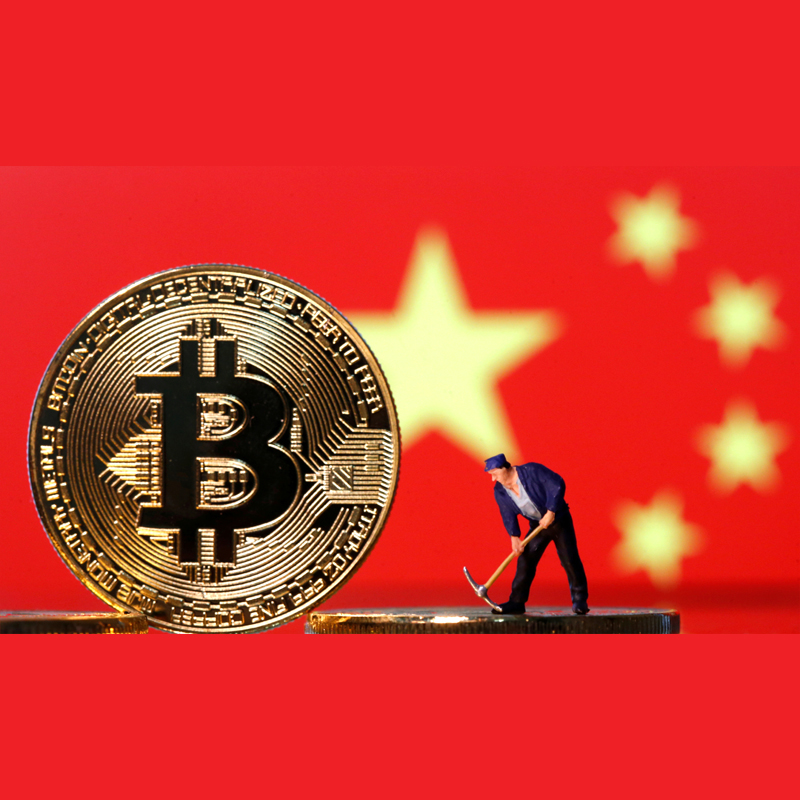
    Mumbai: The crypto ecosystem in the country has once again come under the scanner after finance minister Nirmala Sitharaman stated in Parliament recently that the Reserve Bank of India (RBI) has expressed concerns over cryptocurrencies and sought a ban on them from the government.

    “In view of the concerns expressed by RBI on the destabilising effect of cryptocurrencies on the monetary and fiscal stability of a country, RBI has recommended the framing of legislation on this sector. RBI is of the view that cryptocurrencies should be prohibited,” said the FM in reply to a question raised in Lok Sabha on the stance of the government and the RBI on Cryptocurrency.

    This is even as India recorded the second-highest number of cryptocurrency users in the world last year, and the crypto market in the country grew by over 600 per cent, as per a report released by industry research firm Chainanalysis in 2021. The cryptocurrency sector in the country can no longer be termed niche, as it catches the fancy of an increasing number of traditional-minded investors looking to diversify their investments.

    However, on whether the government has any immediate plans to legislate a law restricting the use of cryptocurrency in India, the FM clarified that while cryptocurrency by definition is borderless, it requires international collaboration to prevent regulatory arbitrage. “Therefore, any legislation for regulation or for banning can be effective only after significant international collaboration on evaluation of the risks and benefits & the evolution of common taxonomy and standards,” she said.

    Despite this clarification on the long-standing matter of regulation of the digital asset class, and notwithstanding the boom in adoption of the virtual currency just last year, uncertainty continues to plague the crypto industry in the country. The crypto market has been on a downward trend since the start of the year due to various macroeconomic factors, according to industry insiders.

    Even so, most of the industry stakeholders Indiantelevision.com spoke to were sceptical about the ban on crypto becoming a reality.

    According to Optiminastic Media founder Akshae Golekar, with several first world countries, such as the UK, Australia, Denmark, France, Germany, and Spain, to name a few, accepting and working towards adopting the technology and adapting to the new trend, it will be outright foolish to ban crypto altogether.

    Secondly, he points out, the core of crypto is blockchain, and blockchain is a public global ledger. “If a particular country bans it, it would have no effect on the functionality or the application of the technology. Instead, it will be the country that is left behind. “

    So while it would be sad for the entire crypto ecosystem, it wouldn’t come to a point where the crypto ecosystem is so affected that it breaks down or the technology is aborted, Golekar asserts. “Brands can still emerge successful by focusing their marketing and operations in other countries of the world. Thriving and sustaining in India, though, would be a grave issue. Crypto ban would simply mean there’s nothing left for such brands in India,” he added.

    Already, some crypto startup founders are moving out of the country in a bid to shift base to more crypto-friendly destinations. The co-founders of India’s largest cryptocurrency exchange, WazirX, Nischal Shetty and Siddharth Menon, recently moved to Dubai with their families for clearer policies around digital assets.

    This comes on the back of the hefty tax imposed on crypto, amid a progressive clampdown on the virtual currency, including action by enforcement agencies against some platforms, and the basic lack of clarity on policy in the long run.

    They can’t work in an uncertain environment, and this literally affects the country, its economy, and the present and coming generations. “It is a concerning thing when it comes to the growth and development of the nation with respect to technology,” said Golekar.

    “The RBI is voicing concerns about the ‘adverse effects’ of digital assets on the Indian economy, alternating between ‘legislation’ and ‘prohibition’ and the government adopting a wait-and-watch strategy, India is on the brink of losing the opportunity to become a world leader in the cryptosphere,” feels crypto banking platform CEO and director Abhijit Shukla.

    “The central bank digital currencies are known to palpably denounce private cryptocurrencies. While the government is finalising a concrete stance on this, there seems to be a lack of understanding between money and currency,” he says. “While the RBI could be over-critical of the crypto assets considering their volatile nature and the risks involved for its investors, it is always better to gauge both sides of the same coin, looking at the positive effects of utilising this technology,” says Shukla, adding that a blockchain-based payment system with sovereign backing can’t be a replacement for cryptocurrencies on the whole.

    Digital assets technology company, Atato’s co-founder and head of partnerships, Maxime Paul, echoes the sentiment when he says that centralised banks may feel a greater need to regulate products which they find it hard to control considering the decentralised nature of crypto. “As a regulated and licenced wallet provider, we do see increased sandboxes for crypto by regional regulatory authorities that welcome cryptocurrency,” he continues. While being supportive of legislative frameworks on crypto, Paul believes an outright ban would not be easy to enforce considering India is one of the largest demographics for cryptocurrency.

    Armoks Media founder Arun Prabhudesai agrees with the majority opinion that banning cryptocurrency is not the solution. “Around two crore Indians have cryptocurrencies right now, whose value is estimated to be Rs 45,000 crore. It’s a trillion-dollar market globally, and we cannot just shut it down. Since crypto is essentially decentralised money, there is no point in banning it, he adds.

    India will close the doors for FDI as well as next-gen technological innovations if we ban cryptocurrency, says Prabhudesai. “We will be clubbed with China, and essentially tell the world that hey, we cannot handle the future.” He adds that the government should consider cryptocurrencies as investment instruments and should impose transparent taxes on them (which right now is a bit ambiguous).

    Industry experts agree that there has to be a balanced approach. Regulation of crypto is the solution for the long run, most believe.

    “We believe that a collaborative approach towards crypto investment aligned with India’s positioning to be an upcoming superpower would be the right approach considering the global acceptance and adoption of crypto,” says BuyUcoin CEO Shivam Thakral.

    The challenges he foresees for the crypto industry in the country mainly come in the form of “mainstream acceptance,” as crypto needs support from a regulatory perspective to be culturally accepted by the masses, says Thakral.

    Notwithstanding the RBI’s concerns about cryptocurrencies affecting monetary stability, global crypto investment platform Mudrex CEO and co-founder Edul Patel believes cryptos can create a more transparent environment for transactions using blockchain.

    “India has over 20 million stakeholders holding crypto assets worth $5.3 billion. If the government decides to ban cryptos, the act would directly impact them,” says Patel. “And this would also hinder the growth and innovation in the sector to a great extent in this digital era, taking the country’s performance down.”

    Bhavan’s SPJIMR associate professor of finance, Dr. Hemant Manuj, sums up the discussion when he says that cryptos have several positive features, but the counterparties have no resort if there is any kind of breach in the transaction.

    Based on their optimal design, he says, they can serve as fast and efficient modes of payment and also ensure privacy. However, regulators should be questioning whether public trading should be allowed in a security with no tangible underlying asset. And if so, what safeguards are required?

    Ironically, the large-scale acceptance of cryptos can happen only at the cost of the existing currency systems. That would have monetary, economic, and nationalistic implications. So, the anti-crypto stance of the regulators like RBI can be understood as partly logical and partly protective of the existing systems, notes Manuj.

    Crypto brands were also some of the biggest spenders in advertising and marketing in the last couple of years. Crypto exchanges took out full-page ads in newspapers and signed up top Bollywood stars to promote their offerings during popular marketing properties.

    However, there has been a drastic dip in the promotional activities of late-this year’s IPL being a case in point where the brands were glaring by their absence. It’s a remarkable turnaround from last year, when the crypto platforms were some of the country’s hottest brands.

    It is likely that, given India’s huge demographic, sponsors shying away from the IPL would like to not be in the spotlight while regulations are not defined, says Atato’s Maxime Paul. Uncertainty will divert marketing resources to crypto-friendly markets. He adds that this is also something to consider for regulatory authorities as part of the ecosystem of crypto.

    Industry stakeholders also believe the reason behind the brands’ going “missing in action” could also be the recession. The roots of these crypto brands are finance and the economy. These players knew that the macroeconomic indicators were not looking good and hence paused investing in marketing, says Optiminastic Media Golekar. At times like these, marketing spending needs to take a back seat and brands focus on sustainability and developing and improving the product and service.

    Whenever markets go through a bear phase, as is the case currently, belts need to be tightened, agrees the Coinswitch Kuber spokesperson, adding that the crypto sector is no different. “Volumes in the Indian crypto market have been following global trends. We believe that the bear market is temporary and that crypto is here to stay,” said the spokesperson for the cryptocurrency exchange platform.

    There were also a lot of concerns raised about the advertisement blitzkrieg by crypto brands last year, with several of them being flagged for misleading claims. Other industry experts opined that it is likely that brands are working with recent advertising guidelines and standards to create new, acceptable creative means of promotion.

    Amid a bull market last year, cryptos were the clickbait of social media platforms with ever-engaging ads and well-tractioned branded promotions, says Tarality’s Abhijit Shukla. This year established an alternative crypto-perspective, he says. “The ads promoting cryptos were toeing a fine line between ‘puffery’ and ‘misinterpretation’—luring Indians into investing in notorious asset classes for fluctuating price swings without comprehending the real risks involved.”

    With the prime focus on driving awareness with crypto exchanges, ads with extensive disclosures and disclaimers for a layperson’s investing decisions are the need of the hour, marketers believe.

  • Former RBI director Urjit Patel appointed as Britannia’s additional director

    Former RBI director Urjit Patel appointed as Britannia’s additional director

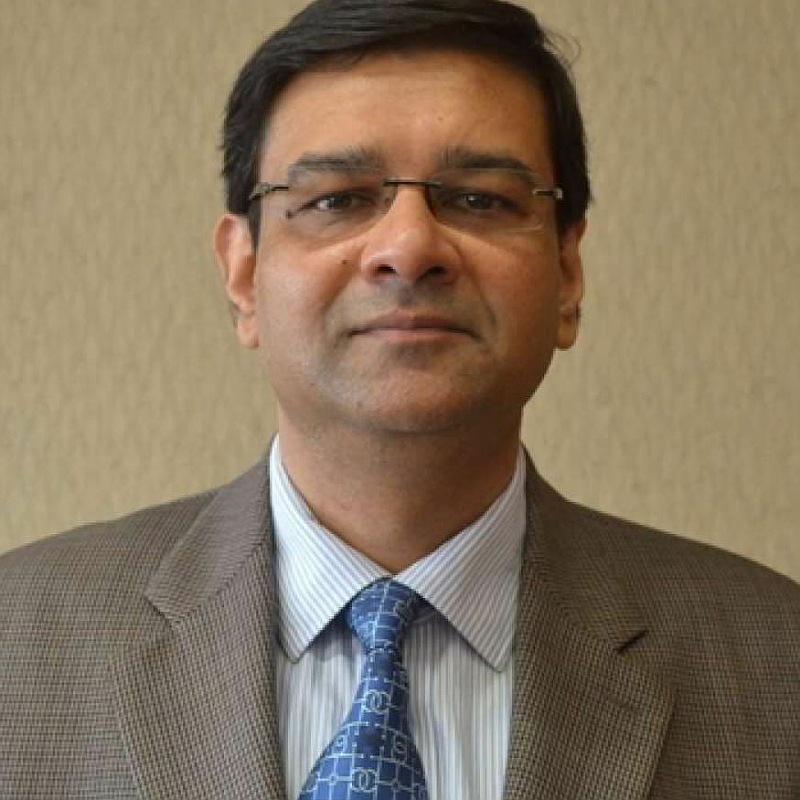
    NEW DELHI: Consumer goods major Britannia has appointed former Reserve Bank of India (RBI) governor Urjit Patel as the company's additional director. Patel will serve as the additional director for Britannia for a period of five years, from 31 March 2021 up to 30 March 2026. 

    "The board of directors of the company at their meeting held today 31 March 2021, approved the appointment of Dr Urjit Patel, as an additional director of the company in the category of non-executive and independent director," said Britannia in a BSE filing. 

    A PhD holder in economics from Yale University, Urjit Patel served as the 24th governor of the RBI from 4 September 2016 to 10 December 2018, succeeding Raghuram Rajan. However, Patel stepped down before the end of his term citing personal reasons, thus becoming the fifth RBI governor to have resigned before the end of the term. 

    After completing his PhD in 1990, Patel joined the International Monetary Fund (IMF), and worked in several countries like the United States, India, Bahamas, and Myanmar. 

    He is currently the chairman of the governing body of the National Institute of Public Finance and Policy. He is also on the Investment Advisory Committee of the Army Group Insurance. 

  • RBI approves re-appointment of Uday Kotak as MD & CEO of Kotak Mahindra Bank

    RBI approves re-appointment of Uday Kotak as MD & CEO of Kotak Mahindra Bank

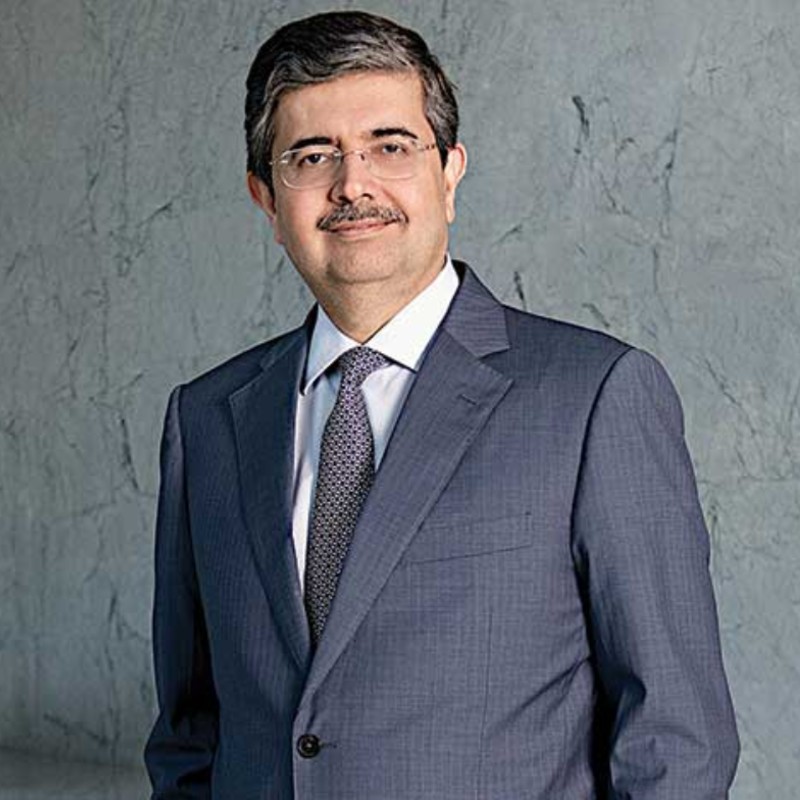
    New Delhi: The Reserve Bank of India has approved the re-appointment of Uday Kotak as the managing director and chief executive officer of Kotak Mahindra Bank for a period of three years with effect from 1 January 2021, according to a filing.

    Kotak is the founder managing director and promoter of the bank and has already served as the head of Kotak Mahindra Bank for the past 17 years.

    RBI also granted approval for reappointing Prakash Apte as part –time chairman and Dipak Gupta as joint managing director for a period of three years with effect from January 2021.


  • RuPay becomes title sponsor for Pro Volleyball League

    RuPay becomes title sponsor for Pro Volleyball League

    MUMBAI: RuPay, the flagship product of National Payments Corporation of India (NPCI), acquired the title sponsorship rights of India’s newest franchise-based sports league, the Pro Volleyball League, which is set to start on 2 February. 

    Conceived to fulfil the vision of the Reserve Bank of India (RBI) of offering a domestic card payment system to all banks and financial institutions in India, RuPay will be the league’s title sponsor that takes off with six franchises from six different cities.

    An initiative of Baseline Ventures and Volleyball Federation of India, the league will now be called the RuPay Pro Volleyball League in its first season. Expressing his delight on this association, RuPay SVP – marketing Kunal Kalawatia said, “RuPay is the preferred card for 60 crore Indians and 1100+ banks issue a RuPay Card today. Like RuPay powering the digital payments initiative, we believe that Pro Volleyball league will bring this sport to the forefront and connect the nation with a common spirit. With RuPay Pro Volley Ball League we want to celebrate the power of a young & healthy India.”

    The inaugural edition of the league will begin with Kochi Blue Spikers taking on U Mumba Volley on 2 February at the Rajiv Gandhi Stadium in Kochi.  The six teams that were announced in November 2018 will play each other in a round robin format in the first season that will have 18 matches. 

    Talking about the development, Baseline Ventures co-founder and MD Tuhin Mishra said, “We are delighted to have RuPay come on board as the title sponsor of the league. It is great to see that RuPay has invested in a sport that is fast-paced, exciting and perfectly matched for our young and dynamic nation.  The Pro Volleyball League aims to start a volleyball revolution to match the digital India revolution that RuPay is leading. And to help us in this endeavour, we couldn’t have found better partners than RuPay.”   

    Welcoming RuPay on board, former India international player and Volleyball Federation of India current Secretary General Ramavtar Singh Jakhar said, “We wholeheartedly welcome RuPay on board of PVL. It’s heartening to see such a prestigious brand which is also the pride of our Nation to support a truly grassroot mass sport such as Volleyball. We are sure it will be a great association.” 

    Ahmedabad Defenders is owned by Bonhomie Sports Event Mgmt. Ltd., Kerala's Calicut Heroes is owned by Beacon Sports while the Chennai Spartans is owned by Chennai Spartans Pvt. Ltd. U Mumba Volley is owned by U Sports, who also own a team in the Kabaddi league while Black Hawks Hyderabad is owned by Agile Entertainment Pvt. Ltd. Thomas Muthoot owns the Kochi franchise called the Kochi Blue Spikers.

    All the matches starting from 2 February will be broadcasted live on Sony Six and Sony Ten 3 and will be streamed live on Sony LIV.