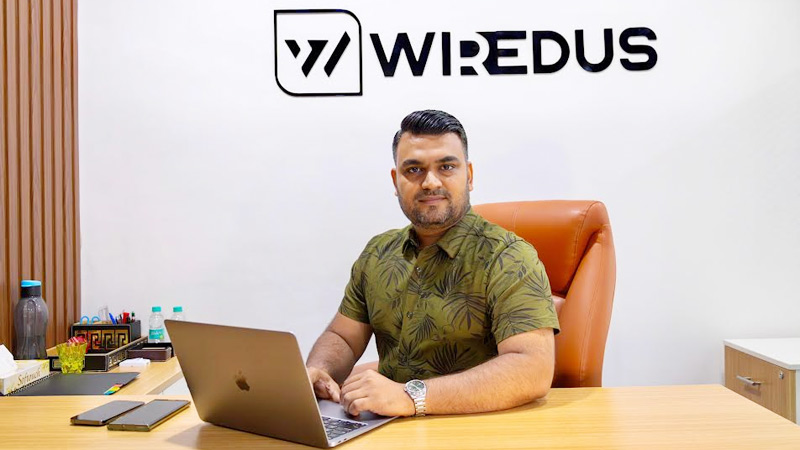
Tag: Ravish Yadav

  • Navigating the challenges of digital transformation in traditional industries

    Navigating the challenges of digital transformation in traditional industries

    Digital transformation is no longer a buzzword reserved for tech startups or cutting-edge companies. Today, even traditional industries — such as manufacturing, healthcare, and retail — are feeling the pressure to evolve. However, while digitalisation offers enormous potential, passing through the challenges of transforming longstanding practices is no small feat.

    For traditional companies, this transition often feels like stepping into uncharted territory. Their operations, culture, and customer base may be deeply rooted in decades of established processes. Yet, the demand for digital efficiency, personalisation, and connectivity is impossible to ignore. The question is no longer whether to give way to digital transformation but how to do it in a way that honors the company’s heritage while preparing for a future defined by constant innovation.

    Understanding the cultural shift

    One of the most significant challenges traditional industries face is overcoming the cultural inertia that often comes with long-standing practices. Employees accustomed to manual, hierarchical systems may resist the implementation of digital tools or new ways of working. This resistance isn’t just about learning new technology — it’s often about fear of losing relevance in a rapidly changing world.

    Hovering through this cultural shift requires strong leadership and clear communication. It’s essential that leaders create a sense of urgency about digital transformation while reassuring their teams that the shift is an opportunity for growth. A culture that imbibes learning, experimentation, and adaptability is key to a successful transition. Leadership must model this mindset, showing that digital transformation isn’t about replacing people — it’s about empowering them with better tools and insights.

    Building the right digital infrastructure

    For many traditional companies, the journey toward digitalization begins with modernizing their infrastructure. This is no small task, especially for industries like manufacturing or logistics, where outdated technology may have served them well for years. But today’s digital landscape demands agility, scalability, and connectivity, which means legacy systems often need to be restructured or replaced altogether.

    A critical element of this process is investing in cloud-based technologies and data analytics. Moving to the cloud allows businesses to streamline operations, scale more easily, and increase collaboration across departments or even global locations. Furthermore, data analytics provides insights that can drive smarter decision-making, enabling companies to understand their customers, optimize processes, and reduce inefficiencies.

    The importance of customer-centric transformation

    Digital transformation isn’t just an internal process; it must fundamentally alter how companies interact with their customers. Traditional industries, many of which have relied on face-to-face interactions, must now adapt to a world where customers expect seamless online experiences.

    This shift means more than just having a website or social media presence. It requires companies to rethink their entire customer journey, ensuring that every digital touchpoint is intuitive, personalized, and frictionless. Whether it’s enabling online purchases, providing customer support through AI chatbots, or leveraging social media for brand engagement, companies must align their digital transformation efforts with changing consumer expectations.

    The use of customer data, when done ethically and transparently, becomes an invaluable tool here. Digital tools provide insights into consumer behavior, preferences, and pain points. These insights can drive tailored marketing strategies, create better products, and improve customer satisfaction.

    Overcoming skills gaps and building digital talent

    A common obstacle for traditional companies going digital is the skills gap within their workforce. Employees may lack the technical know-how needed to work with new systems or data-driven platforms. This can delay digital initiatives and lead to frustration across teams.

    To bridge this gap, companies must invest in continuous training and development. Upskilling employees in areas such as digital marketing, data analysis, and e-commerce will help foster an internal workforce that is equipped to drive the company forward in the digital age. Additionally, partnering with tech experts or consultants can be a wise step to ensure the right digital strategy is implemented efficiently.

    However, hiring new digital talent also plays a crucial role. This may mean bringing in experts from outside the industry who can introduce fresh perspectives and innovative approaches to problem-solving. The combination of retaining experienced employees and incorporating new talent creates a powerful foundation for growth.

    Giving way to agile practices

    Digital transformation in traditional industries also requires a shift in how projects are managed. Legacy companies often rely on rigid, top-down decision-making processes that are slow to adapt. In contrast, the digital world operates on agile methodologies — allowing for quick iterations, fast feedback, and constant improvement.

    Balancing tradition with innovation

    Balancing tradition with innovation is the key to digital transformation. Traditional companies have often thrived because of their deeply rooted values, customer loyalty, and proven methods. The key is not to abandon these strengths but to find ways to enhance them through digital tools.

    For example, a family-owned retail business can use e-commerce platforms to reach new customers while still maintaining the personalized service that earned them a loyal base in the first place. Similarly, manufacturers can use automation to increase efficiency without sacrificing the craftsmanship that defines their products.

    Digital transformation doesn’t mean losing what makes a company unique – it means finding new ways to amplify those qualities in a rapidly changing landscape.

    Final thoughts: Moving forward with confidence

    Hovering through the challenges of digital transformation in traditional industries is a complex, multifaceted journey. It requires a deep emphasis on cultural change, investments in the right technology, and a focus on both internal teams and customer experiences. In a world where disruption is the new normal, success will come to those who manage to blend the best of their past with the possibilities of the future.

    The article has been authored by Wiredus Media founder & MD Ravish Yadav.
  • “Employees are elemental pillars of any company’s growth”: Wiredus Media’s Ravish Yadav

    “Employees are elemental pillars of any company’s growth”: Wiredus Media’s Ravish Yadav

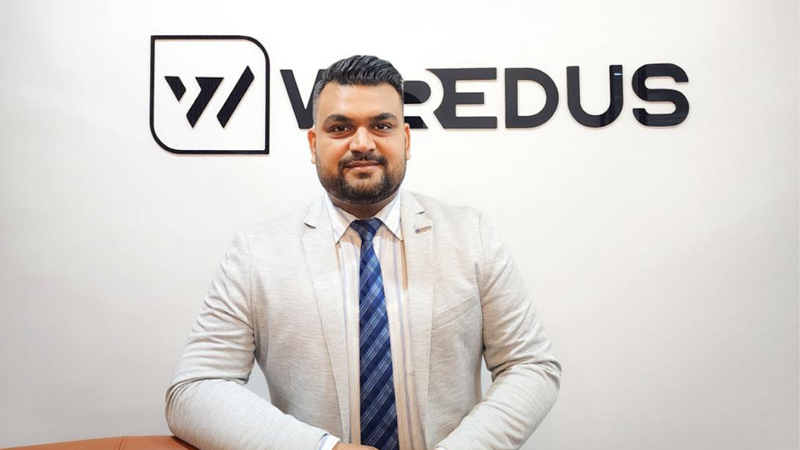
    Mumbai: Metro cities like Delhi, Mumbai are burgeoning with service providers that offer quick digital marketing solutions and are servicing variety of sectors across industry. So, what makes Wiredus Media stand out and what is their unique strength that attracts top clients?

    Delving deeper, Indiantelevision.com in conversation with Wiredus Media Pvt Ltd founder & director Ravish Yadav spoke on its differentiating aspect, its employee-centric approach, and more…

    Ravish Yadav is a seasoned professional whose journey has been marked by dedication, educational prowess, and a diverse range of industry experiences. With over a decade of professional experience, Ravish Yadav has made significant contributions across multiple industries and companies including – Panasonic, Indusind Bank, Central Park, etc. His versatile career spans banking, apparel and e-commerce, consumer electronics, and the real estate sector.

    Edited Excerpts:

    On Wiredus Media differentiating itself from other marketing agencies and the strategies you employ to stay ahead

    I founded Wiredus with a vision to empower brands with the perfect digital marketing approach, so they can realise their goals effectively and we, as a brand can grow simultaneously while not just helping them achieve this, but addressing any hidden and known challenges.

    We adopt a simple four-step strategy – FLIP

    F stands for Focus- It is imperative to understand the objective and focus your energies to channelise the best solution forward

    L stands for Learn- once the objective is understood, take out the possible learnings through a SWOT analysis and find the white space that can be leveraged for the client

    I stand for Insights and Innovate- With constantly evolving landscape, it is crucial to drive actionable insights and also innovate with changing trends, so that your solutions are not redundant

    P stands for program and progress- Put the strategy and possible solution into actionable line items, drive the program and progress towards success. This is also synonymous to our company’s vision of always progressing.

    On examples of innovative approaches or technologies adopted by Wiredus Media for crafting unique marketing campaigns for clients

    Though there are many examples that I can share as a marketer and agency owner, but there is one particular project that I would like to expound upon.

    One of our real estate clients was looking to churn out quality leads through a holistic digital campaign. With limited resources to deploy in terms of monies, we had to make sure that the suggested roadmap goals are not just SMART but achievable. The end objective was to get a business of some crores. The team understood the business objective, brand perspective and devised a strategy across digital channels. We actually crossed our target, by having lower CPL as per industry standards. The campaign was a huge hit amongst all the stakeholders and promoters.

    On specific challenges and opportunities that you anticipate as Wiredus Media expands into markets like Dubai and Singapore and your expectation of these challenges and opportunities differing from your experiences in the Indian market

    I have worked with the topmost brands in the market, but on the agency side, the anticipations and expectations are very different. There are unknowns and knowns. While you can easily navigate the knowns, it is sometimes a daunting task to predict the right way out of the unknowns. So my hench is to have a bird’s eye view of everything and anything that comes across, smallest project or a campaign can give you ways to solve a problem in a unique manner.

    As we think of expanding into markets overseas, we need to learn about the competitive landscape, which we already have a fair idea about. But real time experience teaches a lot than theory – you don’t learn to swim till you are in those waters. So, we also, are taking one challenge at a time and navigating out ship towards its destination. The markets are very erratic- highs and lows are integral to any business that dares to take up this journey. We, at Wiredus are enthusiastic, passionate and determined to achieve our goals with a systematic approach.

    On the distinction between Wiredus Media’s employee-centric approach and the criticized practices of many corporate companies regarding employee well-being, consider the effects of this difference on both employees and the overall success and sustainability of businesses.

    Employees are elemental pillars of any company’s growth. They are the ones who drive your client’s success stories. They are the primitive to how a company functions. Though we are disciplined in our employee-centric approach, but at the same time the well-being of our employees is our top most priority. Retaining good talent and reducing attrition rate can help any company realise its goals effectively and sustain business for a longer time. The businesses not only get disrupted by evolving landscapes and competitive markets, but also by an employee’s contribution.  

    On the leadership principles or philosophies that guide your approach to managing and growing Wiredus Media

    I am a doer, dynamic and creative professional with over 11 years of rich experience in marketing industry. For me, I believe it is the attitude that drives you towards realising your potential, it is your constant learning that keeps you at pace with the market or else how do you know what all is going on! My leadership guide as I would like to say is my way of looking at the problem. Every challenge or any problem statement has two sides to it. Know both the sides, and work out a way where you narrow the gap between these sides, and devise a solution that is ACAG- actionable, consistent, achievable, growth oriented.

    On envisioning the role of artificial intelligence and automation in the future of digital marketing and whether Wiredus Media incorporates these technologies into its strategies

    Artificial intelligence or automation are not new. They were in the market long back and now have penetrated most of the industries. We, at Wiredus Media incorporate technology at every step of our approach. We try to integrate measures that are enabled and driven by automation for quick completion and timely delivery of projects.

    Automation and AI will be the integrators of digital marketing strategies going forward. AR, VR, IR and so much more explorations will give rise to innovations and marketing agencies will be expected to deliver real time applications of these tech.

    On the vision and mission for the next three years

    A lot of industry stalwarts and established companies have long paragraphs on the vision and mission statements. We, at Wiredus are aligned to simple, yet effective line of attack and progress.

    Vision- To be the cornerstone of every marketing strategy across industries and garner the best talent to be the pillars of this success story

    Mission- be the brand, drive the brands and deliver flawless, precise solutions to our clients. We stride to meticulously build our empire with inch-perfect solutions.