Tag: Ravish Kumar

  • Truth wins the reel war as While We Watched bags Harvard’s top doc prize

    Truth wins the reel war as While We Watched bags Harvard’s top doc prize

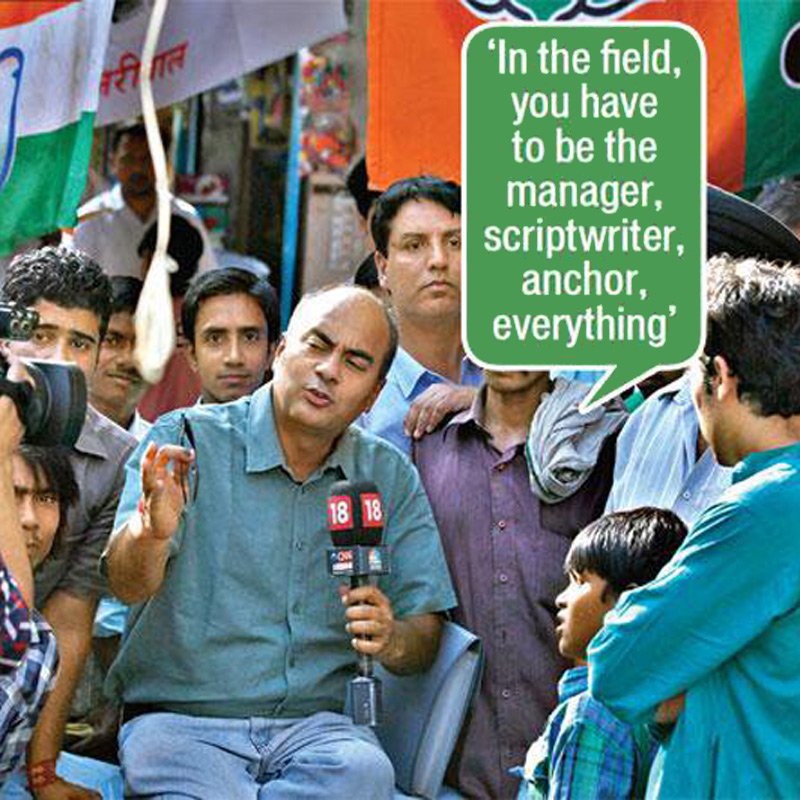
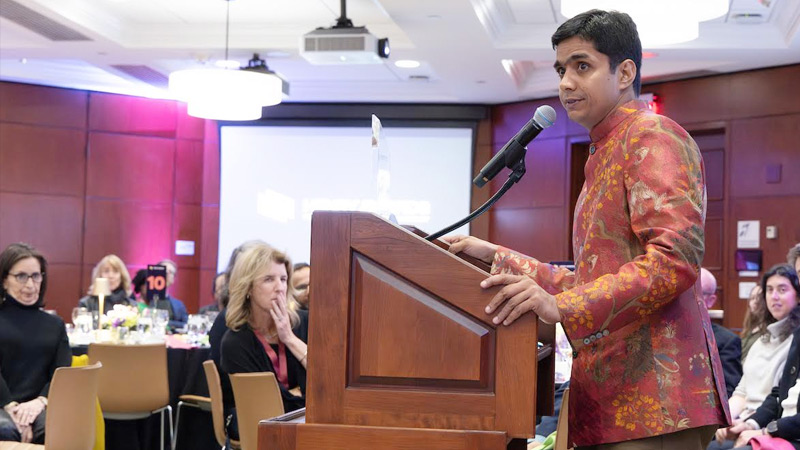
    MUMBAI: Lights, camera, resistance Vinay Shukla’s While We Watched is still making noise, and this time, on the hallowed grounds of Harvard. The searing documentary, which follows acclaimed journalist Ravish Kumar through the stormy corridors of a crumbling newsroom, has just clinched the 100,000 dollars Grand Prize at the inaugural Henry Awards for Public Interest Documentary.

    Hosted by the Shorenstein Center at Harvard Kennedy School, the Henry Awards honour nonfiction storytelling that champions the public good with rigour and cinematic flair. While We Watched, a portrait of one man’s fight for journalistic integrity in the face of a fake news deluge, dwindling ratings, and institutional pressure struck a raw nerve with the jury.

    The 2025 Henry Awards Jury comprising Ra’anan Alexandrowicz, Mandy Chang, Petra Costa, Ron Nixon and Michèle Stephenson released the following statement about the winner of Grand Prize “While we watched is an exceptional cautionary tale that takes an unflinching look at the State’s violent crackdown on freedom of expression through the experience of a journalist who dares to defend his integrity. Ravish Kumar is an unforgettable character. His specific story manages to instantly transcend its locality and become a real time documentation of the attack against the free press. The film is a brave effort by the filmmakers that should serve as a warning to us all.”

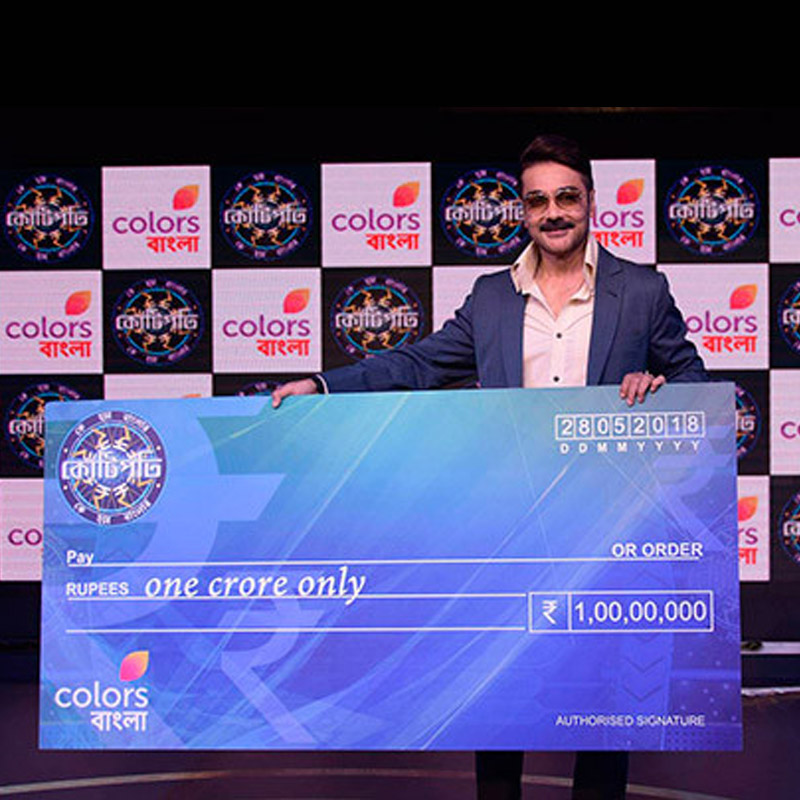
    Sharing his joy Vinay Shukla says, “It’s an incredible honour to receive the Henry Grand Prize especially from an institution like Harvard, which has long stood for intellectual rigour, public service, and the pursuit of truth. While We Watched is a deeply personal film not just about one journalist, but about what it means to hold on to your values when everything around you is shifting. We made this film against impossible odds: with no money, partners dropping out mid-production, and constant uncertainty about its future. To see it capture the zeitgeist the way it has over the past few years has been truly heartening. The film premiered at Toronto International Film Festival in 2022, and here I am in 2025 – still accepting awards for it. The prize money is the same as *Kaun Banega Crorepati*, so honestly, I feel like I’ve just won KBC – which is quite something, considering I wasn’t the smart sibling.”

    Directed by Vinay Shukla and produced by Luke W Moody and Khushboo Ranka, the film had already made waves when it premiered at the 2022 Toronto International Film Festival, bagging the Amplify Voices Award. But three years later, it’s still very much in the limelight garnering critical acclaim and now, a cash prize on par with winning Kaun Banega Crorepati.

    A haunting meditation on modern journalism, While We Watched isn’t just a love letter to press freedom, it’s a sharp reminder of what’s at stake when truth becomes a casualty. And as long as voices like Ravish Kumar’s continue to echo through frames like Shukla’s, the battle is far from over.

  • Colors Marathi to launch ‘Bigg Boss Marathi’ S3 on 19 Sept

    Colors Marathi to launch ‘Bigg Boss Marathi’ S3 on 19 Sept

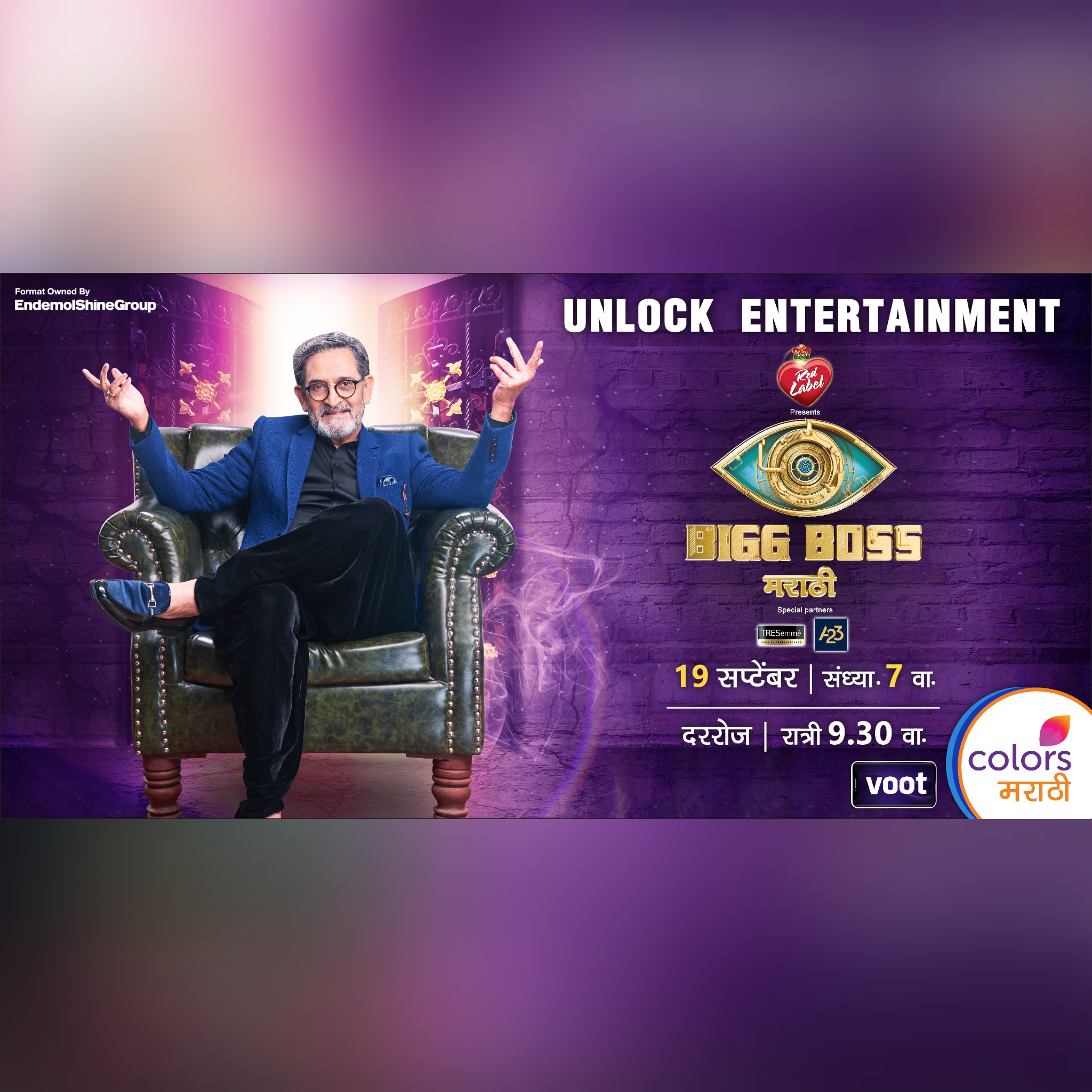
    Mumbai: Colors Marathi will air the third season of “Bigg Boss Marathi” starting from 19 September. The show will have a four-hour launch episode starting from 7 p.m and will be subsequently aired every Monday to Sunday at 9:30 p.m.

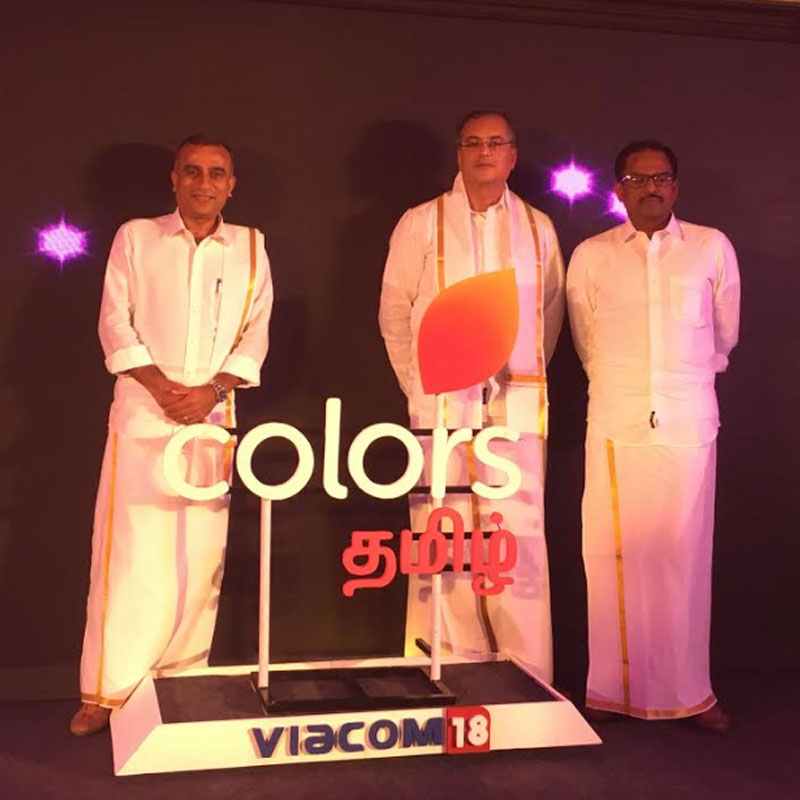
    Produced by Endemol Shine India, Viacom18 has roped in Brooke Bond Red Label as ‘presenting sponsor’ and TRESemme, A23 and Haier as ‘special partners’ for this edition of the show.

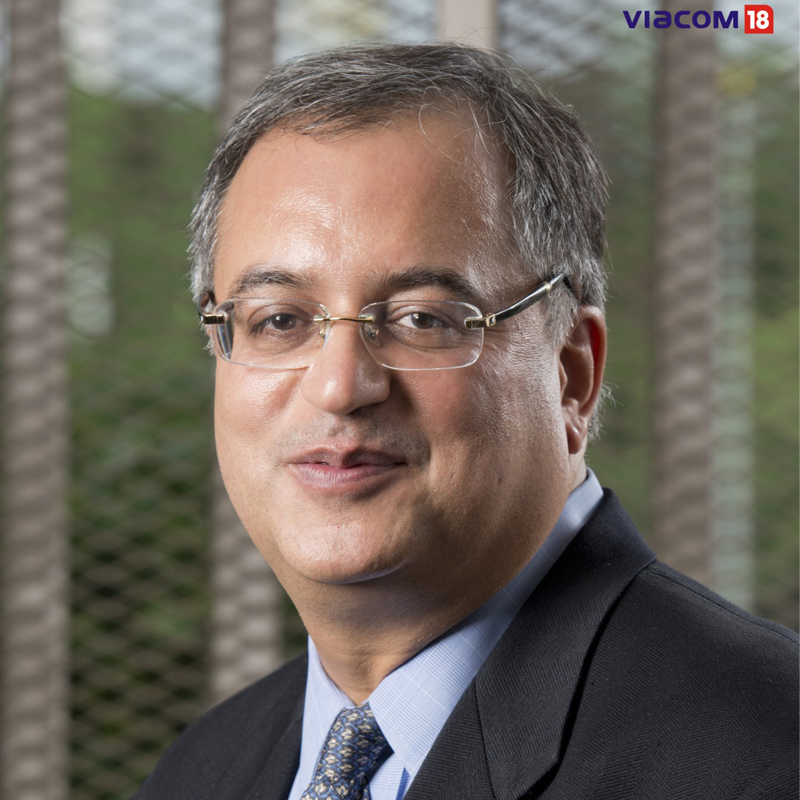
    “Bigg Boss Marathi proved to be one of the topmost viewed shows in the Marathi general entertainment space for both the seasons, attracting not only television viewers but also a massive number of digital viewers on Voot,” said Viacom18 business head of regional entertainment (Kannada and Marathi) Ravish Kumar. “The show provides various opportunities for brands to reach out to their target audience as is evinced by the number of sponsors on board.”

    Actor-director-producer Mahesh Manjrekar returns as the show host alongside 15 new celebrity housemates, who will be quarantined in the ‘Bigg Boss’ house for 100 days. “As we get used to the new normal, I’m glad to be back with Bigg Boss and entertain every one of you,” remarked Manjrekar.

    There are more than 60 cameras in the house that are accessible to Voot users giving digital audiences 24*7 live access. These audiences can not only vote for their favourite contestants but also ask them questions, send them messages and share their views on what’s going on via digital innovations introduced on the OTT platform.

    “From a format perspective, we have tried to make this season different, innovative and made sure that we have the right kind of contestants and housemates. The audience will also get to see Marathi flavour be it in the tasks or routine,” said Colors Marathi business head Aniket Joshi.

    “Our overall approach with Bigg Boss Marathi season three is to celebrate the Marathipan by displaying the various cultural nuances of Maharashtra,” said Colors Marathi head of programming Viraj Raje. “Be it the design elements inside the house, the tasks, and even naming Weekend ka Daav as Chavadi, we have tried to bring in the true essence to Maharashtra’s rich culture into the show,” he added.

    “We at Endemol Shine India have gone the extra mile to ensure that the housemates are kept on their toes throughout this new season,” said Endemol Shine India CEO Abhishek Rege.

  • Hathway Cable removes NDTV India from popular channel packs

    Hathway Cable removes NDTV India from popular channel packs

    Mumbai: Hindi news channel NDTV India has been removed from popular channel packs offered by cable TV operator Hathway Cable and Datacom, the channel has said.

    The channel tweeted the development on 3 September via its Twitter handle asking customers of the cable operator to call the customer service number and ask why NDTV India channel has been removed. It also asked them to tweet to the cable provider using their official Twitter handle.

    The call was taken up by NDTV Convergence, head, Suparna Singh and NDTV India, senior executive editor, Ravish Kumar. At the time of filing this report, the Twitter posts have gone viral garnering thousands of views, likes and retweets.

    The situation escalated further when Ravish Kumar shared a video clip that has been shared across NDTV’s social media handles.


    “Often TV News channels are removed from the channel packs citing operational bottlenecks. However, this matter is different,” said Kumar on his Prime Time Show. “There is a lot of effort that goes into preparing the programming for NDTV. This programme is not conjured out of thin air. The effort that goes into producing the primetime shows, there are thousands of words that are typed from the morning 7 a.m till the evening 10 p.m, which I do myself. We have a small team that puts in a lot of effort.”


    Kumar said it is not good when the programming that is created with so much effort is not able to reach the viewer because of the hurdles imposed by others. “We will continue to work. Today’s programme will not reach you. Yet, when history will look back, it will note that this was the only programme worth watching,” he said.

    On 4 September, Hathway Cable issued a statement, “The NDTV News channel is available for all Hathway Subscribers. Our customers can easily subscribe to the channel as per their requirements.” 

  • Why Viacom18’s Ravish Kumar insists on innovation in non-fiction shows

    Why Viacom18’s Ravish Kumar insists on innovation in non-fiction shows

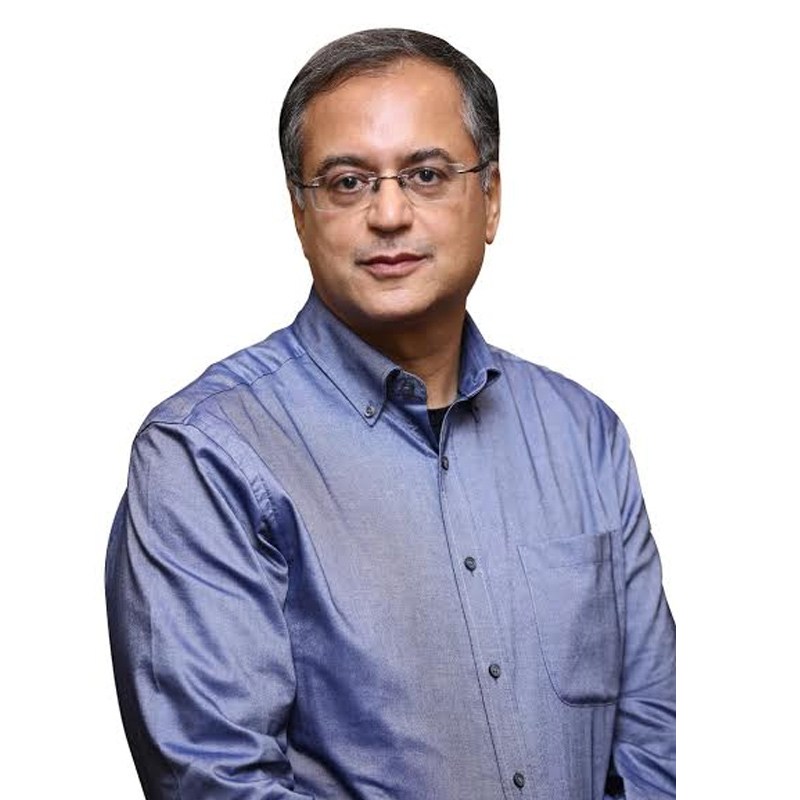
    MUMBAI: When it comes to growing a brand with differentiated content or rejuvenating legacy brands, Ravish Kumar is a commanding voice in the game. In his role as the head of regional entertainment (Kannada and Marathi Cluster), Kumar works towards elevating the Viacom18 network’s regional broadcast portfolio consisting of Colors Kannada, Colors Super, Colors Kannada Cinema and Colors Marathi to the stature of Hindi mass entertainment channels. He also aims to drive industry trends through innovation and building a cost effective yet vibrant eco-system in the regional markets.

    Under his leadership, Colors’ Marathi and Kannada offerings have a strong market presence. Colors Marathi has remained stable in past few months, and according to BARC India week nine data, is at the second spot in urban+rural market. The channel has launched three fiction shows and two non-fiction shows over the last two months. Despite strong competition in this space, shows like Shree Swami Samarth and Sundara are doing well for the channel, while Balumama still remains number one. Colors Kannada, too, is at the number two position; however, the top five programmes in the Kannada market are from the channel’s staunch competitor, Zee Kannada.

    In a candid conversation with indiantelevision.com’s Shikha Singh, Kumar shared insights on both the Kannada and Marathi market, growth in these sectors, advertiser response and much more.

    Edited excerpts:

    On whether the ad market in Kannada and Marathi market recovered & have advertisers returned to TV

    Yes, after we resumed original programming, we saw advertisers return to TV July-August onwards. This gained momentum during Diwali and after that advertising has only gotten stronger. I am happy to say that we are back to pre-Covid2019 level, there's not a hand-off record. So, advertisers are back, we also are back in a big way and the market is very robust right now.

    On the important of local brands for regional channels

    Local advertisers have been extremely important especially when it comes to reality shows. They are the one who show a tremendous amount of interest in sponsoring non-fiction properties. For example, the current season of Bigg Boss Kannada (launched about a week ago) has an equal mix of national and local advertisers. In Marathi, we are on the cusp of a few big launches and we are seeing very strong interest from the local advertising community as well. However, when it comes to fiction shows, national advertisers tend to be more in play, because their GRP requirement tends to be huge. Overall, when the lockdown was relaxed local advertisers were a little slow to come back, but then as the months progressed, they have returned stronger than before and are as robust as they can be. They tend to favour specific properties which air on weekends or for a certain duration of time, whereas national advertisers are present round the year and they tend to buy in bulk.

    On content plan for both channels

    In the Kannada market, we were a distant number four but now a strong number two. We are catching up with Zee Kannada and we hope to go past them soon. And from our mind map, we are lining up the best of fiction, non-fiction, events and movie premieres.

    From a content line-up perspective, it is business as usual. Earlier people were holding back or were shifting stories or getting dubbed stories but now none of that is happening. We are racing back into original programming in a big way. We are focusing heavily on really strong stories that are relatable. We are focusing on non-fiction properties, many of which are in multiple seasons right now. For instance, Bigg Boss Kannada is in its eighth season, Majaa Bharatha is in its fourth season. These are our legacy properties which are demanded by both viewers and advertisers. From the movie premiere's point of view, things were a little slow during the lockdown, but we are happy to report that we are back in business.

    As far as programming hours are concerned, on weekdays, we typically have a programming line-up that starts from 6.30 pm depending on the market, and goes on till about 10.30 pm or 11 pm. It is your base weekday programming. We recently opened up morning slots on Colors Kannada that have devotional content. We will continue to experiment with afternoon original programming as well in these markets. Currently, we are looking at five hours of original programming a day during weekdays. This increases by another four to five hours of programming during weekends.

    On the level of interest for Bigg Boss Kannada

    We launched Bigg Boss Kannada last Sunday, it overall rated 4.8 TVRs. If you start looking at Urban ratings, it was 6.8 TVRs. These are strong numbers for a five hour show. If you split it to half an hour slot, the level of time spent on any half hour slot was actually 16 to 17 minutes, which is kind of the level we see in a fiction show. To  see this for a non-fiction show is a strong sign. If you look at co-related viewership numbers on Voot I would say we are looking at very strong leadership there in line with  previous years as well. Additionally, we are doing a lot of new innovative tactics for the first time. There is live feed on Voot Select, additional footage, etc. Over and above our shows  are available on digital before it goes on television.

    On the viability of remaking or adapting Hindi content for regional audiences

    Whether it's Hindi or other Asian markets, I think the strategy is very fluid. Good content is working brilliantly across languages. In our experiences, good content made without significant deviation is the one that is really resonating with viewers. The setting can be localised for the broad stories, and in many cases, the scenes and the promos tend to remain similar. Earlier, it was a one way street. Hindi was giving shows to regional. Now the wheel has turned full circle, and regional is giving back stories. Irrespective of the channel, you have strong success stories across the board, where shows are remade not just in Hindi, but also in other languages. There is a tremendous amount of cross pollination happening. I believe the lockdown has accentuated the whole process.

    On viewer consumption patterns post lockdown

    Fiction shows have always been the backbone of any channel, while non-fiction is what gives it variety, spices it up, and brings a lot of star value. So, non-fiction is something different whereas fiction is a staple diet. I believe that remains unchanged. Post the lockdown we have seen a greater acceptance of dubbed shows or shows from other languages. We've also seen a great respect for cross pollination, shows brought in from one language remade into another. The definition of prime time has also changed. Now, late night shows are far more acceptable and more productive than it was earlier. There was a time when post 9 pm or 10 pm, we would hesitate to put out originals. We don’t hesitate anymore and our original shows are on all the way till 11 pm. Shows that are broadly appealing to all the sensibilities across age groups are the ones which are working brilliantly.

    In terms of non-fiction, I definitely see a lot more innovation happening, rather than the same shows repeatedly happening over and over again. If the format becomes very predictable, I think that's when you start to see a steady decline over time on the ratings of the same show. So whether it's a new property over the existing one, there will be a great demand for non-fiction shows. Now the question is, how do we tap into that demand? And how do we continue to keep it relevant and continue to track viewers? The challenge before us is to keep the viewers hooked and the excitement alive.

  • Guest column: Lockdown learnings for TV land

    Guest column: Lockdown learnings for TV land

    MUMBAI: The Covid2019 pandemic has given us an opportunity to reflect on how we go about our daily lives, and has taught us to be leaner and greener both at work and at home. The lockdown has brought many together, a few apart, and brought out the best and the worst in us. Cocooned in our homes with the spectre of Covid2019 looming over us has led to radical changes in our consumption habits across categories. Television is no exception and the way we consume media and entertainment has changed as well. The absence of original content has seen broadcasters rummaging through their larder for content and this search has manifested itself in dusting off legacy shows, a renewed love for movies, an insatiable appetite for news, a grudging acceptance of dubbed content and the emergence of user-generated content amongst others.

    Whether these changes are transitory, quasi-permanent, or permanent, only time shall decide but a few crucial learnings during this period are highlighted below:

    Curation is as powerful as creation

    It has been an accepted norm that original content ratings are significantly higher than recycled content ratings. However, the careful curation of legacy shows, the introduction of dubbed shows and movies, and proactive FPC management have ensured that many truisms had to be revisited. There has been a blurring of prime time versus non-primetime ratings, original versus repeat ratings and discrete versus continuous content. So moving forward curation is at par with creation but both fundamentally require a deep understanding of viewers' sensibilities, need states, and cultural sensibilities and sensitivities.  

    Recycle, repeat and reuse is the new mantra

    Re-telecast of successful mythological shows delivered ratings in their original as well as dubbed avatar across markets. Channels across markets juggled their programming strategies over the past few months to give prominence to mythological shows such as Mahabharata, Ramayan, etc. The mythological shows bought in an element of hope and belonging during the time of unprecedented uncertainty. Gauging the audience’s response, reruns of erstwhile popular fiction shows also became a norm during the lockdown and were being aired alongside original shows.

    Language is no longer a barrier

    Thanks to the rising availability and popularity amongst viewers, regional language content has emerged as a key growth driver for TV viewership. Indian audiences are more than willing to consume content in their respective languages. In the past few years, rural electrification and smartphone penetration have also added to the popularity of regional language content.

    Movies have found their mojo

    Film-based content not only performed well in Hindi speaking markets but also in southern markets. According to BARC India data, the movie genre saw a 27 per cent growth in primetime viewership share in the south market as compared to the pre-Covid2019 period. Driven by the fact that movies, as a form of content, appeal to all age groups in a family and encourage co-viewing, the category emerged as the primary source of entertainment on GECs across markets.

    Families are the new TG

    Amidst the pandemic, during the time of lockdown, television cemented its role of bringing families together. Lockdown led channels to gradually move from ‘women-centric’ entertainment to ‘family-centric’ entertainment. Content consumption patterns have now changed from ‘me’ to ‘we’.

    Senior citizens can pack a powerful punch

    The population of senior citizens is projected to increase to 20 per cent by 2050. Pre-Covid2019, senior citizens were always underestimated as a target group. The lockdown phase defined them as a significant target group and led us to acknowledge them as an important audience while curating content.

    To conclude, as Socrates said, “The secret of change is to focus all of your energy, not on fighting the old, but on building the new.” While this has been a tough year for everyone across markets, we have grown in a few and may have declined in a few others, but in either case, we have maintained our position for 2020. We are constantly learning from our viewers every day. As we move along, our lockdown learnings continue to provide us with an opportunity to become significant and far more meaningful.

    (The author is business head, Viacom18 regional entertainment – Kannada and Marathi clusters. Indiantelevision.com may not subscribe to his thoughts.)

  • Top 12 news anchors who stood out during Covid2019

    Top 12 news anchors who stood out during Covid2019

    MUMBAI: Indian news channels’Covid2019 and lockdown coverage has been panned by the naysayers. Some have painted it as falling short of being objective, others have labeled it as disastrous. Some have lauded the day-in-day-out incessant reportage as journos have gone from street to street, with their mask protected faces, gloved hands holding onto mikes, and giving updates from the virus plagued hotspots, overflowing hospitals and overburdened medical staff, as well as the hardships suffered by migrant labourer,  heading back to their villages.

    Steering the conversations and the view of the channels have been a bunch of editors and anchors, specially those who have been on prime time broadcasts and have been indulging in important studio-debates, forcing the government and other machineries to act. Or react.

    They have been pilloried, glorified, vilified, trolled, for whatever stance they have taken. If they have opined favorably on something that the government or community have done right, they have been bashed by hungry-to-knock-down-the-media wolf pack. This is even as they have been appreciated by hordes of  others.  If the journos have opposed the popular view, they have been kicked in their guts. Each statement, each word  they have stated has been scrutinized.  Many have resorted to grandstanding, some have been subdued, yet others have been balanced in their approach.

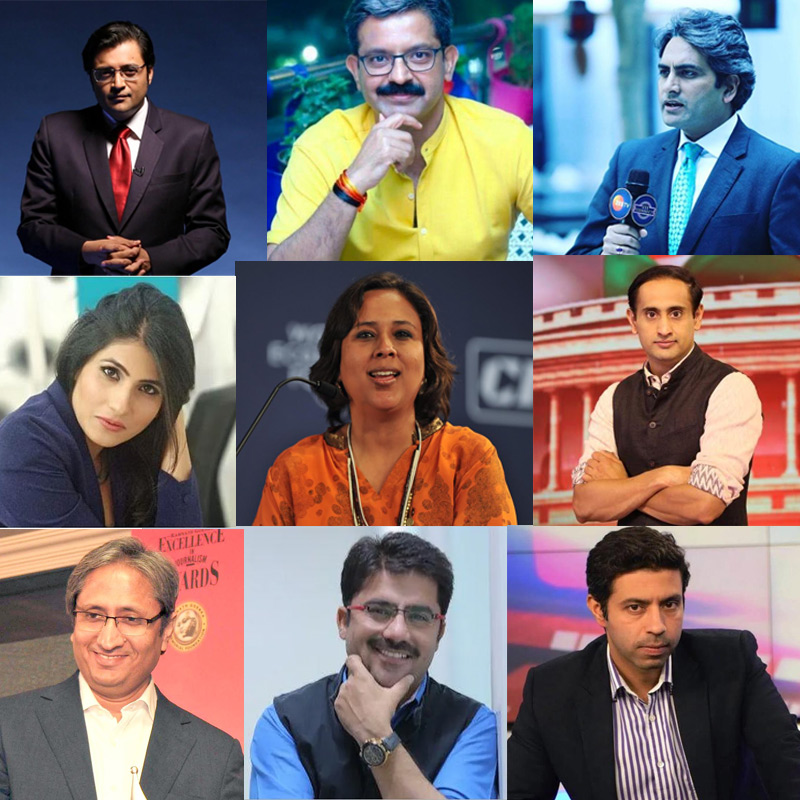
    Most of them have gone about their jobs, no matter the flack they have faced. Being in the spotlight as they are daily, they have taken it as an occupational hazard. Indiantelevision.com has therefore decided to compile a list of anchors in no order of importance  or priority who created an impact, who had their voices heard, positively or negatively, and who constantly were in the news themselves, instead of just reporting  the news during the Covid2019 crisis on social and other media.  Read on. It may not be comprehensive, so we would appreciate your feedback.

    1) Arnab Goswami

    Arnab Goswami, the firebrand face of Indian TV journalism, who has become a brand unto himself owing to his inimitable way of presenting his daily night news debates, is loved and riled by different sections of the masses. He articulates his point well, and doesn't mince words when it comes to uttering truths that would seem unpalatable to many. Often subjected to online trolling for his style of anchoring and political positions, particularly in his nocturnal prime-time debates, Goswami remains a popular name in social media discussions as well.

    Goswami was seen holding a strong right-leaning stance on issues during his Covid2019 reporting too, maintaining his popularity. However, certain unpleasant events like an alleged attack on him and wife Samyabrata Ray by alleged Youth Congress workers earned him negative publicity, too.

    He was caught in a massive legal soup, as well, with many Congress local bodies filing FIRs against him, across various states, under various sections of IPC, including hurting religious sentiments, inciting hatred, and criminal defamation. Goswami had to eventually knock on the doors of the supreme court demanding a CBI investigation in the matter, which was denied. Several FIRs were also quashed for being similar in nature.


    2) Barkha Dutt

    There was a time when Barkha Dutt's name was among the top anchors of the country. After leaving NDTV, Dutt worked as an anchor and consulting editor with the Tiranga TV, funded by Congress leader Kapil Sibal. Her stint with the channel didn't last long.

    Nowadays she has been active on her own YouTube channel MoJo Story. During the Covid2019 pandemic most of the TV news anchors have been working from studios. In contrast to them, Barkha decided to hit the roads, in the same manner how she used to do back then. With a crew of a handful people in a vehicle, Dutt has been travelling almost across north India to interview migrants to report about their problems and plights.

    3) Ravish Kumar

    The firebrand journalist from NDTV, whom many would like to call anti-national, or overtly critical of the ruling party's work, did not change a single thing about his reporting style even during these testing times. Apart from his usual prime-time appearance, he added another show called "Des Ki Baat", the first episode of which aired on 6 May.

    In both of his shows, Kumar was seen talking about issues related to the masses, including a detailed coverage on the issues of migrant labourers. Due to his and the channel's dynamic reporting, many viewers came forward to help the underprivileged with food and essentials.

    4) Sudhir Chaudhary

    Zee News editor-in-chief Sudhir Chaudhary, who anchors a prime-time show called Daily News Analysis (DNA), was hitting headlines for his comments made on the Muslim community. Kerala police filed an FIR against Chaudhary for ‘offending’ the Muslim community during his show, wherein he explained various type of ‘Jihads’ in the community.

    Terming it as a Pulitzer prize for telling the truth, Chaudhary tweeted that the FIR is politically motivated and an award for exposing inconvenient facts. He added, “A clear message for the media. If you don’t toe the decades-old the pseudo-secular line you’ll be behind bars.” These allegations were cheerfully received on the internet by Hindutva supporters, including BJP leader from Jammu and Kashmir Nirmal Singh.

    However, soon after the FIR, Chaudhary did a special show where he was seen preaching Islam. On his primetime show he was seen educating his viewers about the five pillars of Islam.

    5) Rubika Liyaquat

    The senior anchor of ABP News Rubika Liyaquat is one of the prominent faces of the network and has been contributing to the rise of viewership of the channel with her prime-time show called Seedha Sawaal. The network has been at the centre of a controversy when Covid2019 was on the rise in the country; many accused the channel for misleading the migrants, leading to a mob gathering at Bandra station.

    Liyaquat came up with a Facebook message, rejecting any communal angle to the migrant protest at Bandra railway station, while the channel reported the story in another way. She in her message said, “While taking responsibility, I can inform you that this issue is not a Jamaatwala, or the Hindu-Muslim issue. Not at all. This is an issue of distressed migrants who didn’t know what to do.”

    Liyaquat has often been targeted by her own community for supporting the government. Unaffected by these allegations Liyaquat continues to speak her mind. While regularly tweeting about her shows and expressing her views, she also posts verses from the Quran.  In one of her tweets, she wrote: “Jihad primarily refers to the inner struggle of being a person of virtue and submission to God in all aspects of life.”

    Every now and then she is heavily ridiculed owing to her Muslim identity. But this has not stopped Rubika from doing her work. She retweeted a tweet in which she has been praised: “It’s commendable how being a Muslim she’s bashing those #NizamuddinIdiots who are supporting & defending their Maulana Sahab & the Markaj.”

    6) Rahul Kanwal

    India Today news director Rahul Kanwal has been lately caught up in the storm of controversies after he carried out an investigation on "Madarsa Hotspots" in India amidst the spread of Covid2019 pandemic. He alleged that   Madarsas were hiding children in small rooms even after the Tablighi Jamaat fiasco.

    Soon after this #ThooRahulKanwalThoo trended on Twitter and kanwal was brutally trolled by keyboard warriors for "dividing the victims of Covid2019 based on religion"

    In other news, Telangana Minister for IT and Industries KT Rama Rao accused Kanwal of publishing false data on the number of PPE kits available in the state. Unfazed by these allegations Kanwal continues to do his work.  

    7) Rajdeep Sardesai

    India Today’s consulting editor and anchor Rajdeep Sardesai has been bringing prominent voices from different walks of life to the channel for their input on the crisis, some them include Indian-origin Nobel Laureate in economists Abhijit Banerjee and Ramon Magsaysay award winner and veteran journalist P Sainath.

    Apart from this,  Sardesai created quite a stir on social media after claiming that Rahul Gandhi was ‘probably’ the first national politician to warn about the outbreak of Covid2019.  He implied that India would have been in a better position if the former Congress president was taken seriously.

    8) Rohit Sardana

    Aaj Tak’s ‘Dangal with Rohit Sardana’ just like any other prime time show focused on the Jamaat, with the journalist zooming in on visuals obtained from inside the congregation hall of Nizamuddin Markaz where no one was practicing social distancing.

    Sardana, who was heavily targeted for giving communal angle to the Jammat incident, says, “Corona ko corona ke jaise dekhiya, bimaari ko dharam ke chasme se nahi dekhiye”. (One should look at corona like corona, don’t look at the disease through the lens of religion.)

    He also raised a question targeting Shiv Sena supremo Uddhav Thackey.  “Santon ki sunegi sarkar?” asked  Sardana on Aaj Tak’s ‘Dangal’, referring to the Palghar lynching case. He said that Shiv Sena was once considered a “kattar (strict) Hindu party” but now the sadhu-saint community in India is upset with the party after the incident in which two sadhus from the Juna Akhada were violently beaten to death.

    9) Anjana Om Kashyap and Shweta Singh

    Aaj Tak’s leading female faces Anjana Om Kashyap and Shweta Singh were seen playing a game of antakshari on air “Shuru karo antakshari, le kar Aaj Tak ka naam”. This was to lighten the stress of the viewers amid this testing time. They even invited viewers to participate in the game by sending videos of them singing which are later broadcast on TV.

    The trend of playing antakshari was started by BJP minister Smriti Irani on twitter on the very first day of Janta curfew.

    10) Sumit Awasthi

    Sumit Awasthi has joined ABP News as the consulting editor in 2018. Since then he has been accused of supporting BJP. When the lockdown was imposed he first congratulated the PM for “leading from the front” by making the cabinet ministers sit far apart from each other during their meeting. However, on the other hand, Awasthi expressed disappointment with Uttar Pradesh chief minister Yogi Adityanath and his Ram Navami puja in a crowded temple without wearing masks, gloves, or any sign of social distancing.  He even used a tweet by someone that said this kind of puja would not be accepted by God, as it puts lives in danger.

    Awasthi who is very active on Twitter recently shared a post with the picture of Priyanka Gandhi, Akhilesh Singh Yadav and Yogi Adityanath. In the post he is appealing to the ruling party and the opposition party in UP to stop the politics over the issue of migrant labourers and ridiculed them for not coming up with a concrete policy to help the workers.

    The journalist was brutally trolled on twitter for supporting BJP and criticising the Congress and SP. But Awasthi seems to be unaffected by all this fiasco created on social media sites.

    11) Navika Kumar

    Times Network group editor politics Navika Kumar despite every criticism has supported the NDA-led BJP government. When Congress MP Shashi Tharoor had questioned the PM-Cares scheme asking why it had to be launched when other similar schemes already existed.

    Calling it a ‘political slugfest’ she said, “As India unites to fight a virus that threatens the world, Modi haters and opposition have joined hands to question his relief fund.”

    Kumar called out the opposition party for their response, “While no one is taking rights away from the opposition but to question the existence of a fund created to help India come out and fight coronavirus seems to be rather petty.”

    She raised a question: is fighting Modi bigger than fighting coronavirus?

    12) Rahul Shivshankar

    Times Now editor-in-chief Rahul Shivshankar on his primetime show India Upfront targeted Congress for questioning financial aid provided by the Modi government. During the show, Shivshankar mentioned that over three lakh crore 'livelihood lifeline' has been given to migrants, vendors and farmers in Booster 2.0. “Narendra Modi Sarkar provides dignity not ‘Dole’,” says Shivshankar.

    In one of his episodes, Shivshankar highlighted that India among other countries is doing better to flatten the curve which is questionable in the eyes of the opposition. He had said that India witnessed 40 per cent ‘robust’ recovery rate and a fatality rate which is one of the lowest.

    Pointing towards the opposition, he asked: “Are critics still not convinced. Can they deny India’s graph?”

    He exclaimed that the whole world has recognized the fact that India managed the pandemic better than many other countries. If the lockdown was not there, hell would’ve broken loose in India. The decision to impose lockdown has helped to prevent nearly 1.4 to 2.9 million Covid2019 infections in India.

  • South Indian channels brace for production resumption

    South Indian channels brace for production resumption

    MUMBAI: After an extraordinary lull of two months, during which the entire TV production activity came to an abrupt standstill ravaging advertising revenues in its wake, general entertainment channels (GECs) in some south states soon can air fresh content. While the Karnataka government has given approval for resuming indoor shooting of serials to begin from 25 May, the Kerala government has responded favourably to the TV producers’ request.

    The lockdown caused by the Covid2019 pandemic has affected the television industry adversely. While news channels, having been put under the essential service category, continued to function, most of the GECs found the going tough. It has been even tougher for those entertainment channels which aren’t lucky enough to have a vast movie library to boot.

    In fact, those with a huge movie depository sustained, and even flourished. In Kerala, for instance, Surya TV got lucky with its huge movie bank as it made up for the lack of fresh programmes by banking on its movie library. The GEC, part of the Sun Network, edged out Asianet from its top position in week 15 of BARC just by airing movies back-to-back from its bank. However, between week 16 and 18, it has slipped to the second spot.

    But, not all are lucky. And the unlucky ones are now seeing a glimmer of light at the end of this lockdown tunnel with the prospect of resuming shooting.

    “You will need to give a plot recap before you start airing the fresh sequences to soaps,” a programming head with a Kannada TV channel quipped wryly. That pretty much sums up the desperation on the ground. After all, how long would you bank on the library to keep a home-bound, entertainment-hungry audience hooked?

    Cost constraints

    Regional channels, faced with the twin challenges of cash crunch and limited resources in the changed scenario, will have to adjust to the new normal.  “GECs, especially regional ones, have to deal with the problem of costs and cannot cough up more. They cannot afford to have the kind of strict parameters and protocols that have now been put in place in production activities by studios in Hollywood,” said a senior hand working with an entertainment channel in Bangalore, who prefers not to be named because he is not authorised to speak to the media.  

    Viacom18 regional TV head Ravish Kumar said: “We are currently awaiting approvals from the relevant authorities and will adhere to all norms, formalities and SOPs. We will resume shoots only once we have a formal go-ahead from the concerned authorities and will continue to follow best practices and guidelines laid down by them to ensure safety and well-being of all involved.”

    Viacom18’s Colors has two entertainment channels in Tamil and Kannada.

    Programme producers say that things will not be the same as they were before. “No liberal shooting will be allowed. There will be a lot of restrictions like the number of people allowed in a shooting set, etc. So many things cannot be visualized unlike in the past. We need to plan because of these reasons,” said a programme executive in Karnataka.

    With outdoor shooting still a distant dream, serial plots will go for a lot of changes. Scenes where outdoor shooting are required will have to be rewritten or tweaked.  

    As of now, entertainment channels have an oversupply of scripts for serials and other programmes. “We are ready with scripts for 40 to 50 serials. Writers, with plenty of free times, have been churning out serial plots prolifically since the start of the lockdown. But we are not yet sure as to how we can work it out with all the restrictions,’’ he said.

    SOP for shooting

    The Karnataka government has given tentative approval for TV serials to resume indoor shooting from 25 May, with a lot of restrictions. Shootings in the state came to an end on 22 March following the lockdown.

    Karnataka Television Association (KTVA) has put in place operational procedures for shooting from 25 May. As per the SOP, only indoor shoots are permitted. The social distance should be maintained at the location. Only required actors for the shot and main technicians should be at the spot and others have to wait outside. The number of crew members should not exceed more than 18 people. The director and production manager should decide on crew and casting on a daily basis so as to maintain the minimum crew at any point of time. The artist support staff/ personal assistant should not stay at the shooting spot. They have to drop off and leave.

    The body temperature of each member needs to be checked before entering the shooting spot and if it is high, they should not be allowed. The producer has to provide a thermal scanner at the location. The name and address of all the cast and crew members should be recorded on a daily basis and the same to be provided to visiting government/medical officers at any time. The production manager needs to record this every morning without fail and ask the cast and crew to write it in the ledger.

    Producers have to provide transport for all the actors, technicians and crew members and follow the government instructions on transport facilities. People travelling in generator vehicles too should follow general Covid2019 instructions. No vehicle should be overloaded than the prescribed number of passengers. If not followed, authorities will have all the rights to cancel the shooting.

    The producer has to provide hand sanitizer, liquid soap and other materials to maintain cleanliness at the shooting spot. Everyone at the location should follow instructions provided by the government on covid-19 situation.

    Refillable sanitizers have to be provided along with hand wash dispensers at the wash basins. Covid2019 precautionary instructions have to be printed in bold letters and pasted at shooting spots (both in English and Kannada)

    Except for actors acting before the camera, everyone at the shooting spot should be wearing masks and hand gloves all the time. All the actors and crew should carry their own mask and wear in all the time

    Makeup crew should get sanitized before putting makeup on each artist. No back-to-back makeup without sanitizing. Usage of wet cloth is banned and the same has to be replaced by wet tissues and needs to be disposed of carefully.

    Makeup crew need to report early and artists have to go for makeup according to the shooting plan. Wet tissues have to be provided to actors and they have use it themselves and put the used ones in dedicated waste bin

    The microphones, both lapel and boom rods used in the set, need to be cleaned with sanitizer before putting it on the actors and bringing it into the set.

    Disinfectant spray should be sprayed before and in between the shots at the location. Phenyl mixed with Dettol should be applied on shooting floors, doors, windows, sofas, tables, chairs and other properties before use.

    One set assistant should be kept only for this and he/she should be wearing washable hand gloves and masks all the time.

    Follow the standard travel plan for cast and crew members and make sure no vehicles should carry more than the prescribed number of passengers. All the vehicles needs to be disinfected before using for shooting purpose

    Pressing of costumes should be avoided at the location and all the actors should get ready to wear costumes from their home. The direction and production team need to inform the artist well in advance about the respective costumes with continuity details.

    Only packed food, sealed in aluminium foil, to be provided at the shooting location. Actors and main technicians ideally should carry their own food if possible and avoid sitting next to each other and eating.

    Those travelling from outside for shooting have to follow the self-quarantine rules as per the government order. Actors, associates and assistants need to be informed 15 days in advance to reach Bangalore and be in home quarantine before coming to the shooting spot.

    In other states

    Elsewhere, in Tamil Nadu, the channels are keeping their fingers crossed as they have yet to receive a go-ahead signal from the government. The television fraternity in the state has made representations with the government, hoping for a resumption of production activities. The government allowed post-production works from 11 May.  

    "As of now, we have not got any approvals from the government. We will follow the same SOP proposed by the IBF to the government,” said the business head of an entertainment channel.  

    In Kerala, broadcasters are hoping for a favourable decision from the government to resume the shooting activities. Malayalam television fraternity, an association of television directors and producers, the other day met the chief minister in this regard. The CM has assured the fraternity members that he will consider their request favourably.

    The GECs are hoping that a favourable government decision will come very soon. ZEE Keralam’s business head Santosh J Nair said that the industry is going through very tough times. “There is no new content and advertising revenue is also at the lowest. We are eagerly waiting to start shooting soon keeping in mind protocols. Based on government approvals we will start our work. All this while, we relied on our content bank. But after our original banked episodes were exhausted and shooting stopped, we did not have fresh content. We have survived with a mix of reruns of fictions and films.”

    “The fraternity members got an assurance from the CM. A quick decision will come soon. But it is uncertain about the kind of controls that will be put in place for shooting. But it will be done in a controlled environment. It is unlikely that outdoor shoots will happen,” said Kairali TV programme head Unni Cherian.

  • How South GECs are managing the lockdown

    How South GECs are managing the lockdown

    MUMBAI: When the going gets tough, the creative ones get going! This could be said about all those GECs that found themselves in a unique situation of entertaining the masses during the ongoing lockdown. Call it a quirk of fate! People are home throughout the day, doing nothing except turning to television most of the time for entertainment; but how could these television channels serve them brand new programmes when productions have come to a standstill due to the ongoing lockdown? Dishing out fresh content thus has posed a huge challenge for all these broadcasters in the entertainment segment.

    So how are they managing?

    Indiantelevision reached out to a crosssection of GECs in the south. And discovered that some have been working on keeping existing shows on air, while others have revived old popular shows, and yet others are managing with movies.  

    The national broadcaster DD went back to its archives and revived yesteryear hits like Ramayan and Mahabharat. Colors did the same with Dil se Dil Tak, Luv Khush, and Mahakali, among others. Regional channels are not far behind as well.

    According to the third edition of BARC and Nielsen report on crisis consumption during Covid2019 on TV and smartphone, return of old classic shows Metty Oli and Thangham improved Sun TV’s viewership. Metty Oli helped the channel to garner 23 per cent growth in viewership from week 2 to week 13. It witnessed 63 per cent week-on-week growth from week 12 to week 13. Thangham helped the channel’s viewership to grow by 11 per cent from week 2 to week 13. Metty Oli was originally telecasted in 2002; the channel started airing the show every Wednesday to Friday at 1 pm. Thangham is currently running at 3 pm timeslot every Wednesday to Friday. The show was originally telecasted in 2009.

    Zee Kannada and Zee Telugu continued the running of originals till the first week of April, but after that, the channels scheduled re-airing of popular shows.

    Zee Kannada and Zee Picchar business head Raghavendra Hunsur says that the channels have begun playing the title songs of daily soaps that go up to a little more than a minute and air the highlights of the serial with the corresponding visuals.

    “Currently, this is being done for two of our best serials, Gattimela and Jothe Jotheyali. A similar concept of adding detailed title songs is being incorporated for other serials as well, without high points. For popular fiction serials, we will showcase them from the beginning for the benefit of viewers to catch up on missed episodes. In addition, we will add voiceovers to narrate the story and have our lead actors share anecdotes from the show to keep the audience’s curiosity piqued through this season,” he says.

    Zee’s Kannada movie channel Zee Picchar will telecast movies like Doddmane Huduga, Shravani Subramanya, Bhagyada Balegaara, Aruna Raaga, Parva, Kissmat and Jodi between 16 to 19 April

    Similarly, Viacom18’s regional channels have added some of its most popular and highly-acclaimed shows across genres like family dramas, comedies and mythological series.

    Viacom18 regional TV network head Ravish Kumar says: "Since the lockdown, we have been working towards keeping our regional audiences entertained minus any interruption or disruption. We have reworked our programming to ensure that we cater to viewers across ages with content that is diverse and appealing, spread across genres. We have introduced dedicated slots for movies and special events thus keeping our viewers entertained at all times. We have also added a variety of content specifically for kids to ensure that they aren’t missing out on their dose of entertainment while being at home.”

    The network has created a PSA campaign #RahoSafeGharPe that spreads awareness on the need to stay home, to regularly wash hands and to maintain social distancing.

    In Telugu, Zee Telugu is doing re-runs of the popular original shows like Muddha Mandaram as well as some of its OTT shows from Zee5 such as Mudda Pappu Avakai, Mrs Subbalakshmi, Nanna Kuchi, What’s Up Panimanishi, and Ramya Krishna-starrer Queen. Zee Cinemalu, the Telugu channel, has scheduled blockbuster movies like Devdas, Jersey, Srimanthadu, Spyder and A AA.

    “Unprecedented times call for unprecedented measures. Ensuring non-stop entertainment from across genres catering to every family member to drive away lockdown blues, we are presenting dedicated blockbusters of comedy, drama, romance to give you the best content in the absence of the regular content. As we all try to get ahead of the pandemic, we want to continue being the audience companion for entertainment,” Zee Telugu and Zee Cinemalu business head Anuradha Gudur says.

    Production of shows has been shut across the country. Pixel Production founder-CEO Prashanti Malisetti says that the company is also doing its best to adapt to the situation while keeping in mind health advisories. In the current situation, Malisetti says that it is impossible to work on the ground with 150-200 people, either in studios or outdoors.

    She says: “Despite not having banked episodes, in the safety of our cast and crew, we have stalled our shoots in Hyderabad, too. I am sure the economic impact would be both immediate and long term. It’s a great challenge to be asked to wait patiently for weeks at home to fight an enemy you can’t even see but the need of the hour is to stay calm and rational. The humanity, patience and determination that people are showing to fight this war and keep their loved ones safe is awe-inspiring. We are eager to be part of it until the end."

    Zee Keralam, however, is confident of bringing the original content for its viewers. Zee Keralam business head Santosh J Nair informed that they have sufficient content in the bank to run during this lockdown.

    “Zee Keralam, the latest entrant among the general entertainment channels in Kerala, has no such issues of the dearth of original contents. We have already stored sufficient content in our ir bank. We are working on a plan for now and the coming days. Most of our fiction shows have episodes banked that can be aired for a while. It's not only fiction but nonfiction shows also. We will try our best to give original content," he said.

    The old shows and the programming strategies adopted by the channels are going well with regard to viewership and hopefully this would bring some money to their pockets.

    Joel Multmedia founder and CEO Varghese Thomas says: “As far as GECs are concerned, their main source of Ad revenue is from the fiction shows which consume major time slots. Then we have reality shows and movies adding to the genre mix of these channels. Since the shooting of fresh content is suspended due to COVID19, channels are under tremendous pressure to air content that will fetch more viewership.”

    “However, they are left with the option of airing either old shows or movies. Irrespective of the show being a super-hit in the past, it may not have great traction or enthusiasm among the audience as time has evolved. At the same time, movies are a better bet when it comes to repeat airing. Movies always garner decent numbers for their repeat telecasts. However this would help these channels to generate some revenue during this tough time,” he added.

    Thomas says that the other major concern with regard to advertisement is that many categories are not active at this point in time.  Either they are mute or lying very low.

    “Categories such as food & beverages, pharmaceutical products, personal care products, etc. are active with minimum exposure. Many advertisers are staying away from the game because of non-availability of their products in the market and supply chain issues due to the current situation. However, some of India's leading advertisers such as HUL, Wipro, Cipla, Mankind Pharma, etc. are advertising during this period. This would help these channels to an extent.”

    He also informed that this could be an interesting time for brands such as online games and OTT platforms to advertise during this period as there is a surge in demand for these products or services.

  • Viacom18 Regional TV Network head Ravish Kumar thanks unsung heroes, urges to stay indoors

    Viacom18 Regional TV Network head Ravish Kumar thanks unsung heroes, urges to stay indoors

    MUMBAI: COVID-19 has forced the population to stay indoors; and industries are moving their functions to online. In this unprecedented situation,  citizens are counting on the essential service workers who are risking their health to  keep the society running smoothly. Some of them have been working silently without us realising that how important they are. Leaders from the media and entertainment industry express their gratitude to healthcare providers and other essential services personnel for their support during the  pandemic.

  • Regional GECs on an upward growth trajectory

    Regional GECs on an upward growth trajectory

    MUMBAI: In the last four to five years, the regional television market witnessed a significant growth in viewership. Even the ad spend in the regional market has grown by 20 to 25 per cent in 2019 with more and more brands aiming to reach specific audiences. So how has the ROI improved for the regional channels? National broadcasters are expanding their footprints and businesses in the regional market by investing more on regional content and even brands are focussing more on the regional channels to reach specific markets.

    Carat India executive VP Mayank Bhatnagar says, “The overall growth of regional channels is healthy and all the key regional channels have grown. In fact, some of them have witnessed a healthy growth in ad revenue. The overall ad spends this year (2019) on regional channels have increased by 20 to 25 per cent.”

    As per BARC data, over a period of four years, regional viewership has grown to 30 – 35 per cent for languages such as Marathi, Gujarati, Bhojpuri, Odiya and Assamese. South continued to grow at around 9 to 10 per cent on an average. Hindi grew at about 7 to 8 per cent.

    Viacom18 Regional TV Network head Ravish Kumar says, “Regional channels have always offered great value to their advertisers and prioritised innovation, fresh concepts and new talent while perfecting the art of great storytelling. With their rich repository of theatre, literature, culture and music, regional content is making waves across mediums, screens and languages. So, the ROI on regional channels continues to be as strong as ever earning it an outperform rating in today’s value-seeking markets.”

    He further says: “Brands today have understood the reach a regional channel can give them. In addition to regional brands seeing value in our offerings, national advertisers too are understanding the importance of regional markets. While FMCG, auto, handset manufacturers continue to invest, there are newly emerging sectors such as education and gaming which are ramping up their advertising spends.”

    Joel Multimedia founder-CEO Varghese Thomas, however, believes that all regional players are not breaking even as content acquisition is an expensive affair and it takes time to recover the cost incurred in a highly competitive market environment like today.

    Regional channels also help brands to get the reach within a lower budget. “If we want to do a small campaign, these regional channels will help to drive efficiency. Regional will continue to grow as it is more efficient and help us to build the reach at much lesser cost as compared to HSM,” says Bhatnagar.

    Other major reasons for the growth of regional content are enhanced data bandwidth, cheap tariff and increased smartphone penetration that has resulted in digital explosion and accelerated digital adoption by audience due to which they started consuming content across screens. This resulted in regionalisation of the content from both production and consumption perspectives.

    Omnicom Media Group India Investment & Enterprise national head Yatin Balyan says, “For a national broadcaster mainline Hindi GEC continues to drive maximum business. However, regional channels are contributing more towards business growth for the network. Networks try to increase volume share with Hindi GEC as well as grow the business on the back of regional channels. National broadcasters investing in regional content also have to create a content bank for their respective OTT platforms.”

    He also believes that regional channels have seen a gradual increase in business coming from regional or retail advertisers. He says, “There is a prominent shift in how regional channels are being considered from a campaign planning perspective. Campaigns for regional markets are being planned with far more focus as advertisers started considering all these markets as mini India within one Big India.”

    Thomas is of the view that regional retail advertisers used to be the largest contributors of advertising revenue for the regional channels. But post demonetisation, the ad spends by retail business is on a downward trend and it has been really challenging to balance the revenue. Some of the players have come up with non-FCT ideas to cope with the challenges and it's paying off to an extent.

    When broadcasters look at expanding their footprint and diversifying into non-core areas of business, regional markets emerge as an option to explore. Though most of the regions are already flooded with a bunch of players, broadcasters are exploring the possibility of adding another channel to their basket in order to be part of the regional success story. It is interesting to know that some of the recently-entered regional players are doing extremely well and they have already made their position in the top 5 channels and started contributing to the growth of the network.

    Thomas says, “It's challenging for broadcasters to approach these markets with an innovative programming strategy. So, at times, they do an adaptation of their successful shows from their national channels. They also have an option to dub some of their super hit shows in to the regional languages where they are present.”

    Balyan, however, believes that Hindi GEC still commands the maximum business share within a broadcaster networks and it would be incorrect to assume that Hindi GEC has come to a level of saturation. TV penetration in the Hindi hinterland, which is still not at 100 per cent, is primarily driven by Hindi GECs. I see scope of further growth in Hindi GEC business with increased scope of audience measurement.”

    According to Kumar, from a macro perspective, 2019 was a challenging year for the entire broadcast industry, including regional, due to the impact of the new tariff order as well as the weak advertising and investing climate. However, he believes things are settling down now, and hopefully, this year will see a lot more buoyancy coming back in.

    He says, “I believe that regional markets offer more opportunities than the challenges they present. Regional audiences have become increasingly aware and hence content that is being presented to them needs to be more relatable, rooted and relevant. There is a growing demand for disruptive content, both in fiction and non-fiction spaces. Viewers are looking for fresh content experiences and stories which have believable characters. This is a great opportunity for storytellers like us.”

    Regional channels contribute significantly towards the overall growth and this will only continue to increase.