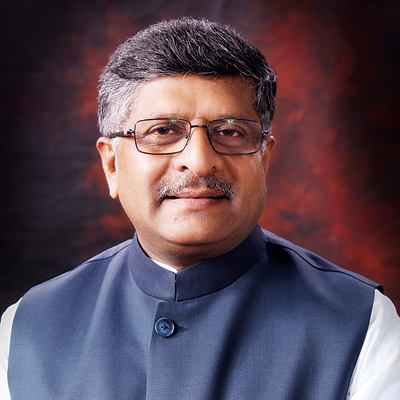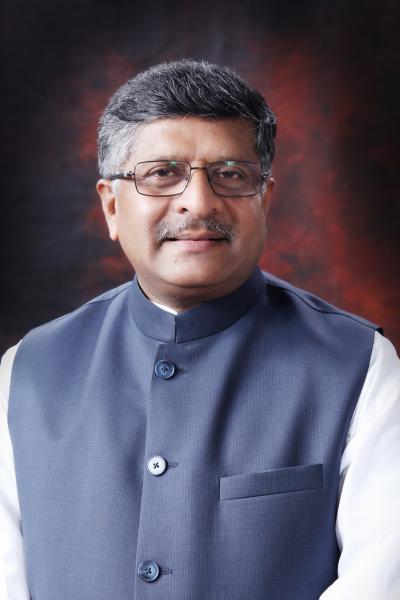
Tag: Ravi Shankar Prasad

  • MIB mulls national b’cast policy to ease stakeholders’ woes

    MIB mulls national b’cast policy to ease stakeholders’ woes

    NEW DELHI: India’s Ministry of Information and Broadcasting is exploring formulating a national broadcast policy or NBP with an aim to ease lengthy and time consuming government processes that media and entertainment industry players have to go through while conducting their businesses.

    According to MIB secretary Amit Khare, his ministry is also formulating the internal FDI policy to align the overall framework with that of the Commerce Ministry. The government had liberalised investment norms for many sectors, including media and entertainment, in 2016, and later dismantled Foreign Investment Promotion Board too making sectoral nodal ministries responsible for greenlighting FDI proposals.   

    “The media and entertainment sector should grow in a way that has less hurdle and more motivation,” Khare said here yesterday while addressing the concluding day audience at the CII Big Picture Summit 2018.

    Expanding on the NBP, Khare said government was exploring ways to ease processes, including a rethink on existing regulations for India’s M&E sector, which, not only has clocked impressive growth, but is also a big generator of employment for people. A new DTH policy, which is in the offing, is an indicator of the government's thought process.

    Admitting that regulation has failed to keep pace with changing technologies, the senior government official said, “Regulating everything is not desirable and even if desirable, it may not always be feasible.”

    However, he did not elaborate on the government’s thought process on content regulation for the digital space that’s fast becoming home to bold themes and bolder content if compared to traditional media of print and television.

    Pointing out that the government faced challenges while formulating policies or reviewing existing ones, Khare gave the example of expanding outlets for distribution of content that now, according to him, can be created practically by anyone with newer digital platforms offering creators enough number of outlets to showcase such creations.

    “In such a scenario, policy reforms [become] a little difficult,” Khare said, adding that the present government, however, was keen to review irksome government processes and clearances without being the “monitor” to mind a “grown-up” industry like media.

    Dwelling further on technology and the transformation it was bringing about in society, in general, Khare said MIB was in talks with regulator TRAI and BECIL to hold workshops to explore actively how broadband services could be delivered via existing cable TV networks to approximately 40 million households that presently don’t have internet facilities.

    Broadcast Engineering Consultants India Limited or BECIL, a government organisation under the ambit of MIB, provides project consultancy services and turnkey solutions encompassing the entire gamut of radio and television broadcast engineering.

    Later speaking to the media on the sidelines of the event, Khare said consultations will start with industry stakeholders on the formulation of NBP, but refused to give a time frame of it being legislated into some form of a policy document or guidelines.

    Info Tech Minister advocates robust digital measurement norms

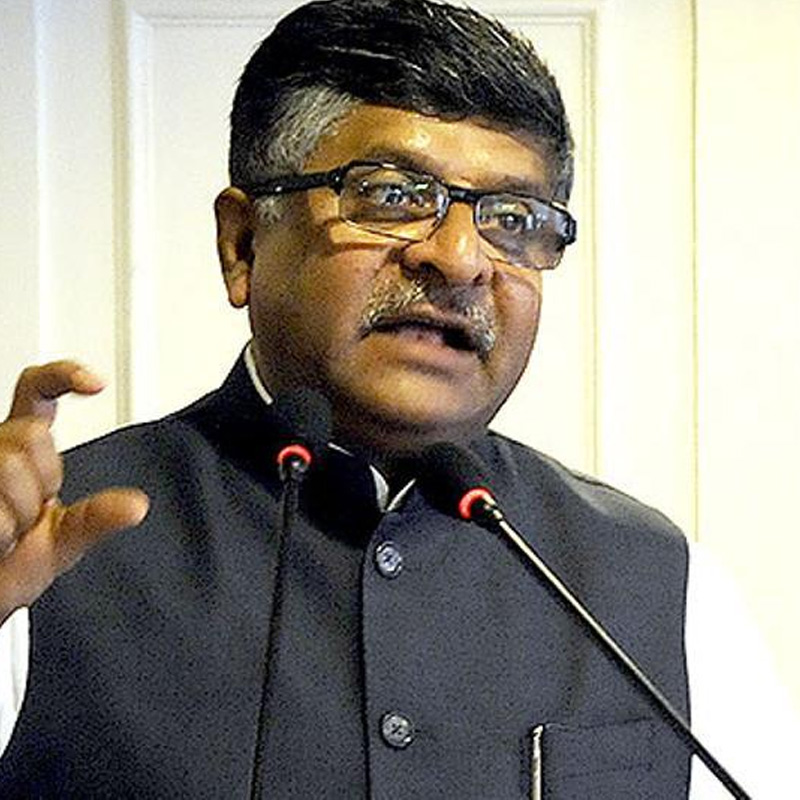
    Facebook, Twitter, YouTube and WhatsApp have changed the manner in which users consume content and communicate with each other, but the social media platforms need to be mindful of "certain dos and don'ts" and guard against any misuse of their platforms, Information and Technology Minister Ravi Shankar Prasad said on Friday.

    Speaking at the CII Big Picture Summit, Prasad said that social media platforms' large focus on India underscored the sheer size and opportunities presented by the market here.

    "Facebook, Twitter, LinkedIn and WhatsApp are coming to India not only because they are giving some service. India offers a robust market, by its sheer size. I always say, come do business, but remember certain dos and don'ts…you must follow," Prasad said.

    The minister said that social media firms should also guard against any potential misuse of their platforms. In particular, these "public platforms" must not be misused by those with wrong intentions for the purpose of exploitation and denigration of others, he said.

    Outlining India's rising digital clout on the back of its large smartphone user base, strong IT outsourcing industry, electronic manufacturing capabilities and biometric programme Aadhaar, the minister asserted that the country will never barter its digital sovereignty and is, in fact, bringing a strong data protection law to safeguard its digital information.

    The right of accessing the internet is "not negotiable" and if the internet is designed for common good, it should be safe and secure, he added.

    He also called for a robust mechanism for measuring the ratings of digital platforms.

  • “3-day India Mobile Congress 2018 concludes; showcasing the latest and the best in digital communications technologies, products, services, and applications; and establishing the future horizons for the digital communications sector in the country”: Manoj

    “3-day India Mobile Congress 2018 concludes; showcasing the latest and the best in digital communications technologies, products, services, and applications; and establishing the future horizons for the digital communications sector in the country”: Manoj

    India Mobile Congress(IMC) 2018 – a marquee event which provided a peep into the exciting future in the rapidly evolving area of digital communications – ended today, with participants and organisers promising to be back next year. This year’s event, with its’ theme of “New Digital Horizons – Connect. Create. Innovate.”, established the IMC as a regular platform for global and local stakeholders in the sector to collaborate in the cause of exploring opportunities and leveraging possibilities, with specific focus on South and South-East Asia.

    Addressing members of the press and media on the last day of IMC 2018, Minister of State (Independent Charge) for Communications, Shri Manoj Sinha said – “Having participated in the World Mobile Congress in Barcelona earlier this year, I can assure you that IMC 2018 was no less – in terms of substance, scale, and style. The IMC is just a two-year old baby, and it has already acquired a personality of its’ own. It will now be an important annual event on everyone’s calendar.”

    The mega 3-day event was inaugurated on October 25 by Shri Manoj Sinha,Minister of State (Independent Charge) for Communications, in the august presence ofShri Suresh Prabhu, Minister for Commerce & Industry and Civil Aviation; Shri Ravi Shankar Prasad, Minister for Electronics & Information Technology and Law & Justice, and Shri Hardeep Singh Puri, Minister of State (Independent Charge) for Housing & Urban Affairs. Also gracing the inaugural function were captains of the telecom industry – Shri Mukesh Ambani, Chairman, Reliance Industries; Shri Kumar Mangalam Birla, Chairman, Aditya Birla Group; and Shri Sunil Bharti Mittal, Chairman, Bharti Enterprises.

    The IMC 2018 conference and exhibition was held over a total area of more than 50,000 square-metres, with more than 5,000 delegates in attendance. Delegations from 20 countriesparticipated in the event, which saw more than 300 companies showcasing their latest and best technologies, products, services, and applications. According to the organisers, more than 50,000 curious visitors attended the various sessions and viewed the futuristic solutions on display at the exhibition stalls.

    An extremely relevant addition at this edition of the IMC was the presence of high-level ministerial delegations from several BIMSTEC and ASEAN countries. Hon’ble Ministers from the European Commission, Cambodia, Myanmar, Nepal, and Lao PDR led their respective delegations, and participated in plenary sessions which were focused on the specific needs, challenges, and opportunities applicable to member countries of these regional forums. The presence of the high-level delegations also offered them an opportunity for bilateral meetings with their Indian counterparts, where topics of mutual interest were discussed, and possibilities of strengthening cooperation were explored.

    Among the companies whose participationcontributed to the success of IMC 2018 were global and local giants such as Samsung, Intel, Ericsson, Nokia, Cisco, NEC, Accenture, KPMG, E&Y, Facebook, Huawei, Sterlite, Vodafone Idea, Reliance Jio, Airtel, and BSNL. Several exhibition stalls set up by these companies attracted crowds of interested visitors, while leaders from the companies enriched the discourse through their participation in the various plenary sessions. The exhibition stalls covered a variety of interesting possibilities, hinged around 5G, Internet of Things, Augmented and Virtual Reality,Artificial Intelligence, Robotics, Smart City Solutions, Fintech, Health-Tech, Autonomous Cars, and Cyber Security, amongst others.

    An interesting feature of this edition of the IMC was the focused attention on the critical Start-ups ecosystem. More than 200 start-ups marked their presence at the event, with their booths displaying ideas and innovations which seek to leverage the potential of digital communications to create and meet ever-changing consumer needs – in areas such as artificial intelligence, integrated services, healthcare, pharma, security, safety, food, sports, social networking, travel, education, and disaster management, among others. As Shri Manoj Sinha, while inaugurating the simultaneous release of 250 start-up applications at the IMC 2018 today, said – “The sheer volume and quality of what I see here is amazing. Who knows, we may right now be releasing the WhatsApp and Google Maps of tomorrow!”

    The event was also noteworthy for some very remarkable announcements which clearly established the direction of the Indian digital communications industry over the next several years. The Government of India announced the commitment of the industry to rollout One Million WiFiHotspots in the Country by December 2019. The National Frequency Allocation Plan (NFAP) 2018 was also unveiled at the event. NFAP 2018 frees up a total of 605 MHz spectrum in the 5-GHz band for Wi-Fi services. Several spectrum bands for Short Range Devices and Ultra WideBand Devices have been made license exempt, benefitting the public as well as industry. As Smt.Aruna Sundararajan, Secretary (Telecom) and Chairman, Telecom Commission, Government of India said – “These initiatives provide an excellent launchpad for achieving the goals such as Broadband for All, which are outlined in our recently released National Digital Communications Policy (NDCP) 2018.”

    In his concluding remarks, the Minister added – “Our Government, under the leadership of the Hon’ble Prime Minister Shri Narendra Modi, remains committed to make the digital communications sector a core part of our national infrastructure. The initiatives and reforms we have announced here will provide a strong boost to employment generation and digital economic activity – especially in the rural and semi-rural areas of the country. We are determined to succeed in our endeavours, in partnership with industry, academia, regulators, and startups.”

    Shri Sinha thanked the Department of Telecommunications and the Cellular Operators Association of India for designing and successfully organising a best-in-class event.

    Follow updates on #IMC2018

    For more information please visit us atwww.indiamobilecongress.com

    For more updates please visit:
    Twitter: @exploreIMC
    Instagram: @exploreIMC
    Facebook: http://www.facebook.com/IndiaMobileCongress
    YouTube: https://goo.gl/UcZhCP

  • WhatsApp gets grievance officer under pressure from India

    WhatsApp gets grievance officer under pressure from India

    NEW DELHI: Under pressure to clamp down on sinister messages, WhatsApp has appointed a grievance officer for India and detailed out the process for users to flag concerns and complaints, including those around fake news.

    Meeting one of the key demands that India had put on WhatsApp to curb fake messages that triggered mob killings, the Facebook-owned company has updated its website to reflect the appointment of a 'Grievance Officer for India'. The update mentions that users can seek help through the mobile app, send an email or write in to 'Komal Lahiri', who is based out of the US, reports the Press Trust of India.

    According to Lahiri's LinkedIn profile, she is senior director, global customer operations and localisation at WhatsApp. When contacted, a WhatsApp spokesperson declined to comment on the matter but pointed to the public FAQ on the company's website that contains these details.

    According to sources, the appointment of the grievance officer was made at the end of August. They added that the officer for India being based in the US is in tune with similar practices by other American tech giants. Users can reach out to the company's support team directly from the app under 'settings' and in case they wish to escalate the complaint, they can contact the grievance officer directly.

    A section within FAQs read: "You (users) can contact the Grievance Officer with complaints or concerns, including the following: WhatsApp's Terms of Service; and Questions about your account". The updated FAQs also detailed out the mechanism for law enforcement officials to reach out to WhatsApp.

    The government has been pressing WhatsApp to develop tools to combat fake or false messages. One of the demands was to name a grievance officer to deal with issues in India.

    India is WhatsApp's biggest market with more than 200 million users. It, in July, limited message forwards to five chats at a time and had also removed the quick forward button placed next to media messages to discourage mass forwarding. It has also introduced a 'forward' label to help users identify such messages.

    The latest appointment is also significant as the Supreme Court, last month, had agreed to examine a petition alleging that WhatsApp does not comply with Indian laws, including the provision for appointing a grievance officer. The apex court had sought a reply on the matter within four weeks.

    With general elections slated for next year in India, the government is taking a tough stance on the use of social media platforms like Facebook, Twitter, and WhatsApp for the spread of misinformation.

    The government had warned WhatsApp that it will treat the messaging platform as an abettor of rumour propagation and legal consequences will follow if adequate checks are not put in place.

    In a meeting held with WhatsApp head Chris Daniels last month, IT Minister Ravi Shankar Prasad had asserted that the company will have to find a solution to track origin of messages on its platform, set up a local corporate entity that is subject to Indian laws within a defined time-frame as well as appoint a grievance officer.

    WhatsApp, which has been slapped with two notices and a third one under consideration, has said it is in the process of establishing a local corporate entity. It has, however, not accepted the government's demand for traceability of messages saying creating such a software will go against the idea of user privacy.

  • WhatsApp needs to have local entity answerable to Indian laws: Govt

    WhatsApp needs to have local entity answerable to Indian laws: Govt

    NEW DELHI: The Indian government’s unambiguous and non-encrypted message to WhatsApp: set up a local entity in the country that is answerable to local laws, and find a tech solution to trace the origin of fake messages and content on the platform.

    “I had a productive meeting with Chris Daniels, the CEO of WhatsApp. I complimented him for the awakening, which WhatsApp has led in the entire country… But there are also sinister developments like mob lynching and revenge porn, you must find solutions to these challenges, which are downright criminal and [in] violation of Indian laws,” Minister of Electronics and Information Technology (Meity) Ravi Shankar Prasad was quoted by PTI as having said after meeting WhatsApp head Chris Daniels yesterday.

    While admitting that the Facebook-owned messaging app has contributed significantly to India’s digital story, Prasad said he has asked WhatsApp to set up a corporate entity in India, appoint a grievance officer and find a technical solution to tracing the origin of fake messages on its platform.

    “I requested CEO WhatsApp Chris Daniels to set up a grievance officer in India; establish a corporate entity in India & comply with Indian laws. He assured me that #Whatsapp will soon take steps on all these counts,” Prasad said in a tweet.

    Later talking to reporters in the capital, the minister added: “I had said earlier also; it does not take rocket science to locate a message being circulated in hundreds and thousands…you must have a mechanism to find a solution.”

    According to Prasad, Whatsapp could face abetment charges if no action is taken by it. The messaging platform has taken some corrective steps in the recent past like limiting the number of forwards that an individual can make in India.

    In recent times, WhatsApp has been facing the heat as it had been accused of being the platform via which hateful messages and rumours were spread in India leading to violence and crimes. The issue, which some critics said was akin to shooting the messenger instead of upholding the law of the land, has also reverberated in the Indian parliament with lawmakers trying to put the government on the mat for WhatsApp-spread rumours-linked deaths and crimes.

    While Prasad is on record saying he’s in favour of gradually evolving a policy for regulating the likes of WhatsApp, Facebook and Twitter, his ministry’s nudge has made the Department of Telecoms circulate a missive to telecom players and industry bodies seeking suggestions on ways to block services that ride the telecom infrastructure. The proposal has been criticized by many, including a chamber of commerce, Assocham.

    Telecoms regulator TRAI is also exploring regulations for OTT services like WhatsApp.

  • Meity says no proposal presently to tap WhatsApp messages

    Meity says no proposal presently to tap WhatsApp messages

    NEW DELHI: Though the Indian government continues to explore avenues to track digital footprints of the citizens and regulations for online media, it said on Wednesday it did not plan at present to tap people’s WhatsApp messages.

    “No sir,” was the reply given by junior Minister SS Ahluwalia at the Ministry of Electronics and Information and Technology (Meity) when asked specifically whether the government planned to snoop into WhatsApp messages of individuals.

    However, Ahluwalia clarified that though the government respects an individual’s human rights, as enshrined in declarations of the United Nations, it has the powers to intercept or monitor digital information under various circumstances, including security reasons.

    “Section 69 of the Information Technology Act, 2000 empowers government to  issue direction for interception or monitoring or decryption of information generated, transmitted, received, stored or hosted in any computer resource in the interest of (i) sovereignty and integrity of India (ii) defence of India (iii) security of the State (iv) friendly relations with foreign States (v) public order (vi) for preventing incitement to the commission of any cognizable offence relating to above, or (vii) for investigation of any offence,” the Minister stated in Parliament to a query on whether any proposed move to tap WhatsApp messages would violate global conventions set by organisations such as the UN.

    To another query from a fellow parliamentarian, Ahluwalia said the Ministry doesn’t have any proposal at present to create a platform

    where a citizen can identify fake news or hoaxes, which are rampant these days in the country.

    The Minister, though, listed various government initiatives to make citizens aware of fake news on digital and social media. He said government agencies have been highlighting the importance of “following ethics” while using the internet and issuing general advisories against sharing rumours and fake news.

    “Government has also asked WhatsApp to convey various steps taken by them to deal with fake news and also to share learning material to

    educate the same,” the Minister stated.

    Still, his senior at Meity who also happens to be the Law Minister, Ravi Shankar Prasad is on record favouring evolving a policy to control the spread of fake news in India.

    Last month, Department of Telecoms, on a request from Meity, had written to all telecom and internet service providers , along with other industry organisations, requesting suggestions on ways that can help the government block under special circumstances social media content on platforms like the Facebook, WhatsApp and Instagram. The proposal has been criticised by many, including a chamber of commerce, Assocham.

  • Online media regulations: action shifts to IT Ministry from MIB

    Online media regulations: action shifts to IT Ministry from MIB

    MUMBAI: If online media is readying the champagne to pop, then hold on to your exuberance. The government hasn’t given up its resolve to explore regulations for online media and content. It is only attempting to be on the right side of laid down rules and cut down on duplication of work.

    In short, the main action will be shifting from the Ministry of Information and Broadcasting (MIB) to the Ministry of Electronics and Information and Technology (Meity), while other things remain constant, which means the mandate will continue to be the same.

    A government official admitted, without saying so in so many words, that as a Meity committee, set up earlier, has the mandate to explore regulations for online media to facilitate its expansion, MIB will work along with its counterparts bringing in more synergy.

    The official insisted that the MIB committee, set up to explore regulations for online media in April 2018, is officially not being dissolved, but will work along with the Meity panel that comprises similar members.

    The 10-member panel, constituted by the MIB headed by Smriti Irani, was criticized by experts on the ground that it was outside the jurisdiction of MIB to explore regulations for online media, including OTT services, as the matter fell within the ambit of Meity — something that MIB Minister Rajyavardhan Rathore had reiterated in Parliament too. A big criticism was that a panel formed to look into matters relating to online media didn’t have a single online player as a member.

    When the MIB panel was announced it had as its members the following: MIB Secretary– Convener; Secretary, MeitY; Secretary, Ministry of Home Affairs; Secretary, Department of Legal Affairs; Secretary, DIPP; CEO of MyGov and representatives of Press Council of India, News Broadcasters Association, Indian Broadcasting Foundation, apart from representation from any other government organization or industry body deemed fit by the convener.

    The terms of reference of the committee were:

    i. To delineate the sphere of online information dissemination which needs to be brought under regulation, on the lines applicable to print and electronic media.

    ii. To recommend appropriate policy formulation for online media / news portals and online content platforms including digital broadcasting which encompasses entertainment / infotainment and news/media aggregators keeping in mind the extant FDI norms, Programme & Advertising Code for TV Channels, norms circulated by PCI, code of ethics framed by NBA and norms prescribed by IBF, and

    iii. To analyze the international scenario on such existing regulatory mechanisms with a view to incorporate the best practices.

    As criticisms mounted, the government has done what it is best at doing — located another government panel with similar or near-similar mandate in the relevant Ministry (Meity) and shifted the onus of exploration of regulations for online media to the rightful department, thereby blunting critics.

    Indiantelevision.com has always been of the opinion that rolling back of orders relating to fake news even if the Prime Minister’s Office intervened, and other such backtracking was akin to testing the waters for a bigger move to have norms for online media where content is continuously getting more edgy and experimental.

    Meity Minister Ravi Shankar Prasad, who also happens to be the Law Minister, yesterday said that it was time to talk to online stakeholders to explore formulation of policies that would govern the online media, especially social media and free messaging platforms like WhatsApp that are being blamed for incidents of lynching in the country.

  • Indian govt approves accession to WIPO treaties relating to copyright

    Indian govt approves accession to WIPO treaties relating to copyright

    NEW DELHI: The Indian government on Wednesday approved accession to two important international treaties aimed at coverage and protection of copyright to the internet and digital environment.

    Addressing the media here, Minister for Information Technology and Electronics and Law Ravi Shankar Prasad said the cabinet took this decision along with a slew of other policy initiatives.

    The proposal had been mooted by the Department of Industrial Policy and Promotion under Ministry of Commerce and Industry and involved the WIPO Copyright Treaty and WIPO Performers and Phonograms Treaty.

    Commenting on this momentous occasion, Mr. Rajat Kakar President &CEO of PPL said “We are committed to professional collective management of rights for our Member Record Labels and this progressive decision by the Indian Government under the stewardship of the Department of Industrial Policy & Promotion (DIPP) is a welcome move and enhances the economic value of the members copyrights in Sound Recording”

    The government said that the approval was a step towards the objective laid in the National Intellectual Property Rights (IPR) Policy, adopted 12 May 2016 and which aims to get value for IPRs through commercialisation by providing guidance and support to content owners about commercial opportunities of e-commerce through internet and mobile platforms.

    The government listed the following benefits of the WIPO treaties:

    # Enable creative right-holders enjoy the fruit of their labour through international copyright system that can be used to secure a return on the investment made in producing and distributing creative works.

    # Facilitate international protection of domestic rights holder by providing them level-playing field in other countries as India already extends protection to foreign works through the international copyright order and these treaties will enable Indian right holders to get reciprocal protection abroad.

    #Instill confidence to distribute creative works in digital environment with return on investment.

    # Spur business growth and contribute to the development of a vibrant creative economy and cultural landscape.

    WIPO Copyright Treaty came in force on 6 March 2002 and has been adopted by 96 contracting parties till date and is a special agreement under Berne Convention (for protection of literary and artistic works). It has provisions to extend the protection of copyrights contained therein to the digital environment. It recognises the rights specific to digital environment, of making work available, to address “on-demand” and other interactive modes of access.

    WIPO Performances and Phonograms Treaty (WPPT) came in force on 20 May 2002 and has 96 contracting parties as its members. WPPT deals with rights of two kinds of beneficiaries, particularly in digital environment: (i) performers (actors, singers, musicians, etc.) and (ii) producers of phonograms (sound recordings). The treaty empowers right owners to negotiate with new digital platforms and distributors. It recognises moral rights of the performers for the first time and provides exclusive economic rights to them.

    Both the treaties provide framework for creators and right owners to use technical tools to protect their works and safeguard information about their use, meaning protection of technological protection measures (TPMs) and rights management information (RMI).

  • RS Prasad launches Wi-Fi choupal project

    RS Prasad launches Wi-Fi choupal project

    NEW DELHI: The Indian government on Monday said that 5,000 villages would be turned into digital villages where Internet services would be offered the Wi-Fi Choupal project, which would go a long in empowering people as also expose them to a host of e-governance and entertainment services.  

    “Delighted to launch 5000 Wi-Fi choupal services. People in these villages will be able to use high speed public WiFi at low cost, Minister of Electronics and Information Technology Ravi Shankar Prasad said in a tweet yesterday flagging off a host of digital initiatives being developed by the government using the ambitious Bharat Net optical fiber that promises to connect all villages in India.

    “We all know about the person who worked as coolie (porter) at a Railway Station in Kerala (and) who cleared state Public Service Commission exam by using Rail WiFi. I will be happy if such inspiring stories through use of @wifichoupal also come to our notice in future,” Prasad said another tweet.

    Department of Telecoms Secretary Aruna Sundararajan said the digitization of villages will not only create a common services centers, which can develop into a powerful content delivery network, but rural India will benefit from technology advancement and the BharatNet project. The infrastructure created under Wi-Fi choupal will be a “national asset” that will be accessible to various service providers. 

    Choupal can be described in English as a common meeting place for people in villages.

  • Aaj Tak announces 6th Edition of “Agenda Aaj Tak” on 1 and 2 December

    Aaj Tak announces 6th Edition of “Agenda Aaj Tak” on 1 and 2 December

    MUMBAI: Aaj Tak, presents the 6th Edition of the annual event ‘Agenda Aaj Tak ‘. The two day conclave is scheduled for the 1st and 2nd of December in New Delhi and will feature the powerful voices debating on issues dominating the Hindi heartland’s mindspace.

    The greatest minds and leaders across various fields will set the mood for the sessions. With an impressive line-up of the most distinguished stalwarts coming together, the two day conclave will prove to be defining in more ways than one.

    Aaj Tak takes the lead in shaping the way forward by bringing all key stakeholders on one platform. Aaj Tak has proven time and again that when there is any news of national significance, the nation tunes into only Aaj Tak and trusts it like none other to stay abreast with the latest developments and impact. With the pioneering initiative of Agenda Aaj Tak, the channel will once again get the leaders together to update the viewers on the nation’s agenda.

    The invited distinguished list of speakers includes personalities from politics – Amit Shah, Yogi Adityanath, Smriti Irani, Nitish Kumar, Captain Amarinder Singh, Ravi Shankar Prasad, Mukhtar Abbas Naqvi, Dharmendra Pradhan, Mohammed Salim, Asaduddin Owaisi, Sachin Pilot, Farooq Abdullah, and others, from Bollywood – Dharmendra, Badshah, Vidya Balan, Anuradha Paudwal, Kapil Sharma etc. from sports – Sourav Ganguly, Harbhajan Singh, V V S Laxman and many more.

    This year Agenda Aaj Tak will tap into the most burning questions facing this nation and will dissect complicated issues on the national agenda. In the light of excitement around Gujarat Elections, Agenda Aaj Tak, for the very first time, is also introducing one more set from Ahmedabad. Prominent political leaders like Amit Shah among other guests and audience will go live from Ahmedabad and interact with audience in Delhi.

  • Ravi Shankar Prasad plans to create a digital ecosystem

    NEW DELHI: Information technology minister Ravi Shankar Prasad today said social media has created a link between politicians and people in real time and 40 million users advise the prime minister Narendra Modi on social media everyday.

    He said through steady and consistent monitoring, it became possible to create a more participatory system. In fact, the Swachh Bharat logo was created by Indian netizens. “I’m proud of social media. I support freedom of speech on social media. People criticise us, appreciate us and sometimes they blast us. But it’s always a pleasure to know their mind.”

    Addressing the two-day India Today Conclave in Mumbai, he said creating a digital eco system for a population of 1.2 billion is by no means an easy task, and to make it one which is not just inclusive, but also economical is daunting, but necessary. The digital economy will grow to become a $1 trillion economy in the next 5 to 7 years, and there are 1.08 billion mobile phones and 350 million smartphones in India today.

    The minster announced that Adhaar was developed at an impressive expenditure of $2 per day and the government authenticates 30 million transactions daily at no cost.

    He said his Ministry was encouraging women — dalits, Kashmiris and more — to provide common services digitally at the click of a button. This is both empowering and important for India to develop and include in its journey the strata of society that require upliftment. He also spoke of poor farmers, initially with few opportunities and access to mandis, who now have 250 mandis available to them at the click of a mouse in order to more easily and effectively sell their ware. “I want to create a digital ecosystem for the country’s infrastructure,” he said.

    “The Prime Minister has coined the term IT + IT = IT, which means, Indian talent plus information technology equals to India tomorrow.”

    “The vision is to make India the biggest hub for technological manufacturing,” he said adding that India is fast becoming the biggest hub of electronic manufacturing. Prasad stated that from Rs 110 billion invested in the sector, the amount today stands at a whopping Rs 1270 billion.

    Responding to President Donald Trump’s policy on visa restrictions in the United States, the Minister said an Indian presence in the IT sector abroad is indispensible not only for their country but also for India. Indian IT companies in America generate $200 billion plus tax. “America should know, Indians don’t steal jobs, they create them,” he said.

    Prasad explained how campaigns such as Make In India, Start Up India and Stand Up India were designed to bridge the divide and make technology more accessible. “Digital India is more for the poor and underprivileged people,” he said.

    The execution has thus far been successful, Prasad asserted. With the creation of Rs 270 million Jan Dhan accounts, linked to mobile phones and aadhar cards, subsidies on ration and other necessities go directly to people’s bank accounts. “We have saved Rs. 500 billion which used to be pocketed by fictional persons,” he said. Connecting and simplifying business for poor farmers has been a successful endeavour. “Today 250 mandis are available to poor farmers at a click of a button to sell their goods,” he said.

    The Minister celebrated the ideas of Digi Gaons, engagement on social media and his impressive projection that the digital economy will grow to $1 trillion in the next five to seven years. “We don’t want to miss the Digital Revolution,” he said. “We request you to trust the enormous pull of technology.