
Connect with us

Mumbai: He loved the high life. A career bureaucrat from the Indian Administrative Services, Rathikant Basu, shifted from the civil services to a private sector corporate...

The regional language channel segment has seen a stampede of entrants. After Tamil, the next most competitive language category has been Marathi wherein close to half...

MUMBAI: Star News’ Bengali sibling, Star Ananda, seems to have got off to a good start. At least in Kolkata. In the first week, figures show...

MUMBAI: The Bengali regional news channel space is getting crowded and how. Close on the heels of Rathikant Basu’s Tara Bangla morphing from an entertainment channel...

MUMBAI: Rathikant Basu-promoted Broadcast Worldwide is set to launch news and music channels on 21 February as its general entertainment channel Tara Bangla has decided to...

The battleground this year will be in the regional space. Mainline broadcasters like Zee Telefilms, Star India and MTV have designs to spread south, the most...

MUMBAI: The musical game show E To Noi Shudhu Gaan on Tara will telecast the mega final episode on 18 December at 7:30 pm. The show...

There was a time when DD7 or Indian pubcaster Doordarshan‘s Bengali channel was the only fare available to Bengali understanding audiences in the country, especially those...

MUMBAI: The Rathikant Basu-promoted Broadcast Worldwide has unveiled its 24-hour Bangla radio channel Radio Tara on 27 October on the Worldspace satellite radio network. At present,...

MUMBAI: It’s that time of year again. The “judges” have gathered and are in session. The onerous task before them: vetting the record number of entries...

MUMBAI: Broadcast Worldwide’s regional language channel Tara Bangla has lined up a couple of on-ground activities for the coming months. A music night-cum-talent hunt and a...

The publishing major – The Indian Express Group has made a foray into television businesses. The finance daily, The Financial Express will soon enter into pact...

NEW DELHI: The Anurradha Prasad and Rajiv Shukla-promoted B.A.G. Films, a television software house with ambitions of morphing into a broadcasting company, has announced that it...
MUMBAI: Has Tarun Katial, Star India’s senior vice-president, programming, content and communication, put in his papers following his transfer to Star Asia’s head office in Hong...

MUMBAI: Has Tarun Katial, Star India’s senior vice-president, programming, content and communication, put in his papers following his transfer to Star Asia’s head office in Hong...

MUMBAI: Eternal Dreams, the company that tried to turn the now defunct Tara Marathi’s fortunes around with a women-based distance education show, is now bringing the...

MUMBAI: The first of the juries to decide the 63 programming, technical and trade categories of The Indian Telly Awards 2003 finished their deliberations late this...
MUMBAI: The wait is finally over! After rigorous rounds of screening almost a thousand entries from various TV production houses and TV channels by special juries...
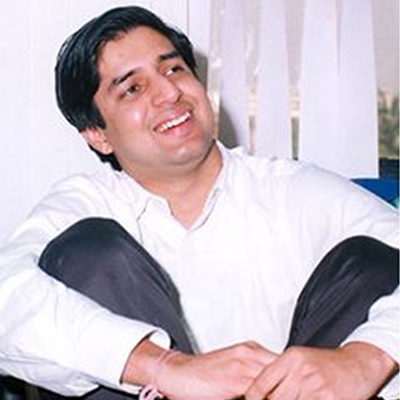
Young Turks. Indiantelevision.com introduces a new series profiling the brightest and the best among the youth brigade in the Indian television industry. Under the spotlight will...

The Unit Trust of India has invested Rs 4.5 crores in Rathikant Basu promoted Broadcast Worldwide. Broadcast Worldwide, which promotes the TARA (Television Targeted at Regional...

It’s May and as reported earlier in Indiantelevision.com’s special report the Tara Marathi channel has gone on air. This means that there is one more major...

Rathikant Basu promoted Broadcast Worldwide which will be launching Tara regional channels has initiated a wide based research programmes for its channels. Tara Marathi will be...

The revamped Tara Marathi is ready for the second phase of its relaunch with a slew of new programmes and novel concepts that kick off 13...

Developed television markets like the US have a bouquet of channels, with some mainstream entertainment channels and other niche channels. But that kind of scenario is...

Developed television markets like the US have a bouquet of channels, with some mainstream entertainment channels and other niche channels. But that kind of scenario is...

The Rathikant Basu promoted Broadcast India has planned to launch four encrypted regional channels–Bangla, Punjabi, Gujarati and Marathi. The channels are expected to be on air...
Star TV Had set up ISKyB with a team of 300. When government decided to ban it, it hung on to the team for nearly two...

TV France International (TVFI), a firm which promotes the production of French Television programmes abroad, kicked off the seventh edition of its international marketplace Le Rendezvous...



This will close in 10 seconds

