Tag: Ranjit Kumar

  • Navika Kumar to be group editor-in-chief, Times Now & Times Now Navbharat

    Navika Kumar to be group editor-in-chief, Times Now & Times Now Navbharat

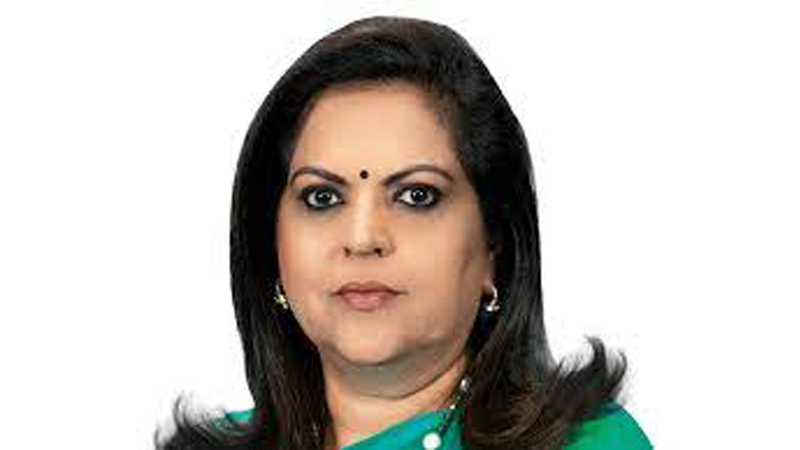
    Mumbai –  Times Group restructured the management-led editorial team recently. As per media reports, Times Network announced a new appointment of Navika Kumar to be Editor in Chief, Times Now, Times Now Navabharat with immediate effect from 28 December.

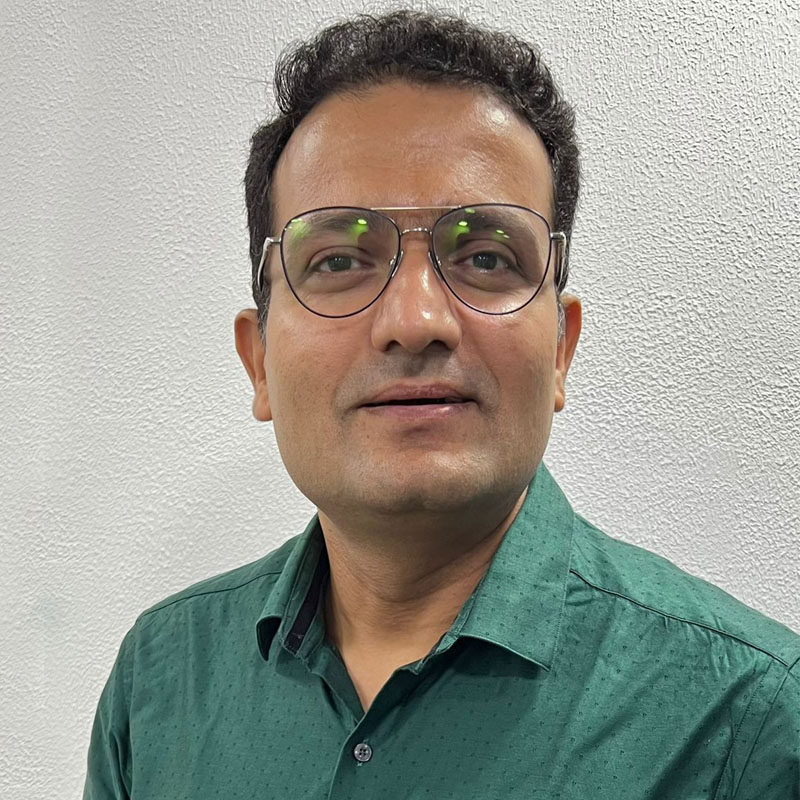
    Apart from Navika Kumar, the network announced the promotion of Ranjit Kumar, and Padmaja Joshi in the Times Network. Ranjit Kumar appointed as Managing Editor whereas Padmaja Joshi as Senior Executive Editor.

    Senior journalist Nikunj Dalmia has been elevated to Editor in Chief, ET Now, ET Now Swadesh. Madhavdas G was appointed as Pan India Input head.

    Times Network promoted veterans with the restructuring of the editorial department.

  • Ranjit Kumar joins Times Now Navbharat as senior executive editor

    Ranjit Kumar joins Times Now Navbharat as senior executive editor

    Mumbai: Times Now Navbharat on Friday announced the appointment of Ranjit Kumar as its senior executive editor to strengthen its editorial team.

    With in-depth knowledge in broadcasting as a producer, editor and output operations lead, Ranjit in this new role will work closely with the channel’s editorial leadership team and spearhead the overall functionalities including output desk, assignment, news research, guest coordination,  social media, and production.

    Based out of Times Now Navbharat’s Noida office, Ranjit will report to Times Network group editor and Times Now Navbharat editor-in-chief Navika Kumar.

    Speaking about the appointment of Ranjit, Kumar said, “It is heartening and encouraging to see Times Now Navbharat’s promising growth and strong resonance with the viewers, within a year of its launch. In our constant endeavour to deliver best-in-class content to our viewers, we are bolstering our editorial team that is committed to our growth mission. We are delighted to welcome Ranjit to the team, who brings the perfect combination of knowledge and domain expertise. With his deep understanding of the Hindi television news space and newsroom operations, I am confident Ranjit will be a valuable addition in helping us scale new heights and set new industry benchmarks.”

    On joining his new role, Kumar commented, “Times Now Navbharat has made a distinctive impact in the Hindi news genre with its superior content, and I am thrilled to be a part of one of the finest news teams in the country today. What sets the channel apart, is the credibility, accuracy and decisiveness it brings in its news reportage, which is a reflection of true journalism. I look forward to taking on this mantle and synergizing my efforts to help the channel meet its objectives.”

  • Supreme Court allows photos of Governors, CMs and Ministers permitted in Government ads, in review of earlier order

    Supreme Court allows photos of Governors, CMs and Ministers permitted in Government ads, in review of earlier order

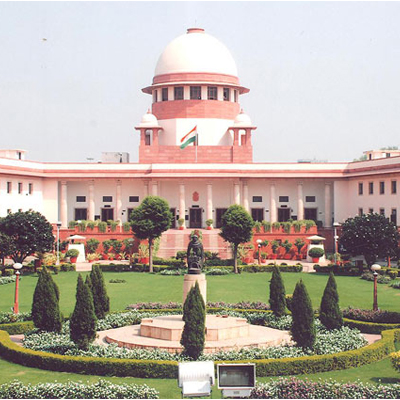
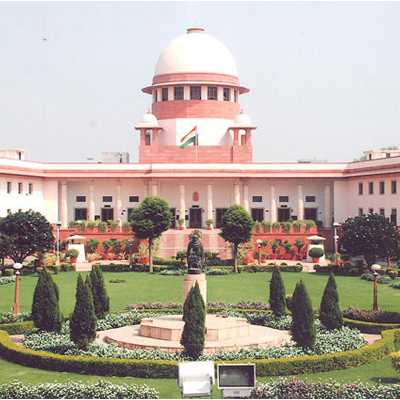
    New Delhi: In a reversal of its own judgment of 13 May last year, the Supreme Court today allowed the use of photographs of governors, chief ministers and ministers in government advertisements.

    The apex Court gave the judgment on a batch of petitions filed by the Centre and various states seeking a review relating to photos of politicians on government advertisements.

    The Court had in May last year given a direction on a public interest petition that only photographs of the Prime Minister, President and Chief Justice of India can be published in official media advertisements and not those of chief ministers. But the personal approval of these three authorities will be necessary before publication.

    The Centre in its petition argued that it is for the government to decide whose photographs should be published and what the content of advertisements should be. It said the court should refrain from interfering in such policy matters.

    The Centre also said barring photos of chief ministers on advertisements was against the federal structure.

    Justices Ranjan Gogoi and Prafulla C. Pant who had passed the original directions said in September that the review petitions will be heard in open court.

    Prior to the order relating to hearing in open court, the judges perused the petitions of Tamil Nadu, West Bengal, Karnataka, and Assam in the chamber.

    The four states filed the review petitions challenging direction as being discriminatory and erroneous since it has permitted the photograph of the Prime Minister but not the chief ministers who too are elected representatives of the people.

    The states pointed out that the expert panel had recommended display of photos of CMs/governors as well but the Court had restrained the states from displaying photos of CMs/governors.

    The petitions had said: “There is nothing wrong if the publication issued by the government highlighting the achievements of the government contains photographs of the chief minister and the other ministers if they have made contribution to the achievements of the state government. The judgment is completely silent regarding the exclusion of the chief minister who is the head of the state government. If the photograph of the prime minister is permitted on the publication/advertisement then the photographs of the chief minister must have also been permitted by this court.”

    The original public interest litigations (PIL) filed by the NGOs Common Cause represented by counsel Meera Bhatia and the Centre for Public Interest Litigation (CPIL) represented by advocate Prashant Bhushan had urged the apex Court to frame guidelines.

    Holding that taxpayers’ money cannot be spent to build “personality cults” of political leaders, the Court in May last had restrained ruling parties from publishing photographs of political leaders or prominent persons in government-funded advertisements.

    The Court had said such photos divert attention from the policies of the government, unnecessarily associate an individual with a government project, and pave the way for cultivating a “personality cult”.

    The observations of the Court were based on examination of the findings of a Committee led by Bangalore’s National Law University Director N.S. Madhava Menon set up in May last year which had submitted its report in October.

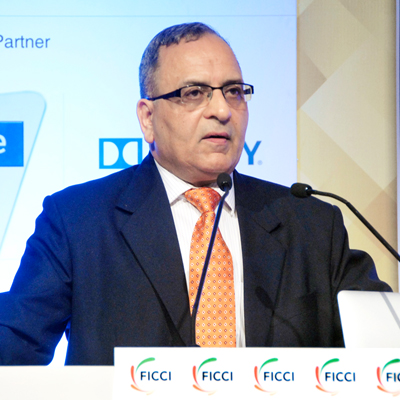
    The Committee had been set up by the Information and Broadcasting Ministry pursuant to an order of 23 April 2014. Other members were former Lok Sabha Secretary General T K Vishwanathan, and senior advocate Ranjit Kumar. Mr Bimal Julka, then Secretary in the I and B Ministry, was the member Secretary of the Committee.  

  • Supreme Court allows photos of Governors, CMs and Ministers permitted in Government ads, in review of earlier order

    Supreme Court allows photos of Governors, CMs and Ministers permitted in Government ads, in review of earlier order

    New Delhi: In a reversal of its own judgment of 13 May last year, the Supreme Court today allowed the use of photographs of governors, chief ministers and ministers in government advertisements.

    The apex Court gave the judgment on a batch of petitions filed by the Centre and various states seeking a review relating to photos of politicians on government advertisements.

    The Court had in May last year given a direction on a public interest petition that only photographs of the Prime Minister, President and Chief Justice of India can be published in official media advertisements and not those of chief ministers. But the personal approval of these three authorities will be necessary before publication.

    The Centre in its petition argued that it is for the government to decide whose photographs should be published and what the content of advertisements should be. It said the court should refrain from interfering in such policy matters.

    The Centre also said barring photos of chief ministers on advertisements was against the federal structure.

    Justices Ranjan Gogoi and Prafulla C. Pant who had passed the original directions said in September that the review petitions will be heard in open court.

    Prior to the order relating to hearing in open court, the judges perused the petitions of Tamil Nadu, West Bengal, Karnataka, and Assam in the chamber.

    The four states filed the review petitions challenging direction as being discriminatory and erroneous since it has permitted the photograph of the Prime Minister but not the chief ministers who too are elected representatives of the people.

    The states pointed out that the expert panel had recommended display of photos of CMs/governors as well but the Court had restrained the states from displaying photos of CMs/governors.

    The petitions had said: “There is nothing wrong if the publication issued by the government highlighting the achievements of the government contains photographs of the chief minister and the other ministers if they have made contribution to the achievements of the state government. The judgment is completely silent regarding the exclusion of the chief minister who is the head of the state government. If the photograph of the prime minister is permitted on the publication/advertisement then the photographs of the chief minister must have also been permitted by this court.”

    The original public interest litigations (PIL) filed by the NGOs Common Cause represented by counsel Meera Bhatia and the Centre for Public Interest Litigation (CPIL) represented by advocate Prashant Bhushan had urged the apex Court to frame guidelines.

    Holding that taxpayers’ money cannot be spent to build “personality cults” of political leaders, the Court in May last had restrained ruling parties from publishing photographs of political leaders or prominent persons in government-funded advertisements.

    The Court had said such photos divert attention from the policies of the government, unnecessarily associate an individual with a government project, and pave the way for cultivating a “personality cult”.

    The observations of the Court were based on examination of the findings of a Committee led by Bangalore’s National Law University Director N.S. Madhava Menon set up in May last year which had submitted its report in October.

    The Committee had been set up by the Information and Broadcasting Ministry pursuant to an order of 23 April 2014. Other members were former Lok Sabha Secretary General T K Vishwanathan, and senior advocate Ranjit Kumar. Mr Bimal Julka, then Secretary in the I and B Ministry, was the member Secretary of the Committee.  

  • SC Panel announces guidelines for govt ads

    SC Panel announces guidelines for govt ads

    NEW DELHI: A Supreme Court-appointed high- powered committee recently announced guidelines on government advertisements in order to prevent misuse of public funds for furthering political motives.


    The guidelines recommend that names and pictures of political parties and their office bearers should be not mentioned in government advertisements.


    The report, submitted to the apex court, also emphasises that only pictures and names of the President, the Prime Minister, Governor and Chief Ministers be published to ‘keep politics away from such ads’.


    The guidelines have been framed by a three-member committee headed by eminent academician Professor NR Madhava Menon to regulate expenditure and contents of such advertisements paid out of tax payers’ money. The committee also comprises of former secretary general of Lok Sabha TK Viswanathan and solicitor general Ranjit Kumar. The apex court had decided to frame these guidelines on 23 April to prevent the misuse of public money.


    The apex court bench headed by chief justice P Sathasivam with justice Ranjan Gogoi and N V Ramana had said that the existing guidelines of the Directorate of Advertising and Visual Publicity (DAVP) do not cover such advertisements. There was therefore a need for substantive guidelines to be issued by the Court until the legislature enacts a law in this regard.


    The report also added that the committee has included suggestions of the Election Commission about severe restrictions on such advertisements six months prior to elections.


    It further endorsed that a deadline should be fixed for prohibiting their publication and the poll panel should be authorised for the purpose.


    The report recommended that the central and state governments must decide in advance on a list of personalities whose birth or death anniversaries will be marked with ads.


    The government must then specify which Ministry should release the ad to avoid different departments and state-run companies from paying tribute to the same leader with a multitude of ads. “There should be a single advertisement only,” the Committee said.


    The Bench had also noted that the Directorate of Advertisement and Visual Publicity (DAVP) guidelines do not lay down any criteria for the advertisements to qualify for public purpose as opposed to partisan ends and political mileage, adding that there is a need to distinguish between the advertisements that are part of government messaging and daily business and advertisements that are politically motivated.


    The Government in its counter affidavit claimed that 60 per cent of the advertisements released by the DAVP on behalf of various ministries/departments/public sector undertakings of the Central Government relate to classified or display/classified category such as UPSC/SSC or recruitment, tender and public notices, etc. The respondents asserted that government advertisements sometime carry messages from national leaders, ministers and dignitaries accompanied with their photographs.


    However, Government counsel K Radhakrishnan said the purpose of such advertisements is not to give personal publicity to the leaders or to the political parties they belong to rather the objective is to let the people know and have authentic information about the progress of the programmes/performance of the government they elected and form informed opinions, which is one of the fundamental rights of the citizens in our democracy as enshrined in the constitution.

  • Supreme Court sets panel on government advertisements

    Supreme Court sets panel on government advertisements

    NEW DELHI: Pursuant to the Supreme Court order for forming panel to frame guidelines to regulate publicly funded government advertisements, the Information and Broadcasting Ministry has formally notified the names of Bangalore’s National Law University director Prof NR Madhav Menon, former Lok Sabha secretary general T K Vishwanathan and senior advocate Ranjit Kumar.


    I&B Ministry secretary Bimal Julka will be the member secretary of the committee, which held its first meeting on 5 May.


     The Ministry said the report will be given preferably within three months of the date of the judgment, 23 April, by the panel after an intricate study of all the best practices in public advertisements in different jurisdictions.


     The apex court bench headed by chief justice P Sathasivam with justice Ranjan Gogoi and N V Ramana had said that the existing guidelines of the Directorate of Advertising and Visual Publicity (DAVP) do not cover such advertisements. There was therefore a need for substantive guidelines to be issued by the Court until the legislature enacts a law in this regard.


     The court passed the order on a public interest litigation (PIL) filed by the NGOs Common Cause and the Centre for Public Interest Litigation (CPIL) pleading it to frame guidelines. The petition sought issuance of guidelines for curbing ruling parties from taking political mileage by projecting their leaders in official advertisements.


     It was, the Court said, ‘vividly clear’ that the DAVP guidelines, which are available in the public domain, only deal with the eligibility and empanelment of the newspapers/journals or other media, their rates of payment, and such like matters. Besides, it only specifies that in releasing advertisement to newspapers/journals, the DAVP would not take into account the political affiliation or editorial policies of newspapers/journals.


     “Hence, it is evident that there is no policy or guideline to regulate the content of government advertisements and to exclude the possibility of any mala fide use or misuse of public funds on advertisements in order to gain political mileage by the political establishment.”


    The Government in its counter affidavit claimed that 60 per cent of the advertisements released by the DAVP on behalf of various Ministries/Departments/Public Sector Undertakings of the Central Government relate to classified or display/classified category such as UPSC/SSC or recruitment, tender and public notices, etc. The respondents asserted that government advertisements sometime carry messages from national leaders, ministers and dignitaries accompanied with their photographs.


    However, government counsel K Radhakrishnan said the purpose of such advertisements is not to give personal publicity to the leaders or to the political parties they belong to rather the objective is to let the people know and have authentic information about the progress of the programmes/performance of the government they elected and form informed opinions, which is one of the fundamental rights of the citizens in our democracy as enshrined in the Constitution.


    The apex court noted in its judgment that the immediate cause of filing these writ petitions in 2003 and 2004 respectively was stated to be the numerous full page advertisements in the print media and repeated advertisements in the electronic media by the Central Government, State Governments and its agencies, instrumentalities including public sector undertakings which project political personalities and proclaim the achievements of particular political governments and parties at the expense of the public exchequer.


    It was also the assertion of the petitioners – Common Cause represented by Meera Bhatia and the Centre for Public Interest Litigation (CPIL) represented by Prashant Bhushan – that such advertisements become more blatant and assumes alarming proportions just before the announcement of the general elections. Accordingly, it was the stand of the petitioners that such deliberate misuse of public funds by the Central Government, State Governments, their departments and instrumentalities of the state is destructive to the rule of law.


    It was also alleged that it allows the parties in power to patronize publications and media organizations affiliated to the parties in power and also to get favourable media coverage by selective dispersal of the advertising bonanza. It was projected that the use of public funds for advertising by public authorities to project particular personalities, parties or governments without any attendant public interest is mala fide and arbitrary and amounted to violation of Article 14 of the Constitution. It was also argued that use and wastage of public funds in political motivated advertisements designed to project particular personality, party or government by wasting public money is also in violation of the fundamental rights under Article 21 because of diversion of resources by the governments for partisan interests. Such violation, therefore, attracts the remedy under Article 32 for the enforcement of fundamental rights of the citizens.

  • Apex Court sets up panel to study issuance of ads glorifying politicians

    Apex Court sets up panel to study issuance of ads glorifying politicians

    NEW DELHI: The Supreme Court has formed a three-member panel to frame guidelines to regulate government advertisements glorifying politicians in media.


    The apex court bench headed by chief justice P Sathasivam said that the existing guidelines of the Directorate of Advertising and Visual Publicity (DAVP) do not cover such advertisements.


    The panel will be headed by Prof NR Madhav Menon, founder director of Bangalore’s National Law University. TK Vishwanathan, former Lok Sabha secretary general and senior advocate Ranjit Kumar are the other two members of the panel. The report has to be submitted to the court in three months.


    The court has asked Information and Broadcasting Ministry secretary Bimal Julka to coordinate the meetings of the committee.


    The court passed the order on a public interest litigation (PIL) filed by the NGOs Common Cause and the Centre for Public Interest Litigation (CPIL) pleading it to frame guidelines. The petition sought issuance of guidelines for curbing ruling parties from taking political mileage by projecting their leaders in official advertisements.


    Counsel for Common Cause, Meera Bhatia, had earlier said that the glorification of politicians linked to the ruling establishment, in order to attain political mileage at the cost of public exchequer, was violative of Article 14 of the constitution.


    But counsel representing CPIL, Prashant Bhushan, had told the court that there was nothing wrong in issuing advertisements and informing the public about the programmes of the government. However, he had said such advertisement campaigns become arbitrary and malafide when aimed at gaining political mileage.