Tag: Ramayan

  • Hamara Vinayak takes faith online as God joins the digital revolution

    Hamara Vinayak takes faith online as God joins the digital revolution

    MUMBAI: Some friendships are made in heaven; others are coded in Mumbai. Hamara Vinayak, the first-ever digital original from Siddharth Kumar Tewary’s Swastik Stories, turns the divine into the delightful, serving up a story that’s equal parts start-up hustle and spiritual hustle.

    Some tech start-ups chase unicorns. This one already has a god on board. Hamara Vinayak takes the leap from temple bells to notification pings and it does so with heart, humour and a healthy dose of the divine.
    At its core, the show asks a simple but audacious question: what if God wasn’t up there, but right beside you, maybe even debugging your life over a cup of chai?

    The show’s tagline, “God isn’t distant… He’s your closest friend” perfectly captures its quirky soul. Across its first two episodes, screened exclusively for media in Mumbai, the series proves that enlightenment can come with a good punchline.

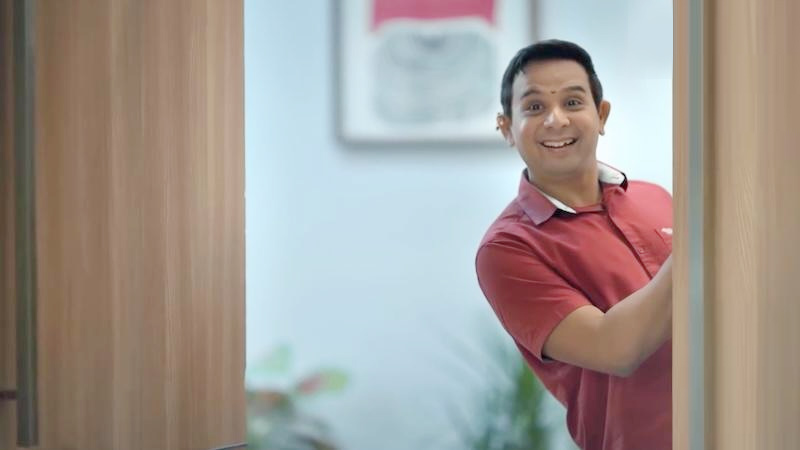
    The series follows a group of ambitious young entrepreneurs running a Mumbai-based tech start-up that lets people around the world book exclusive virtual poojas at India’s most revered shrines. But as their app grows, so do their ethical grey zones. Into this chaos walks Vinayak, played with soulful serenity and sly wit by the charming Namit Das, a young man whose calm smile hides something celestial. 

    Tewar extreme left with the caste

    He’s got the peaceful look of a saint but the wit of someone who could out-think your favourite stand-up comic. Around him spins a crew of dream-driven youngsters – Luv Vispute, Arnav Bhasin, Vaidehi Nair and Saloni Daini who run a Mumbai-based tech start-up offering devotees across the world the chance to book “exclusive” poojas at India’s most sacred shrines. It’s a business plan that blends belief and broadband – and, as the story unfolds, also tests the moral compass of its ambitious founders.

    “The first time I read the script, I found the character very pretty,” Namit joked at the post-screening interaction. “It’s a beautiful thought that God isn’t distant, he’s your closest friend. And playing Vinayak, you feel that calm but also his cleverness. He’s the friend who makes you think.”

    The reactions to the series ranged from smiles to sighs of wonder. Viewers were charmed by the show’s sincerity and sparkle, a quality that stems from its creator’s belief that faith can be funny without being frivolous.

    Among the cast, Luv Vispute shines brightest, his comic timing adding sparkle to the show’s more reflective beats. But what keeps Hamara Vinayak engaging is the easy rhythm of its writing – one moment touching, the next teasing, always gently reminding us that spirituality doesn’t have to be solemn.

    Luv spoke fondly of his long association with Swastik. “Since my first show was with Swastik, this feels like home,” he said. “Every project with them is positive, feel-good, and this one just had such a different vibe. I truly feel blessed.”

    Saloni Daini, who brings infectious warmth to her role, added that she signed up the moment she heard the show was about “Bappa.”

    “We shot during the Ganpati festival,” she recalled. “The energy on set was incredible festive, faithful, and full of laughter. It’s such a relatable story for our generation: chaos, friendship, love, kindness, and faith all mixed together.”

    vinyak

    Vaidehi Nair and Arnav Bhasin complete the ensemble, each representing different shades of ambition and morality in the start-up’s journey. Their camaraderie is easy and believable, a testament to how much the cast connected off-screen as well.

    This clever fusion of mythology and modernity plays to India’s two enduring loves, entertainment and faith. Mythology has long been the comfort zone of Indian storytellers, from the televised epics of the 1980s to the glossy remakes that still command prime-time TRPs. For decades, gods have been our most bankable heroes. But Hamara Vinayak tweaks the formula not by preaching, but by laughing with its characters, and sometimes, at their confusion about where divinity ends and data begins.

    Creator Siddharth Kumar Tewary, long hailed as Indian television’s myth-maker for shows like Mahabharat, Radha Krishn and Porus, explained the show’s intent with characteristic clarity, “This is our first story where we are talking directly to the audience, not through a platform,” he said. “We wanted to connect young people with our culture to say that God isn’t someone you only worship; He’s your friend, walking beside you, even when you take the wrong path. The story may be simple, but the thought is big.”

    That blend of philosophy and playfulness runs through the show. “We had to keep asking ourselves why we’re doing this,” Tewary added. “It’s tricky to make something positive and spiritual for the OTT audience, they’ve changed, they want nuance, not sermons. But when the purpose is clear, everything else aligns.”

    For the creator of some of Indian TV’s most lavish spectacles, Hamara Vinayak marks a refreshing tonal shift. Here, Tewary trades celestial kingdoms for co-working spaces and cosmic battles for office banter. Yet his signature remains: an eye for allegory, a love for faith-infused storytelling, and an understanding that belief is most powerful when it feels personal.

    Hamara Vinayak, after all, feels less like a sermon and more like a conversation over chai about what success means, what faith costs, and why even the gods might be rooting for a start-up’s Series A round.

    As Namit Das reflected during the Q&A, “Life gives us many magical, divine moments we just forget to notice them. Sometimes even through a phone screen, you see something that redirects you. That’s a Vinayak moment.”

    The series also mirrors a larger cultural pivot. As audiences migrate from television to OTT, myth-inspired tales are finding new form and flexibility online. The digital screen lets creators like Tewary reinvent the genre, giving ancient ideas a modern interface, without losing the emotional charge that’s made mythology India’s storytelling backbone for decades.

    In a country where faith trends faster than any hashtag, Hamara Vinayak feels both familiar and refreshingly new, a comedy that’s blessed with heart, humour and just enough philosophy to keep the binge holy.

    For a country where mythology remains the oldest streaming service, Tewary’s move from TV to OTT feels both natural and necessary. Indian storytellers have always turned to gods for drama, guidance and TRPs from Ramayan and Mahabharat on Doordarshan to glossy mytho-dramas on prime time. But digital platforms allow creators to remix reverence with realism, and in Hamara Vinayak, faith gets an interface upgrade.

    The result is a show that feels like a warm chat with destiny, part comedy, part contemplation. And in an age of cynicism, that’s no small miracle.

    As Tewary put it, smiling at his cast, “The message had to be positive. We just wanted to remind people that even in chaos, God hasn’t unfriended you.”

    With 5 episodes planned, Hamara Vinayak promises to keep walking that fine line between laughter and light. It’s mythology with memes, devotion with dialogue, and a digital-age reminder that even the cloud has a silver lining or perhaps, a divine one.

    If the first two episodes are any sign, the show doesn’t just bridge heaven and earth, it gives both a Wi-Fi connection.

  • Prem Sagar, veteran cinematographer and TV pioneer, passes on  at 81

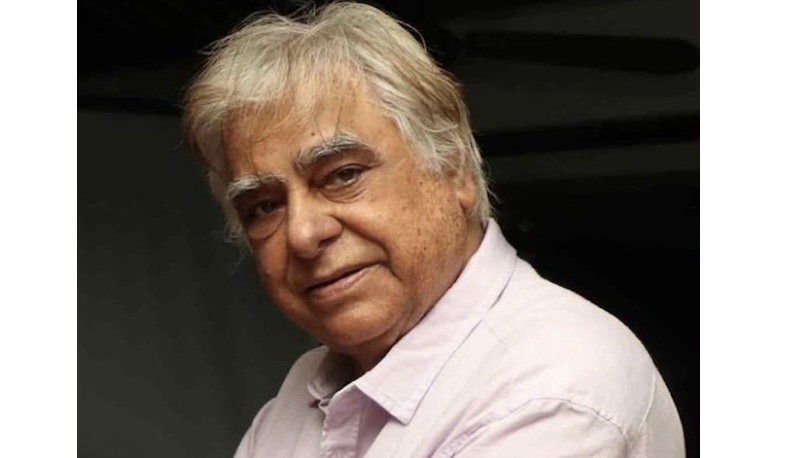
    Prem Sagar, veteran cinematographer and TV pioneer, passes on at 81

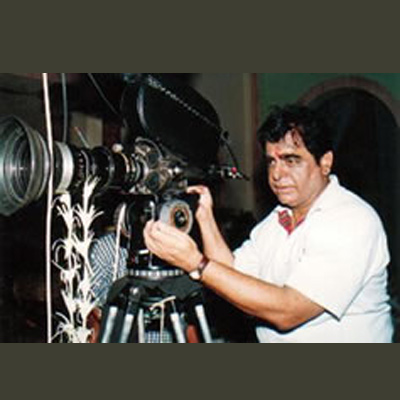
    MUMBAI: Prem Sagar, veteran producer, cinematographer and director, passed on at his Mumbai home on 31 August. He was 81. His son, producer Shiv Sagar, said: “With him, an entire era has gone.”

    Diagnosed with colon cancer a month ago, Sagar returned from hospital on 30 August and passed away peacefully a day later, coinciding with the Ganesh festival and Radha Ashtami. An alumnus of FTII Pune’s 1968 batch, he was a gold medallist for academics and a silver medallist for best student film photography.

    The son of legendary filmmaker Ramanand Sagar, he began with cinema—shooting and directing films with Jeetendra and Hema Malini—before pivoting to television. He launched Sagar Arts’ TV wing with Vikram Aur Betaal, a precursor to the cultural juggernaut Ramayan (1987), later followed by Shri Krishna. He also served as marketing director, travelling the globe to promote the company’s shows.

    Known for his technical originality and embrace of new technology, Sagar continued to stay engaged, even visiting the sets of Kamdhenu Gamata on Star Bharat shortly before his death. Shiv Sagar described him as “a guru, a storyteller, and a visionary who blended humour, patience and spirituality into his craft.”

    A prayer meet will be held in Mumbai on 3 September.

  • Prasar Bharati launches OTT Waves at IFFI Goa

    Prasar Bharati launches OTT Waves at IFFI Goa

    MUMBAI: It’s hoping to make waves amongst streaming consumers and viewers of its linear TV network. State-owned pubcaster Prasar Bharati  today announced the launch of its own OTT platform branded Waves, offering a broad spectrum of entertainment and news content at the opening ceremony of the International Film Festival of India in Goa. 

    Available for android and iOs devices, it offers around 70  live channels including  B4U Bhojpuri, B4U Music, B4U Kadak, B4U Movies, GNT, Indian Today, ABP News, Divya, Republic, Republic Bharat, News Nation, Pitaara, News 24, PTC Punjabi Gold, PTC Punjabi, Times Now Navbharat, News 18 India, 9XM, NDTV India, TV9 Bharatvarsh, E24, News 24, Dabang, 9X Jalwa, 9X Jakhaas, 9X Tashan, Aaj Tak, Sanskar, Satsang, Raj TV, USPL, ABZY Movies, ABZY Dhaakad, Mayaboli, Masti, and NewsX. This apart, close to 34 of its own channels are available for viewing. 

    Waves also has a slew of original programmes from DD National including Fauji 2, an agricultural reality show Khet Khet May, Swarajya, Cybercrime, Rang mein Rang Ganga,  among other shows. A new version of Ramayan  from the house of Sagar is slated to launch soon. Old DD shows of the eighties and nineties, and others from PTC Punjabi complete the package on offer. 

    A catalogue of Hindi movies including Traffic Signal, Aarakshan, Khakee, Vodka Diaries, Phir Hera Pheri are available for viewing.  The international film slate appears to be worth watching: The Goes Wrong Show, The Monkey King, Mr Johnson, and The Hunger Games. But both the Hindi and international films are powered by  LionsgatePlay and are priced at Rs 399 per quarter. If viewers are not open to paying, they can consume a range of regional films which are dubbed in Hindi and can be watched for free. 

    Waves also has tabs offering live events, movies, shows, live TV, religious programming, archival documentaries, live radio, games, nostalgia, a shopping area linked to the open network for digital commerce, ebooks, a podcast and a creators’ corner.  

    The Waves app is available in three subscription offers. The first, a platinum annual subscription allows access to four devices simultaneously and is priced at 999 per annum while a diamond subscription has a sticker price of Rs 350 per annum for two devices. The gold pack which supposedly allows access to all content on Waves does not have a price tag attached in the subscription area.  

    In August, Prasar Bharati invited TV channels to join the platform, introducing a revenue-sharing model. Under this initiative, participating broadcasters receive 65 per cent of the ad revenue, while Prasar Bharati retains 35 per cent. Waves is offering t in SD, HD, and 4K, initially supporting 10 million concurrent users with scalability to 100 million.

  • Prasar Bharati has seen a big change in its revenue in the last five years, says former CEO Shashi Shekhar Vempati

    Prasar Bharati has seen a big change in its revenue in the last five years, says former CEO Shashi Shekhar Vempati

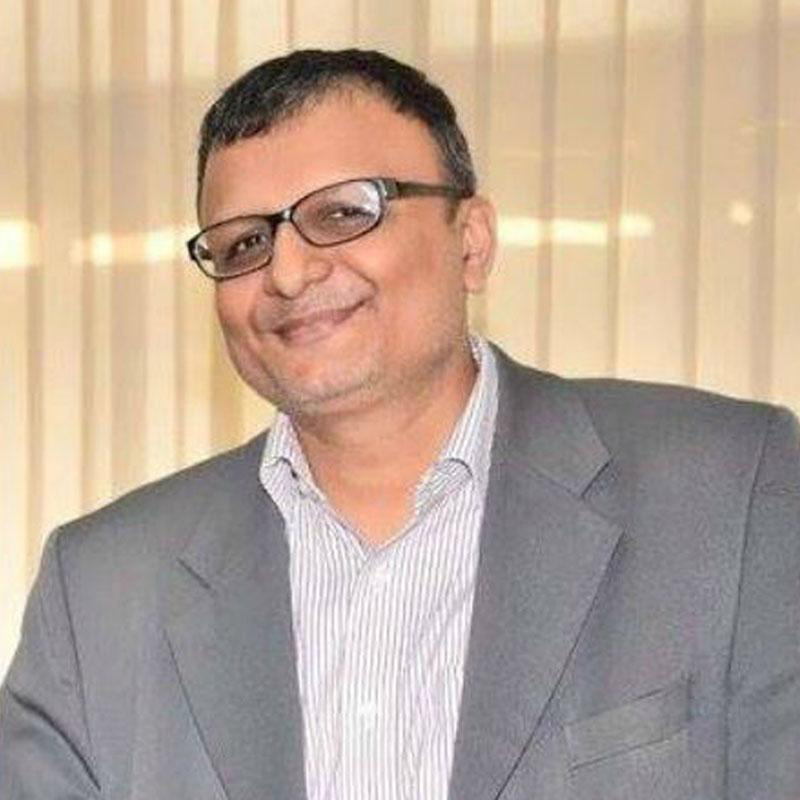
    Mumbai: Former Prasar Bharati CEO Shashi Shekhar Vempati joined broadcast journalist and host of ‘Media Dialogues’ on CNBCTV18 Anuradha Sengupta in conversation about his tenure at the public broadcaster recently.

    India’s public broadcaster Prasar Bharati is one of the largest broadcasting organisations in the world that runs a vast terrestrial network in addition to the satellite. During the interview, Vempati noted the changes brought during his tenure including phasing out obsolete technologies, figuring out the manpower roadmap for digital technology, and growing Prasar Bharati’s own media platforms like Free Dish and NewsOnAir app.

    The biggest change at Prasar Bharati

    Vempati highlighted that in the last five years the biggest change at the public broadcaster was the change in its revenue mix. In FY22, the public entity reported that commercial revenues were up by 13 per cent. Historically, the government was the primary source of revenue for the broadcaster via advertising & sponsored content. “What has changed in the last five years is how non-traditional sources of revenue have reduced dependence of government sources of revenue on DD and AIR,” said Vempati.

    “A big component of this reduced dependence is because of DD Free Dish. When I joined as CEO, Free Dish revenue used to be about Rs 270 crore and in the last financial year and this year it has crossed Rs 700 crore and touched Rs 750 crore,” he stated.

    Further adding, “There were hardly any digital revenues five years ago and now digital revenues amount to several crores and are growing fast at almost 30-40 per cent a year.”

    “We also have assets like TV towers that are leased out to private FM broadcasters and telecom operators which generates another Rs 100 crore in terms of revenue,” said Vempati.

    “The revenue growth that you’re seeing is largely contributed by these non-traditional sources of revenue. Interestingly, our radio revenues also saw recovery during Covid so that also contributed to overall growth,” he explained.

    Journey of DD Free Dish

    The public broadcaster’s free-to-air DTH (direct-to-home) platform reaches 43 million homes in India, as per EY (Ernst & Young) estimates and up to 50 million homes, as per Vempati’s personal views. This makes it the largest DTH service provider in the country, more than twice the size of any private DTH player in the country.

    Vempati praised the foresight of the late NDA government under Atal Bihari Vajpayee that they envisioned a platform of this nature. The cabinet gave its approval in 2003-04 with the stipulation that the platform should be self-sustaining and not be a recurring liability to the public broadcaster. It was important to bring private players onto the platform so that it pays for itself.  

    Initially, the placement of private channels happened through a committee process until 2010 when there was a need to make the process more transparent. A Telecom Disputes Settlement and Appellate Tribunal (TDSAT) ruling directed the public broadcaster in 2010 to frame a policy regarding terms and conditions for the broadcast of private channels via its DTH platform.

    The public broadcaster introduced an auction process where private channels had to bid for slots on the Free Dish platform. Over the years, the policy evolved from offering one base price for all broadcasters to offering a differentiated base price based on genre and language of the channel. This move resulted in immense value creation for Prasar Bharati and unlocked the potential of the DD Free Dish platform.

    Free Dish impact on private broadcasters

    There exists a love-hate relationship between private broadcasters and the free DTH platform as they gain access to immense reach, especially in the Hindi heartland, but the trade-off is the subscription revenues from this massive customer base.

    Vempati stated, “The DD Free Dish is only growing especially during the lockdown. The educational channels that were made available on the platform were a huge draw for audiences. The dealers who sell these set-top-boxes (STBs) also reported to us that it is impossible to keep up with the demand.”

    “Now, as we add more languages, the viewership of DD Free Dish is growing beyond the Hindi heartland. The promised 200 educational channels means that Free Dish still has an enormous headroom for growth,” claimed Vempati.

    Vempati observed that DD Free Dish has given rise to competitiveness in the TV broadcast industry where younger channels have been able to challenge the dominance of incumbents. He said, “If you see the Hindi genre, when I look at the ratings, there are several Free Dish channels in the top ten in terms of viewership. Ultimately, the public broadcasters’ purpose is to enable more choice to the consumer.”

    Vempati commented on private broadcasters pulling their flagship channels from DD Free Dish. He said, “This was a consequence of the new tariff order (NTO) regime which had an unintended impact on DD Free Dish. I see it as a transient phenomenon. The big players have other channels and have not completely exited the platform. It is a change that the media sector is going through and I’m hoping that we come out of it and get back on track.”

    Policy framework

    The trends in media consumption have shifted its dominance from traditional devices such as TV and radio to devices such as smartphones & smart TVs. While Vempati was not supportive of regulations in terms of pricing, he said regulations do have a role to play and supported the creation of a media regulatory framework not just for the broadcast sector but all media.

    During Vempati’s tenure, the public broadcaster signed a memorandum of understanding (MoU) with IIT Kanpur to develop direct-to-mobile broadcasting capabilities to reach more than 800 million mobile internet users in the country.

    He said, despite being the largest market for mobile phones, there’s very little standardisation in India. “Look at the emphasis China has put on creating standards. India is making an effort for the first time with 5Gi telecom technology standards. And with direct-to-mobile broadcasting, we have the opportunity to take a leadership position.”  

    Vempati’s run-in with TV ratings

    Another initiative taken by the public broadcaster was to air footage of Ramanand Sagar’s Ramayan on DD Free Dish during the lockdown.

    “When the lockdown was announced we debated on what to do, and I must compliment the PM and Prakash Javadekar (former union minister of information and broadcasting) to come up with the idea that we should air these epics,” recalls Vempati. “They insisted that it should be Ramayan that is aired first as it appeals to such a broad section of society.”

    The oddity was that Doordarshan’s popular shows were not the property of the public broadcaster but sponsored programmes. So, Prasar Bharati reached out to the Sagar family that owned the rights to the programme, the tapes were retrieved and special permission was granted to air the archival footage.

    “I feel this is the first time that the entirety of India has watched Ramayan because the first time it was aired only on the terrestrial network that was available only to a limited part of the country,” said Vempati. “All of India truly watched Ramayan during the lockdown which saw spectacular numbers and for the first time, Doordarshan’s rates were in the lakh plus range. When I look at global numbers apart from the finale of American sitcom M.A.S.H, Ramayan beat the charts!”

    Vempati was also part of the committee instituted by the ministry of information and broadcasting in 2020 tasked with looking into the rigging of TRPs and strengthening the overall ratings measurement system. Speaking about the TV ratings framework, Vempati noted that it was an interesting challenge for the committee and especially since the public broadcaster Prasar Bharati was also a client of Broadcast Audience Research Council (Barc). Addressing the lingering question of whether ratings are robust and credible, Vempati stated, “The important thing to remember is that Barc ratings are sample-based and not objective reality. When you start to infer viewership estimates by Barc as an objective reality that’s when you get into trouble.”

    While the committee made several recommendations to Barc on its corporate governance, technology and processes, ultimately Vempati believes that it is a question of business practices. “In a competitive environment, unless all players respect and adhere to certain business practices, you’ll always question the rating framework. Then it is a question of business culture and competition and ratings cannot solve that problem.”

    “The news genre has very erratic viewing patterns and there was a need to smoothen the fluctuations in the ratings which is why we rolled out the four-week rolling average,” said Vempati. “But business practices such as landing pages are beyond the ability of algorithms to solve. It is a business issue. My advice is that the industry should come to a consensus on how landing page data should be measured or there should be regulatory intervention. For example, a regulatory stipulation that only platform services can be on landing pages.”

    Vempati said that he was proud of being part of phasing out analogue terrestrial TV at the public broadcaster which he believes was one of the biggest reforms during his tenure. This freed up resources for digital and Free Dish and enabled Prasar Bharati to invest in the future.

    An outsider in the bureaucratic environment of Delhi, Vempati noted that his time at Prasar Bharati helped him understand the difficulty and complexity of the challenges in the public sector. He said, “The microcosm of small reforms that we tried to do gave me a sense of the complexity and challenges & better appreciate the job of the PM,” He concluded that the public sector would benefit greatly from having private-sector talent and professionals come in.

  • TV show Shree Ganesh returns to Doordarshan after 19 years

    New Delhi: Mythological shows gained immense popularity among television viewers during the pandemic. After Ramayan’s dream run in 2020, another mythological show – Shree Ganesh is all set to return to the small screen this summer. 

    The show produced by Zuby Kochhar and directed by Dheeraj Kumar was first launched on Sony in 2002. Starting 21 June, viewers will be able to watch the reruns of the show on Doordarshan. 

    “The show gained a peak rating of 3.4 and maintained an average of 2.5 ratings in its original telecast on Sony on Sunday morning slot,” recalled the director of the show, Dheeraj Kumar. “People did not miss a single episode because of thorough research and great content and making. We are glad that viewers will get to see the show again on Doordarshan national network.” 

    JageshMukati played the lead role of Ganesh, Vishal Lalwani as child Ganesh, Sunil Sharma as Shiva, and Priyanka as Parvati in the show. Created by Creative Eye Ltd, the show is a Namah Shivay venture. It will also be re-telecast daily from Tuesday to Saturday at 9 am on Doordarshan.

    In 2020, Ramayan went on to shatter all records when it came to the TRP game and led to a golden, albeit brief, dream run for the state-run Doordarshan channel on which it aired. It managed to beat the worldwide popular series Game Of Thrones to become the most-watched TV show. According to reports, 7.7 crore viewers watched Ramayan, breaking the record of GOT which had 1.9 crore people watching the show together in 2019.

  • After 2020 dream run, ‘Ramayan’ returns to the small screen

    After 2020 dream run, ‘Ramayan’ returns to the small screen

    NEW DELHI: As the country once again descends into chaos and distress due to the surging number of Covid2019 cases, there is one small piece of good news for the people – Ramanand Sagar's Ramayan is all set to make yet another comeback on our TV sets.

    The mythological show that struck a chord with TV viewers last year during lockdown broke all TRP records when it was broadcast on national television after many years. The timing of the re-telecast of Ramayan is apropos, given that we’re dealing with another peak in the Covid2019 cycle.

    This time, the show will air on Star Bharat at 7 pm ahead of Ram Navami. This 80s serial has a special place in everyone's heart and that is why the channel has decided to air the show on it once again, on popular demand. Meanwhile, for the unversed, Ramayan was first telecast in 1987 on DD National. Last year, the programme led to a spike in co-watching, as everyone in the household – from the elderly to young children – seemed to be hooked to their TV sets during lockdown to watch the show.

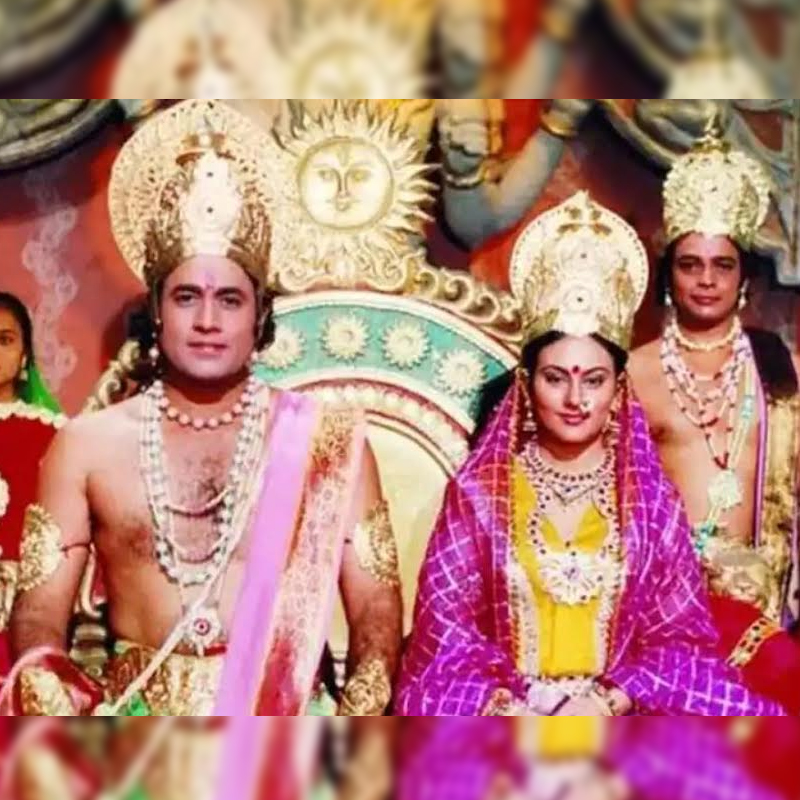
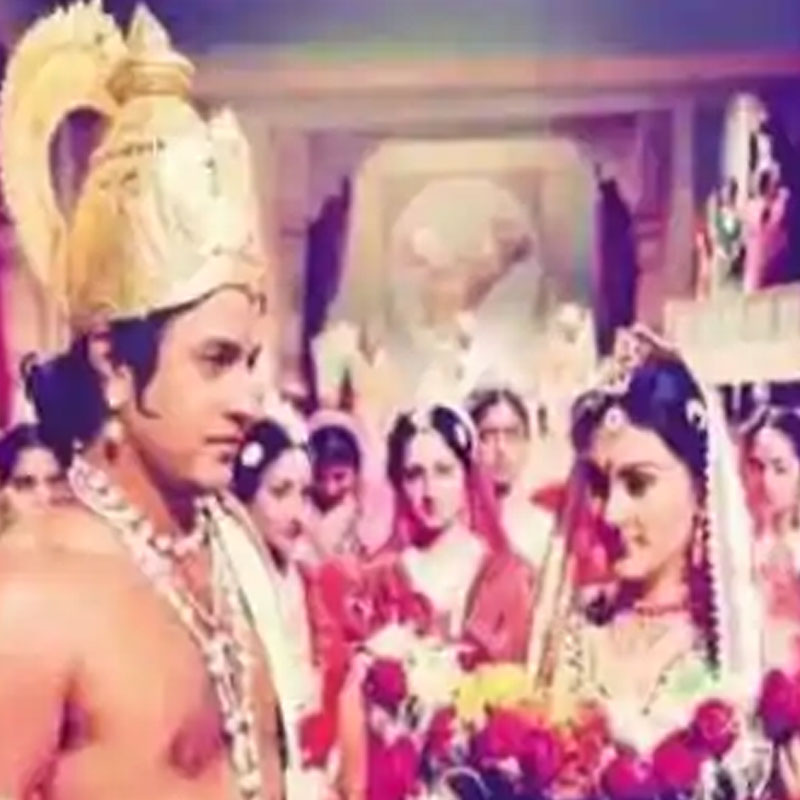
    Ramayan is based on the ancient Indian Sanskrit epic of Lord Ram and Devi Sita. The script of the show was written and directed by the late Ramanand Sagar. The cast of the show includes Arun Govil as Ram, Deepika Chikhaliya who played Sita, Sunil Lahiri portraying Lakshman, late Dara Singh essaying the role of Hanuman, and many others.

    In 2020, the show went on to shatter all records when it came to the TRP game and led to a golden, albeit brief, dream run for the state-run Doordarshan channel on which it aired. It managed to beat the worldwide popular series Game Of Thrones to become the most-watched TV show. According to reports, 7.7 crore viewers watched Ramayan, breaking the record of GOT which had 1.9 crore people watching the show together in 2019. 

  • #Throwback2020: The year of reruns

    #Throwback2020: The year of reruns

    MUMBAI: Covid2019 was undoubtedly the biggest story of 2020, but it also gave new life to several well-loved stories of the past – more precisely, vintage TV shows. As productions came to a halt with the announcement of lockdowns, television broadcasters had to quickly come up with ways to fill up their time slots. As well as find ways to keep those at home engaged enough so as to not step out and possibly expose themselves to the novel Coronavirus.

    With no fresh episodes being churned out, successful TV shows went off air. TV programming executives started going through their back catalogue deciding what series and programmes to put on air once again. Doordarshan boss Shashi Shekhar Vempati took the high ground and made some audacious bets. He brought back the classics of the eighties – Ramanand Sagar's Ramayan and BR Chopra's Mahabharat.  The difference: unlike in the past when the episodes aired on Sunday mornings, Vempati put the two mythologicals on air every evening and in the afternoons. His decision worked like a charm.

    The Indian public, fearful of the havoc that Covid was wreaking on all and sundry, found solace in the two shows. The viewers swelled into millions and it seemed like all of India had connected with the story of a king and his exile and the victory of good over evil, and that of five brothers who fight adversity from their own family, go into exile only to come back and regain their rightful kingdom.

    Doordarshan regained its lost glory;  after nearly three decades of ceding ground to cable TV, it became India's most-watched channel again.

    In its heyday, the streets would be empty during showtime, and people formed queues outside shops to watch their favourite show on the pubcaster. Some people would even garland their TV sets in awe. In fact, the actors playing Ram and Sita would often be treated like  gods in public. The tables turned with the launch of satellite television in the mid-90s, and the explosive growth of private channels that followed.

    But bringing back Ramayan and other old favourites like Shaktiman and Buniyaad – created when DD monopolised TV broadcasting – forged an inexplicable and instantaneous connection with audiences. BARC has attributed the telecast of Ramayan and Mahabharat as the reason for DD’s climb to the top of the ratings chart. 

    Not only did Doordarshan succeed in chalking up record viewership, but it also generated online chatter – from memes to nostalgia posts from viewers. For many, it was a trip down memory lane.

    During an interaction, BARC India CEO Sunil Lulla remarked, “[Repeat telecasts of] Ramayan and Mahabharat, in my view, is a stellar move. It’s a nostalgia moment for people who are born in the 80’s. Because the entire family is sitting together with elders at home, it was the best thing to watch on TV. But shockingly, younger audiences were also watching the show. More of the urban audience, rather than rural, tuned in.”

    The buzz around these shows has led to an increased brand recall for Doordarshan. India’s iconic dairy brand Amul also went retro and re-released its old advertisements on the channel. 

    According to SEMrush (an online visibility management platform), ‘Ramayan’ became India's most searched term in the entertainment category in April 2020.

    Nielsen and BARC had reported that in the initial weeks of reruns, Ramayan episodes got 42.6 million tune-ins and garnered 6.9 billion viewing minutes on average.

    On 17 April, Prasar Bharati (the parent body of DD and All India Radio) announced in a tweet that Ramayan was the highest-watched entertainment programme globally, recording a viewership of 77 million. Even though the show attracted many advertisers, it irked viewers who wanted uninterrupted content. Some, bizarrely, even accused Doordarshan of streaming the show from a Moser Baer DVD.


    Certain sections of the public appealed to the government to curb the TV spots. In response, Vempati in a tweet said, "Would request everyone's patience with the advertisements. Brands reaching out to a large audience spurs consumption and economic activity at this critical juncture. Also, every rupee of commercial revenue to DD is a rupee of taxpayer money saved."  


    When I&B minister Prakash Javadekar posted a photo of himself watching Ramayan reruns during the lockdown, he was immediately panned for his “let them eat cake” moment while millions were struggling to make ends meet.

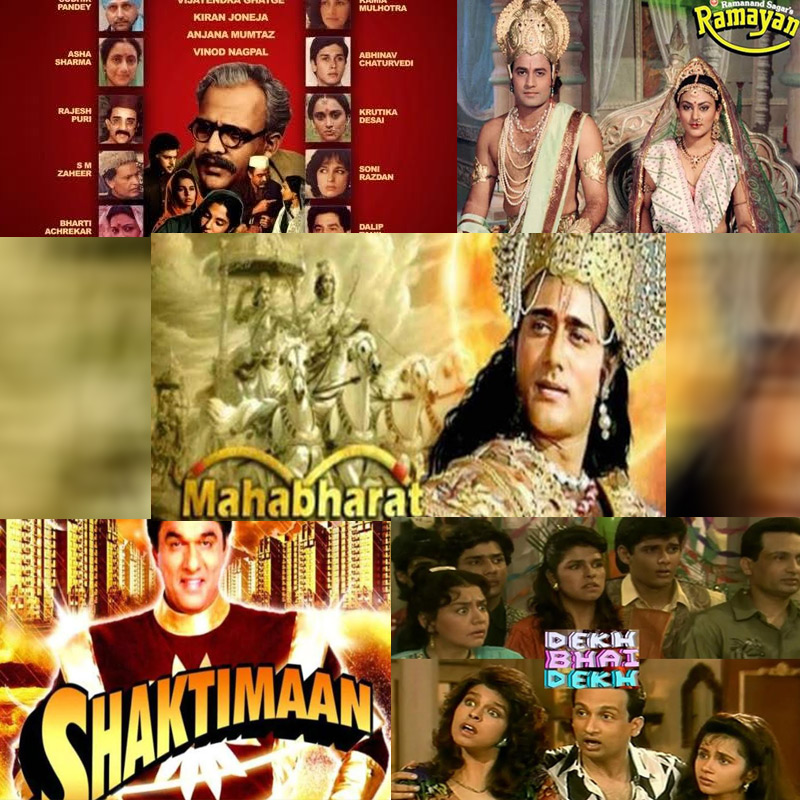
    But in the weeks that followed, public sentiment changed. Following the runaway success of the two shows, the state broadcaster went beyond mythological shows and tapped into its programming archive.  Buniyaad, Byomkesh Bakshi, Gora, Circus (starring a baby-faced Shah Rukh Khan), Shrikant (starring the late actor Irrfan Khan), Shaktimaan, Dekh Bhai Dekh, Shrimaan Shrimati, The Jungle Book, and more were back on telly – and viewers were hooked.

    Other broadcast networks followed suit. Viacom18-owned Hindi GEC Colors brought back shows such as Balika Vadhu, Jai Shri Krishna, Mahakali, Ram Siya Ke Luv Kush, Dance Deewane, Bigg Boss, Comedy Nights with Kapil, Sidharth Shukla-Rashami Desai-starrer love story Dil Se Dil Tak and comedy series Belan Wali Bahu.

    Zee TV played reruns of Jamai Raja, Pavitra Rishta, Jodha Akbar, Sa Re Ga Ma Pa Li’l Champs 2017 and Hum Paanch, Kumkum Bhagya, Kundali Bhagya, Ram Kapoor's Kasam Se, and Brahmarakshas.

    The classic sitcom Office Office was being broadcast on Sony SAB and Star Plus’ Mahabharat and Siya Ke Ram were back on TV too.

    Star Sports started showing historic cricket matches like India’s 2011 World Cup win, India vs Pakistan series, previous editions of the IPL, Formula 1 races, football and kabbadi.

    The audience's retro romance continued for three months. Almost every channel saw spikes in viewership; sadly, advertisers stayed away as overall economic and consumer sentiment had sunk to a new low.

    Came end July and governments gave the go-ahead to productions to start again under strict operating procedures. Shoots commenced and viewers rejoiced that fresh programming was back. However, none regretted the joy that reruns gave them for the three months of the initial period of the lockdown.

  • Minor changes in Across Genres lists as GECs continue to lose ratings

    Minor changes in Across Genres lists as GECs continue to lose ratings

    BENGALURU: Overall television consumption increased slightly in Week 22 of 2020 (Saturday, 30 May 2020 to Friday, 5 June 2020, week or period under review) according to Broadcast Audience Research Council of India (BARC) data as compared to the previous week (Week 21 of 2020). BARC data reveals that TV consumption in terms of weekly impressions increased to 16.4 billion during the week under review from 16.3 billion in the previous week. However, on analysis of BARC data for top 10 or top 5 channels of various genres/languages in the public domain, it seems that GECs’ continued to lose viewership, if not the GEC genre across languages, then at least the top 5 or 10 GEC channels of most languages had lower consumption in Week 22 of 2020 as compared to  Week 21. The top 10 Hindi GECs’ on all platforms, on the Pay and Free Platforms as well as in Urban and Rural India had lower weekly impressions in Week 22 of 2020 as compared to the preceding week. The Top 5 Hindi Movies channels in Urban and Rural India saw viewership increase slightly, as did Hindi Movies on the Pay platform. The Top 5 Hindi Movies channels on the Free Platform saw a dip in viewership during the week under review as compared to the previous week.

    News channels and movies channels seemed to be the biggest gainers, and of course, in the case of the Top 5 Kannada channels for which production of new content had begun on June 1, 2020 also gained viewership. It must be noted that the Top 5 News Channels ofthree South Indian languages -Kannada, Malayalam and Telugu had lower weekly impressions in Week 22 of 2020 as compared to the previous week. Hindi and English News channels along with Assamese, Bangla, Oriya and Tamil News channels garnered higher weekly impressions in Week 22 of 2020 as compared to the previous week. The 2 Hindi Business News channels saw a 25 percent increase in weekly impressions in Week 22 as compared to Week 21 of 2020, while the 3 English Business News channels which have a lower consumption than the 2 Hindi Business News channels saw Weekly Impressions in Week 22 decline 17 percent as compared to Week 21 of 2020.

    Please refer to the figure below:

    Top 10 Channels on All Platforms Across Genres

    The combined weekly impressions of the Top 10 Channels on All Platforms Across Genres declined by 2.9 percent in Week 22 of 2020 as compared to the previous week. All of the ten channels in the list were the same as in the previous week with some changes in the rankings.

    One of the most significant changes was the Sun TV Network’s flagship Tamil GEC Sun TV slipping to third place with an 8.2 percent decline in weekly impressions in Week 22 of 2020 from rank 2 in the previous week. Despite a 2.5 percent decline in weekly ratings from the previous week, Star India’s flagship Hindi GEC Star Plus replaced Sun TV at second rank in Week 22 of 2020.

    BARC’s weekly list of Top 10 Channels on All Platforms Across Genres comprised of four Hindi GECs’, three Hindi Movies channels and one channel each from the Kids, Tamil and Telugu genres. From the networks’ perspective, there were three channels from Star India, two channels each from Sony Pictures Network India (SPN) and Zee Entertainment Enterprises Limited (Zeel) and one channel each from, Enterr 10 Television, the Sun Tv Network, Viacom18.  While Dangal is available on both the pay TV and FTA platforms, Zeel’s acquired Hindi GEC Big Magic is FTA. The other eight channels were Pay TV. It must be noted that Dangal, Sony SAB and Zee Cinemagarnered higher weekly impressions in Week 22 of 2020 than in week 21, despite the lower combined ratings of the Top 10 channels in the list.
    Please refer to the figure below:

    Top 10 Pay Channels Across Genres

    The combined weekly impressions of the Top 10 Pay Channels Across Genres declined 3.4 percent in Week 22 of 2020 as compared to the previous week. Nine of the ten channels in the list in the week under review were the same as in Week 21 of 2020 with some changes in the ranks. One channel – Viacom18’s flagship Hindi GEC Colors exited BARC’s Top 10 Pay Channels Across Genres list in Week 22 of 2020 an was replaced by Star India’s Hindi GEC Star Utsav at tenth place.

    There were three channels each from the Hindi GECs’ and Hindi Movies genres, two Telugu channels and one channel each from the Kids and Tamil genres in BARC’s weekly list of Top 10 Pay Channels Across Genres in week 19 of 2020.  There were four channels from Star India, two channels each from SPN and the Sun Tv Network and one channel each from Viacom18 and Zeel in the list. While 8 of the channels in the list in Week 22 of 2020 from the previous week’s list had lower weekly impressions, Zeel’s Hindi Movies channels Zee Cinema had higher weekly impressions in the week under review as compared to the previous week.

    Please refer to the chart below:

    Top 10 Free Channels on Across Genres

    BARC’s weekly list of Top 10 Free Channels Across Genres shows that the combined weekly impressions of the top 10 channels in Week 22 of 2020 were 4.3 percent lower than in Week 21. Nine of the 10 channels in the list in Week 22 of 2020 were the same as in week 21 with some shuffling in the ranks.Zeel’s Youth channels Zing exited the list in Week 22 of 2020 and was replaced by Viacom18’ Hindi Movies channel Rishtey Cineplex.

    There were four channels from the Hindi Movies genre and three channels each from the Bhojpuri and Hindi GEC genresin BARC’s weekly list of Top 10 Free Channels Across Genres for Week 22 of 2020, There were three channels each from Zeel and Enterr 10 Television, two channels from B4U Network and one channel each from the pubcaster network Doordarshan or DD  and Viacom18 during the period under review.

    Please refer to the chart below:


  • Same channels in Across Genres, but TV viewership continues to decline

    Same channels in Across Genres, but TV viewership continues to decline

    BENGALURU: Indian television viewership seems to be declining after the lofty peaks of the early COVID2019 (COVID-19) Lockdown as India enters Unlock 1.0, when compared to Week 4 of 2020. The drop in television consumption continued in Week 21 of 2020 (Saturday, 23 May 2020 to Friday, 29 May 2020, week or period under review) with viewership declining to 16.3 billion impressions during the week under review. However, overall television consumption in terms of impressions was still 12.4 percent more in Week 21 of 2020 as compared to Week 4 of 2020 which had garnered 14.5 billion impressions.

    Broadcast Audience Research Council of India (BARC) and Nielsen have set the average viewership data between Weeks 2 and 4 of 2020 as the yardstick to measure television consumption trends during COVID-19 weeks. While the lockdown in India commenced on 25 March 2020, which was midweek of Week 12 of 2020, BARC-Nielsen COVID-19 reports are available for weeks between Weeks 11 and 20 of 2020 at the time of writing of this paper. The author has considered Week 4 of 2020 as the reference week here.

    As is obvious from the chart below, viewership has been dropping over the past few weeks.

    Top 10 Channels on All Platforms Across Genres

    The combined weekly impressions of the Top 10 Channels on All Platforms Across Genres declined by 2.2 percent in Week 21 of 2020 as compared to the previous week. All of the ten channels in the list were the same as in the previous week with some changes in the rankings.

    BARC’s weekly list of Top 10 Channels on All Platforms Across Genres comprised of four Hindi GECs’, three Hindi Movies channels and one channel each from the Kids, Tamil and Telugu genres. From the networks’ perspective, there were three channels from Star India, two channels each from Sony Pictures Network India (SPN)and Zee Entertainment Enterprises Limited (Zeel) and one channel each from, Enterr 10 Television, the Sun Tv Network, Viacom18.  While Dangal is available on both the pay TV and FTA platforms, Zeel’s acquired Hindi GEC Big Magic is FTA. The other eight channels were Pay TV. It must be noted that Dangaland Sony SAB had higher impressions in Week 21 of 2020 than in week 20, despite the lower combined ratings of the Top 10 channels in the list.
    Please refer to the figure below:

    Top 10 Pay Channels Across Genres

    The combined weekly impressions of the Top 10 Pay Channels Across Genres declined 3.8 percent in Week 21 of 2020 as compared to the previous week. All of the channels in the list in the week under review were the same as in Week 20 of 2020 with some changes in the ranks.

    There were three channels each from the Hindi GECs’ and Hindi Movies genre, two Telugu channels and one channel each from the Kids and Tamil genres in BARC’s weekly list of Top 10 Pay Channels Across Genres in week 19 of 2020.  There were three channels from Star India, two channels each from SPN, the Sun Tv Network and Viacom18 one channel from Zeel in the list.
    Please refer to the chart below:

    Top 10 Free Channels on Across Genres

    BARC’s weekly list of Top 10 Free Channels Across Genres shows that the combined weekly impressions of the top 10 channels in Week 21 of 2020 were1.7 percent lower than in Week 20. All the channels in the list in Week 21 were the same as in week 20 with some shuffling in the ranks.

    There were three channels each from the Bhojpuri,  Hindi GEC and Hindi Movies genres, and there was one Youth channel in BARC’s weekly list of Top 10 Free Channels Across Genres for Week 21 of 2020, There were four channels from Zeel, three channels from Enterr 10 Television, two channels from B4U Network and one channel from the pubcaster network Doordarshan or DD during the period under review.

    Please refer to the chart below:


  • Star Jalsha brings ‘Ramayan’ to Bengali audience

    Star Jalsha brings ‘Ramayan’ to Bengali audience

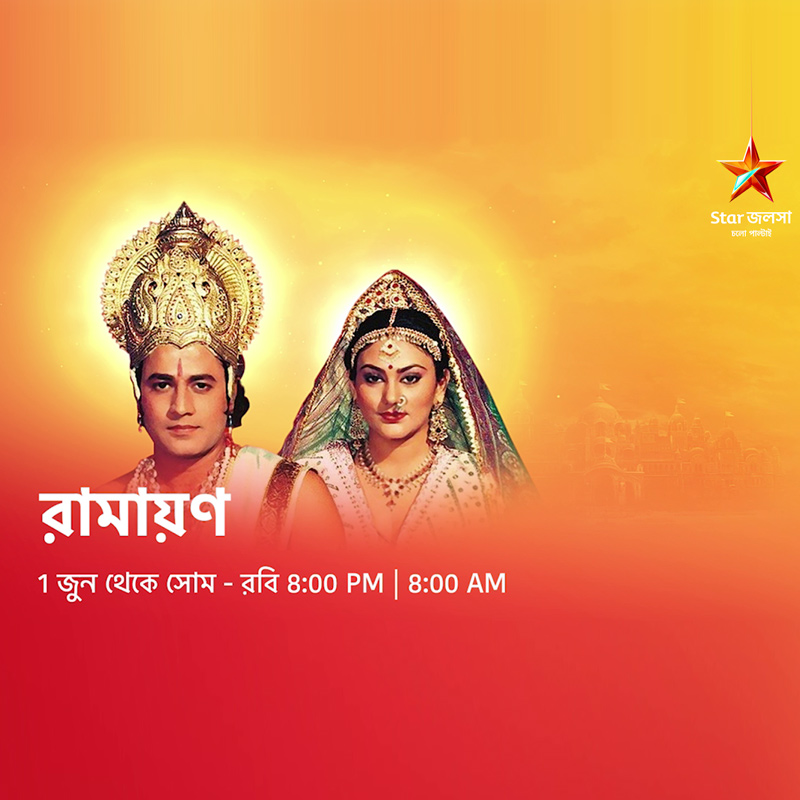
    MUMBAI: Ramanand Sagar's timeless classic Ramayana is all set to recreate its magic on Bengali television. The iconic show, which brought the country to a standstill every Sunday in the 1980’s, will now be seen on Star Jalsha. June onwards, the mythological series will be shown in Bengali every Monday to Sunday at 8 PM.

    Based on saint Valmiki’s “Ramayan” and “Ramcharitmanas” by saint Tulsidas, Ramayana shows viewers a way of life through its ideals and principles that form the crux of Indian culture and upbringing. It narrates the story of Lord Rama’s banishment from his kingdom, the abduction of his wife Sita by Ravana and her rescue, and Rama’s eventual restoration to the throne.

    The beloved mythological show continues to garner viewers’ love even today with its powerful narrative and spectacular performances. It features Arun Govil as Lord Rama, Dipika Chikhlia Topiwala as Goddess Sita, and Sunil Lahri as Lakshman- who had become household names and enjoyed cult status for years to come. It also stars veteran actors Lalita Pawar as Manthara, Arvind Trivedi as Ravana, and Dara Singh as Hanuman.

    With the entire family staying home, Ramayana is bound to resonate with the kids as well the older generation due to its timeless and universal appeal.