Mumbai: It’s good! The cloud seems to be clearing up for the multiplex operator Inox as it expects to grow by double digits for Q3 FY’22. The fear of covid strained the growth of all multiplexes in the country in the last two years, and Inox was no different. As theatres have opened up, the multiplexes are leaving their gloomy days behind and maintaining a very positive outlook for the future.
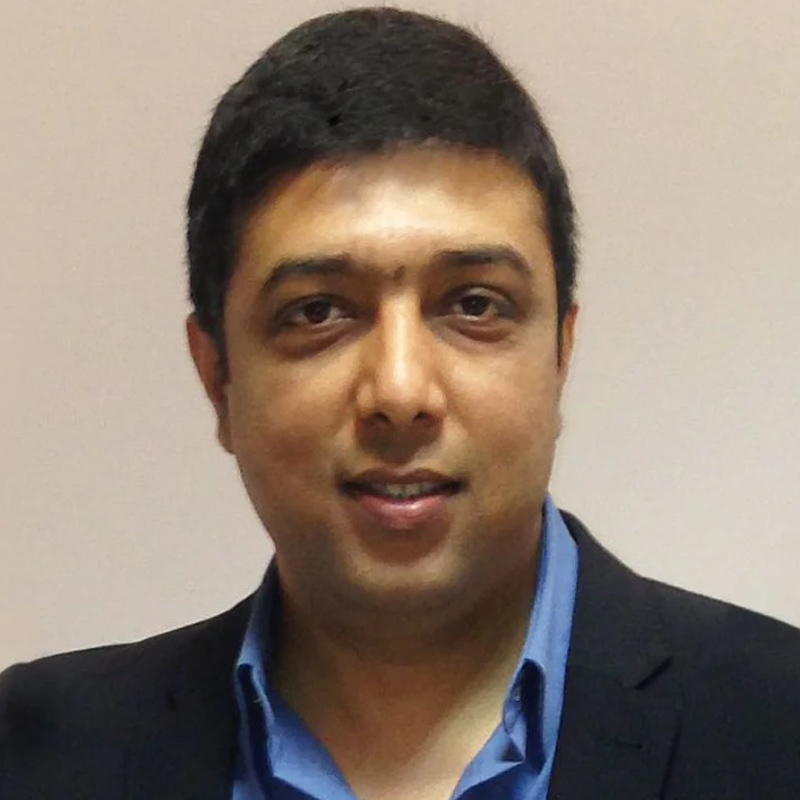
Speaking to Indiantelevision.com, Inox Leisure COO Anand Vishal said, “The box office growth for Q3 FY’22 as compared to Q3 FY’19 will happen on two accounts. Inox screens are up by 20 per cent compared with the same period in 2019. We are now at 705 screens compared to 585 screens in 2019. The plan is to add three more screens during the festive season in Delhi, Mysore and Andhra Pradesh. Ticket prices have improved by 10 per cent. It is another matrix. And with the lineup that is there, we will see strong double-digit growth in this quarter (Q3 FY’22).”
He emphasised that the overall multiplex industry will also witness good growth. Inox had posted its best-ever performance in Q1 FY’22 due to the theatrical blockbusters from the South and growth in strong audience footfalls. It has reported a consolidated net profit of Rs 57.09 crore for Q1 FY’22, led by rising footfalls at cinema halls.
He also noted that comparing the Q3 FY’22 quarter with Q3 FY’21 would not be a fair comparison. That is because there were capacity restrictions. In Maharashtra, for example, theatres were operating with 50 per cent capacity restrictions via alternate seating arrangements. Now there are no capacity restrictions.
Inox Leisure’s ad revenue growth
The multiplexes’ advertising revenue is yet to pick up momentum as compared to 2020. He said, enumerating his views on ad revenue growth, “Advertising revenue will be nearly the same as what it was pre-pandemic. The premium categories advertise with us as they want to talk to the relevant audience.”
He also stated that revenue from food and beverages has increased by 30 per cent. The expectation is that per-person spending will improve by over 30 per cent in Q3 FY’22 as compared to Q3 FY’19. “These are the broader matrix for revenue mapping,” he explained.
Earlier, Inox Leisure’s CEO Alok Tandon said that the growth in ad revenue is expected to bounce back from the Q3 FY’22 and Q4 FY’22 due to the festive season.
Inox’s ad revenue growth has shown a declining trend recently. In Q1 FY’22, it fell to Rs 30 crore as against Rs 47 crore in Q1 FY’20.
The market scenario during the festive season
In terms of markets, Vishal expects the South to take the lead in terms of ticket revenue growth during the festive season. Viewing trends in the South are higher than in the Hindi-speaking market. “But having said that, in the pre-pandemic period, consumption was also higher in the South. We expect the Hindi market to improve. The South will also improve,” he said.
He is confident about the Hindi movie market, though some films underperformed and disappointed in Q2 FY’22. “We do not control the software. But having said that, the line-up for Hindi films is looking very good. Look at Ram Setu and Thank God, which is a Diwali release. Tamil and Telugu content over Diwali is looking very good.”
Other movies he pointed to which could do well include Merry Christmas and Cirkus. On the Hollywood front, he said that Avatar: The Way Of Water was big. Also, there is Black Adam and Black Panther: Wakanda Forever.
On the promotions front, he said that the aim is to boost the inclusive movie-watching experience as Diwali is a family-gathering season and demands splurges during this time. “We will make an inclusive plan for our consumers where we give them offers and benefits to come to Inox. You can expect a Diwali bonanza for families and people who have indulged in movies.”
Talking about the success of National Cinema Day, he said that it was done to thank loyal patrons. The pandemic disrupted business and no regular operations happened. There were three waves of covid. Lower ticket pricing was the cinema industry’s way of saying thank you to customers. “The success of National Cinema Day showed that the cinema viewing habits of the consumer are still there.” This day, he said, brought in new customers to Inox as ticket prices were drastically lowered. “A lot of people came to Inox for the first time,” Vishal mentioned.
Dynamic ticket pricing
Further, he added that ticket pricing is also based on the movie, not just the timing or the day. He noted that when Brahmastra was released, the ticket prices were higher compared with other movies. “It is a product that we pay for. Let me give you an example. If Avatar: Way Of Water is playing and another movie is also playing, then the two movies will be priced very differently. If Thank God is playing and another movie is playing, then the pricing will be very different. These three movies cannot be compared to other movies.” He also added that it is important to get the weekday pricing right as the aim is to get all segments of society to watch movies at Inox. This is how dynamic pricing works. Weekday prices for Brahmastra started at Rs 100 in some places.
He also pointed out that the premium ticket pricing for Brahmastra was a maximum of 10 per cent compared to other movies. Seeing the demand, the consumer’s elasticity is important. The price elasticity ranges from Rs 100-500 depending on the day of the week and the audience segment being targeted. Of course, Insignia screens are expensive because one Insignia seat takes up three seats on a regular screen. “The Insignia experience and service are very different, and it comes at a cost. If a regular seat costs Rs 150, then an Insignia seat will be Rs 350.” Tamil Nadu, Andhra Pradesh, Telangana, and, to an extent, Karnataka are price-capped markets. Other markets are more price dynamic. In Delhi, there are price cards and pricing slots that are approved by the authorities.” Mumbai will have pricing from Rs 100-500 depending on the location. What you charge in Nariman Point cannot be charged in Dahisar. Pricing is also a function of the location, not just the film. You also have to see the pricing of the competition theatres.”
Content offerings beyond movies
He said that beyond films, Inox also targets different consumer sets. For this, it focuses on sports, music, concerts, school contact programmes and e-sports activation. The plan is to do deals to show matches from the upcoming Twenty20 World Cup and the Fifa World Cup. The good news is that this does not cannibalise the attendance of the movie-going public. The consumer of a sporting event is different from the one who consumes film content. The idea is to create a market, not cannibalise it. Why not give people the opportunity to watch sporting events on a big screen? Sports are a very integral part of our marketing plan. Music is also important. Inox is doing a screening of Coldplay on 29 October. “For e-sports, the core target age is 18–25. Inox has a partnership with the E-sports Federation of India (ESFI). These games are healthy games that have been approved and are up to international standards. Matches are screened. The aim is to also find talent to represent India on international platforms.”
In terms of in-cinema advertising, he said that premium brands use Inox and that avoids wastage. Cinema, he said, is the answer.
These brands are not focusing on mass reach. It is about relevant reach. Otherwise, it becomes a waste of money. Inox provides relevance for brands like Manyavar, he explains.
“More than eyeballs, it is the quality of the footfalls we provide that counts. A mobile phone advertiser with a Rs 20k product wants to target the person who has that spending propensity. The advertiser is only targeting a certain audience segment and so it cannot go to the television all the time.” These brands use cinemas, but they will only use premium cinemas like Nariman Point and Atria. They know the target group visits these locations. The likes of Audi and BMW only pick up Insignias and premium cinemas. “The aim is to talk to the direct and relevant consumer,” he added.
Licensing & merchandising
The licensing and merchandising activities started in June 2022. This, he said, is building and is about targeting a community. “Fans who are loyal to franchises like Avengers, Marvel, sports fans, and people who love Inox as a brand can buy something. We wanted to get into this space. We knew it would take time, but traction is building. We hope to do Rs 4-5 crore in sales in the next 12-15 months.” It has a partnership with Macmerise, which supplies the merchandise. They have some Hollywood rights and also some sports rights like IPL. They also develop Inox-branded products like t-shirts, cups, mugs, headphones, and watches.
Spending on food & beverage
Talking about the food and beverage strategy, he explains, “These spends have shown a drastic improvement for us and the industry. People are indulging in eating more food items. That is a very healthy sign. It is about what the consumer wants. Inox does have offerings beyond popcorn and Coca-Cola. It is not a blanket offer. The offering in the South is different from Gujarat and in the North. We focus on what people in a region like to eat. For instance, people in the South like to eat puffs. Samosa is very strong in the West as a market.”