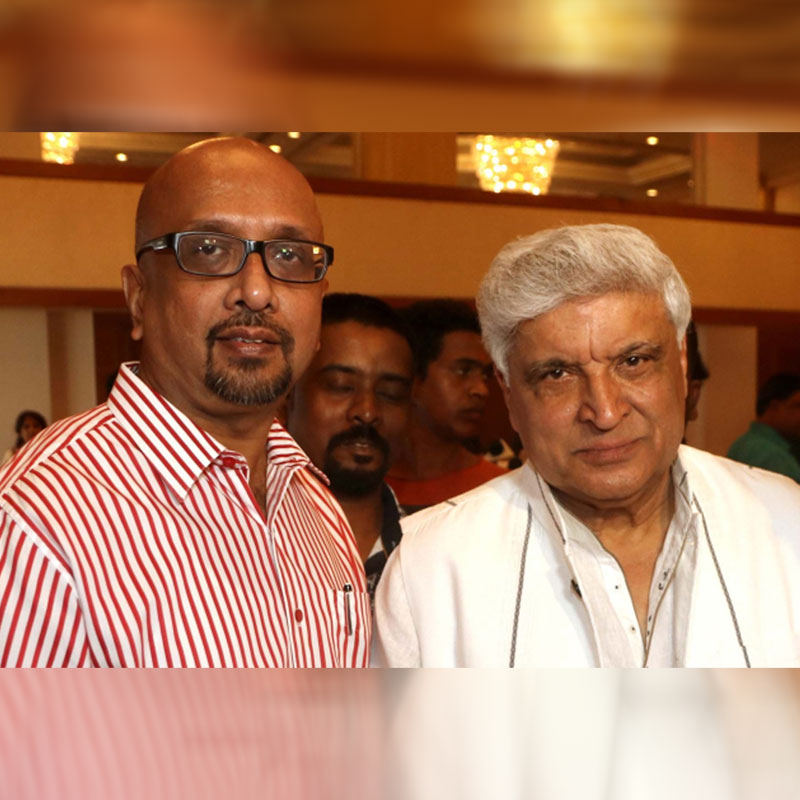
Tag: Rakesh Nigam

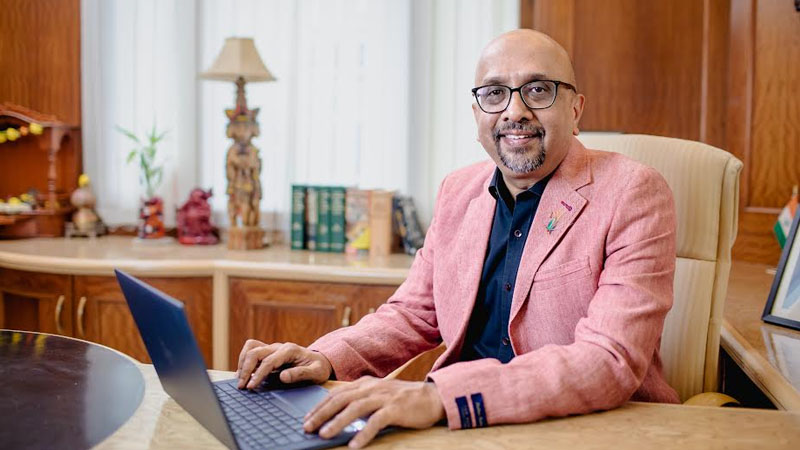
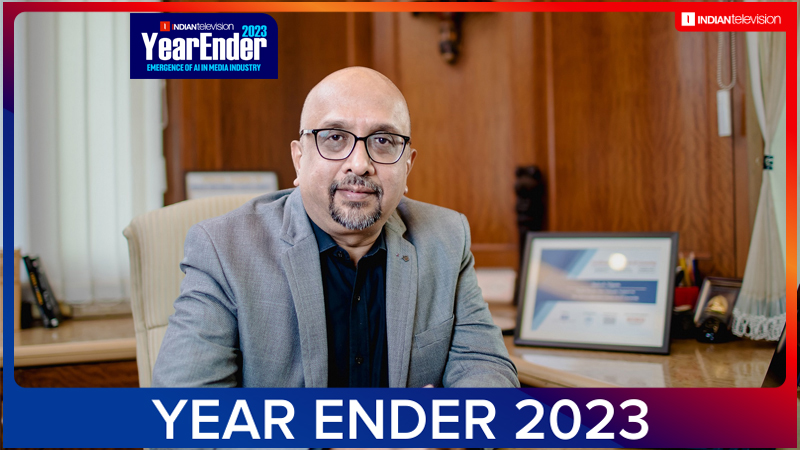
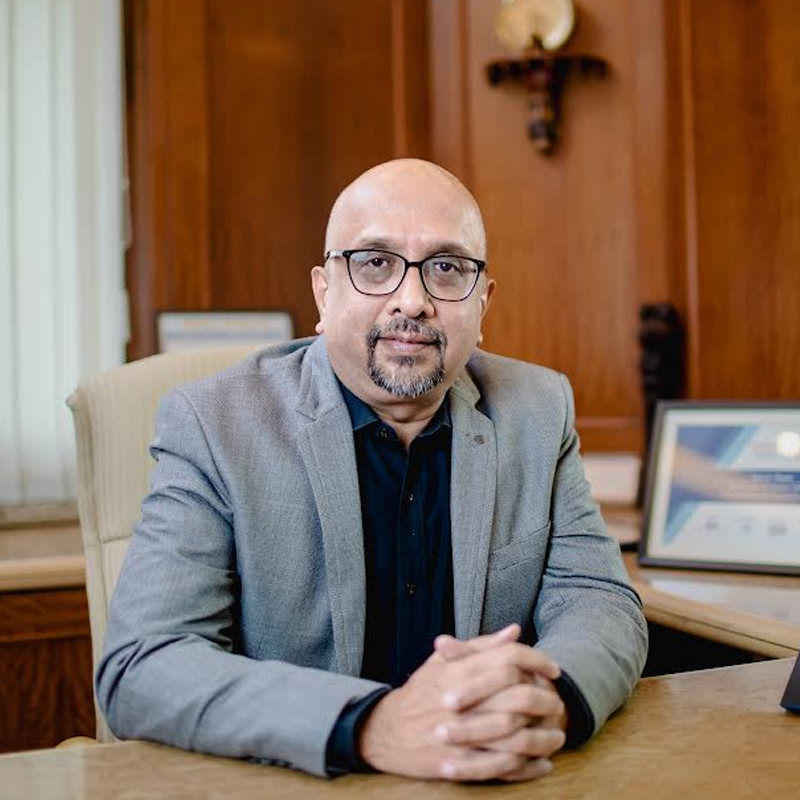
  • IP rights aren’t just for big artists; they’re crucial for creators at every level: IPRS’s Rakesh Nigam

    IP rights aren’t just for big artists; they’re crucial for creators at every level: IPRS’s Rakesh Nigam

    Mumbai: India’s music industry, a vibrant blend of tradition and modernity, is evolving rapidly with over 20,000 original songs created annually by around 40,000 artists. As global digital platforms like YouTube and Spotify reshape how music is consumed, protecting the rights of these creators has become more crucial than ever.

    The Indian Performing Right Society (IPRS) is at the forefront of this transformation, navigating the challenges of digital distribution and global IP standards to ensure that Indian artists are fairly compensated and their work respected worldwide. As the industry adapts to these shifts, IPRS’s proactive measures highlight its commitment to safeguarding creators’ rights in a changing digital landscape.

    Indiantelevision.com’s Arth Chakraborty in conversation with IPRS CEO Rakesh Nigam delved deeper into how the organisation is tackling the evolving challenges of digital rights management and working to enhance protection for Indian music creators.

    Edited Excerpts:

    On the rise of global digital platforms impacting the protection of music creators’ rights in India

    The rise of global digital platforms has been both an opportunity and a challenge for music creators in India. On one hand, these platforms, including YouTube, Meta, Spotify, Apple etc, have provided unprecedented reach for our artists, allowing them to connect with global audiences. Our partnerships with these major digital service providers (DSPs) and OTT platforms have been transformative for IPRS and its members. They have not only increased royalty income but also provided significant global exposure to Indian music creators.

    However, the digital environment presents challenges, particularly regarding the value gap, the disparity between the value these platforms derive from music content and the revenue returned to the creators and publishers. A significant number of users access music for free on these platforms, resulting in substantial losses for creators and publishers who are not adequately compensated for their work.

    IPRS has been proactive in adapting to these changes, ensuring that our licensing models and royalty collection methods are aligned with the evolving digital landscape. We anticipate deepening our partnerships, with more tailored licensing agreements that reflect this evolution. New opportunities include increased monetisation options, access to detailed consumption data, and potential collaborations with international artists and creators. Through these initiatives, we are continuously working to protect our creators’ rights and ensure they are fairly compensated in this new digital landscape, while also enforcing their rights on a global scale.

    On the role that IPRS plays in aligning India with global IP standards

    We actively participate in international forums, collaborate with global copyright societies, and ensure that our practices are in sync with international norms. By doing so, we help bridge the gap between India’s traditional IP framework and the evolving global standards. Our initiatives, like the ‘My Music, My Rights’ campaign, are designed to raise awareness among creators about their rights and how to protect them.

    Additionally, our collaboration with neighbouring countries, such as Bangladesh through the WIPO Mentorship Programme, underscores our commitment to fostering a robust IP framework across the region. Our efforts are focused on not only protecting the rights of Indian creators but also ensuring that their works are respected and rewarded globally.

    On some challenges unique to India in managing IP rights in the music industry

    One of the unique challenges in India is the vast diversity of our music landscape, which includes a rich array of regional music and a large number of independent artists. This diversity complicates the implementation of a one-size-fits-all approach to IP rights management. Additionally, there is a widespread lack of awareness about the importance of IP rights among many creators, particularly in rural areas, making it difficult for them to protect and monetise their work effectively.

    Another significant challenge is the value gap, the disparity between the value derived by digital platforms from music content and the revenue that actually reaches the creators and publishers. This issue is particularly pronounced in India, where a substantial number of users access music for free through these platforms. As a result, creators and publishers face considerable financial losses, as they are not adequately compensated for their contributions.

    Piracy also remains a persistent problem in India, further exacerbating the difficulties in ensuring that creators receive fair remuneration for their work. Despite the progress we’ve made, the unauthorised distribution of music continues to undermine the value of IP rights.

    On the steps that IPRS is taking to educate emerging artists and creators about the importance of IP rights

    IPRS is a not-for-profit society, owned by its members, working to ensure they are fairly remunerated whenever their songs/music are utilised. This is the bottom line. Established in 1969, IPRS was built on the solid values of solidarity, resilience, equality, and transparency. We have launched several initiatives, awareness drives, seminars, workshops, round-the-year training sessions, tutorials, grants, and aids, as well as programs like ‘Credit The Creator’ – to acknowledge the creators of music publicly; music licensing drive Licence Liya Kya for fair pay and fair play of music; HerMusic, an initiative to encourage greater representation of women in music; multi-city member workshops ‘Learn and Earn’; CreativeShala, a platform to learn and engage with leading music-makers from the industry, and more. ‘My Music, My Right’ a nationwide workshop to raise awareness on music copyrights and providing support to music creators across the nation.

    We have been very active in speaking to members and listening to them. IPRS has been their voice on various platforms and in multiple institutions. We also launched a ready-to-access and technologically advanced member portal where members can now easily spot discrepancies or conflicts and can be in complete control of their work. Several result-oriented training programs and tutorials to familiarise our members with the registration of their works have also been designed during the period. Timely and accurate registration of works ensures better claims and royalties.

    On the lessons that India’s music industry has learned from global shifts in IP management

    One of the key lessons we’ve learned is the importance of adaptability. The global music industry has undergone significant shifts with the advent of digital platforms, and IP management practices have had to evolve accordingly. We’ve learned that it’s essential to be proactive in adopting new technologies and practices to ensure that our creators’ rights are protected in a rapidly changing environment. We’ve also seen the importance of collaboration, both within the industry and across borders, to address the challenges of IP management effectively.

    On the biggest misconceptions about IP rights in India’s music industry, and how is IPRS working to dispel them

    A common misconception is that IP rights are only relevant to big, established artists. In reality, IP rights are crucial for creators at every level. Many believe that copyright enforcement is weak or that it’s not worth the effort, which leads to complacency. IPRS is working hard to dispel these myths through our outreach and education programs. We’re showing creators that their rights are valuable and that they have the power to protect and profit from their work, regardless of their status in the industry.

    On IPRS supporting innovation while ensuring the protection of creators’ rights

    Innovation and protection go hand in hand at IPRS. We encourage creativity by ensuring that our licensing models are flexible and adaptable to new forms of music distribution and consumption. At the same time, we are vigilant in protecting the rights of our members. We invest in technology that allows us to track the usage of music across various platforms, ensuring that creators are fairly compensated for their work. By balancing innovation with protection, we create an environment where creativity can thrive.

    On the key areas where India’s IP framework still needs to evolve to match global standards

    While India has made significant strides in IP protection, there are still areas that need to evolve. We need support from relevant authorities and the government for proper enforcement of the law. There should be high penalties and strong repercussions for non-compliance to ensure that the law which has been made to protect is rights of the rightful owners has been adhered to.

    One key area is the enforcement of IP rights, where we need stronger legal frameworks and quicker resolution of disputes.

    Additionally, there needs to be greater awareness and understanding of IP rights at the grassroots level. Another area is the need for more robust data collection and reporting mechanisms to ensure transparency in royalty distributions. IPRS is committed to working with policymakers and industry stakeholders to address these gaps and bring India’s IP framework in line with global standards.

  • Daler Mehndi inaugurates IPRS ‘Soundscapes of India’

    Daler Mehndi inaugurates IPRS ‘Soundscapes of India’

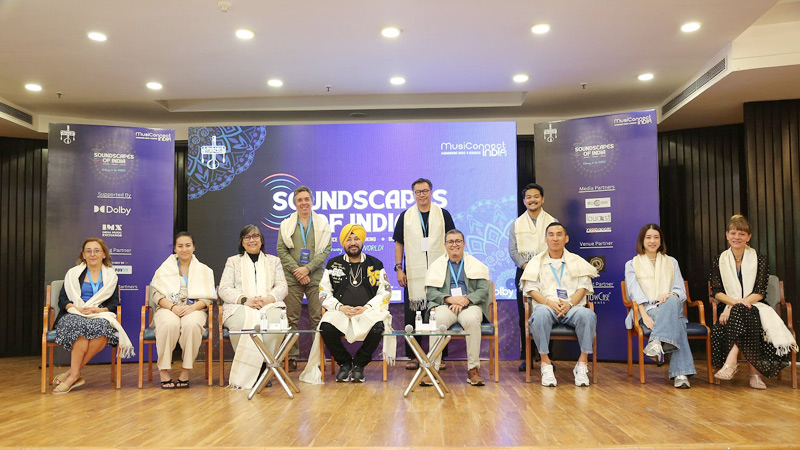
    Mumbai: IPRS (The Indian Performing Rights Society Ltd), the music copyright society in India representing authors, composers and publishers of music, kicked off their highly anticipated ‘Soundscapes of India: Gateway to the World’ with an electrifying inauguration led by Daler Mehndi at the India International Centre, New Delhi. The vibrant ceremony set the perfect tone for the global music celebration that followed.

    The opening day was highlighted by a fireside chat with Bhangra king and global pop star, Daler Mehndi, whose music has transcended borders to captivate audiences worldwide. Moderated by IMEA Dolby Labs Sr director commercial partnerships Karan Grover, the discussion offered a deep dive into Mehndi’s illustrious career, his contributions to Indian music, and the universal appeal of his work. The session underscored the enduring global resonance of Indian music and set the tone for the conference’s focus on expanding India’s musical footprint internationally.

    “The inauguration of ‘Soundscapes of India’ by the legendary Daler Mehndi truly set the stage for what promises to be a groundbreaking celebration of Indian music on the global stage. As IPRS marks its 55th anniversary, we are thrilled to witness India’s rich musical heritage come alive through this event, opening doors for our creators to shine internationally. This is not just a conference—it’s a bold step towards making Indian music a global force,” commented IPRS CEO Rakesh Nigam.

    Following the fireside chat, the conference hosted its first panel discussion, titled “The Time is Now: Amplifying India’s Presence on the Global Music Stage.” This session brought together industry heavyweights, including Believe Digital MD Vivek Raina, Paytm Insider COO Varun Khare, and Sziget Festival director Marina Pommier. The panel explored innovative strategies to enhance India’s global music presence, particularly through digital platforms and international collaborations. The discussion highlighted the critical role that technology and partnerships play in elevating Indian music on the world stage.

    The inaugural day also featured a special fireside chat celebrating 74 years of the Indian Council for Cultural Relations (ICCR) and its pivotal role in promoting Indian music globally. ICCR deputy director general Abhay Kumar, and Businessworld Group chairman and  editor-in-chief Anurag Batra shared insights on ICCR’s efforts to elevate Indian music and culture on the international stage.

    The successful start of the ‘Soundscapes of India: Gateway to the World’ conference underscores India’s rising stature in the global music industry. The inaugural day set the stage for further engaging discussions, networking opportunities, and international collaborations over the next two days.

  • Raga to Rock: Launching the My Music, My Rights campaign by IPRS

    Raga to Rock: Launching the My Music, My Rights campaign by IPRS

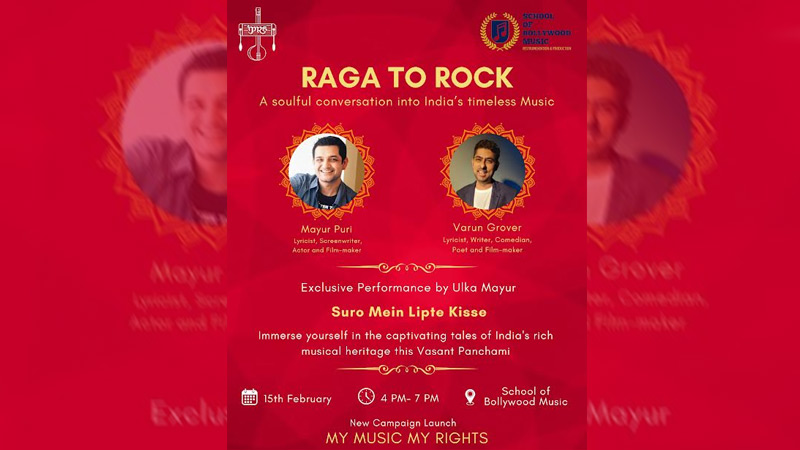
    Mumbai: IPRS is set to launch its nationwide campaign, “My Music, My Rights,” through an engaging and insightful event titled, “Raga to Rock,” on 15 February 2024. This initiative seeks to spark a national dialogue on the inherent value of music and the necessity of supporting the creators and their creativity for a sustainable music industry.

    Music holds an integral place in India’s cultural tapestry, with references to it found in ancient texts. Tracing back to ancient times, India’s profound musical heritage is deeply rooted in its sacred texts. Brahma, the creator deity, is credited with deriving music from the celestial chants of the Sāma Veda, symbolizing the heavenly world itself. Alongside Brahma, deities such as Vishnu, the preserver, and Shiva, the destroyer, are revered as patrons of music, underscoring its intrinsic connection to spirituality and culture. In the divine pantheon, Sarasvati, the goddess of music and knowledge, occupies a central role. Consort of Brahma, she is depicted as being well-versed in playing the Veena, a stringed instrument, and is revered as the embodiment of artistic expression and wisdom.

    While India’s musical heritage is celebrated worldwide, music creators and those envisaging a full-time career in music often face significant challenges in earning a sustainable livelihood from their craft.

    According to the recent study by EY titled ‘The Music Creator Economy: The Rise of Music Publishing in India’, India generates over 20,000 original songs annually contributed by 40,000 music creators, directly or indirectly generating over INR 12,000 crore in revenues each year. However, many in their career as a creator find themselves grappling with financial challenges. Out of 500 creators surveyed, 87 per cent of respondents would have liked to make a living off their music alone, but only 60 per cent were able to do so. A majority strongly believed that they needed to learn more about music production and how to better monetise their music. Only 56 per cent of respondents had access to the equipment and infrastructure required to produce music. While India consumes more music per capita than the world average, it ranks 14th in recorded music revenues. In contrast, publishing revenues are ranked 23rd due to various issues like lack of legal clarity and consequently, low compliance. The significant disparity between the vast volume of music produced and the limited earnings of many creators within the industry, exacerbated by a widespread lack of understanding about the music business, underscores the urgent need to bridge this gap, a mission at the heart of the campaign.

    The campaign “My Music, My Rights” seeks to bridge this divide by raising awareness and providing support to music creators across the nation. The report also highlighted that 33 per cent of music released, comprises regional content, indicative of India’s diverse musical landscape. Yet, challenges such as accessibility, copyright awareness, and publishing rights hinder the rightful recognition and compensation of artists. Through a series of workshops, and seminars, both online and offline sessions, amongst other activities conducted nationwide, IPRS endeavours to address these hurdles and empower creators to navigate the intricacies of the industry effectively.

    The “Raga to Rock” event, scheduled on the auspicious occasion of Vasant Panchami, dedicated to the goddess Sarasvati, symbolizing music and knowledge, takes on added significance against the backdrop of India’s profound musical heritage. The program will feature enlightening narratives by eminent author, poet, actor, and film director Varun Grover and leading songwriter, film director, and IPRS board member Mayur Puri, shedding light on India’s rich musical heritage and its evolution to the present day. Additionally, a captivating musical drama, ‘Suro Mein Lipate Kisse’, curated by the very versatile writer and storyteller Ulka Mayur will offer a visual depiction of this musical journey.

    Commenting on the initiative, author, poet, actor, and film director Varun Grover, present at the event said, “As we gather to celebrate the rich tapestry of Indian music at ‘Raga to Rock,’ it’s a poignant reminder of the profound impact music has on our lives and culture. This event is not just about songs and melodies; it’s a platform to ignite vital conversations about recognizing and supporting creativity and those behind the creation. Let’s harmonize our voices to elevate the value of music and nurture it as a cornerstone of our nation’s cultural identity.”

    Sharing his views,  IPRS CEO Rakesh Nigam mentioned, “As the music industry reaches new heights, songwriters, composers, and independent creators must be well-versed in their rights and equipped to build sustainable careers. At IPRS, we prioritize empowering music creators through education and expertise. Recognizing the rich musical heritage and the immense value of music in our lives, let’s acknowledge our collective responsibility as a nation to support, nurture and foster the music of our land towards a thriving and enduring future.”

    The climax of the event will be the unveiling of the “My Music, My Rights” campaign elaborating its objectives and strategies through a short presentation. This launch event not only signifies a crucial step towards empowering music creators but also underscores the collective commitment to preserving and nurturing India’s diverse musical landscape for generations to come.

    This exclusive event is specifically designed for music creators and professionals in the industry, providing them with valuable knowledge and resources to navigate today’s evolving landscape of music and royalties.

  • IPRS to empowering new and upcoming artists at Deccan Alternative Music Conference 2024

    IPRS to empowering new and upcoming artists at Deccan Alternative Music Conference 2024

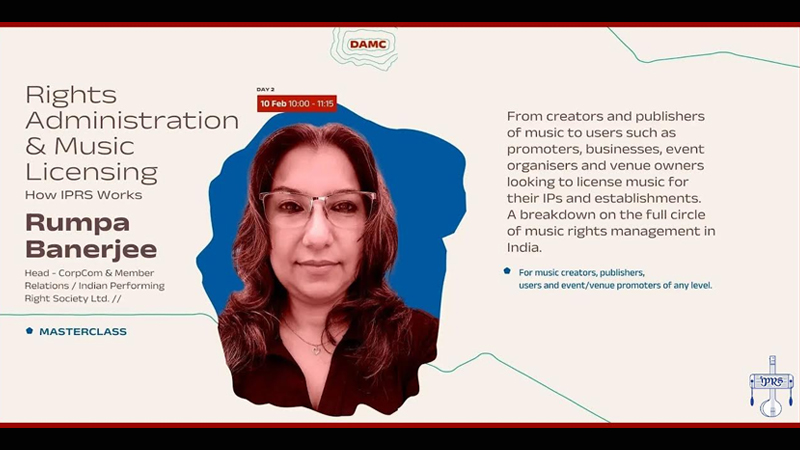
    Mumbai: The Indian Performing Right Society (IPRS) is set to mark its presence at the Deccan Alternative Music Conference, scheduled from 9 to 10 February in Bengaluru. This initiative aims to enlighten and empower musicians from the region, shedding light on crucial aspects of the music business covering copyright, royalties, and the role of music copyright societies in safeguarding creators’ rights.

    In an era where music is not just an art but a thriving industry, understanding music copyright is paramount, IPRS has always endeavoured to make musicians aware of their rights. Music copyright protects the intellectual property of creators, ensuring they receive due recognition and compensation for their work. It encompasses the rights of composers, songwriters, and independent artists, offering them a legal shield in the ever-evolving music landscape.

    Music copyright societies play a pivotal role in safeguarding the interests of creators. Rights management societies, like IPRS, act as custodians of creators’ rights, managing and licensing their music to ensure fair compensation. By joining a copyright society, music creators gain a powerful ally in navigating the complexities of the music industry, ensuring that their music is duly protected and monetized.

    For creators, royalties serve as a consistent source of income. IPRS, as a govt. authorised music copyright society, actively collects and distributes royalties on behalf of its members, turning creative endeavours into a sustainable livelihood. Understanding the nuances of royalties is crucial for artists to maximize their earnings and foster a thriving music-creator economy.

    As part of the Deccan Alternative Music Conference, IPRS is hosting an insightful workshop aimed at demystifying music copyright and licensing, the role IPRS plays in managing creator and publisher rights, and their right to royalties. IPRS will guide participants through the benefits of being represented as a community, ensuring due credits through data registration, and providing valuable insights that will help boost their musical journey.

    In addition to the workshop, IPRS is organizing an exclusive enrolment boot camp during the conference. Independent artists, songwriters, and composers can seize this opportunity for on-the-spot registration. This initiative is designed to empower creators by facilitating seamless access to the benefits of IPRS membership.

    Creators attending the Deccan Alternative Music Conference, are encouraged to participate in the workshop and enrolment boot camp, gaining valuable insights and establishing direct connections with the IPRS team. The conference promises not just a platform for musical expression but also a gateway to unlocking the full potential of a creator’s work.

    IPRS invites all independent artists, bands, songwriters, and composers to be part of this enriching experience. Mark your calendars for the Deccan Alternative Music Conference, and embark on a journey to enhance your understanding of music copyright, royalties, and the transformative role of IPRS in shaping the music industry.

    Commenting on this, singer, composer and IPRS member Bindhu Malini said, “As a member of IPRS, I am aware of how critical it is to understand and protect our rights as a creator in the dynamic music business. The Deccan Alternative Music Conference offers a priceless forum for knowledge, networking, and understanding the nuances of the music business to new and upcoming artists and music creators. Being a member of IPRS means more than just financial returns; it’s about joining a global community of music creators, where IPRS acts as a strong ally, advocating for my cause and safeguarding my rights. Glad to be part of this journey.”

    Adding to this, The Indian Performing Right Society Ltd CEO Rakesh Nigam said; “As we participate in the Deccan Alternative Music Conference, our focus is on empowering creators hailing from the vibrant musical landscapes of the region. A special thanks to the organisers of the Deccan Alternative Music Conference, for crafting this unique space where regional talents can amplify their understanding of the music business. Through strategic collaborations and extensive outreach, our goal is to reach every artist, transcending geographical boundaries, and making sure they are well-versed about the opportunities and protections that await them in the rapidly evolving music industry.”

    The Indian music industry is witnessing unprecedented growth, transcending borders. Independent and non-film music is gaining popularity and winning fans across geographies. But it is alarming that a vast majority of songwriters are unaware of their rights, the clauses outlined by the Copyright Law in favour of music creators, and how to protect their rights and rightful dues. IPRS has been incessantly working towards empowering and educating music makers on matters that shape their careers and help them reap more from their creations. IPRS’s participation at the Deccan Alternative Music Conference, is a step towards that.

  • Art Meets Tech: IPRS unravels the dynamics of AI and creativity at Kala Ghoda Art Festival 2024

    Art Meets Tech: IPRS unravels the dynamics of AI and creativity at Kala Ghoda Art Festival 2024

    Mumbai: The Indian Performing Right Society (IPRS), the forefront organisation in safeguarding the rights of creators and publishers in music is hosting an insightful panel at Kala Ghoda Art Festival 2024 on 28 January at 11 AM. The panel will take place at The Blue Box by Antiquity Natural Mineral Water at YB Chavan Centre. The session promises an insightful discussion on the integration between Artificial Intelligence (AI) and creativity with a distinguished panel of speakers including leading creators and industry experts Shalmali Kholgade – Singer-Songwriter, Raghav Meatle: Singer-Songwriter and founder First.wav; Sherrin Varghese (Band of Boys) – Musician-Actor, Himanshu Bagai – Senior Advocate IP and Copyright. The session will be moderated by Chaitanya Chinchlikar educator in the Film, Media, and Creative Arts industry.

    The session will explore the significant impact of Artificial Intelligence (AI) on Creators and Creativity, shedding light on its rapid integration into the creative industries. Drawing examples of AI applications in music, art, writing, and various creative fields the panel will showcase AI’s growing role and adaptation. The panel will emphasize AI’s potential to enhance the creative process for artists, emphasizing collaboration over replacement. Furthermore, the discussion will address concerns about job displacement and contemplate the ethical implications of integrating AI into the creative process. Deliberations will also extend to the adaptation of copyright laws to accommodate the distinctive features of AI-generated works.

    Speaking about the panel, Singer-songwriter Shalmali Kholgade expressed, “As an artist, I’m thrilled to be part of the upcoming panel discussion at Kala Ghoda Art Festival with IPRS, speaking about the fascinating realm of Artificial Intelligence and its impact on creativity. It’s an exciting opportunity to explore how AI is becoming an integral part of the creative industries, shaping the way we approach music, art, and writing. Looking forward to the engaging session that sparks new ideas and perspectives in the ever-evolving landscape of creativity and also to see the collaborative possibilities between human creativity and technology”.

    Commenting on the topic of the panel,  IPRS CEO Rakesh Nigam said, “This discussion is pivotal for addressing the dynamic landscape of music in the era of AI-generated content, navigating job concerns, and ensuring the protection of creators’ rights through appropriate IP laws. It’s time to delve into the challenges and opportunities presented by AI, examining its impact on creators and their careers. IPRS eagerly hosts this dialogue to explore the synergy between AI and human creativity. We envision a future where technology and human ingenuity collaboratively produce extraordinary results.”

    Attendees can expect an exploration of potential AI innovations and advancements that hold the power to transform the way creators operate, paving the way for a dynamic and innovative future at the intersection of technology and artistic expression. Fostering an interactive and inclusive environment, the session will encourage a lively exchange of questions and insights from the audience. Join IPRS at the Kala Ghoda Art Festival 2024 for an insightful discussion on the evolving relationship between AI and creativity, and the boundless possibilities it presents.

    Event details:  

    Panel Discussion: AI and its impact on Creators and Creativity at the Kala Ghoda Art Festival 2024

    Speakers: Shalmali Kholgade: Singer-Songwriter; Raghav Meatle: Singer-Songwriter; Sherrin Varghese (Band of Boys): Musician-Actor; Himanshu Bagai: Senior Advocate IP and Copyright

    Moderator: Chaitanya Chinchlikar educator in the Film, Media, and Creative Arts industry

    Date: 28 January 2024

    Time: 11 AM IST

    Venue: The Blue Box by Antiquity Natural Mineral Water at YB Chavan Centre

  • The year that was: 2023 and the forecast for 2024 in the Indian music industry

    The year that was: 2023 and the forecast for 2024 in the Indian music industry

    Mumbai: The sonic landscape of the Indian music industry underwent a profound transformation in the year 2023. As it is constantly colliding with international styles and ideas, fresh and transformative compositions are widely noticeable in the current music scene. Artists, emboldened by the freedom afforded by online music streaming platforms, experimented with novel sounds, pushing the boundaries of creativity. This surge in experimentation marked a departure from traditional norms, fostering a rich tapestry of diverse musical expressions that resonated with audiences across linguistic and cultural divides.

    Despite the challenges, India’s music publishing industry has shown promising growth, reaching *Rs 850 crore plus in the fiscal year 2022-23. The support from the Government of India and the increasing compliance of music users with publishing requirements have contributed to this success.

    At the heart of this musical revolution was the influence of online music streaming platforms. These platforms not only facilitated the discovery of new genres but also played a crucial role in breaking the language barrier. With sophisticated algorithms curating personalized recommendations, listeners were introduced to a spectrum of music beyond their linguistic comfort zones. This democratisation of musical access paved the way for cross-cultural appreciation and marked a significant step towards fostering inclusivity within the industry.

    One of the standout features of 2023 was the substantial increase in artist revenues. With the advent of streaming platforms and the surge in digital music consumption, artists found new avenues to monetize their craft. Streaming services not only provided a wider audience reach but also contributed significantly to the overall revenue generated by the music industry.

    Also, a heartening development was the post-pandemic reemergence of live shows and public performances. This opened up long-clogged revenue-generating avenues for interested parties while rejuvenating the performers and music creators with a deluge of opportunities most of which had practically disappeared during the pandemic.

    The year 2023 witnessed the growth of independent artists and continued to flourish, breaking away from traditional industry constraints. With the democratisation of music production and distribution, these artists found platforms to showcase their talent and build dedicated fan bases. The growing trend of supporting independent artists marked a shift in the dynamics of the music industry, allowing for diverse voices to be heard.

    Independent musicians in the year have been bolstered by the ready acceptance of their tracks in adorning film soundtracks, thus thinning the line between mainstream and alternative music. With collaborations between Carnatic musicians and hip-hop, jazz, rap performers, gaining traction in unexplored turfs in far-flung locales, the distance music bridges is limited only in the mind. Going ahead, collaboration between musicians across the planet is sure to add a newly-harvested dimension to the global music ecosystem.

    In an era where opportunities and challenges coexist, the equitable compensation and fair-trade practices in music will undoubtedly shape the future of the industry. Every little increment in revenue generation earnings is a welcome addition to the continued growth of any industry. The music business, fortified by the amazing incremental growth curve ushered in by a level playing field, is at an inlection point where revenue opportunities for musicians are being generated at every level. The larger picture though, would be far more salubrious if the benefits accruing trickle down in fair proportion to all entities in the mix including the promoters and the creators. Complying austerely to these significant lead-ups over the year is the only way to see that the creators – the heart of the music industry- are benefited in the right proportion and fairly thus encouraging even better musical content and a vibrant music industry in the coming times.

    In the context of India’s thriving music industry, The Indian Performing Right Society (IPRS) emerged as a key player, actively contributing to the growth and sustainability of the sector. With over 13,500 authors as its members, IPRS has been instrumental in ensuring that music creators receive their due royalties. The manifold increase in revenue collection in the year creating a new benchmark of Rs 564 crores also made room for a much bigger purse for the creators as the IPRS went on to disburse frequent and better royalties to its members.

    A noteworthy development this year includes IPRS’s partnership with LyricFind, presenting fresh opportunities for monetizing lyrics and acknowledging the significance of this frequently overlooked element in music creation. Furthermore, the recent collaboration between IPRS and the Korea Music Copyright Association (KOMCA) underscores IPRS’s dedication to providing its members with novel avenues for creative expansion, nurturing innovation, and elevating Indian talent onto the global stage.

    Affirming its position as a prominent music copyright society in the Asia Pacific region, IPRS recently organized the dynamic International Musical Creators seminar in Mumbai, on behalf of CISAC and the Asia Pacific Music Creators Alliance (APMA). This gathering, attended by key figures in the creative, administrative, and music industry sectors on a global scale, also marked the release of a meticulously crafted report by EY titled “The Music Creator Economy: The Rise of Music Publishing in India.” This groundbreaking report aims to encapsulate the state of music publishing in India, offer perspectives on its relevance and market potential, and, notably, present the results of a survey featuring insights from 500 music creators—a first-of-its-kind initiative in India.

    In another milestone, IPRS hosted the CISAC Asia Pacific Committee Meeting 2003, further solidifying its commitment to represent India on a global forum.

    Commenting on the future, in 2024, Artificial Intelligence (AI) will emerge as a transformative force in the music industry, reshaping the creative landscape. Creators navigate an AI-driven world, exploring new dimensions of music creation through intelligent algorithms, while industry experts will provide insights, guiding creators in adapting to AI tools and technologies.

    The coming years, will witness the transformative influence of artificial intelligence, ready to influence the course of musical evolution by harmonizing technology and creativity. Situated at the crossroads of tradition and innovation, it will be critical for the Indian music industry to utilize AI to advance artists, nurture emerging talent, and extend its global presence, while ensuring robust regulatory frameworks upholding creators’ rights.

    Striking a harmonious balance between technological advancements and preserving the essence of cultural music forms will be pivotal. The industry stands at the cusp of navigating these challenges, presenting opportunities to shape a future where technology and tradition coalesce to create a musical panorama that resonates with the hearts of a global audience.

    This year has seen digital revenue surpassing other sources, and this trend is expected to persist in the coming years. Nevertheless, a key focal point will be compliance, necessitating a societal shift towards recognizing the value of paid music consumption. As I always say, ‘music isn’t free’. Music holds a special place in our hearts and is a beautiful outcome of the dedication and passion of creators who invest their lifetimes crafting songs that enrich our moments of joy and sorrow. And I believe it’s time we acknowledge and value it.

    *Source: The Music Creator Economy: The Rise of Music Publishing in India study by EY India

  • IPRS inks MOU with KOMCA

    IPRS inks MOU with KOMCA

    Mumbai: The Indian Performing Rights Society (IPRS) and KOMCA (Korea Music Copyright Association) have signed an MOU, whereby KOMCA and IPRS join hands to organise events that aim to enhance awareness, knowledge, and collaboration in the field of copyright (e.g. seminar on the latest copyright issues for the music industry), music creation (e.g. song-writing camp), and collective management (e.g. sharing experiences on best practices) for music creators. Fostering cross-border music between India and Korea.

    Music is the core cultural wealth of nations like India and Korea with melody being at the heart of popular music. Indian music with its legendary legacy emanating from its various regions has been a  top draw across the world. Blessed with catchy rhythms and chorus sections like Indian music, Korean Pop music is globally, well-received and amenable to blending with Indian music in its true elements. This, we believe, is just the beginning of a deeper association between the music talents of the two countries and will add a slew of listeners, consequently upping revenues. Given the open world we inhabit, it is in the best interest of the creators on both sides to be cognizant of their rights to maximize their earning potential. The MOU’s intent to arm the creators with this basic know-how has to be viewed in this light.

    With the IPRS ever alert to widening the reach of the Indian music industry, it was only a matter of time before a solid MOU between the two associations came to fruition. The MOU is the true harbinger of an expansion phase that will give the music industry a wider spectrum. IPRS members and other Indian artists are also in line for better royalties, recognition and newer opportunities with this new development.

    Legendary lyricist, screenwriter, poet, and IPRS chairman Javed Akhtar expressed his satisfaction with the same, stating, “The recently established collaboration with KOMCA ushers in a transformative period, encouraging a dynamic interchange of creation between India and Korea. Our narrative revolves around breaking down barriers, creating opportunities, and envisioning a world where creators and creativity flourish. We look forward to more collaborative initiatives for our members in the near future. “

    Commenting on the same, IPRS CEO Rakesh Nigam shared his thoughts on the collaboration, stating, “The MOU with KOMCA represents a pivotal step in fostering a dynamic cross-cultural music exchange between India and Korea. This collaboration symbolizes our commitment to nurturing creativity while ensuring creators’ rights are protected. The MOU is poised to be a pivotal step in creating a transformative journey that opens up new avenues for creative partnerships and innovation among our esteemed creator members.”

    KOMCA general manager Giseob You shared his views stating “KOMCA x IPRS MOU paves the path towards a stronger bond between the two societies. Korea Music Copyright Association (KOMCA) and IPRS, representing the author-composers of two musically rich countries, will now work together to spread awareness on creators’ rights and create new opportunities for the promising talent of both countries through music collaborations and partnerships.”

  • IPRS marks 54th anniversary with launch of “IPRS Learn & Earn – Indie Edition”

    IPRS marks 54th anniversary with launch of “IPRS Learn & Earn – Indie Edition”

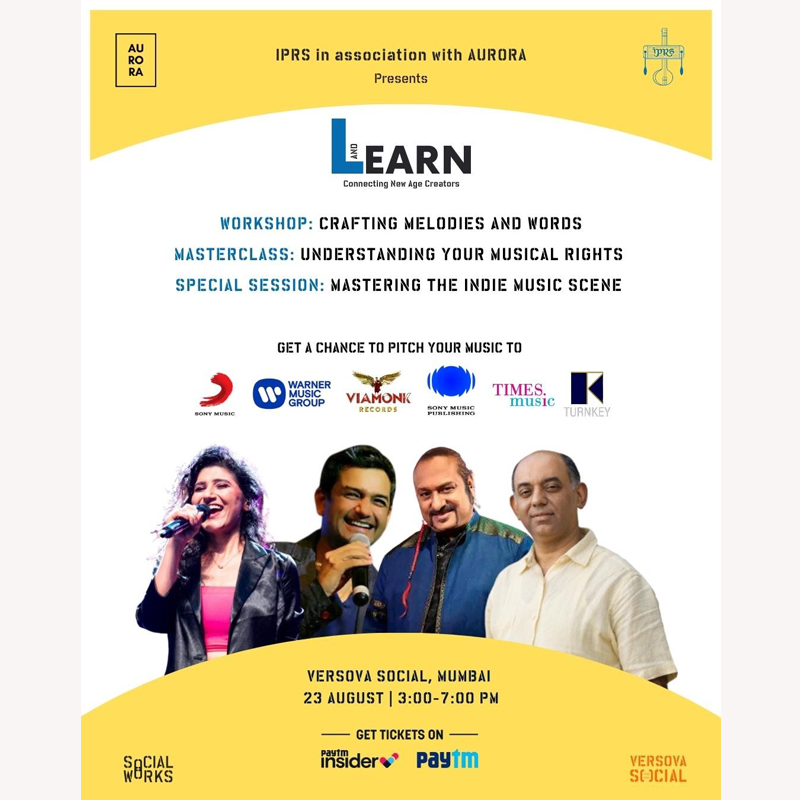
    Mumbai: The Indian Performing Right Society (IPRS) is delighted to announce the launch of the IPRS Learn & Earn – the Indie Edition on 23 August. Building upon the success of the previous IPRS knowledge series ‘Learn And Earn,’ which gained remarkable momentum among IPRS members nationwide last year, this year’s initiative aims to take the program to new heights. Designed to engage budding creators and independent artists, the event’s launch on IPRS’s anniversary day holds special significance.

    Expanding from its role as a copyright society, IPRS is dedicated to nurturing and promoting fresh talent. The objective of the IPRS Learn & Earn – the Indie Edition is to empower budding musicians by offering them an exclusive avenue to interact with industry experts and established creators. Through this event, IPRS reaffirms its commitment to fostering emerging talent, facilitating the growth of music creators, and advocating for essential causes within the music community.

    The initiative is not just about copyright protection; it’s also about shaping the future of music. The event is a testament to IPRS’s pivotal role in uniting music creators, industry pioneers, and stakeholders. This dynamic platform strengthens the music community while highlighting IPRS’s contribution to promoting creativity, growth, and positive transformation.

    The event’s diverse line-up includes knowledge sessions tailored for independent artists, covering the Art of Songwriting, Establishing a Career as an Independent Artist, and Managing Rights as a Creator. Moreover, the event will feature a Creators Showcase & Music Listening session, providing emerging talents the opportunity to present their original works directly to influential A&R representatives and industry experts.

    Event Details

    Learn & Earn – Connecting New Age Creators

    Date: 23rd August

    Time: 3 pm – 7 pm

    Location: Versova SOCIAL, Mumbai

    This event offers an unparalleled chance for creators at all stages of their journey to be part of something truly extraordinary. Whether an aspiring musician eager to forge a successful music career or an experienced creator seeking fresh insights, this event is tailor-made to elevate their musical journey and equip them with invaluable knowledge.

    Event Highlight

    Crafting Melodies and Words – The Art of Songwriting: Led by singer-songwriter producer Shashaa Tirupati and renowned lyricist and screenwriter Mayur Puri, this workshop is a deep dive into the heart of songwriting. Participants will explore the intricate interplay between melodies and lyrics, mastering the art of music production that resonates with the audiences.

    Mastering The Indie Music Scene by Leslie Lewis: New-age creators get an opportunity to join music maestro Leslie Lewis to unlock the secrets of thriving as an independent musician and gain invaluable advice, proven strategies, collaboration insights, and a dose of inspiration to flourish in the competitive music landscape.

    Managing rights as a creator: The session is designed to arm the artists and songwriters with the knowledge needed to safeguard their creations, ensuring they receive the recognition, credit, and value they deserve.

    Creator showcase & networking: The event will offer a platform for budding talent to present their original compositions to influential A&R representatives and forge connections with fellow musicians, leading creators, and industry experts, laying the foundation for future collaborations and opportunities.

    IPRS CEO Rakesh Nigam commented on the event stating, “As we assemble under one roof on August 23rd, we’re not only commemorating a milestone; we’re celebrating the spirit of innovation and transformation that defines IPRS. As the music industry evolves, IPRS continues to lead this change, steadfast in creating a dynamic and inclusive community for music creators. With a focus on education, collaboration, and empowerment, IPRS reaffirms its role as a driving force behind the success of creators in the ever-evolving landscape of the Indian music industry. I take this opportunity to thank all distinguished guests, mentors, and our panel of experts, without whose wholehearted support this event wouldn’t have been possible.”

  • Indian Performing Right Society targets Rs 60 crore revenue from public performance, says CEO Rakesh Nigam

    Indian Performing Right Society targets Rs 60 crore revenue from public performance, says CEO Rakesh Nigam

    Mumbai: During the past two Covid infected years on-ground events took a severe hit. This had an extremely negative impact on the revenues generated from live events and public performance of music. However, with normalcy returning The Indian Performing Right Society (IPRS) CEO Rakesh Nigam is optimistic about generating revenue of Rs 60 crore from public performance for the current fiscal. The revenue generated will increase from fiscal 2019-2020 (pre-covid), which was Rs 52 crore. The overall revenues generated at IPRS from across verticals for the fiscal are pegged to be above Rs 300 crore.  

    “IPRS has started engaging with a lot of people. We have taken a proactive stand with the users, who are also coming out of the pandemic. We will consider giving them discounts and ask them to pay for music.  People are now positive about taking licences. We have boosted our on-ground team to meet the growing requirement. We have adopted a 360-degree approach and are trying to motivate people to get licences to play music in public. We also try and give discounts to coerce them to take licences.”

    He adds that there is more advertising taking place on digital platforms like YouTube which will benefit the music industry. There is a revenue share and so there will be income growth. However for subscription-driven OTT platforms or music used for television, there won’t be an impact from ad revenue. The festive season has more of an impact on public performance and on anything that is driven by revenue share. “The festive season for us in public performance is a full six-month period. It starts in October and goes on till March. In the summer, things slow down and during the rainy season not much happens. Apart from this, in October corporate events, general events, parties, etc., all start taking place.

    The mood today is very positive. We expect a growth in consumption, which was on a standstill for the past two years.  As malls have opened, footfalls in theatres have increased. Things are looking bullish across the country. Recently, malls had stopped using music to cut down on costs and save every penny. Now they are willing to spend money and take licences. They use music in the background to create the right ambience.,” Nigam points out further.

    “The fervour is across the country. Everyone is waiting to go out and break the shackles, be free and enjoy. So, retail sales are going up. Malls are quite positive. The mood picked up in August. The festive season is Diwali through Christmas.” IPRS, he says, has started engaging with clients. They had asked for discounts in the previous two years which the IPRS had agreed to help during a very difficult period.

    In terms of the growth in the number of artists and music publishers, the growth has been over 50 per cent, he says. “During the lockdown, we made everything digital. We made the online application process as smooth as possible. Only the signature on the statutory documents has to be done offline. We have also held digital seminars and campaigns to reach out to music creators and publishers to tell them that IPRS is a society to extend support. We also reached out to music authors and composers who felt the brunt of Covid. We gave financial support. This sent out a positive message that we are an organisation that does not just collect royalties. We also help when it is required. As a society, we help the less privileged members. We gave financial relief to a lot of members during the pandemic. As a result of all our initiatives to help and support we have also grown in numbers. From 4,000+ we are now a community of over 9000 songwriters, composers and music publishers from across the country. We have seen this growth in the past three years. During seminars, we focused on the fact of learning and earning. We educated people on the new things that are shaping the music industry and careers of those associated with it. How can they be at par with things happening around beyond music creation? What is happening on platforms like Youtube? What is metadata? And all that is relevant for them to reap the best benefits as a creator and publisher.”

    IPRS also aims to educate music users through our campaign that speaks about fair pay and fair play of music. #LicenseLiyakya? is the message. “Why not pay fairly for the usage of music? This encourages creativity. 90 per cent of people online listen to music. We are bullish. Why not ensure that you subscribe and pay for music? That is how we have come up with the campaign. If there is no music at your event, how will it sound? Please help us serve you better by paying for the music. This will encourage authors and composers to create better music for them.” In terms of IPRS members, he said that they can play their role by letting copyright societies like IPRS know where their music is being played. “They also have to push to see that those places obtain a licence as that will only benefit the music creators and publishers.”

  • IPRS launches a campaign ‘#ImagineLifeWithoutMusic’ this festive season

    IPRS launches a campaign ‘#ImagineLifeWithoutMusic’ this festive season

    Mumbai: With the arrival of the holiday season, the Indian Performing Rights Society (IPRS) has launched a campaign titled “#ImagineLifeWithoutMusic.” IPRS said that it is India’s only registered copyright society representing authors, composers, and music publishers.

    The campaign intends to draw attention to Fair Pay and Fair Play of Music. Music is an integral part of our lives, and as we grow up, it finds new meaning and relevance. It adds to the fervour when we celebrate and buoys us up when we feel low. Indian ceremonies and milestone moments are incomplete without music! According to Nielsen, 94 per cent of online consumers in India listen to music, and 71 per cent of them say that music is an important part of their lives.

    The last few months of the calendar year in India are punctuated with a slew of events and festivals. Celebrations through congregations of family and friends are a common sight. It is only expected that music will be one of the primary and most popular means of entertainment during these ecstatic moments. Emanating from every nook and corner around the country, music consumption at these celebrations is sky-scraping. Resonating with this, IPRS sets sail with its campaign to make us ponder what our lives would be like without music and to instil a sense of responsibility toward building a sustainable future for music and its creators.

    The campaign will emphasise the relevance of music and how mundane our lives and special occasions would be without it. IPRS stands for protecting its members’ bodies of work and their creation. Today, the copyright society has a robust domestic repertoire of over one million songs.

    As music is erroneously presumed to be free and readily available for consumption, IPRS is constantly working towards bringing a mindset change and going all out to right this wrong. IMI-IFPI Digital Music Study 2021 reveals that almost half of the survey respondents felt that they did not need to pay as anything they wanted to listen to was available for free.

    Lyricist and IPRS board member Sameer Anjaan said, “Even beginning to imagine life without music is one of the scariest thoughts one could have. How would it be possible to be deprived of the very aural oxygen that makes us savour every memorable moment? It is the music that makes them all the more extraordinary.

    “Music encompasses our lives since the moment we set ourselves afoot on the planet and remains an indelible part all the way through our journey. The importance of life in music cannot be overstated. As creators of music, we are overwhelmed by its gentle hold over us and give it our everything: imagination, thinking, skill, time, and energy. In fact, it would not be stretching the truth to say that, as music creators, we give it our life. This sojourn has to continue unabated for a better, happier, more complete world around us. It would be our best legacy for the coming generations.”

    IPRS CEO Rakesh Nigam said, “We are happy to announce our new campaign, “#ImagineLifeWithoutMusic,” to create awareness and highlight the importance of music in our lives and the institutions that depend on music to run their business. We want to encourage music users and organisers to purchase a music licence for playing music at events and commercial outlets. Hope we realise that, like other things in our daily life, we need to pay for music too. Music is more than an industry. It is a cultural powerhouse. Though music creators have embraced this profession through passion, we cannot retain talent if we do not pay their rightful dues. To deny royalties to the creators will ultimately weaken the cultural fabric of the nation. We take this opportunity to thank our Fair Music Partners for their support in upholding music licensing and ensuring those behind the music get their rightful dues.”

    According to the EY-FICCI report, the Indian music segment grew by 24 per cent in 2021. About 90 per cent of revenues were earned through digital means, though most of it was advertising-led, with only three million paying subscribers. An overwhelming majority of people still refrain from paying for the music they listen to.