Tag: Rajyavardhan Rathore

  • Overhaul and strengthening of DD in full swing

    Overhaul and strengthening of DD in full swing

    NEW DELHI: Twenty studio centres of Doordarshan are being renovated with replacement of old ageing equipment as part of the 12th Plan Schemes, the Parliament has been told.

    In addition, old 100 W Low Power Transmitters (LPTs) are being replaced by 500W Automode LPTs, and upgradation is underway of 18 existing Earth Stations and replacement of Digital Satellite News Gathering System (DSNG).

    The minister of state for information and broadcasting Rajyavardhan Rathore said in reply to a series of questions that these are part of some schemes of modernisation/ upgradation of Studios, Transmitters and Satellite Broadcast equipment which have been approved.

    Replacement of old transmitters (LPT & HPT) has enhanced the system’s reliability & performance quality of Doordarshan.

    Rathore said digital transmission has enabled the viewers to receive multiple TV channels in their fixed/mobile receive sets with suitable additional hardware.

    With the induction of digital equipment, technical quality of programme production and post production has improved.

    Doordarshan has 228 High Power Transmitters (HPTs) and 806 Low Power Transmitters (LPTs) in its terrestrial TV network.

    Doordarshan has been assigning priority to strengthen TV coverage in border areas of the country. Special packages for expansion and improvement of Doordarshan services in the border areas have been formulated from time to time.

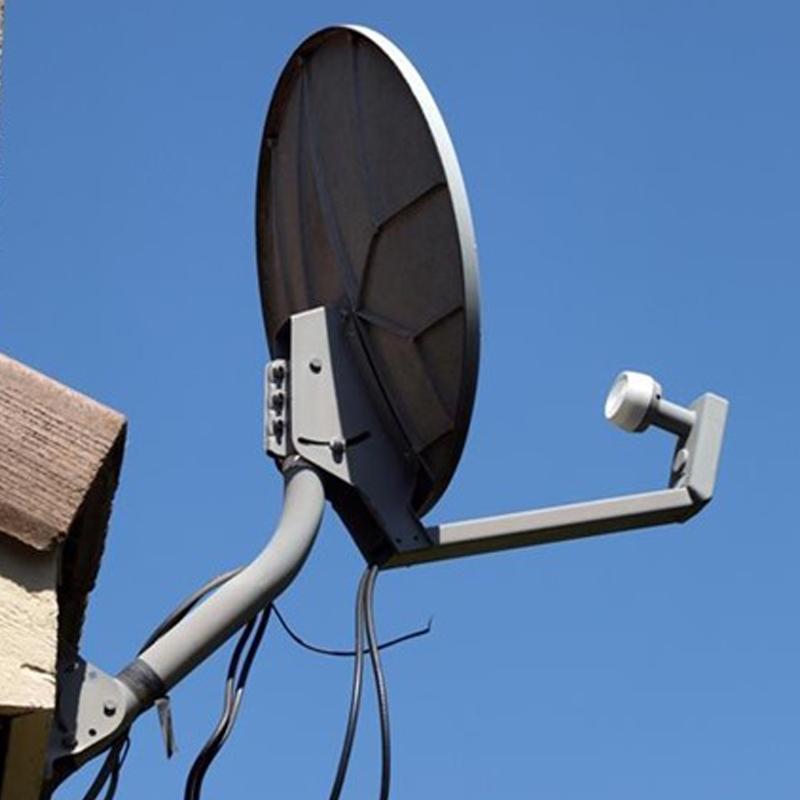
    Doordarshan’s FreeDish DTH signals can be received anywhere in the country including border areas with the help of small sized dish receiving units.

    The Minister said the technical quality of Doordarshan transmission both in satellite and terrestrial mode along the border areas is quite satisfactory.

    As part of continuing schemes of the 12th Plan, transmitter projects approved for implementation in Jammu and Kashmir are High Power Transmitters (HPTs) at Green Ridge; at Himbotingla, Natha Top (Patnitop), and at Rajouri (for DD National and DD News).

    The target to complete these projects in phased manner has been set for about two years.

    In Gujarat, three transmitters HPT Bhuj, LPT Punandhro and LPT Rapar are in operation in Kutch district. Parts of the district are covered by HPT Radhanpur. An old ageing HPT at Bhuj was replaced by new 10 KW HPT in 2015.

  • Most film-friendly state to get Rs 1-cr cash award

    Most film-friendly state to get Rs 1-cr cash award

    NEW DELHI: The most film-friendly state in India will henceforth receive a cash award of Rs 10 million (Rs 1 crore) in addition to Rajat Kamal and certificate.

    This was announced by information and broadcasting minister M Venkaiah Naidu at the opening of the 28th State Information Ministers Conference (SIMCON) on Saturday.

    The award was instituted in the National Film Awards given away on 3 May this year, and the first award had gone to Gujarat. But, there was no cash component involved.

    The minister said this had been done to encourage the ease of film shooting. Naidu suggested that the prize money may be used by the winning state towards film facilitation. Meanwhile, the minister of state for information and broadcasting Rajyavardhan Rathore said a website was soon being set up for film facilitation and permissions.

    Rathore urged the states to set up film facilitation units to ease out film shooting permissions as well as ensure seamless movement of their equipment.

    The ministry was in the process of setting up a central portal for all such related permissions and welcomed states to also collaborate in this platform as a part of ease of doing business initiative, he added.

  • Most film-friendly state to get Rs 1-cr cash award

    Most film-friendly state to get Rs 1-cr cash award

    NEW DELHI: The most film-friendly state in India will henceforth receive a cash award of Rs 10 million (Rs 1 crore) in addition to Rajat Kamal and certificate.

    This was announced by information and broadcasting minister M Venkaiah Naidu at the opening of the 28th State Information Ministers Conference (SIMCON) on Saturday.

    The award was instituted in the National Film Awards given away on 3 May this year, and the first award had gone to Gujarat. But, there was no cash component involved.

    The minister said this had been done to encourage the ease of film shooting. Naidu suggested that the prize money may be used by the winning state towards film facilitation. Meanwhile, the minister of state for information and broadcasting Rajyavardhan Rathore said a website was soon being set up for film facilitation and permissions.

    Rathore urged the states to set up film facilitation units to ease out film shooting permissions as well as ensure seamless movement of their equipment.

    The ministry was in the process of setting up a central portal for all such related permissions and welcomed states to also collaborate in this platform as a part of ease of doing business initiative, he added.

  • DD, AIR asked to focus on content than reach

    DD, AIR asked to focus on content than reach

    NEW DELHI: The minister of state for information & broadcasting Rajyavardhan Rathore said that Doordarshan and AIR need to establish connect with the people not only geographically but also focus on the content and programmes.

    Speaking at the 28th State Information Ministers Conference here today, he also touched upon the activities carried out by media units and training institutes under the ministry.

    Rathore said gathering and dissemination of information was a continuous process and centre and states need to come together to create an ecosystem that enabled informed citizenry.

    Rathore said collaboration between states and Centre was the bedrock for good governance, and there was a need for moving forward together as Team India in scripting the development of the nation. Information dissemination and the analysis of the feedback was a critical component in the whole gamut of communication landscape.

    The minister urged the states to set up film facilitation units in states to ease out film shooting permissions as well as ensure seamless movement of their equipment. In this context, he said the ministry is in the process of setting up a central portal for all such related permissions and welcomed states to also collaborate in this platform as a part of ease of doing business initiative.

  • DD, AIR asked to focus on content than reach

    DD, AIR asked to focus on content than reach

    NEW DELHI: The minister of state for information & broadcasting Rajyavardhan Rathore said that Doordarshan and AIR need to establish connect with the people not only geographically but also focus on the content and programmes.

    Speaking at the 28th State Information Ministers Conference here today, he also touched upon the activities carried out by media units and training institutes under the ministry.

    Rathore said gathering and dissemination of information was a continuous process and centre and states need to come together to create an ecosystem that enabled informed citizenry.

    Rathore said collaboration between states and Centre was the bedrock for good governance, and there was a need for moving forward together as Team India in scripting the development of the nation. Information dissemination and the analysis of the feedback was a critical component in the whole gamut of communication landscape.

    The minister urged the states to set up film facilitation units in states to ease out film shooting permissions as well as ensure seamless movement of their equipment. In this context, he said the ministry is in the process of setting up a central portal for all such related permissions and welcomed states to also collaborate in this platform as a part of ease of doing business initiative.

  • Improved tech & states role; curbs on Peace TVs, cable sans DD in new integrated policy: Naidu

    Improved tech & states role; curbs on Peace TVs, cable sans DD in new integrated policy: Naidu

    NEW DELHI: Information and broadcasting minister M Venkaiah Naidu today laid emphasis for evolving a comprehensive “national information and communication policy” to provide citizens “enhanced access to information.”

    Addressing the 28th state Information Ministers Conference (SIMCON) here, Naidu said the Centre and the states should work together in various areas, including in dissemination of effective information, to push integrated development.

    “We need an integrated and holistic approach and coordination between the centre and states is essential,” Naidu said.

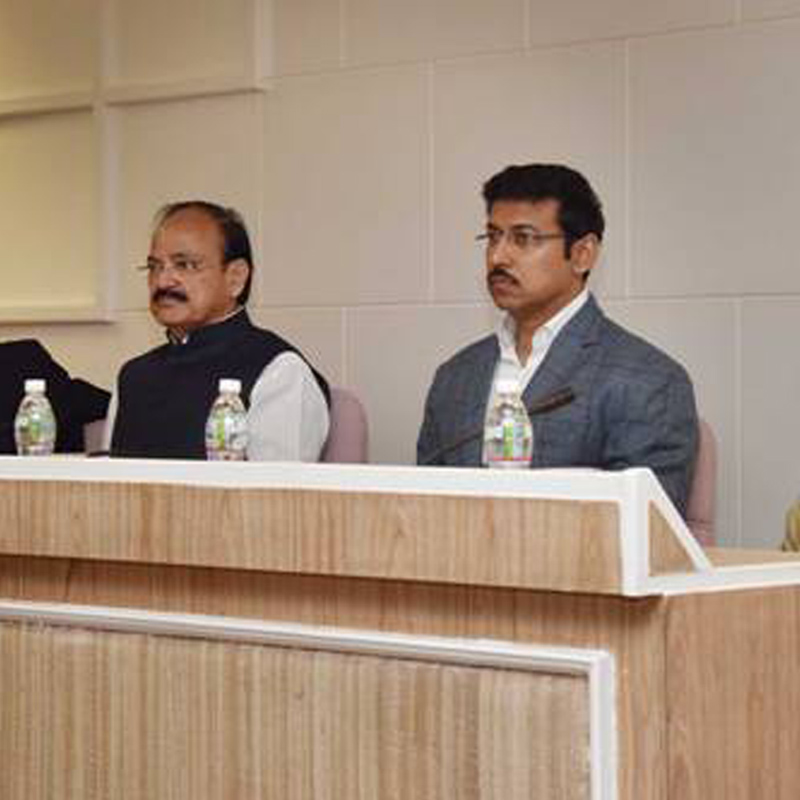
    The meet was attended by minister of state for information and broadcasting Rajyavardhan Rathore, secretary Ajay Mittal and other senior officials of the ministry apart from representatives of different states.

    The proposed policy would be prepared in consultation with states in the spirit of cooperative federalism and the principle of Team India which the prime minister firmly believed in, Naidu added.

    Elaborating on the proposed contours of the policy, Naidu said the broad objectives should be to enhance access to information and communication infrastructures and new technologies, especially in rural areas; to promote national dialogue on development issues by all citizens and facilitate informed participation of people in setting development agenda and its execution.

    The policy should rationalise multi-sectoral investments in information and communication hardware and software through their consolidation and appropriate integration in development plans and planning structures; to ensure timely, orderly and effective growth of information and communication institutions and professions through standards setting, capacity building and human resource development; and broadly define the roles of different governments at various levels and other stakeholders.

    It should preserve national cultural identity and enhance the development of cultural and artistic capabilities and institutions, while enabling productive regional and international exchanges and support national and local development initiatives, and to improve the quality of life of the people, by facilitating systematic and effective use and coordination of communication and information strategies and outcomes.

    The challenge before such a policy was to analyse the ingredients of the communication environment including competencies and resources that are critical.

    The minister further stated that the initiation of such a policy would integrate development communication, development agendas linking planners, beneficiaries and implementers of development actions. It was the endeavour of the proposed policy to make people informed participants in decision-making and development planning process. Such a communication approach also enabled policy makers to look at people as part of a solution.

    Naidu said all-round and integrated development cannot materialise without effective dissemination of information. “People have the right to information,” he said.

    While the country has evolved policies on various subjects like environment and health, there is no such policy for communication and information dissemination.

    “The centre and the state should work together to evolve the communication policy,” he said, adding that Ajay Mittal and senior officials have been directed to work with the states to work on a draft policy at the earliest. “It should also work to preserve national cultural identity,” Naidu added.

    Naidu said India has unique strength in its cultural richness and its heritage. “Any Tom, Dick and Harry came and conquered…They ‘might have’ robbed our wealth, but they could not take away our heritage,” he said.

    Naidu referred to the prime minister Narendra Modi’s repeated emphasis on ‘Sabka Saath Sabka Vikas (development with all and development for all)’ and said even leaders such as B R Ambedkar and Deen Dayal Upadhyay had laid emphasis on the development of ‘Antyodhaya’ – the last man in the queue.

    The minister said the states should take advantage of the reach of public broadcasters — All India Radio and Doordarshan, and give them “preferential treatment.” These organisations do not run with commercial considerations, he emphasised. He said that strict action should be taken against those cable operators who do not show DD News.

    Naidu said with regard to violation of cable TV operators laws, the states should appoint designated officers in all districts to ensure that no major violation like the Peace TV episode is repeated. He would be writing to chief ministers again in this regard, the minister said. (‘Peace TV’ of Zakir Naik had allegedly telecast various programmes which instigated youths towards radical thinking.)

    Speaking earlier, Mittal gave an overview of the deliberations of the first day’s meeting highlighting some of the key discussion points across sectors and suggestions received from the States. During the course of the deliberations, the separate wings of the ministry, films, broadcasting, information and Prasar Bharti (AIR & DD) made presentations regarding the policy initiatives and issues for discussions and convergence with states.

    The minister also visited the various stalls and multimedia exhibitions showcased by the media units of the ministry namely, National Film Archives of India, which organised the multimedia exhibition on the theme ‘Azaadi 70 Saal- Yaad Karo Qurbani’. The exhibition showcases the film industry’s contribution to Independence and was organised to celebrate 70th year of India’s Independence. The three themes covered include ‘Rise and Revolt: Cinema of Social Reform’, ‘Our Freedom Fighters-Through the lens of Cinema’ and ‘Saluting our Soldiers’.
  • Improved tech & states role; curbs on Peace TVs, cable sans DD in new integrated policy: Naidu

    Improved tech & states role; curbs on Peace TVs, cable sans DD in new integrated policy: Naidu

    NEW DELHI: Information and broadcasting minister M Venkaiah Naidu today laid emphasis for evolving a comprehensive “national information and communication policy” to provide citizens “enhanced access to information.”

    Addressing the 28th state Information Ministers Conference (SIMCON) here, Naidu said the Centre and the states should work together in various areas, including in dissemination of effective information, to push integrated development.

    “We need an integrated and holistic approach and coordination between the centre and states is essential,” Naidu said.

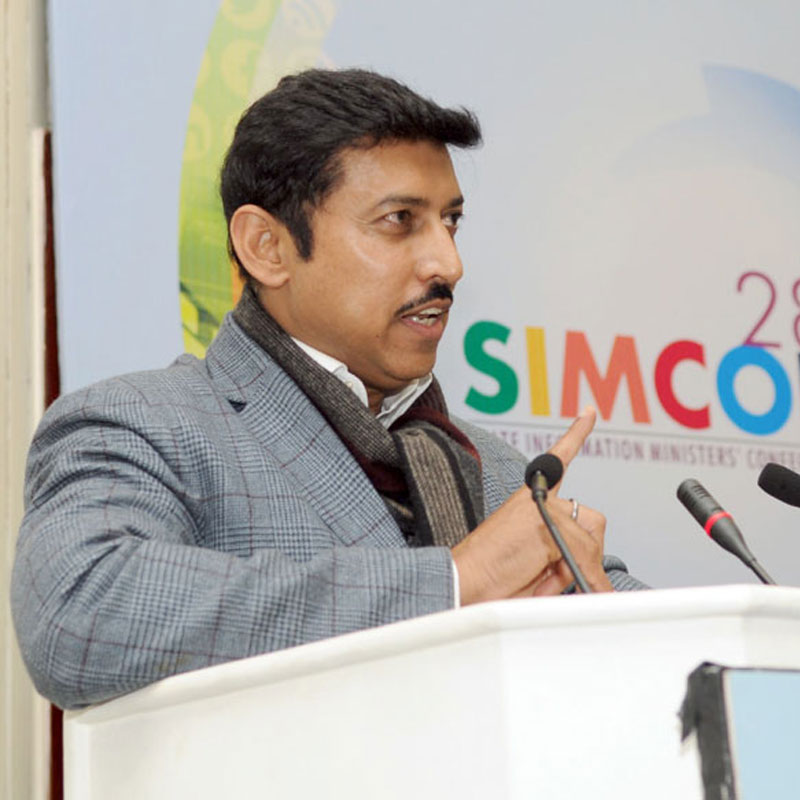
    The meet was attended by minister of state for information and broadcasting Rajyavardhan Rathore, secretary Ajay Mittal and other senior officials of the ministry apart from representatives of different states.

    The proposed policy would be prepared in consultation with states in the spirit of cooperative federalism and the principle of Team India which the prime minister firmly believed in, Naidu added.

    Elaborating on the proposed contours of the policy, Naidu said the broad objectives should be to enhance access to information and communication infrastructures and new technologies, especially in rural areas; to promote national dialogue on development issues by all citizens and facilitate informed participation of people in setting development agenda and its execution.

    The policy should rationalise multi-sectoral investments in information and communication hardware and software through their consolidation and appropriate integration in development plans and planning structures; to ensure timely, orderly and effective growth of information and communication institutions and professions through standards setting, capacity building and human resource development; and broadly define the roles of different governments at various levels and other stakeholders.

    It should preserve national cultural identity and enhance the development of cultural and artistic capabilities and institutions, while enabling productive regional and international exchanges and support national and local development initiatives, and to improve the quality of life of the people, by facilitating systematic and effective use and coordination of communication and information strategies and outcomes.

    The challenge before such a policy was to analyse the ingredients of the communication environment including competencies and resources that are critical.

    The minister further stated that the initiation of such a policy would integrate development communication, development agendas linking planners, beneficiaries and implementers of development actions. It was the endeavour of the proposed policy to make people informed participants in decision-making and development planning process. Such a communication approach also enabled policy makers to look at people as part of a solution.

    Naidu said all-round and integrated development cannot materialise without effective dissemination of information. “People have the right to information,” he said.

    While the country has evolved policies on various subjects like environment and health, there is no such policy for communication and information dissemination.

    “The centre and the state should work together to evolve the communication policy,” he said, adding that Ajay Mittal and senior officials have been directed to work with the states to work on a draft policy at the earliest. “It should also work to preserve national cultural identity,” Naidu added.

    Naidu said India has unique strength in its cultural richness and its heritage. “Any Tom, Dick and Harry came and conquered…They ‘might have’ robbed our wealth, but they could not take away our heritage,” he said.

    Naidu referred to the prime minister Narendra Modi’s repeated emphasis on ‘Sabka Saath Sabka Vikas (development with all and development for all)’ and said even leaders such as B R Ambedkar and Deen Dayal Upadhyay had laid emphasis on the development of ‘Antyodhaya’ – the last man in the queue.

    The minister said the states should take advantage of the reach of public broadcasters — All India Radio and Doordarshan, and give them “preferential treatment.” These organisations do not run with commercial considerations, he emphasised. He said that strict action should be taken against those cable operators who do not show DD News.

    Naidu said with regard to violation of cable TV operators laws, the states should appoint designated officers in all districts to ensure that no major violation like the Peace TV episode is repeated. He would be writing to chief ministers again in this regard, the minister said. (‘Peace TV’ of Zakir Naik had allegedly telecast various programmes which instigated youths towards radical thinking.)

    Speaking earlier, Mittal gave an overview of the deliberations of the first day’s meeting highlighting some of the key discussion points across sectors and suggestions received from the States. During the course of the deliberations, the separate wings of the ministry, films, broadcasting, information and Prasar Bharti (AIR & DD) made presentations regarding the policy initiatives and issues for discussions and convergence with states.

    The minister also visited the various stalls and multimedia exhibitions showcased by the media units of the ministry namely, National Film Archives of India, which organised the multimedia exhibition on the theme ‘Azaadi 70 Saal- Yaad Karo Qurbani’. The exhibition showcases the film industry’s contribution to Independence and was organised to celebrate 70th year of India’s Independence. The three themes covered include ‘Rise and Revolt: Cinema of Social Reform’, ‘Our Freedom Fighters-Through the lens of Cinema’ and ‘Saluting our Soldiers’.
  • No BIS specification yet for interoperable DTH boxes

    No BIS specification yet for interoperable DTH boxes

    NEW DELHI: The Bureau of Indian Standards (BIS) had so far failed to come out with specifications with regard to interoperability of STBs (set-top boxes) meant for DTH (direct-to-home) platforms.

    An information and broadcasting ministry source was answering a question by indiantelevision.com in response to a reply in the Parliament given by the minister of state Rajyavardhan Rathore.

    The minister had said the ministry had accepted recommendations of the Telecom Regulatory Authority of India (TRAI) that it should work with the BIS and the Department of Electronics and IT to ensure such set-top boxes.

    TRAI, in July 2014, on “Issues relating to New DTH Licenses” said: “The Open Architecture (Non-proprietary) Set Top Box (STB), which will ensure technical compatibility and effective interoperability among different DTH service providers, shall have such specifications as laid down by the Government from time to time” with “The Set Top Box offered by a DTH service provider shall have such specifications as laid down by the Bureau of Indian Standard (BIS) from time to time.”

    TRAI recommended that BIS should come out with updated specifications for STBs from time to time and while doing so, BIS will consult TRAI and that the license conditions should mandate the licensee to comply with the tariff order/scheme prescribed by TRAI for commercial interoperability.

    In the paper, the Authority had said that STB interoperability was not possible because of the different technologies adopted by the operators due to them entering the market at different times. TRAI thus asked the BIS to regularly keep updating the standard of STB technology.

    Then I&B Minister Prakash Javadekar had told the Parliament on 24 July 2014 that the interoperability of DTH customer premises equipment has not so far proved to be effective due to various techno-economic reasons. The interoperability had been envisaged in the DTH licence conditions, he said.

    The portability in DTH service can be achieved through technical interoperability or through commercial interoperability.

  • No BIS specification yet for interoperable DTH boxes

    No BIS specification yet for interoperable DTH boxes

    NEW DELHI: The Bureau of Indian Standards (BIS) had so far failed to come out with specifications with regard to interoperability of STBs (set-top boxes) meant for DTH (direct-to-home) platforms.

    An information and broadcasting ministry source was answering a question by indiantelevision.com in response to a reply in the Parliament given by the minister of state Rajyavardhan Rathore.

    The minister had said the ministry had accepted recommendations of the Telecom Regulatory Authority of India (TRAI) that it should work with the BIS and the Department of Electronics and IT to ensure such set-top boxes.

    TRAI, in July 2014, on “Issues relating to New DTH Licenses” said: “The Open Architecture (Non-proprietary) Set Top Box (STB), which will ensure technical compatibility and effective interoperability among different DTH service providers, shall have such specifications as laid down by the Government from time to time” with “The Set Top Box offered by a DTH service provider shall have such specifications as laid down by the Bureau of Indian Standard (BIS) from time to time.”

    TRAI recommended that BIS should come out with updated specifications for STBs from time to time and while doing so, BIS will consult TRAI and that the license conditions should mandate the licensee to comply with the tariff order/scheme prescribed by TRAI for commercial interoperability.

    In the paper, the Authority had said that STB interoperability was not possible because of the different technologies adopted by the operators due to them entering the market at different times. TRAI thus asked the BIS to regularly keep updating the standard of STB technology.

    Then I&B Minister Prakash Javadekar had told the Parliament on 24 July 2014 that the interoperability of DTH customer premises equipment has not so far proved to be effective due to various techno-economic reasons. The interoperability had been envisaged in the DTH licence conditions, he said.

    The portability in DTH service can be achieved through technical interoperability or through commercial interoperability.

  • ‘Mann Ki Baat’ earned Rs 4.78 cr; live streaming & app duds

    ‘Mann Ki Baat’ earned Rs 4.78 cr; live streaming & app duds

    MUMBAI: Prime Minister Narendra Modi’s radio address Mann ki Baat has reportedly got mega bucks for the All India Radio (AIR). Apart from getting millions of listeners, the programme, according to the information and broadcasting ministry, has fetched a gross revenue of over Rs 4.78 crore through advertisements.

    Prasar Bharati has informed that, as far as AIR is concerned, only the radio broadcast of Mann ki Baat is monetised and other platforms such as live streaming or app-based service are not, said the minister of state for information and broadcasting Rajyavardhan Rathore.

    Overall, the AIR registered a revenue growth in 2015-16 of Rs 447.76 crore from Rs 435.1 crore in 2014-15. Mann Ki Baat has also been visually adapted for telecast on Doordarshan channels.

    AIR, owned by the public broadcaster Prasar Bharati, so far aired 26 episodes of Mann Ki Baat. The show was launched in October 2014 and the broadcaster started monetising it by December. It is reported that AIR generates close to Rs 1 crore from Mann Ki Baat.

    According to a report in Livemint, the broadcaster has designated a total of seven minutes (five minutes before the show and two minutes after the show) for commercial revenue from Mann Ki Baat. It also airs self-promotional advertisements in those seven minutes.

    The report suggests that AIR charges an ad rate of Rs 2 lakh per 10 seconds of advertising for the PM’s radio address.