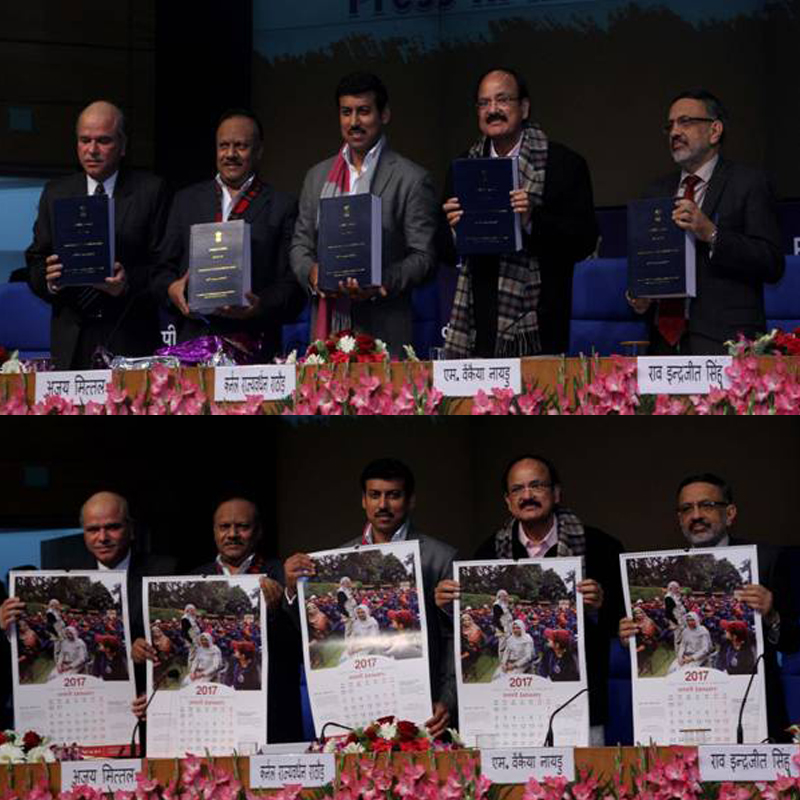
Tag: Rajyavardhan Rathore

  • MIB stresses on digital, connectivity revolution; Google Play govt schemes

    MIB stresses on digital, connectivity revolution; Google Play govt schemes

    NEW DELHI: Information and Broadcasting Minister M Venkaiah Naidu has said the endeavour of the Government is to improve delivery systems, need to promote digital transformation and take forward the connectivity revolution in all sectors.

    Speaking after the release of the Government of India Calendar 2017, he lauded the growth of the Indian print media and said it continued its growth story at a steady rate of 5.13% over the previous year. Earlier, Naidu launched the Government of India Digital Calendar 2017 App. He added that the calendar App could be downloaded from Google Play store free of cost.

    A total of 5,423 new publications had been registered during the year 2015-16 with the total number of Registered Publications as on 31 March 2016 standing at 1, 10,851.

    Giving the Circulation-wise details, Naidu said that Hindi publications continued to lead with 31,44,55,106 copies per publishing day followed by English with 6,54,13,443 copies and Urdu with 5,17,75,006 copies per publishing day.

    He said the phenomenal growth of the print media sector had mandated changes in the print media policy/guidelines in the past years. The need to update policies keeping in mind the changing dynamics in the print media sector, has resulted in evolving a robust mechanism for RNI to maintain an updated list of Publications in the Country. This mechanism also facilitated weeding out illegal publications that may prove to be an irritant to law-enforcement agencies.

    Referring to the New Print Advertisement Policy framework, the Minister said that it provided for circulation verification Procedure for empanelment of Newspapers and Journals with DAVP. The procedure involved certification by RNI if circulation exceeds 45,000 copies per publishing day.

    He said the vision of the Government was to position the nation on a sustainable growth trajectory. The Government is committed to bring about transformational changes in the country with the mantra of ‘Reform, Perform & Transform’.

    The vision has been depicted in the Government of India Calendar 2017 with the theme “Mera Desh Badal Raha Hai, Aage Badh Raha Hai”.

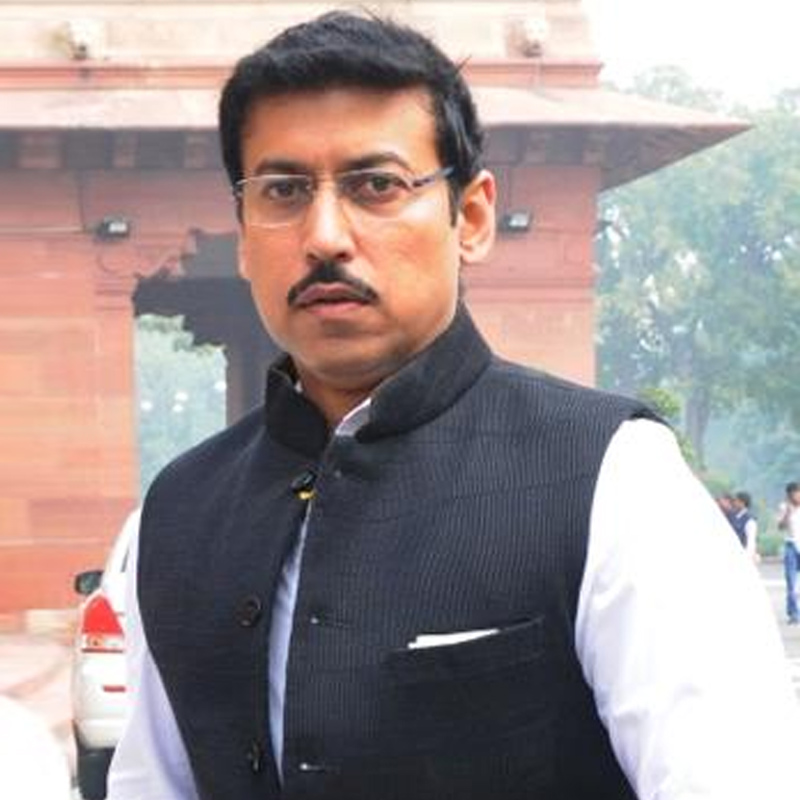
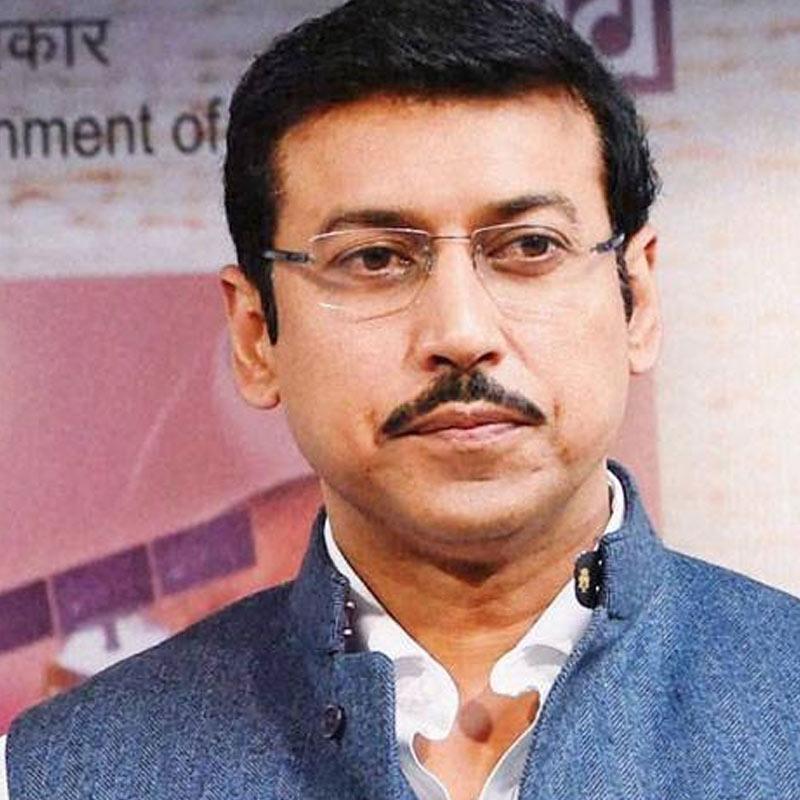
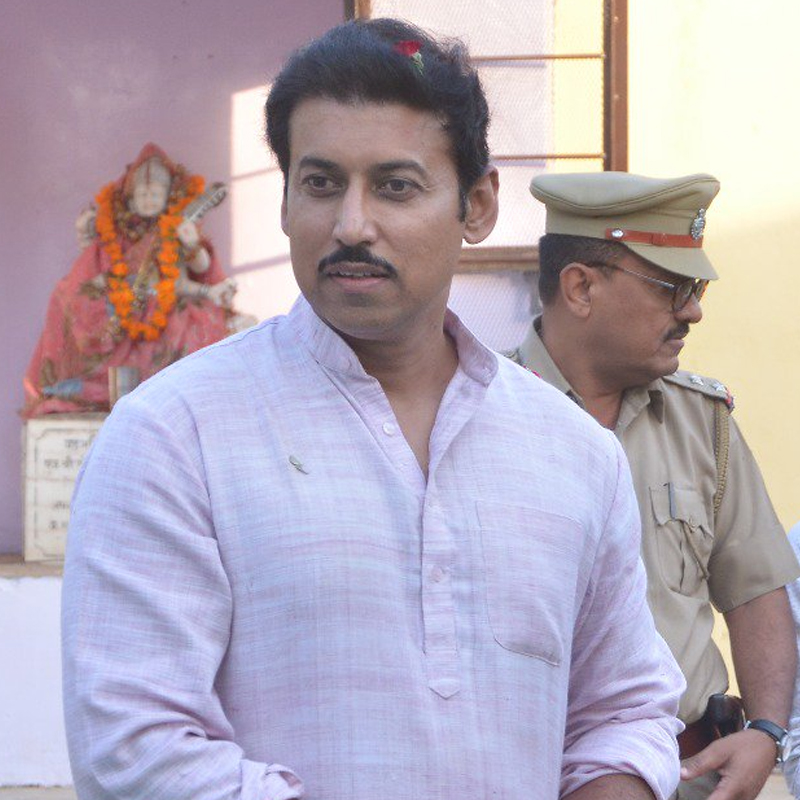
    He also released the Press in India Report 2015-16 prepared by the Registrar of Newspapers of India. Minister of state for information & broadcasting Rajyavardhan Rathore was also present on the occasion.

    Naidu announced that the Government would be launching a 100 days campaign across the country on the theme of Good Governance from 25 December which marks the birthday of the former prime minister A B Vajpayee and is celebrated as Good Governance Day. Ministers, Members of the Parliament would be travelling across the country to highlight key initiatives of the Government that has been taken in the last two and a half years.

    The Government Calendar meanwhile showcases various flagship schemes and initiatives of the Government identifying a different theme every month:

    ·        Jan:     Skilling India for Youth Led Development

    ·        Feb:    Empowering the Poor

    ·        Mar:   Sashakt Nari, Sashakt Bharat

    ·        April: Futuristic India through Infrastructure Building

    ·        May:  MSME: India’s Economic Backbone

    ·        June: Farmers: Bread Winners of our Nation

    ·        July:   Rural Electrification: Lightning Every Home     

    ·        Aug:    Armed Forces: Pride of the Nation

    ·        Sept:   Cashless Transactions

    ·        Oct:     Swachh Bharat: New Vigour to Sanitation

    ·        Nov:   Corruption Free Governance

    ·        Dec:    Sugamya Bharat: Accessible India


    The highlights of the Press in India Report is given below:

    1

    The Total Number of Registered Publications

    i)       Newspaper category (Daily, Tri/Bi-weekly periodicities)

    ii)    Periodicals category (other periodicities)

    1,10,851

    16,136

    94,715

    2

    The number of new publicationsregistered during 2015-16

    5,423

    3

    Number of publications ceased during2015-16

                15

    4

    Number of publications  deregisteredduring 2015-16

                22

    5

    Percentage of growth of total registered publications over the previous year

    5.13 %

    6

    The largest number of publications registered in any Indian language (Hindi)

    44,557

    7

    The second largest number of publications registered in any languageother than Hindi (English)

    14,083

    8

    The State with the largest number ofregistered publications (Uttar Pradesh)

    16,984

    9

    The State with the second largest number of registered publications(Maharashtra)

    15,260

    10

    The number of  publications that submitted Annual Statements

    (This figure includes 1,341 Misc. publications)

    27,445

    11

    The total claimed circulation of publications during 2015-16

    i)       Hindi Publications

    ii)    English Publications

    iii)  Urdu Publications

    iv)  Marathi

    v)     Gujarati

    vi)  Telugu

    vii)  Odiya

    viii) Malayalam

    ix)  Tamil

    x)     Kannada

    xi)  Punjabi

    xii)                        Assamese

    xiii)                     Kashmiri

    61,02,38,581

    31,44,55,106

    6,54,13,443

    5,17,75,006

    3,67,88,737

    2,88,28,334

    2,76,45,134

    2,03,12,592

    1,55,57,673

    93,39,722

    64,85,082

    59,31,641

    13,90,759

    1,37,450

    12

    The largest number of publications that submitted Annual Statements in any Indian language (Hindi).

    14,316

    13

    The second largest number of publications that submitted Annual Statements in any language (English).

    2,174

    14

    The largest circulated Daily: “Ananda Bazar Patrika”, Bengali, Kolkata.

    11,50,038

    15

    The Second largest circulated Daily:“Hindustan Times” English, Delhi.

    9,92,239

    16

    The largest circulated Hindi Daily:“Punjab Kesari”, Jalandhar

    7,36,399

    17

    The largest circulated Multi-edition Daily: “Dainik Bhaskar”, Hindi. (45 editions)

    46,14,939

    18

    The second largest circulated Multi-edition Daily: “The Times of India”, English. (33 editions)

    44,21,374

    19

    The largest circulated Periodical: “The Sunday Times of India”, English/Weekly edition, Delhi.

    8,02,466

    20

    The largest circulated Periodical inMalayalam“Vanitha”,Malayalam/Fortnightly edition, Kottayam.

    6,94,291

    21

    Total Title Applications Received

    Titles Approved

    20,999

    12,817

    22

    Titles Deblocked during 2015-16

    (As they did not apply for registration within 2 years)

    7,754


  • DD catering to N-E states’ language & culture

    DD catering to N-E states’ language & culture

    NEW DELHI: Aware about the diversity of the states in north-east India, the government has established separate Capital Doordarshan Kendras for each of the states, the Parliament was told.

    Minister of state for information and broadcasting Rajyavardhan Rathore told the Lok Sabha in reply to a question that these kendras were telecasting their local programmes according to the needs of the States from 3 pm to 7 pm daily on terrestrial mode.

    Some states also have one to two other Programme Generation Facilities (PGF), he added.

    Rathore also said that Prasar Bharati was launching a new 24×7 Satellite TV Channel “DD Arunprabha” shortly from Itanagar in addition to the existing North East Channel at Guwahati.

  • DD catering to N-E states’ language & culture

    DD catering to N-E states’ language & culture

    NEW DELHI: Aware about the diversity of the states in north-east India, the government has established separate Capital Doordarshan Kendras for each of the states, the Parliament was told.

    Minister of state for information and broadcasting Rajyavardhan Rathore told the Lok Sabha in reply to a question that these kendras were telecasting their local programmes according to the needs of the States from 3 pm to 7 pm daily on terrestrial mode.

    Some states also have one to two other Programme Generation Facilities (PGF), he added.

    Rathore also said that Prasar Bharati was launching a new 24×7 Satellite TV Channel “DD Arunprabha” shortly from Itanagar in addition to the existing North East Channel at Guwahati.

  • DD, AIR covers most naxal-hit areas too

    DD, AIR covers most naxal-hit areas too

    NEW DELHI: The entire state of Chhattisgarh, including its rural and naxal-affected areas, has been provided with multichannel TV coverage through Doordarshan’s free to air DTH service DD FreeDish while 13 AIR stations are operating in Chhattisgarh including eight of 100 W FM relay transmitters for localised coverage.

    Answering a question in the Parliament about coverage by Prasar Bharati in naxalite-affected areas, minister of state for information and broadcasting Rajyavardhan Rathore said that the signals of Direct to Home (DTH) service can be received with a small-sized dish receiving unit.

    A total of 29 terrestrial TV transmitters of varying power are functioning in Chhattisgarh, he added.

    As far as AIR was concerned, he added that some areas of Dantewada, Bijapur and Koriya districts were still uncovered by AIR’s terrestrial broadcast. High Power Medium Wave transmitter from AIR Nagpur is also providing AIR service in Chhattisgarh state.

    Most of the populated parts of Chhattisgarh are covered with AIR MW coverage and by its FM coverage also at reasonably good numbers of places.

    In addition, 31 channels of All India Radio are available on DD FreeDish throughout the country.

    Thirteen popular channels of All-India Radio can also be received through internet by browsing AIR’s website and by downloading suitable apps on iOS/ Android/ Windows based mobile phones.

    AIR’s scheme for replacement of existing outlived 100 kW MW transmitter at Jagdalpur by new 100 kW MW transmitter has already been approved under special scheme. A 5 kW FM transmitter under continuing scheme of 12th Plan has been approved for testing at Ambikapur

  • DD, AIR covers most naxal-hit areas too

    DD, AIR covers most naxal-hit areas too

    NEW DELHI: The entire state of Chhattisgarh, including its rural and naxal-affected areas, has been provided with multichannel TV coverage through Doordarshan’s free to air DTH service DD FreeDish while 13 AIR stations are operating in Chhattisgarh including eight of 100 W FM relay transmitters for localised coverage.

    Answering a question in the Parliament about coverage by Prasar Bharati in naxalite-affected areas, minister of state for information and broadcasting Rajyavardhan Rathore said that the signals of Direct to Home (DTH) service can be received with a small-sized dish receiving unit.

    A total of 29 terrestrial TV transmitters of varying power are functioning in Chhattisgarh, he added.

    As far as AIR was concerned, he added that some areas of Dantewada, Bijapur and Koriya districts were still uncovered by AIR’s terrestrial broadcast. High Power Medium Wave transmitter from AIR Nagpur is also providing AIR service in Chhattisgarh state.

    Most of the populated parts of Chhattisgarh are covered with AIR MW coverage and by its FM coverage also at reasonably good numbers of places.

    In addition, 31 channels of All India Radio are available on DD FreeDish throughout the country.

    Thirteen popular channels of All-India Radio can also be received through internet by browsing AIR’s website and by downloading suitable apps on iOS/ Android/ Windows based mobile phones.

    AIR’s scheme for replacement of existing outlived 100 kW MW transmitter at Jagdalpur by new 100 kW MW transmitter has already been approved under special scheme. A 5 kW FM transmitter under continuing scheme of 12th Plan has been approved for testing at Ambikapur

  • Social media access can be blocked under specific conditions

    Social media access can be blocked under specific conditions

    NEW DELHI: The Government has said that Section 69A of the Information Technology Act 2000 provides for blocking access to information under specific conditions.

    Answering a question about censoring new platforms for publication and broadcasting of media content like social networks and online video services, the minister of state for information and broadcasting Rajyavardhan Rathore told the Parliament that the Act has provisions for removal of objectionable online content.

    The Information Technology (Intermediary Guidelines) rules 2011 require that the Intermediaries shall observe due diligence while discharging their duties and shall inform the users of computer resources not to host, display, upload, modify, publish, transmit, update or share any information that is harmful, objectionable, affects minors and is unlawful in any way.

    With regard to the use of social media by the Government, he said social media platforms are used to disseminate/ publicise information pertaining to Government policies and programmes.

    The government has set up myGov as a social media platform for enabling greater people participation in matters relating to public policy.

    Meanwhile, the ministry has categorically said it is not contemplating any regulatory framework for censorship of content appearing on the internet.

    As far as OTT was concerned, sources in the ministry told indiantelevision.com that this was still a new subject, and the government would take action in the event of any complaints from viewers and subscribers.

    At present, the government does not certify any programmes coming on television, but the sources reiterated that programming has to be in accordance with the guidelines of the Programme and Advertising Code apart from the Uplink and Downlink Guidelines.

    The information and broadcasting ministry, sources said, has no control over films appearing online as this falls in the ambit of the IT Act which is administered by IT Ministry.

  • Social media access can be blocked under specific conditions

    Social media access can be blocked under specific conditions

    NEW DELHI: The Government has said that Section 69A of the Information Technology Act 2000 provides for blocking access to information under specific conditions.

    Answering a question about censoring new platforms for publication and broadcasting of media content like social networks and online video services, the minister of state for information and broadcasting Rajyavardhan Rathore told the Parliament that the Act has provisions for removal of objectionable online content.

    The Information Technology (Intermediary Guidelines) rules 2011 require that the Intermediaries shall observe due diligence while discharging their duties and shall inform the users of computer resources not to host, display, upload, modify, publish, transmit, update or share any information that is harmful, objectionable, affects minors and is unlawful in any way.

    With regard to the use of social media by the Government, he said social media platforms are used to disseminate/ publicise information pertaining to Government policies and programmes.

    The government has set up myGov as a social media platform for enabling greater people participation in matters relating to public policy.

    Meanwhile, the ministry has categorically said it is not contemplating any regulatory framework for censorship of content appearing on the internet.

    As far as OTT was concerned, sources in the ministry told indiantelevision.com that this was still a new subject, and the government would take action in the event of any complaints from viewers and subscribers.

    At present, the government does not certify any programmes coming on television, but the sources reiterated that programming has to be in accordance with the guidelines of the Programme and Advertising Code apart from the Uplink and Downlink Guidelines.

    The information and broadcasting ministry, sources said, has no control over films appearing online as this falls in the ambit of the IT Act which is administered by IT Ministry.

  • Prasar Bharati constituting departmental promotion panels

    Prasar Bharati constituting departmental promotion panels

    NEW DELHI: The Government today admitted in the Parliament that Departmental Promotion Committees (DPCs) in Prasar Bharati could not be constituted in time due to non-acceptance of proposals for promotion in respect of employees by the Union Public Service Commission on account of amendment to Prasar Bharati (Broadcasting Corporation of India) Act.

    Noting that DPCs were not constituted in some cases due to litigation, the minister of state for information and broadcasting Rajyavardhan Rathore said the matter had now been resolved and Prasar Bharati was conducting the work of constituting the DPCs.

    In reply to a question, Rathore said that Prasar Bharati had informed that Reservation Rosters are being maintained in respect of all cadres in All-India Radio and Doordarshan in accordance with the guidelines of the Department of Personnel and Training issued from time to time.

    Filling up the vacant posts was an ongoing process, he added. Vacancies including backlog vacancies, if any are filled from the eligible persons as per the guidelines issued in this regard.

  • Prasar Bharati constituting departmental promotion panels

    Prasar Bharati constituting departmental promotion panels

    NEW DELHI: The Government today admitted in the Parliament that Departmental Promotion Committees (DPCs) in Prasar Bharati could not be constituted in time due to non-acceptance of proposals for promotion in respect of employees by the Union Public Service Commission on account of amendment to Prasar Bharati (Broadcasting Corporation of India) Act.

    Noting that DPCs were not constituted in some cases due to litigation, the minister of state for information and broadcasting Rajyavardhan Rathore said the matter had now been resolved and Prasar Bharati was conducting the work of constituting the DPCs.

    In reply to a question, Rathore said that Prasar Bharati had informed that Reservation Rosters are being maintained in respect of all cadres in All-India Radio and Doordarshan in accordance with the guidelines of the Department of Personnel and Training issued from time to time.

    Filling up the vacant posts was an ongoing process, he added. Vacancies including backlog vacancies, if any are filled from the eligible persons as per the guidelines issued in this regard.

  • Overhaul and strengthening of DD in full swing

    Overhaul and strengthening of DD in full swing

    NEW DELHI: Twenty studio centres of Doordarshan are being renovated with replacement of old ageing equipment as part of the 12th Plan Schemes, the Parliament has been told.

    In addition, old 100 W Low Power Transmitters (LPTs) are being replaced by 500W Automode LPTs, and upgradation is underway of 18 existing Earth Stations and replacement of Digital Satellite News Gathering System (DSNG).

    The minister of state for information and broadcasting Rajyavardhan Rathore said in reply to a series of questions that these are part of some schemes of modernisation/ upgradation of Studios, Transmitters and Satellite Broadcast equipment which have been approved.

    Replacement of old transmitters (LPT & HPT) has enhanced the system’s reliability & performance quality of Doordarshan.

    Rathore said digital transmission has enabled the viewers to receive multiple TV channels in their fixed/mobile receive sets with suitable additional hardware.

    With the induction of digital equipment, technical quality of programme production and post production has improved.

    Doordarshan has 228 High Power Transmitters (HPTs) and 806 Low Power Transmitters (LPTs) in its terrestrial TV network.

    Doordarshan has been assigning priority to strengthen TV coverage in border areas of the country. Special packages for expansion and improvement of Doordarshan services in the border areas have been formulated from time to time.

    Doordarshan’s FreeDish DTH signals can be received anywhere in the country including border areas with the help of small sized dish receiving units.

    The Minister said the technical quality of Doordarshan transmission both in satellite and terrestrial mode along the border areas is quite satisfactory.

    As part of continuing schemes of the 12th Plan, transmitter projects approved for implementation in Jammu and Kashmir are High Power Transmitters (HPTs) at Green Ridge; at Himbotingla, Natha Top (Patnitop), and at Rajouri (for DD National and DD News).

    The target to complete these projects in phased manner has been set for about two years.

    In Gujarat, three transmitters HPT Bhuj, LPT Punandhro and LPT Rapar are in operation in Kutch district. Parts of the district are covered by HPT Radhanpur. An old ageing HPT at Bhuj was replaced by new 10 KW HPT in 2015.