
Connect with us


INDIA: The Centre has strengthened its rules to make online spaces safer for children, especially on OTT platforms. In the Rajya Sabha, minister of state for...

MUMBAI: The Centre has inched closer to making India’s streaming universe easier to watch, hear and enjoy for everyone. The Ministry of Information and Broadcasting has...

DELHI: India’s big broadcast rulebook reboot has crossed a crucial milestone. The government has completed stakeholder consultations on the Draft Broadcasting Services (Regulation) Bill, 2023, paving...
NEW DELHI: The Indian parliament on Friday pushed through a controversial law banning the operation, facilitation and advertising of online money games, amid noisy opposition protests...

Mumbai: The YouTube channel of Sansad TV ran into trouble on Tuesday after its telecast was suspended due to an alleged hacking attempt. According to the...
Mumbai: There has been no decline in viewership of Doordarshan in recent years, the union information and broadcasting minister Anurag Thakur told Rajya Sabha on Thursday....
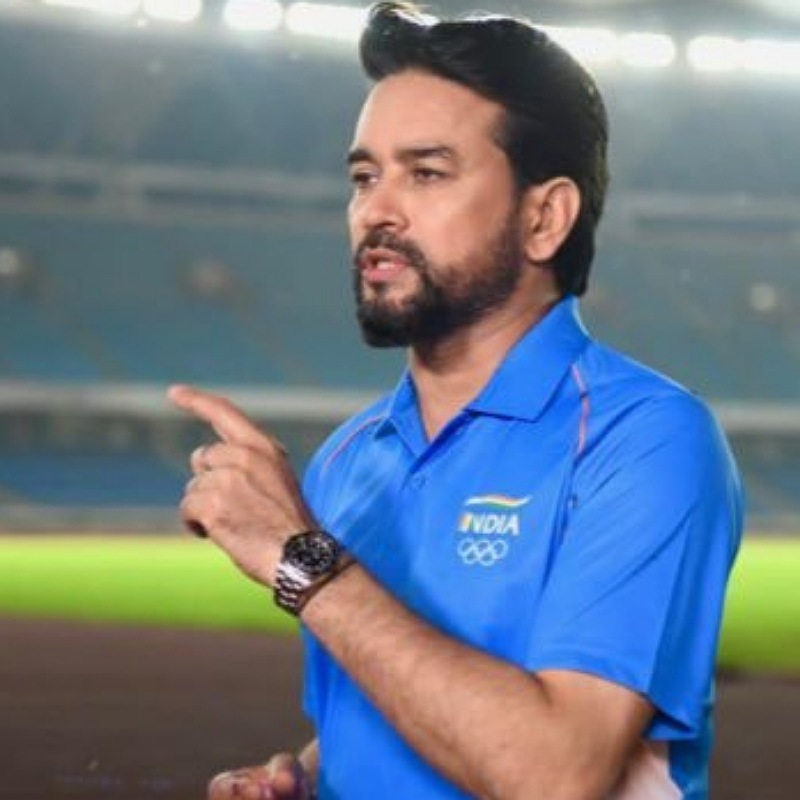
Mumbai: The minister of information and broadcasting Anurag Thakur told the Lok Sabha that the Broadcast Audience Research Council (Barc) India is reaching out to all...
Mumbai: The minister of information and broadcasting, Anurag Thakur has informed the Rajya Sabha that there have been 37 instances between March 2005 and June 2021...

New Delhi: Print publications received a hard wallop with the outbreak of Covid2019 last year – circulation dropped, subscribers cut ties, and revenue dried up as...
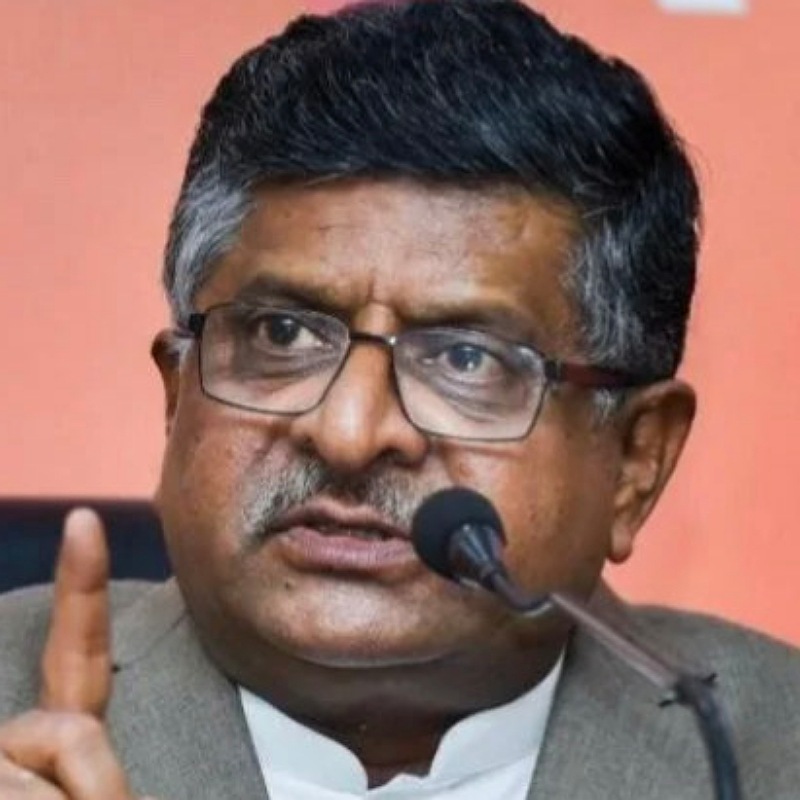
New Delhi: Days after the government passed sweeping regulations for social media platforms, union information technology minister Ravi Shankar Prasad told the Rajya Sabha on Thursday...
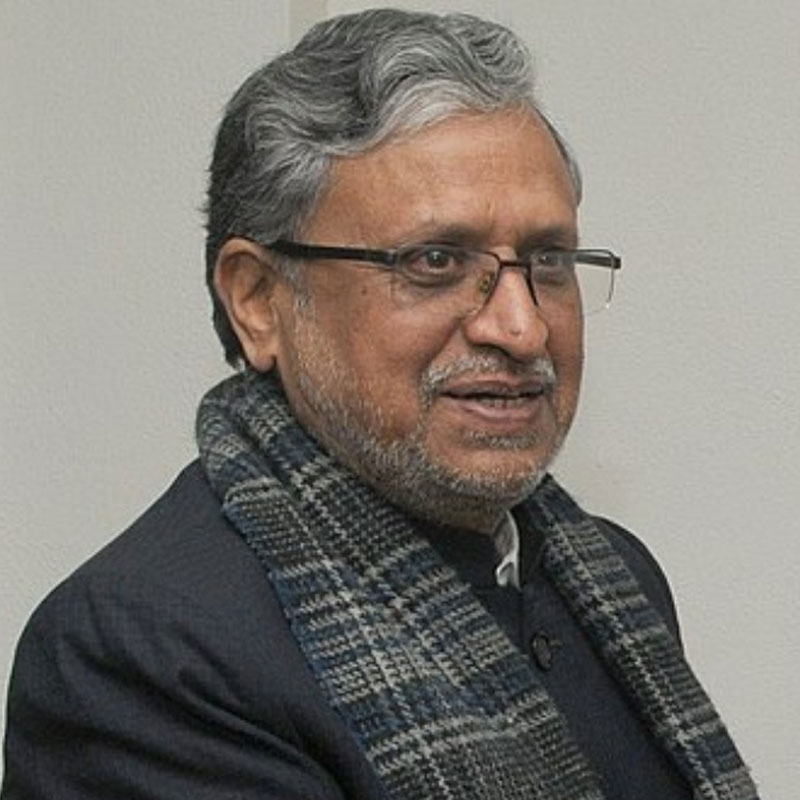
MUMBAI: The ball set rolling in Australia to make the big tech pay news publishers for their content has finally reached the Indian Parliament. Senior BJP...
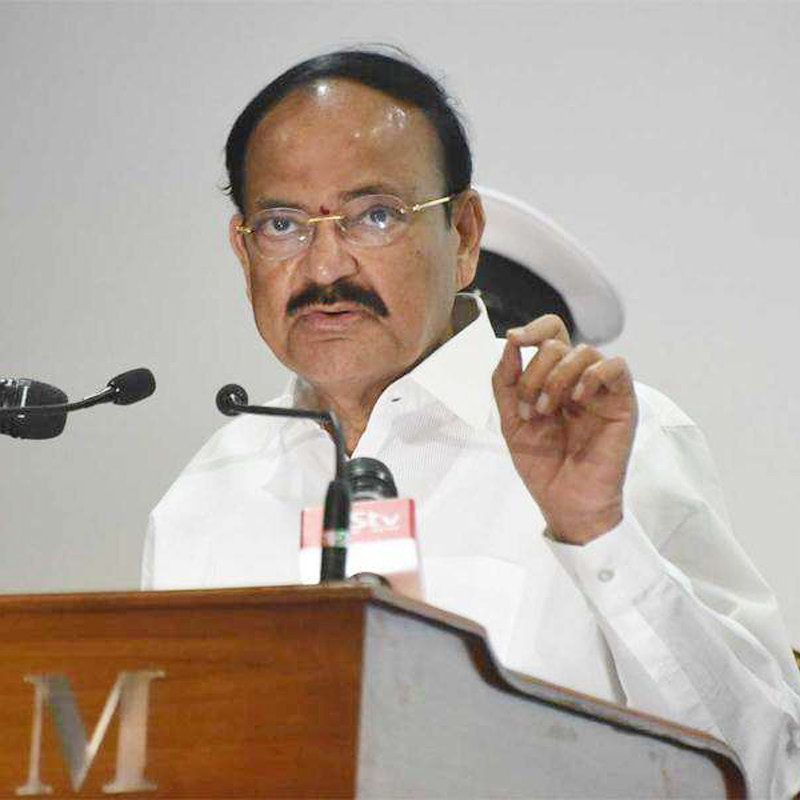
NEW DELHI: Expressing concern over the future of journalism and the sanctity of news in the face of disruptive technological advances, vice president of India and...
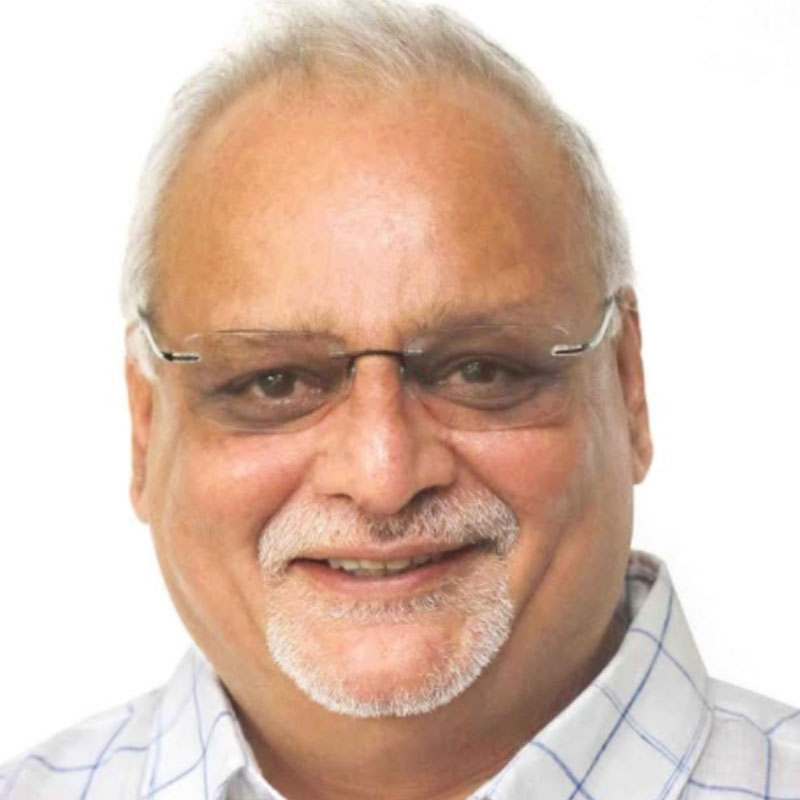
NEW DELHI: Mathrubhumi Group MD MV Shreyams Kumar sailed to victory in the by-poll held for one vacant Rajya Sabha seat from Kerala. The voting was...
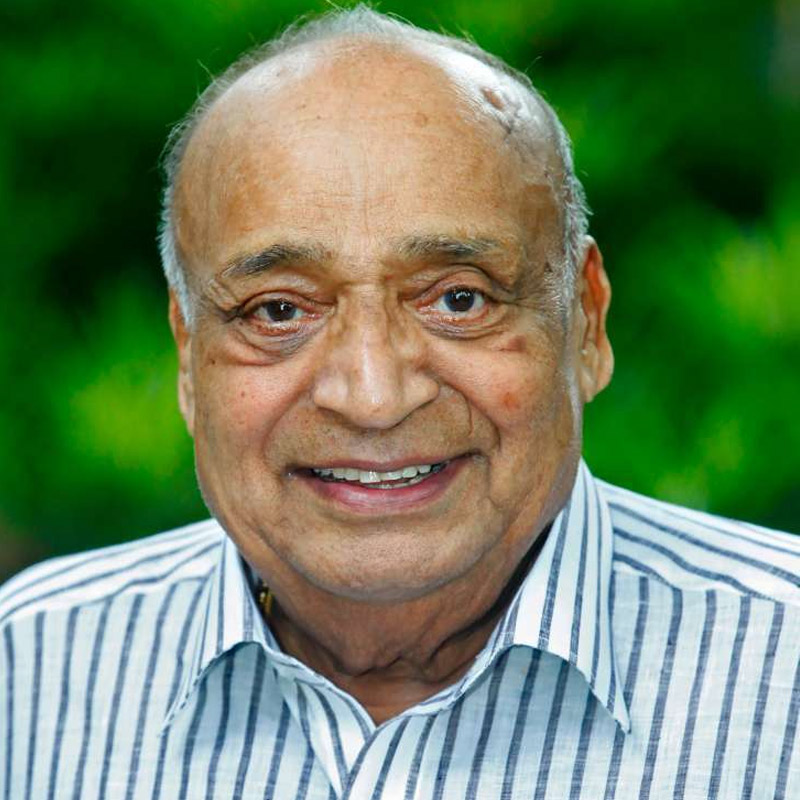
MUMBAI: Mathrubhumi chairman managing director MP Veerendra Kumar, 84, passed away following a cardiac arrest in Kerala's Kozhikode district on Thursday night. For nearly four decades,...

Mumbai: Global content distribution hub One Take Media Co has agreed to offer the popular Jungle Book series for a free run on Doordarshan TV, to keep...
MUMBAI: The Indian Space Research Organisation (ISRO) is slowly but surely making its mark as far as its satellite launch services are concerned. Consider: in 2018-19...
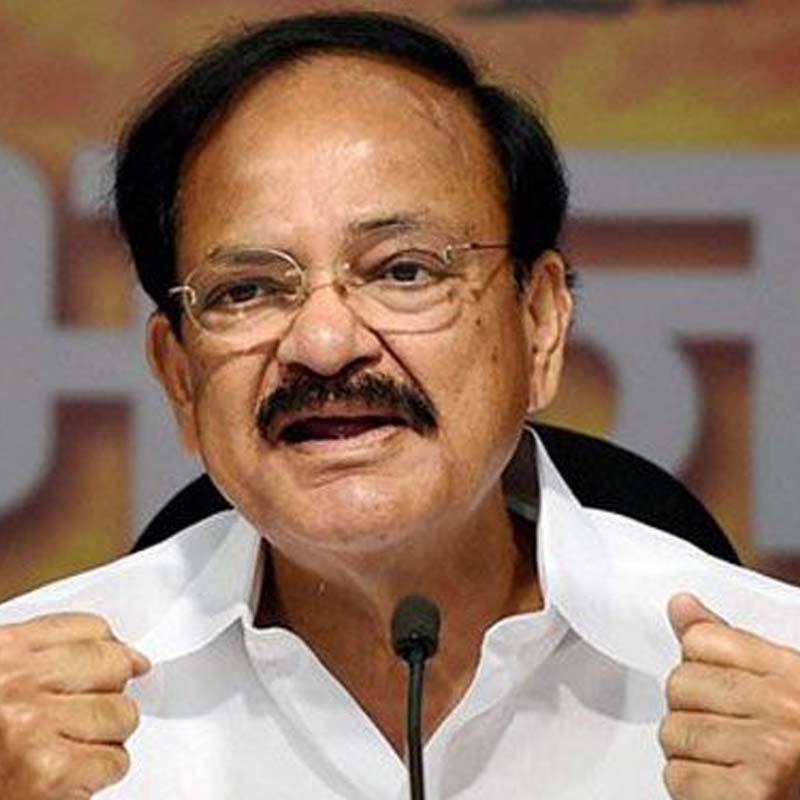
MUMBAI: India’s vice-president M Venkaiah Naidu, who is also the chairman of Rajya Sabha, has sought audit of the upper house broadcaster. RSTV, Naidu also said,...
NEW DELHI: Public sector organisations had made a commitment of spending Rs 22,72,766 for advertisements released through the Directorate of Advertising and Visual Publicity (DAVP) during...
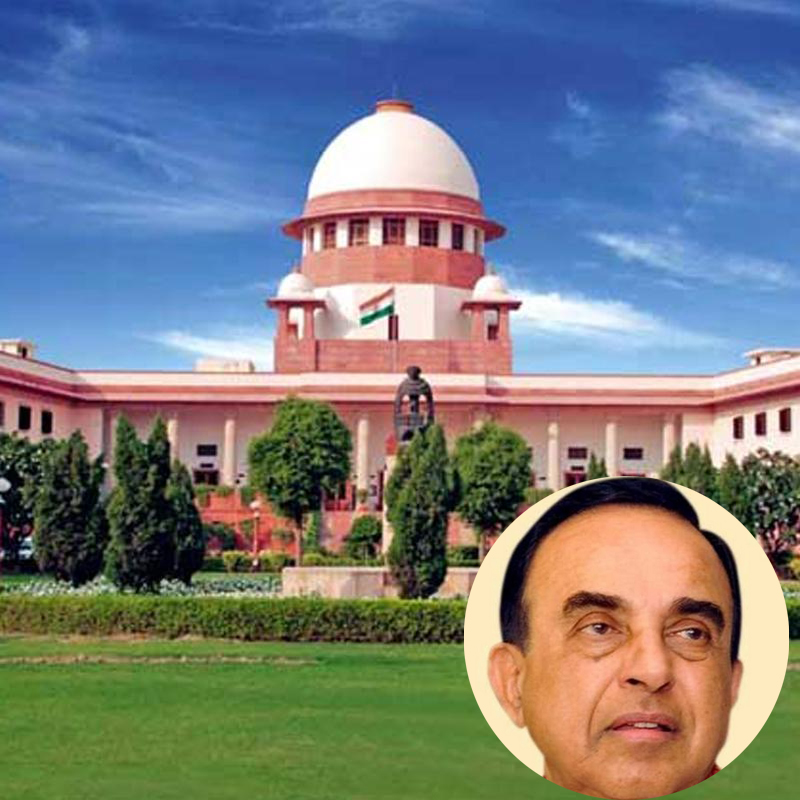
NEW DELHI: The Indian Premier League, which saw a brief lull in controversy with Lalit Modi preferring to remain overseas, appears to be in for another...
MUMBAI: The apex court of India has adjourned Rajya Sabha MP Subramanian Swamy’s plea on national security that challenged Sun TV being allowed to participate in...
MUMBAI: Essel Group chairman and Rajya Sabha MP Dr. Subhash Chandra has welcomed the GST Bill while addressing the Upper House of the Parliament for the...
MUMBAI: Rajya Sabha MP Subramanian Swamy has recommended through his Twitter handle that the finance ministry should field a Law Officer with the integrity to challenge...
MUMBAI: The Department of Consumer Affairs sought clarification from Paytm and Reliance Jio regarding use of the photograph of the prime minister in their respective full...
MUMBAI: Maharashtra celebrated the birth anniversary of its most beloved poet Kusumagraj as ‘Marathi Bhaasha Diwas’ on 27 February, 2017. Extending the celebrations, prominent political leaders...
NEW DELHI: A sum of Rs 340,52,61,236 was spent on advertisements in the electronic media by the Directorate of Advertising and Visual Publicity on behalf of...
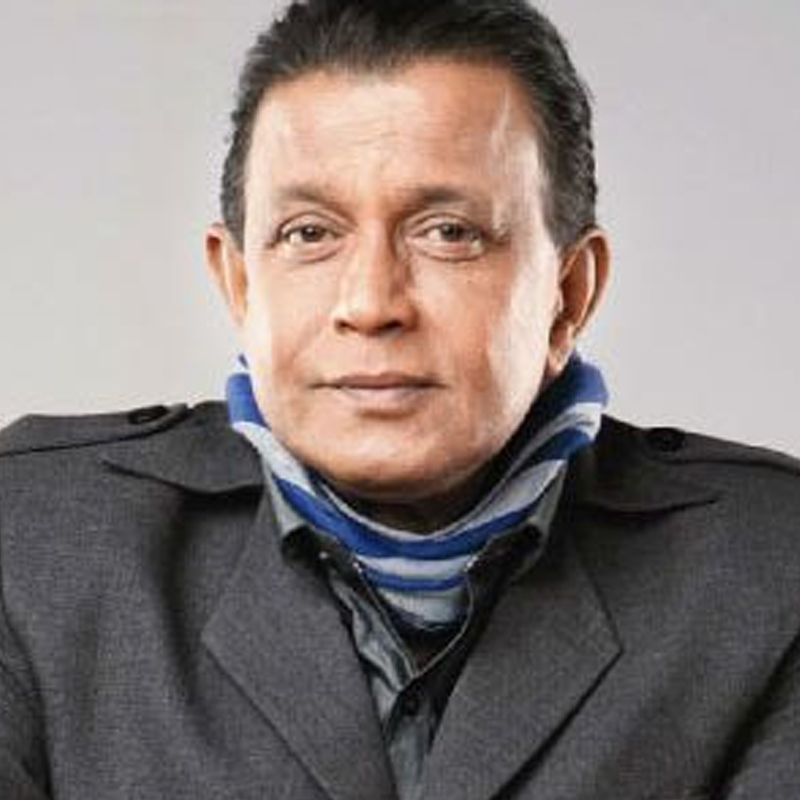
NEW DELHI: Yesteryears actor and dancing star Mithun Chakraborty, who had become a Member of the Rajya Sabha on behalf of the Trimanool Congress in April...
NEW DELHI: Yesteryears actor and dancing star Mithun Chakraborty, who had become a Member of the Rajya Sabha on behalf of the Trimanool Congress in April...
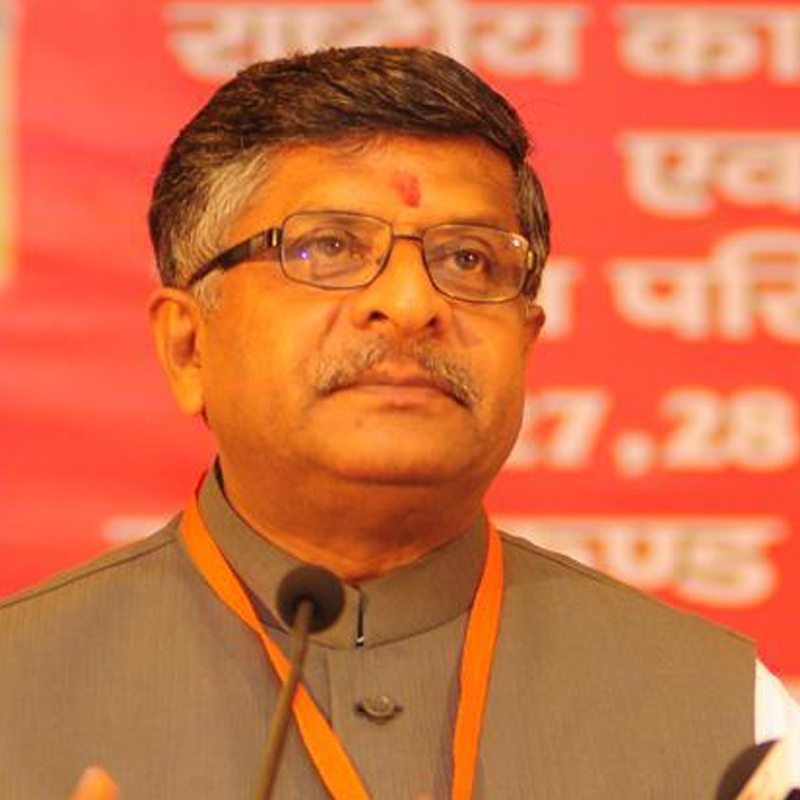
NEW DELHI: MyGov website has won the Platinum Award for the Most Innovative Citizen Engagement while the Online Management, Monitoring and Accounting System (OMMAS) for Pradhan...
NEW DELHI: MyGov website has won the Platinum Award for the Most Innovative Citizen Engagement while the Online Management, Monitoring and Accounting System (OMMAS) for Pradhan...
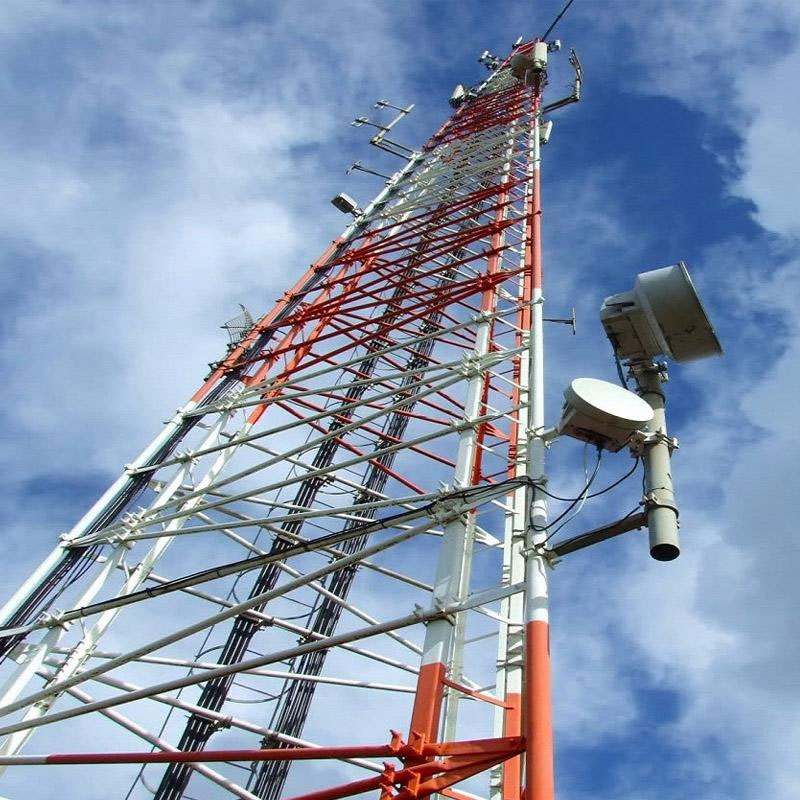
MUMBAI: The government raised Rs 32434.10 crore upfront from the spectrum auction this year, against the Rs 43586 cr that the Telecom Department had projected. That...
MUMBAI: The government raised Rs 32434.10 crore upfront from the spectrum auction this year, against the Rs 43586 cr that the Telecom Department had projected. That...
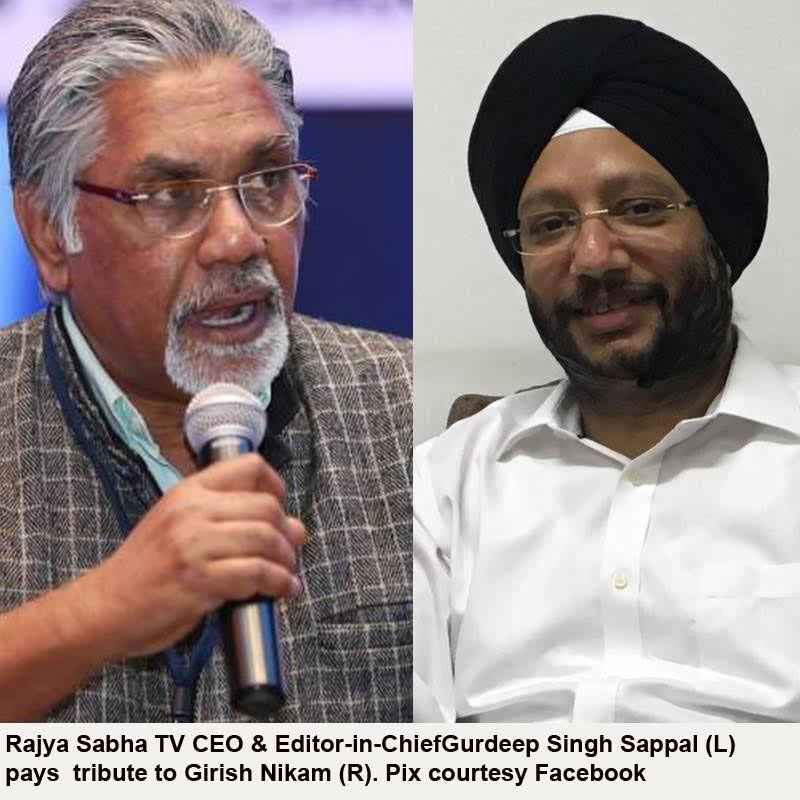
It is with deep sorrow I announce that our esteemed colleague Girish Nikam is no more with us. Today evening, after recording his show ‘Big Picture’,...
It is with deep sorrow I announce that our esteemed colleague Girish Nikam is no more with us. Today evening, after recording his show ‘Big Picture’,...
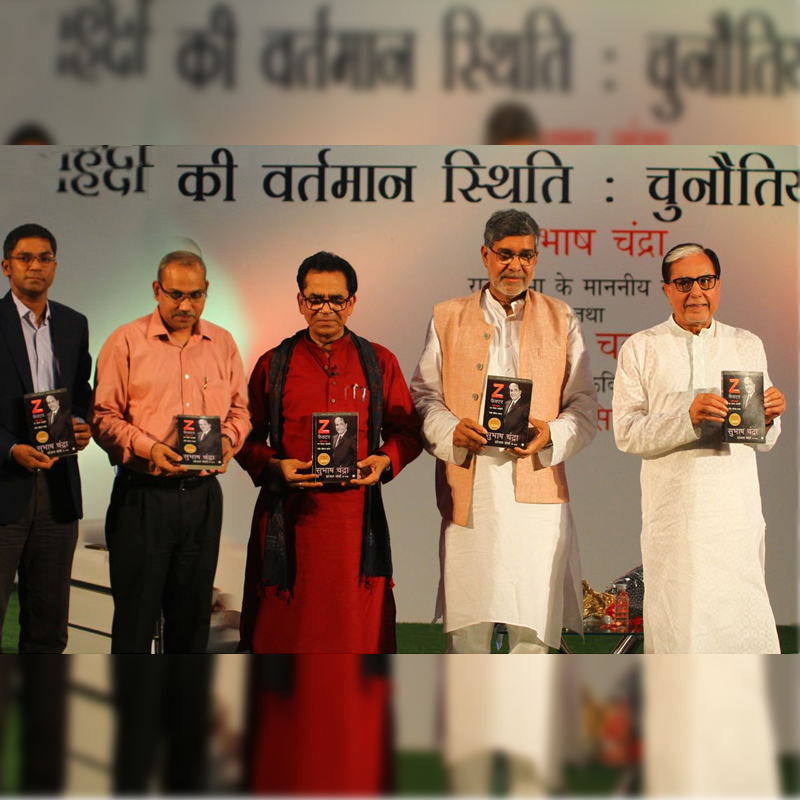
NEW DELHI: On the occasion of Hindi Diwas on Wednesday, Member of Parliament, Rajya Sabha and Chairman, Essel Group, Subhash Chandra engaged in a thought-provoking discussion...
NEW DELHI: On the occasion of Hindi Diwas on Wednesday, Member of Parliament, Rajya Sabha and Chairman, Essel Group, Subhash Chandra engaged in a thought-provoking discussion...

NEW DELHI: The long-awaited Goods and Services Tax Bill (GST), which has been riddled by several controversies which began in the time of the UPA government,...
NEW DELHI: The long-awaited Goods and Services Tax Bill (GST), which has been riddled by several controversies which began in the time of the UPA government,...
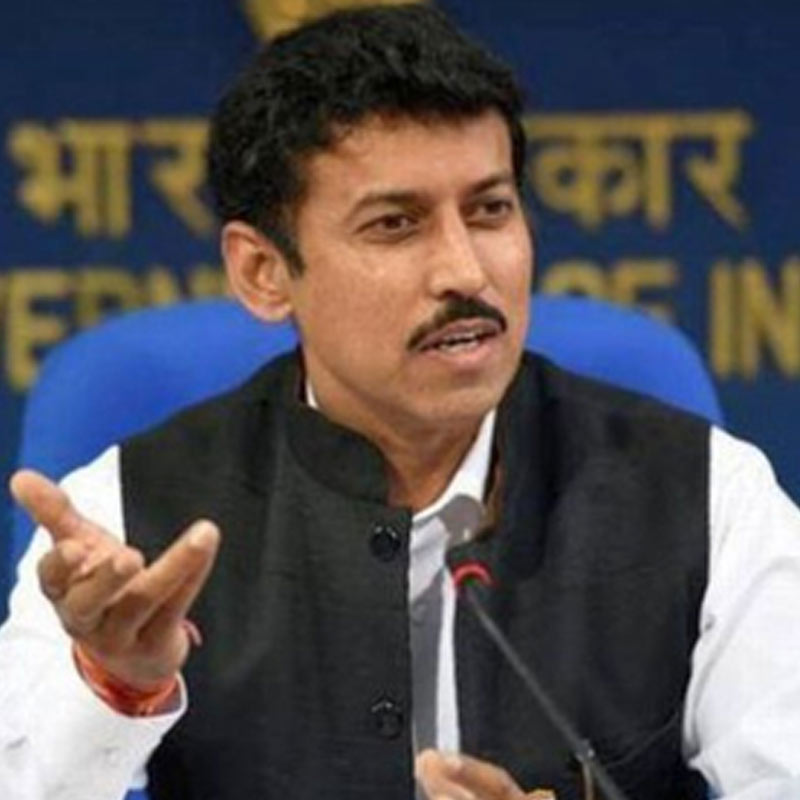
NEW DELHI: The Government considers the existing provisions under various policy guidelines of Ministry of Information and Broadcasting are considered adequate as far as the electronic...
NEW DELHI: The Government considers the existing provisions under various policy guidelines of Ministry of Information and Broadcasting are considered adequate as far as the electronic...

NEW DELHI: Projects to set up five new High Power TV transmitters in Jammu and Kashmir are presently at various stages of implementation and are targeted...
NEW DELHI: Projects to set up five new High Power TV transmitters in Jammu and Kashmir are presently at various stages of implementation and are targeted...
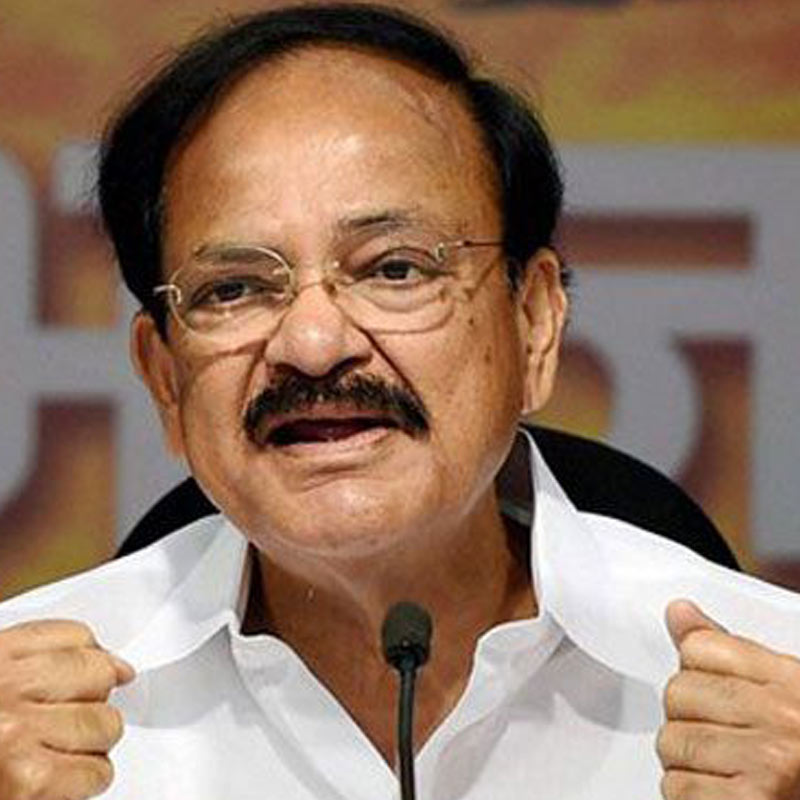
NEW DELHI: The Finance Ministry is expected to shortly take a decision on giving the status of infrastructure to the broadcasting industry. Information and Broadcasting Minister...
NEW DELHI: The Finance Ministry is expected to shortly take a decision on giving the status of infrastructure to the broadcasting industry. Information and Broadcasting Minister...
NEW DELHI: While denying that the Information and Broadcasting Ministry had asked the Home Ministry to help in keeping a check on illegal channels, the government...
NEW DELHI: While denying that the Information and Broadcasting Ministry had asked the Home Ministry to help in keeping a check on illegal channels, the government...

MUMBAI: Media Mogul and the chairman of Essel group Dr. Subhash Chandra Goel has filed nomination for the second Rajya Sabha seat that fell vacant from...
MUMBAI: Media Mogul and the chairman of Essel group Dr. Subhash Chandra Goel has filed nomination for the second Rajya Sabha seat that fell vacant from...

New Delhi: The Government says it has no information about any time delay in telecast by Star Sports of cricket matches or bookies taking advantage in...
New Delhi: The Government says it has no information about any time delay in telecast by Star Sports of cricket matches or bookies taking advantage in...

New Delhi, 8 March: The Advertising Standards Council of India (ASCI) received a total of 722 complaints till December last for the year 2015-16 complaints against...



