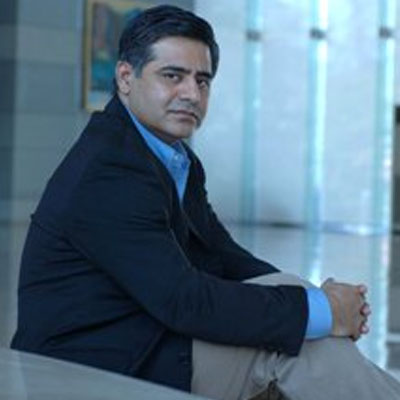
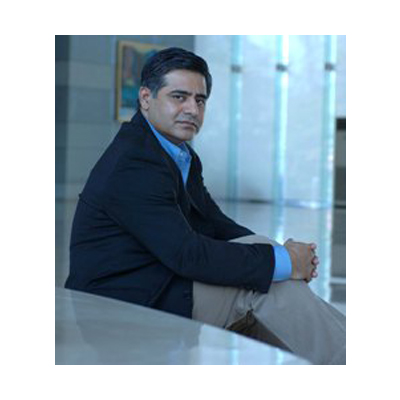
Tag: Rajesh Sawhney

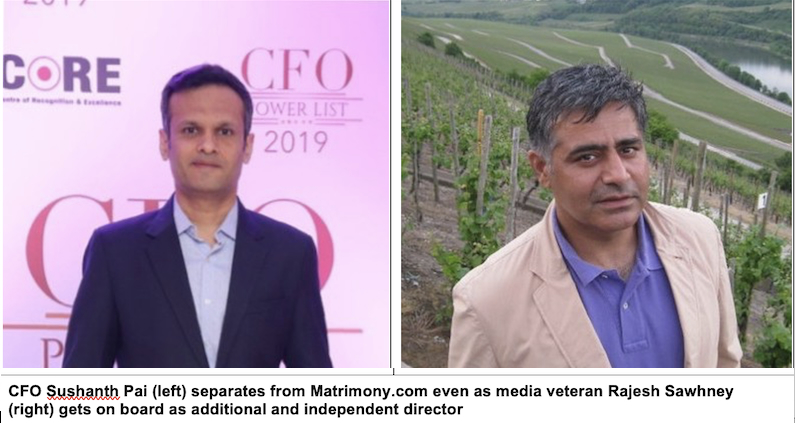
  • Matrimony.com CFO Sushanth  Pai resigns ; Rajesh Sawhney becomes additional director

    Matrimony.com CFO Sushanth Pai resigns ; Rajesh Sawhney becomes additional director

    MUMBAI: Online matchmaking company Matrimony.com informed the Bombay stock exchange that its CFO has decided to go in for a separation from the firm. Sushant Pai who held the position for the past six years handed in his resignation to its chairman & managing director Murugavel Janakiraman on 8 January.  He informed him that he was pursuing opportunities outside Matrimony.com.

    The company also announced the appointment of media veteran Rajesh Sawhney as an additional independent director of the company. Sawhney is the founder, CEO of the GSF Accelerator, an investor in early-stage startups across the country. Besides, he sits on the boards of Ixigo, and IndiaMart Intermesh Ltd. He was the founder  and chief operating officer of Times Internet, and the founder president of the Anil Ambani owned Reliance Entertainment.

    Meanwhile, Matrimony.com is also scheduled to unleash its new television commercial campaign starring film star Anil Kapoor from sometime this month. Kapoor was roped in as the company’s brand ambassador in late 2024. Four films focusing on its BrahminMatrimony, RajputMatrimony, AgarwalMatrimony, and KayasthaMatrimony are to be released in January. 

  • Rajesh Sawhney taps into $300 billion food retail market with Innerchef

    Rajesh Sawhney taps into $300 billion food retail market with Innerchef

    MUMBAI: Tapping into the lucrative $300 billion food retailing market in India, former Reliance Entertainment president and GSF Accelerator founder Rajesh Sawhney has launched InnerChef.


    InnerChef is an online food discovery and delivery platform, which is at the intersection of two global mega trends: eating different and eating better. The company will deliver great recipes in a box with all its ingredients, which are measured and prepped allowing one become a chef in 10-20 minutes.


    While the food retailing market in India is pegged at $300 billion, the Indian restaurant market is pegged at $50 billion. The home food delivery market is growing at 40 per cent per annum and is expected to be $10 billion in size by 2016. While bulk of the business in this industry is in the unorganized sector, the share of the organized sector is increasing rapidly. With the advent of Internet and mobile, the combination of food and technology is disrupting old business models and is creating new paradigms. According to recent estimates, over $2.3 billion has been invested in “Food+Tech” businesses so far of which $1.2 billion was in 2014 alone. Innerchef’s mission is to provide a new kitchen experience that is in sync with the needs of a “globally-aware” yet “time-poor” consumer. 


    The company’s chefs shop for fresh ingredients, prepare exotic sauces and seasonings, package them to precise measurement with simple recipe instructions to follow. With InneChef, one can experience the thrill of cooking and plating a dish that’s fresh and tasty within minutes. 


    InnerChef currently offering 16 recipes and plans to take the number up to 25-30 recipes over the next one month, which will be refreshed on a weekly basis. While the launch menu is primarily western cuisine comprising salads, paninis, pastas and specials, InnerChef plans to add oriental and Indian cuisine in the coming weeks.


    While InnerChef has commenced operations in Gurgaon, it plans to expand to three metros namely Delhi, Mumbai and Bangalore in the coming quarter and cover the top 10 Indian cities with multiple kitchens within one year. Plans are afoot to have 100 kitchens in a span of two years.


    Adopting the model of hyper local distribution, InnerChef will deliver fresh food twice in a day: lunch (11 am to 2 pm) and dinner (5 pm – 9 pm). Additionally, the company is also exploring options to provide on-demand service in the catchment areas. 


    Customers can order recipe boxes through a mobile responsive website and soon-to-be launched mobile app.


    The four other co-founder of InnerChef along with Sawhney are DiGhent Cafe founder Bal, professional chef Heena Karia Thakkar, Skybulls founder Uday Bansal and former Barclays New York product manager Rahul Samat.

  • Timesaverz.com raises a seed round from leading angel and seed investors

    Timesaverz.com raises a seed round from leading angel and seed investors

    MUMBAI: Timesaverz, a GSF Accelerator company, is a “mobile first” marketplace that connects home service seekers with home service providers. It has secured a seed round of financing from a group of leading angel investors led Neville Taraporewalla, Senior Industry Leader in Consumer Internet, and by Rajesh Sawhney, Founder of GSF Accelerator and the GSF Superangels platform. The other investors include AshishJhalani (Founder at eTailing India), Nitesh Kripalani (ex-Digital Business Head at Sony Entertainment) and leading GSF Superangels like Dinesh Agarwal, Founder of Indiamart and Nish Bhutani, COO of Saffronart.


    Co-Founded by Debadutta Upadhyaya & Lovnish Bhatia in April 2013, the Timesaverz.com platform has built a strong network of 500 plus service partners over the last 15 months of operations.Each service partnergoes through a rigorous process before enlisting with the Timesaverz network, this includes – a thorough background check, verification of skill-sets and polishing of soft-skills. This network of skilled agents across Mumbai helps time-stressed Mumbaikars outsource their home service requirements in the area of cleaning tasks, handymen jobs, appliances repairs and errands coordination.


    It’s a very simple process.All the user has to do is – visit www.timesaverz.com online or through a mobile device, choose the task that needs to get done, select the date and time they want the job to be completed and pay up. Timesaverz then uses its proprietaryalgorithms to assign the right service partner to complete the job. Quality service delivery on time is ensured through LIVE tracking of the entire process from job request to job completion and feedback gathering through mobility solutions.


    Says Rajesh Sawhney, Founder of GSF Accelerator and GSF Superangels, “Timesaverz is a mobile first company. It is a unique mobile marketplace which combines “uberification of services” with a deep understanding of the needs and dynamics of Indian household. The seasoned leadership team of Timesaverz has curated a strong network of service partners and have built a scalable model of service delivery.


    Says Debadutta Upadhyaya (Nominated as one of the top 30 women entrepreneurs in the country by sumHR),  “Over the last 15 months, the Timesaverzteam has established a business around organizing a disorganized home services market through mobile technology intervention.At 33% repeat customers month on month and 10x revenue growth trend vis-?-vis’ last year, the business is now poised for ahuge growth. Not only that, the social impact of this model has seen job creation and supplementary income for individual skilled workers. The current fundraising will be used to expand into other cities and strengthen our mobile-first vision.”


    Although a new concept in Indian context, this genre of business has seen some robust funding in the developed markets in the likes of Thumbtack, Handy (previously Handybook) and Taskrabbit

  • ‘Working on an umbrella brand strategy is a good way to build a presence in the entertainment space’ : Rajesh Sawhney – Reliance Entertainment President

    ‘Working on an umbrella brand strategy is a good way to build a presence in the entertainment space’ : Rajesh Sawhney – Reliance Entertainment President

    As 2007 comes to a close, Reliance Entertainment president Rajesh Sawhney is an apt choice for our year-ending interview, not necessarily in the context of what Anil Ambani’s company has done in the broadcast space this year, but because of the expectations from industry, going forward.


    On the television front, the journey of being a broadcaster starts next year with the launch of two movie channels (first Hindi and later English), a logical extension from Reliance ADAG’s existing film production and distribution business. The broadcast piece will add to a list that ranges from multiplexes to movies, home video, FM radio, direct-to-home (DTH) and IPTV.


    On radio, the aim is to consolidate its position. It will also be active in distribution with its DTH platform coming up. Thomas Abraham and Ashwin Pinto caught up with Sawhney to find out about the plans and the kind of impact that Reliance is looking to have on the entertainment space.


    Excerpts:

    Firstly, 2007 was the year when Reliance Entertainment sowed the seeds for what is to come. What were the landmarks for this year?
    We are a young player only two years old. Our journey into entertainment kicked off with the Adlabs acquisition. Then we moved into radio in 2006. We started rolling it out by the end of last year. Then we moved into other ventures like Zapak, our gaming portal. From my perspective, we are still in the incubation phase and the larger consideration is that the entertainment and media industry is where telecom was five years back. The media industry will be worth $25 billion in five years time. A lot of value creation will happen in the coming five years similar to what was seen in telecom.


    The second big thing will be the emergence of digital entertainment. Platforms are now set. This will be a large driver.


    The third thing is that with the economy growing at 10 per cent, the Indian consumer is spending more and more on entertainment. The first indication of this is the multiplex boom. Now even monies spent on entertainment at home like DVD rentals, pay per view are growing.


    The entertainment industry is worth $ 11-12 billion out of a trillion dollar economy, which means 1 per cent of the economy. Globally it is 3 per cent. In the US, it is 5 per cent. If we take the telecom parallel, revenue is 3-4 per cent. In India it is 2.5 per cent. India has a convergence deficit in this sense. This is where the real opportunity is going forward.


    I see Indian players having strengths in certain verticals. Some are strong in print, others in movies while others focus on radio. Nobody is building a comprehensive brand presence across media. This strategy would allow you to capture the three per cent deficit. This is what we are chasing.

    What is the kind of impact that Reliance is hoping to have on the entertainment space across the different verticals?
    Let us take the movie industry. It is on a huge cusp of change. If you go back 10 years there were no multiplexes, no DVD formats. Home entertainment will be the next value driver for the movie industry in the coming decade. DVD and home entertainment revenues are the biggest source of revenue for Hollywood. Here it is less than 10 per cent. We are going through the first phase which is theatrical revenues. Home entertainment will be the next phase.


    For this you need concepts like Big Flicks which will make organised retailing possible. It will make home entertainment delivery through broadband, DTH, IPTV possible. Pay per view revenues will be created for the Indian movie industry. Content in the long tail form across different platforms will offer more choice. The companies who are preparing for this will gain big time as far as the movie industry is concerned.


    The second revolution happening in the Indian movie industry is on the content side. So production values have risen. Talent is getting a huge amount of value which is getting aligned to global values. Content will get value from overseas markets, home entertainment, satellite markets. A $10 million movie has become the norm. I can see a situation where $100 million movie is viable but this will take time to happen. You will see Hollywood and Bollywood collaborating more.

    How will Reliance benefit from the synergy between Reliance Communication and Reliance Entertainment?
    Reliance Communication is building distribution capabilities on mobile, DTH, IPTV and broadband platform. Reliance Entertainment is building a presence and capabilities on the content side across different verticals – content, broadcasting, themed entertainment and new media.

    A large part of your plan involves targeting the youth across different verticals. How are you going about this?
    We are a youth focussed company. This has a commercial reason. We believe that youth drives entertainment. Youth is driving the movie consumption business. India has the best youth demographic platform in the world. We are the youngest country in the world. We keep youth in mind in whatever we do whether it is radio with Big FM or making movies or Zapak.

    The government should allow news and current affairs. This is why you do not have talk radio

    You have taken the brand name Big for your businesses like Big FM, Big Flicks. Is the aim here to convey to the consumer an idea about the size and scale of the brand?
    Unlike many companies that work with a house of brands strategy we believe that working on an umbrella brand strategy is a good way to build a presence in the entertainment space. The choice of the name is predicated on three reasons. Firstly it is simple to understand. Everyone, regardless of language, understands Big. The second reason is it is simple to communicate. A mass brand needs to be understood by everyone. And third, the brand name must give people an understanding of the scale at which we want to bring entertainment to consumers.

    How important is the broadcasting space for Reliance?
    It is very important for us. Our first investment has been in radio with Big FM. We won 145 licenses in 2006. We will take part in the next round of bidding when the government goes ahead. We are the largest radio station in the country with 40 stations. With the execution of radio we have shown a clear commitment by executing the fastest. In Delhi, Bangalore and Mumbai we have emerged as a top player. We have created a leadership position not just by the number of stations but also in the markets where they operate, including those that are entrenched. We want to consolidate our position next year.

    Radio needs to differentiate itself instead of just going after the widest lane with popular Hindi songs. Why isn’t this happening?
    I do not blame the private players for this. I blame government policy. The government should allow news and current affairs. This is why you do not have talk radio. Multiple stations should be allowed. At the moment only five to six stations are available in the Metros. The government should ensure that 30-40 stations are available. One company can run five channels in a state. The government should introduce policies to facilitate the next growth phase. Niche formats become viable if frequencies are made available at lower rates. Running a Gujarati channel at a license fee of Rs 30 crores (Rs 300 million) does not make sense in Mumbai.

    Are you also looking at online radio?
    Yes! In the West, radio is a mature industry. Online is a growth industry there. In India FM and online are coming at the same time. The biggest opportunity is in FM. It is hugely underserved India should have 10,000 FM stations. Now there are less than 300 stations. I can run stations in different languages in Mumbai with viability as long as I am allowed to do so. There is also an opportunity to serve the non resident markets.

  • ‘Working on an umbrella brand strategy is a good way to build a presence in the entertainment space’

    ‘Working on an umbrella brand strategy is a good way to build a presence in the entertainment space’

    As 2007 comes to a close, Reliance Entertainment president Rajesh Sawhney is an apt choice for our year-ending interview, not necessarily in the context of what Anil Ambani’s company has done in the broadcast space this year, but because of the expectations from industry, going forward.

    On the television front, the journey of being a broadcaster starts next year with the launch of two movie channels (first Hindi and later English), a logical extension from Reliance ADAG’s existing film production and distribution business. The broadcast piece will add to a list that ranges from multiplexes to movies, home video, FM radio, direct-to-home (DTH) and IPTV.

    On radio, the aim is to consolidate its position. It will also be active in distribution with its DTH platform coming up. Thomas Abraham and Ashwin Pinto caught up with Sawhney to find out about the plans and the kind of impact that Reliance is looking to have on the entertainment space.

    Excerpts:

    Firstly, 2007 was the year when Reliance Entertainment sowed the seeds for what is to come. What were the landmarks for this year?
    We are a young player only two years old. Our journey into entertainment kicked off with the Adlabs acquisition. Then we moved into radio in 2006. We started rolling it out by the end of last year. Then we moved into other ventures like Zapak, our gaming portal. From my perspective, we are still in the incubation phase and the larger consideration is that the entertainment and media industry is where telecom was five years back. The media industry will be worth $25 billion in five years time. A lot of value creation will happen in the coming five years similar to what was seen in telecom.

    The second big thing will be the emergence of digital entertainment. Platforms are now set. This will be a large driver.

    The third thing is that with the economy growing at 10 per cent, the Indian consumer is spending more and more on entertainment. The first indication of this is the multiplex boom. Now even monies spent on entertainment at home like DVD rentals, pay per view are growing.

    The entertainment industry is worth $ 11-12 billion out of a trillion dollar economy, which means 1 per cent of the economy. Globally it is 3 per cent. In the US, it is 5 per cent. If we take the telecom parallel, revenue is 3-4 per cent. In India it is 2.5 per cent. India has a convergence deficit in this sense. This is where the real opportunity is going forward.

    I see Indian players having strengths in certain verticals. Some are strong in print, others in movies while others focus on radio. Nobody is building a comprehensive brand presence across media. This strategy would allow you to capture the three per cent deficit. This is what we are chasing.

    What is the kind of impact that Reliance is hoping to have on the entertainment space across the different verticals?
    Let us take the movie industry. It is on a huge cusp of change. If you go back 10 years there were no multiplexes, no DVD formats. Home entertainment will be the next value driver for the movie industry in the coming decade. DVD and home entertainment revenues are the biggest source of revenue for Hollywood. Here it is less than 10 per cent. We are going through the first phase which is theatrical revenues. Home entertainment will be the next phase.

    For this you need concepts like Big Flicks which will make organised retailing possible. It will make home entertainment delivery through broadband, DTH, IPTV possible. Pay per view revenues will be created for the Indian movie industry. Content in the long tail form across different platforms will offer more choice. The companies who are preparing for this will gain big time as far as the movie industry is concerned.

    The second revolution happening in the Indian movie industry is on the content side. So production values have risen. Talent is getting a huge amount of value which is getting aligned to global values. Content will get value from overseas markets, home entertainment, satellite markets. A $10 million movie has become the norm. I can see a situation where $100 million movie is viable but this will take time to happen. You will see Hollywood and Bollywood collaborating more.

    The government should allow news and current affairs. This is why you do not have talk radio
    _____****_____

    How will Reliance benefit from the synergy between Reliance Communication and Reliance Entertainment?
    Reliance Communication is building distribution capabilities on mobile, DTH, IPTV and broadband platform. Reliance Entertainment is building a presence and capabilities on the content side across different verticals – content, broadcasting, themed entertainment and new media.

    A large part of your plan involves targeting the youth across different verticals. How are you going about this?
    We are a youth focussed company. This has a commercial reason. We believe that youth drives entertainment. Youth is driving the movie consumption business. India has the best youth demographic platform in the world. We are the youngest country in the world. We keep youth in mind in whatever we do whether it is radio with Big FM or making movies or Zapak.

    You have taken the brand name Big for your businesses like Big FM, Big Flicks. Is the aim here to convey to the consumer an idea about the size and scale of the brand?
    Unlike many companies that work with a house of brands strategy we believe that working on an umbrella brand strategy is a good way to build a presence in the entertainment space. The choice of the name is predicated on three reasons. Firstly it is simple to understand. Everyone, regardless of language, understands Big. The second reason is it is simple to communicate. A mass brand needs to be understood by everyone. And third, the brand name must give people an understanding of the scale at which we want to bring entertainment to consumers.

    How important is the broadcasting space for Reliance?
    It is very important for us. Our first investment has been in radio with Big FM. We won 145 licenses in 2006. We will take part in the next round of bidding when the government goes ahead. We are the largest radio station in the country with 40 stations. With the execution of radio we have shown a clear commitment by executing the fastest. In Delhi, Bangalore and Mumbai we have emerged as a top player. We have created a leadership position not just by the number of stations but also in the markets where they operate, including those that are entrenched. We want to consolidate our position next year.

    Radio needs to differentiate itself instead of just going after the widest lane with popular Hindi songs. Why isn’t this happening?
    I do not blame the private players for this. I blame government policy. The government should allow news and current affairs. This is why you do not have talk radio. Multiple stations should be allowed. At the moment only five to six stations are available in the Metros. The government should ensure that 30-40 stations are available. One company can run five channels in a state. The government should introduce policies to facilitate the next growth phase. Niche formats become viable if frequencies are made available at lower rates. Running a Gujarati channel at a license fee of Rs 30 crores (Rs 300 million) does not make sense in Mumbai.

    Are you also looking at online radio?
    Yes! In the West, radio is a mature industry. Online is a growth industry there. In India FM and online are coming at the same time. The biggest opportunity is in FM. It is hugely underserved India should have 10,000 FM stations. Now there are less than 300 stations. I can run stations in different languages in Mumbai with viability as long as I am allowed to do so. There is also an opportunity to serve the non resident markets.