Tag: Rajdeep Sardesai

  • “This year’s’ was the best lineup of speakers at Goafest,” Nakul Chopra

    “This year’s’ was the best lineup of speakers at Goafest,” Nakul Chopra

    MUMBAI: Be it statistics or experience, Goafest 2016 has outdone previous editions by a healthy margin much to the pride of Goafest Organising Committee chairman Nakul Chopra.

    “We got lot of feedback on the spot in Goa, and most complimented the speaker sessions. They all also appreciated the leadership summits. For many, this year’s was the best line up of speakers atGoafest. Broadly speaking, the feedback has been good on the whole production of the event as well,” Chopra added.

    While on the one hand the likes of Arjuna Ranatunga,  Rajdeep Sardesai, Shobha De, Karan Johar, R Balki upped the ante of the celeb factor at the three day conference, international creative geniuses like Benny Thomas, Fergus O’Hare, Tara Marsh, Carter Murray and Jean Lin gave industry insights and look aheads from a mature market perspective.

    Looking at logistics and itinerary, “This year was a huge improvement on timings. While last year wasn’t bad either, for this one we managed to stay on time for the most part,” Chopra shared. While day one saw a slight delay at the Abbys, the organisers tried their best to make day two and day three awards nights within enjoyable timings and kept the delays under check.

    Speaking about the highlights of the three day Abbys Chopra said, “I am definitely happy about Publicis’ performance at the Abbys. We have won several metals for meaningful work and that makes me proud of the team.

    Between several small and big tweaks, the organising committee did manage to address several logistical and experiential issues, and introduced a fresh fervour to the advertising festival. “We tried introducing Wifi for all at the venues and the Goafest 2016 app kept everyone tuned in with the proceedings of the day, those inside the auditorium or outside on the lawn alike. The innovations were a huge success and we plan to work and make it even better for the coming year as well.”

    Going by sheer numbers, Goafest outweighed its predecessors fairly well. “The total number of organisations who participated, either through their delegates or through their entries in the creative Abbys has gone over 350 this year, which is saying something,” revealed Chopra..

    This year also saw the biggest number of sponsors for the advertising festival. While this couldn’t be confirmed, the very obvious branding on display for various media showcased the collective interest in making the festival more interactive and fun. Starting from the Times Network branding at the entrance to the several fun booths that TLC, ABP Live, Magic Bricks Now, Movies Now Plus, and ZOOM etc., set up across the festival, the sponsors truly livened up the three days in creative and interactive ways.

    Given the successful execution of this year’s Goafest, the bar is definitely set higher for next year. Chopra however is optimistic that this ‘ By the fraternity, of the fraternity and for the fraternity’ festival will only get bigger and better in years to come.


  • Goa Fest: Rajdeep Sardesai in talks with Arjuna Ranatunga

    Goa Fest: Rajdeep Sardesai in talks with Arjuna Ranatunga

    Goa: For the first session on the day two of Goafest, the audience were amused with the presence of minister of ports and shipping and former Sri Lanka cricket captain Arjuna Ranatunga in conversation with senior journalist, author and founder of the IBN Network Rajdeep Sardesai.

    The session kick-started with Sardesai asking Ranatunga about ICC World Cup win in 1996, at a time the country was faced with internal issues. Recalling the mindset at the time of the tournament, “I wanted a team of 14 cricketers who would give their life and dedication to the country. Winning the World Cup did not happen overnight. I asked my players if they wanted to win. I only picked committed players and not the best players. We didn’t care about the money. I led the team like a school principal. I would order my players to get back to their rooms at 10 pm, even if they couldn’t get sleep early, said Captain Fantastic.

    It could be well remembered that during the Sri Lanka-Australia final of the World Cup, Ranatunga hit Shane Warne for a six and then stuck his tongue out. A puzzled Sardesai asked the reason behind his reaction and whether the captain is supposed to be this aggressive. Putting blame on his size which makes him pant, pretending to be innocent he riddled, “I don’t remember sticking a tongue out to Warne. I walk between the wickets”.

    He further noted that this issue was created by two Indian journalists who had come to interview him. “Two journalists met me post our semi-finale win and said ‘Rana you need to give Australia a short before you start. The two guys told me where they’ll be sitting in the audience, during the press conference and told me to answer their questions. One of them asked me about Shane Warne. I said he was mediocre bowler, highly rated in his country and I don’t think he’s a match winner against us.Then the other asked me about the Waugh brothers. I said the same about them and said that there were better cricketers in Asia”.

    Ranatunga used to analyse all his reactions and believes that a captain has to be aggressive. “If they push us, you have to push them twice or thrice. If I do something like that now, I would be suspended. At that time, we did not have such realistic rules at that time. I knew if all of us left, the match would be abandoned and they’d win. I don’t want young guys to do this. I love and respect the way Kapil Dev and Imran Khan managed their teams. I have learned a lot from them. Even they were aggressive captains.”

    Going further, Sardesai asked Ranatunga whether a captain in the subcontinent needs to be a politician. “We have created unhappiness to a lot of western teams but that did not hamper my credibility back home.”

    When asked about which job is the most challenging that being a captain for a cricket team winning a world cup or a minister who ensures policy change. He asserted, “Being a minister is the toughest assignment. Ports is one of the most corrupt industries with more than 90 per cent people being corrupt. But I love challenges and want to have them in life; to go on bad roads and not the highways”.

    The question on different ways to deal with corruption has never been answered. Rana strongly opposes any kind of corruption done by the 10,000 people working in the industry. “I’m not going to go to the past and drag things out. But from the day I join, I want you to be clean. Don’t make me push you to the wall. I feel I can get things right provided I don’t get shot”, he said.

    A buddhist follower by nature, Ranatunga trusts that Buddhism does bring calmness to him despite all the controversies and pressure. “When I was struggling or went through pressure, I used to talk to the top priests and still do that. I do a bit of meditation. It’s not just Buddhism. All religions have enough good areas where you can learn and observe.”

    Majority of the players endorse brands which could affect a cricketers game. A question that often strikes our mind is whether endorsements affect performances. “I have never done an ad.”

    Recalling his first test at the at of 18, he said that a boss from a leading company had approached him for a commercial. Going back to that time, he remarked, “I don’t know anything about this; why don’t you talk to my mum? My mother was a teacher and listened to him for half an hour. Her answer was ‘sorry Michael, my son is not for sale.’”

    One thing that my mother told me at that time was, “Don’t sell your talent or body for money.”

    “There are players who are interested in sacrificing play time or family time to do ads. I believe you need to identify what you are good at. Don’t do toilet ads to earn more. I’ve done three charity ads. I may have lost a lot of money not doing ads but these are the things that kept me going”, asserted the minister.

    At the end of the session, the table was made open for Q&A sessions. One of the questions asked was on the T20 format. Ranatunga compared 20-20 to a brand of instant noodles. “T20 matches are quick, and filling but not healthy. Test cricket is what a mother cooks. It’s healthy, but might not be very filling.”

    He further added, “We will lose our identity because of T20. India and Pakistan were among the best at hockey but now they play on artificial grass, it’s all about power. These days you don’t need brains and technique. Behind the walls they are creating another sort of cricket for them to go to the top”.

    A question was thrown at Sardesai whether he will choose to become a cricketer or continue with being a journalist. Answering the question, he commented, “Cricket needs talent, journalists don’t need talent.” Ranatunga added further, “If you have money, you can be the president but cricket needs talent.”

    The session concluded with Sardesai questioning Ranatunga whether he would endorse a brand ever to which he replied, “Only if you convince the three important ladies in my life i.e. my mother, wife and daughter, I will do anything that you want me to do.”

  • Goa Fest: Rajdeep Sardesai in talks with Arjuna Ranatunga

    Goa Fest: Rajdeep Sardesai in talks with Arjuna Ranatunga

    Goa: For the first session on the day two of Goafest, the audience were amused with the presence of minister of ports and shipping and former Sri Lanka cricket captain Arjuna Ranatunga in conversation with senior journalist, author and founder of the IBN Network Rajdeep Sardesai.

    The session kick-started with Sardesai asking Ranatunga about ICC World Cup win in 1996, at a time the country was faced with internal issues. Recalling the mindset at the time of the tournament, “I wanted a team of 14 cricketers who would give their life and dedication to the country. Winning the World Cup did not happen overnight. I asked my players if they wanted to win. I only picked committed players and not the best players. We didn’t care about the money. I led the team like a school principal. I would order my players to get back to their rooms at 10 pm, even if they couldn’t get sleep early, said Captain Fantastic.

    It could be well remembered that during the Sri Lanka-Australia final of the World Cup, Ranatunga hit Shane Warne for a six and then stuck his tongue out. A puzzled Sardesai asked the reason behind his reaction and whether the captain is supposed to be this aggressive. Putting blame on his size which makes him pant, pretending to be innocent he riddled, “I don’t remember sticking a tongue out to Warne. I walk between the wickets”.

    He further noted that this issue was created by two Indian journalists who had come to interview him. “Two journalists met me post our semi-finale win and said ‘Rana you need to give Australia a short before you start. The two guys told me where they’ll be sitting in the audience, during the press conference and told me to answer their questions. One of them asked me about Shane Warne. I said he was mediocre bowler, highly rated in his country and I don’t think he’s a match winner against us.Then the other asked me about the Waugh brothers. I said the same about them and said that there were better cricketers in Asia”.

    Ranatunga used to analyse all his reactions and believes that a captain has to be aggressive. “If they push us, you have to push them twice or thrice. If I do something like that now, I would be suspended. At that time, we did not have such realistic rules at that time. I knew if all of us left, the match would be abandoned and they’d win. I don’t want young guys to do this. I love and respect the way Kapil Dev and Imran Khan managed their teams. I have learned a lot from them. Even they were aggressive captains.”

    Going further, Sardesai asked Ranatunga whether a captain in the subcontinent needs to be a politician. “We have created unhappiness to a lot of western teams but that did not hamper my credibility back home.”

    When asked about which job is the most challenging that being a captain for a cricket team winning a world cup or a minister who ensures policy change. He asserted, “Being a minister is the toughest assignment. Ports is one of the most corrupt industries with more than 90 per cent people being corrupt. But I love challenges and want to have them in life; to go on bad roads and not the highways”.

    The question on different ways to deal with corruption has never been answered. Rana strongly opposes any kind of corruption done by the 10,000 people working in the industry. “I’m not going to go to the past and drag things out. But from the day I join, I want you to be clean. Don’t make me push you to the wall. I feel I can get things right provided I don’t get shot”, he said.

    A buddhist follower by nature, Ranatunga trusts that Buddhism does bring calmness to him despite all the controversies and pressure. “When I was struggling or went through pressure, I used to talk to the top priests and still do that. I do a bit of meditation. It’s not just Buddhism. All religions have enough good areas where you can learn and observe.”

    Majority of the players endorse brands which could affect a cricketers game. A question that often strikes our mind is whether endorsements affect performances. “I have never done an ad.”

    Recalling his first test at the at of 18, he said that a boss from a leading company had approached him for a commercial. Going back to that time, he remarked, “I don’t know anything about this; why don’t you talk to my mum? My mother was a teacher and listened to him for half an hour. Her answer was ‘sorry Michael, my son is not for sale.’”

    One thing that my mother told me at that time was, “Don’t sell your talent or body for money.”

    “There are players who are interested in sacrificing play time or family time to do ads. I believe you need to identify what you are good at. Don’t do toilet ads to earn more. I’ve done three charity ads. I may have lost a lot of money not doing ads but these are the things that kept me going”, asserted the minister.

    At the end of the session, the table was made open for Q&A sessions. One of the questions asked was on the T20 format. Ranatunga compared 20-20 to a brand of instant noodles. “T20 matches are quick, and filling but not healthy. Test cricket is what a mother cooks. It’s healthy, but might not be very filling.”

    He further added, “We will lose our identity because of T20. India and Pakistan were among the best at hockey but now they play on artificial grass, it’s all about power. These days you don’t need brains and technique. Behind the walls they are creating another sort of cricket for them to go to the top”.

    A question was thrown at Sardesai whether he will choose to become a cricketer or continue with being a journalist. Answering the question, he commented, “Cricket needs talent, journalists don’t need talent.” Ranatunga added further, “If you have money, you can be the president but cricket needs talent.”

    The session concluded with Sardesai questioning Ranatunga whether he would endorse a brand ever to which he replied, “Only if you convince the three important ladies in my life i.e. my mother, wife and daughter, I will do anything that you want me to do.”

  • NBA, DUJ condemn attack on journalists outside Patiala House courts in Delhi

    NBA, DUJ condemn attack on journalists outside Patiala House courts in Delhi

    NEW DELHI / MUMBAI: The News Broadcasters Association (NBA) has condemned the assault by lawyers and others on journalists and cameramen, especially women journalists, who were reporting from Patiala House Court ON 15 February.

    The incident occurred when JNU Students Union president Kanhaiya Kumar was to be produced in the Court. 

    Condemning the incident and terming it as an attack on the freedom of the press, NBA president Rajat Sharma called it a cowardly attack meant to intimidate journalists carrying out their work in disseminating news and information, a service that is essential for any democratic society. 

    Senior journalist and India Today Group consulting editor Rajdeep Sardesai said, “The journalists are rightly showing solidarity to what happened yesterday at the Patiala House. What happened yesterday was unexpected. The way the lawyers acted is just shocking. The journalists should definitely unite and stand as one against this.”

    Expressing his doubts on the credibility of the lawyers present at the Patiala Court, he added, “Who are these lawyers? They behaved more like politicians. Denoting the media with such terms is just not accepted.”

    NDTV India senior executive editor Ravish Kumar said, “It is good to see journalists showing solidarity and coming together but the problem is that there are still many journalists who have not united to fight against this. What happened yesterday in the premise of a court is shocking. It is the right of any person to get a lawyer. The terrorists also get lawyers and the lawyers have taken up such cases in the past. The problem is that the lawyers have started to behave like judges. They should follow the ethics taught to them in their law schools.”

    CNN-IBN executive editor Bhupendra Chaubey opined, “I genuinely believe that this is a threat to the expression of one’s views in today’s politics. This type of lynch mob is dangerous and has to be tackled soon. It is good to see journalists coming together to fight this. This looks like a new definition of nationalism, which is being written now in our country. Nationalists and anti-nationalists are now defined by the ruling party but that is ideally supposed to be an individual’s decision. The way it has happened is just not acceptable.”

    Earlier, the Delhi Union of Journalists had also condemned the attack at Patiala House as well as at the campus. The DUJ has given a call for observance of a Black Day on 19 February.

    The Union strongly deplored the beating up of journalists, students and teachers in the Patiala House Courts by “goons.” Several of them including a few journalists were severely injured and had to be taken to the hospital.

    The DUJ said it was “surprising that though there was a heavy presence of the Police, it refused to intervene despite repeated requests by those who were being beaten up.”

    The DUJ demanded the immediate arrest of all those who indulged in this violence. “It is the responsibility of the police to provide protection to journalists who were discharging their duty,” it said.

    Congress spokesman Kapil Sibal later said at a party briefing that a matter in this connection had been mentioned in the Supreme Court and was likely to be heard tomorrow (17 February).

  • NBA, DUJ condemn attack on journalists outside Patiala House courts in Delhi

    NBA, DUJ condemn attack on journalists outside Patiala House courts in Delhi

    NEW DELHI / MUMBAI: The News Broadcasters Association (NBA) has condemned the assault by lawyers and others on journalists and cameramen, especially women journalists, who were reporting from Patiala House Court ON 15 February.

    The incident occurred when JNU Students Union president Kanhaiya Kumar was to be produced in the Court. 

    Condemning the incident and terming it as an attack on the freedom of the press, NBA president Rajat Sharma called it a cowardly attack meant to intimidate journalists carrying out their work in disseminating news and information, a service that is essential for any democratic society. 

    Senior journalist and India Today Group consulting editor Rajdeep Sardesai said, “The journalists are rightly showing solidarity to what happened yesterday at the Patiala House. What happened yesterday was unexpected. The way the lawyers acted is just shocking. The journalists should definitely unite and stand as one against this.”

    Expressing his doubts on the credibility of the lawyers present at the Patiala Court, he added, “Who are these lawyers? They behaved more like politicians. Denoting the media with such terms is just not accepted.”

    NDTV India senior executive editor Ravish Kumar said, “It is good to see journalists showing solidarity and coming together but the problem is that there are still many journalists who have not united to fight against this. What happened yesterday in the premise of a court is shocking. It is the right of any person to get a lawyer. The terrorists also get lawyers and the lawyers have taken up such cases in the past. The problem is that the lawyers have started to behave like judges. They should follow the ethics taught to them in their law schools.”

    CNN-IBN executive editor Bhupendra Chaubey opined, “I genuinely believe that this is a threat to the expression of one’s views in today’s politics. This type of lynch mob is dangerous and has to be tackled soon. It is good to see journalists coming together to fight this. This looks like a new definition of nationalism, which is being written now in our country. Nationalists and anti-nationalists are now defined by the ruling party but that is ideally supposed to be an individual’s decision. The way it has happened is just not acceptable.”

    Earlier, the Delhi Union of Journalists had also condemned the attack at Patiala House as well as at the campus. The DUJ has given a call for observance of a Black Day on 19 February.

    The Union strongly deplored the beating up of journalists, students and teachers in the Patiala House Courts by “goons.” Several of them including a few journalists were severely injured and had to be taken to the hospital.

    The DUJ said it was “surprising that though there was a heavy presence of the Police, it refused to intervene despite repeated requests by those who were being beaten up.”

    The DUJ demanded the immediate arrest of all those who indulged in this violence. “It is the responsibility of the police to provide protection to journalists who were discharging their duty,” it said.

    Congress spokesman Kapil Sibal later said at a party briefing that a matter in this connection had been mentioned in the Supreme Court and was likely to be heard tomorrow (17 February).

  • ‘Too much of sensation, not enough sense; too much of Delhi, not enough on the rest:’ Rajdeep Sardesai

    ‘Too much of sensation, not enough sense; too much of Delhi, not enough on the rest:’ Rajdeep Sardesai

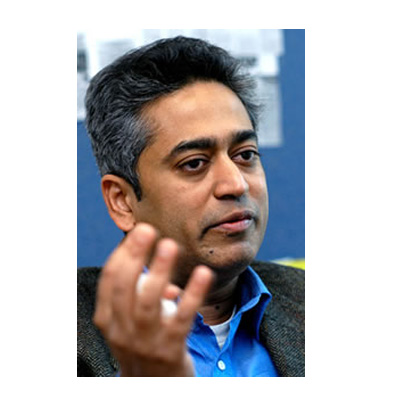
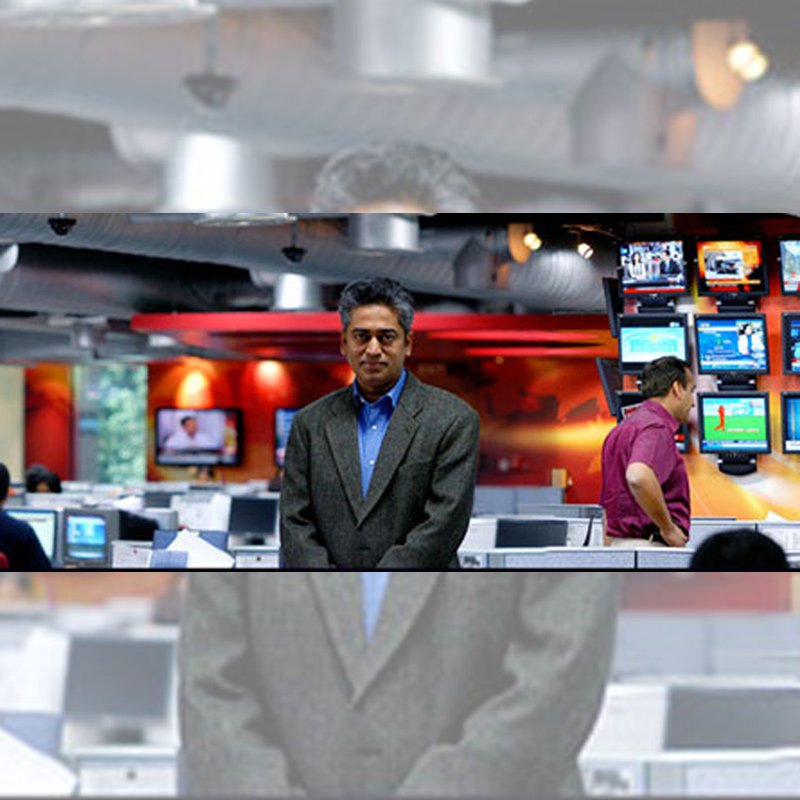
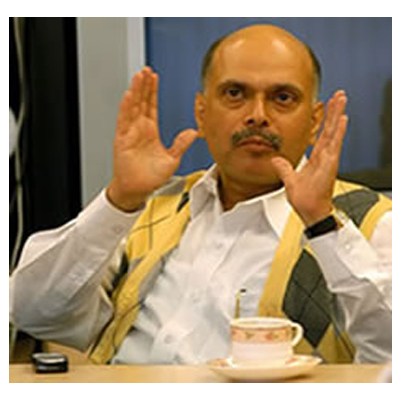
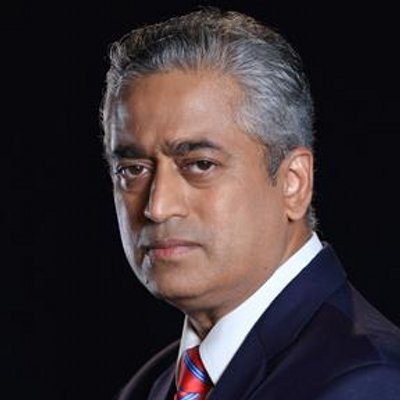
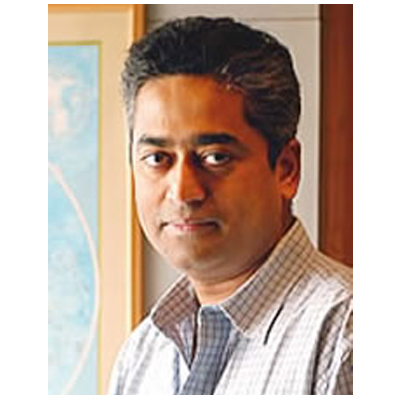
    ‘Main zindagi ka saath nibhaata chala gaya,’ is the song that you hear when you call him. With a journalistic experience of 26 years in print and television specialised in covering national politics, this man lets his work do the talking for him. He has never abandoned hard hitting real life stories behind his brand name and has always been open and unbiased about his thoughts. Known for his fearless coverage of news and love for music, he is none other than India Today Group consulting editor Rajdeep Sardesai.

    He is also the author of 2014: The Election that Changed India. Sardesai started his career in 1988 and entered television journalism in 1994. He has bagged several awards for his journalistic excellence. Known for his humble nature and love towards his family, cricket, music, food and news, Sardesai has seen the struggle for a byline in print to an anchor on TV news channel.

    Speaking to Indiantelevision.com’s Megha Parmar, Sardesai sheds some light on PM Narendra Modi, his new hire, social media trends and the big stories witnessed in 2015.

    Read on:

    2015 was all about PM Modi traversing the world… to countries far and wide. Do you believe news channels did justice to the coverage? Don’t you think it was more about discussing his wardrobe choices and pondering about the purpose of him visiting a country rather than putting light on other important ones?

    PM Modi travelling to different parts of numerous countries is just one part of the insight. There are lots of other insights to it. If you see from his point of view, his visits abroad are his highlights. I think no Prime Minister has ever got such coverage before. Manmohan Singh had also travelled to as many countries as Modi in his tenure as a PM, but we didn’t see any coverage on that. Modi is known by his nature and is a great showman. Be it his trip to San Francisco or his trip to Australia, he knows what will sell. Talking about if we did justice to the coverage, I think yes, we did manage to highlight few other important details behind his visit. Having said that, I have also observed that many a times TV news channels act more like cheerleaders and not as journalists while covering such stories.

    In your book, ‘2014 The Election that Changed India,’ you mention about being neutral towards Modi. How difficult was it for you to remain neutral after covering what happened in 2002?

    The 2002 riots have affected me and as an observer I have the right to question politicians and criticise them. The book is my perception on where I stand on Modi. I have just put down my views about the same in my book. I share strong feelings with what happened back in 2002.

    How difficult was it to let go a channel that you had built from scratch? How has been your journey with the India Today Group so far?

    It was very difficult to part ways from the channel. That has been the most emotionally and professionally difficult decision of my life. Talking about the India Today Group, the journey has been good so far. They have been very supportive and have allowed me journalistic freedom and that’s what I value more than anything else.

    Indian media went bonkers over the Sheena Bora case, was it really required or was it simply another way of pleasing the voyeur in us?

    Frankly, it was not required at all. In my view, it’s just an example of how sensationalism replaces sense. The fact though lies that it was indeed a great news story. Mother killing a daughter story is always going to be a great news story. Having said that, we could have covered it much better. We could have laid down many facts than going into so much of gossip and trivia. We lacked on showing less facts, which needed to be covered. It was a big story. But the two questions that are to be asked is, the proportion i.e. did we over cover it and secondly, did we focus more on gossip and trivia and not facts?

    Has the age of a neutral journalist gone? Do anchors or journalists have to start taking sides?

    I don’t want to use the word neutral but according to me the age of the serious journalist, who takes up journalism seriously is under serious threat. A serious journalist would like to do stories beyond what was done in the Sheena Bora case. I don’t think we as journalists should be limited in our thoughts. Though few organisations believe in the idea that unless he or she does not take a strong stand about something, the viewers will be confused. Therefore they resort to taking sides at times for the sake of a strong position. A journalist should always push himself and should be hungry to get something exclusive and unique from a story.

    You voiced your opinion on how news channels missed the bus on the Chennai floods coverage. What steps can be taken by news broadcasters to ensure that this doesn’t happen again?

    The way out is to realise that there is a world beyond Delhi. We need to change our mindset. It is just with the mindset of the people. They have to change their mindset and have to understand that news is not only about Delhi. We followed the Nepal story better than what we did for Chennai floods and we should ask ourselves the reason behind this. I think every big story should be covered in a major way by not restricting ourselves to demographic boundaries.

    Do you think journalists are under threat from people or do you believe that social media is acting as a threat too? Can it affect the newsrooms on what stories to be followed through its trends?

    I don’t think it is a threat. I think social media is a gift to us. One can and should always try to use social media more creatively and constructively. We can’t follow social media just because of the trends or the #tags. It can be a great source of information for good stories. It can play as a compliment to the journalists. But if you only follow what is trending on Twitter or the ‘masala’ on Facebook, then I don’t think we are utilising social media to its fullest.

    If there is a large group on social media that follows me but still targets me, I take pride in that. I have the right to dissent just like everyone but you cannot abuse me. People have to understand what role we as journalists have to play in society.

    Talking about social media affecting newsrooms, today a company can fix the #trends. If the newsrooms get influenced by it, it’s terrible and I think one needs to re-think about what he is exactly trying to do by resorting to such things.

    Do trending #tags like presstitutes bother you?

    It bothers me deeply. It bothers me more because it came from a minister who used such kind of a language. I think and strongly believe that General VK Singh owes an apology to journalists for using that word in the manner he did. And the unfortunate part is that if the ministers do it, then the public will also resort to such things. They will also say that journalists are ‘presstitutes.’ There will be a few journalists who may have done a few things you could object to, but still you can’t use such words. It’s a very unfortunate word and I am sorry to say that a minister has used such a word. Twitter is a double-edged sword. As I said, it can be a great source of information or it can be a deadly aggregator of hate and anger that targets people and will lead on to building enemies. 

    Your views on the usage of the keyword intolerance and the way it was ridiculed.

    I think the way it began was unfortunate. In our country there is so much of threat that even if I give you a serious answer someone will object to it. It’s not about intolerance or religious intolerance. It’s about the lack of respect towards someone’s viewpoint. If I say something you don’t agree with, you might get angry and call me anti-national. That troubles me. India is an extremely tolerate country in many ways. What we are losing is our capacity to listen to the other side’s point of view. I think we need to get some perspective behind this entire debate and we should realise that we need to have a dialogue with each other. Everyone is saying their own thing and moving away in the society, which is not leading any of us to a logical conclusion.

    Is there a reason behind the profession attracting so much of negative criticism in the society?

    I think the fact is that we as journalists have also somewhere lost our way. We have lost our moral compass. We tend to do things sometimes in a manner that it’s bound to face criticism. It’s not that we can hide from that. We are also involved in it. If you mix sense with sensation, there will be people commenting ‘yeh toh nautanki hi karte hai.’ If you reduce a studio to a fish market, people will point fingers at you. But it still does not justify the use of words like ‘presstitiutes.’

    A few days back Harsha Bhogle said how he no longer understood television and its role in sport when he came across young journalists and their obsession with negativity because their editor would not allow anything that was non-confrontational, not aggressive or demanding. What do you have to say about this?

    I am an optimistic. I myself believe that we should have more positive stories. I myself try to do at least one positive story in a day. I agree that there is too much of negativity currently, and you need to have more positive feel-good stories as well. But that doesn’t mean that journalists should abandon negative stories. When there is a negative story, we will obviously have to report it. If in a 24 hours new channel, we cannot see one positive story then there is something wrong and we have to rectify that. It’s all about proportion; cover the Sheena Bora case but don’t cover it at the expense of the other news. Cover other news, but don’t cover it at the expense of the Chennai floods.

    Will we soon see TV news divided into two parts? Debates and News?

    I think viewers are tired of what many of the news channels are providing them. I know it’s a staple diet in the news space; but it is the cheapest way of doing journalism. Getting five people in the studio and making them fight is cheap. It doesn’t cost you much. The viewers want different ways of stating factual information from you. It will work but not in the long run.

    With growing competition, news channels have to witness a fight of breaking news first. What is your take on that?

    The thing about being first is the most stupid thing that you can have in journalism. It is stupid to go through this ‘tamasha’ of who breaks it first. What is important is the way you write and interpret it rather than being the first to break it. Breaking news at one level is breaking down now.

    Is digital gradually taking over TV when it comes to breaking news? What should news broadcasters be doing to keep the TV news audience enact?

    Yes I think so. I think earlier TV was the first resource for information. The traditional is losing its importance now. I think we will have to do much more quality stuff. Quality differentiating news is the need of the hour. The future is about quality and not quantity. The quicker the media changes its working structure; the lesser the TV channels will have to worry about its audience. They will follow the news channels eventually.

    Should ratings determine the editorial strategy as only few people have meter boxes whereas there are so many digital followers of the news channels? Is it fair to curate content for people meters and forget the followers?

    I think we should be conscious about ratings but it cannot decide content, in my view. Content should be decided on the basis of quality. If you give out quality content, you will get good enough ratings in the long run. The system itself is so flawed, that you cannot have ratings to decide your content. It is definitely unfair for the followers who are not a part of the ratings. In the end, we would be left pleasing and entertaining the people rather than enlightening them with quality news.

    Your views on the declining standards of news media is no secret. Where do you think news went wrong in 2015?

    One of the stories that we missed out in this year is Chennai floods. We did not cover it properly in the early days. Later on it was good. The first part wherein Chennai was being hit by the floods is something that I would call as our failure. We have to move beyond the Delhi centric view of the world. And I still think that we tend to focus more on the sensation element rather than on the sense.

    The other one is the Sheena Bora case and how we covered it. I personally enjoyed covering the Bihar elections where I was talking to the people and not the politicians. I think you can cover politics differently and not only through politicians. I think there is too much of sensation, not enough of sense and too much of Delhi, not enough coverage on the rest.

    Will 2016 also see news going the HD way? Is it the need of the hour?

    I think so. But even that depends on the economics of the channel. I don’t think at this moment news channels are going that way. Economically it doesn’t make sense to me. I am sure it will happen in a year or two.

    What will you advise young igniting minds who aspire to be journalists?

    To the evolving mindset I will suggest to keep your minds free and open to ideas. Always be passionate about news and never force your mind towards anything.

  • Metros consume news more on Internet than TV: TeleWeb

    Metros consume news more on Internet than TV: TeleWeb

    MUMBAI: While Times Now remains the undisputed leader when it comes to Broadcast Audience Research Council (BARC) India ratings, the newly set up joint venture between TAM Media Research and IMRB International TeleWeb, which will provide both television and web analytics, gives NDTV 24×7 the upper hand.


    NDTV’s combined reach of TV and web in six metros is just over 3047 (000s) of which 2240 (000s) come from web while TV brings in close to 950 (000s). The scenario with TV leader Times Now is a little different as the channel garners only 121 (000s) viewers through internet, compared to 1542 (000s) of TV, which takes the cumulative reach of the channel in six metros to 1652 (000s).


    India Today Television, of which the most followed journalist on the Internet Rajdeep Sardesai is a part of, follows NDTV 24×7 in terms of reach through Internet in the top six metros. The channel attracts over 779 (000s) people through web while the TV reach is estimated to be 1682 (000s), which takes the cumulative reach to 2375 (000s).


    CNN IBN’s internet reach as per TeleWeb is 168 (000s) whereas the TV reach is 981 (000s). The cumulative reach of the channel in six metros is 1136 (000s). The newest player in the top four English news category Kartikeya Sharma promoted NewsX’s cumulative reach in top six metros is estimated to be 900 (000s) where internet gets in a reach of 71 (000s) and TV earns a reach of 837 (000s).


    The data shows significant growth of news consumption on web in the top six metros. The combined reach of the news genre stands at 6093 (000s), of which TV’s reach is 2645 (000s), while the Internet reach is 3448 (000s).

  • “India Today TV has become a very strong alternative to the noise that dominated news television:” Ashish Bagga

    “India Today TV has become a very strong alternative to the noise that dominated news television:” Ashish Bagga

    May 2015 marked the re-branding of the English news channel Headlines Today as India Today Television. The group cited research conducted by the group, which showed higher brand recall value for India Today than Headlines Today as the reason for the name change. The change immediately showed results as it saw India Today Television toppling market leader Times Now to claim position as the leading English news channel in terms of viewership according to BARC ratings in the first week of its re-launch. 

    The journey from there on has been a good one for the channel as it has maintained the number two rank on the ratings chart. The challenge now is to take it to the top and sustain the pole position.   

    In an interview to Indiantelevision.com’s Seema Singh, India Today group CEO Ashish Bagga talks about the journey so far and the plans ahead.

    Excerpts:

    It has been seven weeks since the channel revamped to India Today TV. How has the response been?

    Of late, the English news television genre was dominated and characterised by loud debates with little being added to viewers’ usable knowledge. The last seven weeks have witnessed a starkly different product with a clear vision to take forward the 40 year legacy of the India Today brand.

    The launch has been amongst the most successful media launches in recent times with the channel showing considerable growth from the launch week itself as per BARC ratings. A lot of the success of the new channel can be credited to the brand strength of India Today along with the new content strategy, dynamic visual format and robust marketing that added to the increased popularity of the channel. The success of the launch has been very promising especially as the channel is built on the same ‘Gold Standard’ of journalism of the India Today brand. This clearly underlines that the brand extension was the right decision and the product has become a very strong alternative to the noise that dominated news television.

    What was the channel’s positioning in the ratings chart before the revamp? What is the percentage hike in viewership that you have witnessed after revamping?

    On a comparative level with Headlines Today, the average weekly market share for a four week period since the launch of India Today Television has increased from 11 per cent to 23 per cent. (four weeks average of last available data from TAM Week 10 to Week 13, CS 25+ M AB Top 6 Metros and post launch four week ratings as per BARC Week 21 to Week 24, CS 22+ M NCCS AB Top 6 Metros: Table below).

    The launch of India Today Television showed the highest growth, of almost 110 per cent in market share over Headlines Today, while most other channels showed negative movement during the same period.

    This positive growth clearly establishes the acceptance of the India Today brand among news viewers.

    How has the revamp helped the channel in attaining the number two rank? What were the changes that were made in the channel, that worked in favour?

    India Today Television was launched on a philosophy of keeping the India Today ethos of journalism at the core, while being relevant to the evolved news audience. This philosophy called for a paradigm change in TV news delivery formats to make the channel the definitive knowledge source. The most radical change was in the form of a pioneering visual format, which integrates digital interactivity and makes it possible for multiple news updates simultaneously on the screen. The digitally inspired screen with innovative elements like the roller deck has redefined the news viewing experience on television.

    The immense pull of the India Today brand along with a renewed content strategy designed to be a knowledge source had the viewership of the channel grow from the launch week itself.

    Has there been a shift in the positioning and target audience of the channel post the revamp due to which it has started gaining eyeballs?

    The content strategy is built on the principle to be the ‘fact factory’ as against an ‘outrage factory.’ Therefore the new positioning builds on the ethos of the India Today mega brand and goes after the viewer that seeks knowledge as against entertainment. The channel is engineered to cater to the viewer’s intelligence and to specifically appeal to a progressive audience that is seamlessly consuming news across platforms.

    The focussed promotions around the launch of the channel saw a lot of additional viewers who were drawn to the channel due to its distinct offering. 

    What is your strategy now to ensure that you move to the top position or maintain the current position?

    India Today Television is slated to become the No. 1 English News channel backed with a journalism that builds on the values that have defined news in the country for around four decades. The convergence has created synergy of content that will see the launch of a series of new shows. In addition, a lot of thought leadership event properties are lined up that are sure to provide the channel with unrivalled content. We will continue with focussed marketing for the brand to keep it ahead in preference.

    Though the growth in ratings has been very encouraging, our focus will be to make India Today TV a knowledge source by staying true to the same principles of journalism that had kept the magazine brand an undisputed leader. 

    How much of a role has distribution played in the numbers that the channel has achieved?

    It was a tactical booster made to facilitate and give the new brand enough sampling. This intervention seems to have done its job.

    What has been the response from advertisers?

    The consistent ratings of the channel from the launch week itself has created a steady increase in advertising. We are targeting shorter commercial breaks and increased premium. The value that the channel provides to advertisers has led to an increase in advertising and premium has definitely grown manifold for marquee shows led by Rajdeep Sardesai, Karan Thapar and Rahul Kanwal.

    What is the channel’s perception on BARC ratings and measurement mechanism?

    The channel’s focus towards excellence in journalism is clearly being reflected in the ratings. We are happy that the measurement system by BARC provides a robust and scientific measurement tool for viewership trends. We had in fact used the BARC system very effectively to build on the launch media plan.

  • TV Today files Rs 100 crore defamation suit against Radio City

    TV Today files Rs 100 crore defamation suit against Radio City

    MUMBAI: TV Today Network has filed a defamation suit to the tune of Rs 100 crore against FM station Radio City in the Mumbai High Court.

    The suit has been filed for airing defamatory remarks against TV Today Network and its consulting editor Rajdeep Sardesai. The court has granted TV Today an interim relief. Radio City has now given an undertaking to not rebroadcast the defamatory content.
     

    According to the broadcaster, the case was filed after Radio City made defamatory comments on one of its shows aired on 17 June. The comment made was in connection with an interview of ex-IPL chief Lalit Modi conducted by Sardesai.

    In an official statement TV Today Network said, “The radio station has made comments, which tarnished and defamed the plaintiff. The case was listed and heard in the court of Hon’ble Justice Gautam Patel. Besides granting injunction against re-broadcast, Radio City has also given an undertaking that it will not disseminate the offensive content, which is subject matter of the suit on any other media including all forms of printed, digital, and audio or audit visual dissemination including without limitation any such dissemination by SMS, Whatsapp or any other communication mode using a smart phone, cellular device, handheld devise or computer in addition to print and tangible media.”

  • Headlines Today becomes India Today; group to pump 10% of budget in marketing

    Headlines Today becomes India Today; group to pump 10% of budget in marketing

    NEW DELHI: Emphasising that the launch of the ‘India Today’ news channel was being treated as a fresh channel launch and not a re-branding of Headlines Today, spokespersons from the channel said that it sports a completely new look as compared to any other news channel in the country.


    Speaking about the key reason for changing the brand name of the channel, India Today group CEO Ashish Bagga told Indiantelevision.com that research had shown that the brand recall value of India Today was much higher than that of Headlines Today and therefore it was being promoted as a new news channel.


    The channel will also be promoted through television commercials, newspaper and web advertisements and outdoor publicity. In addition, the channel will also be eyeing media partnerships with events like the Indian International Film Academy (IIFA) Awards or premieres of important films.


    Bagga informed that approximately five to ten per cent of the channel’s total budget would be spent on marketing it. 


    He considered this the biggest initiative by the India Today Group in the last forty years.


    Bagga also said that the channel was not visible on all DTH platforms including Doordarshan’s FreeDish.


    With 40 niche magazines in its kitty, the group had already connected with viewers and readers all over the country.


    When asked if a research had been conducted before the channel’s launch, he said research was conducted on two levels. On a qualitative level, the aim had been to gauge what people were seeing and what they wanted in news channels. Secondly, an Eye-7 test had been conducted whereby special kind of glasses were worn to gauge eye movements and also check if the viewer had any problem in seeing a channel, which carries more than one box of written matter apart from the visuals. 


    Talking about the channel’s branding and content, India Today Group synergy and creative officer Kalli Purie said that the new channel had a lot more depth.


    Purie said that the India Today magazine had set a standard that other print publications were attempting to emulate, and the aim was to bring the same standard to television news reporting. 


    The new look of the channel not only has a headline at the top and bottom of the screen, but also on the left of the news presenter, which is in the form of a box making it legible even from a distance. She denied that this would be make the screen look cluttered and said it had been tested amongst viewers who had liked the format.


    Speaking on whether there would be any changes in content, Purie said that the Group had around forty print magazines and the experience would be used for formatting shows on niche programmes on automobiles, luxury items, celebs, and so on. 


    Unlike most channels, the content presentation on the India Today news channel would not follow a linear pattern but would be multi-layered. 


    When queried on the involvement of senior journalists like Rajdeep Sardesai and Karan Thapar, Purie said that they were already established and credible names in the news world, who didn’t believe in beating around the bush but in getting the real news out. 


    “Their contribution will be immense in formatting various programmes,” she added.   


    She also confirmed that the show On The Couch with Koel would continue on the channel.


    While Bagga refrained to comment on the ad cap matter as it was in court, he opined that the group did not agree with the government on cross-media investments. 


    “No single group dominates in media fragmentation,” he said. 


    At the same time, he said that the group had no intention to enter FM Phase III for more radio channels.


    Referring to Music Today, he said that the aim had been to bring out recordings of non-film music. “While all music is now available on digital platforms, we have no intention of entering that sphere,” he added.