Tag: Raj TV Network

  • Vidyadhar Khatavkar joins Gaian Solutions as COO-Maya Platform

    Vidyadhar Khatavkar joins Gaian Solutions as COO-Maya Platform

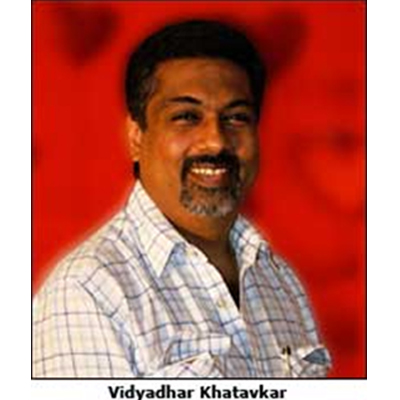
    BENGALURU: Former Raj TV group COO Vidyadhar Khatavkar has joined Gaian Solutions India as Chief Operating Officer – Maya Platform. He will be reporting to Gaian president and CEO Chandra Kotaru and will be based out of Mumbai.


    Khatavkar will be driving growth of Maya Platform. The Maya platform for Satellite TV Channels offers a localisation technology that has potential to increase Television Broadcaster revenues multi folds, says the company.


    Khatavkar says, “Indian TV Broadcast industry is at crucial stage where it is facing quite a few challenges. However, it is poised to leap towards next growth cycle and the process of digitisation is one such steps and technology will be playing the role of ‘driver’ in this growth. Maya Platform is such a breakthrough technology and product, which has potential to change the Indian television market scenario.”


    Gaian is a Seven year old Media Technology and Services company headquartered in Silicon Valley, San Jose, USA with satellite R&D development centers in Hyderabad and Visakhapatnam in India and Shenzhen in China. 


    Khatavkar has spent over 23 years in the industry. Khatavkar has been associated with the Zee Network for 13 years. He was part of the core team that launched the Zee Alpha channels. He was also the national sales head for all the regional channels at Zee from 2000-2002. Till 2005, he was business head, Zee Gujarati; and his last assignment with Zee was as senior vice-president – sales, Zee Sports. In May 2006, he departed from the Zee umbrella to join B4U, where he spent two years.


    After Zee, Khatavkar was Senior Vice President of Cellcast Interactive overlooking media strategy, acquisition, consumer research, airtime sales and sponsorships. He later joined the Raj TV Network as Group COO, where he worked for about two years.

  • Raj TV Network plans to raise Rs 1 bn through IPO

    Raj TV Network plans to raise Rs 1 bn through IPO

    MUMBAI: Raj Television Network plans to raise Rs 1 billion through its initial public offering (IPO). The issue proceeds will be used for launching a niche youth channel, producing telefilms, distribution of TV channels in overseas markets, creating a studio facility, strengthening existing content, and exporting films.

    Post-IPO, the promoters’ holding will drop from 100 per cent to 72.5 per cent. The IPO will consist of a fresh issue of 22,70,700 shares (15 per cent) and an offer for sale of 12,97,550 shares (10 per cent). Raj TV Network is also reserving 2.5 per cent as ESOPs.

    “We expect to raise Rs 1 billion. The final value will, however, be determined through the book building process,” Raj TV Network senior vice president, corporate planning and strategy Sathya Prakash tells Indiantelevision.com.

    The company has earmarked Rs 106 million for launching a niche channel aimed at the youth while Rs 71.5 million will be for the studio and Rs 62.5 million towards telefilms. For beefing up content, Raj TV plans to spend Rs 90 million, Rs 50 million for export of films and Rs 37.5 million for distribution of TV channels in overseas markets.

    “We plan to produce five telefilms a year which could also be released on multiplexes. We will be launching our channels internationally. These channels will have a component of local content in each of the markets,” says Prakash.

    Raj Television Network has already filed the draft red herring prospectus with the Securities and Exchange Board of India (Sebi) to enter the capital market with an offer of 35,68,250 equity shares of face value of Rs 10 each. The book running lead manager to the issue is Vivro Financial Services (p).

    The company, which operates Tamil channels Raj TV and Raj Digital Plus, posted a revenue of Rs 320 million during 2005-06 fiscal and Rs 92 million for the first quarter ended 30 June 2006. Pay-TV revenue accounts for 30-35 per cent of the company’s total earnings, says Prakash.

  • SaharaOne and Filmy accept CAS ceiling price of Rs 5

    SaharaOne and Filmy accept CAS ceiling price of Rs 5

    MUMBAI: Sahara One Media and Entertainment Ltd have let the 15 October deadline pass to inform sector regulator Telecom Regulatory Authority of India (Trai) the channel price fixed for the notified areas under conditional access system (CAS).

    The company, which manages general entertainment channel SaharaOne and movie channel Filmy, has acknowledged the ceiling price of Rs 5. 

    The two channels switched to the pay mode in September. 

    The regulator had set a common price on all pay channels directing that under CAS regime they will cost a maximum Rs 5/- per channel per subscriber per month (excluding taxes).

    Ahead of the deadline, most pay broadcasters including Star India, Set Discovery, ESPN Software, Raj TV Network, Sun TV, Udaya TV, Gemini TV limited, Ushodaya Enterprises Limited, B4U Television Network, Sun TV, Udaya TV and Gemini TV, British Broadcasting Corporation (BBC) and Zee Turner Ltd had agreed to the price and declared the charges of all the channels.

  • Broadcasters follow Trai diktat, declare channel rates at Rs 5

    Broadcasters follow Trai diktat, declare channel rates at Rs 5

    MUMBAI: Under protest but within the deadline stipulated by the sector regulator, pay broadcasters today fell in line on the price fixed for the areas notified under conditional access system (CAS). As pre the directive issued by the Telecom Regulatory Authority of India (Trai), pay broadcasters have declared the a la carte rates of their channels at Rs 5 (excluding taxes).

    The regulator had set a common price on all pay channels directing that under the conditional access system (CAS) regime they will cost Rs 5/- per channel per subscriber per month (excluding taxes). 

    Star India has declared the prices of its channels as well as the channels the company distributes. The company has specified that the prices are being filed under protest and without prejudice to Star India Private Ltd’s rights and contentions raised in petitions filed by Star and / or any other parties on the issues.

    Last month, Star had filed an appeal in the Delhi High Court challenging the basis of Trai’s announcement on pricing for CAS. The matter will come up for the next hearing on 15 November.

    Set Discovery Pvt Ltd and ESPN Software Pvt Ltd have also respectively acknowledged the ceiling price. The two recently tendered an appeal against the tariff order at the tribunal forum TDSAT, where the final arguments are likely to be heard on 13 November.

    Set Discovery pointed out that the pricing shall be effective from 31 December 2006 and is subject to implementation of CAS in the notified areas pursuant to I&B’s notification dated 31 July 2006.

    Raj TV Network, Sun TV, Udaya TV, Gemini TV limited, Ushodaya Enterprises Limited (Television Division) and B4U Television Network Pvt Ltd have also affirmed to the tariff order set by the regulator. Sun TV, Udaya TV and Gemini TV, however, clarified that the ceiling prices are not effective in Chennai, the CAS market and be accessible as free-to-air channels.

    The British Broadcasting Corporation, which turned its BBC World into a pay channel earlier this year, has also affirmed to the price like the other broadcasters. Zee Turner Ltd has also agreed to the price and declaring the charges of all the channels that the platform distributes.

    The regulator does indicate that in respect of those broadcasters who are yet to confirm their rates, a communication is being sent to them to report compliance in respect of the maximum retail price fixed by them for their pay channels in CAS areas.

    Trai deems that the declaration of tariff for pay channels in CAS areas is an important milestone in the implementation of CAS, which will also protect the interests of consumers.

    The regulator is also pursuing the completion of interconnect agreements among the service providers as envisaged in the Interconnection Regulation order to ensure a smooth roll out of CAS.