Tag: Raj Nayak

  • Why Raj Nayak is getting into scalable IPs with the  House of IP

    Why Raj Nayak is getting into scalable IPs with the House of IP

    MUMBAI: Is there still space in the content creation, event IPs, and the experiences verticals  despite the gadzillion or so producers, event organisers and individual creators  popping up from every nook and cranny all over India?

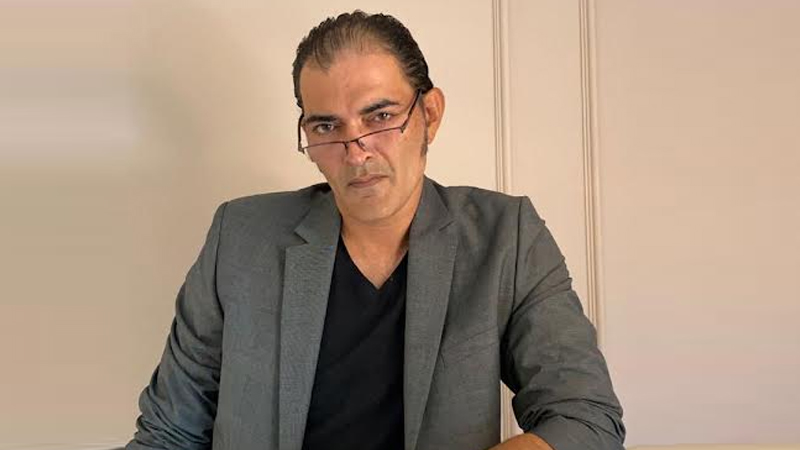
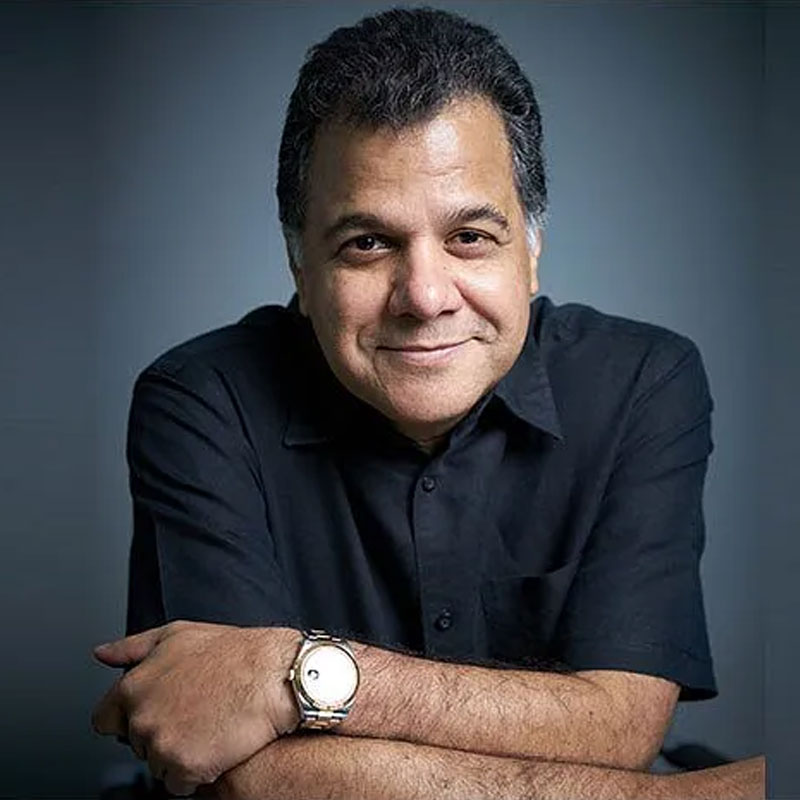
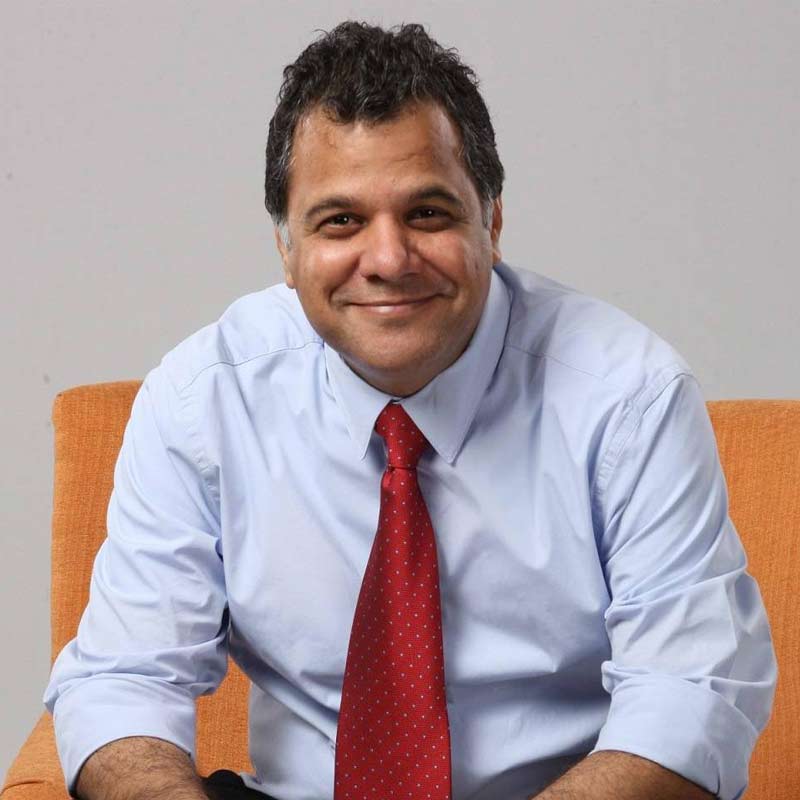
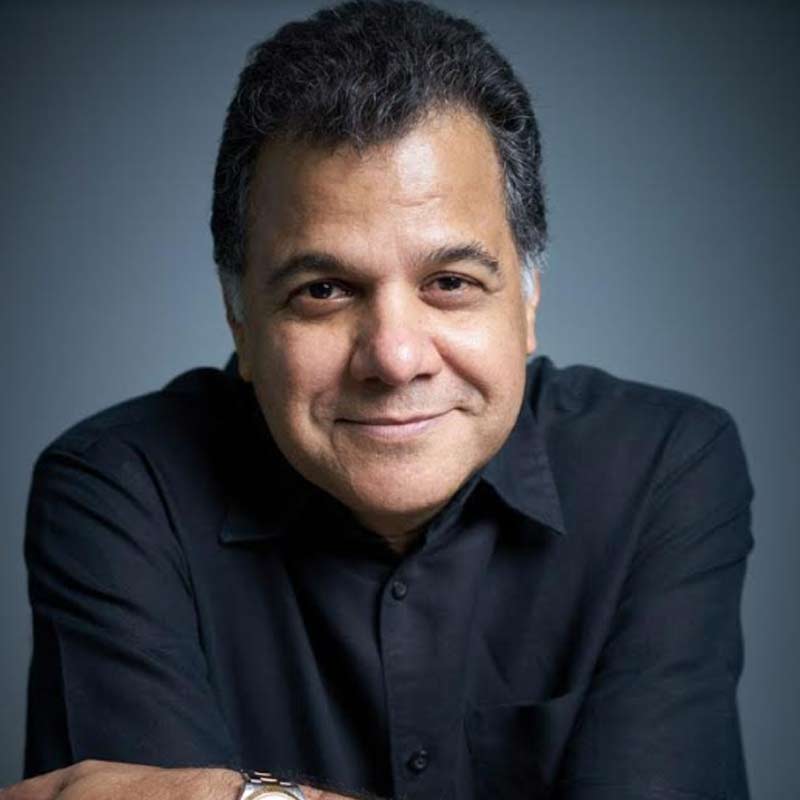
    Well, Raj Nayak, the former chief operating officer of Viacom18 and founder of House of Cheer, sure as hell believes there is. He has unveiled his next bold venture — House of IP — in partnership with digital marketing outfit Yaap.

    Positioned as a first-of-its-kind venture studio for event and entertainment IPs, House of IP promises to create, scale and monetise original properties across sports, music, digital content and branded experiences. From seed ideas to revenue engines, the studio aims to become a launchpad for immersive, culture-first experiences.

    “At a time when content is fragmented and brands are fighting for attention, scalable IPs are the future,” said Nayak who does not seem to be tiring despite being in the media and entertainment business for nearly four decades.

    He’s raring to go with his new venture, just like he was at the start of his career nearly 40 years ago.  “House of IP is built to turn bold concepts into cultural movements — and business success.”

    Yaap, known for its work in influencer marketing and digital media, brings its tech-driven, platform-first mindset to the collaboration. Founder Atul Hegde called the move a “natural evolution” of Yaap’s vision. “With Raj’s creative force and our digital DNA, this partnership will help build IPs that go the distance,” he said.

    House of IP is setting up shop in Mumbai, Delhi, Bangalore and Dubai, with plans to work both with original concepts and existing IP owners. The venture will offer strategic consulting, content creation, brand partnerships and monetisation models.

    “Think big ideas, deep culture connects, and long-term brand value,” Nayak added. “Welcome to the House of IP.”

    What should work in Nayak’s favour is the numerous relationships he has forged  and goodwill he has generated on almost every front throughout his career, whether amongst marketers or agencies or broadcast executives or event agencies.

    Then there is a bunch of startups as well as unicorns in almost every vertical which are looking for expertise to take them forward in the experiences department or their content needs. The new sports policy announced recently by the government is likely to see a plethora of new sports get a fresh impetus with administrators and the private sector getting together to make India a sporting nation and take it beyond just cricket. 

    Already, many leagues for many a sport have come up which need nurturing and guidance to make them grow a la the Pro Kabaddi League and the Indian Super League. Raj spent a large part of his early career selling sports and continues to do so with the Celebrity Cricket League, which should work in the House of IPs’ favour.

    Finally, with the overall live and experiential business literally exploding like never before, it’s most likely that his House of IPs will have a lot to cheer about. Just like his House of Cheer.

  • Raj Nayak bets big on bold ideas with ‘House of IPs’ launch in tie-up with Yaap

    Raj Nayak bets big on bold ideas with ‘House of IPs’ launch in tie-up with Yaap

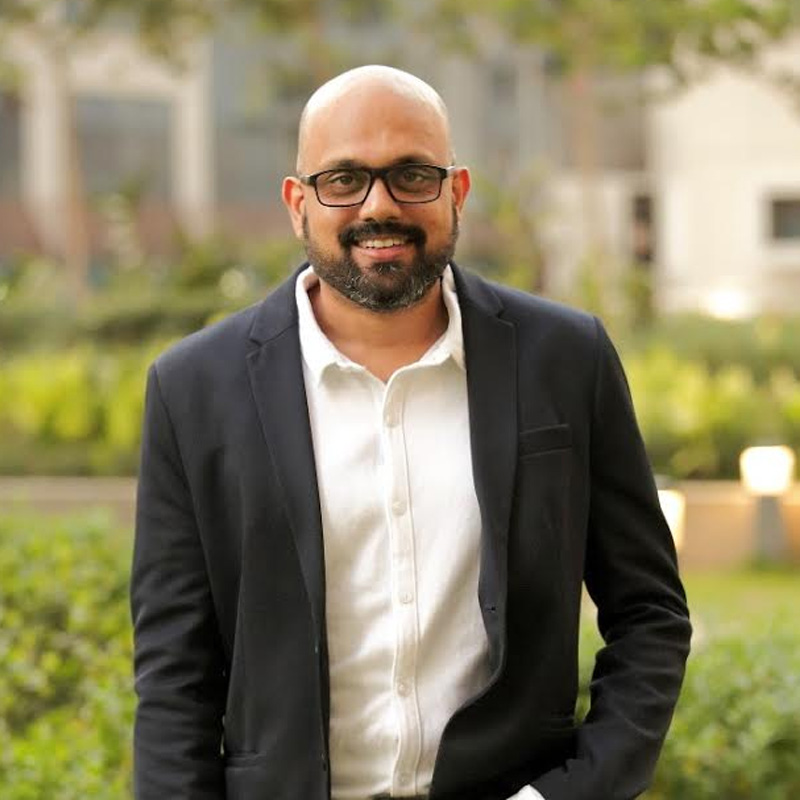
    MUMBAI: Raj Nayak, the maverick media man behind House of Cheer and ex-COO of Viacom18, is back in the game with a fresh innings, ‘House of IPs’, a first-of-its-kind venture studio focused on creating and scaling blockbuster properties in entertainment, sports, digital, and beyond.

    Launched in strategic partnership with Yaap Digital, the new-age content and influencer marketing firm, House of IPs is being positioned as a creative powerhouse for India’s experience economy building original, ownable formats from scratch while also turbocharging existing ones.

    Think of it as a factory for future cult brands: be it music festivals, sporting formats, branded content, or digital-first properties, the studio promises to take bold ideas from pitch decks to packed stadiums and everything in between.

    “At a time when content is fragmented, attention spans are shrinking, and brands are seeking more immersive and ownable experiences, the need for strong, scalable IPs is more urgent than ever,” said Nayak. “This venture is about building cultural properties that connect deeply with audiences while delivering real value to brands and platforms.”

    The tie-up brings together Nayak’s deep industry muscle and storytelling savvy with Yaap’s fluency in the digital matrix and monetisation models. The joint effort will cover content development, strategic brand advisory, commercialisation, and full-stack IP management.

    Atul Hegde, Founder of Yaap, added, “At Yaap, we’ve always believed in the power of IPs to build lasting brand equity. Partnering with Raj  to launch House of IP is a natural extension of our vision. With his creative leadership and our digital-first DNA, we’re excited to co-create iconic, scalable properties that will redefine how brands engage with culture and communities.”

    With offices in the works across Mumbai, Delhi, Bengaluru, and Dubai, House of IPs is betting that in a world hooked to moments and memories, the real power lies in owning the story.

    (If you are an Anime fan and love Anime like Demon Slayer, Spy X Family, Hunter X Hunter, Tokyo Revengers, Dan Da Dan and Slime, Buy your favourite Anime merchandise on AnimeOriginals.com.)

  • Branquila takes flight as it lands in the UAE with full brand arsenal

    Branquila takes flight as it lands in the UAE with full brand arsenal

    MUMBAI: From building brands to breaking boundaries, Branquila is now boarding in the UAE. Branquila Brand Ventures, the creative brand management agency founded by Sandeep Dahiya in 2022, is charting international territory. The firm has officially launched operations in the UAE, bringing its full suite of brand-building offerings to one of the world’s fastest-growing business hubs.

    With services spanning brand positioning, creative execution, PR, social media, SEO, performance marketing, and licensing, Branquila isn’t arriving with baby steps, it’s jumping into the Emirates with both boots on.

    Best known for driving mandates for marquee Indian names like Endemol Shine India, Banijay Asia, Abundantia Entertainment, Madame Fashion, and Genes Lecoanet Hemant, Branquila now aims to replicate that impact in a market buzzing with entrepreneurial energy.

    “The UAE is brimming with ambition and ideas, it’s the perfect launchpad for our next chapter,” said Branquila Brand founder & CEO Ventures Dahiya. “With our core promise of making brands work for business, we’re excited to help UAE-based businesses scale, stretch, and stand out.”

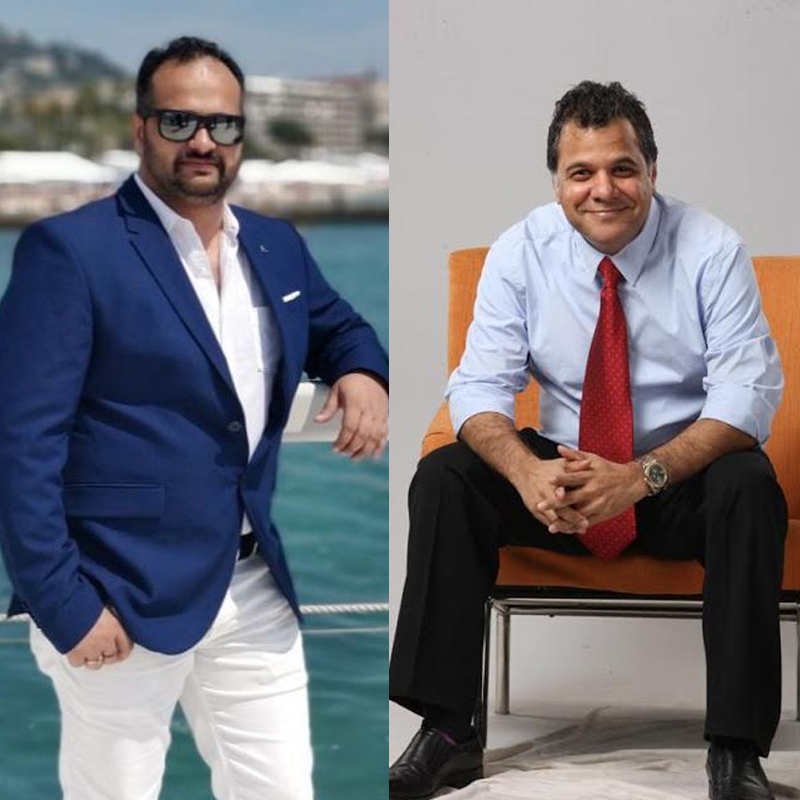
    Adding firepower to the firm’s expansion is its newly announced advisory board, Brandwidth, a brain trust of industry veterans including Raj Nayak, Rajesh Kamat, Vishal Chaddha, Sudha Sarin, Jaydeep Shetty, and Anand Kumar. The council will help shape Branquila’s growth playbook while providing strategic insight to partners across sectors.

    As D2C, fashion, entertainment, and media brands look to break the clutter in the Gulf, Branquila is betting big that creativity with a little hustle travels well.

    (If you are an Anime fan and love Anime like Demon Slayer, Spy X Family, Hunter X Hunter, Tokyo Revengers, Dan Da Dan and Slime, Buy your favourite Anime merchandise on AnimeOriginals.com.)

  • Madison World is now certified as ‘Happiest Places to Work’

    Madison World is now certified as ‘Happiest Places to Work’

    Mumbai: Madison World has announced its recognition as one of the happiest places to work. This certification comes after an extensive Happiness Dialogue involving over 900 employees across various divisions, including Media Planning, Buying, Digital, PR, Outdoor, and Sports Marketing. With a participation rate of over 82 percent and a completion rate of 86 percent, the dialogue revealed exceptionally high scores in Gratitude, Courage, and Freedom.

    These high scores underscore the positive sentiments of employees towards the organization, highlighting their appreciation for the company’s efforts, the ease of expressing themselves at work, and the significant autonomy and freedom they enjoy within the organization.

    Madison World chairman Sam Balsara remarked, “We are incredibly honored to receive this certification. It reflects our commitment to creating a supportive and empowering work environment where our employees can thrive. Their positive feedback on gratitude, courage, and freedom speaks volumes about our collective efforts to make Madison World a truly happy place to work.”

    Happiest Places to Work managing director Raj Nayak added, “Madison World has set a new benchmark in the advertising industry by prioritizing employee happiness and well-being. Their impressive scores in Gratitude, Courage, and Freedom reflect a culture of appreciation, openness, and empowerment. We are delighted to certify Madison World as one of the happiest places to work.”

  • Vidnet 2022: ‘OTT has spurred the era of fearless storytelling’

    Vidnet 2022: ‘OTT has spurred the era of fearless storytelling’

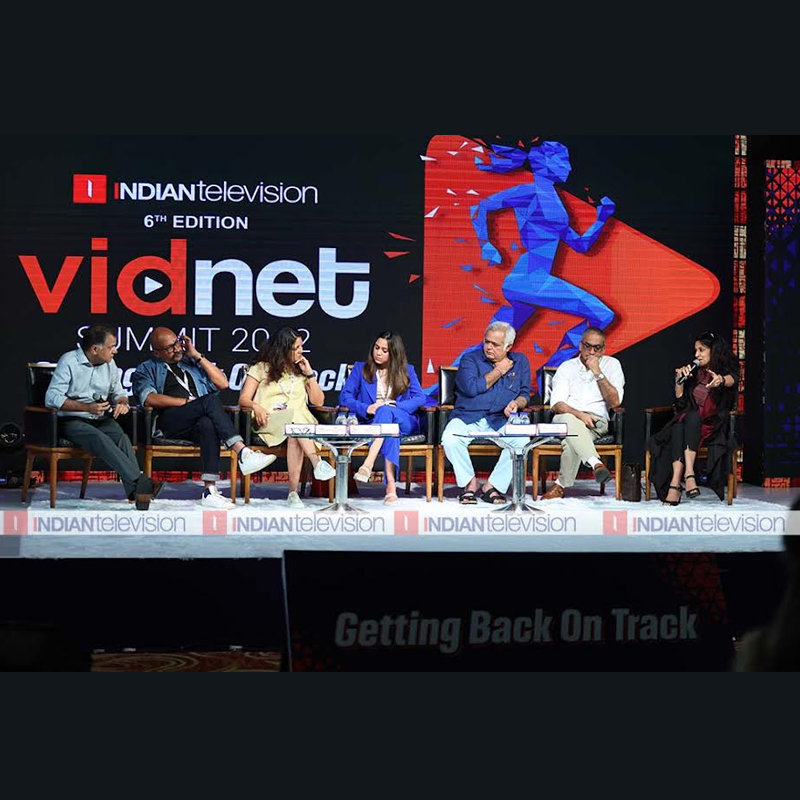
    Mumbai: India has entered a new era of creative storytelling. Whether it is the hegemony of Hindi-language content or big-name stars driving audiences to films, the rules that determined successful content have been broken. The focus in storytelling is on good writing that hearkens back to the 80s and 90s Doordarshan era with fine shows like “Wagle Ki Duniya,” “Hum Log,” or “Nukkad” to name a few. During a panel session on ‘Era of Creative Storytelling’ held recently at IndianTelevision.com’s VidNet Summit 2022, panellists affirmed that while content is governed by certain rules, the ones that have been breakthroughs have always upturned the rules.

    The two-day industry event was supported by technology partners Dell Technologies and Synamedia, summit partners Applause Entertainment and Viewlift, industry support partners Gupshup, Lionsgate Play and Pallycon, community partners Screenwriters Association and Indian Film and Television Producers Council and gifting partner The Ayurveda Co.

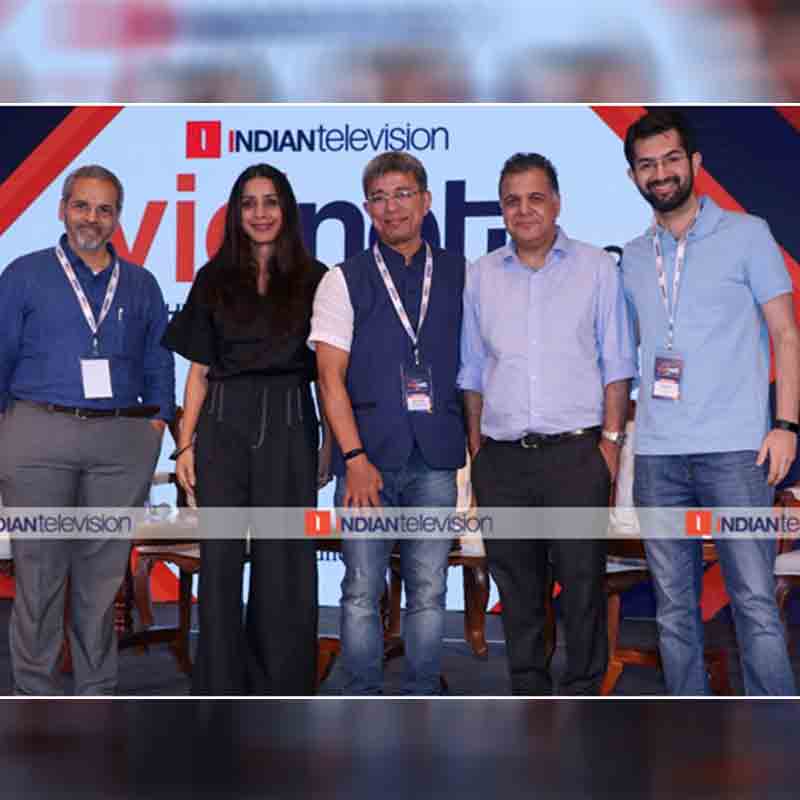
    The session was joined by director, writer and producer Suresh Triveni, Excel Entertainment producer Rucha Pathak, Applause Entertainment head of content Deepak Segal, Banijay Asia executive vice president – business and content Mrinalini Jain, film director, writer and producer Hansal Mehta, and Zee Studios head of content Ashima Avasthi Chaudhuri. The discussion was led by House of Cheer founder and CEO Raj Nayak.

    We’ve all heard of the Korean show “Squid Game” but few consumers outside of India have heard of an Indian original production that is not a film. Raj Nayak started off the discussion by asking creators why India’s content has not travelled as much as we would like?

    “I believe that stories have to stay authentic to where they originate from,” said Zee Studios Ashima Avasthi Chadhuri. “Do I need to make a story in English language for it to be accepted globally? No. Do I need to shoot the story in an international setting to make it appealing? No. It is not the language or budget of a production that determines whether the story travels but rather the emotion which must be universal.”

    “Scam 1992” director Hansal Mehta believed that, too often, creators of a show get caught up in figuring out the end result i.e., revenues. They ask complicated questions like ‘is the show accessible to a global audience?’ or ‘projected box office earnings for a film during the weekend’ rather than investing in the creative process. “When we made ‘Scam 1992,’ we didn’t think if we’re making it for Netflix or Amazon Prime Video. Nobody commissioned us to create it. We sold it after the cuts were made and it was picked up by a young OTT platform (SonyLiv). Its success proved that good content is greater than the platform and will find its way to the audience.”

    Suresh Triveni, who directed “Jalsa,” was also of the view that producing the film first and then selling it to the platform (Amazon Prime Video) gave him the creative freedom to tell the story that he wanted. But the question whether commissioned or acquired content works better is something that every creator needs to answer for themselves, he noted.  

    TV and film producers were putting content back in the box, figuratively, by looking at metrics like weekend box office projections and weekly TV ratings, according to Chaudhuri. “Film producers were looking at the Friday (weekend box office) result and TV broadcasters were looking at the Thursday result (TV ratings). OTT is a brilliant platform because the content is here to stay and the audience will find the story at some point in time.”

    There’s also the fact that writers on OTT are becoming more fearless, observed Banijay Asia’s Mrinalini Jain. “We do all sorts of shows and some have a structure that works and others are scripts that we take a punt on. There are writers who are still finding their voices and don’t have a lot of work behind them but they have the conviction. That gives me confidence that maybe I should take a punt on them. There has to be space for flaws and being judged in storytelling because that’s the society we’re living in. Fearlessness in writing is the best thing I’ve come across in the evolution of OTT storytelling.”

    Adding further, Triveni observed that movies and TV shows have been following the business of trends. “I think there is a lack of appreciation of literature in India. We’re not reading enough or going regional in terms of finding our stories. The industry that resides in Bombay is in an echo chamber and we’re busy churning out content. Our variety will come through our literature that genuinely needs to be explored.”

    Addressing the view that there is not enough variety of content on OTT platforms, Excel Entertainment’s Rucha Pathak felt that OTT platforms will undergo the same change in perspective that film creators realised many years ago. “When I was in the studio side of the business, everyone was making films with big name stars and studios realised that to differentiate the script is really important. The film industry saw a merging of commercial and non-commercial cinema and I think the same will happen in the OTT world. Now that I’m on the producer’s side, I know that a good story really depends on the showrunner’s, director’s and writer’s vision.”

    The most asked question during the session was how can writers pitch their ideas to studios and OTT platforms? Applause Entertainment Deepak Segal replied stating, “The writer who comes to pitch their story to us must have conviction. Secondly, as a studio if I’ve put out three crime thrillers then I’m not looking to create another one. During the pitching stage, we also need to understand the myriad factors that the story will bring to the table. Then it is up to the platform or studio to decide whether they have the wherewithal to do the show.”

    Speaking from personal experience, Segal also remarked, “Don’t pitch a story by saying that it is a big project because then we’ll say I’m not the studio to make this happen. Studios are never looking to undercut creators and will pay whatever cost is required to make the show. Also, don’t ever pitch a film script and say it can also be turned into a web series. There’s a different way of writing a feature film versus a web series versus a TV show. Luckily, we learnt about character arcs and tropes that are being used in the web series format from the adaptations that we created.”

  • Trai must focus on regulating process, not prices : Broadcasters at CII Big Picture Summit

    Trai must focus on regulating process, not prices : Broadcasters at CII Big Picture Summit

    Mumbai: As a regulator, the Telecom Regulatory Authority of India (Trai) must focus on regulating the process and not the prices, argued broadcast industry stakeholders at the CII Big Picture Summit held on Wednesday. The discussion was around the impact of new tariff order (NTO) 1.0 and 2.0 on linear TV broadcasting and the need for light touch regulation.

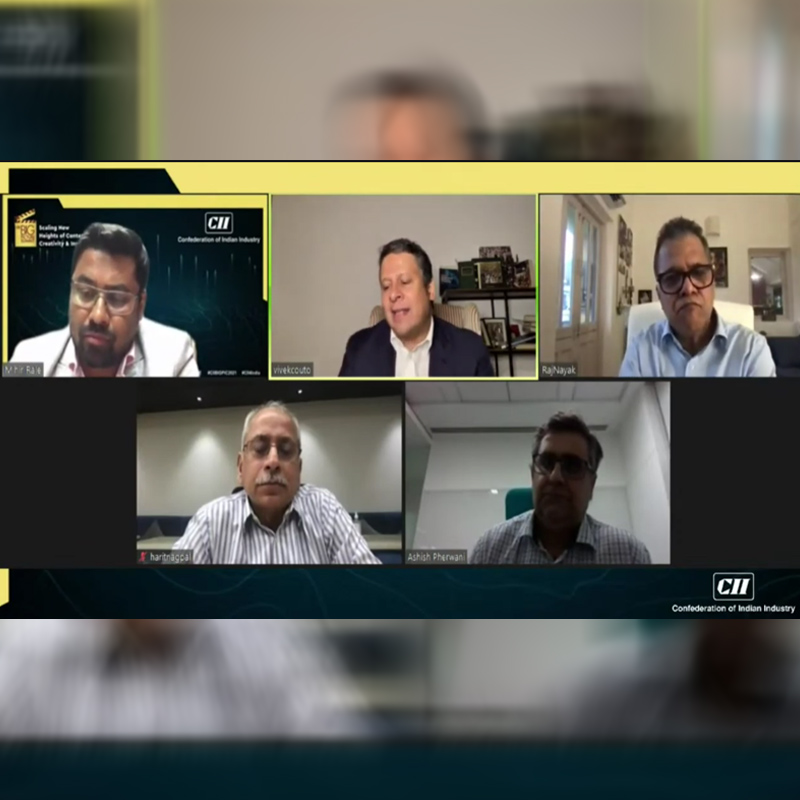
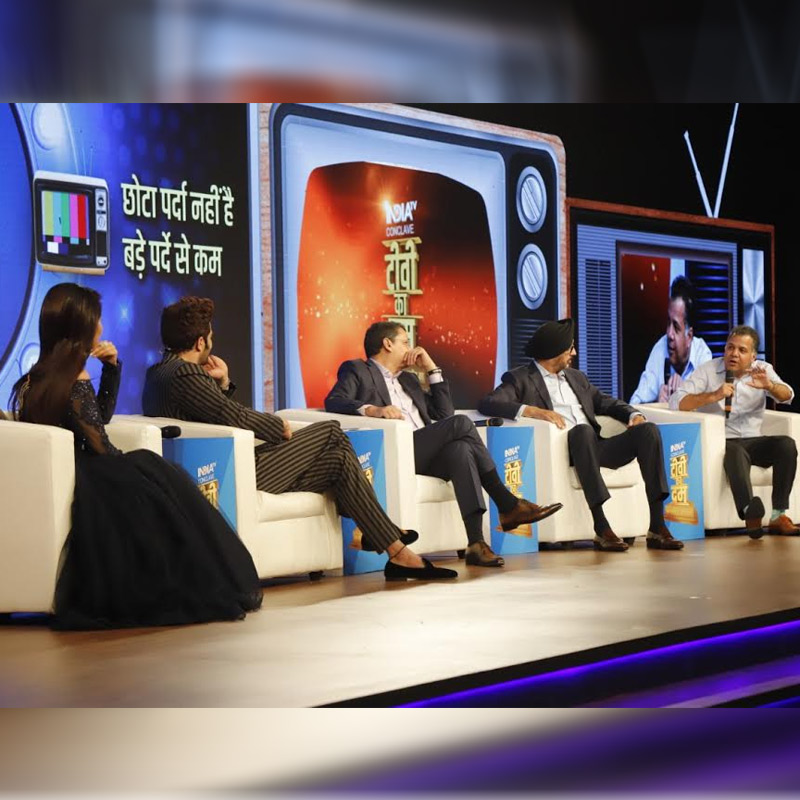
    The session was joined by Tata Sky managing director and CEO Harit Nagpal, Disney and Star India chief regional counsel Mihir Rale, House of Cheer Networks founder and managing director Raj Nayak, Ernst and Young Indian media and entertainment practice leader Ashish Pherwani and was moderated by Media Partners Asia co-founder and director Vivek Couto.

    The pay TV industry in India is the cheapest in the world and not by a small margin. Broadcasting is the largest contributor to India’s media and entertainment industry. India’s M&E industry accounts for 1.1 per cent of total GDP whereas in mature markets the contribution is usually 3-4 per cent. Panellists argued that excessive regulation by Trai is holding back the growth of the industry.

    “We belong to the service industry,” said Harit Nagpal. “A product like Tata Sky is aimed at customers who are willing to pay five to ten per cent extra to watch premium quality content. But when Trai regulates the prices, even if the customer is willing to pay extra, we can’t increase the prices. There is no incentive to invest in quality.”

    Trai’s intent seems noble on paper. The NTO regulations want to create parity in prices in linear TV broadcasting. However, there is a wide spectrum of customers in India that watch content. The players in the TV broadcast ecosystem understand the consumer’s needs and try to meet them with attractive prices. Trai’s regulation is akin to saying that a three BHK apartment must be priced the same whether you live in Cuffe Parade or the suburbs of Pune, remarked Raj Nayak.

    “When the regulator framed and implemented NTO 1.0 the stated objective was a-la-carte needs to be pushed in the interest of the consumer. Today, we know that if the consumer picks a-la-carte then his/her content costs will go up,” said Mihir Rale.

    Trai most contentious provisions in the NTO 2.0 were its twin conditions which mandated that average MRP prices of channels in a bouquet must not be more than 1.5 times the bouquet price. The second condition, which was struck down by a Bombay high court judgment, states that MRP of an individual channel in a bouquet should not exceed three times the average MRP of a channel in that bouquet.

    Rale said, “Linking a-la-carte pricing to bouquet pricing is a fundamentally flawed approach. The ability of the broadcaster to subsidise the cost to the consumer is important. Bouquets have an intrinsic value from an advertiser standpoint. We can customise and tailor our prices to everyone’s ability to pay. Why should that be taken away?”

    Stakeholders were of the view that Trai must step back and take a long hard look at the impact of NTO 1.0 regulation before implementing the amendment order. They said that consumer costs have gone up by 25-30 per cent and broadcasters have had to shut down a few of their channels. It was also noted that Trai must not assume every consumer is digitally savvy and will make the transition into the new regulatory mechanism easily. It is estimated that NTO 1.0 implementation resulted in the drop off of 12-15 million pay TV subscribers. 

    “We are in a free economy and the regulatory has come and put a price cap saying it is in the interest of the consumer. In fact, since there is a lot of competition in the linear broadcasting industry the fact is that broadcasters can’t raise prices indiscriminately without losing market share,” observed Raj Nayak.

    Trai has acknowledged that NTO implementation has yielded different results than what they expected. The need of the hour is for the industry to come together with the regulator and introspect on what’s best for the consumer.

    “The M&E industry is a creative industry. What we call different parts of the industry is just distribution. There are 130,000 digital influencers in India. How did this happen? Not by a regulated creative industry,” said Ashish Pherwnai. “The Indian media sector is $ 17 billion in size. How can regulation help us meet our targets in terms of percentage of GDP? Global companies like Disney and Lionsgate Universal get 50 per cent or more revenues from exports. In India that number is less than eight per cent.”

    Pherwani also talked about how the top studios in the US spend $20 billion on content, and in Europe, the top studios spend $40-45 billion. If 10 per cent of that market comes to us, then it is a $4 billion opportunity on a base of $17 billion, he said.

    The panellists hoped that the trust deficit between the regulator and broadcasting ecosystem can be dramatically reduced in the coming years and TV growth returns to 2017 levels.

  • DistroTV partners with Raj Nayak’s House of Cheer

    DistroTV partners with Raj Nayak’s House of Cheer

    Mumbai: Advertising video on demand platform DistroTV has partnered with House of Cheer to onboard South Asian channels. The platform will cater to USA, UK, and Canadian audiences making it easier to distribute, market, and monetise content at no cost.

    The company is also in advanced discussion with a further 15 to 20 channels that include regional languages like Tamil, Telugu & Malayalam. DistroTV plans to scale this operation over the next 12 to 18 months in other international markets.

    “The DistroTV Desi Bundle is an easy pathway to reach the 20-million, strong South East Asian diaspora across North America and the EU, representing a large revenue opportunity,” said the company in a statement.

    DistroTV is a division of California-based media technology company DistroScale and has partnered with Indian TV broadcasters such as Times Network, Republic Media, News24, Mastii TV, E24 to distribute their content globally. It offers Indian channel content through a free service called DistroTV Desi focusing on entertainment, lifestyle and news geared toward the South Asian population abroad and airs in native languages including Hindi, Gujarati and Punjabi among others.

    “Today’s broadcasters and content creators face a few critical challenges, They struggle with the cost of content delivery, with understanding how to best drive viewership, and with how to effectively market and monetise their content,”  said DistroScale, co-founder and chief executive officer, Navdeep Saini, adding that, “At DistroTV, we aim to address all of these issues so that content creators can focus solely on their craft: producing meaningful content that will resonate with viewers.”

    “DistroTV makes it easier than ever for Indian content creators and channels to distribute and monetise their content globally, without worrying about the setup, infrastructural, and ad costs, which is a huge saving on their bottom line,” said House of Cheer, managing director and advisor to DistroTV, Raj Nayak.

    “The channel owners can simply focus on producing engaging content, and we will host and monetise their content, as well as syndicate their channels to other large streamers to widen their international distribution, income, and revenue opportunities,”  DistroScale, vice president of business development and content acquisition, Rajesh Nair.

    “DistroTV ensures that all content is aggregated into one OTT platform, with the flexibility of having both linear TV and VOD. The platform absorbs all associated costs for content delivery, streaming, and marketing so that broadcasters and content creators do not pay any upfront investment or infrastructure costs. Leveraging its vast network and deep relationships with advertisers, DistroTV also monetises content for all clients,” said a statement.

    “Unlike other streaming providers, DistroTV also offers transparency to content owners through its LIVE dashboard, which allows for direct, real-time access to key viewership and revenue metrics at any given time. Metrics in the LIVE dashboard include viewer location, time of day shows were watched, the frequency of watching a show, and even how many ads a particular viewer saw during episode breaks. With access to key viewership metrics, broadcasters and content owners are able to make informed decisions and tweak strategy in real-time to drive maximum viewership and increase monetisation,” it added.

  • Happyness.me launches employee voice 24/7 platform

    Happyness.me launches employee voice 24/7 platform

    KOLKATA:  When employees may freely air their views, without fear of attracting the management’s ire, it would make for a happy organisation and inevitably progress for the company, especially in these COVID-19 pandemic times.

    Based on this premise of taking positive worker engagement to the next level, House of Cheer, a company promoted by media veteran and former COO of Viacom18 Raj Nayak, announced it will offer its service, tech-enabled Employee Voice 24/7 platform, to small, medium and large companies, free of cost for an extended period of six months.

    The initiative comes as a complementary service for corporate leaders and employees of firms, big and small across India, who continue in their resolute defiance of COVID-19 challenges, to not only stay afloat, but also prosper and grow during the ongoing pandemic.

    Launched under the happyness.me brand, Employee Voice 24/7 will now be offered to every company (small, medium & large) in India for an extended period of six months.

    Employee Voice 24/7 empowers C-Suite leaders to listen to their people to better understand, in real time, how they are feeling. Across all organizations, the service enables each employee to anonymously share her/his feelings at any given point of time, 24/7, even multiple times a day.

    The platform will organize all individual employee feedback into a unique dashboard with actionable insights that can inform and empower leadership to improve communication finally aimed at employee well-being.

    House Of Cheer managing partner Namrata Tata said: “The world is still in the throes of the worst global disaster in living human memory, and the pandemic has impacted lives in unimaginable ways.  As companies and their employees struggle to overcome the challenges, it is an undisputable fact that at all times; the state of mind of employees has an important bearing on both – their own happiness (quotient), and the performance and fortunes of the company.”

    “We have rolled out this free service to encourage organisations to connect with their people on a real-time basis,” said Tata, added, “We would therefore encourage leaders of every organization, regardless of size, to make Employee Voice 24/7 service a partner in their growth efforts. Communication is a two-way street, and you need to hear from your people, just as much as they need to hear from you.”

  • Innovation and pioneering helped Marico grow: Harsh Mariwala

    Innovation and pioneering helped Marico grow: Harsh Mariwala

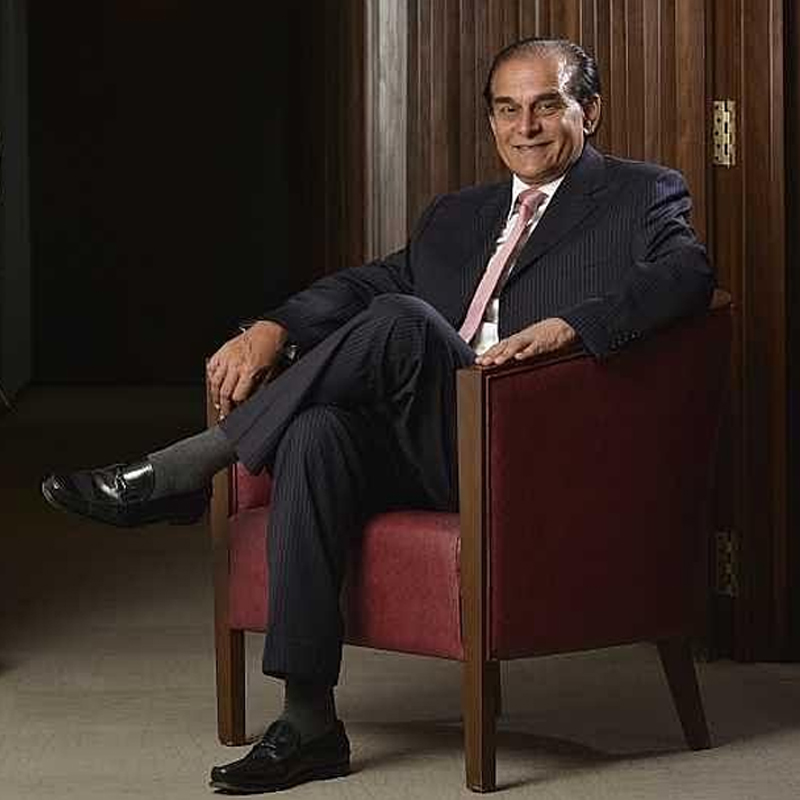
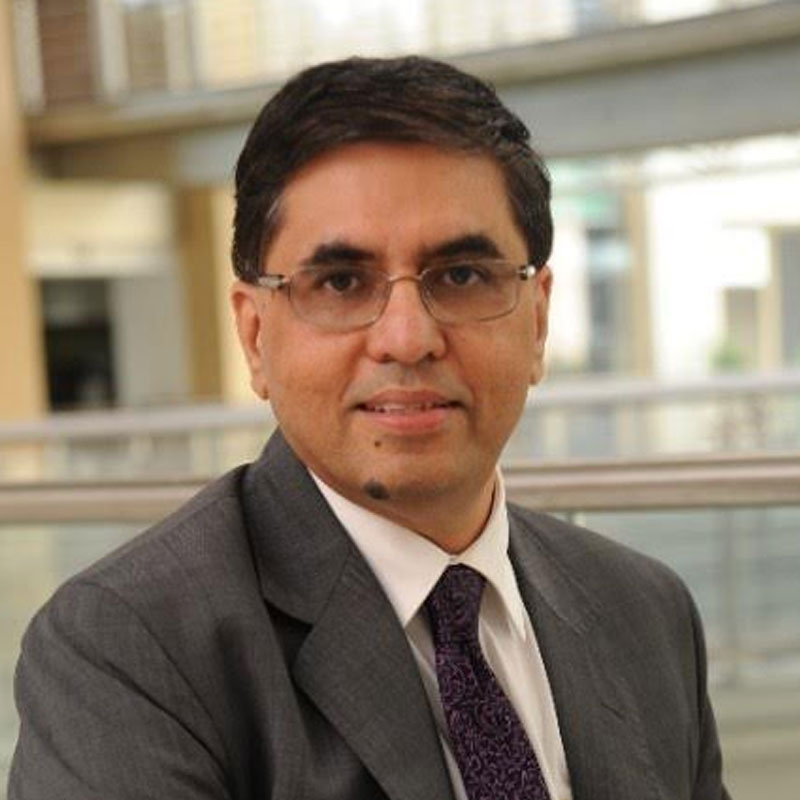
    MUMBAI: Harsh Mariwala transformed his family's trading business in spices and edible oils into Rs 7,300-crore FMCG giant Marico, led by flagship brands such as Saffola and Parachute which sell in 25 countries. The company recently launched Saffola FITTIFY, a range of healthy soups and shakes. Mariwala's other businesses include Kaya, a chain of skin care clinics.

    The company also scouts for young Indian entrepreneurs and facilitates the start-up ecosystem through the mentoring platform Ascent Foundation.

    Mariwala is someone who walks the talk and lives by example – a catalyst of positive change, said Raj Nayak during a tete-a-tete with the affable Marico founder.

    “We started in phases, earlier the name of the company was Bombay Oil Industries. It's an edible oil business where we were selling coconut oil, refined oils to trade as well as some industries. That business was not doing too well, lots of businesses depend on how well you cover your raw material or how the raw material prices behaved, so it was very erratic in terms of margin and performance,” shared Mariwala.

    So he thought of converting the oils business from unbranded to branded in order to make it more profitable and sustainable, a bold move which paid off. And that’s how it all started. He started travelling to internal markets, appointed distributors, talent managers, advertising agencies in the interiors of Maharashtra and Gujarat. The consumer product is highly de-licensed, which helped Mariwala to gain profit. Apart from licensing, one clear no for him was entering the high-tech business.

    Mariwala mentioned that while his iconic Parachute brand was a success, it was mainly selling in 50 litre tins. Initially, the retailers would buy it and sell it in bottles which were later purchased by consumers. Back then, the market of packed coconut oil was much smaller than what it is today. Later, the idea struck him to create a packaged product which was sold in various parts of Maharashtra. Mariwala’s initial foray was to scale up the existing business across India.

    Another well-known brand, Saffola was neglected for a very long period of time, he revealed. After starting the business, his focus was to identify further opportunities. He added, “I wanted to be in the number one position, to be a market leader, as it helps you to get more margin. We grew by innovating in the coconut oil market, during that time the whole market worked on tin containers, then we converted it to plastic. It was not an easy journey; it was a tough conversion. However, it ensured that our growth rate jumped up multiple times. We applied the same innovation in Bangladesh, and now we are the leading coconut player in the Bangladesh market.”

    Another key innovation was the lice-killing hair product Mediker, a must-have in Indian households with young kids.

    “We acquired Mediker from Proctor & Gamble and introduced it in oil format, the sales just doubled. So, innovation and pioneering helped us to grow,” the business tycoon remarked.

    Relating an interesting anecdote behind how the Revive detergent was launched in the early ‘90s and creating a market for a product where none existed, Mariwala said, “We came up with our product Revive out of a personal necessity. I liked crisp clothes, that is how we made Revive which helps to starch clothes without any hassles.”

    According to him, for any product, there must be a consumer need which is big enough to build a brand. Moreover, to become a market leader, advertising is very important and once a certain mass is created, one can go back to devising effective cost structures and improving margins.

    Everybody still wonders, from where the name Parachute emerged. Mariwala jokingly said that is the question that the nation wants to know. He shared that Bombay Oil Industries was formed in 1947, shortly after the second World War when a lot of Indians got to know about parachutes – and that’s how Mariwala’s uncle thought of creating a brand by this name, which is now a huge success.

    On the subject of world wars, Mariwala opined that there is an ongoing war for talent, and one has to treat hiring like marketing. “When there is a shortage of good talent, you have to market yourself first,” he quipped. “That means you have to identify what is unique about you, you arrive at what we call employee value proposition, which is unique in the job market. In our case, unlike big MNC corporations where decisions are taken in closed headquarters, we empower our employees.”

    Spoken like an entrepreneur who knows how to make a difference.


  • International Women’s Day: ‘Wonder Women 100’ list to be unveiled today

    International Women’s Day: ‘Wonder Women 100’ list to be unveiled today

    NEW DELHI: Women have made tremendous strides over the years to achieve equal representation in the workplace. Many have broken the glass ceiling and risen to the top despite all odds. This International Women’s Day, Indiantelevision.com will recognise 100 such talented and outstanding women executives and professionals from the world of advertising, media and marketing with its major initiative- ‘Wonder Women 100’.

    The powerful list which honors 100 top women achievers from the industry has been put together with the help of an esteemed advisory board comprising of senior professionals from the industry including Applause Entertainment CEO Sameer Nair, House of Cheer founder Raj Nayak, RED FM director Nisha Narayanan, Lodestar UM CEO Nandini Dias, Discovery Communications MD-South Asia Megha Tata, Social Access founder Lynn de Souza, Armugum and Consultants founder Punitha Arumugam, Allied Blenders and Distillers (ABD) CMO Anupam Bokey, the Walt Disney Company head – human resources APAC & India Amita Maheshwari, IN10 Media Networks MD Aditya Pittiee, and Indiantelevision.com, founder and editor-in-chief Anil Wanvari.

    The list will be unveiled during a virtual event on Monday (today), 4 pm onwards. This will be preceded by a panel discussion wherein noted experts from the industry will deliberate upon the topic- ‘Women, inclusivity and change’ and share their views on various initiatives taken by the media and entertainment industry to make the workforce more inclusive. Zee5 head-customer strategy and relationships Anita Nayyar, ABD CMO Anupam Bokey, Social Access Communications founder Lynn de Souza, NXTDigital group chief technology officer Ru Ediriwira, Madison Media Sigma – Madison World CEO Vanita Keswani, Hollywood actress and producer Rashaana Shah and Indiantelevision.com founder and editor-in-chief Anil Wanvari will be part of the discussion.

    ‘Wonder Women 100’ features women who have had a lasting impact on the industry and their respective organisations. It also includes those who have driven transformation of social and cultural narratives in their respective organisations and made significant strides towards advancing equality and inclusivity.

    "We are in the 21st century, but for a large part it is a male-dominated world still. Yes, more women are coming out and standing shoulder to shoulder in every profession, in fact, even outshining them. They are doing it against all odds, on most occasions. The journey upwards and forwards is that much harder despite the talent being in abundance. The  2021 Wonder Women 100 – is our way of saluting them. Our hope is that their stories will give wings to many other younger women and inspire them to realise their full potential," said Indiantelevision.com founder and editor-in-chief Anil Wanvari.

    To join the conversation, register : https://www.indiantelevision.com/wonderwomen100/index.html