Tag: Rahul Joshi

  • Network18 appoints Puneet Singhvi as corporate development head

    Network18 appoints Puneet Singhvi as corporate development head

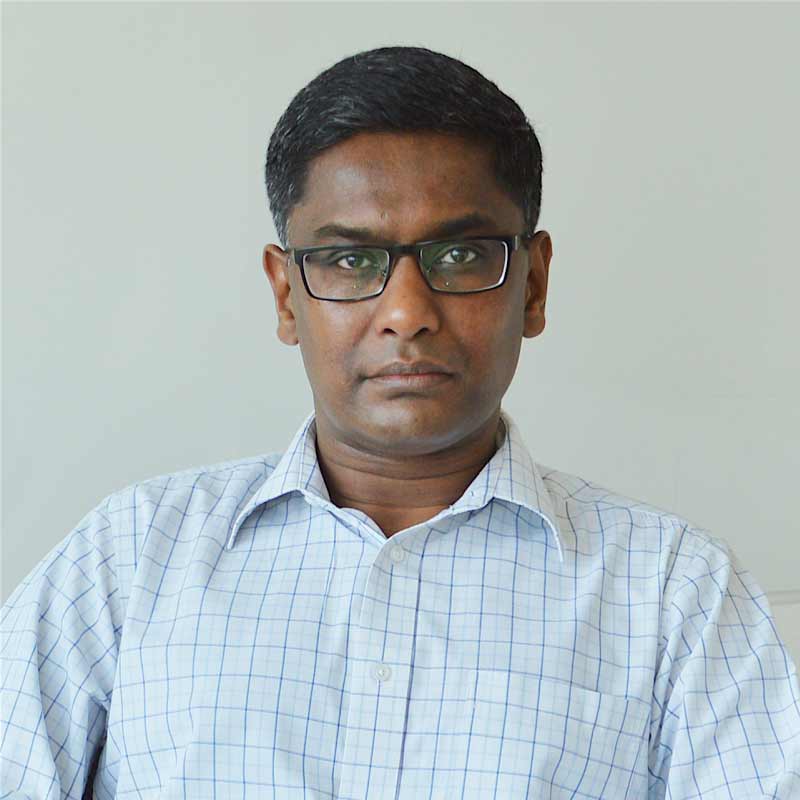
    MUMBAI: In a move to strengthen the organization by bringing in the best and most experienced talent, Network18 Group has announced the appointment of Puneet Singhvi as head – corporate development. He will lead and oversee investments, M&As, partnerships, strategic alliances and business development across all media platforms within the group. Singhvi will report to Network18 news CEO and group editor in chief Rahul Joshi.

    “I am delighted to take on the new role with Network18 and work with the management in driving the next level of growth for the organization. With the recent launches and developments in the group, I am looking forward to significantly leveraging opportunities in media, infotainment and digital landscape,” said Singhvi.

    Prior to joining Network18, Singhvi was the chief operating officer of Times Global Partners, a division of Times Internet that he set up and that works with global digital companies to power their growth in India. He has worked for Times Internet for about thirteen years in different roles.

    Singhvi is a Master of Business Administration from Faculty of Management Studies, Delhi University. His hobbies and interests include traveling, movies, soccer and reading.

  • Network18 appoints Puneet Singhvi as corporate development head

    Network18 appoints Puneet Singhvi as corporate development head

    MUMBAI: In a move to strengthen the organization by bringing in the best and most experienced talent, Network18 Group has announced the appointment of Puneet Singhvi as head – corporate development. He will lead and oversee investments, M&As, partnerships, strategic alliances and business development across all media platforms within the group. Singhvi will report to Network18 news CEO and group editor in chief Rahul Joshi.

    “I am delighted to take on the new role with Network18 and work with the management in driving the next level of growth for the organization. With the recent launches and developments in the group, I am looking forward to significantly leveraging opportunities in media, infotainment and digital landscape,” said Singhvi.

    Prior to joining Network18, Singhvi was the chief operating officer of Times Global Partners, a division of Times Internet that he set up and that works with global digital companies to power their growth in India. He has worked for Times Internet for about thirteen years in different roles.

    Singhvi is a Master of Business Administration from Faculty of Management Studies, Delhi University. His hobbies and interests include traveling, movies, soccer and reading.

  • PM Modi’s NGC interview to be done by David Letterman

    PM Modi’s NGC interview to be done by David Letterman

    MUMBAI: Interviewing the prime minister of India is no easy task. Even after you schedule one, sharing questions in advance with the PM’s office is a must.

    After two successful rounds of interactions with Times Now’s Arnab Goswami and CNN-News18’s Rahul Joshi, PM Narendra Modi will be interviewed by David Letterman from The Late Show fame.

    While Season One of Years of Living Dangerously aired on Showtime, the series will return on its new home, the National Geographic Channel, and is scheduled to premiere on 30 October.

    Letterman will interview Modi for the first episode of the climate change documentary series, Years of Living Dangerously. In its second run, the show’s producers, Joel Bach and David Gelber, reached out to the host after noticing his particular interest in the environment during interviews with scientists on The Late Show.

    Each episode of the series will see a journalist or celebrity-turned-correspondent examining the effects of global warming and will discuss various ways to curb it. For the very first time, Letterman will travel to India and interview the PM about the country’s energy concerns.

    Apart from that, the show will feature Ty Burrell, Cecily Strong and Jack Black, as well as returning correspondents Don Cheadle, Olivia Munn, Ian Somerhalder, Arnold Schwarzenegger and James Cameron, etc.

  • PM Modi’s NGC interview to be done by David Letterman

    PM Modi’s NGC interview to be done by David Letterman

    MUMBAI: Interviewing the prime minister of India is no easy task. Even after you schedule one, sharing questions in advance with the PM’s office is a must.

    After two successful rounds of interactions with Times Now’s Arnab Goswami and CNN-News18’s Rahul Joshi, PM Narendra Modi will be interviewed by David Letterman from The Late Show fame.

    While Season One of Years of Living Dangerously aired on Showtime, the series will return on its new home, the National Geographic Channel, and is scheduled to premiere on 30 October.

    Letterman will interview Modi for the first episode of the climate change documentary series, Years of Living Dangerously. In its second run, the show’s producers, Joel Bach and David Gelber, reached out to the host after noticing his particular interest in the environment during interviews with scientists on The Late Show.

    Each episode of the series will see a journalist or celebrity-turned-correspondent examining the effects of global warming and will discuss various ways to curb it. For the very first time, Letterman will travel to India and interview the PM about the country’s energy concerns.

    Apart from that, the show will feature Ty Burrell, Cecily Strong and Jack Black, as well as returning correspondents Don Cheadle, Olivia Munn, Ian Somerhalder, Arnold Schwarzenegger and James Cameron, etc.

  • After Jio storm, PM Modi interview on Network18 channels

    After Jio storm, PM Modi interview on Network18 channels

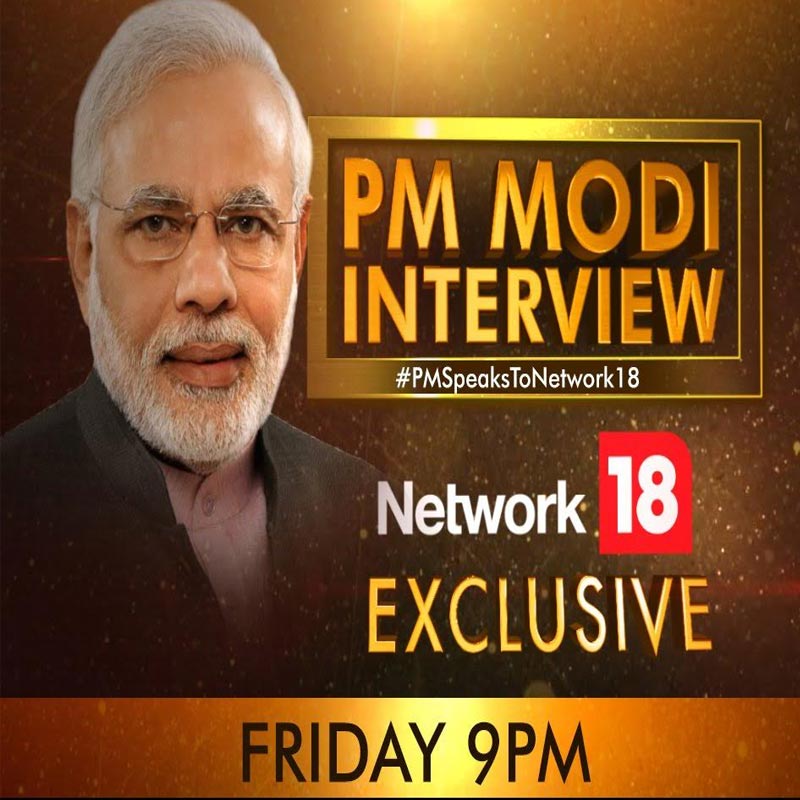
    MUMBAI: A day after Reliance Industries CMD Mukesh Ambani created a media storm with his detailing the Reliance Jio roadmap, following it up today with front page ads on Jio in major newspapers today with a photo of PM Modi, which has been interpreted by some as the PM endorsing the telecom service, Network18 channels will telecast an interview with Modi at prime time.

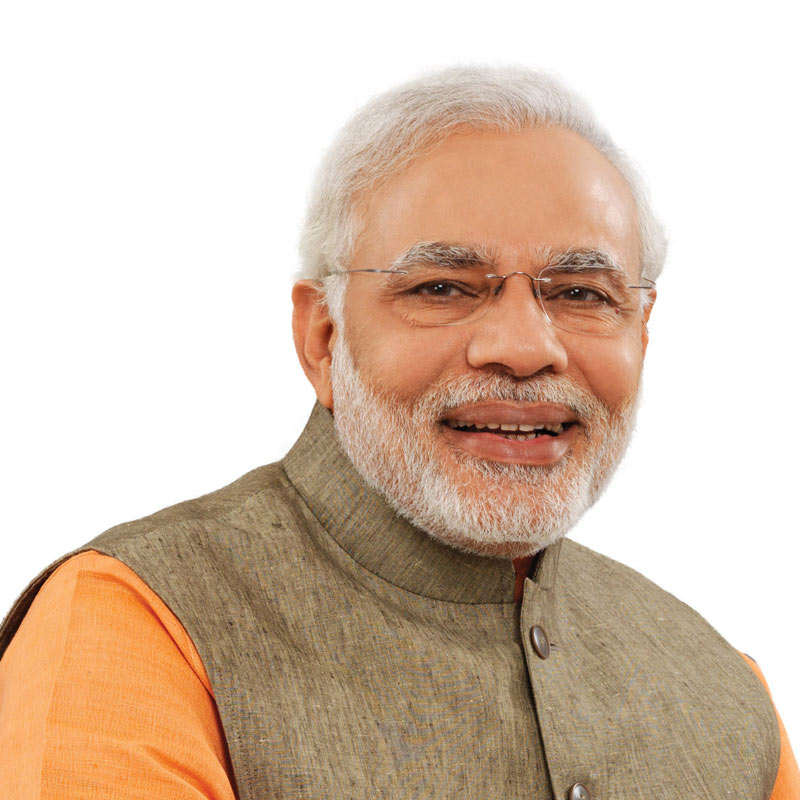
    At the half-way mark of the present NDA-led government, PM Modi talks to Network18 Group Editor Rahul Joshi in an exclusive interview where the former dwells on a range of important topics from politics to economy to sport to Indian culture and heritage.

    In the 75-minute interview, PM Modi also discusses other topics like UP elections, black money, attacks on Dalits, Kashmir strife, state of the Indian media, the Lutyens Delhi culture and about himself too — his working style, what keeps him going, his inspirations and influences and the legacy he would like to leave behind.

    Network18 group and the various media properties housed within it are controlled by Reliance Industries Ltd after it bought out the network’s founder Raghav Bahl and other investors about a couple of years back.

    Referring to the spate of anti-Dalit atrocities and statements across the country, Modi says: “All those who were self appointed guardians were trying to create tension in the country. They did not like (it) that Modi is with the Dalits. That Modi devotes himself to tribals. I am. I am devoted to the development of all the Dalit, oppressed, under-privileged and deprived. Those who see this as an obstruction to their politics are the ones creating trouble. And this is why they are levelling baseless allegations. All those who have fed this country the poison of caste divide have destroyed this country. They must stop giving political tones to social problems. We must go forwards with a purpose. And I want to ask the society also…are these incidents befitting of a civilised society?”

    In a clear denunciation of communal and caste tensions, the Prime Minister minces no words cautioning politicians, specially from his own party, the BJP: “And I want to tell the politicians also..i will ask my party leaders also.. reckless statements, saying anything about anyone or any person’s community…media will come to you… they need their TRP.. but you are answerable to the nation… and that is why, all those living in public life.. whether political or social workers.. even if we are representing a particular community… for the benefit of the country’s unity, society’s unity… for the sake of bonhomie.. we must be extra vigilant.”

    Speaking of the Uttar Pradesh election coming in the next few months, the Prime Minister said voters have to choose between the BJP’s development agenda and the opposition’s caste and community led vote bank politics.

    “The poison of casteism and communal vote bank have caused enough damage in our country. The biggest obstacle to strengthening our democracy is the vote bank politics. There was no atmosphere of vote bank politics in last general elections, there was the atmosphere of development of politics. After 30 years people of section of our society unitedly voted for a majority government. An entire section of our society has made a shift. It’s possible that the people of UP will do a similar thing for betterment of UP, they will vote keeping development in their mind.”

    The Prime Minister says he has never nurtured thoughts of carrying out a vendetta against his political opponents. “First, from a political standpoint, I have neither thought about this and nor will I do so in the future. I have been a state CM for 14 years. And history is testimony that I have never opened any file due to political considerations. I have never been accused of this either. It has been over two years here too. the government has given no instruction to open any file. The law will take its own course. I have no right to indulge in any cover up. You saying that we haven’t spared any dynasty isn’t correct. Second point, The first decision of my first cabinet immediately after assuming office…a matter stuck for 4 years in the previous regime… a matter that was raised by the SC also…the matter of setting up an SIT on the issue of black money. We have constituted the SIT, it is doing its work also. The SC is monitoring the progress also. Another important work that we have done is to have such a strong black money law that no one dare send black money abroad. So this is a job that we have done. No new black money.”

    Referring to reports of differences between the executive and the judiciary, Modi describes it as a “totally wrong perception”. On his commitment to the judiciary, Modi says: “This government goes by rules, law and the constitution. There is no scope for any confrontation or tension with any constitutional institution. There must be as much warmth with judiciary as needed for constitutional decorum. I try my best to maintain as much decorum as possible.”

    On the economic front, the Prime Minister is enthused by the passage of the Goods and Services Tax (GST) Bill, terming it as “the biggest tax reform” : “This reform will bring a big change in India. Very few people in the country pay taxes. Some people pay taxes because they are patriotic, they want to to do something for the country. Some pay taxes because they don’t want to break the law. Some pay to avoid any trouble. But most don’t pay because the process is no complicated, they think they might get stuck in the process and won’t be able to come out. GST will simplify tax payments so much that anyone who wants to contribute to the country will come forward. Secondly, today if you go and eat at a hotel, the bill will come with this cess, that cess… And people send on Whatsapp, so much bill and so much cess… all this will end.”

    He says the Indian economy was his government’s toughest challenge in 2014. This is how he contextualizes the situation when he came to power: “You are right, there was a negative atmosphere and that had an echo effect. The country’s traders and industrialists had started looking out. There was a paralysis in government. On one hand it was this situation on one hand. On the other we had to face two successive droughts. Third, there was a slowdown in the global economy. So there were a series of challenges.”

    The Prime Minister says a series of steps to revive the economy are now bearing fruit: “First of all, in our country, whatever is talked about is seen to be reform. If it isn’t talked about, it isn’t seen as reform. It shows our ignorance. Actually, reform to transform. I say in my government: Reform, Perform and Transform. And since I am sitting for an interview, I would say Reform, Perform, Transform and Inform. Take ease of doing business. Our ranking is improving very quickly. This is not possible without reform. Our systems, processes, forms were so complicated. Now there were reformed, so our rankings are going up. A UN agency has said that from 10 in the next two years, we could be at number three. These small things need to be improved. Even today there is license raj in some areas, that needs to go. This is an important reform that is happening at every level, administrative, governance, legal.”

    Modi does not duck the question on the reasons for criticisms about a sluggish economy. He reveals he had wanted to place a white paper on the country’s economy before presenting his government’s first budget. But what made him not to? “I see that because of your integrity and decorum, you didn’t ask me this question bluntly. Most people do… Modiji in the last two years what mistake did you make? Today I think, before presenting the first Budget, I should have placed a White Paper in Parliament on the economic situation in the country. This thought had come to me. I had two paths. Politics told me that I should put out all the details. But the nation’s interest told me that this information would increase the hoplessness, the markets would be badly hit, it would be big blow to the economy and the world’s view of India would get worse… it would have been very difficult to get the economy out of that…I chose to stay silent at the risk of political damage in the national interest. At that time the situation in public sector banks was coming out and how budget numbers were moved around… I didn’t put these details out in public. It hurt us, we were criticised, it was made to look like it was my fault. But I took the political damage in the country’s interest and the result of that I am being able to fix things, despite shortcomings.”

    He says the “impact of all these issues from the past impacted private investment like non-performing assets of banks, that I am trying to fix now”. The Prime Minister says he prefers the full route over a short cut to economic revival: “I held a session with bankers and told them there will be no call from the government to you. These things would have tightened the screws. Despite that, the pace at which roads are being made, railways is expanding, six fold increase in electronic goods manufacturing, these things show we haven’t taken short cuts. And my motto is, as it says on railway platforms, ‘short cut will cut you short’. We don’t want to take any short cuts and the results are showing. Anyway the situation has improved, we don’t have to worry about these things but let me tell you about the days in the beginning, in May 2014, I chose the tough path. And when unbiased people analyse the situation, I am confident they will be surprised.”

    Reiterating his warning to black money boarders about tough action after September 30, the Prime Minister says he is tackling corruption at all levels – a monumental challenge to his government. “I’m grateful to you that you have accepted that there is no high level corruption . If Ganga is clean at Gaumukh then Ganga will gradually become pure while flowing down. You may have noticed that we have taken many steps which have neutralised chances of any corruption. For instance we have shifted the gas subsidy system into the Direct Benefit Scheme. Ghost clients who used to wrongly enjoy the benefits of gas subsidy are no longer there. Chandigarh was being supplied 30 lakh litres of kerosene. Using technology we stopped providing kerosene to those houses which have gas connection and electricity. And we provided gas connections to those who earlier didn’t have. That’s how we made Chandigarh kerosene free and saved 30 lakh litres of kerosene from being sold in the black market. The Haryana chief minister was telling me he is going to make eight districts kerosene free by this November. You would know our farmers used to be desperate for urea and used to buy from black market. Black-marketeers ruled. In some states the farmers buying urea from black market were even lathi-charged. You must have noticed there is no news of urea shortfall these days. No queuing up of farmers anywhere, no lathi-charge anywhere and black marketing has stopped. And why it is not happening anymore. Earlier the urea meant for farmers used to land up in chemical factories on the sly. Chemical factoroies used to process this as raw material and brought out finished products. They used to get urea cheap. Chemical factories and middlemen enjoyed the cream. We started neem coating of urea. As a result even one gram of urea cannot be used by chemical factories and now entire urea is 100 per cent being used for cultivation only. Additionally, we raised production of urea by 20 lakh tonnes. We also neem coating imported urea. No only that, tribals in Gujarat who were engaged to collect neem seed for this purpose have started extracting neem oil while neem coating and they have earned up to 10 to 12 crore rupees . This is a win-win situation. Corruption and difficulties both gone. Likewise we can do away with low level corruption through policy decisions and using technology. You will start liking at low level what you liked at top level.

    Not much given to talking about himself or his private thoughts, the Prime Minister did perk up when asked how he sees himself portrayed in India’s history: “Why the person who loves to live in his present should worry about history? One must not make that mistake in ones’s life. Unfortunately, in our country, governments, political parties, leaders always tried hard to make their own image. What if we had dedicated to build the image of our country rather than our own? Image of this country is the unending legacy of 1.25 billion people. Modi is just one of those 1.25 billion Indians, nothing more. Modi’s identity must get lost among those 1.25 billion people. There will be no greater joy if Modi is lost in the pages of history.”
  • After Jio storm, PM Modi interview on Network18 channels

    After Jio storm, PM Modi interview on Network18 channels

    MUMBAI: A day after Reliance Industries CMD Mukesh Ambani created a media storm with his detailing the Reliance Jio roadmap, following it up today with front page ads on Jio in major newspapers today with a photo of PM Modi, which has been interpreted by some as the PM endorsing the telecom service, Network18 channels will telecast an interview with Modi at prime time.

    At the half-way mark of the present NDA-led government, PM Modi talks to Network18 Group Editor Rahul Joshi in an exclusive interview where the former dwells on a range of important topics from politics to economy to sport to Indian culture and heritage.

    In the 75-minute interview, PM Modi also discusses other topics like UP elections, black money, attacks on Dalits, Kashmir strife, state of the Indian media, the Lutyens Delhi culture and about himself too — his working style, what keeps him going, his inspirations and influences and the legacy he would like to leave behind.

    Network18 group and the various media properties housed within it are controlled by Reliance Industries Ltd after it bought out the network’s founder Raghav Bahl and other investors about a couple of years back.

    Referring to the spate of anti-Dalit atrocities and statements across the country, Modi says: “All those who were self appointed guardians were trying to create tension in the country. They did not like (it) that Modi is with the Dalits. That Modi devotes himself to tribals. I am. I am devoted to the development of all the Dalit, oppressed, under-privileged and deprived. Those who see this as an obstruction to their politics are the ones creating trouble. And this is why they are levelling baseless allegations. All those who have fed this country the poison of caste divide have destroyed this country. They must stop giving political tones to social problems. We must go forwards with a purpose. And I want to ask the society also…are these incidents befitting of a civilised society?”

    In a clear denunciation of communal and caste tensions, the Prime Minister minces no words cautioning politicians, specially from his own party, the BJP: “And I want to tell the politicians also..i will ask my party leaders also.. reckless statements, saying anything about anyone or any person’s community…media will come to you… they need their TRP.. but you are answerable to the nation… and that is why, all those living in public life.. whether political or social workers.. even if we are representing a particular community… for the benefit of the country’s unity, society’s unity… for the sake of bonhomie.. we must be extra vigilant.”

    Speaking of the Uttar Pradesh election coming in the next few months, the Prime Minister said voters have to choose between the BJP’s development agenda and the opposition’s caste and community led vote bank politics.

    “The poison of casteism and communal vote bank have caused enough damage in our country. The biggest obstacle to strengthening our democracy is the vote bank politics. There was no atmosphere of vote bank politics in last general elections, there was the atmosphere of development of politics. After 30 years people of section of our society unitedly voted for a majority government. An entire section of our society has made a shift. It’s possible that the people of UP will do a similar thing for betterment of UP, they will vote keeping development in their mind.”

    The Prime Minister says he has never nurtured thoughts of carrying out a vendetta against his political opponents. “First, from a political standpoint, I have neither thought about this and nor will I do so in the future. I have been a state CM for 14 years. And history is testimony that I have never opened any file due to political considerations. I have never been accused of this either. It has been over two years here too. the government has given no instruction to open any file. The law will take its own course. I have no right to indulge in any cover up. You saying that we haven’t spared any dynasty isn’t correct. Second point, The first decision of my first cabinet immediately after assuming office…a matter stuck for 4 years in the previous regime… a matter that was raised by the SC also…the matter of setting up an SIT on the issue of black money. We have constituted the SIT, it is doing its work also. The SC is monitoring the progress also. Another important work that we have done is to have such a strong black money law that no one dare send black money abroad. So this is a job that we have done. No new black money.”

    Referring to reports of differences between the executive and the judiciary, Modi describes it as a “totally wrong perception”. On his commitment to the judiciary, Modi says: “This government goes by rules, law and the constitution. There is no scope for any confrontation or tension with any constitutional institution. There must be as much warmth with judiciary as needed for constitutional decorum. I try my best to maintain as much decorum as possible.”

    On the economic front, the Prime Minister is enthused by the passage of the Goods and Services Tax (GST) Bill, terming it as “the biggest tax reform” : “This reform will bring a big change in India. Very few people in the country pay taxes. Some people pay taxes because they are patriotic, they want to to do something for the country. Some pay taxes because they don’t want to break the law. Some pay to avoid any trouble. But most don’t pay because the process is no complicated, they think they might get stuck in the process and won’t be able to come out. GST will simplify tax payments so much that anyone who wants to contribute to the country will come forward. Secondly, today if you go and eat at a hotel, the bill will come with this cess, that cess… And people send on Whatsapp, so much bill and so much cess… all this will end.”

    He says the Indian economy was his government’s toughest challenge in 2014. This is how he contextualizes the situation when he came to power: “You are right, there was a negative atmosphere and that had an echo effect. The country’s traders and industrialists had started looking out. There was a paralysis in government. On one hand it was this situation on one hand. On the other we had to face two successive droughts. Third, there was a slowdown in the global economy. So there were a series of challenges.”

    The Prime Minister says a series of steps to revive the economy are now bearing fruit: “First of all, in our country, whatever is talked about is seen to be reform. If it isn’t talked about, it isn’t seen as reform. It shows our ignorance. Actually, reform to transform. I say in my government: Reform, Perform and Transform. And since I am sitting for an interview, I would say Reform, Perform, Transform and Inform. Take ease of doing business. Our ranking is improving very quickly. This is not possible without reform. Our systems, processes, forms were so complicated. Now there were reformed, so our rankings are going up. A UN agency has said that from 10 in the next two years, we could be at number three. These small things need to be improved. Even today there is license raj in some areas, that needs to go. This is an important reform that is happening at every level, administrative, governance, legal.”

    Modi does not duck the question on the reasons for criticisms about a sluggish economy. He reveals he had wanted to place a white paper on the country’s economy before presenting his government’s first budget. But what made him not to? “I see that because of your integrity and decorum, you didn’t ask me this question bluntly. Most people do… Modiji in the last two years what mistake did you make? Today I think, before presenting the first Budget, I should have placed a White Paper in Parliament on the economic situation in the country. This thought had come to me. I had two paths. Politics told me that I should put out all the details. But the nation’s interest told me that this information would increase the hoplessness, the markets would be badly hit, it would be big blow to the economy and the world’s view of India would get worse… it would have been very difficult to get the economy out of that…I chose to stay silent at the risk of political damage in the national interest. At that time the situation in public sector banks was coming out and how budget numbers were moved around… I didn’t put these details out in public. It hurt us, we were criticised, it was made to look like it was my fault. But I took the political damage in the country’s interest and the result of that I am being able to fix things, despite shortcomings.”

    He says the “impact of all these issues from the past impacted private investment like non-performing assets of banks, that I am trying to fix now”. The Prime Minister says he prefers the full route over a short cut to economic revival: “I held a session with bankers and told them there will be no call from the government to you. These things would have tightened the screws. Despite that, the pace at which roads are being made, railways is expanding, six fold increase in electronic goods manufacturing, these things show we haven’t taken short cuts. And my motto is, as it says on railway platforms, ‘short cut will cut you short’. We don’t want to take any short cuts and the results are showing. Anyway the situation has improved, we don’t have to worry about these things but let me tell you about the days in the beginning, in May 2014, I chose the tough path. And when unbiased people analyse the situation, I am confident they will be surprised.”

    Reiterating his warning to black money boarders about tough action after September 30, the Prime Minister says he is tackling corruption at all levels – a monumental challenge to his government. “I’m grateful to you that you have accepted that there is no high level corruption . If Ganga is clean at Gaumukh then Ganga will gradually become pure while flowing down. You may have noticed that we have taken many steps which have neutralised chances of any corruption. For instance we have shifted the gas subsidy system into the Direct Benefit Scheme. Ghost clients who used to wrongly enjoy the benefits of gas subsidy are no longer there. Chandigarh was being supplied 30 lakh litres of kerosene. Using technology we stopped providing kerosene to those houses which have gas connection and electricity. And we provided gas connections to those who earlier didn’t have. That’s how we made Chandigarh kerosene free and saved 30 lakh litres of kerosene from being sold in the black market. The Haryana chief minister was telling me he is going to make eight districts kerosene free by this November. You would know our farmers used to be desperate for urea and used to buy from black market. Black-marketeers ruled. In some states the farmers buying urea from black market were even lathi-charged. You must have noticed there is no news of urea shortfall these days. No queuing up of farmers anywhere, no lathi-charge anywhere and black marketing has stopped. And why it is not happening anymore. Earlier the urea meant for farmers used to land up in chemical factories on the sly. Chemical factoroies used to process this as raw material and brought out finished products. They used to get urea cheap. Chemical factories and middlemen enjoyed the cream. We started neem coating of urea. As a result even one gram of urea cannot be used by chemical factories and now entire urea is 100 per cent being used for cultivation only. Additionally, we raised production of urea by 20 lakh tonnes. We also neem coating imported urea. No only that, tribals in Gujarat who were engaged to collect neem seed for this purpose have started extracting neem oil while neem coating and they have earned up to 10 to 12 crore rupees . This is a win-win situation. Corruption and difficulties both gone. Likewise we can do away with low level corruption through policy decisions and using technology. You will start liking at low level what you liked at top level.

    Not much given to talking about himself or his private thoughts, the Prime Minister did perk up when asked how he sees himself portrayed in India’s history: “Why the person who loves to live in his present should worry about history? One must not make that mistake in ones’s life. Unfortunately, in our country, governments, political parties, leaders always tried hard to make their own image. What if we had dedicated to build the image of our country rather than our own? Image of this country is the unending legacy of 1.25 billion people. Modi is just one of those 1.25 billion Indians, nothing more. Modi’s identity must get lost among those 1.25 billion people. There will be no greater joy if Modi is lost in the pages of history.”
  • IBN7’s new programming gamble

    IBN7’s new programming gamble

    MUMBAI: Just after 50 days of joining IBN7 as the consulting editor, Prabal Pratap Singh has high hopes from the channel’s two new shows. The two shows, namely Aar Paar and Super Crime Time, were already in discussion with Network 18 chief executive officer, news, and group editor-in-chief Rahul Joshi and his team before Singh rejoined. “After I stepped in as the consulting editor of the channel, we finalised everything on both these shows,” said Singh.

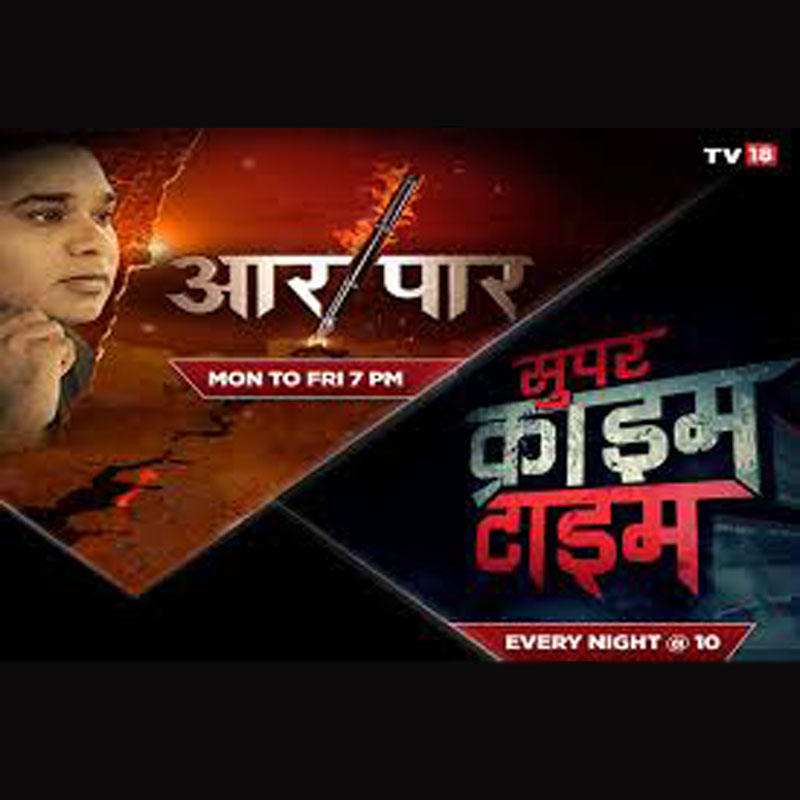
    Disrupting the routine timings of debate shows on news channels, debate show Aar Paar will air every Monday-Friday from 7 to 8 pm. Motive: to utilise the 7 pm time slot for a debates on a news channel. It aims at catering to the Hindi markets at large. Anchored by Amish Devgan, the show will pick topics that have a deeper connect with the common man. It will follow the normal style of debates with multiple guests on-screen discussing the subject and will ask tough questions to those in positions of power and hold them accountable.

    The channel has developed different teams for various roles like scripting, production, etc. Telecasted live, the show will not shy away from taking positions on issues that the viewers relate to strongly. Amish will engage directly with viewers through various social platforms to add an element of interactivity to the show.

    “Amish’s personality is unique and I would appreciate if he can retain his style. Having him on board is an achievement for us. He will conduct the debates in his own manner. I don’t think an anchor has to shout for attracting viewers,” asserted Singh.

    Debate shows on news channel are pretty common these days. But what if news channels not only report crime news but also recreate the crime scene? – asks the channel as it reinvents the category with Super Crime Time.

    Crime as a topic has proved to be an important genre for the general entertainment space. Re-constructing crime incidents to spread awareness about the incident flagged off through the news channels with shows like Sansani on ABP News and Vardaat on Aaj Tak. The news channels have dramatic anchors for these shows to boost ratings.

    In a move to revive this space, IBN7’s other show called Super Crime Time will be a heady mix of crime, drama, mystery and investigation. The show will not only report crime news from various parts of the country but also feature one major incident of the day by recreating the crime scene, piece by piece, trying to uncover its mystery. Airing 7 days a week between, the first half (10-10:30pm) will reports crime stories while the second half (10:30-11pm) will dramatise the details of crime place. On Saturdays, the programming will showcase some of the most infamous love stories which involve misconduct and bloodshed. The show will also have plenty visual effects.

    Digvijay will spread out the message of ‘Apna Khayal Rakhna’ through this show. With 24 scenes already in place, the channel has a huge database of crime stories in bank. “The prime time for Hindi markets has now extended to 11 pm. We will recreate few concepts due to lack of visual support. We hope these shows will boost our viewership,” points out Singh.

    The show has been directed by the editor of the channel Manoj Kumar Singh. The channel has associated students, theater artists, etc to enact the various scenes.

    IBN7 would keep its eyes strained on its ratings in the couple of weeks to see how the new programming gamble is fairing.

  • IBN7’s new programming gamble

    IBN7’s new programming gamble

    MUMBAI: Just after 50 days of joining IBN7 as the consulting editor, Prabal Pratap Singh has high hopes from the channel’s two new shows. The two shows, namely Aar Paar and Super Crime Time, were already in discussion with Network 18 chief executive officer, news, and group editor-in-chief Rahul Joshi and his team before Singh rejoined. “After I stepped in as the consulting editor of the channel, we finalised everything on both these shows,” said Singh.

    Disrupting the routine timings of debate shows on news channels, debate show Aar Paar will air every Monday-Friday from 7 to 8 pm. Motive: to utilise the 7 pm time slot for a debates on a news channel. It aims at catering to the Hindi markets at large. Anchored by Amish Devgan, the show will pick topics that have a deeper connect with the common man. It will follow the normal style of debates with multiple guests on-screen discussing the subject and will ask tough questions to those in positions of power and hold them accountable.

    The channel has developed different teams for various roles like scripting, production, etc. Telecasted live, the show will not shy away from taking positions on issues that the viewers relate to strongly. Amish will engage directly with viewers through various social platforms to add an element of interactivity to the show.

    “Amish’s personality is unique and I would appreciate if he can retain his style. Having him on board is an achievement for us. He will conduct the debates in his own manner. I don’t think an anchor has to shout for attracting viewers,” asserted Singh.

    Debate shows on news channel are pretty common these days. But what if news channels not only report crime news but also recreate the crime scene? – asks the channel as it reinvents the category with Super Crime Time.

    Crime as a topic has proved to be an important genre for the general entertainment space. Re-constructing crime incidents to spread awareness about the incident flagged off through the news channels with shows like Sansani on ABP News and Vardaat on Aaj Tak. The news channels have dramatic anchors for these shows to boost ratings.

    In a move to revive this space, IBN7’s other show called Super Crime Time will be a heady mix of crime, drama, mystery and investigation. The show will not only report crime news from various parts of the country but also feature one major incident of the day by recreating the crime scene, piece by piece, trying to uncover its mystery. Airing 7 days a week between, the first half (10-10:30pm) will reports crime stories while the second half (10:30-11pm) will dramatise the details of crime place. On Saturdays, the programming will showcase some of the most infamous love stories which involve misconduct and bloodshed. The show will also have plenty visual effects.

    Digvijay will spread out the message of ‘Apna Khayal Rakhna’ through this show. With 24 scenes already in place, the channel has a huge database of crime stories in bank. “The prime time for Hindi markets has now extended to 11 pm. We will recreate few concepts due to lack of visual support. We hope these shows will boost our viewership,” points out Singh.

    The show has been directed by the editor of the channel Manoj Kumar Singh. The channel has associated students, theater artists, etc to enact the various scenes.

    IBN7 would keep its eyes strained on its ratings in the couple of weeks to see how the new programming gamble is fairing.

  • Amish Devgan to host ‘Aar Paar’ from 18 July on IBN7

    Amish Devgan to host ‘Aar Paar’ from 18 July on IBN7

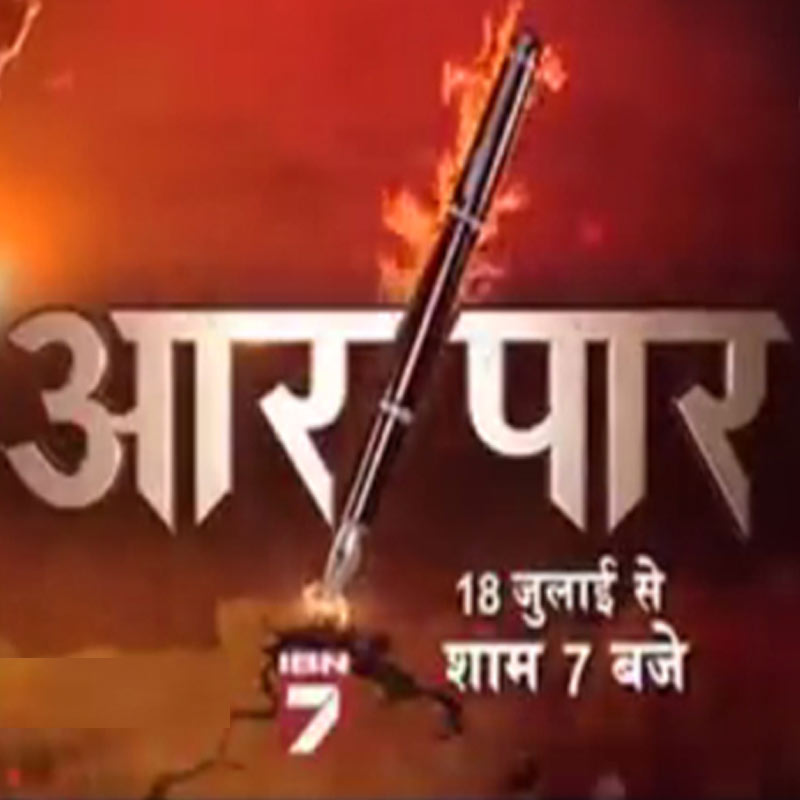
    MUMBAI: In line with its commitment to improve the way debates happen on news channels, IBN7 is all geared up to launch Aar Paar from18 July. The show will be hosted by Network 18 executive editor Amish Devgan and will air everyday at 7 pm.

    The hour long show will conduct the various topics with a direct and effective way. Devgan famously known as an aggressive anchor will also be seen giving conclusions to the topic of the way. “Amish is excited about hosting this show. Apart from arriving to solid conclusions, he will also consider the feedback from audience present,” points a source.

    As reported earlier by Indiantelevision.com, Devgan joined Network 18 on 6 June and closely works with Network18 news CEO and group editor in chief Rahul Joshi and consulting editor Prabal Pratap Singh. With 16 years of journalistic experience, Devgan will utilize his expertise to devise various strategies and plans for all the Hindi news channels under the group namely IBN7 and CNBC Awaaz.

    The channel has not roped in any advertisers for this show yet. It will utilize and leverage their network which they believe will help establish the show. Additionally, the team will use an effective mix of digital, OOH and other media as required to maximize the reach of the show. The show will also be promoted on social media like Facebook, Twitter,YouTube, etc.

  • Amish Devgan to host ‘Aar Paar’ from 18 July on IBN7

    Amish Devgan to host ‘Aar Paar’ from 18 July on IBN7

    MUMBAI: In line with its commitment to improve the way debates happen on news channels, IBN7 is all geared up to launch Aar Paar from18 July. The show will be hosted by Network 18 executive editor Amish Devgan and will air everyday at 7 pm.

    The hour long show will conduct the various topics with a direct and effective way. Devgan famously known as an aggressive anchor will also be seen giving conclusions to the topic of the way. “Amish is excited about hosting this show. Apart from arriving to solid conclusions, he will also consider the feedback from audience present,” points a source.

    As reported earlier by Indiantelevision.com, Devgan joined Network 18 on 6 June and closely works with Network18 news CEO and group editor in chief Rahul Joshi and consulting editor Prabal Pratap Singh. With 16 years of journalistic experience, Devgan will utilize his expertise to devise various strategies and plans for all the Hindi news channels under the group namely IBN7 and CNBC Awaaz.

    The channel has not roped in any advertisers for this show yet. It will utilize and leverage their network which they believe will help establish the show. Additionally, the team will use an effective mix of digital, OOH and other media as required to maximize the reach of the show. The show will also be promoted on social media like Facebook, Twitter,YouTube, etc.