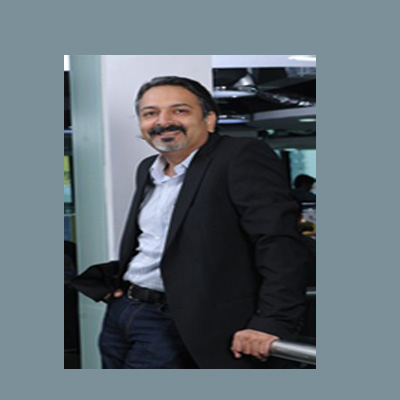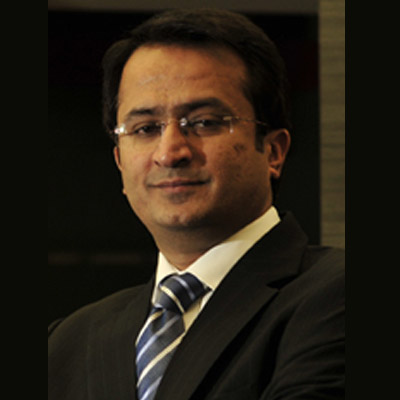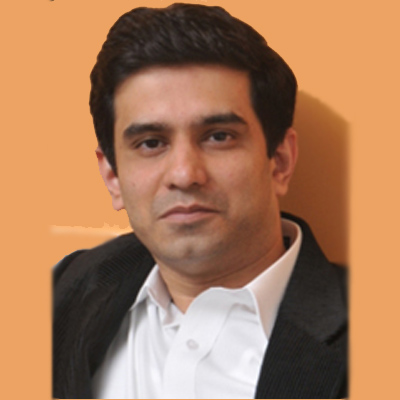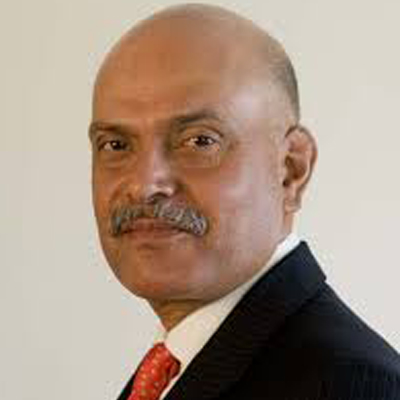
Tag: Raghav Bahl

  • Guest Column: The new gods of digital newsrooms

    Guest Column: The new gods of digital newsrooms

    Modern journalism began in the early 1600s, triggered, as any new vocation or market usually is, by technology, ie, the invention of the printing press. At first, a very crude community narrow-sheet was born, which was circulated to a few households in the vicinity. It took almost a hundred years of slow evolution for today’s broadsheet daily to acquire shape, with a large distribution footprint, photographs and advertising. It took another century for the next innovation in news journalism, the birth of radio broadcasting. But evolution was quicker after that, with television news appearing just a few decades after radio.

    Nearly 400 years later, around 1990, internet news disrupted the whole landscape. And that was a seminal turning point for mainstream journalism.

    Technology only changes the practices, never the principles of any established vocation – this was the irrefutable wisdom until the Internet turned a million axioms on their heads. Simply put, the principles of journalism – who, what, why, where, when, how, integrity of facts, stringent adherence to the truth, always giving the right of response to the accused/aggrieved – remained inviolable, even as the dissemination medium changed from ink on paper to sound on analogue waves to sound with moving pictures on electronic satellite signals. Technology could never change the principles, only the methods and practices, of telling a news story.

    But the Internet did the unthinkable, forcing mainstream journalism to modify its principles. I like to describe the pre-digital era of news as “the voice of God journalism” – the Gods, of course, were the all powerful editors. Since I won my editorial spurs in that bygone era, I too belong to that Tribe of Gods, where every morning, a bunch of stiff guys would troop into the conference room, with pencils and notepads, and decide the order of news stories for the day. It was such a unilateral exercise! “Let’s lead with Gandhi, then do that parliament debate … and just stuff a bit of sports and movies towards the end”. Done. The viewer was a complete “outsider”, her interests were peripheral, because “Gods” had the divine right to mandate the run order of news stories.    

    I grope for the correct adjective here. Archaic? Anathema? Anachronistic? Absurd? Perhaps all four of these, and a billion more, could be justifiably used if “the voice of God journalism” were to invade and dominate a digital newsroom today. Why? Because a digital newsroom is not a unilateral, linear, one way transmission of stories. In the nanosecond after you publish anything, readers and viewers pounce at it with their likes, hates, shares, comments, denials, corrections, updates, meme tweaks on WhatsApp, cartoon caricatures on Instagram, vociferous protests, loud applause etc etc etc … an intelligent or distasteful cacophony gets lit, and you have to respond to it, agree with it, deny it, debunk it, decorate it, ie do something, anything with it or to it, but you simply can’t ignore it. Because if you choose to be the unmoved, stoic, non-responsive “Godly” editor of the early 90s, you will be out of a job. Pronto.

    Let me illustrate with a simple choice that we had to make the other day. We were dealing with two big “demonetization stories” – one was a rather complex unraveling of the tax rules enshrined in the new Income Disclosure Scheme, wherein you would have to pay X% tax/penalty if illegal cash was deposited by Y date; and if you failed to do that, you would be liable for Z additional penalties. The other was a heart rending story of a 75-year old woman, the youngest sister of five brothers.

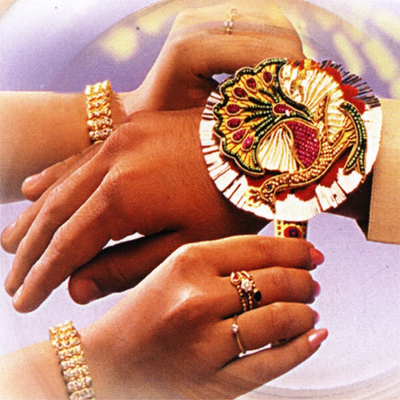
    For the last 50 years, she had kept 250 precious envelopes in her safe, containing cash given to her on bhai dooj. In her world view, that cash was a sacred gift from her brothers, not to be ever spent. Her heart was broken when her son forced her to open each envelope, take out nearly Rs 1.50 lac in notes of various denominations, and deposit them in banks. Her faith was rattled, shaken. What an astonishing human story, capturing the unusual pathos that demonetization has inflicted on ordinary people. In the unilateral, Godly days of yore, the tax rules would have played upfront, while the human interest story would be tucked towards the end, to be soon forgotten. But in today’s digital newsrooms, the story of this rudely disenfranchised 75-year-old woman would gain unrelenting velocity on social media, would whiz around cyber space, getting Facebooked, WhatsApped and Instagrammed, touching the hearts of a million people, instigating thousands of comments/shares/likes.

    No God could stem the viral force of this venerable lady’s touching story, which would simply obliterate the dry prose of tax rules, and reign supreme in the world of digital news.   

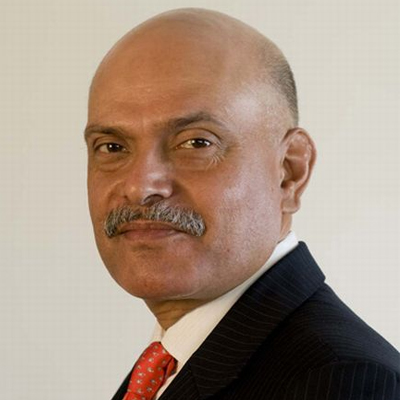
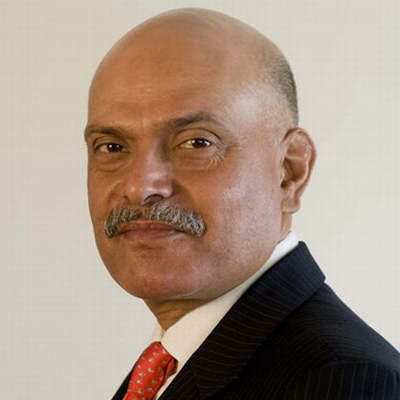
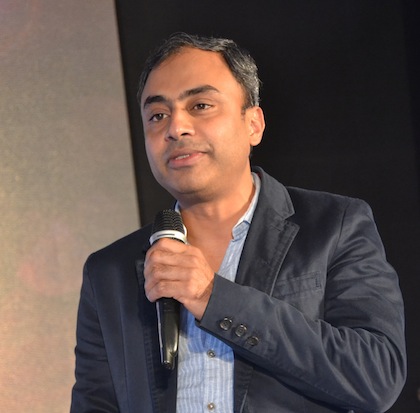
    public://unnamed_2.jpg The author is the co-founder and chairman of Quintillion Media, including BloombergQuint. He is the author of two books, viz ‘Superpower?: The Amazing Race Between China’s Hare and India’s Tortoise’, and ‘Super Economies: America, India, China & The Future Of The World’. The views expressed are personal and Indiantelevision.com need not necessarily subscribe to them


  • Cracking Chrome DM-Da Vinci code as legalities take over

    Cracking Chrome DM-Da Vinci code as legalities take over

    MUMBAI:  When business partners — erstwhile or otherwise— part ways acrimoniously, dirty linen gets washed in public. Almost a year after parting ways, Da Vinci Learning (DVL) TV channel, through its Indian JV partner Quintillion Media Pvt. Ltd, has served a breach of contract notice to channel’s distributor Chrome Data and Media Analytics (Chrome DM), which has hit back with a counter legal notice to The Quint.

    DVL, which announced its formal launch in India November 2015, is a 50:50 joint venture in India between Da Vinci Media GmbH and Quintillion Media Pvt. Ltd (The Quint),  a digital venture founded by Ritu Kapur and Raghav Bahl, former founder-promoters of Network18 Group that was bought over by the Mukesh Ambani-controlled Reliance Industries Ltd. in 2014.

    The legally drafted notice from The Quint states that the data solution provider (Chrome DM) under-performed and could not deliver to what was discussed and decided by the two partners. The distribution of the educational channel DVL in India was entrusted to Brickworks Media, a sister concern of Chrome DM that is focused on quantitative and qualitative market research.

    According to information collated, Da Vinci’s Indian operations owes to Chrome DM approximately Rs 15 million (Rs. 1.5 crore) in unpaid bills.

    Chrome DM founder and CEO Pankaj Krishna, a media industry veteran, took to social media to voice his side of the story. In an open letter on Facebook late last week, he said, “Dear Raghav Bahl, you did manage to pleasantly surprise me when I happen to go though some letters you have sent to our registered office…And today u have resorted to some rather immature tactics of sending out unfounded letters and communication, 11 months after parting ways!!”

    Krishna went on to further state: “To rewind, it was the 25th of January, 2016 when you felt that you could usurp the Brickworks’ team efforts and investments towards Da Vinci and take on the balance project yourself and save on some hard earned money. Sadly, you failed and failed till date.”

    According to Krishna, Bahl and his team were initially game to make the payments later, but soon stopped accepting any calls or messages from the Chrome team.

    Indiantelevision.com sent an email to Bahl to get his reactions to Krishna’s FB post. After several attempts, though Bahl did not comment, Da Vinci Media (DVM)’s marketing director Monomita Mukhopadhyay replied to our mail.
    “Mr. Pankaj Krishna’s Facebook post is a reaction to a demand notice sent by Da Vinci Media to his company for breach of contract. There is no logic behind Mr. Krishna’s post; it’s his opinion. They did not deliver (on) to what was discussed and did not perform well. DVM and its lawyers are doing the needful,” Mukhopadhyay explained.

    However, Chrome DM marketing head Harnoor Kanwar told indiantelevision.com that it was The Quint/DVM that decided to part ways without fulfilling their financial obligations.

    “I have attended all the meetings with Raghav Bahl and his team. Our last meeting was on 25 January 2016 when he decided to turn the tables and took charge of the distribution of his channel. We all were simply surprised. Post that, he was very much a part of all my communications regarding the investments. He owes us a few crores (of rupees) but that was ok with us. But now, he has sent us this letter demanding damages. Why has he suddenly awakened after a11-month sleep? We surely are going to take counter measures,” Kanwar counter-punched.

    Chrome DM and Brickworks Media specialises in brand and other market related research, including those pertaining to television sector. Bahl and his wife-promoted Quintillion Media Pvt. Ltd is a digital media company that has a joint venture with Bloomberg for the Bloomberg business news channel in India and also operates a co-branded news website, apart from other independent ventures.

    ALSO READ:

    Da Vinci Learning and The Quint launch India’s 1st Kids HD Educational Channel

    Da Vinci Learning partners with Airtel Digital TV, Siticable and Digicable

  • Cracking Chrome DM-Da Vinci code as legalities take over

    Cracking Chrome DM-Da Vinci code as legalities take over

    MUMBAI:  When business partners — erstwhile or otherwise— part ways acrimoniously, dirty linen gets washed in public. Almost a year after parting ways, Da Vinci Learning (DVL) TV channel, through its Indian JV partner Quintillion Media Pvt. Ltd, has served a breach of contract notice to channel’s distributor Chrome Data and Media Analytics (Chrome DM), which has hit back with a counter legal notice to The Quint.

    DVL, which announced its formal launch in India November 2015, is a 50:50 joint venture in India between Da Vinci Media GmbH and Quintillion Media Pvt. Ltd (The Quint),  a digital venture founded by Ritu Kapur and Raghav Bahl, former founder-promoters of Network18 Group that was bought over by the Mukesh Ambani-controlled Reliance Industries Ltd. in 2014.

    The legally drafted notice from The Quint states that the data solution provider (Chrome DM) under-performed and could not deliver to what was discussed and decided by the two partners. The distribution of the educational channel DVL in India was entrusted to Brickworks Media, a sister concern of Chrome DM that is focused on quantitative and qualitative market research.

    According to information collated, Da Vinci’s Indian operations owes to Chrome DM approximately Rs 15 million (Rs. 1.5 crore) in unpaid bills.

    Chrome DM founder and CEO Pankaj Krishna, a media industry veteran, took to social media to voice his side of the story. In an open letter on Facebook late last week, he said, “Dear Raghav Bahl, you did manage to pleasantly surprise me when I happen to go though some letters you have sent to our registered office…And today u have resorted to some rather immature tactics of sending out unfounded letters and communication, 11 months after parting ways!!”

    Krishna went on to further state: “To rewind, it was the 25th of January, 2016 when you felt that you could usurp the Brickworks’ team efforts and investments towards Da Vinci and take on the balance project yourself and save on some hard earned money. Sadly, you failed and failed till date.”

    According to Krishna, Bahl and his team were initially game to make the payments later, but soon stopped accepting any calls or messages from the Chrome team.

    Indiantelevision.com sent an email to Bahl to get his reactions to Krishna’s FB post. After several attempts, though Bahl did not comment, Da Vinci Media (DVM)’s marketing director Monomita Mukhopadhyay replied to our mail.
    “Mr. Pankaj Krishna’s Facebook post is a reaction to a demand notice sent by Da Vinci Media to his company for breach of contract. There is no logic behind Mr. Krishna’s post; it’s his opinion. They did not deliver (on) to what was discussed and did not perform well. DVM and its lawyers are doing the needful,” Mukhopadhyay explained.

    However, Chrome DM marketing head Harnoor Kanwar told indiantelevision.com that it was The Quint/DVM that decided to part ways without fulfilling their financial obligations.

    “I have attended all the meetings with Raghav Bahl and his team. Our last meeting was on 25 January 2016 when he decided to turn the tables and took charge of the distribution of his channel. We all were simply surprised. Post that, he was very much a part of all my communications regarding the investments. He owes us a few crores (of rupees) but that was ok with us. But now, he has sent us this letter demanding damages. Why has he suddenly awakened after a11-month sleep? We surely are going to take counter measures,” Kanwar counter-punched.

    Chrome DM and Brickworks Media specialises in brand and other market related research, including those pertaining to television sector. Bahl and his wife-promoted Quintillion Media Pvt. Ltd is a digital media company that has a joint venture with Bloomberg for the Bloomberg business news channel in India and also operates a co-branded news website, apart from other independent ventures.

    ALSO READ:

    Da Vinci Learning and The Quint launch India’s 1st Kids HD Educational Channel

    Da Vinci Learning partners with Airtel Digital TV, Siticable and Digicable

  • From reporting news to becoming news

    From reporting news to becoming news

    The journey from reporting news (as an anchor) to becoming news (if Twitter India trends are to be believed) could be many a journalist’s dream. But Arnab Goswami has traversed the path and reached that point in a short period of time. A decade to be precise. And, it’s certainly an achievement for which Arnab definitely needs a pat on the back — if not for anything else, though that list too is long.

    The very fact his resignation — announced by him on Tuesday at an editorial meeting, but the act was actually done over a week back — whipped up media frenzy with social media going on the boil is an indicator that Arnab is a true student of the Steve Jobs school of thinking: damn the status quo. In other words be a disruptor.

    If people say that Arnab changed the rules of the news game in India by resorting to in-your-face and being over the top (OTT), it won’t be wrong. If critics opine that he dumbed down viewers and made tabloid journalism mainstream, then they too won’t be off the mark. Simply because, he did both and in an unapologetic fashion. And, Times NOW and the owners of the news venture, who also control India’s biggest unlisted media company spanning print, radio, music and television, gained much in terms of eyeballs, if not revenue. But then how many electronic news ventures in India are profitable business entities?

    When people say Arnab and Times NOW changed colours to be popular after the present BJP-led government in New Delhi came to power in 2014, they are wrong. Arnab’s style, which began reflecting in how news was served up for viewers on Times NOW and later on ET NOW (he was made in-charge of both the news channels as President-News and Editor-in-Chief ), started gaining popularity much before the present government came to power.Simply because an increasing number of people wanted some spice. No wonder, Arnab declared with aplomb at a recent media conference in Delhi that the “era of polite (TV) anchors was over” and journalism of reporting news as it is without an opinion was “rubbish” as “facts are sacred but opinion is supreme.”

    The US experienced this news-views mish-mash when Rupert Murdoch’s Fox News decided to differentiate itself from legacies like CNN and BBC a few decades back and openly mixed news with views and opinion and even took political sides during elections. Arnab, however, says he’s on the side of the common man — if not on the side of a political thought or belief.

    If the likes of Prannoy Roys, Raghav Bahls, Vinod Duas and later the Rajdeep Sardesais, Vikram Chandras, Zaka Jacobs, Barkha Dutts, Sonia Singhs, Ravishs, etc followed the old school of traditional journalism in India, for good or bad, Arnab realised quickly the new age viewer has little understanding of such traditions as they consume video on the go more often than not where attention time span is short. So, in a way, Arnab also quickly learnt that Fox-isation is the way forward to be heard and be popular. Again, to quote, the man himself, one has to shout to be heard in this country.

    So, the popular quiz show KBC’s jackpot-winning question today could be: What will be the new venture of Arnab Goswami, if the Jains, owners of Times of India group of which Times NOW is a part, let him go ultimately?If Arnab specialises in understanding the new age viewer-consumer and his style is foxy (the pun is intended), then that’s the type of a product he’d like to be associated with in an entrepreneurial avatar — a product that addresses the digital savvy consumer, is world class, slick and, of course, spicy, sensational and very unlike the legacies.

    There would be many funders who would be ready to bet on Arnab at present. And, why not? He’s not only the darling of the masses (at least the English speaking ones), but also the present government.

    So if media gossip says, a certain tech-savvy South Indian businessman-turned-Member of Parliament of the Indian Parliament’s Upper House is putting in money in a fresh news venture with Arnab, it’s worthwhileto lend an ear. If you mix Rupert Murdoch and another Delhi-based TV journalist-turned-entrepreneur, then you have a recipe for an exciting dish. Remember, the government liberalised foreign investment norms in TV news ventures and upped the level to 49 per cent from the earlier 26 per cent earlier this year.

    Whatever Arnab does in the coming days, the nation would want to know (including a rumoured meeting with a media czar-turned-politician) and therein lies his success formula; his on-screen patronising attitude, love for the two S (spice and sensation) and jingoism notwithstanding.

  • From reporting news to becoming news

    From reporting news to becoming news

    The journey from reporting news (as an anchor) to becoming news (if Twitter India trends are to be believed) could be many a journalist’s dream. But Arnab Goswami has traversed the path and reached that point in a short period of time. A decade to be precise. And, it’s certainly an achievement for which Arnab definitely needs a pat on the back — if not for anything else, though that list too is long.

    The very fact his resignation — announced by him on Tuesday at an editorial meeting, but the act was actually done over a week back — whipped up media frenzy with social media going on the boil is an indicator that Arnab is a true student of the Steve Jobs school of thinking: damn the status quo. In other words be a disruptor.

    If people say that Arnab changed the rules of the news game in India by resorting to in-your-face and being over the top (OTT), it won’t be wrong. If critics opine that he dumbed down viewers and made tabloid journalism mainstream, then they too won’t be off the mark. Simply because, he did both and in an unapologetic fashion. And, Times NOW and the owners of the news venture, who also control India’s biggest unlisted media company spanning print, radio, music and television, gained much in terms of eyeballs, if not revenue. But then how many electronic news ventures in India are profitable business entities?

    When people say Arnab and Times NOW changed colours to be popular after the present BJP-led government in New Delhi came to power in 2014, they are wrong. Arnab’s style, which began reflecting in how news was served up for viewers on Times NOW and later on ET NOW (he was made in-charge of both the news channels as President-News and Editor-in-Chief ), started gaining popularity much before the present government came to power.Simply because an increasing number of people wanted some spice. No wonder, Arnab declared with aplomb at a recent media conference in Delhi that the “era of polite (TV) anchors was over” and journalism of reporting news as it is without an opinion was “rubbish” as “facts are sacred but opinion is supreme.”

    The US experienced this news-views mish-mash when Rupert Murdoch’s Fox News decided to differentiate itself from legacies like CNN and BBC a few decades back and openly mixed news with views and opinion and even took political sides during elections. Arnab, however, says he’s on the side of the common man — if not on the side of a political thought or belief.

    If the likes of Prannoy Roys, Raghav Bahls, Vinod Duas and later the Rajdeep Sardesais, Vikram Chandras, Zaka Jacobs, Barkha Dutts, Sonia Singhs, Ravishs, etc followed the old school of traditional journalism in India, for good or bad, Arnab realised quickly the new age viewer has little understanding of such traditions as they consume video on the go more often than not where attention time span is short. So, in a way, Arnab also quickly learnt that Fox-isation is the way forward to be heard and be popular. Again, to quote, the man himself, one has to shout to be heard in this country.

    So, the popular quiz show KBC’s jackpot-winning question today could be: What will be the new venture of Arnab Goswami, if the Jains, owners of Times of India group of which Times NOW is a part, let him go ultimately?If Arnab specialises in understanding the new age viewer-consumer and his style is foxy (the pun is intended), then that’s the type of a product he’d like to be associated with in an entrepreneurial avatar — a product that addresses the digital savvy consumer, is world class, slick and, of course, spicy, sensational and very unlike the legacies.

    There would be many funders who would be ready to bet on Arnab at present. And, why not? He’s not only the darling of the masses (at least the English speaking ones), but also the present government.

    So if media gossip says, a certain tech-savvy South Indian businessman-turned-Member of Parliament of the Indian Parliament’s Upper House is putting in money in a fresh news venture with Arnab, it’s worthwhileto lend an ear. If you mix Rupert Murdoch and another Delhi-based TV journalist-turned-entrepreneur, then you have a recipe for an exciting dish. Remember, the government liberalised foreign investment norms in TV news ventures and upped the level to 49 per cent from the earlier 26 per cent earlier this year.

    Whatever Arnab does in the coming days, the nation would want to know (including a rumoured meeting with a media czar-turned-politician) and therein lies his success formula; his on-screen patronising attitude, love for the two S (spice and sensation) and jingoism notwithstanding.

  • Balance-sheet, impact, fun is the mantra; Raghav Bahl & Ronnie Screwvala

    Balance-sheet, impact, fun is the mantra; Raghav Bahl & Ronnie Screwvala

    MUMBAI: At the IAA Knowledge Series held at ITC Maratha in Mumbai today were the two successful entrepreneurs Raghav Bahl and Ronnie Screwvala. Bahl is known for pioneering TV news in India – along with NDTV’s Prannoy Roy – whereas Screwvala (a serial entrepreneur ) is known for building a robust TV and film business which was acquired by Disney in India. Both shared the tale of their journey in the media business. The duo shared their business secrets for young budding entrepreneurs. They also opened up about their plans of their new trysts with media.

    Bahl began by saying that his new business venture The Quint was not here to reinvent any business models like he did with CNBC TV18 by creating the business news genre. “We have to bring disruption through superior and quality content. We started CNBC TV18 11 and the revenue line was Rs 4-5 crore. Today, the business news market is worth Rs 400 crore. As equity knowledge goes deeper, investors will come in. The USP has to be content. We have to be independent and the editorial issues have to be edgier and bolder. That’s a big thing.”

    “We crossed paths and swords during the launch of the UTV-Bloomberg channel and when the UTV ticker went out through CNBC channel,” adds Ronnie Screwvala.

    Both known for their gutsy moves of launching several channels, Bahl pointed out that CNN-IBN and Colors are the two things he made big bet son, while Screwvala is of the opinion that Bindass was a risky decision that he took.

    With digital booming in India and emergence of several platforms for content consumption, broadcasters, multinationals and Indian non-media start-ups entering the OTT/VOD space. Screwavala was of the opinion that MNC’s like Netflix and Amazon have figured out that India is a local market and expensive series will not be successful.

    “At the core of this is whether the consumer is willing to pay? This will again bring back to the advertising economy or the fee economy. It is not a venture capital game but advertising where it’s always going to be cost-minus. So, that’s the real disruption which will again only happen by the people who really want to shake up this market.”

    The two of them accepted the fact that payment gateways are essential make-or-break tools for these services.

    “There are too many different businesses. What I think is, you cannot mix content business with OTT business. You have to decide whether you want to be in the content game or in the distribution game. Netflix, according to me, is an exception which proves it. It will have to figure out whether it is a content company else they can end up in the same confusion as Yahoo. If you can build a compelling proposition for a consumer, then everything will follow,” explained Bahl.

    But, did we not want to know more of the duo’s impatience and gutsy decisions? Certainly, yes. Explaining the exit Bahl said, according to the regulations, a partner needs to have 51 per cent equity in a business which is not something entrepreneurs are open to as it means giving up control. “I was not allowed to not dilute it further. The regulations are very first-generation thing. It was either diluting ourselves or exiting.”

    “Exits cannot be timed. You cannot rewind the clock whether in media or in life. I have no regrets. It is as exhilarating now as it was when I started UTV,” added Screwvala.

    Witnessing several ups and downs in the business, both of them shared their success mantras for young entrepreneurs, Bahl said, “Just go by your balance-sheet. Do not go beyond it. Young entrepreneurs should not get seduced by the media. You guys have not become superstars until you do not have a strong balance-sheet. Be resistant to changing times because it’s not a sexy, glamorous field to be in but very stressful.”

    “You build what you want to build and stay constant about it and your vision. Today’s ecosystem is forcing you to grow a little bit horizontal, but do not go by what investors want. If you are not curious, then this is not the space for you,” concluded Screwvala.

  • Balance-sheet, impact, fun is the mantra; Raghav Bahl & Ronnie Screwvala

    Balance-sheet, impact, fun is the mantra; Raghav Bahl & Ronnie Screwvala

    MUMBAI: At the IAA Knowledge Series held at ITC Maratha in Mumbai today were the two successful entrepreneurs Raghav Bahl and Ronnie Screwvala. Bahl is known for pioneering TV news in India – along with NDTV’s Prannoy Roy – whereas Screwvala (a serial entrepreneur ) is known for building a robust TV and film business which was acquired by Disney in India. Both shared the tale of their journey in the media business. The duo shared their business secrets for young budding entrepreneurs. They also opened up about their plans of their new trysts with media.

    Bahl began by saying that his new business venture The Quint was not here to reinvent any business models like he did with CNBC TV18 by creating the business news genre. “We have to bring disruption through superior and quality content. We started CNBC TV18 11 and the revenue line was Rs 4-5 crore. Today, the business news market is worth Rs 400 crore. As equity knowledge goes deeper, investors will come in. The USP has to be content. We have to be independent and the editorial issues have to be edgier and bolder. That’s a big thing.”

    “We crossed paths and swords during the launch of the UTV-Bloomberg channel and when the UTV ticker went out through CNBC channel,” adds Ronnie Screwvala.

    Both known for their gutsy moves of launching several channels, Bahl pointed out that CNN-IBN and Colors are the two things he made big bet son, while Screwvala is of the opinion that Bindass was a risky decision that he took.

    With digital booming in India and emergence of several platforms for content consumption, broadcasters, multinationals and Indian non-media start-ups entering the OTT/VOD space. Screwavala was of the opinion that MNC’s like Netflix and Amazon have figured out that India is a local market and expensive series will not be successful.

    “At the core of this is whether the consumer is willing to pay? This will again bring back to the advertising economy or the fee economy. It is not a venture capital game but advertising where it’s always going to be cost-minus. So, that’s the real disruption which will again only happen by the people who really want to shake up this market.”

    The two of them accepted the fact that payment gateways are essential make-or-break tools for these services.

    “There are too many different businesses. What I think is, you cannot mix content business with OTT business. You have to decide whether you want to be in the content game or in the distribution game. Netflix, according to me, is an exception which proves it. It will have to figure out whether it is a content company else they can end up in the same confusion as Yahoo. If you can build a compelling proposition for a consumer, then everything will follow,” explained Bahl.

    But, did we not want to know more of the duo’s impatience and gutsy decisions? Certainly, yes. Explaining the exit Bahl said, according to the regulations, a partner needs to have 51 per cent equity in a business which is not something entrepreneurs are open to as it means giving up control. “I was not allowed to not dilute it further. The regulations are very first-generation thing. It was either diluting ourselves or exiting.”

    “Exits cannot be timed. You cannot rewind the clock whether in media or in life. I have no regrets. It is as exhilarating now as it was when I started UTV,” added Screwvala.

    Witnessing several ups and downs in the business, both of them shared their success mantras for young entrepreneurs, Bahl said, “Just go by your balance-sheet. Do not go beyond it. Young entrepreneurs should not get seduced by the media. You guys have not become superstars until you do not have a strong balance-sheet. Be resistant to changing times because it’s not a sexy, glamorous field to be in but very stressful.”

    “You build what you want to build and stay constant about it and your vision. Today’s ecosystem is forcing you to grow a little bit horizontal, but do not go by what investors want. If you are not curious, then this is not the space for you,” concluded Screwvala.

  • After Jio storm, PM Modi interview on Network18 channels

    After Jio storm, PM Modi interview on Network18 channels

    MUMBAI: A day after Reliance Industries CMD Mukesh Ambani created a media storm with his detailing the Reliance Jio roadmap, following it up today with front page ads on Jio in major newspapers today with a photo of PM Modi, which has been interpreted by some as the PM endorsing the telecom service, Network18 channels will telecast an interview with Modi at prime time.

    At the half-way mark of the present NDA-led government, PM Modi talks to Network18 Group Editor Rahul Joshi in an exclusive interview where the former dwells on a range of important topics from politics to economy to sport to Indian culture and heritage.

    In the 75-minute interview, PM Modi also discusses other topics like UP elections, black money, attacks on Dalits, Kashmir strife, state of the Indian media, the Lutyens Delhi culture and about himself too — his working style, what keeps him going, his inspirations and influences and the legacy he would like to leave behind.

    Network18 group and the various media properties housed within it are controlled by Reliance Industries Ltd after it bought out the network’s founder Raghav Bahl and other investors about a couple of years back.

    Referring to the spate of anti-Dalit atrocities and statements across the country, Modi says: “All those who were self appointed guardians were trying to create tension in the country. They did not like (it) that Modi is with the Dalits. That Modi devotes himself to tribals. I am. I am devoted to the development of all the Dalit, oppressed, under-privileged and deprived. Those who see this as an obstruction to their politics are the ones creating trouble. And this is why they are levelling baseless allegations. All those who have fed this country the poison of caste divide have destroyed this country. They must stop giving political tones to social problems. We must go forwards with a purpose. And I want to ask the society also…are these incidents befitting of a civilised society?”

    In a clear denunciation of communal and caste tensions, the Prime Minister minces no words cautioning politicians, specially from his own party, the BJP: “And I want to tell the politicians also..i will ask my party leaders also.. reckless statements, saying anything about anyone or any person’s community…media will come to you… they need their TRP.. but you are answerable to the nation… and that is why, all those living in public life.. whether political or social workers.. even if we are representing a particular community… for the benefit of the country’s unity, society’s unity… for the sake of bonhomie.. we must be extra vigilant.”

    Speaking of the Uttar Pradesh election coming in the next few months, the Prime Minister said voters have to choose between the BJP’s development agenda and the opposition’s caste and community led vote bank politics.

    “The poison of casteism and communal vote bank have caused enough damage in our country. The biggest obstacle to strengthening our democracy is the vote bank politics. There was no atmosphere of vote bank politics in last general elections, there was the atmosphere of development of politics. After 30 years people of section of our society unitedly voted for a majority government. An entire section of our society has made a shift. It’s possible that the people of UP will do a similar thing for betterment of UP, they will vote keeping development in their mind.”

    The Prime Minister says he has never nurtured thoughts of carrying out a vendetta against his political opponents. “First, from a political standpoint, I have neither thought about this and nor will I do so in the future. I have been a state CM for 14 years. And history is testimony that I have never opened any file due to political considerations. I have never been accused of this either. It has been over two years here too. the government has given no instruction to open any file. The law will take its own course. I have no right to indulge in any cover up. You saying that we haven’t spared any dynasty isn’t correct. Second point, The first decision of my first cabinet immediately after assuming office…a matter stuck for 4 years in the previous regime… a matter that was raised by the SC also…the matter of setting up an SIT on the issue of black money. We have constituted the SIT, it is doing its work also. The SC is monitoring the progress also. Another important work that we have done is to have such a strong black money law that no one dare send black money abroad. So this is a job that we have done. No new black money.”

    Referring to reports of differences between the executive and the judiciary, Modi describes it as a “totally wrong perception”. On his commitment to the judiciary, Modi says: “This government goes by rules, law and the constitution. There is no scope for any confrontation or tension with any constitutional institution. There must be as much warmth with judiciary as needed for constitutional decorum. I try my best to maintain as much decorum as possible.”

    On the economic front, the Prime Minister is enthused by the passage of the Goods and Services Tax (GST) Bill, terming it as “the biggest tax reform” : “This reform will bring a big change in India. Very few people in the country pay taxes. Some people pay taxes because they are patriotic, they want to to do something for the country. Some pay taxes because they don’t want to break the law. Some pay to avoid any trouble. But most don’t pay because the process is no complicated, they think they might get stuck in the process and won’t be able to come out. GST will simplify tax payments so much that anyone who wants to contribute to the country will come forward. Secondly, today if you go and eat at a hotel, the bill will come with this cess, that cess… And people send on Whatsapp, so much bill and so much cess… all this will end.”

    He says the Indian economy was his government’s toughest challenge in 2014. This is how he contextualizes the situation when he came to power: “You are right, there was a negative atmosphere and that had an echo effect. The country’s traders and industrialists had started looking out. There was a paralysis in government. On one hand it was this situation on one hand. On the other we had to face two successive droughts. Third, there was a slowdown in the global economy. So there were a series of challenges.”

    The Prime Minister says a series of steps to revive the economy are now bearing fruit: “First of all, in our country, whatever is talked about is seen to be reform. If it isn’t talked about, it isn’t seen as reform. It shows our ignorance. Actually, reform to transform. I say in my government: Reform, Perform and Transform. And since I am sitting for an interview, I would say Reform, Perform, Transform and Inform. Take ease of doing business. Our ranking is improving very quickly. This is not possible without reform. Our systems, processes, forms were so complicated. Now there were reformed, so our rankings are going up. A UN agency has said that from 10 in the next two years, we could be at number three. These small things need to be improved. Even today there is license raj in some areas, that needs to go. This is an important reform that is happening at every level, administrative, governance, legal.”

    Modi does not duck the question on the reasons for criticisms about a sluggish economy. He reveals he had wanted to place a white paper on the country’s economy before presenting his government’s first budget. But what made him not to? “I see that because of your integrity and decorum, you didn’t ask me this question bluntly. Most people do… Modiji in the last two years what mistake did you make? Today I think, before presenting the first Budget, I should have placed a White Paper in Parliament on the economic situation in the country. This thought had come to me. I had two paths. Politics told me that I should put out all the details. But the nation’s interest told me that this information would increase the hoplessness, the markets would be badly hit, it would be big blow to the economy and the world’s view of India would get worse… it would have been very difficult to get the economy out of that…I chose to stay silent at the risk of political damage in the national interest. At that time the situation in public sector banks was coming out and how budget numbers were moved around… I didn’t put these details out in public. It hurt us, we were criticised, it was made to look like it was my fault. But I took the political damage in the country’s interest and the result of that I am being able to fix things, despite shortcomings.”

    He says the “impact of all these issues from the past impacted private investment like non-performing assets of banks, that I am trying to fix now”. The Prime Minister says he prefers the full route over a short cut to economic revival: “I held a session with bankers and told them there will be no call from the government to you. These things would have tightened the screws. Despite that, the pace at which roads are being made, railways is expanding, six fold increase in electronic goods manufacturing, these things show we haven’t taken short cuts. And my motto is, as it says on railway platforms, ‘short cut will cut you short’. We don’t want to take any short cuts and the results are showing. Anyway the situation has improved, we don’t have to worry about these things but let me tell you about the days in the beginning, in May 2014, I chose the tough path. And when unbiased people analyse the situation, I am confident they will be surprised.”

    Reiterating his warning to black money boarders about tough action after September 30, the Prime Minister says he is tackling corruption at all levels – a monumental challenge to his government. “I’m grateful to you that you have accepted that there is no high level corruption . If Ganga is clean at Gaumukh then Ganga will gradually become pure while flowing down. You may have noticed that we have taken many steps which have neutralised chances of any corruption. For instance we have shifted the gas subsidy system into the Direct Benefit Scheme. Ghost clients who used to wrongly enjoy the benefits of gas subsidy are no longer there. Chandigarh was being supplied 30 lakh litres of kerosene. Using technology we stopped providing kerosene to those houses which have gas connection and electricity. And we provided gas connections to those who earlier didn’t have. That’s how we made Chandigarh kerosene free and saved 30 lakh litres of kerosene from being sold in the black market. The Haryana chief minister was telling me he is going to make eight districts kerosene free by this November. You would know our farmers used to be desperate for urea and used to buy from black market. Black-marketeers ruled. In some states the farmers buying urea from black market were even lathi-charged. You must have noticed there is no news of urea shortfall these days. No queuing up of farmers anywhere, no lathi-charge anywhere and black marketing has stopped. And why it is not happening anymore. Earlier the urea meant for farmers used to land up in chemical factories on the sly. Chemical factoroies used to process this as raw material and brought out finished products. They used to get urea cheap. Chemical factories and middlemen enjoyed the cream. We started neem coating of urea. As a result even one gram of urea cannot be used by chemical factories and now entire urea is 100 per cent being used for cultivation only. Additionally, we raised production of urea by 20 lakh tonnes. We also neem coating imported urea. No only that, tribals in Gujarat who were engaged to collect neem seed for this purpose have started extracting neem oil while neem coating and they have earned up to 10 to 12 crore rupees . This is a win-win situation. Corruption and difficulties both gone. Likewise we can do away with low level corruption through policy decisions and using technology. You will start liking at low level what you liked at top level.

    Not much given to talking about himself or his private thoughts, the Prime Minister did perk up when asked how he sees himself portrayed in India’s history: “Why the person who loves to live in his present should worry about history? One must not make that mistake in ones’s life. Unfortunately, in our country, governments, political parties, leaders always tried hard to make their own image. What if we had dedicated to build the image of our country rather than our own? Image of this country is the unending legacy of 1.25 billion people. Modi is just one of those 1.25 billion Indians, nothing more. Modi’s identity must get lost among those 1.25 billion people. There will be no greater joy if Modi is lost in the pages of history.”

  • After Jio storm, PM Modi interview on Network18 channels

    After Jio storm, PM Modi interview on Network18 channels

    MUMBAI: A day after Reliance Industries CMD Mukesh Ambani created a media storm with his detailing the Reliance Jio roadmap, following it up today with front page ads on Jio in major newspapers today with a photo of PM Modi, which has been interpreted by some as the PM endorsing the telecom service, Network18 channels will telecast an interview with Modi at prime time.

    At the half-way mark of the present NDA-led government, PM Modi talks to Network18 Group Editor Rahul Joshi in an exclusive interview where the former dwells on a range of important topics from politics to economy to sport to Indian culture and heritage.

    In the 75-minute interview, PM Modi also discusses other topics like UP elections, black money, attacks on Dalits, Kashmir strife, state of the Indian media, the Lutyens Delhi culture and about himself too — his working style, what keeps him going, his inspirations and influences and the legacy he would like to leave behind.

    Network18 group and the various media properties housed within it are controlled by Reliance Industries Ltd after it bought out the network’s founder Raghav Bahl and other investors about a couple of years back.

    Referring to the spate of anti-Dalit atrocities and statements across the country, Modi says: “All those who were self appointed guardians were trying to create tension in the country. They did not like (it) that Modi is with the Dalits. That Modi devotes himself to tribals. I am. I am devoted to the development of all the Dalit, oppressed, under-privileged and deprived. Those who see this as an obstruction to their politics are the ones creating trouble. And this is why they are levelling baseless allegations. All those who have fed this country the poison of caste divide have destroyed this country. They must stop giving political tones to social problems. We must go forwards with a purpose. And I want to ask the society also…are these incidents befitting of a civilised society?”

    In a clear denunciation of communal and caste tensions, the Prime Minister minces no words cautioning politicians, specially from his own party, the BJP: “And I want to tell the politicians also..i will ask my party leaders also.. reckless statements, saying anything about anyone or any person’s community…media will come to you… they need their TRP.. but you are answerable to the nation… and that is why, all those living in public life.. whether political or social workers.. even if we are representing a particular community… for the benefit of the country’s unity, society’s unity… for the sake of bonhomie.. we must be extra vigilant.”

    Speaking of the Uttar Pradesh election coming in the next few months, the Prime Minister said voters have to choose between the BJP’s development agenda and the opposition’s caste and community led vote bank politics.

    “The poison of casteism and communal vote bank have caused enough damage in our country. The biggest obstacle to strengthening our democracy is the vote bank politics. There was no atmosphere of vote bank politics in last general elections, there was the atmosphere of development of politics. After 30 years people of section of our society unitedly voted for a majority government. An entire section of our society has made a shift. It’s possible that the people of UP will do a similar thing for betterment of UP, they will vote keeping development in their mind.”

    The Prime Minister says he has never nurtured thoughts of carrying out a vendetta against his political opponents. “First, from a political standpoint, I have neither thought about this and nor will I do so in the future. I have been a state CM for 14 years. And history is testimony that I have never opened any file due to political considerations. I have never been accused of this either. It has been over two years here too. the government has given no instruction to open any file. The law will take its own course. I have no right to indulge in any cover up. You saying that we haven’t spared any dynasty isn’t correct. Second point, The first decision of my first cabinet immediately after assuming office…a matter stuck for 4 years in the previous regime… a matter that was raised by the SC also…the matter of setting up an SIT on the issue of black money. We have constituted the SIT, it is doing its work also. The SC is monitoring the progress also. Another important work that we have done is to have such a strong black money law that no one dare send black money abroad. So this is a job that we have done. No new black money.”

    Referring to reports of differences between the executive and the judiciary, Modi describes it as a “totally wrong perception”. On his commitment to the judiciary, Modi says: “This government goes by rules, law and the constitution. There is no scope for any confrontation or tension with any constitutional institution. There must be as much warmth with judiciary as needed for constitutional decorum. I try my best to maintain as much decorum as possible.”

    On the economic front, the Prime Minister is enthused by the passage of the Goods and Services Tax (GST) Bill, terming it as “the biggest tax reform” : “This reform will bring a big change in India. Very few people in the country pay taxes. Some people pay taxes because they are patriotic, they want to to do something for the country. Some pay taxes because they don’t want to break the law. Some pay to avoid any trouble. But most don’t pay because the process is no complicated, they think they might get stuck in the process and won’t be able to come out. GST will simplify tax payments so much that anyone who wants to contribute to the country will come forward. Secondly, today if you go and eat at a hotel, the bill will come with this cess, that cess… And people send on Whatsapp, so much bill and so much cess… all this will end.”

    He says the Indian economy was his government’s toughest challenge in 2014. This is how he contextualizes the situation when he came to power: “You are right, there was a negative atmosphere and that had an echo effect. The country’s traders and industrialists had started looking out. There was a paralysis in government. On one hand it was this situation on one hand. On the other we had to face two successive droughts. Third, there was a slowdown in the global economy. So there were a series of challenges.”

    The Prime Minister says a series of steps to revive the economy are now bearing fruit: “First of all, in our country, whatever is talked about is seen to be reform. If it isn’t talked about, it isn’t seen as reform. It shows our ignorance. Actually, reform to transform. I say in my government: Reform, Perform and Transform. And since I am sitting for an interview, I would say Reform, Perform, Transform and Inform. Take ease of doing business. Our ranking is improving very quickly. This is not possible without reform. Our systems, processes, forms were so complicated. Now there were reformed, so our rankings are going up. A UN agency has said that from 10 in the next two years, we could be at number three. These small things need to be improved. Even today there is license raj in some areas, that needs to go. This is an important reform that is happening at every level, administrative, governance, legal.”

    Modi does not duck the question on the reasons for criticisms about a sluggish economy. He reveals he had wanted to place a white paper on the country’s economy before presenting his government’s first budget. But what made him not to? “I see that because of your integrity and decorum, you didn’t ask me this question bluntly. Most people do… Modiji in the last two years what mistake did you make? Today I think, before presenting the first Budget, I should have placed a White Paper in Parliament on the economic situation in the country. This thought had come to me. I had two paths. Politics told me that I should put out all the details. But the nation’s interest told me that this information would increase the hoplessness, the markets would be badly hit, it would be big blow to the economy and the world’s view of India would get worse… it would have been very difficult to get the economy out of that…I chose to stay silent at the risk of political damage in the national interest. At that time the situation in public sector banks was coming out and how budget numbers were moved around… I didn’t put these details out in public. It hurt us, we were criticised, it was made to look like it was my fault. But I took the political damage in the country’s interest and the result of that I am being able to fix things, despite shortcomings.”

    He says the “impact of all these issues from the past impacted private investment like non-performing assets of banks, that I am trying to fix now”. The Prime Minister says he prefers the full route over a short cut to economic revival: “I held a session with bankers and told them there will be no call from the government to you. These things would have tightened the screws. Despite that, the pace at which roads are being made, railways is expanding, six fold increase in electronic goods manufacturing, these things show we haven’t taken short cuts. And my motto is, as it says on railway platforms, ‘short cut will cut you short’. We don’t want to take any short cuts and the results are showing. Anyway the situation has improved, we don’t have to worry about these things but let me tell you about the days in the beginning, in May 2014, I chose the tough path. And when unbiased people analyse the situation, I am confident they will be surprised.”

    Reiterating his warning to black money boarders about tough action after September 30, the Prime Minister says he is tackling corruption at all levels – a monumental challenge to his government. “I’m grateful to you that you have accepted that there is no high level corruption . If Ganga is clean at Gaumukh then Ganga will gradually become pure while flowing down. You may have noticed that we have taken many steps which have neutralised chances of any corruption. For instance we have shifted the gas subsidy system into the Direct Benefit Scheme. Ghost clients who used to wrongly enjoy the benefits of gas subsidy are no longer there. Chandigarh was being supplied 30 lakh litres of kerosene. Using technology we stopped providing kerosene to those houses which have gas connection and electricity. And we provided gas connections to those who earlier didn’t have. That’s how we made Chandigarh kerosene free and saved 30 lakh litres of kerosene from being sold in the black market. The Haryana chief minister was telling me he is going to make eight districts kerosene free by this November. You would know our farmers used to be desperate for urea and used to buy from black market. Black-marketeers ruled. In some states the farmers buying urea from black market were even lathi-charged. You must have noticed there is no news of urea shortfall these days. No queuing up of farmers anywhere, no lathi-charge anywhere and black marketing has stopped. And why it is not happening anymore. Earlier the urea meant for farmers used to land up in chemical factories on the sly. Chemical factoroies used to process this as raw material and brought out finished products. They used to get urea cheap. Chemical factories and middlemen enjoyed the cream. We started neem coating of urea. As a result even one gram of urea cannot be used by chemical factories and now entire urea is 100 per cent being used for cultivation only. Additionally, we raised production of urea by 20 lakh tonnes. We also neem coating imported urea. No only that, tribals in Gujarat who were engaged to collect neem seed for this purpose have started extracting neem oil while neem coating and they have earned up to 10 to 12 crore rupees . This is a win-win situation. Corruption and difficulties both gone. Likewise we can do away with low level corruption through policy decisions and using technology. You will start liking at low level what you liked at top level.

    Not much given to talking about himself or his private thoughts, the Prime Minister did perk up when asked how he sees himself portrayed in India’s history: “Why the person who loves to live in his present should worry about history? One must not make that mistake in ones’s life. Unfortunately, in our country, governments, political parties, leaders always tried hard to make their own image. What if we had dedicated to build the image of our country rather than our own? Image of this country is the unending legacy of 1.25 billion people. Modi is just one of those 1.25 billion Indians, nothing more. Modi’s identity must get lost among those 1.25 billion people. There will be no greater joy if Modi is lost in the pages of history.”

  • Reliance revamps Bloomberg TV as Business Television India

    Reliance revamps Bloomberg TV as Business Television India

    MUMBAI: After Bloomberg ended a seven year old tie -up with the Anil Ambani led Reliance group, it is now all set to rebrand its business news channel Bloomberg TV which is run by Business Broadcast News Private Limited. The channel will be renamed as Business Television India (BTVIn) early next month, reported a daily newspaper. It has signed an agreement for data feed with Thomson Reuters Corp.

    The new website and logo will be unveiled next month. It is also reported that Reliance Capital Ltd and entrepreneur Ronnie Screwvala, among others, are shareholders in BTVIn.

    According to reports, Siddharth Zarabi will continue to head the editorial operations of the channel, the company has hired Monica Tata, a former managing director of HBO India, to head the restructuring on the business side of the news operations on a project basis.

    Bloomberg L.P. and Business Broadcast News decided to end their media licensing agreement in India on 31 March 2016. Both parties have mutually ended the licensing agreement and pursued their respective new business strategies. While Business Broadcast News continued to operate the TV channel with fresh branding effective 1 April, subject to regulatory approval, Bloomberg announced Raghav Bahl’s Quint as the media partner.

    Bahl and Bloomberg will together invest Rs.100 crore in the venture. While, Bahl will own a 74 per cent stake, Bloomberg will have the rest. The agreement is for a 10-year period.

    The Bloomberg Quint website has already gone live, while the news channel is expected to be launched later this year.