Tag: Radio

  • Cinema Halls to Smartphones: The Shift in Indian Entertainment Consumption

    Cinema Halls to Smartphones: The Shift in Indian Entertainment Consumption

    India has long been among the world’s biggest film markets in terms of ticket sales, number of films produced, and theatre infrastructure. Over the past decade, the rise of digital streaming, cheaper data, and changing consumer behavior has pushed for a rebalancing.

    According to a recent EY research, the Indian media and entertainment (M&E) industry increased by 3.3% in 2024 and was valued at approximately INR 2.5 trillion (US$29.4 billion).

    Within that, digital media is the largest segment, and contributed around 32% of total revenues. In contrast, traditional media, like TV, print, and radio, saw drops in both advertising and subscription income.

    The Legacy of Cinema Halls

    For so long, the cinema has been the centrepiece of Indian entertainment. Big festivals, major star vehicles, and regional cinema in language hubs built the live-theatre experience. It was in the 2000s and 2010s when multiplexes in large cities boomed. Single screens remained relevant in smaller towns, and cinema halls generated major portions of film revenues.

    However, it can’t be denied that experiencing entertainment at the cinema can be a bit pricey. The cost of theatre tickets, travel, and supplementary expenses (food, parking) slows attendance for many films. Some mid-budget or smaller regional films struggle to recoup costs via theatrical alone. The impact of COVID-19 also forced many delayed releases or direct-to-OTT experiments, which in turn raised questions about the sustainability of cinema as the only route.

    Rise of OTT and Mobile-First Viewing

    India’s OTT universe in 2025 stands at 601.2 million people who watched at least one streamed or online video in the past month. That accounts for about 41.1% of the population.  
    Of those, 148.2 million are active paid OTT subscriptions (including through telecom bundles and OTT aggregators).

    Connected TV usage has surged: the number of Connected TV users is now 129.2 million, up 87% year-on-year.  This shift shows streaming is no longer confined to phones only, as viewers want larger screens and living room experiences as well.

    Data costs have fallen, smartphones have become ubiquitous, and broadband penetration has improved in urban and rural areas alike. Streaming platforms like Netflix, Amazon Prime Video, Disney+ Hotstar (now JioHotstar), Zee5, SonyLIV, and many regional players have scaled voice, subtitle, language localisation, and pricing to reach broader audiences.

    Sports-related platforms or communities, both legal streaming and fan engagement spaces, show another angle of audience shift. For instance, users who follow cricket or other live sports not only stream matches on OTT platforms but also use various digital forums and social media platforms.

    10CRIC and other similar websites are some of those online spaces where fans get access to the latest odds, team stats, and more. That reflects the way entertainment and live content spill over into related digital spaces, though the core viewing remains on OTT and smart devices.

    Regional Content and Language Diversity

    Regional language content is a key driver in this transformation. Ormax Media reports show that in 2024, the number of streaming originals in India dropped by about 18% compared to the previous year, after peaking in 2023. Still among originals, fiction series dominate (around 70% of OTT originals), and Hindi remains the dominant language with 65%share.

    Other languages, such as Bengali, Telugu, and Tamil, have growing representation. Platforms focused on regional content (e.g., those devoted to one language) are just really seeing stronger engagement in their markets.

    Viewers increasingly prefer content in local languages, with dubbed or subtitled versions helping content move across state borders. Films originally released in theatres are seeing extended life on OTT in regional markets.

    Economics: Theatrical vs OTT

    Releasing a film in theatres is expensive. Studios spend on distribution, digital or print delivery, big marketing campaigns, and then share a large cut with theatre owners. If a film doesn’t get a strong opening weekend, it often struggles to recover those costs.

    An OTT release works differently. Platforms can cut down distribution expenses, reach audiences across cities and smaller towns at once, and earn through subscriptions or ads. This makes it a safer option for mid-budget or niche films that may not draw big crowds in cinemas.

    Subscription Video On Demand (SVOD) and Advertising Video On Demand (AVOD) are also coexisting. Many platforms give both options. There is also bundling through telecom providers. Some films release theatrically and land on OTT after a window. Some would have direct-to-OTT release strategies, especially for smaller budgets or niche content.

    Technology, Platforms, and Interactivity

    Better mobile networks (4G, growing 5G), cheaper data, improved video compression, and smart TVs all push streaming quality up. Platform features like offline downloads, profiles, parental controls, and multi-device sync help retain users.

    Interactivity now matters. Live trivia, polls during shows, social features built into streaming apps, and second-screen experiences. Streaming of sports or live events gets further amplified by chat, fan forums, commentary, and behind-the-scenes clips.

    Hybrid content consumption (combining cinema and streaming) is becoming standard. Consumers may watch big action or festival films in theatres, but a large part of their weekly content diet comes from OTT. As streaming grows, the role of theatres adjusts.

    What the Future Looks Like

    Growth projections are strong, and the FICCI-EY report estimates the M&E sector will grow 7.2% in 2025. So, that’s about INR 2.7 trillion at a CAGR of about 7% to reach around INR 3.1 trillion by 2027.

    OTT audience and adoption are also expected to increase, though growth rates might moderate. Connected TV adoption will likely continue its sharp rise.

    However, platforms will still need to combine technology investment, pricing innovation, content localisation, and strong marketing to retain audience loyalty. Those who will are the ones likely to remain relevant for a long time. 

    Disclaimer:This article has been published without the journalistic or editorial involvement of Indiantelevision.com. IndianTelevision.com Group, or any of its affiliated websites. IndianTelevision.com Group does not endorse, subscribe to, or take responsibility for the content, opinions, or views expressed herein.

    Readers are further advised that Online Casino, Betting, Cryptocurrency products, Financial Investments/Engagements, NFTs, and products or calls-to-action related to Health, Booking, Wellness, and Food are largely unregulated and carry significant risk. There may be no regulatory protections or avenues for recourse in the event of financial losses or health-related risks arising from engagement with such products or services.

    IndianTelevision.com Group expressly disclaims any responsibility or liability for the information, views, announcements, declarations, or affirmations presented in this article. By choosing to proceed, the reader acknowledges and agrees that they do so at their own discretion and risk, and expressly absolve indiantelevision.com (IndianTelevision.com Group) from any potential legal claims, liabilities, or actions.

    The content provided is solely for informational and awareness purposes.
     

  • TAM AdEx: Surge in political advertising during Maharashtra assembly elections

    TAM AdEx: Surge in political advertising during Maharashtra assembly elections

    Mumbai: As the election season approaches, the advertising landscape witnessed a surge in activity, especially across traditional mediums like TV, print, and radio. A recent report by TAM AdEx, a division of TAM Media Research, delved into the advertising patterns observed during the assembly election periods of September 2023 and October 2024. The report highlighted how political parties have strategically leveraged various media channels to maximize their reach and influence voters.

    The analysis focused on the ad insertions and ad volumes across different media platforms, comparing the data from the months leading up to the elections in 2023 and 2024. The study covered a range of advertising categories, primarily focusing on political ads, and provides insights into the evolving strategies adopted by political entities.

    The report noticed an increase in advertising across TV, print, and radio, particularly in the months leading up to the elections. Here’s a breakdown of the media usage trends:

    ●    Television remained the most dominant platform, capturing a large share of political ad insertions. This trend is attributed to TV’s extensive reach and ability to engage a wide demographic, making it a preferred medium for political campaigns.

    ●    Print media continued to play a crucial role, especially in regional advertising. Political parties leverage newspapers to reach specific voter bases, particularly in rural and semi-urban areas where print media retains substantial influence.

    ●    Radio also saw a noticeable increase in ad volumes, highlighting its importance as a medium for quick and cost-effective voter engagement, especially in local languages.

    The Ad Insertions data from the “Assembl Election – Ad Insertion” sheet reveals some interesting trends:

    ●    In September 2023, there was a moderate volume of ad insertions as political parties started ramping up their campaigns. However, by October 2024, there was a marked increase in ad insertions, indicating a more aggressive approach closer to the election dates.

    ●    The report highlighted that political ads constituted a significant portion of the total ad insertions across all three mediums (TV, print, and radio). This reflects the high stakes of assembly elections and the need for parties to maintain visibility across multiple channels.

    The data from the “Assembly Election – Ad Volume” sheet further elaborates on the share of ad volumes:

    ●    There was a noticeable shift in ad volumes between the two years, with October 2024 showing a higher volume compared to September 2023. This could be attributed to the heightened competition among political parties and the increasing significance of assembly elections in shaping state politics.

    ●    The increase in ad volumes suggested a growing emphasis on broadcast and print advertising as key components of election strategies. This aligns with the broader trend of political parties investing heavily in mass media to sway public opinion.

    The report also highlighted the distribution of ad insertions based on the per cent share of different media:

    ●    TV dominated the share of political ad insertions, followed by print and then radio. This aligns with the general perception that visual media has a stronger impact on viewers, especially during the election season.

    ●    The increased usage of radio in 2024 indicates a renewed interest in using audio channels to reach voters in rural and semi-urban areas. Radio’s localized nature allows political parties to tailor their messages to specific regions, making it a powerful tool for regional outreach.

    The comparative data between September 2023 and October 2024 reveals some strategic shifts in political advertising:

    ●    There was a clear escalation in ad spending as parties approached the 2024 assembly elections, indicating a more robust and aggressive campaign strategy. This aligns with the broader trend of political campaigns becoming more media-centric, leveraging high-frequency ad insertions to dominate the airwaves.

    ●    The report also suggested that political parties are increasingly adopting a multi-channel approach, utilising a mix of TV, print, and radio to ensure widespread voter engagement.

    TAM AdEx-Assembly Election Report – Sep’23 and Oct’24

  • Red FM announces Quiz India Movement

    Red FM announces Quiz India Movement

    Mumbai: 93.5 Red FM, India’s leading private radio and entertainment network introduced a gaming concept on radio: the Quiz India Movement. It aims to capture the essence of trivia, knowledge, and light-hearted fun, combined with the immense power of radio as a platform. The first season of Quiz India Movement began on 2 October and will run till 19 November.

    Each season of Quiz India Movement is based on a certain theme. Banking on the tradition of cricket, this year, Quiz India Movement by Red FM is giving cricket fans a spectacular 49 days of non-stop excitement and rewards. The show is being hosted by none other than the cricket expert and beloved RJ Raunac. With the total prize pool being a staggering 21 lacs of cash, listeners have the chance to win incredible cash by answering questions on a dedicated microsite while tuning in to Red FM.

    Reflecting on this announcement, Red FM and Magic FM director & COO Nisha Narayanan stated “At Red FM, we are delighted to be introducing a one-of-its-kind gaming concept Quiz India Movement leveraging the massive reach of radio as a platform. The campaign aims to blend the theatre of the mind element with a digital hook, setting it apart from other quiz shows. Quiz India Movement banks on the benefits of traditional radio and a new age platform social media to provide an enhanced audience experience. This year, the show has cricket as its theme, which acts as a fitting launch pad for season one, considering it is time for the World Cup. Moreover, utilising new-age technology and an engaging format, we hope the show will entertain listeners and help them cash on their cricket expertise.”

    quizindiamovement

  • Pocket FM surpasses $25 mn ARR

    Pocket FM surpasses $25 mn ARR

    Mumbai: The audio series platform Pocket FM has announced its entry into the US market and international development.

    The company published a performance update for the period October 2021–September 2022 after finishing its fourth year of operations in September 2022.

    Due to the launch of the micropayment model and advertising solutions, the company’s ARR (annualised revenue run rate), as recorded through October 2022, has surpassed $25 million.

    In its fourth year of operation, the platform has seen a 10X increase in revenue thanks to the addition of micropayments, with 500,000+ weekly transactions.

    Commenting on its fourth-year performance update, Pocket FM co-founder & CEO Rohan Nayak said, “We started with a vision to redefine the audio entertainment space, reviving it as a mainstream entertainment form with audio series, and unearthing unique and unheard stories for our listeners worldwide. As we scale up to emerge as the global audio series platform, we will continue to strengthen our content library and nurture and grow our creator community across the world to keep our listeners entertained.” 

    He further added, “We are glad to have led this category creation with sustainable and profitable growth. As we successfully discovered the content monetisation model in the audio space, our revenue has grown 10X to $25 million ARR in just 12 months. With the continued momentum and expected growth targets, we foresee another 4X growth in our revenue during our fifth year of operations, thus entering the $100 million ARR club within five years of our operations.”

    Content, creators, and consumption

    With 733 audio series, the audio series platform has expanded its selection of content. As a result, audio series, a fictional long-form audio storytelling genre developed and pioneered by Pocket FM, have increased by 270 per cent. With over 90 per cent  of all time spent on the platform, this category has dominated consumption.

    The company’s creator community has grown to over 500,000 people worldwide, and its listener community has increased to over 80 million people. In its fourth year, streaming on Pocket FM has increased by 75 per cent and surpassed 40 billion minutes.

    The age range of its listeners, which makes up more than 80 per cent , is 15 to 35. The majority of people in this category enjoy family drama, romantic suspense, and thrillers. In addition to these well-liked genres, Pocket FM has observed a positive pattern of consumption in the fantasy segment, which has seen a 4X increase in listening minutes. 

    User insights 

    With a median age of only 28.4 years, India is a young country, and younger people have found Pocket FM’s storytelling to be engaging. 85 per cent of all Pocket FM listeners are younger than 35, with 68 per cent falling under the age of 25. Due to its extensive library of content, Pocket FM is incredibly well-liked in rural areas as well as small towns, but among the top five cities on the platform are Bangalore, Mumbai, Delhi, Pune, and Hyderabad.

    Over 50 million people listen to audio series, a long-form storytelling genre that Pocket FM developed and promotes. Of these listeners, 26 per cent  are romance junkies, and 20 per cent  are thriller fans. On average, its audience listens for more than 100 minutes every day.

    31 per cent  of Pocket FM listeners tune in to their preferred programming while in motion, primarily during their commute to and from work between the hours of 9 a.m. and 12 p.m. and 6 p.m. and 9 p.m. It’s interesting to note that listeners are more attentive to the platform before bed or when they are unwinding. During the hours of 12 p.m. to 6 p.m. and 9 p.m. to midnight, about 45 per cent of listeners tune into Pocket FM.

    Pocket Novels

    In addition to its audio programming, Pocket FM launched its online reading service, “Pocket Novel,” in October 2021. More than 100,000 novels have been uploaded by the writer community to Pocket Novel in the past year or so.

    Similar to Pocket FM, Pocket Novel has seen a daily average user time of 100+ minutes. During that time, it has recorded well over 400 million reads. Additionally, the company has begun turning the best-selling novels into audio series and has added a robust pipeline across genres.

    Tech and Product

    To increase user engagement and retention, Pocket FM is doubling its investments in its AI and ML capabilities and focusing on developing a sophisticated, personalised content recommendation engine. Additionally, it is developing cutting-edge text-to-speech, image, and NLP generative AI capabilities, which will accelerate content testing and production.

    Additionally, it is enhancing its AI capabilities for content moderation and quality testing that are automated.

    Funding

    With two rounds of capital injections in its fourth year, Pocket FM is in a strong financial position. In December 2021, the company raised $22.4 million in Series B funding, and in March 2022, it raised $65 million in Series C funding.

    The company has raised $93.5 million in total.

  • Yatin Mehrishi appointed as CEO of Mirchi, ENIL

    Yatin Mehrishi appointed as CEO of Mirchi, ENIL

    Mumbai: Entertainment Network India’s (ENIL) Mirchi, one of India’s largest city-centric music and entertainment companies, has strengthened its leadership position as it has announced the appointment of Yatish Mehrishi as its CEO.

    Prashant Pandey, who was previously managing director & CEO of Mirchi, ENIL, will continue his role and duties as managing director.

    Mehrishi will be spearheading the company’s performance across all dimensions and will continue to ensure Mirchi remains the audience’s go-to destination for all things music and entertainment.

    He is a seasoned professional with over 23 years of experience across diverse sectors spanning FMCG, telecom, and fashion, having worked with organisations like Pepsico, Motorola, and Arvind Fashions, which was his previous stint as chief revenue officer.

    Having worked with ENIL earlier for 11 years as chief operating officer, he brings with him a rich experience and a strong understanding of the radio, media & entertainment industry.

    Commenting on Mehrishi’s appointment, BCCL managing director Vineet Jain said, “Over the past 20 years, Mirchi has evolved into a multi-platform, multi-format brand that has a presence across FM, live, and digital realms. In line with Mirchi’s new transformational journey, I am confident that Yatish’s return to ENIL will help accelerate our journey of being a digital-first brand.”

    Commenting on his new role, Mehrishi said, “I am super excited to be back with ENIL. For years, Mirchi has been the consumers’ go-to for music and entertainment, dominating the audio industry, and now, with its new app, Mirchi Plus, it is set to redefine the audio entertainment industry further. With the recent shift in consumer behaviour towards digital, I am looking forward to championing Mirchi’s digital journey and replicating our radio journey’s success.”

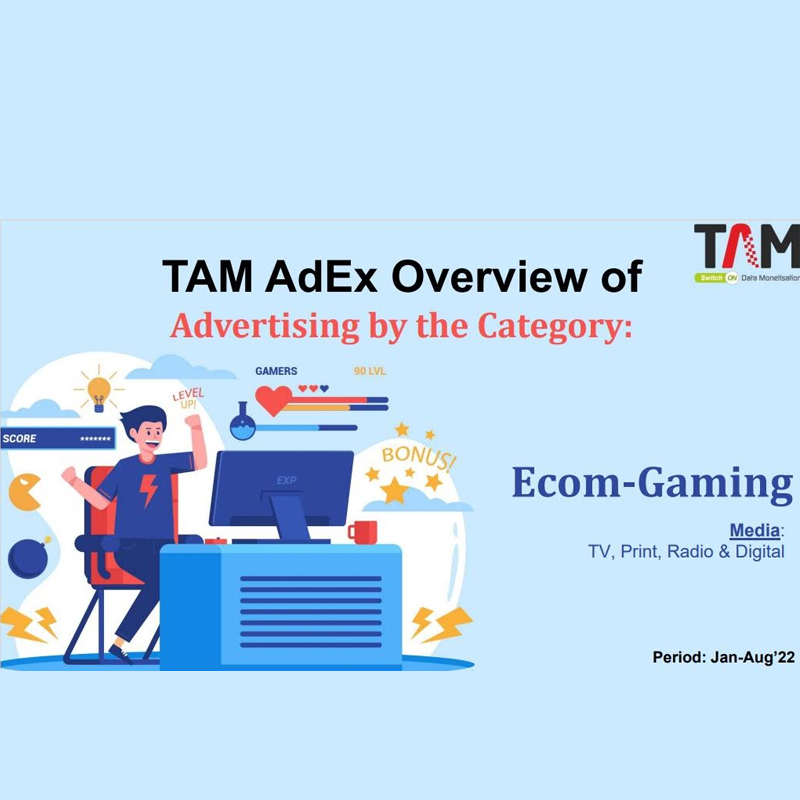
  • Ecom-gaming’s TV ad volume doubled in January to August’ 22: TAM AdEx report

    Ecom-gaming’s TV ad volume doubled in January to August’ 22: TAM AdEx report

    Mumbai: TAM AdEx has released an e-commerce-gaming cross-media report for January to August 2022, highlighting the advertising volumes of all mediums (television, print, radio, and digital) by the category.

    According to the report, ecom-gaming ad volumes on television increased two-fold between January and August 2022 compared to the corresponding period in 2021.

    The top 10 advertisers accounted for more than 90 per cent of ad volumes during the same period, and 35 plus brands advertised on television from January to August 2022, of which the top 10 shared 91 per cent of ad volumes.

    Advertisers in the e-commerce-gaming category preferred TV ad sizes ranging from 20 to 40 seconds. Between January and August 2022, 20 to 40-second and less than 20-second ads combined for a 99 per cent share of category ad volumes. Adding to this, more than 20 exclusive brands were advertised under the ecom-gaming category from January to August 2022.

    The news genre alone accounted for 44 per cent of the category’s ad volume, while sports came in second place. Top three channel genres grabbed 79 per cent of ad volumes’ share.

    The news bulletin is the most popular programme genre among the brands on television. News bulletins and feature films together added 47 per cent of the category’s ad volume.

    On TV, prime time was the most preferred time band, followed by the afternoon. More than 70 per cent of total ad volume was accounted for by the prime, afternoon, and morning time bands.

    The report, comparing January to August 2022 with the previous year of the same period, mentioned that the ad space in the ecom-gaming category dropped by 27 per cent in print media.

    Galactus Funware Technology stood as the top advertiser with a 40 per cent share of ad space during the current period.

    Moreover, the top 10 advertisers accounted for more than 90 per cent of the ad space.

    The Hindi language was on top with a 41 per cent share of ad space. The top five publication languages together added 93 percent of the category’s ad space.

    From January to August 2022, the general interest publication genre accounted for nearly 100 percent of the category’s ad space.

    Speaking about the digital space, the report stated that the sector’s ad insertions saw a growth of 27 per cent in January to August 2022 compared to the previous year.

    The top 10 advertisers shared 59 per cent of the ad insertions during the current period.

    From January to August 2022, display ads accounted for more than 60 per cent of all category ad insertions. Desktop video had a 30 per cent share of the digital platforms, followed by desktop display, which had a 28 per cent share.

    During the period from January to August 2022, the top ten advertisers had a 59 per cent share of ad insertions, with Head Digital Works topping the list with a 12 per cent share.

  • National Media Award 2022: ECI invites entries for best campaign on voter’s education & awareness

    National Media Award 2022: ECI invites entries for best campaign on voter’s education & awareness

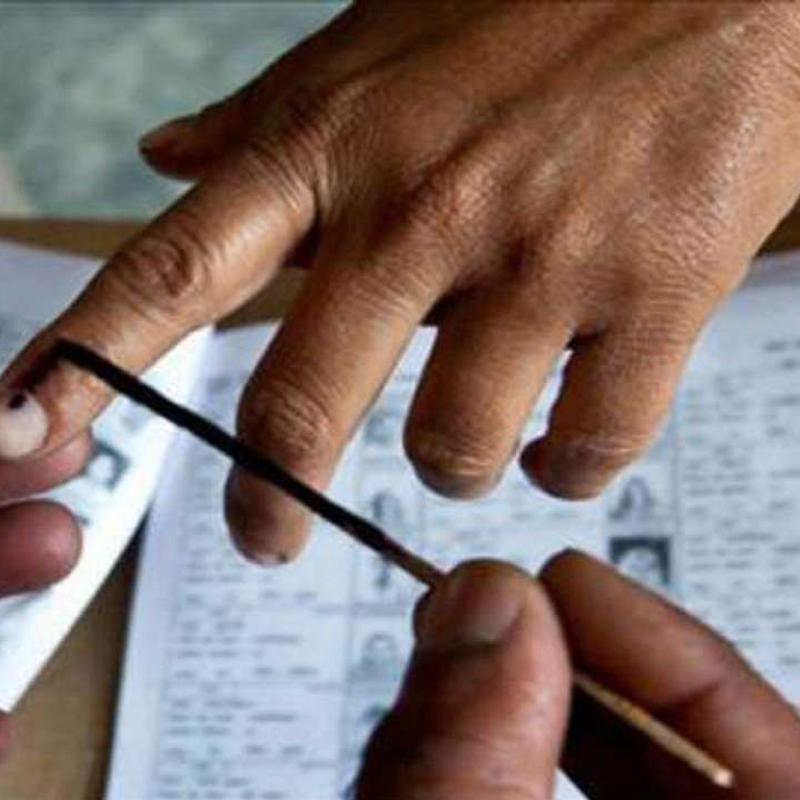
    Mumbai: The Election Commission of India has invited entries from media houses for the National Media Award for the best campaign on voter’s education and awareness during the year 2022. The last date to submit the entries is 30 November 2022.

    The awards are given to recognise the great work done by media organisations to encourage voter turnout by raising knowledge of accessible elections, educating the public on the electoral process, and encouraging people to vote and register to vote.

    There will be four awards given out, one for each of the following: print media, television (electronic), radio (electronic), and online (internet)/social media. The honours will be given on National Voters Day and will consist of a citation, a plaque, and cash prize (25 January 2023).

    The jury’s decision will be based on the following criteria: the quality of the voter awareness campaign; the extent of coverage/quantity; evidence of impact on the public; and coverage of accessibility issues.

  • HT Media hopeful of a resurgence in the mid to long term

    HT Media hopeful of a resurgence in the mid to long term

    Mumbai: In a message to shareholders to announce its first quarter results, HT Media, Hindustan Media Ventures chairperson and editorial director Shobhana Bhartia said that in the near term, the company expects market sentiment and growth to remain a bit subdued but is hopeful of a resurgence in the mid to long term. “Despite external macro headwinds, we remain committed to our journalism and to serving all our customers and stakeholders.”

    She noted that the first quarter of FY 2022–23 began on a positive note with a strong performance in the previous fiscal year, with overall business performance and the larger economic and business environment seeing considerable improvement, especially in the latter half of the fiscal. 

    “But it also began amidst indications of headwinds in terms of escalating material input costs owing to geopolitical tensions and protracted global conflicts. Our print business saw significant pricing pressure as material prices continued to remain at elevated levels even as a rise in general inflation impacted the overall cost of doing business. Advertising revenue across print, radio, and circulation revenues remained healthy.”

    HT Media posted its consolidated net losses, narrowed to Rs 41.80 crore for the quarter ended 30 June. Revenue from operations rose 72.5 per cent to Rs 420.09 crore during the same period against Rs 243.53 in the corresponding period of the previous year.

    Total expenses recorded during the quarter stood at Rs 496.78 crore compared to Rs 371.69 crore. 

    HT Media’s revenue from printing & publishing of newspapers and periodicals surged 71.51 per cent YoY to Rs 347.65 crore in Q1 FY2022-23.

    Its revenue from radio broadcast and entertainment rose two-fold to Rs 33.36 crore and digital was at Rs 38.76 crore, up 33.47 per cent.

    On the outlook, Bhartia said, “In the near term, we expect market sentiment and growth to remain a bit subdued, but are hopeful of a resurgence in the mid to long term. Despite external macro headwinds, we remain committed to our journalism and to serving all our customers and stakeholders.”

  • Digital radio technology can double broadcast sector’s revenue in five years: ICEA-EY report

    Digital radio technology can double broadcast sector’s revenue in five years: ICEA-EY report

    Mumbai: The adoption of digital radio technology will help the broadcast sector double its revenues within five years to Rs. 12,300 crore, according to a report prepared by the India Cellular and Electronics Association (ICEA) and EY.

    The report shows that digital radio broadcasting can be extremely beneficial for all the stakeholders in the sector—broadcasters, listeners, advertisers, and regulators—and can help the FM radio segment boost revenues. This comes at a time when the FM radio segment has been struggling to generate robust revenues over the past few years.

    It would lead to more advertising inventory to sell with the ability to charge higher rates based on segmented audiences. Given that the digital radio system can provide listenership data, broadcasters can build trust and eventually grow revenues.

    Another significant benefit of these technologies for broadcasters is that their transmitters use significantly less power than analogue radio transmitters.

    India has also tested two technologies – HD radio and digital radio mondiale (DRM), for digital broadcasting in the FM band.

    ICEA chairman Pankaj Mohindroo stated, “India is a heterogeneous market and provides audience segments with differing tastes as well as payment capabilities. Digital broadcast radio has the ability to cater to segments of entry-level smartphones and several hundred million feature phone users to receive enhanced services in the areas of health, education, emergency, and weather, which by complementing data networks, decongests them. Communication usage with IOT devices is next envisaged in the pipeline too.”

    Citing the report, Mohindroo said, “Digital technologies would go a long way in widening the network of broadcast infrastructure in the country and the number of radio stations would grow multifold from the current numbers of less than 300 to over 1,100 without any additional spectrum.”

    EY India partner Ashish Pherwani said, “Digital radio can provide a much-needed boost to the Indian radio segment. As a free-to-air medium, radio plays a very vital role in India’s informing and educating its people. Systemic issues around measurement, reach, operating models, competing products, and COVID-19 impacted the segment with failing revenues and shrinking opportunities. Digital radio can help grow the radio segment in India by 3x over 5 years, if implemented keeping in mind the requirements of various stakeholders and with the correct policy support.”

    According to the report, the number of channels will increase significantly from the perspective of listeners. Around 4x more channels are possible within the same frequency, which can provide more options to listeners. Furthermore, the technology is broadcast-centric, and consumers would not have to pay any data charges. Analogue transmission would also be enhanced as it provides a better listening experience than digital transmission across both audio quality and user interface.

    Digital technologies would also bring about major reforms for the regulators as it would result in optimum use of scarce spectrum in the middle and long term and lead to increased taxes from increased revenues. It would also allow the authorities to use digital radio infrastructure for emergency warnings and traffic information.

    The report prepared by ICEA and EY noted that a complete transition from analogue to digital radio infrastructure would take three to five years. Radio broadcasters cannot enable a switch-on-switch-off transition to digital radio as they are dependent on linear FM reach for their revenues. This would mean that analogue and digital broadcasting will need to exist in parallel till adequate reach is achieved.

    Consequently, for some years, there would be no spectrum saving, said the report. The report has recommended innovation around cost-effective chipsets, antennas, and software to drive quicker adoption of digital radio. It has also been said that competing products using low bandwidth data and consensus on music royalties are issues that need to be addressed.

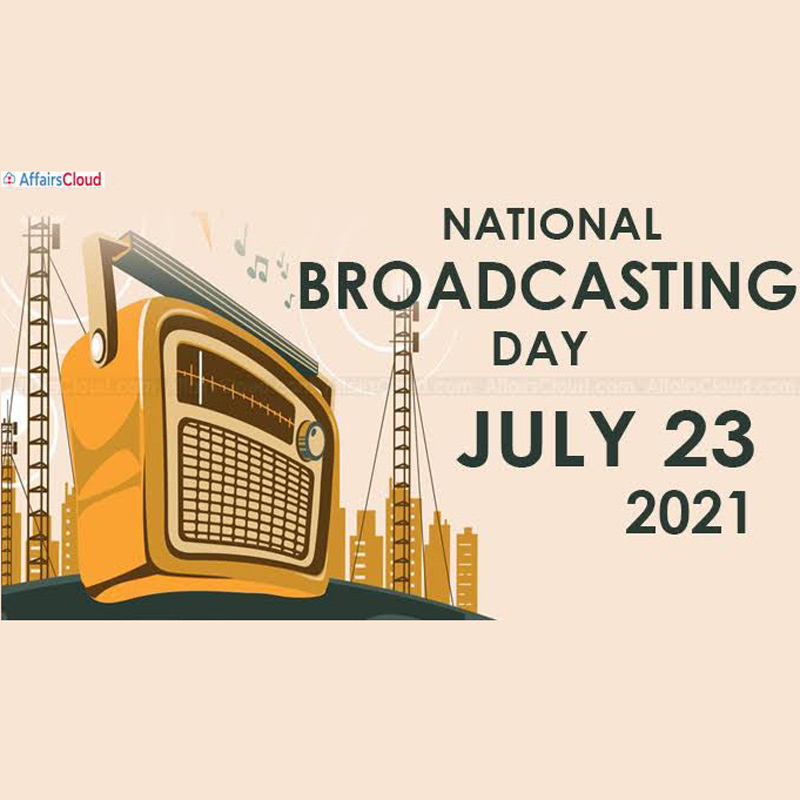
  • Celebrating National Broadcasting Day 2022 on 23 July

    Celebrating National Broadcasting Day 2022 on 23 July

    Mumbai: National Broadcasting Day is celebrated in India on 23 July to make people aware of the importance of radio. On this day, the journey of All India Radio started in the year 1927.

    Why do we celebrate National Broadcasting Day? Let us dig into the details!

    This was the day when India got its first radio broadcasting company. A private company named Indian Broadcasting Company Limited (IBC) started its journey as India’s broadcasting company. The Indian broadcasting company started broadcasting radio from Mumbai’s station.

    History of National Broadcasting Day

    The history of broadcasting in India goes back almost thirteen years to the beginning of All India Radio (AIR). In June 1923, the Radio Club of Bombay in the British Raj broadcast for the first time in the country. Five months later, the Calcutta Radio Club was established but the Indian Broadcasting Company (IBC) came into existence on 23 July, 1927.

    All India Radio launched

    All India Radio has come a long way in India. But broadcasting started in 1927 with just two privately owned transmitters in Bombay and Kolkata. In 1930, the government took these transmitters under its control and started running it under the name of Indian Broadcasting Service. In April 1930, the Indian Broadcasting Service under the Department of Labor and Industrial started its operations on an experimental basis. In May 1935, a private radio station was set up in All India Radio, Mysore.

    On 8 June 1936, the Indian State Broadcasting Service known as All India Radio (AIR) was established. In 1956, it was called by the name Akashvani. In 1957, the Vividh Bharati service was started, which created a stir among film and music lovers & became very popular among the public.

    What is AIR?

    All India Radio or All India Radio (AIR) is India’s domestic national radio broadcasting service reaching millions of homes across the country. AIR is a division of Prasar Bharati which was earlier under government control but is now an autonomous body, established by an Act of Parliament.

    India’s public service broadcaster, Prasar Bharati is one of the largest broadcasting organizations in the world. Prasar Bharati has four hundred seventy broadcasting centers across the country, covering about 92 per cent of the country’s area and 99.19 per cent of the total population. It has a reach across 150 countries through medium and short wave services. All India Radio originally broadcasts programs in twenty-three languages and one hundred seventy-nine dialects. As digital takes a lead, the oldest radio broadcaster has turned no stones unturned to stay relevant even in today’s world. It has its online and digital applications too. Prasar Bharati’s NewsonAIR mobile app has more than one million subscribers.