Tag: R S Sharma

  • Tanla appoints former TRAI chairman R S Sharma to BOD

    Tanla appoints former TRAI chairman R S Sharma to BOD

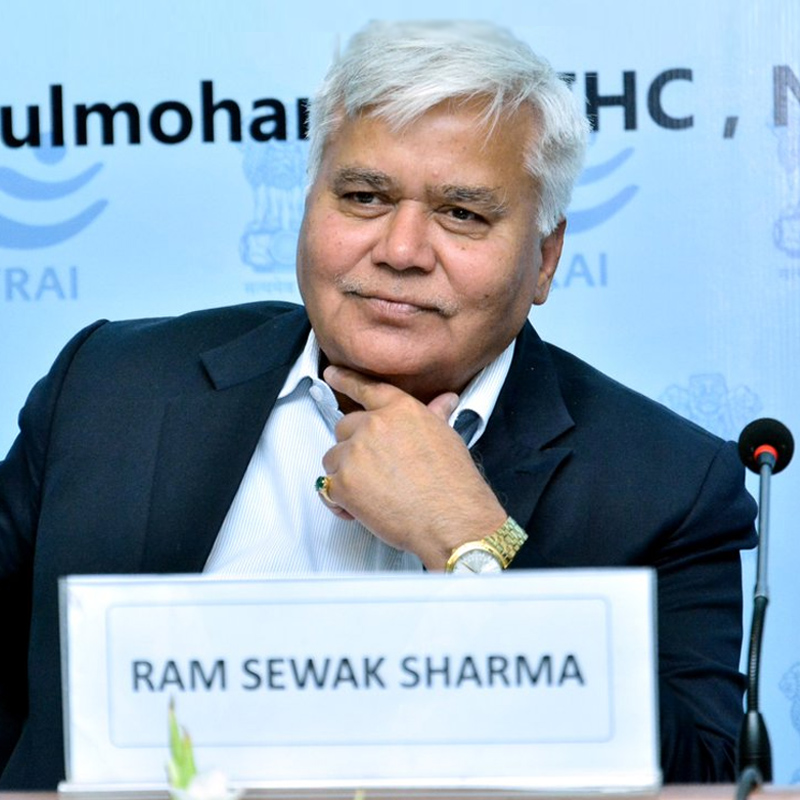
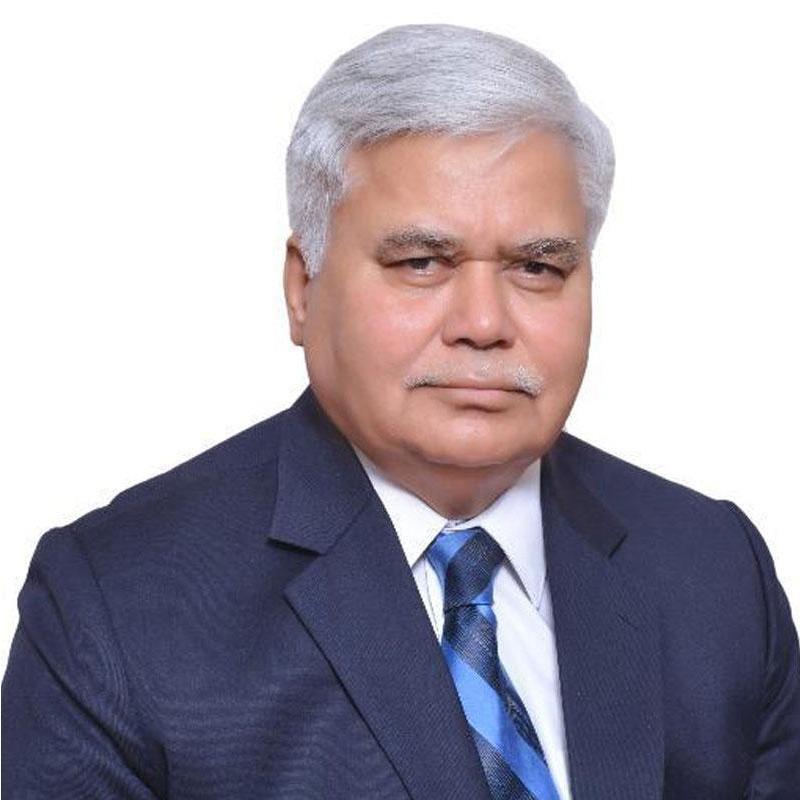
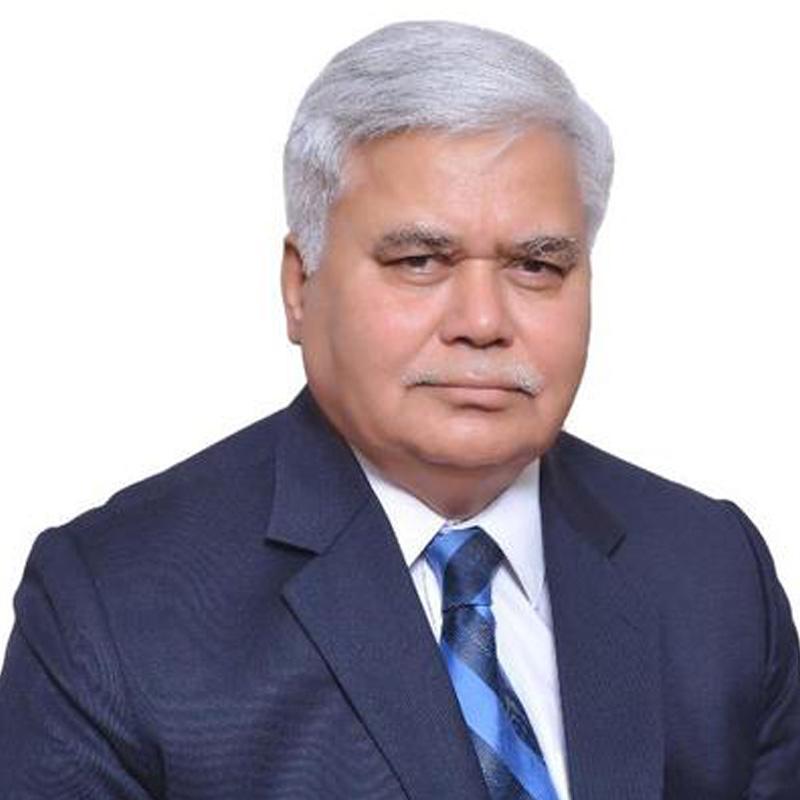
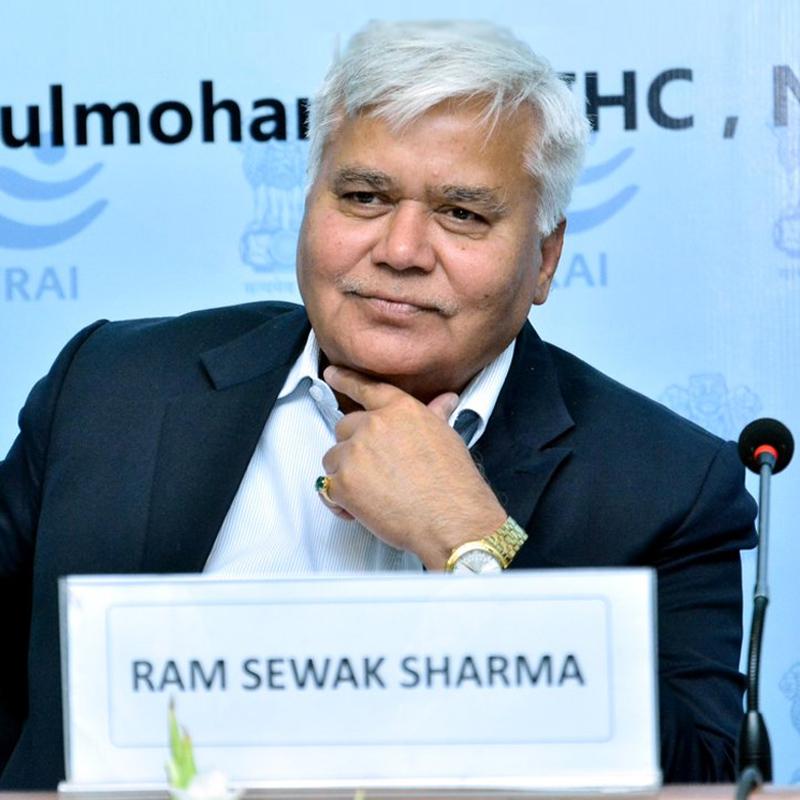
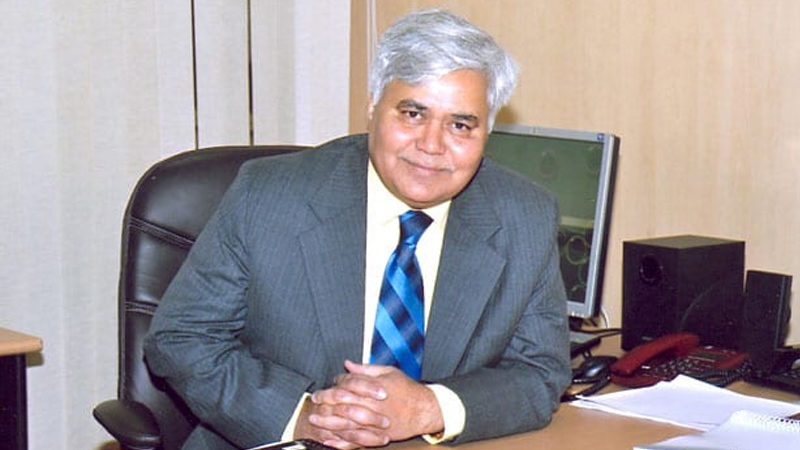
    Mumbai: One of India’s CPAAS Players, Tanla announced RS Sharma to facilitate the BOD ( Board of Directors). The BOD number of directors increases to 7 including Sharma.

    While expressing happiness on the appointment of Dr. Sharma appointment, founder and chairman Uday Reddy said, ‘ Dr. Sharma’s incredible vision and track record in India’s digital transformation journey makes him an invaluable addition to Tanla’s August board. We are excited to learn from his pioneering experiences and advice for the continued success of Tanla Platforms globally.’

    He was the chairman of TRAI ( Telecom Regulatory Authority of India) from 2015 to 2020. He had unparalleled work on taking new initiatives in Technologies and transformation.

    Speaking on the appointment as Director at Tanla Dr R S Sharma said, ‘Tanla is adept at harnessing disruptive technologies. And I see how they have innovated to foster trust in the CPaas ecosystem. Joining the board of such a forward-thinking technology company is really an opportunity to contribute to nation-building. ‘

    His tenure was marked by initiatives promoting net neutrality and consumer rights. He worked on many government initiatives and projects for the betterment of consumers

  • TRAI seeks suggestions to make satellite broadband services affordable

    TRAI seeks suggestions to make satellite broadband services affordable

    New Delhi: The cost of satellite broadband services continue to remain on the steeper end in the country, posing a major challenge to its wide adoption by the end users. The issue has been taken up by India’s telecom regulator, which is now looking for ways to drive down the rates of satellite broadband.

    The Telecom Regulatory Authority of India (TRAI) has floated a discussion paper and sought views to make satellite communications more affordable in the country. The decision comes at a time when global communication companies, including Bharti Group and UK consortium led OneWeb and Elon Musk’s SpaceX Technologies have expressed their interest in entering India’s satellite internet space.

    “Satellite communication can provide coverage to the remotest and inaccessible areas of a geographically widespread country like India. With the evolution of satellite communication technologies, new types of applications based on low-bit-rate applications are emerging. Such applications require low cost, low power and small size terminals that can effectively perform the task of signal transfer with minimum loss,” TRAI stated in its paper.

    The telecom regulator emphasiaed upon creating an enabling environment to attract investment into the satellite communication space. It has also sought feedback on whether licensed national long distance (NLD) operators can be allowed to offer satellite services to connect the new wave of Internet of things (IoT) devices, and if only some frequency bands should be available for such satellite-based IoT connectivity.

    The written comments have been invited from the stakeholders by 9 April and counter comments by 23 April.

    The telecom regulator also noted that there are long delays reported in procurement of satellite bandwidth through the current processes due to the involvement of multiple agencies for seeking various clearances and approvals. “To attract investment and new players in a sector, the most important characteristic is the ‘ease of doing business’,” stated TRAI, adding that there is need for a single window clearance for all kinds of satellite-based processes.

    Among other issues, it has also sought views on whether satellite service licensees should be allowed to obtain bandwidth from foreign satellites for providing IoT connectivity. Also, whether any specific or all bands should be permitted for provisioning satellite-based IoT connectivity. It also invited suggestions on whether a new licensing framework should be proposed for the provision of satellite-based connectivity for low-bit-rate applications or the existing licensing framework may be suitably amended to include the provisioning of such connectivity.

    “In spite of the fact that cost of launching a satellite in India is the lowest globally, yet the licensing formalities, technical criteria, lack of ‘Open Skies Policy’ are significant barriers for the growth of satellite services in the country. The satellite services need to be made affordable for wider acceptability by price sensitive Indian industry and end-users,” noted the telecom regulator.

    Last September, the then chairman of TRAI, R S Sharma, had also called for an urgent need to bring down the price of broadband services provided through satellites, asserting that its current high price could pose a challenge in its adoption in the country. 

    “There’s an urgent need to liberalise the satcom policy to boost satellite-based broadband penetration in rural, remote and hilly regions that remain largely unconnected by mobile and terrestrial communication networks, given the big global advances in satellite technologies,” Sharma had said, highlighting the need to align the satcom policy with emerging requirements of 5G and IoT.

  • NTO 2.0 update: Broadcasters conclude their argument before Bombay HC

    NTO 2.0 update: Broadcasters conclude their argument before Bombay HC

    KOLKATA:  As the ongoing legal battle between broadcasters and the Telecom Regulatory Authority of India(TRAI) in Bombay High Court nears its ending, the broadcasters have concluded their argument.

    On 18 September, the solicitor general will open for TRAI before the court. TRAI chairman R S Sharma said earlier that non-implementation of NTO 2.0 will bring back discriminatory practices and create a regulatory vacuum. He said that the tariff order has brought the perfect balance between consumer choice and industry benefits.  

    Sharma mentioned that while it has given new power to the consumers to watch channels of their own choice, it has provided broadcasters the liberty to decide the pricing of their channels, distributors to have an independent source of revenue through network capacity fees.

    Earlier during a hearing on 2 September, senior advocate Harish Salve argued that NTO 2.0 contradicts provisions of the Indian constitution that guarantees the freedom of speech and expression to all citizens.

    Amid Covid2019 pandemic, TRAI directed the broadcasters on 24 July to comply with the new amendments by 10 August, which created another round of tension and the broadcasters went back to Bombay High Court. The High Court ordered TRAI to not take any coercive action against the stakeholders until the verdict comes out.

  • TRAI always believes intervention should be limited to market failures: R S Sharma

    TRAI always believes intervention should be limited to market failures: R S Sharma

    KOLKATA: The cable and broadcasting industry has been despondent of late due to several new regulations. Many of the stakeholders have complained about “over-regulation” stunning the growth of the business and causing unnecessary burdens. The outgoing chairman of the Telecom Regulatory Authority of India (TRAI), R S Sharma, has refuted the claims reemphasizing that the authority has always looked at light-touch regulation. Sharma stated that TRAI has always believed intervention should be limited to market failures, adding that it has never interfered if the market is trouble-free. He addressed several controversial issues.

    During a conversation with Governance Now MD Kailashnath Adhikari, Sharma has spoken in favour of the most controversial regulation of this year, the amended New Tariff Order (NTO 2.0). He said that the tariff order was brought to strike a perfect balance between consumer choice and industry benefits.

    Sharma mentioned that while it has given new power to consumers to watch channels of his own choice, it has also given broadcasters the liberty to decide the pricing of their channels, distributors to have an independent source of revenue through network capacity fees. “In such a situation, it will be unfair to call it over-regulation,” he commented.

    He reiterated that TRAI’s data shows that 90 per cent of the people watch only about 50 channels out of the 800-900 channels in the country. He also added that OTT platforms allow much more freedom to watch content compared to linear TV, and this is one of the primary reasons for the audience shifting to OTT platforms. After the implementation of NTO in last year, many long-tail channels shut their shops. “IBF’s statement is rubbish, and it brings fear in the minds of people,” Sharma stated, mentioning that the case is sub judice in court. 

    Earlier this year, when the pandemic started hitting the ad revenue dependent broadcasting industry, TRAI issued a set of recommendations for a major overhaul of the country’s TV viewership measurement agency, BARC India, a joint industry body of the broadcasters, advertisers, and advertising agencies. Recommendations included an increasing number of people meters from 44,000 to 66,000 by the end of 2020 and 1,00,000 by the end of 2022. Many stakeholders commented that it seemed to throttle the entire system rather than reforming. 

    “Audience measurement is a significant source for broadcasting to get advertising and program sponsorship. In fact, that is the only currency. An industry dependent on advertising for survival and growth, audience measurement is a critical activity. Broadcasting is one such sector that is largely dependent on advertising revenue. Broadcasters earned revenue Rs 45000 crore in 2019, 32000 crore was collected from advertising. This underlies the dependence on the flow of advertising, which largely hinges on the profile of their audience and popularity of the content, which is assessed by television audience measurement rating. It is imperative that the process of that measurement should be objective, fair, neutral, transparent,” Sharma commented.

    “Some important recommendations are the need for structural reformation of governing of BARC to mitigate the potential risk of conflicts, bring transparency, and the confidence of all stakeholders on the TV audience measurement system. To create a credible and accurate collection of data, multiple data agencies need to be in competition, which would bring new technologies, research methodologies, and new ways to ensure better data quality,” Sharma further adds. 

    According to him, technology is ever-evolving, and the TV rating system needs to be in tandem. While Sharma mentioned that TRAI only gave the recommendation of the constitution of BARC, he also stated that periodical reformations are needed. Many stakeholders raised the issue of huge investment in restructuring. He said that many reformations could be carried out in a frugal way on the back of new technologies.

  • Difficult to balance consumer interest with stakeholder objectives: TRAI’s RS Sharma

    Difficult to balance consumer interest with stakeholder objectives: TRAI’s RS Sharma

    NEW DELHI: Telecom Regulatory Authority of India chief RS Sharma, on Thursday, demystified myths and impressions about the regulation of the sector in a panel discussion at FICCI FRAMES 2020.

    He said that it is immensely difficult for regulators to strike a balance between consumer interest and objectives of other stakeholders. Sharma commented when Media Partner Asia executive director and co-founder Vivek Couto asked about heavy-handed TV regulations.

    "The objective of TRAI is to ensure the interest of consumers, stakeholders, distributors and creators and ensure there is a growth of the sector. Since 2004 to 2017, there were price caps. If you put these price caps, it disincentivises the producers. Why should I keep any control on pricing? The industry thinks the regulator is heavy-handed and the regulator thinks they are light touch. The basic approach TRAI has had in regulating this sector is that we have adopted a light-touch approach and allowed market forces to operate in this space. We believe that the market is the best determinant and accelerator for the adoption of new technologies and satisfying consumers, so long as there is fair play, transparency, non-discrimination. Then, we don’t need to intervene.”

    Sharma emphasised that for regulators consumers’ choice will always have major importance.

    Speaking about the evolution of the sector and change in consumption patterns of viewers, he pointed out that proliferation of cheap data that will drive OTT services.

    According to the new tariff order (NTO), consumers could choose the TV channels they want to watch and pay only for them at maximum retail prices (MRPs) set by broadcasters, instead of the pre-set bouquets offered earlier. It was said that the NTO will make channels cheaper but it seems prices of like-to-like option went up. Sharma argued that the amendments to NTO and the TRAI channel selector app were introduced to make things transparent for consumers.

    “As technology moves forward, with 5G, there will be more disruption and change in watching habits. Emerging trends will necessitate a new framework. Regulation should ensure that technological developments are not throttled or scuttled. They should be allowed to grow and take place," he said.

    Meanwhile, the ministry of information & broadcasting additional secretary Atul Kumar Tiwari spoke on the contentious subject of regulatory structure for OTT platforms. He said, "We invited them to come back to us with some kind of self-regulatory mechanism. We would like to have a light-touch regulation but there has to be some kind of regulation on the streaming content."

  • Broadband to become a fundamental human right: TRAI chairman

    Broadband to become a fundamental human right: TRAI chairman

    MUMBAI: Broadband will become a fundamental human right and it will be difficult to imagine life without broadband connectivity, said Telecom Regulatory Authority of India (tRAI) chairman R S Sharma. He was speaking at a virtual conference organised by Broadband India Forum.

    He said that it is time to make investment to boost fixed-line broadband so as to support areas such as education, work from home, etc. While it is a fact that the country has achieved a lot in mobile, we still have a long way to go in the field of fixed-line broadband. It is essential to give reliable connectivity, he said, adding that what lies ahead is a digital future. Connectivity is an area of paramount importance.

    Many things like the role of technology that the Covid2019 pandemic has taught the country will become permanent, and they will be good for the country, he said, adding that in the changing context TRAI will approach all the regulations with a new perspective.

    He said that what this crisis has taught us will become permanent in this country; it will be actually good for us. “I believe digital transaction is always better because it is cost-effective, environment-friendly, instantaneous, frugal, and last but not the least it is contactless."

    He said that after the pandemic broke out, people depended on IT and communication technology much more than physical infrastructure such as road, rail, or air transports.

    Work-from-home has become a norm and it will remain so in the immediate future. We are going to see tele-medicine, e-commerce, etc. Schools have started teaching students from home, Sharma said.

    He added that we have to live in a world with minimal human contact all the while enabling economic growth and socialising. 

    Department of Telecom joint secretary Hari Ranjan Rao informed that efforts are going on to implement a national optic fibre map so that investors can decide where they want to invest and build capacities.

  • TRAI may look at “finetuning” new tariff order

    TRAI may look at “finetuning” new tariff order

    MUMBAI: The Telecom Regulatory Authority of India (TRAI) may look at “finetuning” the new tariff order for cable and broadcasting sector to address any “aberrations”, as per a news report by Economic Times. However, the regulatory body won’t rush into this without adequate data backup.

    “When a new thing is put in place, you always notice that in some areas, things are not working out the way you had imagined, or in some areas some finetuning is required,” TRAI chairman RS Sharma told ET. Sharma also added that the new regime marked a “paradigm shift,” giving customers transparency and choice as well as providing a level playing field for operators.

    “Finetuning will require some data and we don’t want to get into that on the basis of anecdotes, ARPU (average revenue per user), number of litigations, etc. We’re looking at this carefully and collecting data and will finetune (the regulation) at the right time,” Sharma said. He said that the regulatory body is looking at if there are any aberrations in the implementation of the tariff order and they would rectify accordingly.

    However, it was not clear if the finetuning will also consider looking at ways to reduce monthly cable and DTH (direct-to-home) bills of consumers. The new tariff order reduced the cable bill for users who use fewer channels but it increased it for many. Even, some subscribers found the new regime complicated.

    He also clarified that subscribers will have the freedom to select separate channels on their second set-top box like they can do for their first box. He also noted that the industry agreed to give discounts for the second box.  While he acknowledged that adapting to the new regime is taking time with people learning along the way, he said consumers need to have complete control over choosing and paying for channels.

    “We’ve issued show-cause notices, etc. So, we’re very proactive to ensure that aberrations that take place are set right before they become the regular practice,” Sharma said while mentioning that in some places broadcasters are not doing it.

  • TRAI tariff order has reduced monthly TV bills: RS Sharma

    TRAI tariff order has reduced monthly TV bills: RS Sharma

    MUMBAI: TRAI chairman RS Sharma has said that the implementation of the new tariff scheme has reduced monthly TV bills. This is because people have the power to choose channels of their choice. 
    Speaking to news agency ANI, Sharma said that TRAI is collating data which will demonstrate that monthly bills do not increase. "On average, 90 per cent of people watch less than 50 channels. Even my monthly TV bill has come down from Rs 700 to Rs 236 per month."

    He also said that TRAI is getting complaints against some service providers for not activating select channels for viewers, or taking too much time in doing so."We show cause defaulting service providers once we get a complaint against them. Customers can register their complaints on our call centre as well," he said.

    Viewers will get to pay only for the channels they want to watch from 1 April, as TRAI’s new rules to curb the practice of bundling unwanted channels into bouquets come into effect.

    According to new pricing regime by TRAI, broadcasters, distributors and cable television operators must price each channel separately with the rate capped at Rs 19 each. The deadline was extended thrice to create awareness among subscribers.
     

  • TRAI chief defends broadcast tariff order, data protection suggestions

    TRAI chief defends broadcast tariff order, data protection suggestions

    MUMBAI: The much touted and highly anticipated live session of TRAI Chairman RS Sharma on Twitter yesterday didn’t throw up surprises. The moderator relayed more queries on the telecom sector and very few on the broadcast segment and in the few that were answered, the chief regulator defended his organisation’s stand ably.

    One such query relating to the broadcast sector revolved around whether India was a highly regulated market and then sought a status report on TRAI’s latest directives, including those relating to broadcast and cable sector tariff, inter-connect agreement amongst stakeholders and quality of service.

    Denying that India was a highly regulated market — “no case of over-regulation…,” he said — Sharma pointed out that though the present set of regulations, implemented after almost 18 months, had “seen a lot of litigation”, they were “wonderful” and aimed at ensuring “transparency” in the whole eco-system.

    “The customers [of TV services] would benefit,” Sharma emphasised.

    For the uninitiated, TRAI’s tariff guidelines, originally issued in 2016, remained mired in legal tangles till earlier this year when Madras High Court upheld the regulator’s contentions. Subsequently, on 3 July 2018 TRAI issued a statement saying as all judicial compliances were completed, its tariff order came into existence with immediate effect. However, the Supreme Court is set to hear a case filed by original petitioners Star India and Vijay TV against the high court order late August. Some confusion still prevails regarding a cap of 15 per cent on prices of TV channels offered by broadcasters as the Chennai court had frowned down on this stipulation.

    Coming back to the TRAI on Twitter session, asked about indifferent quality of service relating to mobile broadband, Sharma batted for use of satellites to also deliver broadband services. In fact, in its several recommendations, the regulatory body has pushed for an open sky policy signifying usage of Indian and foreign satellites to deliver a host of services, including television and broadband.

    According to the chief regulator, all options of delivering broadband services should be explored, including satellites, cable TV and DTH platforms. Such an approach could also result in bringing down costs, Sharma said in reply to a question on indifferent broadband services in hilly and logistics-challenged areas like the north-eastern part of India.

    Queried on the logic behind issuing recommendations on data vis-à-vis its ownership and privacy ahead of a government-mandated panel appointed to look into these issues, Sharma explained it as a necessity as the ecosystem was changing. Currently, India is consuming more data than the US and China put together, he pointed out, adding, therefore, the issue of data security, privacy and ownership had become extremely important.

    “If data is flowing, new players have emerged [and] they also have to accept the responsibility and… take care of consumer data. Hence, after the consultation process running for about a year, we came up with this recommendation saying similar kind of rules must apply to the telecom, browser, devices…” Sharma clarified. However, the Justice BN Srikrishna committee, asked by the government to look into issues relating to data, has expressed its displeasure on TRAI recommendations ahead of its own conclusions.

    “Justice Srikrishna committee is drafting an…overall data protection law and we have said while there may be general questions relating to data protection, it is important that till that time, apply more or less the same rules of data protection as applicable for telecom service providers,” Sharma defended his organisation’s stand.

    Asked about the Apple controversy that proposed strict actions against the US giant as it was not complying with TRAI request on consumer data, Sharma clarified that it had nothing to do with any particular company and termed the situation as “misconstrued” — “It is totally related to the issue of unsolicited communication,” he added.

    Interestingly, through its various apps, aimed at consumer assistance (like checking the broadband speed being provided by the telecom service provider on mobile handsets of consumers), TRAI itself collects huge amount of data, which critics have said could be exploited if leaked.

    Asked about the data that the regulator mines and ways its protection is ensured, Sharma said that the organisation has “adopted privacy” as a default mechanism, which ensures data protection of consumers.

    The 1978 batch Indian Administrative Service officer Sharma was appointed as TRAI chairman three years ago. His tenure is scheduled to end in August 2018 and the government, according to sources, has received as many as 45 applications for the post that was advertised on the website of Department of Telecoms.

  • TRAI & Malaysian counterpart announce collaboration

    TRAI & Malaysian counterpart announce collaboration

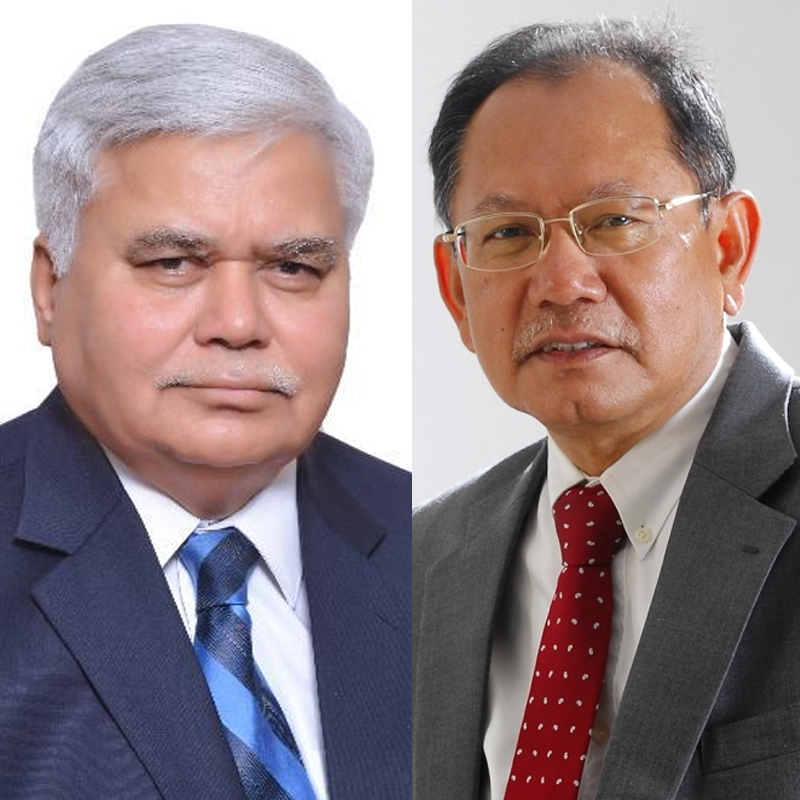
    NEW DELHI: The Telecom Regulatory Authority of India (TRAI) and the Malaysian Communications and Multimedia Commission (MCMC) have agreed to exchange information and regulatory best practices in the fields of broadcasting and telecommunications, including new and emerging areas.

    A Letter of Intent (Lol) was signed by the TRAI chairman R S Sharma and MCMC chairman Halim Shafie in the presence of the Malaysian high commissioner to India Hidayat Abdul Hamid. This historic agreement would help both the regulators to work closely in enhancing mutual cooperation and bilateral relations.

    The signing of this agreement assumes significance for both India and Malaysia as both countries can learn from each other.

    The other activities planned under the agreement to promote international and technical cooperation between the two organizations are:

    Exchange, deployment and attachment of experts, including but not limited to during bilateral consultations;

    Jointly conducting capacity building exercises in the fields of broadcasting and telecommunications regulation;

    Collaboration in various international forums including but not limited to the Association of Southeast Asian Nations (ASEAN), Asia-Pacific Telecommunity (APT) and International Telecommunication Union (ITU); and

    Any other forms of cooperation that are mutually agreed upon by the Parties in the fields of broadcasting and telecommunications regulation.