Tag: PTI

  • Court permits private Pak channels to show Indian films

    MUMBAI: A Pakistani court has permitted private television channels having valid licences to show Indian movies as per their conditions of agreement with Pakistan’s regulator. In its October 2016 order, PEMRA had banned Pakistani private channels being operated through cable network from airing the Indian content.

    According to PTI, the Lahore High Court chief justice Syed Mansoor Ali Shah yesterday permitted private television channels in the light of the report put by the Pakistan Electronic Media Regulatory Authority (PEMRA) before the court.

    Shah passed the interim order on a petition that was filed by Leo Communication challenging the ban on telecast of Indian content on cable television network. Channels, the report stated, could be allowed to run Indian films as per clause 7.2 (ii) of License Establish & Operate Satellite TV Broadcast Channel Station.

    Petitioner’s counsel Taffazul Rizvi argued that the channels should also be allowed to telecast Indian plays as they also come under the definition of ‘entertainment’ under the licence agreement with PEMRA. A PEMRA law officer contended, seeking time to establish that ‘entertainment’ does not include ‘Indian plays’. He said the channels were allowed to run Indian films as per terms of their licence agreements with PEMRA.

    When Indian movies were being screened in cinemas in Pakistan, Justice Shah had earlier observed, what justification the government/PEMRA had to ban them on TV. The court then adjourned the hearing till 2 March.

    Also Read:

    Bleeding Pak theatres may become ‘Raees’ again

    Pakistan gets tough on Indian DTH & content

    PEMRA raids DTH & cable operators showing Indian content

    Cable TV suspended in parts of Pakistan; Senate okays DTH plan

  • ‘Risk’ in FM stations airing news, apprehends Prasar head

    ‘Risk’ in FM stations airing news, apprehends Prasar head

    MUMBAI: Prasar Bharati chairman A Surya Prakash has said permitting private FM stations to air news might have security implications and that the government needed to keep that in mind if it were to give them the nod.

    From the democracy perspective, the idea of permitting them looked ‘very simple’ and ‘must be done’, but, owing to the internal security concerns and diversity of India, which had thousands of kilometres of borders, the initiative had a ‘lot of implications,’ he said, PTI reported from Hyderabad.

    As some months ago, the government auctioned frequency bandwidth, new FM channels were going to come. And, thus, he said that one needed to seriously ponder over whether to allow FM channels to air news.

    While it was correct that private TV channels had been allowed to telecast news, radio, he said, had a ‘different audience and different kind of reach.

    Also Read:   

    TV Today not selling 3 FM stations to ENIL; seeks MIB nod for migration

    Big FM, India Today deals: Zee Media seeks shareholder nod for loans

    Highlight women’s rights, broadcasters told


  • ‘Risk’ in FM stations airing news, apprehends Prasar head

    ‘Risk’ in FM stations airing news, apprehends Prasar head

    MUMBAI: Prasar Bharati chairman A Surya Prakash has said permitting private FM stations to air news might have security implications and that the government needed to keep that in mind if it were to give them the nod.

    From the democracy perspective, the idea of permitting them looked ‘very simple’ and ‘must be done’, but, owing to the internal security concerns and diversity of India, which had thousands of kilometres of borders, the initiative had a ‘lot of implications,’ he said, PTI reported from Hyderabad.

    As some months ago, the government auctioned frequency bandwidth, new FM channels were going to come. And, thus, he said that one needed to seriously ponder over whether to allow FM channels to air news.

    While it was correct that private TV channels had been allowed to telecast news, radio, he said, had a ‘different audience and different kind of reach.

    Also Read:   

    TV Today not selling 3 FM stations to ENIL; seeks MIB nod for migration

    Big FM, India Today deals: Zee Media seeks shareholder nod for loans

    Highlight women’s rights, broadcasters told


  • Rs 30k cr to enhance Jio coverage; A-G clears DoT’s power to penalise telcos

    Rs 30k cr to enhance Jio coverage; A-G clears DoT’s power to penalise telcos

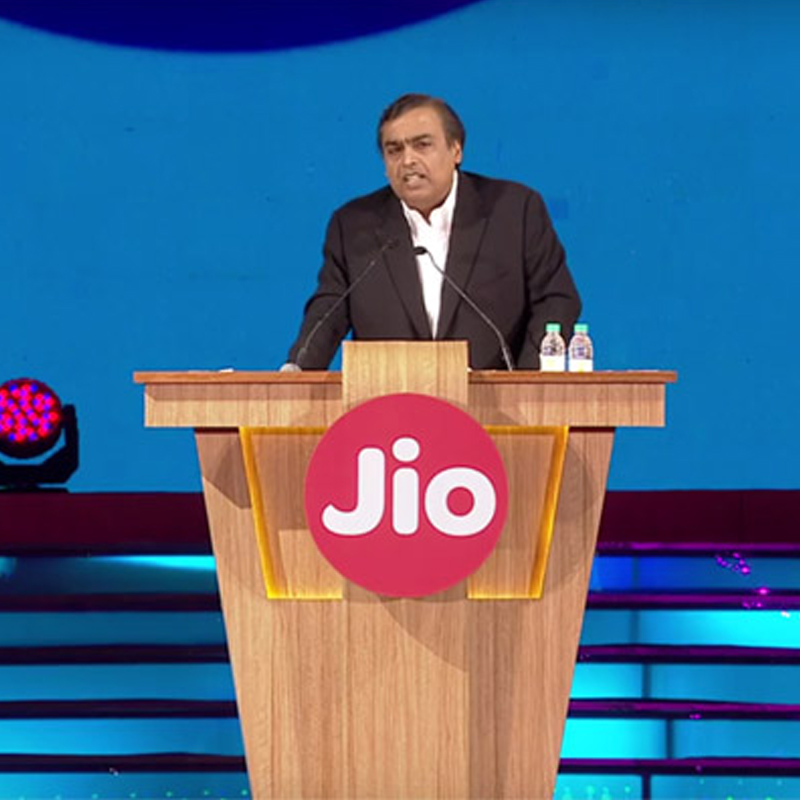
    MUMBAI: Even as India’s attorney-general cleared a Rs 3,050 crore penal action against the leading telcos, Reliance CMD Mukesh Ambani is planning to infuse Rs 30,000 crore in Reliance Jio telecom venture which has caused a major disruption in India’s fiercely-competitive mobile market.

    The attorney-general is understood to have opined that the Department of Telecom (DoT) has the power to impose penalty on grounds of poor quality of service of telecom operators Vodafone, Bharti Airtel and Idea Cellular, sources told PTI.

    Reliance Jio, which reportedly had a subscriber base of 72.4 million at 2016-end, plans to collect funds via a rights issue that was approved at a recent board meeting, the Times of India reported.

    In view of the unprecedented customer response and to address the anticipated growth in demand for digital services, Jio stated, additional investments were proposed to be made into the network to enhance its capacity and coverage. The new funds will come on top of the Rs 1.7 lakh crore that Reliance Jio has already invested.

    The rights issue has been planned to be for six billion nine per cent non-cumulative optionally convertible preference shares (OCPS) of Rs 10 each for cash, at a premium of Rs 40 per OCPS. The amount subscribed/paid on each OCPS will be either redeemed at Rs 50 or converted into five equity shares of Rs 10 each at any time at the option of the company, but not later than 10 years from the date of allotment.

    The new entrant Jio caused a considerable disruption in the space. In broadband services, with 35.94 million (3.594 crore), Jio had, in October 2016, joined the top five subscribers list. No matter it is working out to the benefit of the consumer and helping the industry expand albeit at a much lower cost to the end-user, well-entrenched rivals now are on a slippery wicket. Meanwhile, other telecom operators in the country are scrambling to catch up.

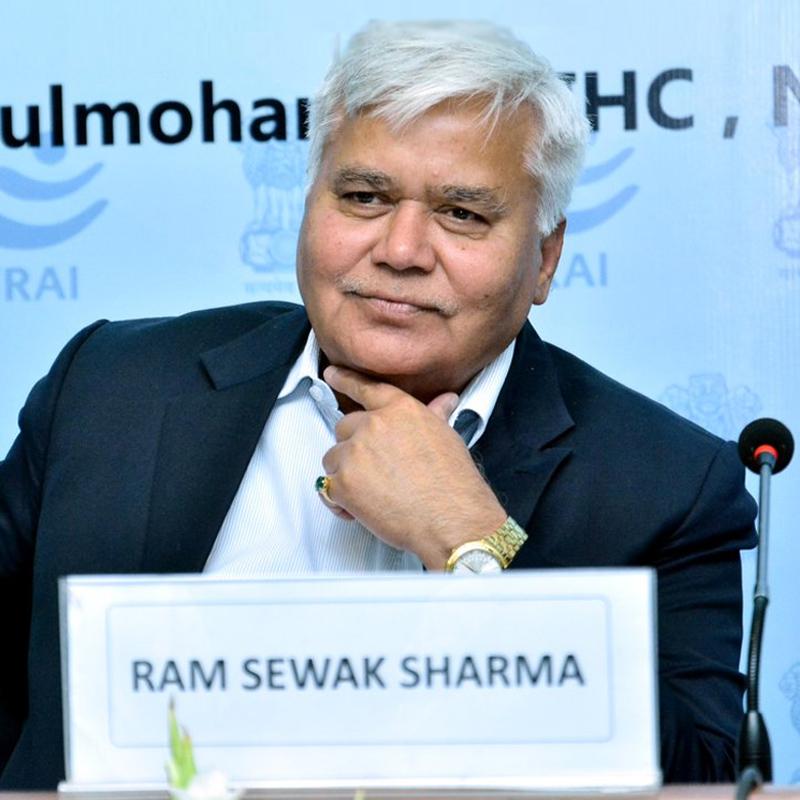
    Telecom tribunal TDSAT has ordered the Telecom Regulatory Authority of India (TRAI) to take a stand on Reliance Jio’s free 4G offer in reasonable time. A tribunal bench heard arguments of both sides — TRAI and Airtel — and posted the matter for 1 February.

    Reliance Jio earlier chose not to respond to queries regarding its reply to TRAI in connection with questions raised against alleged violations in extending its free offer till 31 March 2017 much beyond its introductory offer. Airtel had filed a petition before TDSAT accusing TRAI of being ‘sleeping trustee’ and a ‘mute spectator’ to the violations carried out by Jio.

    Also Read:

    Darwin effect: 3-4 telcos may Jio after potential M&As

    Jio HNY: TDSAT raps TRAI as contest deepens

    Respond to Vodafone’s TRAI challenge in two weeks, govt directed


  • Rs 30k cr to enhance Jio coverage; A-G clears DoT’s power to penalise telcos

    Rs 30k cr to enhance Jio coverage; A-G clears DoT’s power to penalise telcos

    MUMBAI: Even as India’s attorney-general cleared a Rs 3,050 crore penal action against the leading telcos, Reliance CMD Mukesh Ambani is planning to infuse Rs 30,000 crore in Reliance Jio telecom venture which has caused a major disruption in India’s fiercely-competitive mobile market.

    The attorney-general is understood to have opined that the Department of Telecom (DoT) has the power to impose penalty on grounds of poor quality of service of telecom operators Vodafone, Bharti Airtel and Idea Cellular, sources told PTI.

    Reliance Jio, which reportedly had a subscriber base of 72.4 million at 2016-end, plans to collect funds via a rights issue that was approved at a recent board meeting, the Times of India reported.

    In view of the unprecedented customer response and to address the anticipated growth in demand for digital services, Jio stated, additional investments were proposed to be made into the network to enhance its capacity and coverage. The new funds will come on top of the Rs 1.7 lakh crore that Reliance Jio has already invested.

    The rights issue has been planned to be for six billion nine per cent non-cumulative optionally convertible preference shares (OCPS) of Rs 10 each for cash, at a premium of Rs 40 per OCPS. The amount subscribed/paid on each OCPS will be either redeemed at Rs 50 or converted into five equity shares of Rs 10 each at any time at the option of the company, but not later than 10 years from the date of allotment.

    The new entrant Jio caused a considerable disruption in the space. In broadband services, with 35.94 million (3.594 crore), Jio had, in October 2016, joined the top five subscribers list. No matter it is working out to the benefit of the consumer and helping the industry expand albeit at a much lower cost to the end-user, well-entrenched rivals now are on a slippery wicket. Meanwhile, other telecom operators in the country are scrambling to catch up.

    Telecom tribunal TDSAT has ordered the Telecom Regulatory Authority of India (TRAI) to take a stand on Reliance Jio’s free 4G offer in reasonable time. A tribunal bench heard arguments of both sides — TRAI and Airtel — and posted the matter for 1 February.

    Reliance Jio earlier chose not to respond to queries regarding its reply to TRAI in connection with questions raised against alleged violations in extending its free offer till 31 March 2017 much beyond its introductory offer. Airtel had filed a petition before TDSAT accusing TRAI of being ‘sleeping trustee’ and a ‘mute spectator’ to the violations carried out by Jio.

    Also Read:

    Darwin effect: 3-4 telcos may Jio after potential M&As

    Jio HNY: TDSAT raps TRAI as contest deepens

    Respond to Vodafone’s TRAI challenge in two weeks, govt directed


  • Telcos’ carbon footprint: TRAI may seek reduction, green tech soon

    Telcos’ carbon footprint: TRAI may seek reduction, green tech soon

    MUMBAI: Telecom regulator TRAI is seeking to come out with a consultation paper that would review issues related to reduction in carbon footprint for the telecom infrastructure that includes mobile towers. A TRAI source said the green telecommunication discussion topics are expected to be finalised over next few weeks after a reference from the DoT (Department of Telecom.)

    (Owing mainly to several policy reforms, telecom sector investments in India meanwhile are expected to reach Rs 68,000 crore (approx US$ 10 billion) this fiscal year, according to telecom secretary J S Deepak, which is approx a 670 per cent increase since FY16.)

    DoT had asked TRAI to review the targets that had been stated earlier with regard to percentage of towers to be powered by hybrid energy in a time-bound manner, and the methodology of calculation of carbon footprint from the telecom networks, including base transceiver station (BTS), the TRAI source said, PTI reported.

    It said that the consultation paper would be the next step in the regulator’s previous recommendations of 2011 on the subject. TRAI had recommended to the government to reduce carbon footprint by mobile operators, which was accepted by the government, and the latter had issued directions with regard to targets through use of green technologies.

    However, the telecom operators had concerns about the capex related to conversion of BTS into green towers through the use of hybrid energy and other means, the source pointed out. The new consultation paper would review methodology of calculation and the milestone (of carbon footprint).

    TRAI had, in 2011, sought industry views on issues such as — how should the carbon footprint of the telecom industry be judged; how should carbon credit policy be evolved, and the time-frame for implementing.

    It had sought views on issues such as what proportion of non-grid power supply to towers in rural areas could be anticipated to be through renewable sources of energy, and a relevant metric for certifying a product as green. It had also sought from the industry an estimate of the carbon footprint of the mobile, fixed and broadband networks.

    TRAI had, in the paper, noted that the growing infrastructure required more electricity. Part of the power came from the grid and remainder through burning of fossil. Both sources contributed to negative eco effects.

  • Telcos’ carbon footprint: TRAI may seek reduction, green tech soon

    Telcos’ carbon footprint: TRAI may seek reduction, green tech soon

    MUMBAI: Telecom regulator TRAI is seeking to come out with a consultation paper that would review issues related to reduction in carbon footprint for the telecom infrastructure that includes mobile towers. A TRAI source said the green telecommunication discussion topics are expected to be finalised over next few weeks after a reference from the DoT (Department of Telecom.)

    (Owing mainly to several policy reforms, telecom sector investments in India meanwhile are expected to reach Rs 68,000 crore (approx US$ 10 billion) this fiscal year, according to telecom secretary J S Deepak, which is approx a 670 per cent increase since FY16.)

    DoT had asked TRAI to review the targets that had been stated earlier with regard to percentage of towers to be powered by hybrid energy in a time-bound manner, and the methodology of calculation of carbon footprint from the telecom networks, including base transceiver station (BTS), the TRAI source said, PTI reported.

    It said that the consultation paper would be the next step in the regulator’s previous recommendations of 2011 on the subject. TRAI had recommended to the government to reduce carbon footprint by mobile operators, which was accepted by the government, and the latter had issued directions with regard to targets through use of green technologies.

    However, the telecom operators had concerns about the capex related to conversion of BTS into green towers through the use of hybrid energy and other means, the source pointed out. The new consultation paper would review methodology of calculation and the milestone (of carbon footprint).

    TRAI had, in 2011, sought industry views on issues such as — how should the carbon footprint of the telecom industry be judged; how should carbon credit policy be evolved, and the time-frame for implementing.

    It had sought views on issues such as what proportion of non-grid power supply to towers in rural areas could be anticipated to be through renewable sources of energy, and a relevant metric for certifying a product as green. It had also sought from the industry an estimate of the carbon footprint of the mobile, fixed and broadband networks.

    TRAI had, in the paper, noted that the growing infrastructure required more electricity. Part of the power came from the grid and remainder through burning of fossil. Both sources contributed to negative eco effects.

  • TV channels’ annual renewal abolished; 963 companies to benefit

    TV channels’ annual renewal abolished; 963 companies to benefit

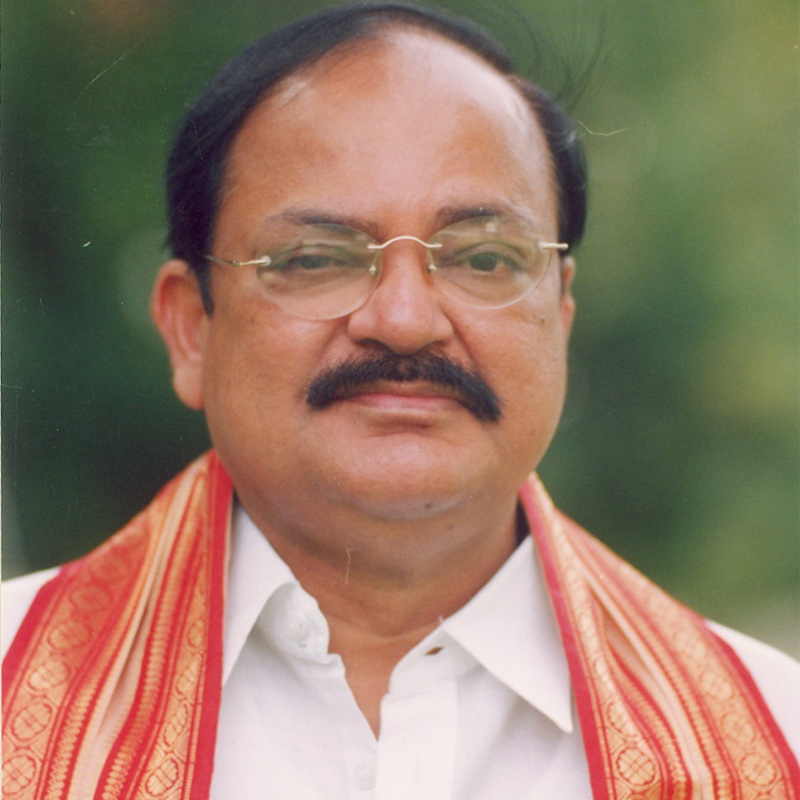
    MUMBAI: The Indian Government has decided to ease the annual renewal norms for TV channels, Information and Broadcasting Minister M Venkaiah Naidu has said. About 963 channels, including teleports, are going to be benefitted by this decision.

    The government is committed to the vision of Prime Minister Narendra Modi to promote ease of doing business, PTI. reported. “As part of the government’s initiative of ease of doing business, the Ministry has completely done away with the process of obtaining an annual renewal for TV channels in the current form,” he said while addressing the Economic Editors’ Conference in New Delhi.

    The government has decided to ease the “annual renewal” norms for TV channels and existing broadcasters can continue operations by simply paying annual permission fee 60 days before the due date, Naidu said on Friday.

    Naidu said that “broadcasters who have been given the permission for uplinking or downlinking can continue their operations by simply paying the annual permission fee which by itself will be treated as permission for continuation of a channel for a further period of one year.”

    Naidu hailed Modi’s move to demonetise Rs 500 and Rs 1,000 notes saying that it was being appreciated by all excepted a few with “vested” interests. Terming the move as an “historic” step, Naidu said that it was fine for TV channels to show the inconvenience caused to the people after the announcement was made but was not fair to “dwell” on it.

  • TV channels’ annual renewal abolished; 963 companies to benefit

    TV channels’ annual renewal abolished; 963 companies to benefit

    MUMBAI: The Indian Government has decided to ease the annual renewal norms for TV channels, Information and Broadcasting Minister M Venkaiah Naidu has said. About 963 channels, including teleports, are going to be benefitted by this decision.

    The government is committed to the vision of Prime Minister Narendra Modi to promote ease of doing business, PTI. reported. “As part of the government’s initiative of ease of doing business, the Ministry has completely done away with the process of obtaining an annual renewal for TV channels in the current form,” he said while addressing the Economic Editors’ Conference in New Delhi.

    The government has decided to ease the “annual renewal” norms for TV channels and existing broadcasters can continue operations by simply paying annual permission fee 60 days before the due date, Naidu said on Friday.

    Naidu said that “broadcasters who have been given the permission for uplinking or downlinking can continue their operations by simply paying the annual permission fee which by itself will be treated as permission for continuation of a channel for a further period of one year.”

    Naidu hailed Modi’s move to demonetise Rs 500 and Rs 1,000 notes saying that it was being appreciated by all excepted a few with “vested” interests. Terming the move as an “historic” step, Naidu said that it was fine for TV channels to show the inconvenience caused to the people after the announcement was made but was not fair to “dwell” on it.

  • TRAI to review terms for captive VSAT licences

    TRAI to review terms for captive VSAT licences

    MUMBAI: Telecom regulatory authority TRAI has started a comprehensive review of various fee and charges related to captive VSAT (very small aperture terminal) licences, including entry fee, licence fee, bank guarantee and royalty charges.

    VSAT, a satellite communication technology, is useful for remote and inaccessible locations which lack proper terrestrial connectivity, PTI has reported.

    The consultation paper “Captive VSAT CUG (Closed User Group) policy issues” also seeks to remove the difference in licence fee for operating two hubs (earth stations that control and monitor activities of remote terminals).

    “Is there a need to review some or all of the fee or charges viz. Entry fee, licence fee, royalty charges and bank guarantee etc. For captive VSAT CUG licenses…If yes, what should be the appropriate fee or charges,” TRAI asked in the consultation paper.

    ‘Captive VSAT Licence’ refers to licence for those networks in which the equipment and facilities are owned and operated by the licensee itself for its own use under one Closed User Group (CUG). The Captive VSATs are deployed by commercial organisations like National Thermal Power Corporation, Oil and Natural Gas Corporation, as well as government bodies to cater to their own requirement and applications.

    The TRAI paper has also sought industry views on whether licence fee for a second VSAT hub, (being used independently or for redundancy purposes) should be the same as the first VSAT hub, and also the quantum of per annum fee for the second hub. The deadline for sending written comments is November 25, 2016.

    At present, the licence fee stands at Rs 10,000 per annum per VSAT earth stations installed, in case of the first hub. But in case the licensee wants to put second hub for geographical redundancy or, say, operational diversity and if that second hub station remains commissioned, a minimum license fee of Rs 16 Lakh per annum for up to 100 captive VSATs is applicable in addition to the license fee payable for the first hub.

    “…Due to such a huge difference in the license fee, a licensee is discouraged in installing a second hub…Even though their operations demand so for maintaining a hot standby,” TRAI said.

    TRAI has also asked if the captive VSAT categories should be split into Government oganisations and departments handling important missions, and commercial organisations.

    It also sought industry’s opinion on the entry fee, licence fee and royalty charges for the two categories, if separated, and whether the proposed rates for not for profit government organizations should be at a discount compared to business organisations.