Tag: Psychologist

  • “It’s a journey I wouldn’t trade for anything else”: Filmmaker Niddhish Puuzhakkal

    “It’s a journey I wouldn’t trade for anything else”: Filmmaker Niddhish Puuzhakkal

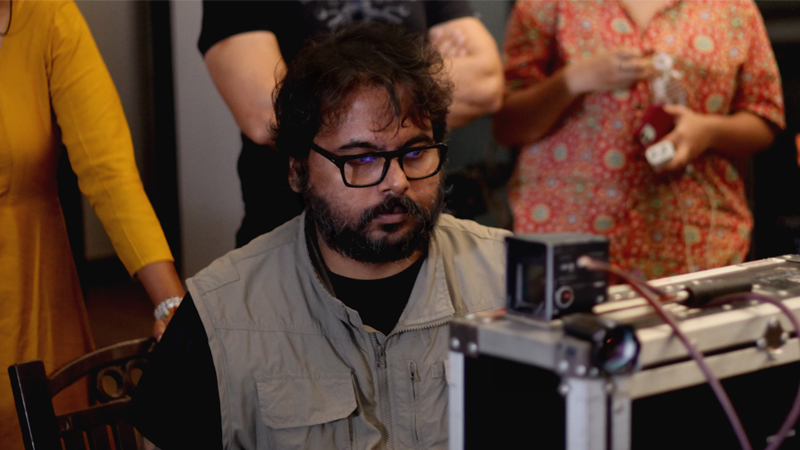
    Mumbai: Niddhish Puuzhakkal, a creative dynamo hailing from Mumbai, has carved an inspiring path in the world of filmmaking that speaks volumes about the power of experience-driven education. While his journey took him through renowned institutions like NYFA, ZIMA, and Washington Film Institute, DC, Niddhish’s true mastery stems from the richness of his hands-on encounters with the art of storytelling, his profound understanding of human psychology and absolutely child-like curiosity.

    With a diverse portfolio spanning TV series, music videos, advertising, and Bollywood, Niddhish is making waves with his gripping narratives. Beyond filmmaking, he’s a thought leader in creativity, performance coaching, and a boundary-pushing contemporary artist.

    In an insightful conversation with multi-faceted Niddhish Puuzhakkal, Indiantelevision.com had a chat on his recent directorial achievement, upcoming projects and more…

    Edited Excerpts:

    On your recent directorial achievement in the Vivo mobile ad film and your upcoming Sprint ad project

    Vivo Mobile Ad Project: The Vivo mobile ad project was an exhilarating opportunity for me as a director. The central product feature of this film is photography, and I wanted to do justice to it. My creative treatment focused on crafting visually stunning imagery that would not only capture the audience’s attention but also leave a profound and lasting impression.

    To achieve this, I delved deep into the details of photography, playing with elements like light, shadow, depth, and composition in each frame. The result was a narrative that transcended the ordinary realm of advertising. Every shot was meticulously curated to evoke emotions and tell a compelling story. I produced this under my banner Light Seeker Films, and it was an absolute pleasure to work on this project, with the great team at FCB Ulka and I’m incredibly proud of the final product.

    Upcoming Sprint Energy Drink Project: Sprint Energy Drink project, is equally exciting. For this endeavor, I took a highly technical approach. I’ve completely embraced virtual production techniques for this one, leveraging my background in 3D and unreal engine.

    The entire project was shot within the virtual production environment. We’ve harnessed the power of VFX to enhance the visuals, and what’s particularly unique is that I’ve personally handled the execution of these visual effects and unreal engine details. This hands-on approach has allowed us to create a visual that pushes the boundaries of traditional advertising.

    While I can’t divulge all the specifics just yet, I can assure you that our creative approach for the project goes beyond the conventional. We’re not merely promoting a product; we’re crafting a narrative that tells a visually distinctive story. Look out for this one – it’s going to be something truly exceptional!

    On approaching different mediums such as TV series, feature films, and advertising within your filmmaking journey in terms of storytelling

    When it comes to feature films, it’s all about my vision as a filmmaker. It’s an opportunity to tell a compelling story where I have complete creative control over every minute detail. As a writer-director, the film is a canvas for my aesthetics and storytelling abilities. I can shape every aspect to reflect my unique style and narrative vision. It’s a deeply personal and immersive experience.

    Whereas TV series offer a different dynamic. Here, I have the luxury of time to develop complex characters and intricate plotlines. It’s an opportunity to delve deeper into the nuances of storytelling, allowing characters to evolve over multiple episodes. The challenge is to keep the audience engaged and invested in the long-term journey of the narrative.

    Advertising: Advertising presents a unique challenge. It requires the ability to distill a message into a short, compelling narrative. It’s a collaborative effort where the creative team conceives ideas based on the brand’s needs. The priority is to meet and exceed the brand’s expectations while delivering a concise and persuasive story.

    On your background in psychology and your specialisation in creativity and performance coaching and this psychological knowledge influencing your approach to filmmaking

    Psychology has truly been a game-changer in my journey as a filmmaker. It’s not just a background; it’s a lens through which I view the world of storytelling. This understanding of human behavior, emotions, and motivations has a profound impact on my approach to filmmaking.

    First and foremost, it allows me to create characters that feel remarkably authentic and relatable. I can delve deep into their psyche, exploring the intricacies of their thoughts and feelings. This depth and complexity make the characters come alive on screen, connecting with the audience on a profound level. It’s about more than just telling a story; it’s about making the audience truly empathize with the characters.

    Moreover, my psychological knowledge becomes a powerful tool on set. When working with actors, it’s not just about giving them lines to recite; it’s about helping them become the character. I use psychological and even hypnotic methods to immerse actors in the character’s mindset and emotional state. It’s a transformative process that brings out genuine and captivating performances. I don’t get to use it as much in advertising as most scripts don’t need such depth of character – I use that more in long form content – I always look forward to doing advertising content with stronger character sketches and emotions as well .

    Beyond the actors, it influences how I foster a collaborative and creative environment on set. Understanding the psychology of teamwork and motivation allows me to lead a crew that is passionate, dedicated, and inspired. It’s about creating an atmosphere where everyone feels valued and invested in the project. You will find that energy of creative focus in my set, you will never find loud screaming matches or other such conflicts in my set no matter what challenges, or exhausting and how long a schedule may be. I ensure everyone is engaged and driven as a team.

    So,yeah, psychology is not just a part of my background – it’s a driving force that shapes the way I approach storytelling, character development, and the entire filmmaking process. It’s the secret ingredient that adds depth, authenticity, and impact to my work as a filmmaker.

    On your debut as a writer-director in Bollywood and your upcoming projects, including a web series and Bollywood and Malayalam films, and what can the audiences anticipate from these projects

    My journey into Bollywood as a writer-director was nothing short of exhilarating. It was a project that allowed me to collaborate with an exceptionally talented ensemble cast, including Arshad Warsi, Juhi Chawla, Divya Dutta, Anirudh Tanwar, Jitendra Joshi, Prakash Belawadi and Gauhar Khan, in a psychological thriller. This film delves deep into the fascinating realms of psychology and guilt, delivering a narrative that’s both distinctive and gripping. Viewers can brace themselves for an intellectually stimulating and emotionally charged cinematic experience. Arshad Warsi’s portrayal of a character like never before in Bollywood is a standout performance that will leave audiences in awe.

    As for what lies ahead, I’m currently immersed in the creation of a web series that promises to be a rollercoaster ride of emotions, sprinkled with humor and a unique slice of life. It’s a project close to my heart, and I can’t wait to share it with the world.

    In addition, I am also working on an exciting one of its kind Malayalam cinema. While I can’t reveal too much at this stage, I can assure audiences that these films will continue to push boundaries, challenge conventions, and offer a fresh take on storytelling. Expect the unexpected!

    On your approach to contemporary, abstract, and digital art as an accomplished artist alongside your filmmaking career and the intersection of your artistry your work in filmmaking

    My artistic journey began much like many others, as an outlet for expressing abstract inner feelings. Over the years, it has taken various forms, including filmmaking, design, and traditional art. I’ve even dabbled in music, so you might see something exciting on that front in the near future.

    My artistry and filmmaking often intersect in intriguing ways. They both rely on storytelling, albeit through different mediums. My experiences as an artist inform my visual style as a filmmaker, giving my work a distinct and captivating aesthetic. It’s all about finding new ways to engage audiences, whether through a canvas or a screen.

    On balancing roles as a filmmaker, psychologist, author, and artist and finding any common threads or influences that connect these diverse aspects of your career

    Well, the journey doesn’t stop there; I’ve recently ventured into e-commerce with a contemporary clothing brand, Just Younger, where I personally design the captivating collections. I’ve also launched a wellness organics store, VibeVeda, and I’m on the cusp of launching a creative community app in the coming month. And in the process of publishing my third book.  So, yes, it’s quite a balancing act, but it’s incredibly fulfilling.

    What ties all these roles together is the thread of creativity and human connection.

    It’s about resonating with their thoughts, feelings, and aspirations. And most importantly it also enriches my creativity in the process, constantly opening more creative neural pathways – allowing me to think in interesting ways.

    My background in psychology plays a pivotal role in understanding human behavior and emotions, which is crucial in all my endeavors. Ultimately, my diverse career allows me to explore different facets of creativity and storytelling, enriching each aspect along the way. It’s a journey I wouldn’t trade for anything else.

  • Crime reality shows maybe doing more harm than good

    Crime reality shows maybe doing more harm than good

    MUMBAI: The darker genres of storytelling such as thriller, crime and horror have hooked viewers for years. Though at times gory, viewers gulp down crime stories if they are crafted with an element of fun. But a rise in criminals imitating scenes from shows has led people to blame both Bollywood and TV shows, not for showing, but for inspiring real-life crimes in India.

    There is a very thin line between spreading awareness and sensationalism when it comes to this genre. Though the concept may be appreciated, the negative impact is hardly taken into consideration.

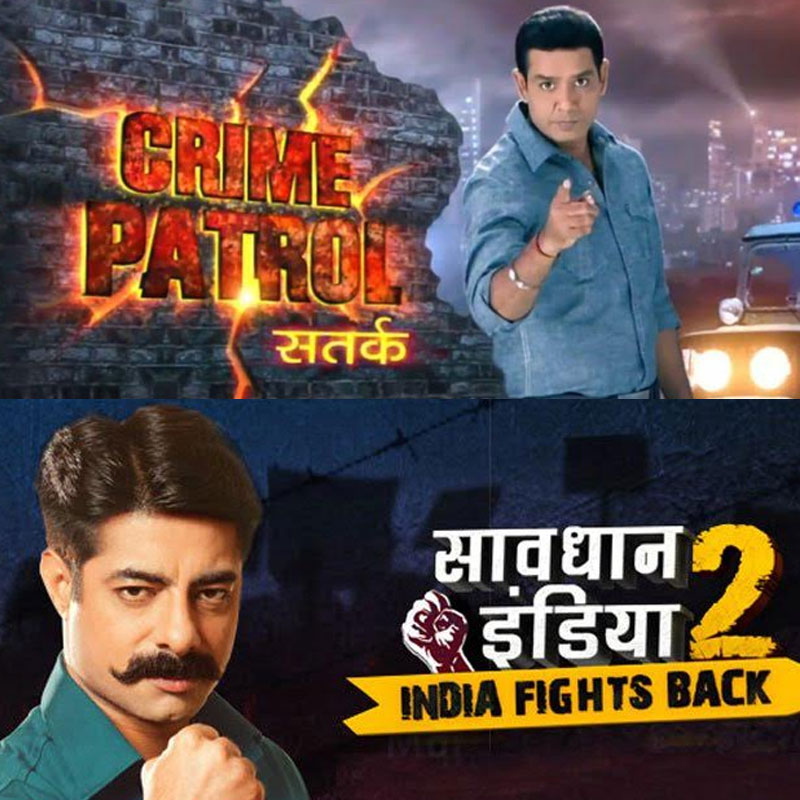
    When it comes to crime reality television, Sony airs Crime Patrol Dial 100, Crime Patrol Satark and Crime Patrol Dastak running at various time slots. Star Bharat is also deep into the genre with three related shows – Savdhaan India – India Fights Back, Savdhaan India – Darr kar nahi datt kar and Savdhaan India – Kisse Anokhe.

    Recent cases of a brother killing his own sister and mother, or a boyfriend killing his girlfriend, are manifestations of fast-changing and deteriorating mental streaks in which these crimes have lost value. Their conscience isn’t disturbed by their act because they are used to it and the psyche is immune to others’ pain. 

    The positive side isn’t to be ignored. They bring to light various common crimes occurring across the country and enable their audience to be wary of similar happenings. Moreover, they help reaffirm people’s belief in the police system and encourage them to report crimes. Another major learning for viewers is to be cautious while employing domestic help and being alert to their surroundings.

    According to Psychologist Dr Sanjoy Mukerji if a person wants to be happy, peaceful and positive in life, they have to focus more on the positive things then the negative things. “Crime reality shows bring an addiction and negativity to the people,” he says adding that they also have a positive impact by reinforcing belief in the police.

    Counselling psychologist Rashi Laskari says that while show makers have the right intentions, the content ends up having a negative impact on some people. “Sensitive individuals, more so children or the elderly, are unable to see this reality as occasional, and start perceiving the world to be a bad place in general, which takes away their trust from their surroundings, making them experience intense negative emotions.”

    Laskari adds, “We often see cases where individuals have developed a fear of moving around safely, as they imagine themselves in the role of the victim. This is also seen with children and teenagers, when they watch abusive behaviour on television, they absorb it as real, and either pick negative traits or become very scared and show changes in their behaviour.”

    Psychiatrist Dr Rajiv Anand says that people look for excitement from their own and others’ lives. “So, whenever they hear any story concerning crime in other peoples’ lives, their antennae are alert. Human minds get swallowed into sensationalism. It begins simply as a kick but then it becomes a habit and they get dependent on the supply.”

    When the mind is repeatedly bombarded with same crime stories, viewers live with them, visualise them, dream oft hem and form an obsession. This leads to a desire to experiment.  

    Laskari, while sharing her experiences, says that she has seen a case where grandparents would watch Saavdhaan India on a regular basis, and would believe the dramatic representation to be true. She says, “As a result of it, they would talk to the grandchild every day about the ‘bad’ that happens in the world, and instil a fear in the child’s mind about bad people and the harm they can cause. As a result, the child became fearful of everything- such as playing with friends, going to the washroom alone, answering the doorbell and many more things.”

    These shows also instil fear in people. Dr Mukerji says he has seen people complaining of anxiety due to the shows. He added, “Women say that their husbands are scared to leave them alone at home.”

     Shows tend to desensitise people to crime. Therefore, sometimes, even if a murder takes place in front of their eyes, people will take photographs rather than take preventative action. Viral videos of crimes are spreading and breaking down the wall between the real and virtual.  

    In the year 2016, the average per episode viewership of Crime Patrol was 1.6 million impressions, Crime Patrol Dastak was 1.3 million impressions, Crime Patrol Dial 100 was 1.8 million impressions and Crime Patrol Satark was 1.7 million impressions per episode, from 6 pm to 12 am. However, Savdhaan India garnered 2.5 million average impressions per episode during the peak hours.

    In the year 2017, the average per episode viewership of Savdhaan India was 2.8 million impressions, Savdhaan India- India Fights Back was 0.8 million impressions per episode, Savdhaan India- Kisse Anokhe was 2.0 million impressions per episode, Crime Patrol Dial 100 was 1.8 million impressions per episode and Crime Patrol Satark was 1.8 million impressions per episode between 6 pm to 12 am.

    As the ratings show, the popularity of crime shows is far from dwindling. They hold steady and broadcasters are creating sub genres within the crime genre. Despite the warnings that television shows advising people to only consider them as dramatic representations, people absorb them as real events. Whether entertainment or a mirror to reality, crime shows are here to stay for now.

    Also Read:

    ‘Porus’ viewership soldiers on

    Scary times for horror shows

    Zee TV’s new weekend detective drama costs 50% more to produce