Tag: Promotions

  • Guest Article: Is Fem-vertising really working to sell products

    Guest Article: Is Fem-vertising really working to sell products

    Mumbai: It’s an established fact that advertising has a larger role than simply selling products. Advertising mirrors society and also encourages people to embrace change. But this change is only visible in recent times. Observe how women were portrayed in advertising a few years ago. Mostly as housewives, doing chores at home, cooking for their families and finding happiness in being appreciated for the same. Or objectified as sex symbols to gain instant attention. It’s only in recent times that advertising has taken it upon itself to change the narrative and show women in a different light. Building an inclusive world is the responsibility of everyone, and advertising plays a clear role in encouraging society to look at the world through a better set of eyes.

    Femvertising is the kind of advertising strategy that employs women in a different light. Using an empowering tone of voice, these ads are breaking the norm and displaying a more progressive and gender-free world. In India specifically, these campaigns are breaking conventional ideas around gender equality, patriarchal mindsets, and other commonly held notions. A lot of these campaigns have won awards and been applauded on social media. “BreaktheBias” by Titan, “#ShareTheLoad” by Ariel, and “#MyChoice” by Vogue are just a few of the notable efforts made by advertisers. These advertisements are pitched like beacons. They fuel the conversation about how women should really be portrayed. The current wave of femvertising is riding on a woke generation’s mindset to call out societal fallacies. It is also built on the premise of wanting to promote a more authentic and real image of women and their lives.

    And while these campaigns definitely get their fair share of attention, I wonder if they have a larger impact than the buzz that they create. Is this simply a brand-building tactic that creates a positive aura around the brand, or is there a real intent to change society? How do these campaigns impact the primary objective of advertising? Do they really lead to short-term and long-term sales? Or is the message too far removed from the product?

    Research has shown that a lot of people who see these advertisements find them engaging and interesting. They appreciate the message being conveyed but do not necessarily support or purchase the product being advertised. Which takes one back to the basic theory of advertising. Advertising is meant to inspire and cultivate a certain kind of lifestyle. It is meant to reflect an ideal. One that everyone secretly wants. At a subconscious level, advertising generates desire. It fulfils a need or a pain that people have. In its bid to be hyper realistic, does femvertising lose out on the appeal and aspiration that advertising has traditionally been hinged on? Watching a curvaceous real body instead of an airbrushed and photoshopped one is surely endearing, but is it aspirational? Does it make me want to buy the brand to fulfil a deeper desire to become something other than myself?

    Also, what about sales? I was recently caught by surprise when I saw a steel brand advertising the concept of “Nari Shakti.” While the ad was interesting and engaging, I wonder if it had any relevance to the target audience of the category? The ad was successful in building credibility for the brand, but I doubt it led to any jump in sales at all.

    A lot of brands have jumped onto the bandwagon of femvertising without understanding the basics. It has become a fad that wins awards and gets viral on social media. Today it is femvertising, and tomorrow it may be another trend that advertisers will pick up on to create a buzz. However, this cannot be said for all brands. There are some noteworthy campaigns that have cleverly woven together the product and brand characteristics with the narrative of the ad. Vim’s “Nazariya Badlo, Dekho Bartano se Aage” has cleverly used the product in its storyline when a man tries to ‘help’ his prospective bride in the kitchen, while she offers to ‘help’ him back with cleaning the dishes. It’s a clear message of a balance of roles and responsibilities while also incorporating the product into the story.

    Views on femvertising are mixed. A lot of critics reprimand advertising agencies for promoting this kind of advertising to win awards and to increase visibility on special days like Women’s Day or Mother’s Day. While there are several brands that use femvertising in interesting ways. I wonder if femvertising is here to stay, or is it a passing wave? Is it truly having an impact on society and changing how women are perceived, or is it simply a shallow tactic to generate more likes, shares, and buzz in the media? I’m hoping that there are more brands that create relatable and inspiring content that reflects society and also encourages change in more authentic ways.

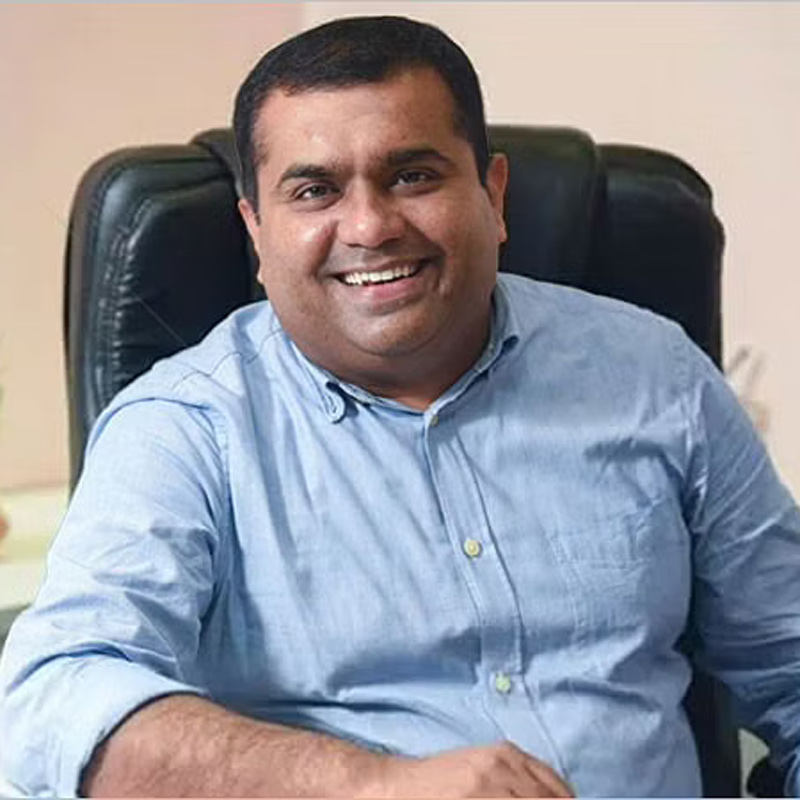
    The author of this article is Jigsaw Brand Consultants founder Rutu Mody Kamdar.

  • Guest Column: Think globally, advertise locally: The key to reaching local customers

    Guest Column: Think globally, advertise locally: The key to reaching local customers

    Mumbai: Although an American brand, Colgate is the only brand in India purchased by more than half of all households. Another interesting fact about the brand is that even though Colgate products target the mass population, the middle class is where most of its sales come from. Colgate’s understanding of the target market and developing region-specific marketing strategies are among the many driving forces behind its success. To give you a perspective, Colgate uses Bollywood celebrities for advertising in North & West India and Tollywood celebrities for South & East India. Not only that, when promoting online, the brand uses region-specific influencers to attract gen z. Why so? In this highly developed era, brands like Colgate, Coke and Hero Honda understand that the non-metros relatively rule the Indian economy. Hence, they build their promotion strategy in a way that suits the needs and requirements of tier two and three consumers.

    As a marketer, one needs to do more than what Colgate does. In order to get through, brands need to get even more vernacular. This is particularly true in India, which is home to over 120 officially recognised languages and more than 19,000 dialects. However, promotions in tier two and three cities have become the biggest challenge to marketers today, who have to skillfully communicate with a much larger but scattered audience characterised by language, culture, and lifestyle variations. Brands have to adopt the principle of multinational companies, i.e., think global, act local, and understand that people cannot be influenced by faces they don’t relate to. Therefore, brands must have a localised marketing/promotional strategy targeting regional audiences to reach local customers.

    Here is how it can be achieved ~

    Speak the language of your customers

    In India, reaching local customers is only possible by vernacular word-of-mouth marketing. The ingredients to a perfect regional marketing strategy are discovering your local market and understanding your customers and their community. This includes deploying region and language-specific social media campaigns featuring local ambassadors and connecting with their peers. Another suitable option is being updated with the traditions and values of mass consumers and planning the marketing strategies accordingly. Until you know who you are catering to, you will not be able to sell properly. Take the example of Bisleri, which carries the brand name in both English and local languages to ensure that the end consumer gets Bisleri and does not mistake any other brand for Bisleri.

    The unsaid power of word-of-mouth marketing

    A brand’s region-specific customer advocate is more likely to influence the people within their region than a ‘one face for all’ celebrity campaign. This is because people trust the opinions or recommendations of an “insider” over a popular face telling them what to do. Marketing strategies in tier two and three cities are most effective when personal selling is involved. As in the case of Hero Honda, they appointed regional sales representatives to go to the major areas and talk with the people and tell them the benefits and features of the bikes. Such a strategy not only builds relationships and trust but also organically enables word-of-mouth marketing.

    User-generated content

    Due to initiatives like Digital India, small towns in the country now have access to the internet and are consuming content via social media. It has also led consumers to become increasingly savvy about the tactics marketers use to reach them and they can quickly tell organic from paid. Brands can instead leverage the online presence of potential local consumers through targeted user-generated content and incentivise local advocates to create content that will gain the traction of local audiences and direct them toward the brand’s social media page.

    Celebrities vs local brand advocates

    Certain connotations get associated with a brand when a celebrity endorses it. For example, people perceive that since a rich celebrity promotes the brand, it must be expensive or not readily available in their small town. However, when a localite endorses the same brand, the result is the stark opposite. Since the customers and the promoter are of the same socioeconomic level, the phrase “If he/she can do it, so can I” works its magic. It pushes potential customers to try out the brand at least once, and after a good customer experience, they join the chain of word-of-mouth, bringing in more customers. Another example from the pages of Hero Honda’s marketing strategy is based on building relationships with people who have a strong influence in the area, such as teachers, doctors, etc., to advocate for them.

    In the mistrust society, word-of-mouth is an easy, effective, and quick way to gain the trust of local customers. They are naturally inclined toward listening to and making a purchasing decision based on the genuine feedback of local brand advocates. The flexibility and adaptability of word-of-mouth marketing can get your brand in front of a broader local audience. The age-old tradition of increasing business by word-of-mouth is the way to reach locals in India’s tier two and three cities. The simplicity and community-oriented approach of word-of-mouth make it the best practice to attract local customers.

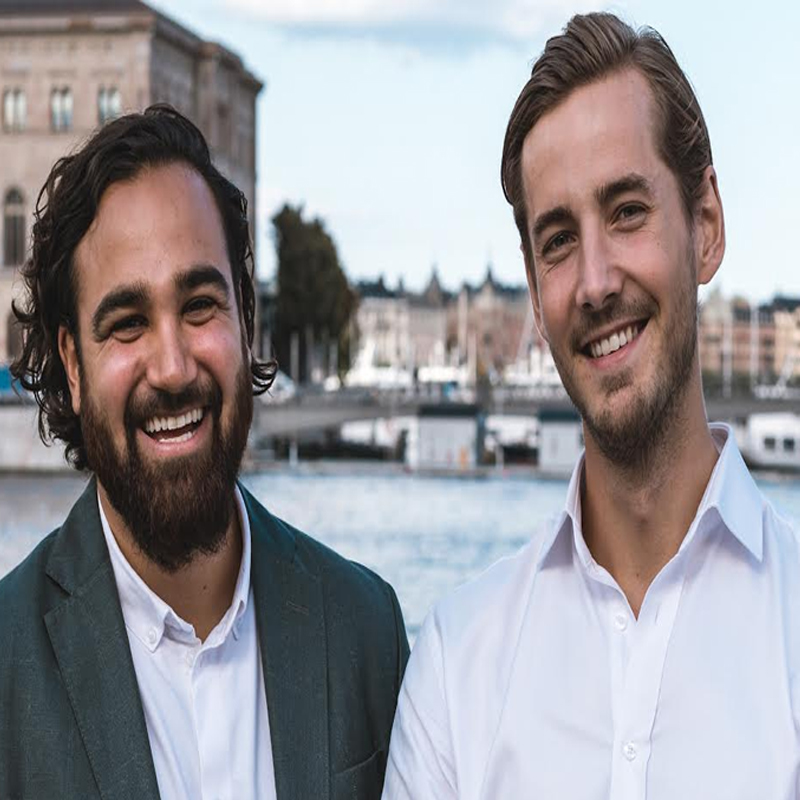
    The author of this article is Brandie co-founders Pranav Kosuri & Douglas Andersson.

  • Rachin Khanijo joins Sony Entertainment Television as marketing head

    Rachin Khanijo joins Sony Entertainment Television as marketing head

    Mumbai: Sony Pictures Networks India has appointed Rachin Khanijo as the marketing head. Earlier, he was associated with Beginnen Media as the Chief Marketing Officer (CMO). He was responsible for on-air promotions, marketing, and corporate & digital communications. Beginnen Media runs Hindi GEC Azaad TV.

    He has over 17 years of experience in the industry. Prior to this, he has worked with Eros Now as vice-president-marketing; Zeel as marketing head; Viacom18, Ogilvy & Mather and SET.

  • GUEST COLUMN: The changing dynamics of influencer marketing in a digital era

    GUEST COLUMN: The changing dynamics of influencer marketing in a digital era

    Mumbai: Influencer Marketing has evolved significantly over the past few years. As opposed to 2017, influencer marketing involves much more than finding people with the highest social media followings to promote the products. Today it’s performance and purpose-driven – that needs both art and science.

    Influencer marketing is projected to touch 2.85 billion by 2025 growing at a CAGR of eight per cent. Creator economy market size is estimated to reach $104 billion in 2022. The Indian market is becoming fairly regulated as well as digital marketing budgets are growing significantly. Having operated an influencer marketing company for the last four years, I have gathered the following insights and learnings in order to keep up with the rapidly changing dynamics of today’s influencer marketing:

    Setting the wrong goal for influencer marketing

    Most new marketers who get into influencer marketing sometimes consider it as a conversion play. It’s not. Influencer marketing is a brand awareness play. Obviously, this isn’t the ultimate goal, but if you compare the campaign to getting a return on every dollar spent, no purpose-driven impact will be achieved.

    Pursue long-term influencer partnerships

    A short-term, one-off social post is a thing of the past. Partnerships that are long-term and authentic are getting more traction right now. Treating influencers as brand ambassadors builds more trust between the brand, the influencer, and their followers. You get better audience engagement, more creative content, and your marketing budget works harder. As an influencer’s audience grows, your brand gets promoted continuously.

    Shifting from influencers to content creators

    Discovering the 20-30 top influencers is very easy, and brands with good budgets are all in to spend money on them. Basically, you’re treating these influencers like a newspaper or television show or a TV spot between IPL matches, but finding your niche is really important.

    Create open-ended briefs with lot of ideas

    The most unsuccessful influencer marketing campaigns are those in which brands force their thoughts onto influencers. Although influencers do that for money, the end result is a boring sponsored post on their feed. It’s not about telling the influencer what to do, but about giving them a detailed brief that helps and educates them about the brand. The ideas should be open-ended so that influencers can get something out of them that suits their audience, since not all influencers are great creatives.

    Focus on videos. Not always short form videos. Do what suits you

    Today, everything is snackable, but don’t we binge a long-form show with 10 episodes? Short forms are great, but it depends on the message you want to convey and what type of influencer you want to reach. It has to be entertaining, if not educational. When someone consumes the content, either of these works well.

    Using Influencers in co-creation

    Brands such as Zomato and Groww have had great success co-creating with influencers on their own channels. a no-brainer that we are living in 2022, where children these days want to become YouTubers rather than astronauts. Hiring influencers to create content that gets published on your own YouTube channel or Instagram feed gets your audience to consider you cool and progressive.

    Purpose driven influencer marketing are on the rise

    Today, our favourite influencers are those who stand for something, who just do not talk about how beautiful their life is but provide us with some value that is relevant to ourselves. Brands need to understand this well and keep this in mind while creating their influencer marketing strategy.

    Engagement metrics and comments quality dictates success

    While doing prospecting, it’s really important that we focus on engagement metrics more than followers. It is very important to inspect the comments on the last sponsored post so that we can ideally get a pattern of how sponsored posts perform on the feed of the influencer. Marketers often focus on the size of the influencer rather than the engagement they have.

    Affiliate marketing is abused and misunderstood

    Many brands are thinking that sharing revenue will lure influencers to work with them, but if your fundamental idea is that influencers’ audiences buy everything they promote, then that is a wrong assumption. It is the audience that can tell if an influencer is promoting something that generates no value and will instead push the brand down rather than up.

    Influencers in the Podcast Industry are going to be popping up more

    Audio is a great medium in today’s world because of the passive nature of it. We are all always busy, and influencer marketing in podcasts will be important for brands seeking a more meaningful long-term association with a large listening audience.

    LinkedIn is going to be the new home for a lot of content creators

    Writing is the next big thing, and LinkedIn as a platform has been really impressing a lot of professionals. It used to be a platform to seek new jobs, but now, along with the story features and great mobile experience, the infotainment content space is really serious on LinkedIn. Brands would ideally like to work with this set of influencers.

    Influencer marketing is the greatest invention for the advertising and marketing industry and we are heading towards an interesting decade where videos, NFTs, creator economy tools, etc. are going to change the way we promote our products. Every company will become a media company that creates content of their own and partners more with the creator side of influencer marketing.

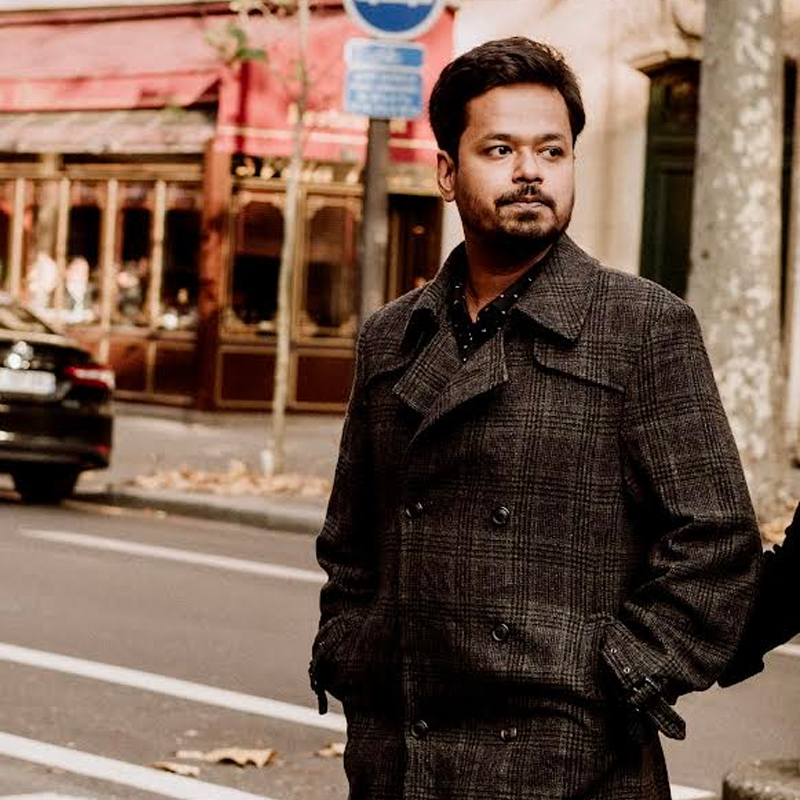
    The author is Pulpkey founder Amit Mondal.

  • GUEST COLUMN: Influencer marketing trends to keep on your radar in 2022

    GUEST COLUMN: Influencer marketing trends to keep on your radar in 2022

    Mumbai: There is no denying that digital marketing in the modern era is an essential part of brand building and expansion. Not only does digital marketing open doors for brands to connect personally with their customers, but it also enables interactions across countries and cultures. Ad spending in the digital advertising market is projected to reach $565.20 billion in 2022. While digital marketing has several effective techniques that have made it the most influential form of promotion, one particular branch that stands out is influencer marketing. 

    Influencer marketing is a form of marketing where brands choose certain ambassadors or people, who are not celebrities in the actual sense but have a high social media following, to promote their products or services. Due to the boom of social media in recent years, this form of marketing has seen a tremendous rise with every brand, little or large, opting for influential people on social media to promote their products and services. According to the Digital Marketing Institute, an online forum that teaches various digital marketing techniques, around 70 per cent of the younger audience worldwide tend to trust influencers while making purchases.

    Findings by the research firm MarketsandMarkets reveal that influencer marketing is set to become a $24.1 billion industry by 2024, globally. Seeing this exponential growth it is only fair for brands to know the latest trends in the sector in order to expand their reach and generate higher revenues. 

    Rise of nano & micro-influencers

    The rise of nano & micro-influencers is a trend that seems to be at an all-time high in recent times. As per the Financial Express, high-end celebrities accounted for only about 27 per cent of the influencer marketing spend while the remaining 73 per cent was spent entirely on micro and nano influencers in India. The primary reason for this is that the engagement that comes with micro-influencers exceeds that of high-end celebrities by about seven times. 

    Nano and micro-influencers have a smaller base, generally one that they are familiar with and interact quite frequently with their followers. This makes the customers feel a personal connection with the figure causing building of trust. Through these influencers, brands can execute focused campaigns cost-effectively.

    Short-form videos will continue to rule social: 

    As attention spans shift from minutes to seconds, short video promotions will always remain the king of social media. Features like Instagram’s Reels and YouTube Shorts are made to cater to the short attention span of the modern world. 

    Brands tell their stories via a number of video formats, including product teasers, explainer videos, behind-the-scenes and user-generated content. Connecting with Bharat by partnering with creators on Indian short-form video platforms is a big opportunity that is yet to be tapped on.

    Regional content will thrive: 

    In recent months, there has been an exponential rise in the regional content that brands generate for promotional purposes. As per a report published by Financial Express, there are about 210 million monetizable internet users who speak vernacular languages in India.

    This demand for vernacular content has caused regional content-creators to carve out a strong niche for themselves. Consumers feel a strong connection with the influencer and the familiarity of the lingo gives the influencers a high trust and reliability index. 

    The shift from ‘one-off’ campaigns to ‘always on’ strategy

    The industry is shifting from experimental influencer marketing spending to planned budgets. Brands are more focused on building long-term partnerships with creators who can be the voice of the brand across all stages of the marketing funnel. 

    Rise of B2B influencer marketing

    B2B influencer marketing is one dominant trend that will emerge in the influencer marketing sphere in the times that lay ahead. In a recent article carried out by Garner, it was reported that around 80 per cent of sales in the B2B spaces are now being made digitally.

    B2B brands are for sure to leverage key opinion leaders and content-creators on platforms such as LinkedIn & Twitter in order to shape and spread their brand narrative.

    Given that now, a national advertising regulator like ASCI is issuing guidelines for influencers, the industry is being given its due and influencer marketing is being treated as a force to be reckoned with. Going forward, influencer marketing will only become a stronger part of digital marketing strategies for brands.

    The author is Opportune Ventures founder Kanishk Kanakia.

  • Future Group unveils ‘Free Shopping Weekend’

    Future Group unveils ‘Free Shopping Weekend’

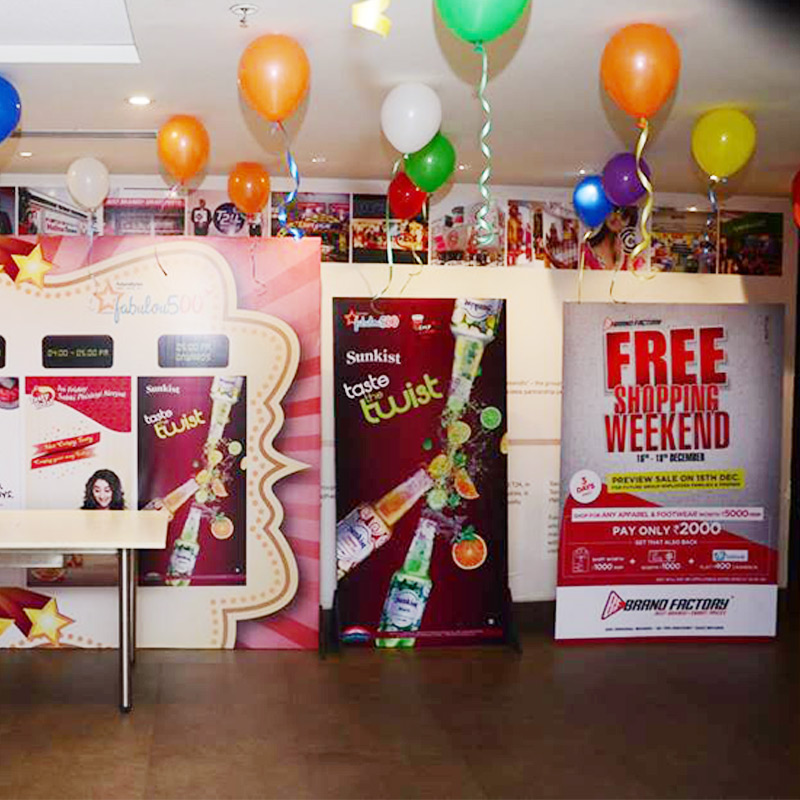
    MUMBAI: Brand Factory over the years has created many successful promos. Despite being on sale 365 days of the year they wanted to break the stereotype of a typical Sale which happens during this period. The need of the hour was to create a big day/s for shopping, increase awareness and establish a property as unique and unprecedented. We were actually offering Free Shopping to customers apart from giving them a flat 60 per cent discount.

    Future Group Brand Factory CMO Roch D’souza said, “While each offer from Brand Factory is in itself a big deal, we wanted to create a campaign that will be direct and yet communicate the bigness of the offer. As we offer 20-70 per cent discount throughout the year, this was the biggest deal that Brand Factory or any retailer has ever offered to consumers. We believe that the campaign will be an iconic property that shoppers will remember for a long time. As a brand we have made big promises and have always delivered on the promises. Our offers are transparent and the proposition is delivered at the stores. Even in the Free Shopping Weekend, we are returning more than 100 per cent to the customer.”

    DDB Mudra Group EVP & business partner Karma Sanjay Panday added, “The films are based on the typical consumer behaviour of how consumers get excited about small discounts and offers while shopping online or at a retail store when they feel they have done something very smart by grabbing the best deals. The idea was to make them realize that they can actually get it free instead of looking for discounts or offers at Brand Factory ‘Free Shopping Weekend.’ We took this insight and weaved it into 2 interesting daily life situations, ‘Boss Ji Ka Chamcha’ and ‘Love Gifts’ where both the protagonists behave as if they have grabbed a smart discount/offer only to make them realize their folly later that they could have got all of it for free. Thus the campaign idea of ‘Mauka hai smart bano.’”

  • Future Group unveils ‘Free Shopping Weekend’

    Future Group unveils ‘Free Shopping Weekend’

    MUMBAI: Brand Factory over the years has created many successful promos. Despite being on sale 365 days of the year they wanted to break the stereotype of a typical Sale which happens during this period. The need of the hour was to create a big day/s for shopping, increase awareness and establish a property as unique and unprecedented. We were actually offering Free Shopping to customers apart from giving them a flat 60 per cent discount.

    Future Group Brand Factory CMO Roch D’souza said, “While each offer from Brand Factory is in itself a big deal, we wanted to create a campaign that will be direct and yet communicate the bigness of the offer. As we offer 20-70 per cent discount throughout the year, this was the biggest deal that Brand Factory or any retailer has ever offered to consumers. We believe that the campaign will be an iconic property that shoppers will remember for a long time. As a brand we have made big promises and have always delivered on the promises. Our offers are transparent and the proposition is delivered at the stores. Even in the Free Shopping Weekend, we are returning more than 100 per cent to the customer.”

    DDB Mudra Group EVP & business partner Karma Sanjay Panday added, “The films are based on the typical consumer behaviour of how consumers get excited about small discounts and offers while shopping online or at a retail store when they feel they have done something very smart by grabbing the best deals. The idea was to make them realize that they can actually get it free instead of looking for discounts or offers at Brand Factory ‘Free Shopping Weekend.’ We took this insight and weaved it into 2 interesting daily life situations, ‘Boss Ji Ka Chamcha’ and ‘Love Gifts’ where both the protagonists behave as if they have grabbed a smart discount/offer only to make them realize their folly later that they could have got all of it for free. Thus the campaign idea of ‘Mauka hai smart bano.’”

  • POGO and Mumbai kids Go Green with Chhota Bheem

    POGO and Mumbai kids Go Green with Chhota Bheem

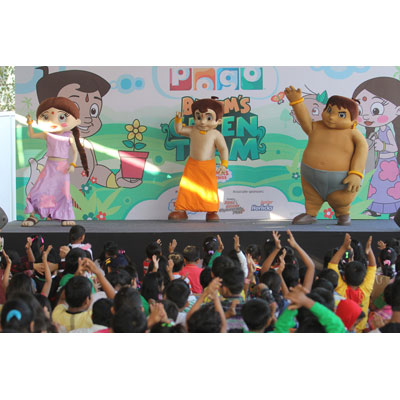
    MUMBAI: POGO, India’s leading kids’ channel, culminated its annual on-ground innitiave with a mega event in Mumbai. The month long activity called Bheem’s Green Team crescendoed with an engaging, entertaining & insightful extravaganza in the city replete with games, workshops, performances by superhero Chhota Bheem and Chutki and the surprise element of unveiling Kalia’s costume.

    Organized by POGO, Bheem’s Green Team is the first of its kind “Go Green” event themed around kids’ favorite superhero, Chhota Bheem. The event undertaken at a mall in Mumbai on December 14 & 15, 2013 saw participation from over 5000 kids and their parents. The two day event taught kids ways to protect the environment through games and workshops designed to entertain and be insightful. Additionally, POGO and Chhota Bheem distributed over 5000 saplings amongst children encouraging them to proactively make their green contribution.

    Highlight of the activity was an entertaining performance by Chhota Bheem and Chutki. Furthermore, kids were elated to meet and watch Kalia perform on-ground for the first time ever!

    The Bheem’s Green Team campaign targeted kids and families across India via on-air promotions, online games and School Contact Programs culminating in a massive 2-city event with a single focus of encouraging kids to save the environment. On-air promotional spots drove kids www.pogo.tv, where the Bheem’s Green Team microsite hosted green tips, fun trivia, videos, etc. However, the biggest eye-catcher on the microsite was the game application that allowed kids to grow and take care of their digital sapling. Finally, on-ground School Contact Programs in Mumbai and Delhi targeting over 10,000 students strengthened this message and invited kids to the ultimate event to meet Chhota Bheem and interact with him.


    Mr. Krishna Desai, Senior Director & Network Head -Kids, Turner International India Pvt. Ltd. said, “As India’s leading kids’ channel, we strive to preserve POGO being a responsible brand. To this end one such endeavour was Bheem’s Green Team, a multi-platform “Go Green” initiative. Kids were given the opportunity to sign up to be a part of this initiative with their superhero and protect the environment while being creative and having fun.”

    Bheem’s Green Team is powered by Thomas & Friends with associate sponsors Junior Horlicks, Kellogg’s Chocos and Zandu Sona Chandi Chyawanprash Plus.

  • Spuul and Star TV announce landmark deal

    Spuul and Star TV announce landmark deal

    MUMBAI: In a landmark deal with Star TV, Spuul – one of the most popular online streaming service for Indian movies and TV shows – will be streaming Star Plus shows 30 minutes after their TV broadcast in India. This first of it’s kind deal for Spuul, will give Spuul subscribers in India and Pakistan unlimited, on-demand access to the best soaps and reality television from Star Plus, on their computers and mobile devices.

    Starting now, you can watch Star’s 10 most popular soaps including Diya Aur Bati Hum, Ek Nanad Ki Khushiyon Ki Chaabi – Meri Bhabhi and Pyaar Ka Dard Meetha Meetha Pyaara Pyaara and reality TV show Junior Master Chef on computers, iOS, Android, smartphones and tablets. This widely watched Star Plus offering will now be available as part of Spuul’s premium subscription plan. The low monthly subscription price also includes unlimited access to all free and premium movies on Spuul.

    “We are delighted to announce this agreement with Star TV. This deal further strengthens our exceptional and unrivalled content mix, said Spuul CEO India Prakash Ramchandani. Elaborating further, he said, “We are offering Spuul subscribers these popular daily TV shows at no additional cost, giving them even more value, and further validating why we are the preferred service for quality Indian content online.”

    Other Star Plus shows on Spuul include Ek Ghar Banaunga, Saraswatichandra, Saath Nibhana Saathiya, Ek Hazaaron Mein Meri Behnaa Hai, Arjun, Veera and Yeh Rishta Kya Kehlata Hai. As part of launch promotions, upto seven episodes of each of the 11 shows released prior to 2 September 2013 will be available for free on Spuul throughout September 2013.

    Besides these daily soaps, Spuul’s TV library also includes evergreen hits such as Mahabharat, Fauji, Malgudi Days and Nukkad.

  • Emami spends Rs 1.02 bn on advertising in festive quarter

    MUMBAI: Fast moving consumer goods company Emami Ltd increased its ad spends by a considerable 26.85 per cent in the quarter ended 31 December 2012. The company‘s expense on advertising and promotion during the festive quarter rose to Rs 1.02 billion from Rs 804.7 million a year earlier.

    The company‘s total income for the third quarter stood at Rs 5.49 billion, up 21.46 per cent from Rs 4.52 billion a year earlier. Its profit also grew at nearly the same rate (21.61 per cent) to Rs 1.15 billion in the third quarter from Rs 945.1 million a year earlier.

    The percentage of total income spent on advertising and promotions increased to 18.57 in the third quarter from 17.80 per cent a year earlier.

    For the nine-month period ended 31 December, Emami‘s ad expenditure stood at Rs 2.3 billion, 19.79 per cent more than Rs 1.92 billion a year earlier. The company‘s income for the nine-month period increased 18.29 per cent to Rs 12.48 billion from Rs 10.55 billion a year earlier.

    Emami‘s net profit for the nine months ended 31 December was Rs 2.21 billion, up 18.18 per cent from 1.87 billion a year earlier. The percentage of income spent on ad spends during the nine months amounted to 18.42 per cent against 18.20 a year earlier.