Tag: production house

  • Content is not a commodity you can win with price war: Sameer Nair

    Content is not a commodity you can win with price war: Sameer Nair

    MUMBAI:  He’s been in the television space during its golden age, worked with leading broadcaster Star India and production house Balaji Telefilms and witnessed the changing landscape in the Indian media and entertainment industry. Media veteran Sameer Nair is now looking at new age content for streaming platforms as Applause Entertainment CEO.

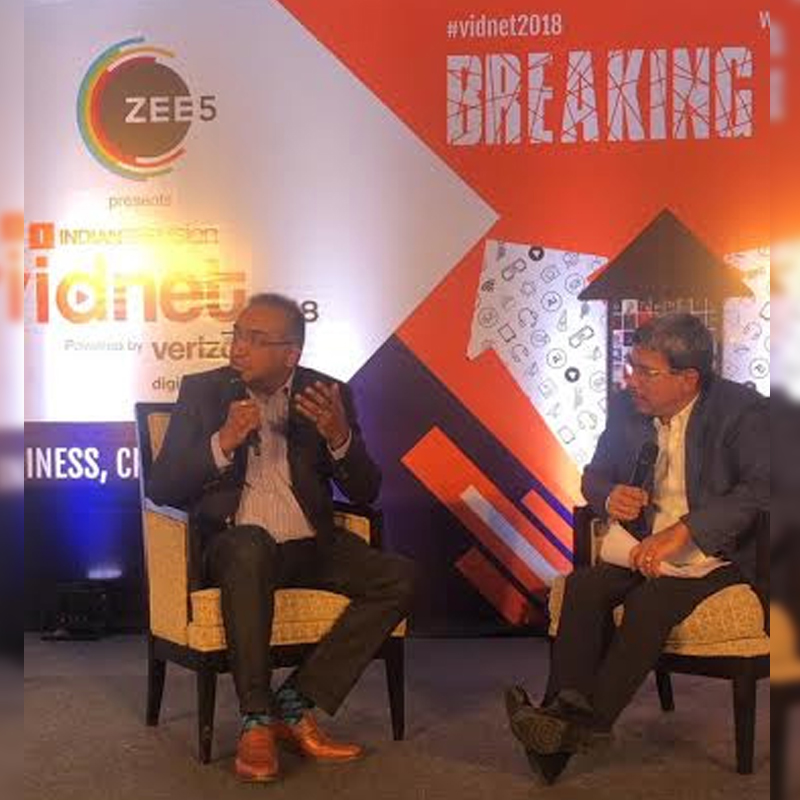
    At the stage of Vidnet 2018, the Aditya Birla Group chairman Kumar Mangalam Birla’s content studio CEO spoke on the state of the industry, Applause Entertainment’s plans in a fireside chat with Indiantelevision.com founder, CEO and editor-in-chief Anil Wanvari.

    187 million cable homes have made TV very powerful and matured, according to him. In addition to that, now the country has got around 500 million mobile phones leading to a flood of screens everywhere. As people are glued to these screens more than ever using in some way with a massive change in consumption habit, this creates an opportunity for everyone to be in the space.

    “I come from a time where we used to have people watching 4-5 hours of television a day. It’s probably down to an hour. But in the meantime, people are finding more time on screens to consume all sorts of content. So, I think the number of hours spent, time spent, is bound to grow. If you are able to do different things, it’s a good time to be in this space,” he commented.

    He saw the industry at a time when TRP was the benchmark to measure the success of a show. Now those days are gone when 10,000 boxes spread across India tried to tell what 600 million people were doing. The emergence of data gives much more accurate consumer feedback which Nair thinks is also “scarier”.

    Though there is no foolproof formula for success in this business, Nair thinks one should start making content with a reasonable understanding of market and audience. Moreover, working with focus groups of few people who want to watch ‘X’ or ‘Y’ to create content would be tricky. However, after creating content, data and audience reactions play a bigger role.

    Nair is vocal on the importance of finding a need gap by looking at things that are missing in the market. While drama series content on TV is dominated by daily soap opera, he thinks what India lacks is high-quality drama series. Though all the K-shows made huge money, according to him, in a diverse market like India, there should definitely be something more than just tele-novella.

    “Now the opportunity is to do more stories. I mean it’s just not drama, there are short forms, animation, and there are kids, all sorts of things happening. We are currently focused on doing dramas. But when you look at the market, when you see the opportunities that are there, I think it’s a good time to be a creator, no matter what you create,” he added.

    To grab more eyeballs in the burgeoning OTT space, there has been an upsurge of investment in content. Platforms with deep pockets are burning cash to make good content. Nair thinks it’s good for the industry to take up the value of content. According to him, it’s not only about monetisation but about the ability to build a business, a consumer habit. However, he also added that spending Rs 5 crore per episode cannot make that alone.

    “Content is not a commodity you can win with a price war. You have to win that with a great story, you have to reach out to consumers, you have to connect with them and then you could spend Rs 300 crore making it or Rs 10 crore. In recent time you have seen the examples in Bollywood too where small budget films have done well. The focus is got to be on that,” he said.

    Talking about Applause Entertainment’s near-term plan, he said it is working actively with the creative community, buying rights for international shows to adapt them into Indian context. It is also acquiring books to adapt them into series as well as original writing. They are also having conversations with platforms about who can carry these.

    It bought rights of two BBC productions The Office andThe Night Of to adapt. For the former, it has already made 28 episodes. It also bought the right of Debashis Basu and Sucheta Dalal’s The Scam. It is also working with Goldy Bahel and Abhimanyu Singh.

    “The way I see it is there are so many platforms, so many consumers, such a huge need gap for content, that I don’t regard myself a competitor. I am part of that mix. You are putting out ten shows, maybe you take one from me, you are putting out 100 shows, and maybe you take ten from me, that kind of thing. And we are essentially focused on helping build this industry,” he said.

    He said as broadcasters have been doing the same kind of shows for last 18 long years, the whole format is sort of fixed as producers also know what they are doing. But for new age content, writing 10-12 episodes and creating season after season is new.

    Nair thinks TV will be not dead in a hurry. While TV is making a lot of money, it’s not like that OTT does not have any room to grow. Moreover, even different models are emerging other than SVoD and AVoD in the OTT ecosystem. Hence, he reaffirms OTT and TV will exist together, at least in the next ten years.
  • OTT platforms looking at more original films: Siddharth Anand Kumar

    OTT platforms looking at more original films: Siddharth Anand Kumar

    MUMBAI: Although web-series is the most discussed form of OTT content, some of the streaming services are also investing in content-driven original movies. Both international OTT players and home grown platforms in India have added original movies to their content catalogue. The change has expanded the scope for production houses, independent filmmakers to monetise low budget films easily. Popular music banner Saregama’s film venture Yoodlee Films which started last year has three of its movies on streaming giant Netflix. Two more films from the production house will be available on OTT platforms also.

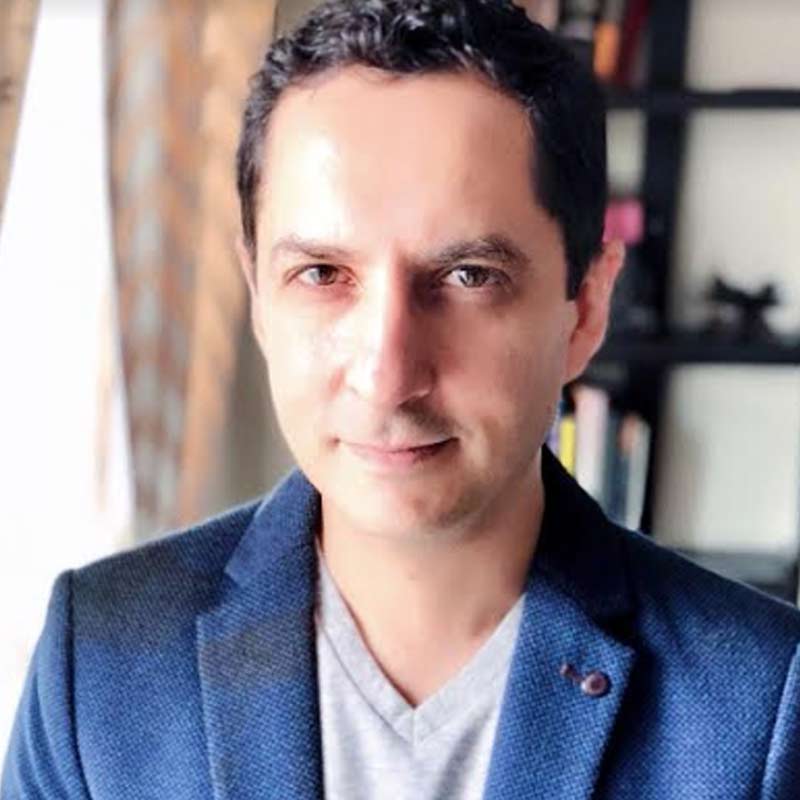
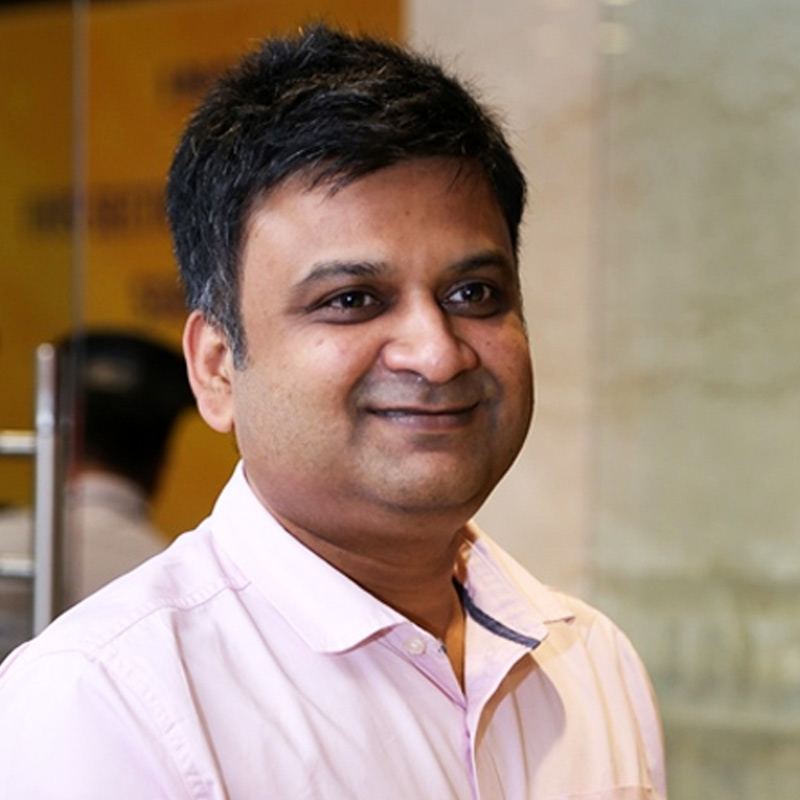
    In an interaction with Indiantelevision.com, Saregama VP TV and Films Siddharth Anand Kumar highlighted the potential of original movies on the platform and their plan to work on OTT platforms. Saregama India’s film division collaborated with Netflix for the streaming giant’s first Indian original film Brij Mohan Amar Rahe, a dark comedy. Other than that, Ajji and Kuchh Beheege Alfaaz produced by them are also available on Netflix.

    Kumar thinks the potential of original movies on streaming platforms are growing. “OTT platforms are concentrating on putting more films as originals whereas till now we have been seeing more emphasis on series. I don’t think the focus on series will decrease but films are also getting in,” he said.

    Explaining the reason he said as a series demands a high amount of time from viewer to finish watching it, there is a separate need for stories which can be consumed in a small span. Traditionally, young audience of age group 18-25 has been given more importance in digital spaces that can binge-watch a series. But, the audience aged above 30 needs content of shorter span.  Yoodlee Films spokesperson also highlighted the benefits films can leverage from a marketing angle. As good content driven movies can be screened in international film festivals, it’s an easy way to grab eyeballs. Critic review also helps to increase awareness through word of mouth.

    The synergy between production houses and OTT platforms for originals can be regarded as win-win situation for both. While theatrical release cannot leave much impact without proper star-studded casting, those platforms have their own loyal viewer base. Moreover, content becomes more crucial than known faces.

    “I feel that it’s important for us as a production house to build a business relationship with all the OTT platforms. So, naturally when you make a film you will go to everybody who is a potential buyer and say that this is our film, this is the quality of the product we are making and if you would like to buy let’s start talking. So we always approach,” Kumar commented while he was asked if it approached Netflix for Brij Mohan Amar Rahe.

    “We have plans to work with all OTT platforms. What is important for us is not partnering with only one platform but creating something as a company where we can work with everybody. We want to take our films to any platform where it is needed Every platform has a specific niche. Some films will fit one platform, some will fit another,” he added.

    While he was asked how they measure the audience response, Kumar said though any OTT platform does not share data with producers, there’s another interesting way to get feedback on digital. With the release of one film, lots of conversations take place on Twitter, Facebook. The production house has a dedicated team to monitor the chatter on social media.

    While some concerns were raised regarding overflow of dark content on OTT platforms, he said as after a long time producers were freed from unnecessary restrictions, that was a natural reaction. Slangs, sex, violence – all despite being a part of commonplace life were strictly restricted from being shown on screen. “However, the cycle is now ending and we are realising other kind of content is equally important. Every kind of content will go on OTT,” he said.

    With a team of 30 members, the company is looking at creating more thematic films. Though it’s playing in an untested territory of its parent company and monetisation could be a challenge, the success of released films till now speaks in its favour.

  • SVF boss Mahendra Soni on Bengali TV biz

    SVF boss Mahendra Soni on Bengali TV biz

    MUMBAI: From film to television to digital, the Bengali entertainment industry has been one of the strong bastions in the country over the years. But it hasn’t been a hunky dory ride always. SVF, eastern India’s undeniable entertainment king, has played the role of a game changer for the entire industry. While its digital arm Hoichoi has completed its one year anniversary and the film and distribution business is creating new records, the television business still counts as highly important.
    Though the “Yashraj Films of the East” holds more fame for its film business, its television business has also fared well in the last decade. The big shot production house started its television content production in 2008. Since then it has produced many Bengali TV shows and worked with all three big broadcasters, directors and co-founders of SVF, director Mahendra Soni said in an interaction with Indiantelevision.com.
    Soni said that as TV works in a cycle, the number of shows on-air changes from time to time. While SVF started with two shows Bandhan and Durga, it reached up to eight shows at a point of time. However, the focus isn’t on quantity. Currently, they there are three shows on air, two with Star Jalsha, one with Zee Bangla.
    “We do television only when we have some exciting stories because our shows have been very different than the usual shows you would see on GECs,” Soni said. He cites the example of Potol Kumar Ganwala, one of its top shows, released a couple of years ago, which is being remade in Hindi now. Other than that, the production house has a number of shows which have crossed into other languages. Speaking about the future, he said there are five shows in the pipeline – two with Colors Bangla, one with Zee Bangla, two with Star Jalsha.
    The experienced executive of the Bengali TV industry said good stories prevail over everything and that there cannot be a particular genre which works better than others. However, he mentioned the entry of BARC into TV measurement has impacted TV content making in the last three years. Mythological shows and fantasy drama are being made in large numbers.
    “Television is very important because you can reach out to so many people at a time. It is a very different kind of storytelling and lot of pressure and competition which you love as a producer and storyteller,” Soni said.
    However, the production house is a little sceptical about reality or non-fiction shows. “Lot of great properties (in non-fiction space) have already been created by international companies. So, until and unless we get something exciting, we are not going to do non-fiction at the moment,” he commented.

  • Catch the 1st international Bangla Cinema Carnival, organized by SVF, on Star Jalsha this sunday evening

    Catch the 1st international Bangla Cinema Carnival, organized by SVF, on Star Jalsha this sunday evening

    MUMBAI: SVF, Eastern India’s largest movie production house recently organized an international Bengali cinema carnival in Bangkok with much fanfare. The star-studded, glitzy carnival, held in the Thailand capital, will air exclusively on Star Jalsha this coming Sunday (February 25), a must-watch for anyone who is interested in Bengali cinema. It is yet another first from SVF which ensured that Bengali filmdom finally landed on foreign shores.

    From Dev to Ankush, Mimi to Nusrat and Imon to JeetGannguli, the Tollywood stars, singers and musicians were all there, singing, dancing and milling around, rubbing shoulders with one another. If Shruti Pathak started with the song Shubharambh, Nakash Aziz’s Jabra Fan, Lagnajita’sBasantoEsheGeche and Jeet’sChinteParli Na, had the audience in raptures.

    While Sayantika grooved to superhits like TammaTamma and TuCheezBadi Hai Mast Mast as well as Phoolkoli and Remix Qawali; Nusrat performed on Aayat from the movie BajiraoMastani as well as Ami Je KeTomar’s title track. Yash made the fans go crazy when he danced to the peppy Mon from the movie Total Dadagiri and ThikEmonEbhabe; Mimi was seen dancing to the biggest party numbers of 2017KarGayiChull and Senorita as well as Emotional Saiyaan and Honey Bunny while Ankushchipped in with performances on Shona, Take it Easy and Darling and more

    The first Bengali international film carnival was not just about songs and dances, though. It paid rich tributes to ‘Yesterday Actresses’ such as Suchitra Sen, Supriya Devi, Madhabi Mukherjee, Tanuja, Aparna Sen and Sandhya Roy. The tribute was brought alive by Rituparna Sengupta who danced to the numbers of the films these legendary actresses starred in.

    SVF co-founder & Director, Mahendra Soni said “It’s an attempt from us to take Bengali cinema to international scene by organizing the carnival in the city of Bangkok, something few have thought of before. We are sure that people will enjoy watching this magnificent show on Star Jalsha on Sunday evening. The show will have a red carpet segment from 6 to 7pm, followed by a 4 hour performance based show till 11pm,’’

    Dev brought the house down, dancing to Party Shoes and BhojoGournango (from the SVF-produced Bindass and Challenge), while Rituparna Sengupta danced to numbers like E ShudhuGaner Din and AajMon Chheyeche Ami HariyeJabo, rekindling nostalgia that seeped through the first-ever carnival of its kind.

  • “Non-fiction is expensive, hence need to strengthen fiction”: Siddharth Anand Kumar

    “Non-fiction is expensive, hence need to strengthen fiction”: Siddharth Anand Kumar

    MUMBAI: Vidya Balan’s famous line about entertainment sells, stay true to the television business as well.


    With new channels launched and new genres explored every now and then, the production houses have a lot on their platter. One such production house, Colosceum, known for its non-fictional properties like Roadies, Splitsvilla recently got on board Siddharth Anand Kumar as scripted content head to strengthen its overall approach.


    A graduate in filmmaking, he has worked as an assistant to Mira Nair during the making of Kamasutra (1995), as DOP and editor for Bobby Bedi during the production of the TV series Rajdhani (2000), and as the executive producer for Shekhar Kapur’s company Digital Talkies during which he oversaw the production of two feature films and the country’s first International Digital Film Festival (2001).


    He has directed two films: Let’s Enjoy (2004), a film about a Delhi farmhouse party, and Semshook (2010), a coming of age story set in the Tibetan exile community. And his TV projects include Seven and Khotey Sikkey by Yash Raj Films on Sony and Mahabharat by Swastik Pictures on Star Plus.


    “We have a partnership with Colosceum. And our aim is to bring in some really interesting new content into the Indian television which is currently happening and we want to be a part of it,” says Kumar while elaborating on his role.  “In the industry there is a position of content director and director and I will be mixing both these roles. It is also something which the channels want and are eager to do because it is the director who makes the show. And sometimes we have creative director who doesn’t engage in day to day procedure of the show or while communicating with the broadcasters. We want to bridge that gap.”


    He along with the Colosceum team is currently busy conceiving and pitching ideas to broadcasters, which will then be taken forward if the broadcaster shows interest.  


    The production house is known for its seasonal shows, but with this hire it wants to strengthen its fiction side as well. Kumar goes on to explain why. “Colosceum had non-fiction bend but if you look at the trend, all the big production houses whether they are Endemol or Fremantle, you will see a small shift little away from non-fiction because non-fiction costs a lot. And the numbers that you get are pretty much the same as a hit fiction property. So, everyone understands that the return of investment is higher on fiction. Producers who have had a very strong non-fiction background like Colosceum need to partner with strong fiction heads to tell the broadcasters ‘look we have the right team in place’.”


    Furthermore, he believes channels are now moving towards fiction. Stating the example of how Bindass, which once used to air shows like Big Switch and Dadagiri, today has fiction shows. Similarly Channel V and MTV have now become youth general entertainment channels (GECs).


    Moreover, even GECs which offered their viewers two to three non-fictional properties over weekend, now only have one such property. 


    “Take Colors for instance, apart from Jhalak Dikhla Ja it doesn’t air any other non-fictional property on the weekend. I won’t take Comedy Nights with Kapil to be one as it is scripted. The trend is indicating that every channel is putting their money into one non-fiction show because they are expensive and rest on fiction,” he says and adds, “Right now we are in the phase when there is a greater demand for fiction than non-fiction. At some time, the circle might change again. So, this is a good time to generate some quality fiction content and strengthen it so we are able to serve the broadcaster in both the genres.”


    Kumar believes that as audiences mature, the content will change as well and hence, channels are moving towards younger content as well as dealing with social issues apart from the regular saas-bahu dramas. Another aspect which is also a main reason for this shift in content today is the demand from the advertisers. “The consumer categories which are very hot at the moment are smartphones, cars and e-commerce, and they need to talk to a younger-skewed audience not only in metros but also in tier I and II cities where there is high aspirational power. Youth has more spending power because as one grows older, the commitments/priorities change. So advertisers need to talk to them and hence broadcasters need to create content for this audience.”


    One needs to just turn on the TV to see who is advertising so if it’s a Karbonn mobile it doesn’t want to advertise on Saath Nibana Saathiya but need a show like Airlines or Shastri Sisters.


    In the coming years, he proposes that as more and more people start consuming content on digital, production houses might have to start making specific content for that medium and also learn how to monetise it well. As media proliferates there is going to be more fragmentation and niche programming.


    Hence, Colosceum will focus on creating tailor-made shows for broadcasters based on what that broadcaster wants in its programming lineup. Currently, the team has a lot of ideas on the platter and will soon approach broadcasters with the innovative and interesting ideas.


    In his 12 years career, Kumar says that even today “we don’t know what the audience wants.” There is still a lot of guess work even though there are various research agencies doing a lot of footwork. So when it comes to talking to the audience and seducing them with the work there is still a bit of hit and miss. “We usually have the tendency of coping what becomes a hit, but it won’t serve our purpose as we will start creating same content that will create fatigue amongst audiences.”


    “We need to provide a varied content to audience which is also dynamic. So that we can learn what the audience wants,” he concludes.


  • Colosceum gets Siddharth Anand Kumar on board

    Colosceum gets Siddharth Anand Kumar on board

    MUMBAI: It was in July that Lalit Sharma, who was part of the founding team with Ajit Andhare and Rajiv Lakshman, took charge as the CEO of Colosceum.


    And since then he has been working hard to take the production house, which saw a few senior exits in the past couple of years, to greater heights because he believes it’s the work that matters as people come and go. In the last couple of months three new hires have been made to strengthen the production house’s top line management.


    “We have already introduced Hitesh Bhatia and Vikrant Bharadwaj in the non-scripted space, and now we have got on board Siddharth Anand Kumar as scripted creative head,” says Sharma while adding that the main aim is to strengthen the team.


    “People come and people go, but what really matters is the work. One should let the work talk,” adds Sharma.


    The deal was negotiated by content and talent management company, Tulsea Pictures, which represents both Kumar and Colosceum.


    Kumar studied filmmaking in Hampshire College in USA and has worked as a freelance cinematographer and editor for several film and TV projects. He has worked as an assistant to Mira Nair during the making of Kamasutra (1995), as DOP and editor for Bobby Bedi during the production of the TV series Rajdhani (2000), and as the executive producer for Shekhar Kapur’s company Digital Talkies during which he oversaw the production of two feature films and the country’s first International Digital Film Festival (2001).


    He has directed two films: Let’s Enjoy (2004), a film about a Delhi farmhouse party and Semshook (2010), a coming of age story set in the Tibetan exile community while his TV projects include Seven and Khotey Sikkey by Yash Raj Films on Sony and Mahabharat by Swastik Pictures on Star Plus.


    Kumar states, “With various popular shows as part of their existing show reel, Colosceum has already started to establish its superiority in the Hindi GEC space. I am confident that my partnership with Colosceum will result in some exceptional fiction television content for India to watch. I am enthusiastically looking forward to working with Colosceum and to take its fiction shows to the next-level as ‘must-watch’ Indian television.”


    Currently, producing Splitsvilla, the production house prouds itself of multi-seasonal properties for both youth channels and GECs. “With more and more GECs concentrating on younger audiences, the line separating the content between the two is thinning and GECs too want to attract younger eyeballs,” highlights Sharma. He credits his young-blooded team as well as experienced research team for grasping the new trends amongst youngsters and used those insights to create popular shows.


    On International production houses making a mark in the Indian television industry, Sharma feels that the competition is healthy. “It is important as through these companies we get an exposure of how they work.”


    The year (2013) Andhare left, the company did have to face a tough time, but things have improved now and business is only growing. The production house is already in talks with various broadcasters for new shows which will go air in the near future.


    Apart from that, it is also concentrating in building the film arm and the next six months could see some good news.

  • Cineflix Rights sells programming worldwide

    Cineflix Rights sells programming worldwide

    MUMBAI: Cineflix Rights has inked a number of deals with broadcasters around the world for third-party content, including Windfall Films’ Massive Moves and Frantic Films’ The Opener.


    In Europe, RAI Italia went for World War II: The Last Heroes (Impossible Pictures); Plan?te in France snapped up the first two seasons of Massive Moves; and National Geographic Italy got onboard seasons one and two of The Opener.


    The first two seasons of The Opener will also be heading to FYI in the US, where Smithsonian picked up season one of Dangerous Flights (Pixcom Productions) and DIY purchased the first season of Massive Moves. Shaw in Canada went for the eighth season of Border Security (Seven Network).


    Also in Europe, Sweden’s T4 acquired the first three seasons of Murder She Solved (Force Four Entertainment/Mystique Films) and 1000 Days for the Planet (Glacialis Productions). NTV Germany pitched for The Man Who Doesn’t Breathe (Back2Back Productions), while Ireland’s TV3 procured A Gypsy Life for Me (Daisybeck Productions).


    Cinflix Rights also made a 100-hour agreement with Joj Slovakia for the first three seasons of The Cupcake Girls (Force Four Entertainment) as well as season one of Wives with Knives (Indigo Films). I Prima in the Czech Republic picked up 24 hours of programming, including such titles as 101 Things Removed from the Human Body (LMNO Productions) and The Day Kennedy Died (Finestripe Productions).

  • Q3: Sri Adhikari Brothers PAT up 40%

    Q3: Sri Adhikari Brothers PAT up 40%

    BENGALURU:  Sri Adhikari Brothers Television Network reported a net profit of Rs 3.10 crore for Q3-2013, 40 per cent higher than Rs 2.21 crore a year ago and 36.1 per cent more than Rs 2.28 crore a quarter ago. The company’s 9M-2014 net profit rose 10.6 per cent to Rs 7.21 crore from Rs 6.52 crore a year ago. For FY-2013, the company had reported net profit of Rs 3.50 crore.


    The company’s income from operations for Q3-2014 rose 10.4 per cent to Rs 19.13 crore from Rs 17.33 crore in Q3-2013, and was 5.5 per cent more than the Rs 18.13 crore in Q2-2014. For 9M-2014, Sri Adhikari Brothers reported Rs 54.78 crore as income, which was 24.6 per cent more than the Rs 43.96 crore in 9M-2013. For FY 2013, Sri Adhikari Brothers reported Net Sales/Income from Operations at Rs 60.19 crore.


    Let us look at the other Q3-2014 numbers reported by Sri Adhikari Brothers:


    The company reported Total expense of Rs 15.47 crore in Q3-2014, which was 8 per cent more than the Rs 14.33 crore in Q2-2013 and 0.3 per cent more than the Rs 15.42 crore in Q2-2013. YTD, total expense was Rs 46.17 crore, 30.7 per cent more than Rs 35.32 crore in 9M-2014. For FY 2013, Sri Adhikari Brothers reported Total expense of Rs 53.60 crore.


    Sri Adhikari Brothers Production expense was up 16.3 per cent to Rs 11.59 crore in Q3-2014 from Rs 9.97 crore in Q3-2013 and was up 4.8 per cent from Rs 11.07 crore in Q2-2014. During 9M-2014, Sri Adhikari Brothers Production expense was up 49.7 per cent to Rs 33.35 crore from Rs 22.28 crore in 9M-2013. For FY 2013, Production expense was Rs 37.17 crore.


    The company paid (19.2) per cent lower finance cost in Q3-2014 at Rs 0.74 crore as compared to the Rs 0.91 crore in Q3-2013, but 66 per cent more than the Rs 0.44 crore in Q2-2014. During the nine month period of the current financial year, Sri Adhikari Brothers paid (46.5) per cent lower finance cost at Rs 1.6 crore as compared to the Rs 3 crore in 9M-2013. For FY 2013, finance cost was Rs 3.39 crore.


    Sri Adhikari Brothers Employee cost at Rs 0.37 crore in Q3-2014 was 18.4 per cent less than the Rs 0.45 crore in Q3-2013, but 2.5 per cent more than the Rs 0.36 crore in Q2-2014. YTD, Employee cost at Rs 1.10 crore was 13.2 per cent lower than the Rs 1.26 crore in 9M-2013. For FY 2013, employee cost reported by the company was Rs 1.45 crore.


    Click here for full financials

  • Software and Equipment segments pull down Mukta Arts Q3-2014 profit

    Software and Equipment segments pull down Mukta Arts Q3-2014 profit

    BENGALURU:  Mukta Arts Limited (Mukta Arts) Software division reported a loss of Rs (0.73) crore on operating revenue of Rs 62.49 crore for the quarter ended 31 December, 2013 (Q3-2014) which eroded the operating profits of Rs 0.37 crore and Rs 1.70 crore reported by the company’s Theatrical division and ‘Others’ division respectively. The fourth segment that contributes to Mukta Ars numbers – Equipment division also ate into the Q3-2014 operating profit to the extent of Rs (0.15) crore. Mukta Arts reported an operating profit of Rs 0.92 crore for the current quarter. 


    Let us look at the Q3-2014 numbers reported by Mukta Arts 


    The company reported Total Operating revenue of Rs 76.67 crore in Q3-2014, which was 6.27 per cent more than the Rs 72.14 crore in Q3-2013 and (9.97) per cent lower than the Rs 85.16 crore in Q2-2014. During the nine month period ended 31 December 2013, Mukta Arts Total Operating revenue at Rs 223.27 crore was 17.28 per cent more than the Rs 198.90 crore in the corresponding period of last fiscal. For FY-2013, the company reported Total Operating revenue of Rs 257.82 crore.


    Mukta Arts Total expense for Q3-2014 at Rs 76.61 crore was 15.41 per cent more than the Rs 66.38 crore in Q3-2013 and (9.45) per cent lower than the Rs 84.61 crore in Q2-2014. Total expense YTD at Rs 231.55 crore was 20.78 per cent more than the Rs 191.71 crore reported during the corresponding nine month period of last year. For FY 2013, the company reported Total expense of Rs 253.61 crore. 


    More than 90 per cent of Mukta Arts expense and more than 85 per cent of Total Operating revenue is the Distributors and Producers share. In Q4-2014, the company paid Rs 68.98 crore (90.04 per cent of Total expense, and 89.97 per cent of operating revenue for the quarter) towards this head, which was 11.85 per cent higher than the Rs 61.67 crore (92.91 per cent of Total expense and 85.48 per cent of Total operating revenue for the quarter) in Q3-2013 and (11.81) per cent lower than the Rs 78.21 crore (92.44 per cent of total expense and 91.85 per cent of Total operating revenue for the quarter) in Q2-2014. 


    Distributors and Producers share for the nine month period ended 31 December 2013 at Rs 212.13 crore (91.61 per cent of Total expense and 90.94 per cent of Total operating revenue for the period) was 17.85 per cent more than the Rs 180.01 cores (93.90 per cent of Total expense and 90.50 per cent of Total operating revenue for the period) of the corresponding nine month period of last year.


    For FY 2013, Mukta Arts paid Rs 233.74 crore towards Distributors and Producers share, which was 92.16 per cent of Total expense and 90.66 per cent of Total Operating revenue.


     Segment Revenue


    The lion’s share of Mukta Arts revenue – more than 90 per cent comes from its Software segment. This segment reported revenue of Rs 69.24 crore (90.31 per cent of Total operating revenue) for Q3-2014 which was 1.21 per cent more than the Rs 68.41 crore (94.83 per cent of Total Operating revenue) for Q3-2013, but (13.09) per cent lower than the Rs 79.67 crore (93.55 per cent of Total operating revenue) during Q2-2014. 


    For the nine month period ended 31 December 2013, the Software division’s revenue at Rs 214.83 crore (92.1 per cent of Total operating revenue) was 11.93 per cent more than the Rs 191.93 crore in the corresponding period of last year. For FY 2013, Mukta Arts Software division’s revenue was Rs 246.47 crore or 95.6 per cent of total revenue. 


    As mentioned above, this segment reported an operating loss of Rs 0.73 crore for Q3-2014 as compared to an operating profit of Rs 6.74 crore in Q3-2013 and an operating profit of Rs 0.35 crore in Q2-2014. For the nine month period ended 31 December 2013, the Software segment reported an operating profit of Rs 0.31 crore which was more than 31 times (31.51 times) lower than the Rs 9.86 crore operating profit reported during the corresponding period of last year. For FY 2013, Mukta Arts Software Division reported an operating profit of Rs 8.10 crore.


     Mukta Arts Theatrical Exhibition segment reported operating revenue of Rs 5.16 crore and an operating profit of Rs 0.37 crore for Q3-2014 as compared to the revenue of Rs 2.46 crore and an operating profit of Rs 0.14 crore for Q3-2013 and an operating revenue of Rs 3.52 crore and an operating loss of Rs (0.14) crore in Q2-2014. YTD, its operating revenue was Rs 12.3 crore and an operating profit of Rs 0.21 crore as compared to the revenue of Rs 2.62 crore and operating profit of Rs 0.66 lakh (Rs 100 lakh = Rs 1 crore: Rs 100,000 = Rs 1 Lakh) for the corresponding period of last year. For FY 2013, the Theatrical exhibition segment reported revenue of Rs 5.24 crore and a small operating loss of Rs (-6.61) lakh 


    The contribution by Mukta Arts Equipment division was a very small fragment of per cent to total revenue. As reported above, this segment reported a loss of Rs (0.15) crore for Q3-2014, loss of Rs (0.16) crore in Q3-2013 and equally small fractions for the other periods. 


    Mukta Arts ‘Others’ segment reported operating revenue of Rs 2.17 crore and an operating profit of Rs 1.70 crore for Q3-2014. y-o-y, this segment reported revenue of Rs 1.20 crore and an operating profit of Rs 0.99 crore, and q-o-q the revenue was Rs 1.79 crore and an operating profit of Rs 1.54 crore. YTD, revenue from this segment was Rs 5.67 crore and an operating profit of Rs 4.64 crore as compared to the operating revenue of Rs 4.04 crore and an operating profit of Rs 3.42 crore during the corresponding nine month period month of last year. For FY-2013, ‘Others’ segment reported revenue of Rs 5.74 crore and an operating profit of Rs 4.94 crore. 


    During the quarter the Company has commenced its cinemas at Mumbai, Selu, Junnar and Banswara.


    Click here for the financials

  • Yahoo India launches online movie VOD services

    Yahoo India launches online movie VOD services

    MUMBAI: Digital media company Yahoo! India will provide licensed full-length movies through the Internet on demand and is collaborating with movie production houses.


    Movieplex (movies.yahoo.in/movieplex) aims to deliver locally relevant content experiences to both consumers and advertisers through immersive video content.


    This content is easily discovered on Yahoo! India (www.yahoo.in) and users will be able to watch this from their home or anywhere with an Internet connection. Movies currently available on Movieplex include Rock On, Rann, Dil to Baccha Hai Ji and more.


    Yahoo! India MD Arun Tadanki said, “Over 30 million Internet users consume 1.7 billion videos every month across India*. With the increasing demand for online video, both consumers and content providers are looking for a trusted destination where quality content can be consumed in a piracy-free environment at their leisure. Movieplex is an example of how Yahoo! connects people to what matters to them the most and Indian movie lovers now have the best full-length movies available to them at their convenience.”


    A key advertiser on Movieplex, LG Electronics CMO L.K. Gupta added, “The growth in online video viewing has been exponential and movies are passionately followed by the Indian audience online. We are delighted to work with Yahoo! on the launch of Movieplex and through our association, we aim to deliver the LG Cinema 3D Smart TV* proposition to millions of deeply engaged Yahoo! consumers.”