Tag: Pride month

  • “Brands don’t really push the LBTQIA conversation beyond a tokenistic approach”- Dot Media’s Danny Advani

    “Brands don’t really push the LBTQIA conversation beyond a tokenistic approach”- Dot Media’s Danny Advani

    June is Pride Month – a time when rainbows pop up across corporate India, from brand logos to Instagram grids. But behind the hashtags and the colourful symbolism, a tougher question lurks: is this genuine progress or just another seasonal PR parade?

    Over the years, India Inc. has inched forward in recognising sexual diversity. But is it truly embracing the LGBTQIA+ community, or simply ticking the inclusion box for 30 days a year? To explore this, Indiantelevision.com turned to leaders in the advertising and marketing fraternity.

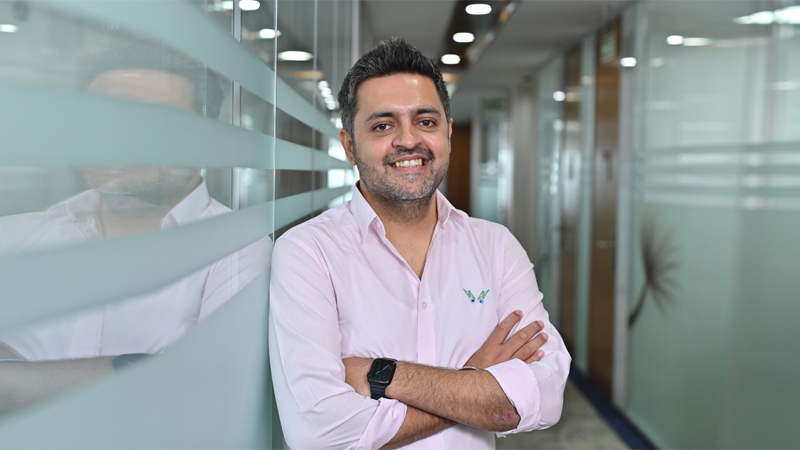
    In the second part of our Executive Dossier series, Indiantelevision.com’s Rohin Ramesh had an email interaction with Danny Advani, head of business strategy at Dot Media. Previously, where Mihir’s take on Indian brands during Pride Month felt like a rainbow with a silver lining — cautiously optimistic, yet hopeful — Advani’s perspective is the thundercloud that follows. In a sharp contrast to the celebratory tone often seen in June, he lays it bare: we’ve barely scratched the surface. For him, the truth is uncomfortable — most brands are still dancing around the idea of inclusion, not walking the talk. His take sparks a necessary debate: are brands truly evolving, or are we still mistaking seasonal signaling for sustained support?

    Advani isn’t buying into the optimism. His perspective acts as a stark counterpoint — a reminder that beyond the sparkle of Pride-themed campaigns, the reality remains largely cosmetic. For him, the issue isn’t that brands are doing too little during Pride Month; it’s that they’re doing so only during Pride Month.

    The tension between these viewpoints opens up a much-needed dialogue: Is India’s brand ecosystem truly evolving in its understanding and representation of LGBTQIA+ identities, or are we still stuck in a cycle of rainbow-washing, safe tokenism, and corporate convenience?

    Excerpts from the interaction  follow.

    On brands evolving from symbolic gestures during pride month to sustained representation in product design, hiring policies, partnerships and campaigns that sparked conversation vs those that felt like rainbow-washing.

    In the Indian brand landscape, I personally haven’t come across any brand that really pushes the boundaries of the LBTQIA conversation beyond a tokenistic approach during the pride month? Where does the association disappear after June? Do we see more open conversations around them? Not yet! Are we ready as a country, not yet! Of course some brands are inclusive in conversations but is it an always on approach? Don’t think so!

    On creative, PR, and digital agencies working to ensure LGBTQ+ stories are told authentically, with lived experience and not just layered filters.

    My response remains the same above. But yes, there are agencies and organisations that do put in the effort for representation and create a safe space and welcoming environment for the community. Parmesh Sahani has been integral in doing this for Godrej now for years and I think we need more of these flag bearers to help open the archaic mindset of most organisations.

    On Indian brands showing up for the queer community throughout the year, or only when it trends.

    Let me switch my gay spotlight on and say ‘Oh honey, don’t even get me started”. Brands don’t care, most of them, they don’t care about Mothers Day, Fathers Day let alone pride. It is a trend that they ride the wave hoping they get to see the golden pot aka ROI across the rainbow.

    But I must say, some brands have at least made some inclusions in their choices of talents being used, be it as a face for commercials, or product shoots but there seems to be some movement in the positive direction.

    On the data about LGBTQ+ inclusion driving brand loyalty, especially among Gen Z and millennial consumers.

    I am not even sure if there’s a substantial data pool in the Indian landscape, but globally brands like Levis, Skittles, etc have seen proof of success in being an inclusive brand. I remember reading a paper that says skittles saw an engagement spike of 20-25 per cent during their pride campaign and as per Nielsen research paper “LGBTQ+-inclusive ads saw 23 per cent higher brand recall among Gen Z, and were 2x more likely to lead to purchase intent”. Even Close Up as a brand in India has been inclusive in their campaigns in the past and not necessarily for Pride but even during Valentines.

    On brands showing solidarity without falling into legal or cultural backlash traps, given the legal grey areas around same-sex marriage in India.

    No one is asking any brand to endorse or fight for the rights of the community by showcasing any strong statements but just have the appetite to showcase and accept the community first for who they are and stop questioning their choices. I remember an incident when X used to be Twitter and a certain Top TIer Bank had rolled out a campaign and a service for same sex couples to have a joint holder account. But when my friend applied for it, she was denied and it became a Twitter War. Pinkwashing isn’t cool!

    On the LGBT market being a big enough market in India to be targeted for products specially designed for them.

    Can’t remember any digital film, television commercial that showcased anything outside a heteronormative lens. The Indian ecosystem is too fragile and lacks awareness of anything outside the biological gender to accept or even have a conversation that could be in the benefit of the community.

    On the LGBT market being a big enough market in India to be targeted for products specially designed for them.

    Take a page from the new age fashion brands and I ain’t talking about the e-commerce giants. Brands in the fashion space today are aware of the choices that the community needs so instead they are keeping it unisex. It’s not necessarily defined by biological gender but by the design and the collection that is inclusive for all.

    On where the right attitude towards the LGBTQ+ community in an organisation truly begins — leadership, middle management, or peers.

    Oh, the chicken and the egg question! Let’s be honest, it all has to work in tandem with each other. The management can set the groundwork and help create an environment that is inclusive, but the middle management and the peers are equally responsible for you to feel it’s a safe space to work. You cannot have your leadership valuing your contributions while your peers and middle management try to tear you apart with ignorant remarks or homophobic slurs. It seems like a lot to ask but you need the majority in an organisation doing the right to silence the wrong. 
     

  • “Tinder’s mission is to keep the magic of human connection alive:” Anukool Kumar

    “Tinder’s mission is to keep the magic of human connection alive:” Anukool Kumar

    Mumbai: This Pride month, Tinder, the popular dating app, is taking significant steps to support and celebrate the LGBTQIA+ community in India. In collaboration with Gaysi Family, a queer-owned and queer-run media platform, Tinder has launched its first Queer Dating Starter Pack. This visual checklist is designed to assist young, first-time queer daters on Tinder by providing essential guidance on self-discovery, dating etiquette, consent, safety and boundaries, and self-care. This initiative builds upon the LetsTalkGender.in guide and glossary that Tinder introduced in 2022, offering a comprehensive resource that integrates the new checklist for quick, reliable support as users navigate their dating experiences.

    In addition to this valuable resource, Tinder has announced the return of Queer Made Weekend, a pride festival. This event was dedicated to celebrating, supporting, and amplifying businesses and products made, owned, and run by India’s LGBTQIA+ community. Tinder Queer Made Weekend took place on 8 June 2024 at Jio World Drive in Mumbai and from 15 to 16 June 2024 at DLF Promenade in Delhi.

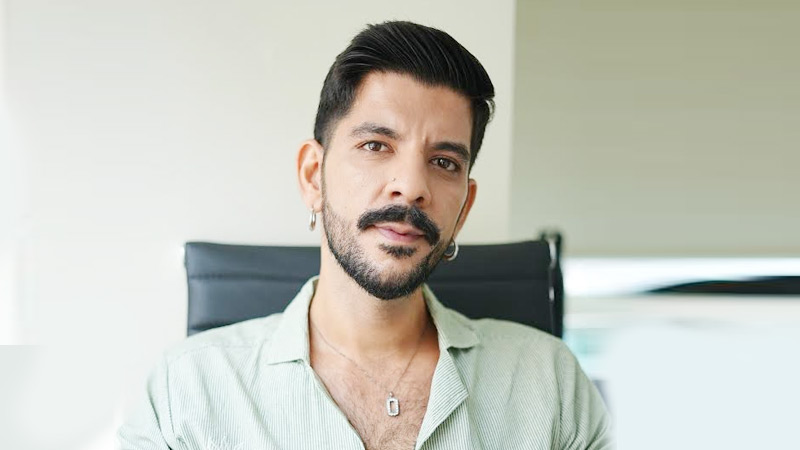
    Indiantelevision caught up with Tinder India marketing director Anukool Kumar and shared insights on his journey from engineering to marketing, highlighting how his technical background had enhanced his creative problem-solving skills in marketing. He discussed how trends like the demand for authentic connections shaped Tinder’s strategies, exemplified by the “You Up” campaign. Emphasizing adaptability and user-centric approaches, Anukool underscored the importance of staying relevant to Gen Z’s evolving interests and values. His entrepreneurial experience informed his innovative marketing tactics at Tinder, focusing on user engagement, differentiation, and trust and safety. Anukool also elaborated on initiatives like Queer Made Weekend and the Queer Dating Starter Pack, reflecting Tinder’s commitment to inclusivity and support for the LGBTQIA+ community.

    Edited excerpt

    On your transition from engineering to marketing and inspiring this career shift

    I always felt destined to be a marketeer, but engineering happened by chance as I enjoyed logical thinking, analytical work, and IT at that time. However, being an engineer has actually made me a better marketeer. I’ve been able to leverage the analytical and problem-solving skills honed in engineering to tackle marketing challenges creatively. This creative problem-solving mindset, common in engineering, translates well into developing innovative marketing strategies. Additionally, engineering provided me with a deep understanding of product features and benefits, which aids in crafting compelling marketing messages. Overall, I always had a desire for more creative expression, an interest in understanding and influencing consumer behaviour, and the goal of having a broader impact on the company’s success by reaching wider audiences.

    On recent market trend that influencing Tinder’s marketing strategy

    A recent market trend influencing Tinder’s marketing strategy is the growing emphasis on authentic connections and meaningful interactions. In response, Tinder launched the “You Up” campaign as a part of the brand’s global message “It Starts with A Swipe” inspired by this new generation and how uniquely they look at themselves and their dating lives. The campaign celebrates the endless possibilities of moments and experiences on Tinder. It is a reflection of how dating has become more fluid and how young daters increasingly embrace their authentic selves on the Tinder app and IRL. For them ‘You Up?’ is about putting themselves out there and seeking the kind of connections they want, on their own terms. Young adults reclaim the idea of ‘you up?’ culturally associated with ‘provocative/suggestive’ dating behaviour and instead define it as a positive call to action for putting yourself out there and all the adventure it can the experiences, the adrenaline, the chemistry and the excitement. The film was released on 20 December 2022, across YouTube, Instagram, and Twitter.

    The campaign beautifully illustrates the endless possibilities that Tinder delivers and reflects Gen Z’s desire to express and connect on the issues that matter to them most, with 63 per cent of Tinder users wanting to connect with someone that aligns with their values. The film follows a female protagonist who’s not afraid to navigate through diverse experiences and puts herself out there for all the experiences that come her way, whether it be a fun karaoke night, a long drive, or just meeting someone over dinner. By being open to possibilities, she is able to explore her individuality with endless new adventures that await at every turn with Tinder.

    1 Tinder In app Survey among Tinder users aged 18-24 in UK, US, AU. Data was collected between 10/18/22 – 10/28/22.

    On integrating emerging market trends into Tinder’s marketing campaigns

    Tinder evolves as our core target audience evolves (from Millennials to Gen Z), and our goal is to always stay relevant and offer the best experience to them, following their habits, behaviours and evolving trends. Our campaigns revolve around our users, keeping their interests and insights at the heart of everything we do, whether it is interests such as food, music, travel or pop-culture trends. Last year, we also collaborated with DOT., the Gen-Z actor from Netflix’s The Archies film, to spotlight Incognito Mode, a feature which offers Tinder subscribers the ability to maintain full control over their visibility while engaging with the Tinder app in this film. Our recent campaigns, “It Starts With a Swipe,” and “You Up” were inspired by this new generation of daters and how uniquely they look at themselves and their dating lives. Our goal is to bring more spontaneity into people’s lives and to open up a whole new world of possibilities with others.

    For our ongoing Swipe Ride Series which completed its 3rd season last year, we collaborated with influencers and celebrities who are strong female icons such as Kusha Kapila, Swara Bhaskar, Rashmika Mandanna, Pooja Bhatt, Uorfi Javed, Zeenat Aman, Janhvi Kapoor and more to celebrate meaningful conversations about what Indian women truly want from their dating lives and normalise conversations around female desire, body positivity, self-care.

    On experience as an entrepreneur influencing your approach to marketing at companies like OkCupid and Tinder

    My experience as an entrepreneur has significantly influenced my approach to marketing as I’ve learnt to be adaptable, resourceful, and innovative, which are crucial traits in the dynamic field of marketing. This entrepreneurial mindset allows me to quickly identify market opportunities and pivot strategies to stay ahead of trends.

    Moreover, my entrepreneurial background instilled in me a results-oriented mindset, constantly measuring and analyzing the effectiveness of marketing initiatives to optimize performance and drive growth. This blend of creativity, user focus, and data analysis that shaped my entrepreneurial experiences has been key in crafting successful marketing strategies for these dating platforms.

    On ensuring that Tinder’s marketing strategies resonate with the diverse user base in India

    Tinder’s mission is to keep the magic of human connection alive. We’re focused on promoting realness, respect, and relevancy amongst our users. The power of marketing lies in the connection we make with our target audiences in Tinder’s case it’s Gen-Z and how they see themselves as part of the brand. More than half of all Tinder users across the globe are 18-25 years old and they are all about vibing, meeting up and being their authentic selves. GenZ are digital natives and our priority is to talk to them in their language and be where they are having these conversations. They’re also incredibly intentional in both who they choose to date and how they choose to date and are looking for casual activities and shared experiences to get to know each other and make their first dates count.

    On key challenges that you face as the head of marketing at Tinder and overcome them

    Some of the key challenges include maintaining user engagement, differentiating Tinder in a competitive market, and navigating Trust & Safety concerns. User engagement means how we are agile as a marketeer, and build on trends. Talking about differentiation, Tinder’s Queer Made Weekend is a great example. It is one of the most significant inclusive initiatives we’ve committed to for three consecutive years in partnership with the Gaysi Family. It began as a digital space for 100+ LGBTQIA+ entrepreneurs and business owners in 2021 and expanded to an in-person event in Delhi in 2022, with further expansion to both Delhi and Mumbai in 2023 and again this year. Before Tinder’s Queer Made Weekend, cities in India had never seen such a vibrant collection of queer businesses.

    Additionally, addressing T&S concerns is paramount. In 2021, we launched LetsTalkConsent in partnership with Yuvva and Pink Legal as an ongoing conversation on consent education. Every year, we’ve reintroduced conversations on consent through various initiatives. These include offline workshops across 9 colleges and a 90-minute self-learning online course on Coursera. Through education and intervention, we believe that we can make Tinder the safest way to meet new people and ensure that dating is both fun and safe for everyone.

    On inspiring the launch of Queer Made in partnership with Little Black Book and Gaysi Family

    In 2021, Tinder launched Queer Made in partnership with Little Black Book and Gaysi Family, to provide a digital space for over 100+ LGBTQIA+ entrepreneurs and business owners. It is a space dedicated to celebrating, supporting and amplifying businesses and products made, owned and/or run by India’s LGBTQIA+ community. The aim was to empower entrepreneurial voices, foster discovery, and inspire users in-app and online to deepen their allyship, a commitment that continues today. The initiative expanded IRL in 2022, where Tinder organised a two-day festival, Queer Made Weekend in Delhi, with over 30 LGBTQIA+ owned businesses from categories such as Fashion, Art, Merch, Home Decor etc., from across India and 10+ home-grown musicians among many more. Last year, Tinder expanded the festival to Delhi and Mumbai, with a footfall of 30k+.

    On collaboration influencing public perception of your brand, particularly within the LGBTQIA+ community

    Tinder welcomes everyone, and we believe that everyone deserves the opportunity to make a meaningful connection with someone new, no matter who they are. We’ve been at the forefront of pioneering inclusive features and campaigns that ensure our users can be their authentic selves on our platform. With each passing year, Tinder’s Queer Made Weekend has grown significantly, attracting an overwhelming turnout and strong support from both the community and allies. The festival has showcased a diverse array of queer-owned businesses and creative expressions, with performances by home-grown artists adding vibrancy and energy to the events. Year after year, we are inspired by stories of resilience and creativity. As a strong ally, Tinder’s vision is to help users create meaningful connections and provide a space where they can be their authentic selves.

    On Queer Dating Starter Pack aiming to support first-time queer daters in navigating various dating scenarios

    The Queer Dating Starter Pack, curated by Gaysi Family with insights from The QKnit, addresses common concerns of first-time queer daters by focusing on themes like self-discovery, dating etiquette, consent, safety, boundaries, and self-care. It covers essential topics such as readiness to date, exploring one’s identity, understanding and setting boundaries, and practising consent and self-care, all based on real-life experiences of the queer community, resulting in a resource that is both authentic and practical for first-time queer daters.  Building on the LetsTalkGender.in guide and glossary launched by Tinder in 2022, the new checklist integrates with this resource, providing quick check-ins as they navigate their dating firsts on Tinder with confidence and clarity. 

  • Audio, web series and films that will move you and broaden your perspective

    Audio, web series and films that will move you and broaden your perspective

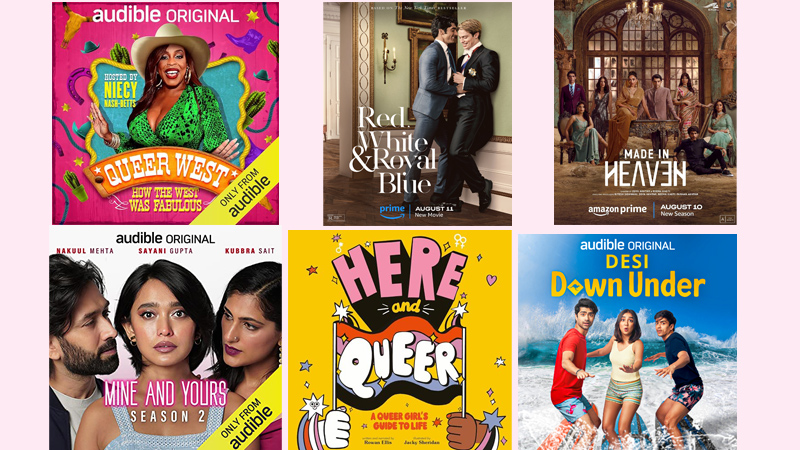
    Mumbai: Happy Pride, listeners! This June, we’re excited to share a curated list of audiobooks, podcasts, web series and films that are perfect for celebrating the spirit of pride. From adventures to romantic thrillers, here are fabulous titles that support queer representation in all its forms. They help convey that no matter where you fall on the spectrum, inclusivity is beautiful and worthy of being celebrated. Enjoy these stories that capture the multi-faceted nature of love and the fight for freedom to express oneself!

    Desi Down Under

    Platform: Audible

    Set against the backdrop of Sydney’s Coogee Beach, ‘Desi Down Under’ is a coming-of-age story that follows three best friends Deven (Adarsh Gaurav), Meenu (Prajakta Koli), and Rahul (Taaruk Raina) cross the ocean to learn surf-lifesaving skills, but their adventure quickly becomes much more than they anticipated. Rahul radiates joy and embraces his sexuality with pride despite societal pressures. As Rahul steps into Sydney, he meets Taylor, an Italian resident who challenges his fear of commitment and ignites a thrilling path of self-discovery, love, and surprises. This podcast series promises an inspiring and relatable tale that celebrates the courage to be oneself.

    Mine & Yours (Season 2)

    Platform: Audible

    In ‘Mine and Yours Season 2,’ Priya’s (Sayani Gupta) world is turned upside down when her ex-girlfriend Rashi (Kubbra Sait) unexpectedly returns from the US. Rashi’s arrival stirs up old emotions and creates tension in Priya’s current relationship with Jaiveer (Nakuul Mehta). Priya finds herself caught between the past and the present, navigating her evolving sexuality and the complexities of love. The ensuing rivalry between Rashi and Jaiveer for Priya’s heart sets off a whirlwind of jealousy and emotional conflict. Join this gripping tale as Priya, Rashi, and Jaiveer explore the depths of their feelings and fight for what truly matters in their pursuit of happiness, on this podcast.

    Queer West

    Platform: Audible

    ‘Queer West,’ hosted by the charismatic Niecy Nash-Betts, is a journey through the untold stories of the American West, where LGBTQ+ lives have long thrived against the backdrop of cowboy lore and Hollywood myths. In each episode, Niecy guides listeners through a wild exploration of forgotten histories, uncovering how queer people have continuously shaped and redefined the Western landscape. This Audible series invites you to saddle up and ride alongside queer pioneers, challenging perceptions and reclaiming their rightful place in Western history.

    Here and Queer

    Platform: Audible

    This audiobook is an inclusive audio guide authored by Rowan Ellis, offering heartfelt advice and comforting stories to empower queer girls. From understanding one’s identity to navigating relationships and mental health, this supportive resource serves as a beacon of empowerment and validation for girls exploring their queer-ness. Through personal anecdotes and guest contributions, the audiobooks discusses the complexities of LGBTQ+ life, fostering a sense of community, and resilience.

    Made in Heaven

    Platform: Amazon Prime Video

    ‘Made in Heaven’ follows Tara (Sobhita Dhulipala) and Karan (Arjun Mathur), two wedding planners in Delhi. As they navigate arranged marriages, societal pressures, and hidden desires, exposing the clash between tradition and modern aspirations< the show also portrays LGBTQ+ characters and their struggles. It offers a refreshing perspective within the Indian social context – you’ll encounter characters grappling with their identities, facing societal expectations, and navigating the complexities of love. It’s a show that celebrates love in all its forms while offering a thought-provoking look at the challenges faced by those who don’t conform to traditional norms.

    Red, White and Royal Blue

    Platform: Amazon Prime Video

    Casey McQuiston’s royally romantic and wildly popular bestseller, ‘Red, White & Royal Blue,’ is an enemies-to-lovers story that explores the unexpected romance between America’s First Son, Alex Claremont-Diaz (Taylor Zakhar Perez), and the Prince of Wales (Nicholas Galitzine). Alex finds himself embroiled in a media storm after a public altercation with Prince Henry strains relations between their nations. To contain the scandal, they stage a fake friendship, but what begins as a superficial truce evolves into a profound love affair. Tune in for a rollercoaster of emotions in this beautiful film adaptation of the book.

    My Policeman

    Platform: Amazon Prime Video

    Set in the 1950s, ‘My Policeman’ explores a forbidden love triangle between a policeman named Tom (Harry Styles), his school teacher Marion (Emma Corrin), and museum curator Patrick (David Dawson). Tom feels a deep affection for Patrick, but societal pressures lead him to propose to Marion instead.  Their seemingly happy marriage crumbles when Marion uncovers the truth, forcing all three to grapple with their desires and the strictures of the time. Through alternating perspectives and decades-spanning narratives, this film offers a powerful story of love, loss, and the fight for acceptance.

  • Pride Month: Chimp&z Inc celebrates with workplace coming-out stories

    Mumbai: Ad agency Chimp&z Inc celebrated the LGBTQIA+ members of the advertising community by bringing them together for its digital Pride parade, #PrideOfAdvertising, all through the month of June. Conceptualised and executed by the integrated digital agency, the campaign was initiated to understand, support, and celebrate the culture of inclusivity and acceptance at workplaces. The agency collaborated with other agency professionals, brand managers, and freelancers who are out, proud & successful.

    The #PrideOfAdvertising brings out the perspective of people who identify as queer from various facets of advertising and media through a candid yet meaningful ‘Q&A’ series on the agency’s social media pages. The responses beautifully captured their coming-out emotions, reaction to homo/transphobic comments, and some heartening tips for others to come out.

    https://www.instagram.com/chimpandzinc/guide/pride-of-advertising/17950009009463873/

    “Coming out is a challenge for the LGBTQIA+ community, not just personally but professionally and psychologically as well,” Chimp&z Inc CEO & co-founder Angad Singh Manchanda said. “The urban LGBTQIA+ activism has created space for individuals to defy societal norms and perceptions and choose to live as per their will. With awareness of LGBTQIA+ rights rising, the list of Pride-themed campaigns taking over the internet in June keeps getting longer and more meaningful. We wanted to do more than just tell stories. We brought out the perspective of each individual and their experience in the industry after coming out professionally. This digital campaign sets out a virtual pride parade that honors LGBTQIA+ members of the advertising community. I trust it will evolve and adapt to the changing society in the coming years.”

    The campaign featured agency-smiths: Chimp&z Inc group account manager Sumitro Sircar, AdGlobal 360 associate creative director  Dev Mitra Roy, Schbang’s design lead Krina Satra, Gozoop account planner Romario Fernandes, WATConsult’s lead copywriter Mansi Shanbag, and Sugar Rush Media House’s talent & creative head Tanya Nagrani.

    The agency also partnered with media and brand mavens: The Red Pen marketing manager  Archit Ambekar, Humans of Queer founder Yash Sharma, Beunic’s co-founder Ashish Chopra, Amaltas Apparel & Accessories brand manager Anish Prasad, and make-up trainer Saikat Chakraborty. The agency also collaborated with creative freelancers: social media manager & content creator Priyesha Nair, celebrity makeup & hair artist Abhijit Chanda, queer artist Suvajit Mandal, content strategist & e-commerce content marketing expert Sunny Pandey, and social media influencer Gaurav Pandey.

    The agency summed up the campaign by featuring the national award-winning filmmaker, Onir, also known for being one of the earliest advocates for LGBTQIA+ rights in India.

  • Pride without Prejudice? Where do Indian brands stand on LGBTQ+ representation

    Mumbai: Consumers today are less tolerant of brands that don’t take positions on emerging social issues. In the changing world scenario, consumers lean more towards brands that are open and transparent with their views. With more outlets for voicing their opinions about brand experiences than ever before, Gen-Z and millennials, in particular, want to know where a brand stands vis-a-vis causes they care about- like inclusion, diversity, and equity. 

    We are in the midst of the global Pride month, and IndianTelevision spoke to industry experts and brands to find out if brands believe in going the distance when it comes to LGBTQ+ representation and inclusion. Or are they treating it as a mere rainbow-hued label to be flaunted during such special occasions?

    According to Dentsu Webchutney D&I and AVP – strategy lead, Freya D’Souza, consumers today sense and call out superficiality and ambivalence in terms of brand authenticity from a mile away. And while brands often have lofty mission and vision statements, in practice, most communication efforts sidestep potentially controversial issues. “In an age where there is an increasing sense of the personal becoming political, and our social and physical lives merging, a brand cannot afford to silo its values and communications anymore. A brand that takes a stand either way gets both bouquets and brickbats. But what also comes with that is incredible brand loyalty and a tangible sense of the consumer becoming a brand champion. For the LGBT+ community, this has cut both ways,” she says.

    “There is still a long way to go,” says Modi Naturals chief marketing officer Shardul Bist, highlighting that India is a country where people have for long adapted to traditional mindsets and ideologies. While some great campaigns in the recent past have helped break the shackles, including the 2017 Vicks ad featuring transgender rights activist Gauri Sawant that depicts her struggles to adopt a child, Bist says that it must be an ongoing endeavour till our mindsets completely change. “The change is inevitable and it will alter and empower one mindset at a time”, he adds.

    The Jewellery market in India has always been considered a niche area, predominantly promoted through campaigns featuring a big, fat Indian family wedding, revolving around a cis female protagonist. It took a fairly conservative regional brand, Bhima jewellers to pull down that barrier with its recent creative featuring a transwoman, Meera Singhania. The ad won critical acclaim for its authentic portrayal of the community along with oodles of love on social media.

    And now taking it a step further is another jewellery brand with a legacy of over five decades. Senco Gold & Diamonds recently signed internationally acclaimed sprinter, Dutee Chand- who broke ground as India’s first openly homosexual athlete- as the company’s new brand ambassador. As a part of its Pride month celebrations, it has rolled out a new campaign and unveiled its new jewellery collection, named ‘Love is love Collection’ for the LGBTQ+ community.

    However, this is not a first for the brand. Senco Gold and Diamonds CEO Suvankar Sen shared that the brand has always taken “a very progressive approach towards its jewellery as well as life in general”. In 2019 the brand had launched its ‘PRIDE Collection’ through a unique fashion show by a group of transgender men and women led by LGBTQ+ activist Dr.Manabi Bandyopadhyay.

    According to DViO Digtal, founder and CEO Sowmya Iyer brands are becoming more aware and trying to keep up with consumer expectations to gain their trust. “As a marketer, I have seen campaign messaging and tonality highly evolve. From conservative to stereotypical to inclusive campaigns, we have come a long way. The beauty and fashion industries have been the torchbearers when it comes to being inclusive and slowly yet steadily every other industry is coming on board,” says Iyer.

    Known for its range of men’s grooming products, Whiskers founder Aakash Goswami says the grooming brand, on its part, is trying to focus more on gender neutrality. “The first change we made was to change our brand name from Whiskers for men to Whiskers India. This is our very first initiative to support and be more inclusive towards society,” he adds.

    Youth-centric e-commerce Fashion startup Beyoung aims to inspire all to “Be You” and believes that fashion is for all. “This is why we pay more emphasis on Unisex range and flaunt a collection for one and all”, says CEO & founder Shivam Soni. For this, the brand ensures that they do away with ‘idealistic’ body standards for models, irrespective of gender – be it “masculine bodies for men” or “slim” body types for women- thus getting rid of the pressure to conform to certain body types perceived as ideal.

    Grapes Digital National Business head Rajeesh Rajagopalan, however, is sceptical about brand efforts. “Indian brands do a lot of work around LGBTQ but during the pride month only. We are still in a very conservative and nascent stage where brands are not that bold enough to take the call and feature them in regular campaigns. To a large extent, it is a mere label to be flaunted during the pride month, because marketers want to create a perception of inclusiveness. If you want to be an inclusive brand then you have to walk the talk in every move be it in the communication, brand representation, or models you choose,” he says.

    Creative Director of 360-degree communication company Hotstuff, that specializes in BFSI space, Terence Dsouza feels that the industry can take the lead in not just using Pride month as a social media opportunity but going the distance with its offerings as well. “In India, ad campaigns and communication regarding financial planning has stereotypically targeted cis-heterosexual, married families. But what needs to be understood is that financial planning is important to every person, irrespective of sexual orientation or gender identity”, says D’souza.

    According to Open Strategy & Design’s strategy head & managing partner Puneet Pandey, when brands choose to mirror these emerging sentiments and causes especially around gender, identity and sexuality, they would do well to consider that, “Your audience will be able to smell out tokenism – so go for empathy and authenticity. Instead of creating for the gaze of the outsider, speak to their inner song.” A subtle nod, a knowing acknowledgement, sometimes works more powerfully than dramatic spotlighting, he adds.

    Last week, furniture brand Saraf Furniture announced its decision to hire upto 250 professionals from the LGBTQ+ community in the current financial year. “Organisations can profess to be inclusive only when everybody, from business pioneers to the cafeteria staff is sensitised,” says Saraf Furniture founder & CEO Raghunandan Saraf. “I was a little apprehensive at the beginning about the adaptability factor in the workplace but took a leap of faith. You have to get past those raised eyebrows, hushed whispers and initial resentment.”

    On the brighter side, Indian companies are, slowly but surely, adopting a no-discriminative inclusion policy, as highlighted by a 2019 global analysis on how companies are treating members of the LGBT+ community. The study shows India Inc, including some of the marquee names like Reliance Industries, Mahindra & Mahindra, Godrej and Tata Steel, open to incorporating such policies. 

    In June last year, Mahindra Logistics launched its first policy for hiring and retaining lesbian, gay, bisexual, transgender, and other queer people. Another major, Tata Steel aims to have 25 per cent of its Tata Steelworkers from diverse groups, of which, 5 per cent will be from the LGBTQI+ community.

    This year, Chimp&z Inc too is celebrating the #PrideOfAdvertising – a content series that celebrates every queer-and-open/ out professional working in the advertising & marketing industry, says Chimp&z Inc associate VP Alin Choubey.

    Two years after the landmark Supreme court ruling decriminalising homosexuality, members of India’s LGBTQ+ community still lag behind their western counterparts in terms of corporate representation and other benefits. Hence brands walking the talk on championing LGBTQ+ rights need to be lauded so that the current norm of gender-based branding gives way to the blurring of gender lines, eventually leading to a gender-free outlook in our society. It’s time brands stand up for “Pride without Prejudice”.

  • Saraf Furniture to hire 250 LGBTQ+ professionals for equality at workplace

    Mumbai: In a bold move, furniture brand Saraf Furniture has announced it will walk its own talk on championing LGBTQ+ rights at the workplace, by hiring around 200 to 250 professionals from this community in the financial year 2021-22, as a part of the brand’s mission of ‘equality in the workplace’.

    Transforming the dream of LGBTQ+ equality in the workplace into reality, Saraf Furniture is carving out a detailed plan to constitute an expert committee to smoothly execute the socially relevant process. The top management has left no stone unturned to make its entire hiring process comfortable and hassle-free, especially for eligible, deserving LGBTQ+ candidates.  

    Professionals belonging to LGBTQ+ community may now explore careers at the company across a diverse range of job profiles – interior designers, after-sales support, HR, chat support individuals, website developers, Search Engine Optimization (SEO), AutoCAD experts, digital marketing, supply chain managers, to name just a few.

    To streamline the entire mission, Saraf Furniture is running awareness and training-related programs on lifestyle diversity for their current employees also. The program seeks to ensure mutual respect, awareness, and communication among the entire workforce.

    The company does not believe in half-hearted measures, it plans to go the entire mile and even further. A slew of new policies that include one on gender affirmation as well as a sexual harassment prevention initiative will also be implemented. Furthermore, Saraf Furniture will construct unisex washrooms and set up an additional safeguard to protect the rights of the LGBTQ+ community in the form of a ‘welfare committee’.

    Saraf Furniture founder & CEO Raghunandan Saraf said, “There is a famous idiom – practice what you preach, and, I firmy believe in this. We can’t afford to speak LGBTQ+ equality in the workplace if we fail to implement it in our own (corporate) workplace. Saraf Furniture has taken a firm decision to come forward and set an example for others to be followed, by living up to its firm commitment towards the LGBTQ+ (community and for) equality in the workplace in the true sense”.

    “As a growing organisation and one of the biggest names in the furniture industry, Saraf Furniture is always keen and geared up to integrate diversity at workplace. Nowadays, organisations need to involve people from all walks of life, hone their skill sets so as to take (get an) edge over others in the era of severe competition. As entrepreneurs, we need to be more open when it comes to talent which is lying untapped and unexplored. I know, together we can make a difference,” Saraf added.

    With the month of June globally recognised as ‘gay pride’ month, many brands today flaunt the community’s rainbow colours on their logos via social media handles. However, on-ground measures are yet to keep pace with the total number of brands seen championing the cause over Instagram. While every conversation that results in a mindset change cannot be discounted, it is crucial that more companies come forward and actually walk the talk.

    At present, even two years after the landmark Supreme Court ruling decriminalised homosexuality, members of India’s LGBTQ+ community lag far behind their western counterparts to attain due corporate representation and other benefits. Hence brands like Saraf Furniture will serve as the right role model for more corporate to take inspiration, perhaps borrow a bit of panache from them, to accomplish increased inclusivity, diversity and equality in the respective workplaces.

  • Saraf Furniture to hire 250 professionals from the LGBTQ+ community

    New Delhi: In a bold move, which is perhaps a first for Corporate India, furniture brand Saraf Furniture is actually walking the talk when it comes to championing LGBTQ+ rights at the workplace. The solid wood furniture player announced that it will hire about 200-250 professionals from the LGBTQ+ community in the financial year 2021-22 to ensure ‘Equality in the Workplace’.

    The company said it is carving out a detailed plan to constitute an expert committee for the smooth execution of the entire process. Professionals from the LGBTQ+ community will be able to explore careers at the company in a diverse range of job profiles – interior designers, after-sales support, HR, chat support individuals, website developers, Search Engine Optimization (SEO), AutoCAD experts, digital marketing, supply chain managers, to name a few.


    The company has also been running awareness and training-related programs on lifestyle diversity for their existing employees as well. A list of new policies including major ones like Gender Affirmation and Sexual Harassment Prevention Policies are all set to be implemented. Furthermore, Saraf Furniture will also be constructing unisex washrooms.

    “There is a famous idiom – Practice what you preach. And, I firmly believe in this. We can’t afford to speak LGBTQ+ equality in the workplace if we fail to implement this in our workplace. Saraf Furniture has taken a firm decision to come forward and set an example for others to be followed by living up to its firm commitment towards the LGBTQ+ equality in the workplace in the true sense”, says Saraf Furniture founder & CEO Raghunandan Saraf, on the policy decisions pertaining to LGBTQ+ equality at his organisation.

    With the month of June globally recognised as Pride month, many brands today flaunt the community’s rainbow colours on their logos via their social media handles. However, on-ground measures are yet to keep pace with the number of brands championing the cause on Instagram. Hence brands like Saraf Furniture need to be lauded so that more corporates can also take a step forward in accomplishing increased inclusivity, diversity and equality in the workplace.