Tag: president

  • SN Sharma gets AIDCF responsibilities once again

    SN Sharma gets AIDCF responsibilities once again

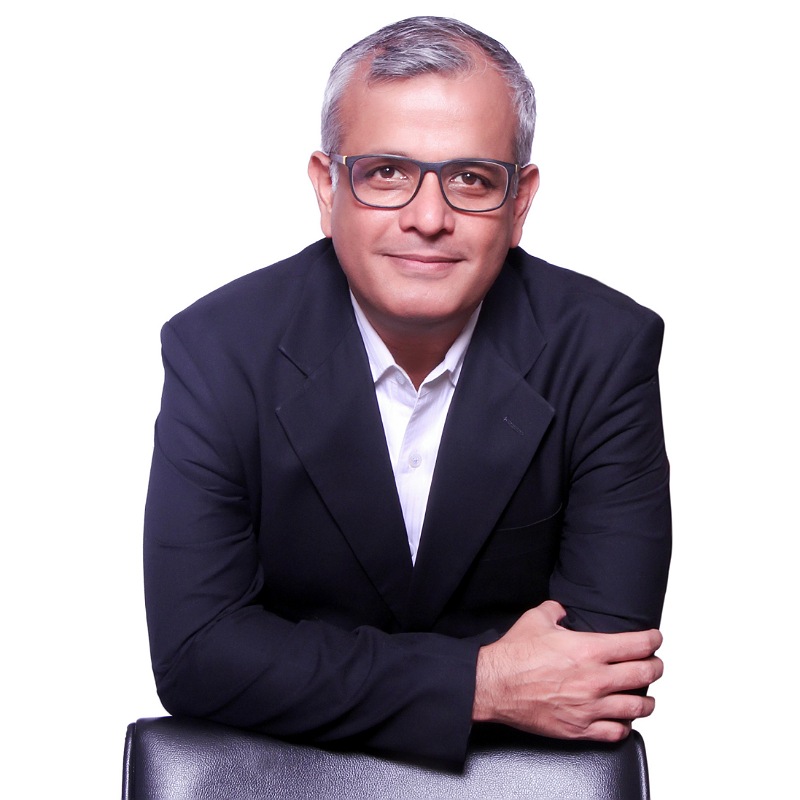
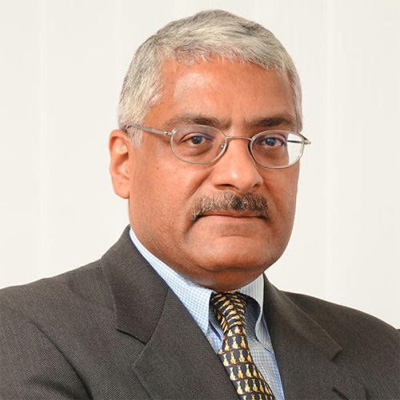
    MUMBAI: It’s back to being president of the All India Digital Cable Federation (AIDCF). DEN Networks CEO S.N. Sharma who led the AIDCF from April 2019 to March 2021 as its president has once again been appointed to that post. His term will continue till March 2025 when a new head will hopefully be selected. 

    The AIDCF was set up in 2014 with VD Wadhwa, the then CEO of Siti Networks as its head.

    Sharma, a veteran and popular figure in the cable TV industry, succeeds Fastway CEO Peeush Mahajan, who stepped down from the position in May 2024 due to personal reasons (apparently, he’s migrated to Canada and won’t be coming back). Peeush took over as president in April 2023 and his term was supposed to end in March 2025.

    Sharma had been acting president of the association since then. 

  • upGrad appoints Anuj Vishwakarma to head its online higher-ed programs

    upGrad appoints Anuj Vishwakarma to head its online higher-ed programs

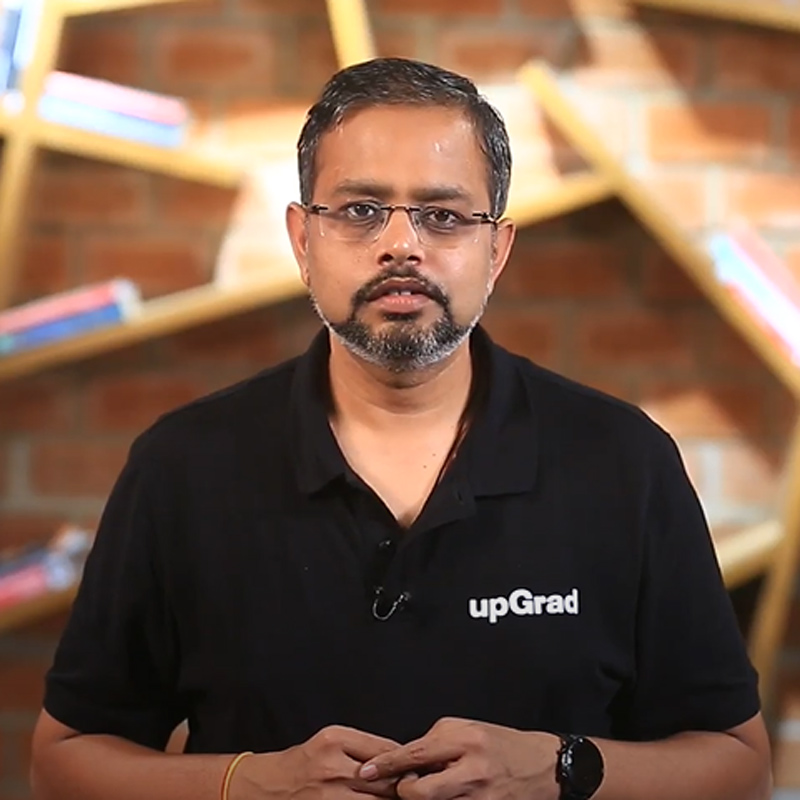
    Mumbai: upGrad, one of Asia’s higher edtech companies has announced the appointment of Anuj Vishwakarma as president for its online higher-ed programs.

    In his new role, Anuj will be responsible for building the online higher-ed vertical for creating a long-term strategic moat and also implement growth best practices for scaling the business.

    Vishwakarma is a seasoned growth leader with over 10+ years of rich experience building high-growth consumer businesses in the fintech, online retail, and offline retail industries. Prior to upGrad he has driven growth for leading consumer internet players like Myntra, Paytm and Ola. He has led high-profile assignments at Ola as revenue & growth head and at Paytm as growth head for Travel Business.

    An MBA degree holder from IIM Bangalore and a National Institute of Technology (NIT) Bhopal, alumnus, Vishwakarma has a constant hunger for growth and has a track record of building large businesses through sustainable growth strategies. He will operate from upGrad’s Bengaluru office and will also collaborate with the multiple teams across upGrad divisions to scale their program vertical.

    Welcoming him, upGrad co-founder and managing director Mayank Kumar commented, “We operate in a golden era where the demand for online higher education will continue to propel and therefore, we need a solution-focused leader who comes with strong hands-on skills. Vishwakarma, for his domain inclination, is best suited to perform in-depth market research and consumer insights to spearhead our vertical growth. His efforts will further solidify our core business while also enhancing our domestic LifeLongLearning suite.”

     “I am humbled to be a part of this dynamic leadership team who knows no limits. upGrad’s vision is synergistic and I look forward to utilizing my domain expertise for building a stronger business foundation for driving career outcomes of our potential learners. This will help me contribute towards strengthening the brand’s reputation across a wider audience,” concluded Vishwakarma.

  • Eureka Forbes strengthens its board of directors & leadership team

    Eureka Forbes strengthens its board of directors & leadership team

    Mumbai: Eureka Forbes (EFL), India’s leading health and hygiene brand, has announced the appointment of Shashank Shankar Samant as a non-executive independent director. Also, Shubham Srivastava has been roped in as chief product and technology officer, and Gaurav Khandelwal has been brought in as chief financial officer.

    Samant is currently the chairman of GlobalLogic, following his retirement as president and CEO on 30 September. Under his leadership, GlobalLogic has experienced explosive growth in size, reach, and revenue, all while developing a strong reputation and a culture that fosters engaged employees.

    Prior to this, Samant was president of Ness Technologies, where he founded and built their product engineering services business and grew it to a successful IPO on the Nasdaq exchange in 2004. He has worked in leadership roles at leading technology organisations like IBM and Hewlett-Packard. Samant also serves as a member of the board of directors at Office Depot.

    Srivastava will drive digital transformation at Eureka Forbes. A seasoned tech product entrepreneurial leader with strong business acumen, he will be responsible for building the technology platform and products that will drive digital transformation at EFL.

    Prior to this, Srivastava was the chief technology officer for Hindustan Times Digital Streams, where he drove their digital transformation, helping them become one of the top digital media brands in the country. He has also worked with organisations like MakeMyTrip (India’s biggest OTA), iTrust (a fintech start-up acquired by Karvy), and Aricent (a telecom software company), and has founded Tekch, a SAAS platform for operating commercial real estate. Academically, he has a B. Tech. in Computer Science and Engineering from IIT, Dhanbad.

    Srivastava says, “I look forward to working with the team to produce innovative solutions that will drive digital transformations at Eureka Forbes.”

    Khandelwal will be leading the finance, commercial, legal, and secretarial functions of Eureka Forbes. He is a chartered accountant with two decades of experience in India, the United States, and the United Kingdom. Prior to joining the Eureka Forbes leadership team, he has worked in the FMCG, telecommunication, and hospitality sectors with organisations like Hindustan Unilever, Airtel, and Oyo Hotel and Homes. He holds the CA rank and has extensive experience in business transformation and driving profitable growth.

    Khandelwal says, “It is an honour to be associated with an iconic brand like Eureka Forbes. I look forward to working with the team to further build on the foundations of the company and to take Eureka Forbes into its next phase of competitive and profitable growth.”

    Welcoming Samant, board chairman Arvind Uppal said, “I extend a warm welcome to Samant. His experience in the digital ecosystem will provide strategic guidance in this area. In addition to Samant, it is an honour to share the board with industry stalwarts, including recent additions like Gurveen Singh and Vinod Rao. With Gurveen’s expertise spanning over four decades in talent development and HR solutions and Vinod’s global experience of over three decades across the FMCG/consumer durable industries, I am confident that Eureka Forbes is well poised for transformation.”

    Advent International India managing director Sahil Dalal said, “Samant with his strong background in technology and digital, will bring in strategic thinking on the technology and digital roadmap. His joining further strengthens the board as we seek to transform Eureka Forbes. With the amalgamation of experienced industry veterans on the board and pedigreed professionals in management, Eureka Forbes is all set to strengthen and fortify its market leadership position.”

    Eureka Forbes managing director and CEO Pratik Pota said, “I am delighted to welcome Srivastava and Khandelwal to the Eureka Forbes family. Their leadership and contribution will be invaluable in driving the transformation at EFL.”

  • ECOA appoints Shemaroo’s CEO Hiren Gada as its new president

    ECOA appoints Shemaroo’s CEO Hiren Gada as its new president

    Mumbai: According to a recent announcement made at the 58th annual general meeting of the Entertainment Content Owners Association of India (ECOA), Shemaroo Entertainment’s chief executive officer Hiren Gada has been named as their new president.

    In further development, RK Duggal, Ashok Jain, and Narendra Hirawat were onboarded as the association’s next vice president, secretary, and treasurer, respectively.

    Speaking on the announcement, Gada said, “It’s an honour to be elected as the president of this prestigious association that has been safeguarding the interests of the entertainment content owners of India. I am grateful to all my colleagues and members of the ECOA for entrusting me with this responsibility. I am excited to collaborate with industry leaders to future-proof content ownership and distribution with the emergence of technology and web 3.0.”

    ECOA is a comprehensive apex body dedicated to the causes, growth, promotion, protection, and welfare of all entertainment content owners in India across all genres, languages, and formats.

    On 15 October 1963, Lim Billimoria and a few other Indian film exporters formed the Indian Film Exporters Association to promote and facilitate the export of Indian films abroad.

    The association represents, protects, and promotes the overall well-being of all Indian entertainment content owners. It is a non-government and non-profit organisation that plays an important role in securing the holder’s various legitimate content rights.

  • Indian Film & TV Producers Council re-elects Sajid Nadiadwala as its president

    Indian Film & TV Producers Council re-elects Sajid Nadiadwala as its president

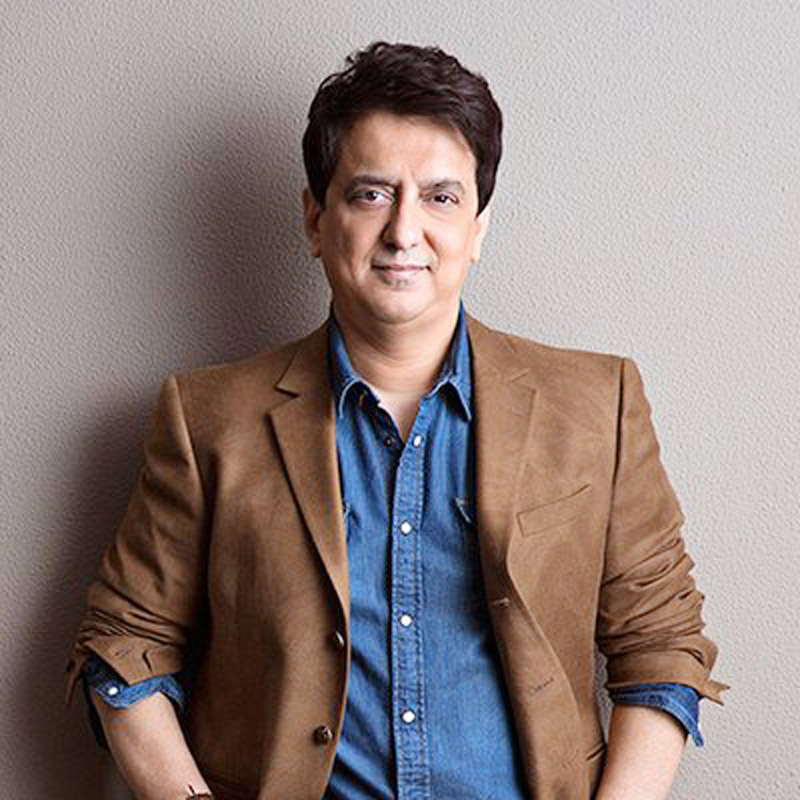
    Mumbai: Indian Film & TV Producers Council (IFTPC) has once again re-elected Sajid Nadiadwala as president at the 31st annual general meeting (AGM). This is the 11th year in a row that Nadiadwala has been president. Jamnadas Majethia was also elected again as chairman of the TV and web wing of the IFTPC.

    The AGM saw the induction of two new directors and the new board composition as follows: Ratan Jain, NR Pachisia, Madhu Matena, Shyam Bajaj, Kumar Mangat Pathak, Rajat Rawail, Shyamashis Bhattacharya, Dinesh Vijan, Nitin Vaidya, Abhimanyu Singh, and Ramesh Taurani.

    Nadiadwala expressed satisfaction that the pandemic has ebbed and that box office business is once again flourishing. He added that he would soon lead a delegation to the Maharashtra chief minister Eknath Shinde to discuss concerns pertaining to the sector.

    Jamnadas agreed with Nadiadwala and stated that while the TV business is developing well, there are some difficulties related to the film city that need to be addressed. He expressed hope that the meeting with the CM will help to address these concerns.

    He lamented the need to lower the extremely high electricity prices. He added that the contractual agreement with art directors is cause for serious concern because some art directors fail to pay their employees’ salaries on time, which causes unease and tension among the employees.

    The meeting paid tribute to all the departed souls during the year including Lata Mangeshkar and IFTPC former director Vijay Galani.

  • Brands are allocating nearly 25-30% of their budgets to influencer marketing: GroupM’s Ashwin Padmanabhan

    Brands are allocating nearly 25-30% of their budgets to influencer marketing: GroupM’s Ashwin Padmanabhan

    The advertising & media landscape in the country is evolving every day, especially with the exponential growth of all things digital during the pandemic. According to market research firm Statista, the influencer marketing industry in India- a relatively new-age advertising segment- has grown robustly and is worth Rs 9 billion, as of 2021. It is projected to grow at a compound annual growth rate (CAGR) of 25 per cent over the next five years to reach Rs 22 billion by 2025. There has also been a perceptible paradigm shift from banking on celebrity endorsers to engaging influencers for product placements in recent years.

    On the sidelines of its flagship content summit Brew, IndianTelevision.com had an in-depth conversation with GroupM’s president of partnerships and trading Ashwin Padmanabhan, to find out whether influencer marketing has finally come of age in India.

    Padmanabhan also weighs in on the importance of responsible advertising, while sharing insights on the marketing & advertising strategies brands and OTT platforms are adopting to improve the bottom lines in today’s uncertain inflationary times, with consumers tightening their purses.

    Edited Excerpts:

    On has influencer marketing reached a stage in India where brands are now keeping aside a substantial part of its annual adspend towards it

    Absolutely. If we look at our clients in the GroupM universe, currently, close to 150 odd brands actively use influencer marketing as a strategy to reach their consumers. Importantly, they are using it in more than one area. One is to drive consideration because the nature of influencer marketing is such that influencers create content which their followers are highly engaged with. That’s one of the reasons that influencers are becoming very relevant in a brand’s marketing mix: to drive engagement.

    We are also seeing some brands now moving from driving consideration to engagement to actual action, as the tech infrastructure becomes increasingly better, to enable a call-to-action where the consumer can directly click on a link to buy a service or product. So we are seeing that shift too with brands in a mid-to-lower funnel.

    In fact, during the lockdown, nobody could go out & shoot content or create TVCs, etc. That’s when we started working with a lot of brands as an alternative to traditional television commercials or traditional web commercials, and influencers became very relevant in that environment. But as brands started working with them, they realised that they can start working with influencers on a standalone basis- as an integral part of their marketing strategy, and not just because they can’t do something else. And that’s the shift that has happened in the last two years.

    On how much percentage of a brand’s annual marketing/ ad spends is allocated today to influencer marketing

    The way we look at brands right now we see three buckets of clients: There are brands which have become native to influencer marketing who allocate close to 25-30 per cent of their budgets to influencer marketing. It’s a very integral part of their marketing strategy. D2C brands make up a large mix within this, but we are seeing even FMCG and especially, personal care brands allocating more than 15-20 percent of their budgets on influencer marketing. They may not be in the top four or five, but they are surely in the mid to lower funnel range. These brands have realised that it’s a great way to create ‘Share of Voice’ (SOV). They can’t fight the ‘big boys’ in the media space, especially in the CPG (consumer packaged goods) category, SOV is very critical. And influencer marketing becomes a great tool to drive SOV. And hence these brands are over-indexed in influencer marketing than their peers, which are the larger organisations.

    Loreal- one of our clients- although a big name, in specific categories like personal care and especially in cosmetics range like Maybelline, they are highly over-indexed in influencer marketing. They had an ‘always-on’ influencer marketing strategy throughout the year. And that’s the other shift we are seeing from stand-alone campaigns. It also allows you to have a threshold level of visibility, engagement, and driving action from the consumer through the year- that’s the beauty of influencer marketing.

    Also, there’s the middle bucket of the brands which have become mature, that would have anywhere from 10 to 25 per cent of its ad spend allocation. These are brands which have tried using influencer marketing and continue using it but it’s not part of their ‘always on’ strategy for them. They look at it very tactically, a lot of their influencer marketing is around events that they do. And then the set of influencers they work with amplifies the work they do. So, they use it differently as a strategic mix. But even here we see anywhere from five to ten per cent spending allocation.

    And then there’s still a very large bucket of clients who are curious and they are wondering how to work with influencer marketing. They are trying to gauge and test the waters & see what’s in it for them, and what kind of metrics they can work with. So they have a lot of questions in their mind on how they quantify their investment, how they define ROI in this case, is there some kind of measurement that’s credible. And that is where we come in with INCA. With the tech that we have built, today we can analyse anywhere close to 45,000 influencers in India & have a very detailed understanding of not only what space they create content in. We also have a detailed understanding of their audiences, their demographic, and what part of geography they come from. Stuff like this has not been organised in many years as it’s an evolving space,  which is also why we took out the INCA influencer marketing report- the first edition of which came out last year.

    Our estimate about the industry last year was close to Rs 900 crore, and this is not the money being spent on media or the money being spent on boosting the content being created. This is money being spent specifically and directly on influencers, which is a significant number. And it’s only growing 25-30 per cent YoY.

    And not just data, but also a lot of qualitative research as well that’s going into it, to quantify the ROI or shift that’s happening when we work with an influencer or celebrity influencers. And the more we do it, the more we see brands getting warmed up to it. It’s suddenly moving out of a space they didn’t understand to a space they can make sense of their investment.

    On ASCI stricture of ‘paid sponsorship’ tag affecting the influencer marketing revenue

    Not really because the way we advise our clients to work with influences is not to force the influencer to post your content. The idea is to create content that’s organic to the influencer and has a brand message embedded. As long as brands do that, there’s content for their followers to consume that’s in line with their expectations. The moment you stray from that and you start using the influencer purely as a reach medium then I think we are moving away from the basic principles of influencer marketing. So it’s not really about the guidelines, which are only making it clear that whatever content you are consuming is sponsored by someone. It’s a disclaimer or statement we are making upfront so it’s transparent. That’s a good thing, and as long as the content remains true to what the influencer makes regularly there’s no difference. On the other hand, even without that paid content tag if you stray away from this principle you’ll not get the required reach.

    On how GroupM ensures it stays in the realm of “responsible advertising”

    Creativity doesn’t mean a licence to abuse or licence to harm someone. Creativity is about connecting with people in ways that surprise them positively, not negatively. And for us “responsible investment” is a very huge part of what we do at GroupM. We have something called the Responsible Investment (RI) framework that we started applying to the content that we produce.

    One is the content that we produce with influencers around INCA. Then there is the long-form content we produce in the motion content group, such as web series, films as well as TV shows where we are bringing RI.

    From this perspective we have defined four goals or areas for us: The first is around sustainability, second is DEI (Diversity, equity and inclusion) with a magnifying glass into gender equality. The third is around primary education, because in India about 40 percent of kids drop out of school after fifth grade, and there are a lot of companies which are trying to do something to change this. The fourth is around financial inclusion. So these are the four pillars that we have defined.

    So the question we are asking is how can we bring any of these themes into the shows we are doing. And we believe that if we need to truly make a difference in the world then habits have to change. And I think “content” is the most powerful way to do that. Content creates cultures, passion and habits, even the way we behave with each other. And one of the routes to driving RI is how we create this content. We believe as an organisation we have to be the catalyst for the world to come around these four principles. 

    Creators and platforms are forever chasing a formula that they think works. Today, there’s a conflict in the creative space when it comes to content. Where at one level we are probably becoming more regressive because we have seen that certain regressive content has worked, and everybody wants to do the same kind of thing. On the other side, we see a lot of independent creators who want to create content which makes a positive difference. That’s why we are committed to them and putting our money behind them. These productions are investments done by GroupM, as we believe as such an important player in the media space in India if we don’t do it then we can’t expect others to do it.

    On how Netflix introducing ad-supported plans impacts OTT viewership

    The fact is that there’s some great content being produced today, but the access to that content is limited today because of the sheer investment a subscriber/ audience has to make to watch that content.

    On OTTs, unlike on TV, if somebody wants to watch content across different platforms and different languages, then they need to be in the top one per cent in the country, otherwise, nobody can afford it. So clearly, from an economic perspective while it does make sense for the channels as they will be able to get more viewership. But from the audience’s perspective, it makes the content more democratic. So I think it’s great if more platforms open up to that and understand that.

    On getting brands to achieve cost efficient & strategic ad spends during these times of rising inflation, and the impact on AdEx

    We don’t anticipate it to impact AdEx as much, it’s more about how those spends can stretch longer or do more for me. What it is potentially doing is, forcing organisations to go back to the question of efficiency. So, you start moving towards value communication at such times. But the value in the equation is being driven by questions such as how can we make it reach more people, are there different ways to reach them, and can I engage with them more and drive more actions?

    One big trend I’m seeing is that it’s forcing organisations to look inwards. And ask what are those systems and processes that they can build more efficiency to save cost, so as to reduce impact on the consumer. Be it in the way they are packaging their products, or the way they are distributing them physically. So, they are trying to build more efficiencies into their own processes to be able to cut costs, so they don’t need to pass on the burden of inflationary pressure they are facing onto the consumers.

    The other question is, how do they help the consumer get to their product in different ways which are not necessarily the way in which they have been used to buying the product. So new distribution channels, whether its D2C or e-marketplaces or whether its small kiosks or QSRs that have been set up to create a physical space as well. So there’s a lot of innovation happening at the ‘point of sale’ and how the consumer accesses the product.

    Yes, there is some part of the pressure which gets passed onto the consumer but that’s being done in different ways. Like, probably reducing the size of the product while keeping the price same as before, so it won’t pinch your monthly budget as much. The reality is that outside of the one per cent of the country’s population, these pressures that we are going through mean a lot to everybody else. If you are not sensitive to what consumers are going through, it’s not good business as well. And honestly, we are seeing this sensitivity very clearly across our clients. These are some of the biggest CPGs (consumer packaged goods) that we manage. And CPG is where one feels the pinch the most because these are staple, everyday items which you need to run your home. These organisations are being extremely realistic about the fact that they need to start at home before they start putting pressure on the consumer.

  • Greg Tomb joins as president of Zoom

    Greg Tomb joins as president of Zoom

    MUMBAI: Zoom Video Communications has announced that Greg Tomb will join the company as president effective from 7 June 2022. Tomb brings more than 20 years of experience and comes to Zoom from Google Cloud, where he was most recently vice president of Sales, Google Workspace, SMB, Data & Analytics, Geo Enterprises, and Security Sales.

    Reporting directly to Zoom’s founder & CEO Eric S. Yuan, Tomb will oversee the company’s go-to-market strategy, revenue efforts, and office of the Global CIO. Tomb will help shape Zoom’s next chapter as the company continues transforming into a multi-product platform that enables communication, hybrid work, and an expanding number of business workflows.

    Yuan said, “I am so excited to welcome Greg to the Zoom team. Greg is a highly-respected technology industry leader and has deep experience in helping to scale companies at critical junctures. His strategic thinking, can-do attitude, and value of care he brings to customers make him the perfect addition to our strong leadership team.”

    Tomb said, “I’m thrilled to join forces with Eric and the Zoom team to help drive growth. I strongly believe that Zoom has an impressive foundation with its multi-product platform, and I look forward to the tremendous opportunities ahead to help businesses around the world address their communications and collaboration needs.”

  • Havas Media Group India launches Havas Content

    Havas Media Group India launches Havas Content

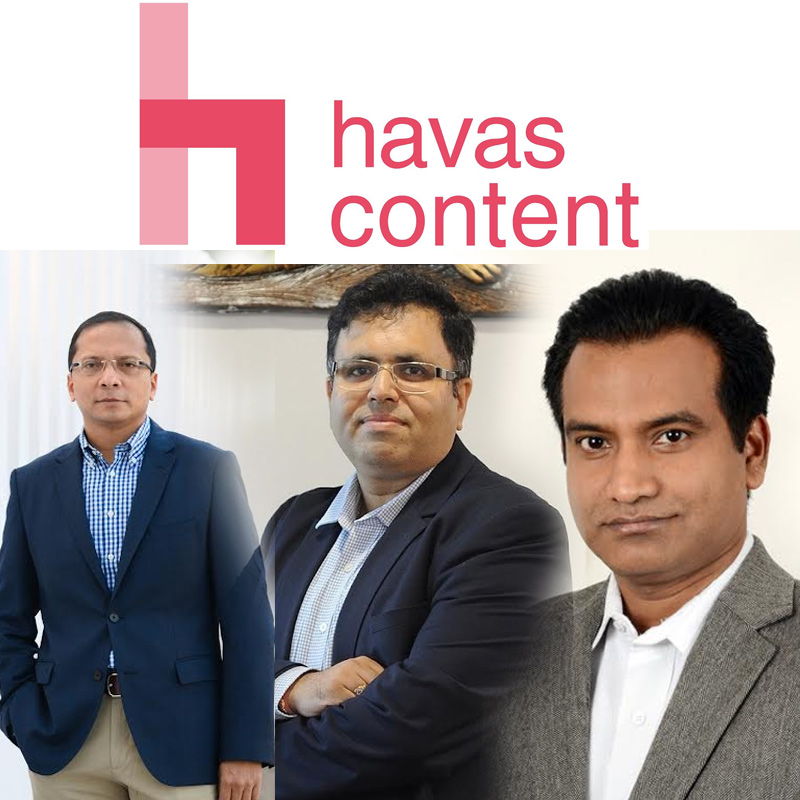
    Mumbai: Havas Media Group India has launched its specialized content division called Havas Content. With the launch, the media agency conglomerate will focus on leveraging dynamic content to help brands create meaningful media experiences and make a meaningful difference in consumers’ lives.

    Havas Content aims to bridge the gap by offering meaningful content solutions that not only entertain but also educate, inspire, and help consumers, map the brand’s performance to its content effectiveness and boost business returns.

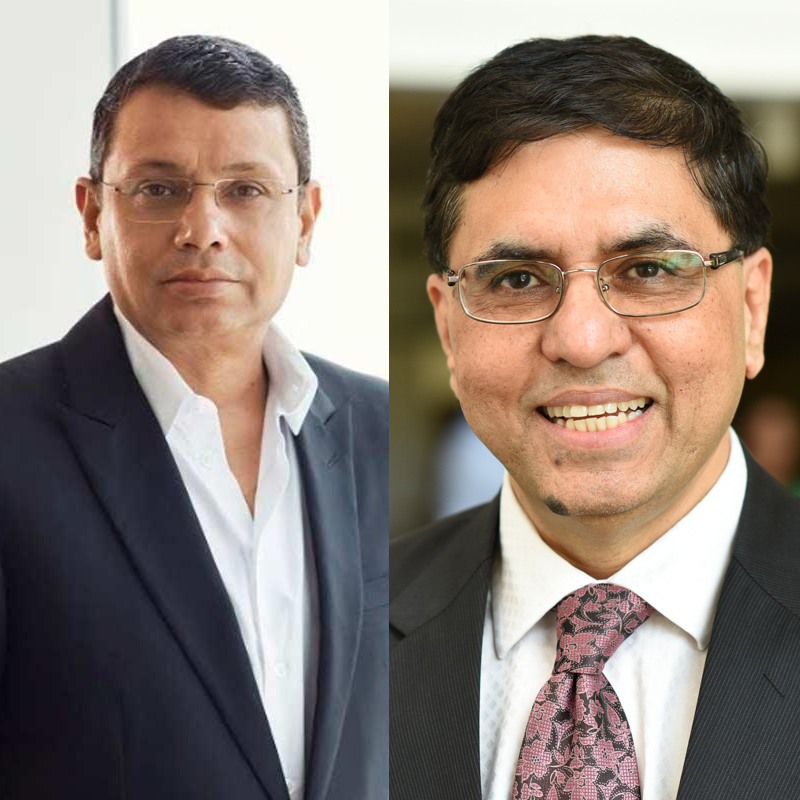
    Havas Content will be led by Uday Mohan, President and Chief Client Officer, Havas Media Group India. To further strengthen the division, the agency has made two key hires. Prachi Narayan has joined as Vice President, Content and Shivani Kaushik as Content Manager, who will support Uday in scaling this offering across Havas Media Group India’s client portfolio.

    With the division’s in-house capabilities of analysing data and driving insights, Havas Content is armed with a scientific approach to developing meaningful content which in turn resonates with the Group’s core philosophy of building meaningful brands.

    Over the last few years, Havas Media Group India has witnessed a 5x growth in the content space, with some clutter-breaking content created for prominent brands like Hyundai, OYO, Swarovski, Swiggy and Tata Motors (CVBU).

    Havas Content has also adopted a future-first approach and is helping brands navigate today’s dynamic content ecosystem that is constantly evolving with new trends like AR, VR, NFTs, and Metaverse, which has led to its sweeping success in India.  

    Speaking about the launch, Havas Group India Group CEO Rana Barua, said, “We understand the power of good content and the launch of Havas Content couldn’t have come at a better time. The wide range of work that the team has done for a varied set of clients in the content space, and the impact it has made to our client’s business made it a logical step to launch this as a separate vertical and further scale it up. It’s another step towards further empowering the brands that partner with us, and help them craft more meaningful stories.”

    Havas Media Group India’s CEO Mohit Joshi said, “Content has been an integral part of Havas Group’s Meaningful Brands proprietary study each year. In the past, the study has revealed that Content is falling massively short of consumer expectations. With the current content overload, misinformation, fake news and the pandemic-driven shifts in consumer behaviour, it has become more imperative than ever to create differentiated content that not just grabs the consumer’s attention but also helps & rewards them, making the brand a seamless part of the consumer’s journey. I am confident that Uday, along with Prachi and Shivani will make the content division the best in the business in India.”

    Uday Mohan further added, “In this new world order, consumers are constantly on the lookout for brands with a greater purpose, brands that can impact their lives positively. Content has proved to be an important tool in making consumers see that purpose. Havas’s reputation globally in the content space is unparalleled. With Indian brands becoming content-conscious, we believe this was the perfect time for us to officially launch our content division in India. Bringing together the combined expertise of Havas Village, and the content powerhouse within the Vivendi network, we are confident Havas Content will become a one-stop-shop for all our client’s content needs.”

  • Chad Matthews named president of ABC-owned television stations

    Chad Matthews named president of ABC-owned television stations

    Mumbai: WABC New York’s executive Chad Matthews is named as the president of ABC-owned TV stations, effective immediately. He succeeds Wendy McMahon, who left the company last year to become co-president of CBS News and Stations.

    Matthews steps into the role from his position as president and general manager of WABC-TV New York. 

    In his new role, Matthews will report to Disney Media & Entertainment Distribution president of networks Debra OConnell. He will have chief management responsibility for the eight ABC-owned television stations in New York, Los Angeles, Chicago, Philadelphia, San Francisco, Houston, Raleigh-Durham and Fresno.

    “Chad is an exceptional leader who has a track record of success, always championing innovative content and storytelling, super serving our viewers with programs that have a meaningful impact on the community overall, and achieving and maintaining the highest standards of operational excellence while driving enormous success across linear and digital platforms,” said OConnell in a statement, as quoted by The Hollywood Reporter. “His strategic vision, passion for local news, forward thinking roll-up your sleeves attitude and commitment to teamwork are among the many attributes that will ensure that under his leadership our Owned Television Stations will continue to thrive.”

    Matthews was associated with WABC since 2000. However, he also worked for NBC-owned WTVJ between 2012 and 2017, only to re-join WABC the same year. In this role, he oversaw the entire management for ABC7/WABC-TV and its subsidiary businesses.

    “I am truly honored to be given this opportunity to lead the best station group in the country! The great eight as I like to call it,” said Matthews on his new role. “The team members who make up the ABC Owned Stations are the best in the business. Their talents, innovation, perseverance and flexibility are sources of constant inspiration. I am very much looking forward to working with them to further grow the business while continuing to find new ways to super serve our viewers and communities in a way that raises the bar for local television.”

  • Joe Earley becomes Hulu’s new president

    Joe Earley becomes Hulu’s new president

    Mumbai: Disney has announced the appointment of Joe Earley as president of streaming service platform – Hulu. He previously served as executive VP of marketing and operations at Disney Plus and is headed to its sister service after joining the media company in 2019.

    Earley succeeds former Hulu chief Kelly Campbell, who left the company in October to become the president of NBCUniversal’s Peacock.

    In the new role at Hulu, Earley will be responsible for building on the service’s brand and will liaise with its various content studios. He will report to Michael Paull, who has been promoted to a new role overseeing Disney+, Hulu, ESPN+ and Star+ as president of Disney Streaming.

    “I am excited to embark on this new era at Hulu, a streaming pioneer that over the past 15 years has distinguished itself with an unrivaled offering of groundbreaking, award-winning series and films from our talented content partners,” Earley said in a statement. “I have been a longtime Hulu subscriber and fan and have admired the unbridled creativity of the service’s content and culture, and I’m looking forward to the exciting opportunities that lie ahead, collaborating with our content studios, and tapping into the full power and strength of The Walt Disney Company.”