Tag: Prashant Chothani

  • VBS 2024: The FAST TV Phenomenon: The Next Growth Phase

    VBS 2024: The FAST TV Phenomenon: The Next Growth Phase

    Mumbai: India is in the grips of seisnic changes regarding video and broadband consumption. Pay TV cord-cutting is rampant even as free TV subscriptions are on the rise and OTT buy-ins are churning with the signs up for certain platforms stagnating even as others are seeing rapid increases and some are seeing cataclysmic drops. Aggregators of OTTs are popping up on the horizon promising cheap bundles along with value-added services for cable TV and DTH. There’s a rush to set up free advertising-supported TV channels by TV set manufacturers and smart TV device makers. There’s the Jio factor where it seeks to convert most pay TV customers to free streaming of video content by offering free access to consumers at no cost. The consumer continues to demand bandwidth higher than ever imagined even as prices drop. Margins are under pressure as every player goes one-up on each other to acquire and retain customers.

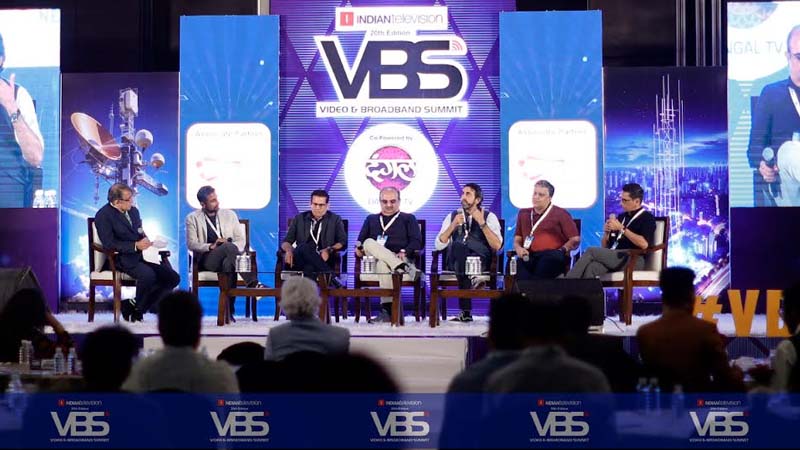
    The video and broadband distribution landscape has not been as vibrant as it is now.. How long will this pot-boiling continue? What will the magic potion of video and broadband look and taste like? And what’s the end game? Indiantelevision.com has held the 20th edition of Video and Broadband Summit better known as VBS at Sahara Star Hotel, Mumbai.

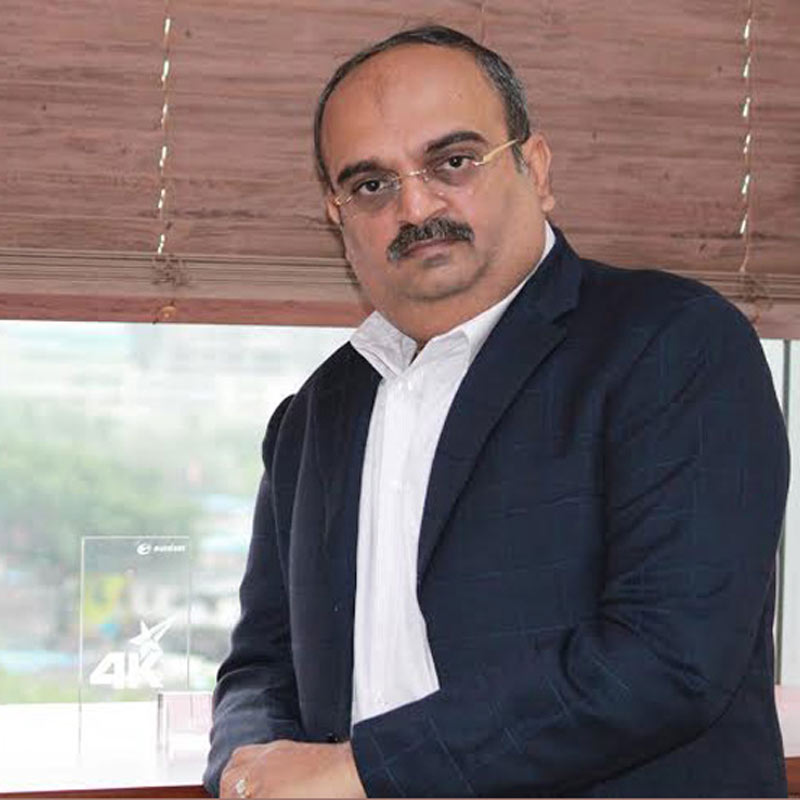
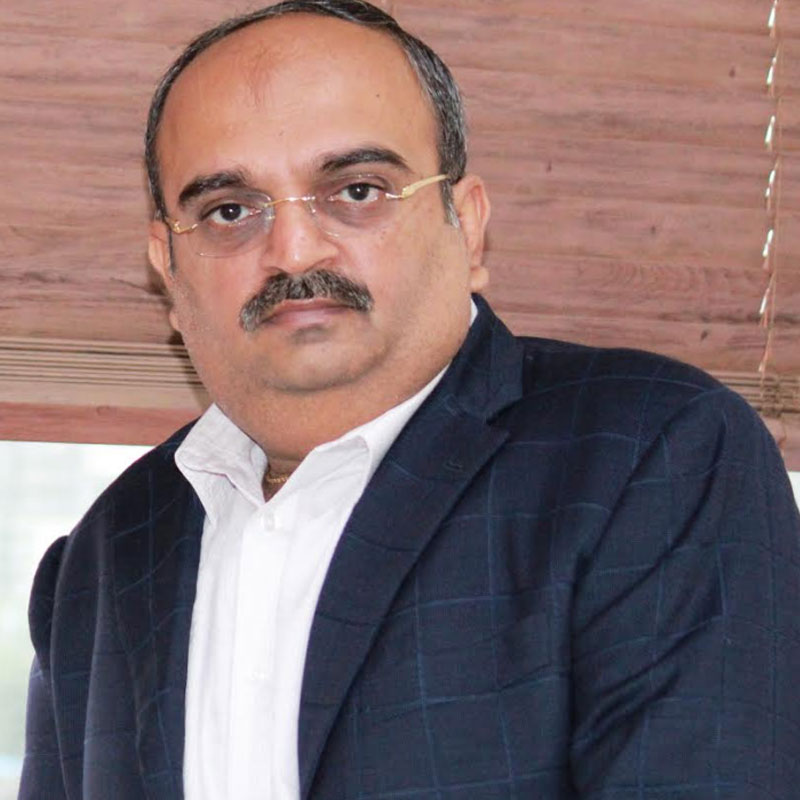
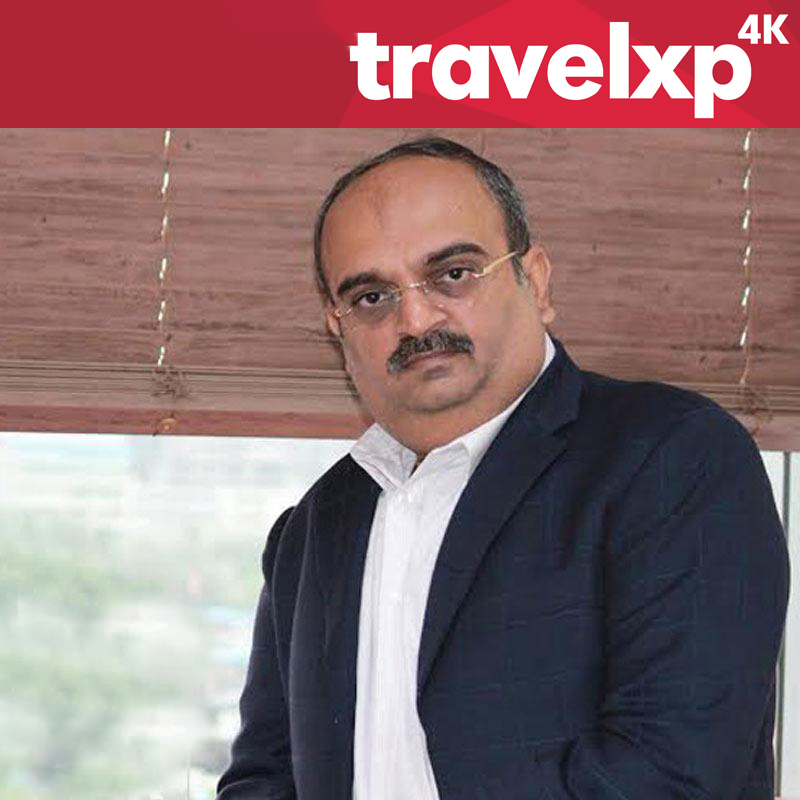
    The session chair for this panel was The Linus Adventures founder & chief evangelist Sunil Lulla along with the panelists: Travelxp co-founder  & CEO Prashant Chothani, DistroScale APAC head Vikas Khanchandani, Jioads CEO Gulshan Verma, Samsung Plus TV head of partnerships Kunal Mehta, Planetcast digital COO Venugopal Iyengar, Amagi SVP (Sales) Jay Ganeson

    Lulla began the session by saying how the marketplace is being built, how highly competitive it has been over the years, and also the emergence of FAST TV.

    To which Iyengar replied, “ The distribution landscape has been changed which we talked about on the morning session options. For media owners, there are hundreds of options which is great news but there is a complexity of how to manage not only distributing your content without too much conflict of interest or conflict of revenue. Secondly, also, how do you create a differentiated proposition for the viewer there’s no point doing a live channel and then you know, which is paid. So those two challenges are, of course, being dealt with by the media owners and the distributors like I was talking about, is really about figuring out how to manage this experience for the user, personalizing it and making it important.”

    Verma said, “ So I think the short answer right now is people want to watch a lot of content, and they want the variety that and they are willing to watch as in exchange for a more variety. And this is not just an Indian phenomenon, because we’re in India, if you look at the US, for example, you take something like Hulu TV, you know, they have two plans.1299 a month with no ads and 799 a month with ads. 95% of users taking seminar time without space. So, they will always be interested in FAST.”

    Khanchandani replied, “A lot of genres are getting pushed out of traditional distribution. So if you look at categories like English movies, and English entertainment, many other categories are feeling the heat. These guys are getting pushed out of traditional distribution. FAST is becoming a great place for them to land. Just allowing them to reach the right audience and build viewership.”

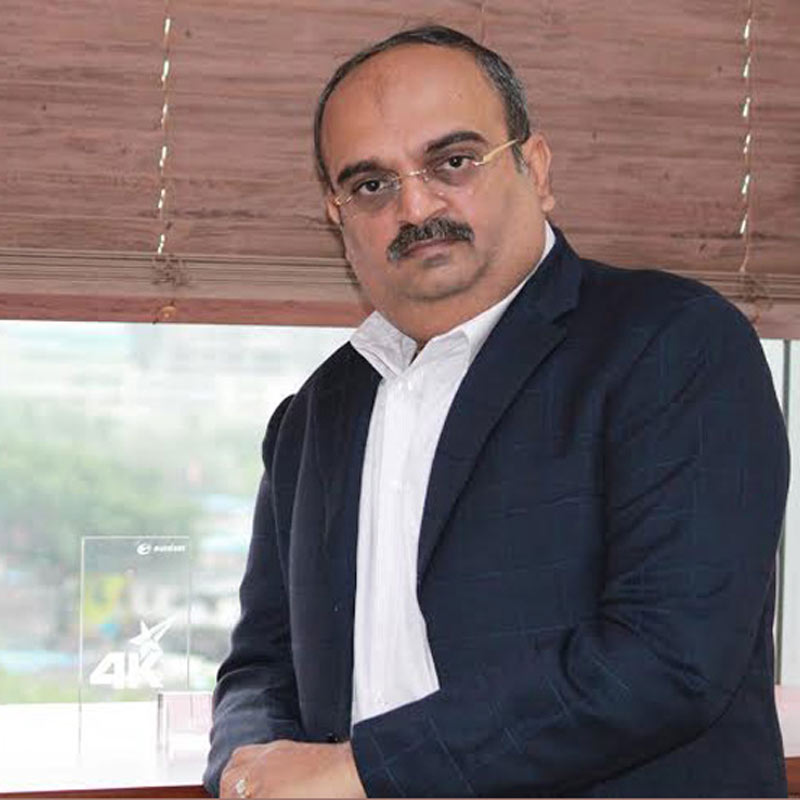
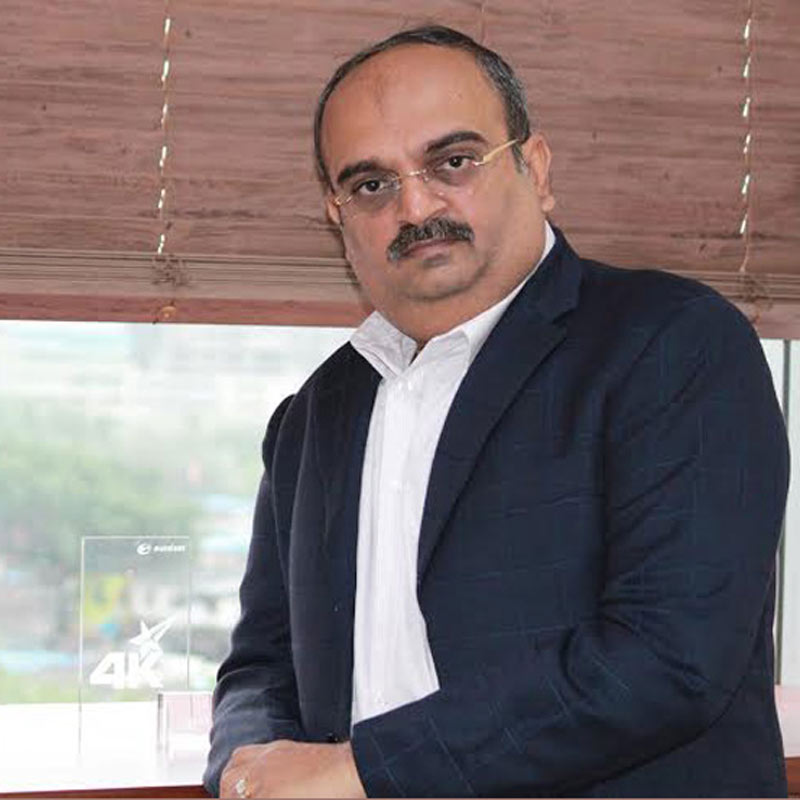
    Chothani said, “Fast helped us to graduate people to go on to pay TV and then get into the spot. So fast is when you say what is fast? It’s DD Free Dish on steroids. Because you can monetize it better. And it’s not that the television advertising budget is going down, the growth has slowed down. So nobody’s going away, everything is going to be there, we need to be a leader. That the key takeaway we understood when in the West when they entered FAST and it’s not that it took away from our pay TV audience or into coming from our OTT offering. So consumer is also consuming as part of certain transitions that the consumer is watching everything everywhere. So it’s not this or that. It’s this and that, and that.”

    Mehta said, “There is a need for other genres also to start, you know, investing in the content investing in FAST. About 80% of my consumers today watch some ad-supported streaming content on our FAST TV. So that just shows you how powerful the medium is whether it be TV plus or YouTube or any other VR OTT application on the platform.”

    Ganesan at the end summed up the by saying, “There are going to be four key players in any strategy from the consumer who’s eventually watching, who’s ready to watch an ad for getting the free content, they see value in FAST because on AVOD there is so much content, you just end up when you have what I have a lean back experience, you just don’t know what to watch what you want to watch.”

  • “We have penetrated globally, and that shows the strength of our content”: Travelxp’s co-founder & CEO Prashant Chothani

    “We have penetrated globally, and that shows the strength of our content”: Travelxp’s co-founder & CEO Prashant Chothani

    Mumbai: Having endured two difficult years due to Covid-19, travel channel Travelxp is now looking at strong growth. Travelxp co-founder & CEO Prashant Chothani said that the broadcaster, which recently launched in Portugal, will also expand its presence in 10 more countries in future. It will also triple the content output compared to pre-Covid. He mentioned that the broadcaster is profitable while noting that content costs have more than doubled, in part due to sharply rising airfares.

    In an interaction with Indiantelevision.com, he said, “We have just launched in Portugal, which is our 81st country and 21st language. We will launch in 10 more countries in the upcoming months. We will soon be introducing a dedicated feed for Latin America. The aim is to enter more markets. We will ramp up our content & production initiatives to make up for the time that we lost due to Covid-19. As you know, we are a travel channel and nobody could travel. So, producing travel content was impossible. That was the biggest drawback. Now we are ramping up content production like never before. The aim is to cater to the accelerated market growth and demand.” 

    Growing during Covid-19: In India, the channel is produced in English and then dubbed into Hindi, Bengali, and Tamil. More Indian languages will come by the end of the year or the beginning of next year. “We will launch at least three to four new languages in India.” He maintains that the channel is profitable. 

    He added, “Even during Covid-19, our subscription revenues almost doubled worldwide. 95 per cent of our revenues come from subscriptions. During Covid-19 we did several distribution deals. People were sitting at home and viewing the world. We have almost grown two times. India was stagnant. 95 per cent of our revenues come from subscriptions. We are largely a subscription-driven business globally. Advertising is something that we introduced recently.”

    “Audiences’ minds are open when they watch us, and they are in a great mood to receive advertiser messages. The communication impact is much higher. People are in a happy state of mind when they watch us. We have very high-end advertisers who value the kind of audience that we bring. The plan going forward is to ramp up marketing initiatives, affiliate marketing initiatives, and work with platforms around the world. Viewers will be updated on the content being produced,” Chothani said.

    Content costs: He noted that the content production costs have at least doubled and, in some cases, have tripled. The cost of travel has shot up. “The flight that earlier cost Rs 40,000 now costs Rs 1,20,000. Also, content production costs are at an all-time high. But at the same time, we will produce three times the amount of content compared to pre-Covid. We have to do justice to the platforms that we are present on. We have to showcase not only good but the best quality content.”

    Distribution: He maintains that not being part of a distribution network is not an issue. Today, he said, with the NTO (new tariff order), Trai wants to de-bundle. Success, he maintains, is about a channel’s USP and not being part of a network. “Nobody produces the kind of content that we do. We have penetrated globally, and that shows the strength of our content. We talk to mainstream audiences in various countries. In India too, there is an advantage. It all does not boil down to the network. That is irrelevant if the content is bad. If the content is good, anybody can sell it.” He added that NTO will keep on evolving. “People have different views on it. It is confusing. Where it will go, there is no clarity. It is caught between regulation and litigation. There is also no clarity between linear and non-linear as the latter is not regulated.”

    “The distribution platforms have been impacted more. People work around it, which means that you adjust your business plans. There is both a B2B2C and D2C business. It depends on where you are and how you are being impacted. I think that DD Freedish may be a bigger issue for some broadcasters and platforms than the NTO. With changing times, channels have to change. If viewership is falling for a channel, then the programming strategy for that channel may not be correct. Or in the case of a platform, maybe the platform does not have the channel that subscribers want. It is not that viewership per se is falling. It is just that viewers have gone elsewhere. For us, we are happy with the viewership.”

    At the same time, he also noted that distribution platforms have to make an effort to educate consumers about the content available on various channels. In a B2B2C, the B in the middle has to properly market to the C at the end. “There has to be the proper focus between both the Bs to reach out to the C.”

    Content strategy: In terms of shows on Travelxp, he said that they are about the destination, food, culture, history, and heritage. The aim is to have the travel experience percolate into the viewer’s mind. “It is about having travel content that is informative, well researched, and produced with the highest production quality. This makes the difference. It is not a fiction show where you have to think of new stories. We have to ideate new ways of experiential travel that can be introduced and what new destinations in the content line-up can be showcased. Till now, we have filmed in 65 odd countries. There are always new ways of presenting content and presenting a destination. Each piece of content is unique. It is completely different.”

    Shedding light on the amount of time it takes to produce a show, he said, “It takes nine to 10 months to create a show of two to three hours. Research takes two months at least. One month is spent on pre-production, getting the required permissions, etc. One to 1.5 months is spent on production. Then two months are devoted to post-production in terms of things like colouring, grading, etc. It is like making a movie. We will make a movie about that destination. You cannot go wrong when it comes to research. It is not like filming for a social media platform. You cannot take away from what they are doing, but the audience there consumes it for fun.”

    “People consume us for information, knowledge, entertainment, and infotainment. People come to us. On social media, travel content comes to you. It is content that comes by the way. People, on the other hand, watch Travelxp by appointment,” he explained.

    The travel scenario: He noted that right now there is a huge boom in travel and it is about revenge travel. But he also explains that things will be moderated in a few months. He does not think that Covid-19 and monkeypox will be a challenge. People, he noted today, do not care about it. “I don’t think people are even bothered about them. Nobody is withdrawing from travel due to any threat. Unless something dramatic happens, there will be no impact,” he said.

    The potential inflation impact: He does, however, concede that inflation is a challenge. The challenge will be seen months down the line. That is because people plan their travels slightly in advance. So the inflation impact on travel will come up pretty late. There is a time lag. He noted, “The cause and effect time lag will be there, and at the same time, revenge travel will settle down. Between 3-6 months, you will see revenge travel moderately. Things will become real.”

    “Inflationary pressures will add to the travel impact. There will be a scale down from the travel levels that are being seen now. This is a temporary travel boom being seen now. My hope, though, is that more and more people will want to travel now, which will be very good for us and other travel stakeholders. Earlier, travel was a luxury. Now people view travel as a necessity.”

    Travelxp, he added, also plays the role of a memory re-collector for viewers who have visited a destination that is being showcased. “It is also a great infotainment entertainer. You want informational content that gives you relief from the pressure of the inflationary times that we live in. Viewers get refreshed and inspired by our content. Viewers relive memories with us. People remember our content for a long, long time.”

    The challenge: Right now, the challenge for the travel industry is that the stakeholders, like airports, are struggling to cope with the huge demand. “Fares are exorbitantly high; airports and hotels are facing financial pressure. Revenge travel is happening. People just want to travel. We are exploring new destinations. We are also revisiting destinations that we have covered in the past, and we aim to show viewers how they can explore the same destination in a new way. Our job is to excite travellers,” he said.

    Being about the big screen: On digital, Travelxp has an app which was launched in the previous quarter. But he stressed that content created is meant to be watched on the television set, not on the mobile. That is why features like augmented reality will not play a role in Travelxp.

    “Travelxp is a big-screen television experience. We are not producing content for mobile phones. There you fight with the likes of Youtube and Instagram, where user-generated content comes into play. Television cannot work for augmented reality. Even on non-linear apps, everything has shifted to the television set.”

    He also noted that it is a false statement that content viewership is migrating from TV to OTT. People are also taking OTT and are also watching linear TV. It remains to be seen if OTT growth remains high. The base was low, he explains. In the long run, the current distribution platforms like Tata Play and Hathway will offer an aggregated offering of linear and non-linear. The aggregator model also has a role in Travelxp’s distribution plans, he explains. “The future will see everything available. You can buy an app on a standalone basis and also through the aggregator route, where both TV channels and OTT apps are available in one place.”

  • The challenge of DD FreeDish and new tariff order for DPOs

    The challenge of DD FreeDish and new tariff order for DPOs

    GOA: With the emergence of a large number of OTT platforms and cord-cutting phenomenon globally, the future of pay-TV has often been questioned. The talk of the town seems to be about the how pay-TV industry will continue to thrive in such an environment. Moreover, the new tariff order (NTO) in India is also set to overhaul the entire value chain, leading to some uncertainty.

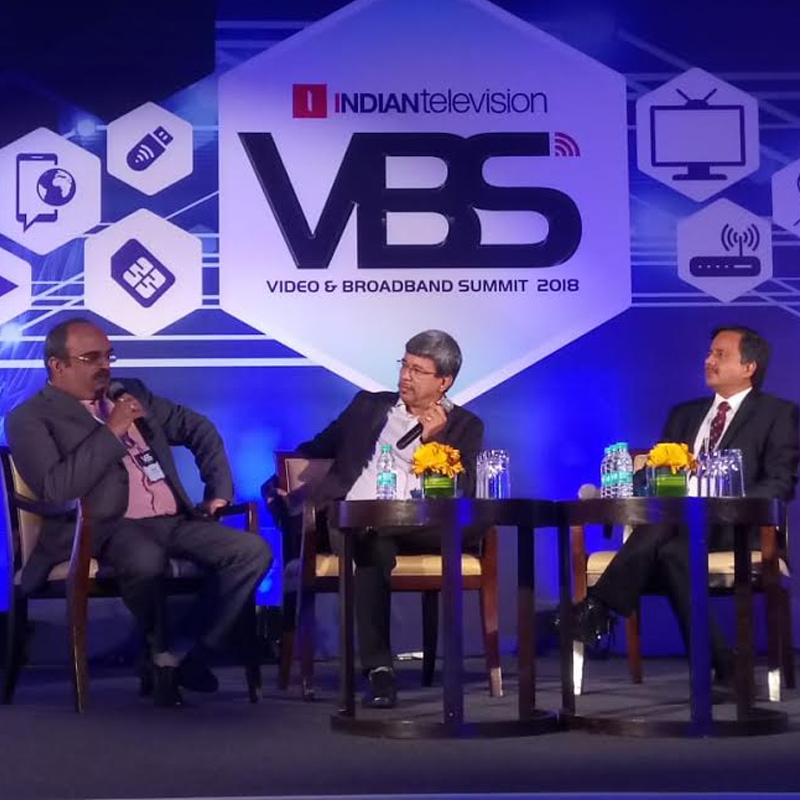
    Against this backdrop, Video and Broadband Summit 2018 held an intense discussion on the “future of pay TV in India”. Travelxp CEO Prashant Chothani and Doordarshan additional director general Sunil participated in the session which was moderated by Indiantelevision.com founder and CEO Anil Wanvari. The session had viewpoints from two entirely different players as Chothani provides a niche premium offering to viewers, while Sunil is responsible for public service which caters to the masses.

    Travelxp works on a B2B2C model despite having 100 per cent original content. Chothani, who is very passionate about linear TV, does not share his content with any OTT platform other than Netflix in North America. He thinks it is extremely crucial to protect linear business as much as possible.

    Chothani, talking about the NTO, said that DPOs are in existential crisis. He thinks DD FreeDish is the biggest challenge for distribution platform operators (DPOs) as the former offers over 100 free to air channels to consumers for free and the latter has to charge Rs 130 for the same as per the NTO.

    “FreeDish is your biggest competitor. Where do you think these 30 or 40 million homes have come from? They go to a large part of north India, UP, Bihar and lot many other markets, where the customer is not willing to pay even Rs 99. There comes the cord cutting in favour of DD FreeDish because this population is satisfied whatever channels come to them for free,” he commented.

    While there are already technological disruptors like Hotstar, Netflix, Amazon threatening linear TV’s growth, consumers, who don’t wish to pay for the channels, can turn to DD FreeDish, said Sunil endorsing Chothani’s view.  

    From the audience, Doordarshan director general Supriya Sahu added that DD FreeDish is not only used by a marginal section of the society but the service is quickly evolving as an alternative option which clearly indicates that it could be a potential threat for DPOs.

    When asked if DD FreeDish would partner with broadcasters, Sunil said he was open to the idea of collaboration. Rather than making money, the pubcaster’s aim is to let the system grow, he said.

    “We have to work on a business model on that front and it is very difficult to answer this question at this point of time because the call has to be taken by the government. But yes cable operators and broadcasters are a part of this system. They are always welcome to partner with us,” he added later.

    He also thinks NTO will be a big game changer as the difference in price between small LCOs and bigger ones has been taken away by TRAI regulations. He also believes that the future of pay-TV is threatened by TRAI regulations. Customers will watch what they want, where they want and when they want and will only pay for that purchase, he added.

    Chothani also added that India is a very price sensitive market. Even in Serbia where currency value is weaker than India’s, Coke is priced the same as in Germany but in India, it is offered at a much cheaper rate. This nature does not fade away when it comes to entertainment.

    “We content creators got greedy. We thought why would you pay 50-60 per cent money with DPOs and do B2B2C business why not B2C. If you see RIOs of some broadcasters, you will see their B2C offering subscription on their apps is cheaper than they are giving to LCOs or DPOs. Why? Because OTT apps are not regulated,” said Chothani.

    “So, this regulation is also going to take away a lot of customers from traditional DPOs unless they play smart. Broadcasters have been playing this game for too long and will keep on playing for times to come. But DPOs need to rethink now. This is a golden opportunity for them. So, they need to get behind and think how they can make consumers pay for content while DD FreeDish is offering so many channels for free,” he added.

    The experts believe that though the future of pay-TV has a few challenges, the NTO offers opportunities to restructure the industry and make the business profitable for all.

  • Travelxp to launch in Canada

    Travelxp to launch in Canada

    MUMBAI: Travelxp, the lifestyle channel network with 100 per cent original production, is set to launch Travelxp 4K in Canada from 26 July 2018 on Telus Optik TV platform.

    Travelxp CEO Prashant Chothani said, “Canada is a large and important market with a highly evolved audience which is known to be amongst the largest spenders on international travel. We hope to add to their wanderlust with our unique, exclusive, premium and 100 per cent originally-produced travel content presented in 4K HDR quality for an unmatched experience.”

    The network launched in Singapore on the StarHub network and before that, in end-April, Travelxp had launched on UK’s largest platform Freeview too.

    Vivicast Media president Stuart Smitherman said, “Through the network’s new partnership with TELUS Optik TV subscribers can view Travelxp 4K’s content in full 4K High Dynamic Range for a viewing experience that is truly unmatched.”

  • The era of regional music dawns in India

    The era of regional music dawns in India

    MUMBAI: From Guru Randhawa dominating music charts or DJs belting out Zingaat , one thing’s for sure – the wave of regional music has well and truly arrived in India. No wonder, making headway into the Indian regional market seems to be every broadcasters latest target.

    The overall music genre on Indian television has been an under-indexed genre (in terms of advertising revenues) for a very long time. The genre commands a mere three to four per cent of the total TV advertising revenue against a six to seven per cent it contributes to the total TV viewership impressions. While ITV network recently launched a Punjabi music channel, the regional music space in general is yet to pick up pace in terms of its business.

    Times Music COO Mandar Thakur says the regional space is massive and growing, attributing 20-23 per cent odd share to it. He adds that audiences prefer Punjabi, Telegu, Tamil, Bhojpuri, Bengali and Oriya music. “Some languages are developing like Marathi etc.,” he said.

    Commenting on the same, Travelxp CEO Prashant Chothani, who has Bengali, Bhojpuri and Marathi music channels under his company’s umbrella, says “South music channels are also strong, wherein if you see in North, Bengali and Marathi languages are very prominent. As you know, we have a Bhojpuri music channel as well, so the Bhojpuri audience is scattered everywhere like in Mumbai, Punjab, Gujarat and all over India.”

    According to the media reports, Network18, COO, Avinash Kaul said that regional is dominating the entire space. “We have around 270 regional channels out of 500 channels overall in BARC. The regional viewership is higher than the Hindi viewership and has a market share of 47 per cent. General entertainment channels (GEC) being the biggest attraction, regional GECs have 30 per cent more viewership than Hindi GECs. If we take a look at the advertisers, the regional market has seen an increase of 20 per cent in the last two years and around 3500 advertisers are exclusive to the regional market.”

    When it comes to the preference of Indian audiences towards regional music over Hindi music channels, choices and topicality matter a great deal.

    Chothani feels one cannot compare two markets. He says, “If you look at Bengali and ask whether or not Bengali music channel is doing well in comparison to GEC, the answer is yes. Is the Marathi music channel doing well in comparison to Marathi gec? The answer is yes.”
    According to him if the regional and film industry is active, the local culture will be intact.

    He further adds, “For example, there is no Guajarati music channel, we know that it took time to start, it has just been a while that it started to make movies, but there are no known singers in Guajarati market. Moreover, audiences have a mindset; they consume more of Hindi music rather than Gujarati music, whereas in other regional markets such as Bengali, they want to consume content of their language, so in HSM market there are 3-4 languages where there is an affinity that I want to consume content of my language in preference to Hindi.”  

    Given the influence of digital platforms these days, Thakur says everything works on a smart phone and competes with it. “It’s about the future of music TV v/s Internet / mobile streaming of video: not about regional channels v/s the smart phone”.

    Chothani feels linear TV is where you push your content to the consumers, whereas OTT is a place where audience will pull content. “A consumer goes to the app and finds the content, but how does he come to know about it? You will see traction on digital once you have consumed that content on television. If you go by BARC data, linear tv content consumption is also increasing. If both OTT and TV consumption is growing, it is good for the business,” he says

    Talking about the sustainability of the music genre, Sri Adhikari Brothers (SAB) group CEO Manav Dhanda, who has ‘Mailboli’, a Marathi music channel under his company’s umbrella, has said in the past that his regional channels are growing at 18-19 per cent and HSM is growing at about 14-15 per cent. “I don’t see sustainability to be a problem in the genre. It is about being a serious player. Rather, this is a low entry and high yield genre.”

    The regional music industry has been under-indexed in terms of advertising revenues.
    “The 10-sec ad rate falls in the range of Rs 100 to 1000 Rs. It depends on the popularity of channel. Regional music channel is actually very under priced, if you look at advertising rates, they are severely under priced,” a media expert informs us.

    The regional music space does seem to have a wide scope for growth. But, considering the influence of digital platforms these days, it would be interesting to observe how music channels in general will compete in a tricky market place. 

    Also Read:

    Is it the end of the road for anime in India?

    ‘Bigg Boss’ holds appeal across languages: Viacom18’s Ravish Kumar

    Will launch two OTTs before end of this year: Discovery India’s Karan Bajaj

  • Travelxp trains focus on production

    Travelxp trains focus on production

    MUMBAI: Travelxp has made its first big international landing. Come 30 April, it will launch in the UK through the popular Freeview platform. This will be driven by Travelxp Europe MD Sumant Bahl who also leads Travelxp UK from its Greater London office. The network plans to strengthen its content capability by setting up its production houses first in the UK and subsequently in Eastern Europe and thereafter in the Americas. Travelxp CEO Prashant Chotani said that the UK production house would serve as the hub for western, central and eastern Europe within the next four to five months.

    The channel has gone free-to-air in the UK while in every other territory, including India, Travelxp is a pay-TV channel. The company claims to have sold 100 per cent of its ad inventory for its UK channel.

    Travelxp is relayed in local languages in countries such as the UK, Germany, Czech Republic, Slovenia, Serbia, Croatia and Bulgaria. The channel also has Hindi, Tamil and Bengali feeds in India. It will get into more Indian languages, including Marathi, Telugu, Malayalam and Kannada, soon. France, Switzerland, Spain, Portugal, Poland, Hungary and Austria are also in the pipeline for launch.

    The channel has made aggressive marketing plans targeting the large mainstream audience in the UK with TV campaigns on mainstream television and digital billboard screens across the UK on buses, the underground, and on social media, amongst other initiatives.

    The network, which owns the IP for its content, has a digital platform in the works and details will be out by the year end.

    “We are confident that our popular, premium travel-related entertainment and infotainment-driven content will connect with close to 16 million Freeview subscribers all over the UK. Every television manufactured in the UK after 2008 includes an inbuilt Freeview tuner that enables it to receive channels from Freeview, which is operated by DTV Services Ltd, a joint venture between the BBC, ITV, Channel 4, Sky and transmitter operator Arqiva,” Chotani said.

    With end-to-end in-house infrastructure of the latest technology and equipment, Travelxp’s lean crew teams produce programming in line with global standards. Only last week, it announced the launch of two new shows, Thali–The Great Indian Meal and City Breaks’ Uzbekistan series in seven global and three Indian languages.

    The UK content will include the channel’s six main categories of destination, lifestyle, food, culture, nature and heritage.

    Also Read :

    History TV18 focuses on relatable local content

    Cartoon Network HD+ adds Tamil, Telugu feeds

    Sony Yay banks on originals with a slew of fresh content

  • Travelxp launches on T-2 platform in Slovenia

    Travelxp launches on T-2 platform in Slovenia

    MUMBAI: Travelxp, the travel genre channel has launched in yet another international market. With its latest launch in Slovenia, Travelxp has opened a window to the world for the viewers of Slovenia through the T-2 platform. Travelxp HD will be available with 100 per cent localisation in Slovenian language and brings premium travel and lifestyle programming filmed in over 50 countries across the globe to Slovenian homes.

    The T-2 platform is among the first ISPs to offer VDSL and over own FTTH network triple play services in Slovenia. With the launch, Travelxp is now present in 75 million TV homes through multiple leading platforms across the world.

    Travelxp CEO Prashant Chothani said, “Travelxp now reaches 75 million TV homes across the world through leading platforms. It is a matter of immense satisfaction that withinseven short years of its launch, Travelxp has become the leading travel channel brand across the world, dedicated to producing top class, contemporary travel content that forges memorable experiences for viewers and travellers globally.”

    Travelxp offers 100 per cent originally-produced premium travel and lifestyle programming with a classic mix of path-breaking travel and lifestyle content in high definition and 4K. With travel content filmed in more than 50 countries across the world with multicultural hosts from all over, Travelxp brings to the audiences a never seen before experience of traveling from their homes. It brings the world closer than ever to viewers, who love the extraordinary images, in-depth research and the captivating narration that together create the world’s most loved premium travel content created and broadcast on Travelxp channels worldwide.

    T-2 content acquisition manager Svetlana Manojlovic said, “We are the first Slovenian operator who offered to our users Travelxp channel, which is very welcomed by users who are excited about traveling around the world and like to fill their leisure time to see unexplored destinations around the world.

    Not only, they will be able to enjoy many documentary content in HD resolution, we are proud that this month, as the first in Slovenia, we will also offer this program in 4K technology to our users. It provides a user-friendly viewing experience with flawless resolution and full color. Namely, we are the first Slovenian operator to announce the introduction of 4K TVs and TV programs in 4K resolution. This confirms our long-term commitment, to ensure the quality and popular content of various genres and upgrade the user experience of our users. At T-2, we will continue our efforts to maintain the reputation of the operator with the most satisfied users with the help of partners such as Travelxp and develop into a market leader with the best quality products and services.”

    “Travelxp is already a loved and prominent channel in the Bulgarian, Croatian, Serbian and Czech languages,” Chothani said, adding, “Slovenian is the fifth language of the CEE Region that Travelxp is now available in. We are the single largest producers of travel content in the world with unmatched quality and experience and will continue to take our premium travel content filmed in HD and UHD to delight travel aficionados in more and more countries and regions worldwide. Our aim is to leave a mark on the world with first-rate and unparalleled programming that will resonate with travelers all around the globe.”

  • Travelxp HD inks distribution agreement with M7 Group

    Travelxp HD inks distribution agreement with M7 Group

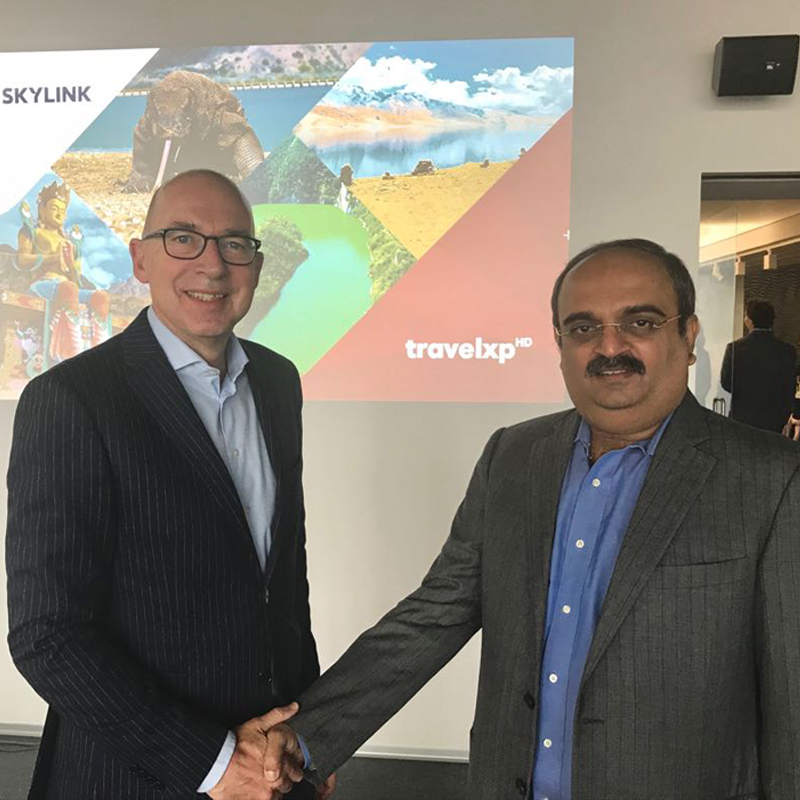
    MUMBAI: From 5 February onwards, M7 Group, one of Europe’s pay TV providers, will add Travelxp HD to its channel line-up for its pay-TV bouquets Skylink (Czech Republic and Slovakia), Canal Digital and Online.nl (Netherlands) and TV Vlaanderen (Belgium). The channel will be available 24/7 in HD.

    Travelxp HD features travel and lifestyle programming from over 45 countries across the globe. The content is 100 per cent originally-produced. While the channel is available with English voice-over, Travelxp HD will be fully localised in the Czech language. Dutch subtitling will be added over time.

    Travelxp HD CEO Prashant Chothani said, “We are committed to reach out to every potential traveler around the globe. We are therefore quite excited about our agreement with a European key player like M7 Group, allowing us to substantially boost our viewership in various important European markets.”

    In addition to being distributed via satellite and IPTV, the channel will also be available via the various M7 Live TV apps, allowing for the viewing of Travelxp HD via multiple mobile devices. 

    M7 Group VP business development Bill Wijdeveld said, “With the launch of Travelxp HD we are meeting subscriber demand for a channel that is fully dedicated to the world of travel. The channel has already proven its added value in other parts of the world and we look forward to a fruitful cooperation in our various European markets.”

    As part of the new agreement, M7 Platform Services will arrange for the safe and secure technical delivery of Travelxp HD to third party operators within the Europe-wide ASTRA 23.5 degrees east footprint coverage.

    Also Read:

    Travelxp’s Prashant Chothani’s 4K HDR TV global mission

    Travelxp and Prashant Chothani’s  4K drive

  • Travelxp localises for Slovakia & Czech Republic

    Travelxp localises for Slovakia & Czech Republic

    MUMBAI: Travelxp opens a window to the world for the viewers of Slovakia and Czech Republic, through its fully localised launch on Slovak Telekom. The channel’s foray into Slovak is a very important step for the channel as it further expands its reach, strengthening its foothold in the Central Eastern European (CEE) region. This is the third language after Serbian & Croatian in which Travelxp is fully localised apart from the primary English feed.

    With travel content filmed in more than 40 countries across the world with multicultural hosts from all over, Travelxp brings to the audience a never-before-seen experience of travelling from their homes.

    “After localising the Travelxp service in the Czech language, our endeavour is to gradually showcase more content originating out of Slovakia and Czech Republic. Taking local content globally and getting global content locally is the core philosophy of Travelxp. We would be working with independent content producers in the region to have the local perspective as diversity of content is key to Travelxp’s offering,” said Travelxp Europe director Sumant Bahl.

    The channel offers 100 per cent originally-produced premium travel. Lifestyle programming is being distributed to over a 50 million homes globally, with a classic mix of path-breaking travel and lifestyle content in High Definition and 4K.

    Slovak Telekom marketing expert Andrej Miklanek said, “Telekom traditionally brings high-quality family and sports content to its customers. Enhancing the portfolio with Travelxp is another boost to the quality and attractiveness of our TV services.”
    The channel has selected HEVC encoding with 10 bits os colour depth (one billion colours), at 50 frames per second.

    It broadcasts in 10 bits REC 2020 colour space using the new HDR (high dynamic range) standard developed by the BBC and NHK that creates richer and more dynamic images by increasing the contrast ratio between the lightest and darkest areas of the screen and expanding the volume of colours displayed. This standard uses HLG (hybrid log-gamma) technology, enabling legacy standard dynamic (SDR) displays to decode the HDR standard.

    Travelxp IFC Media MD Jozef Pipek said, “Our next goal is to develop also Travelxp 4K which can bring to audience unforgettable travel experiences in the highest picture quality”

  • Travelxp’s Prashant Chothani’s 4K HDR TV global mission

    Travelxp’s Prashant Chothani’s 4K HDR TV global mission

    MUMBAI: Prashant Chothani is probably India’s most underrated TV professional and entrepreneur.  The 49-year-old founder of the infotainment channel Travelxp looks more like a typical Kutchi baniya businessman probably involved in the commodities trade. But, Chothani is actually a wiz at all things tech, all things high definition and all things Ultra HD.

    He has been beating a pioneering 4K or UHD HDR (ultra high definition – High Dynamic Range) trail globally. In the process, he’s been getting oodles of accolades worldwide — at almost every 4K gathering  – apart from his home country, India, where almost everyone scoffs at what they call a technology which is years away. Especially considering the rickety cable TV infrastructure that distributes television channels to more than 100 million homes. Chothani is the only Indian who has been co-opted on the Global Ultra HD Forum, which is the organisation responsible for setting standards for the format.

    Since a prophet is respected but in his own home, Chothani has been pushing his Travelxp 4K HDR channel globally. And he’s got a big supporter in the world’s top two satellite operators – SES and Eutelsat – who have been goading him to spread his tentacles even further. Says he: “SES and Eutelsat have been going all out to promote the 4K ecosystem. We have partnered with them for our launches.”

    Earlier this year, he rolled out Travelxp 4K – the world’s first 4K HDR travel channel – in the US with the help of the satellite company SES. The greatest potential is, of course, in Uncle Sam, where operators serving close to 30 million TV homes are currently testing 4K delivery.

    “Operators are hungry for 4K HDR channels. There’s a lot of demand, but limited supply. And, they are awaiting 4K boxes,” says Chothani. “Subscribers are already signing on, as we have signed distribution deals with three small to medium-sized operators.”

    On 1 October, Travelxp 4K HDR  was officially launched in Europe off Eutelsat’s Hotbird 13E.

    Says Chothani: “The majority of operators are planning to launch 4K services in the next six months, and they were waiting for a HDR channel. That is where we come in. The operators will now start testing and sampling it.”

    Hotbird’s market-leading penetration in cable and IPTV networks across Europe, the Middle East and North Africa, gives it a wide footprint to get Travelxp the widest coverage. There are plans to widen it even further by taking the channel to APAC and Latin America in the next few months.  To date, Chothani’s company Media WorldWide has a clutch of 10 channels under its belt. 

    At the time of writing Chothani was in Russia, exploring a distribution deal for Putin’s land, and he chatted with Indiantelevision.com over Whatsapp.

    Travelxp 4K has close to 50 hours of 4K HDR content –arguably the largest library globally. “It costs close to $500,000 to produce a good hour of 4K HDR content,” he says. “If you dig for gold, how much you spend to get it is your creativity. But, the market price is what you get when you sell the gold.”

    To get more value out of the content, Chothani has dubbed the Travelxp HD and 4K HDR content filmed all over the world with multicultural hosts in several languages. The programmes are currently available in English, Spanish, Italian, Polish, Serbian, Croatian, Czech and Dutch, and more languages are slated to follow suit.

    The channel has selected HEVC encoding with 10 bits of colour depth (one billion colours), at 50 frames per second. It broadcasts in 10 bits REC 2020 colour space using the new HDR (high dynamic range) standard developed by the BBC and NHK that creates richer and more dynamic images by increasing the contrast ratio between the lightest and darkest areas of the screen and expanding the volume of colours displayed. This standard uses HLG (hybrid log-gamma) technology, enabling legacy standard dynamic (SDR) displays to decode the HDR standard.

    While Chothani has a long way to go with Travelxp 4K HDR, his HD channel has travelled a lot, and is available in around 50 million homes globally.

    “There are other launches planned for the HD service,” he says with a gleam in his eyes. “Very soon. Very soon.  We will be in about 100 million homes in SD and HD worldwide by end-2018.”

    He adds: “We were amongst the first to launch HD programming in India. Now, we are amongst the first in 4K HDR in the world when HD is on its way down worldwide. A year down the line when UHD HDR will have taken root globally, Travelxp 4K will be in every 4K basic packs of most operators by virtue of it being the first mover and because of the quality of HDR content.”

    Chothani would like to make an appeal to the regulator and the TV industry in India.

    “The first round of digitisation of cable TV saw some plain vanilla set-top boxes being brought in to meet deadlines,” he says. “Now, planning for 4K HDR needs to be borne in mind when set-top box standards are drawn up. It requires very little extra investment in hardware and software. This will prevent regrets in the future. I would like Indians to enjoy the experience of 4K HDR from an Indian TV channel provider. ”

    Clearly, this is a man for whom 4K HDR is not just a business,  it is a passion. And, that is the first ingredient needed to achieve success.

    Also Read :

    Travelxp becomes first travel channel to launch in 4K on SES-1 satellite

    Travelxp’s Prashant Chothani’s 4K HDR TV global mission

    Travelxp to launch new Tamil channel; 4K feed before Feb  

    Lifestyle genre: Travel XP HD enters & NDTV Good Times exits Top 5 list in Wk 29

    July: 2 Viacom & 3 south channels among 9 permitted, far short of MIB’s March target