Tag: Prakash Javadekar

  • A confluence of influential voices: India Today Telangana Roundtable 2023

    A confluence of influential voices: India Today Telangana Roundtable 2023

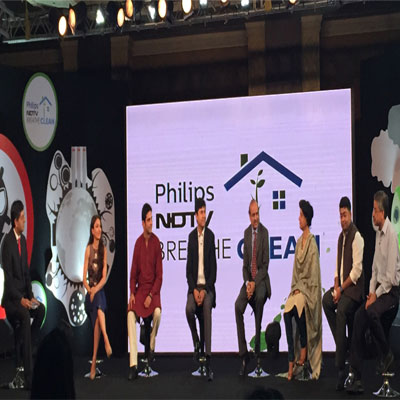
    Mumbai: The India Today Telangana Roundtable 2023 scheduled for 8 November, will host a distinguished array of luminaries drawn from the political landscape as notable voices from across parties join comprehensive discussions on various subjects of national and regional significance.

    Organised by the India Today Group, a media conglomerate renowned for its trustworthiness, credibility, and excellence in journalism, this prestigious event promises to serve as a platform for an in-depth examination of the current political scenario in Telangana and the critical issues facing the state in the lead-up to the upcoming elections.

    The event is expected to bring together notable figures from the political landscape, including Indian National Congress president Mallikarjun Kharge, Bharat Rashtra Samithi working president and minister for Municipal Administration & Urban Development, Industry & Commerce, ITE&C in the Telangana Government – K.T. Rama Rao, Telangana Congress – campaign committee chairman – Madhu Goud Yaskhi, BJP Telangana MLA and chairman of the Election Management Committee Etela Rajender, BRS MLA Guvvala Balaraju.

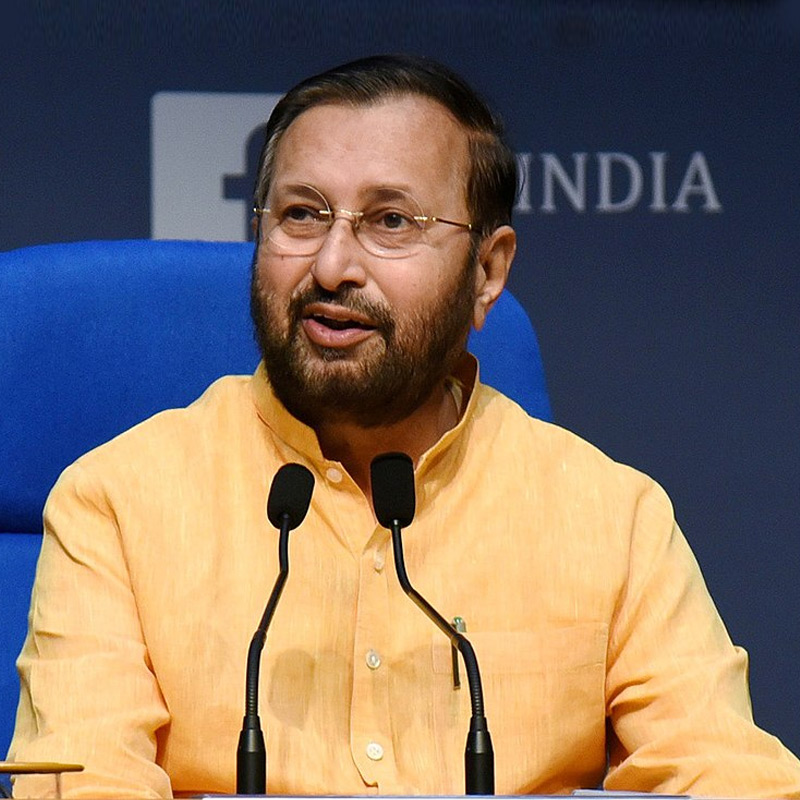
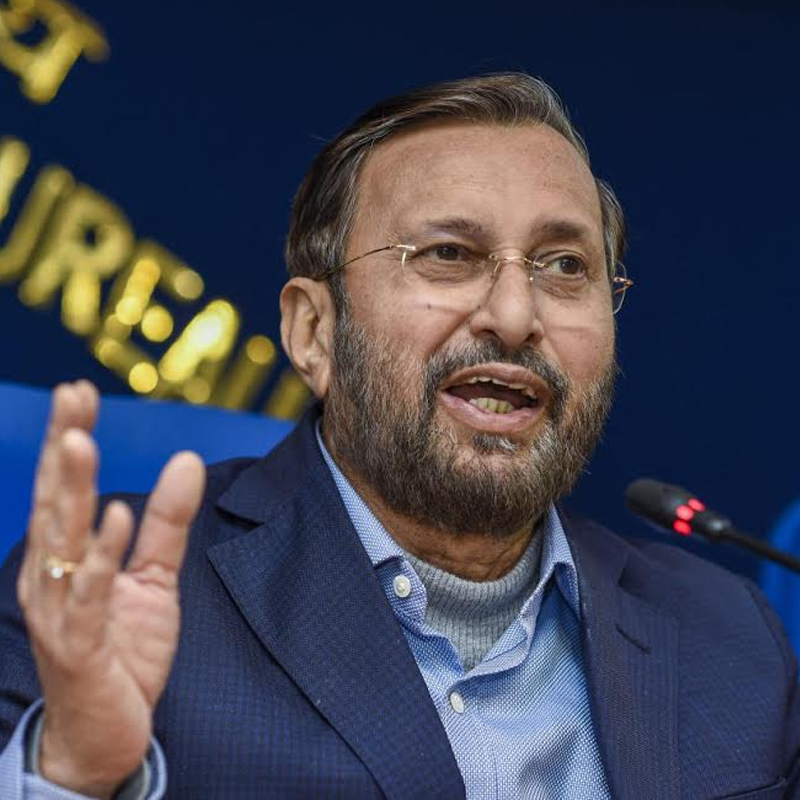
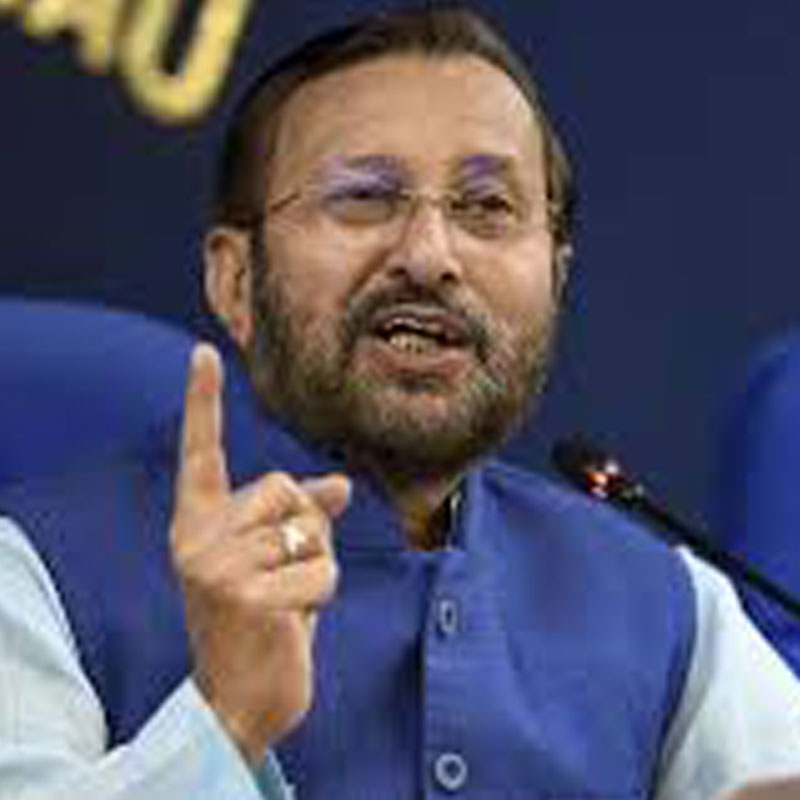
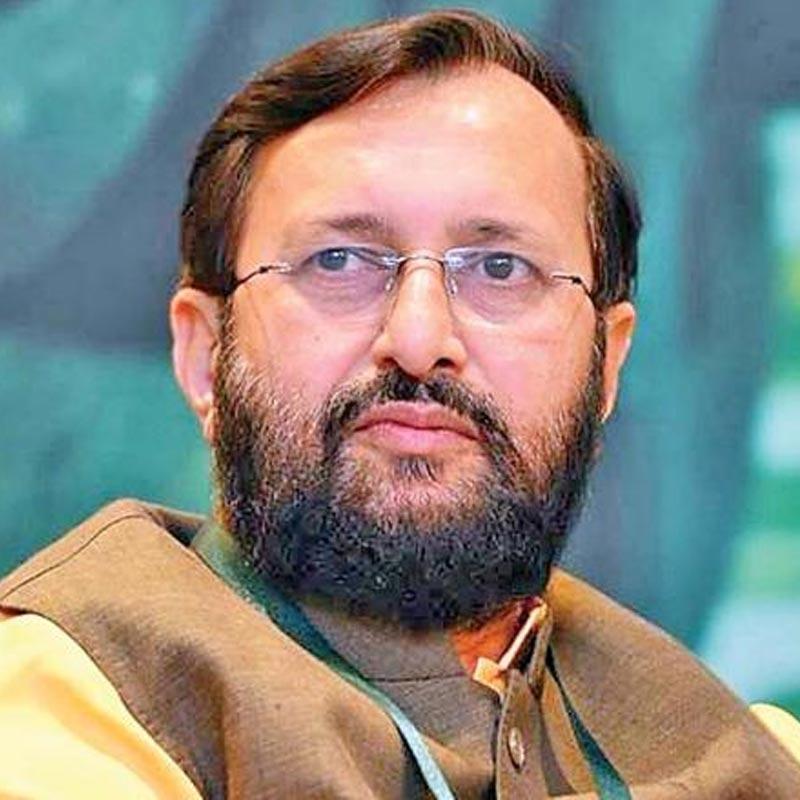
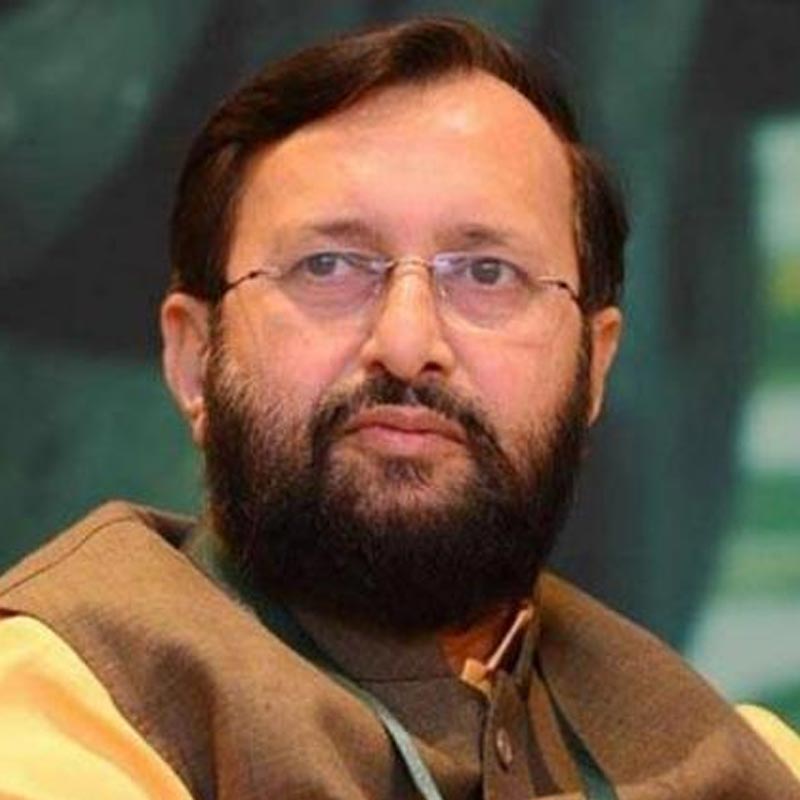
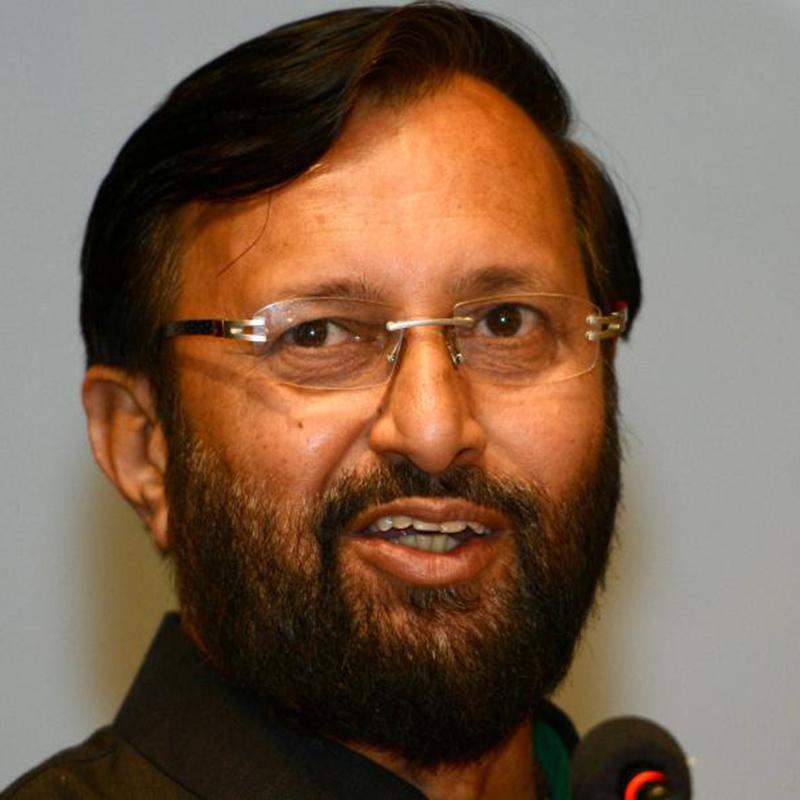
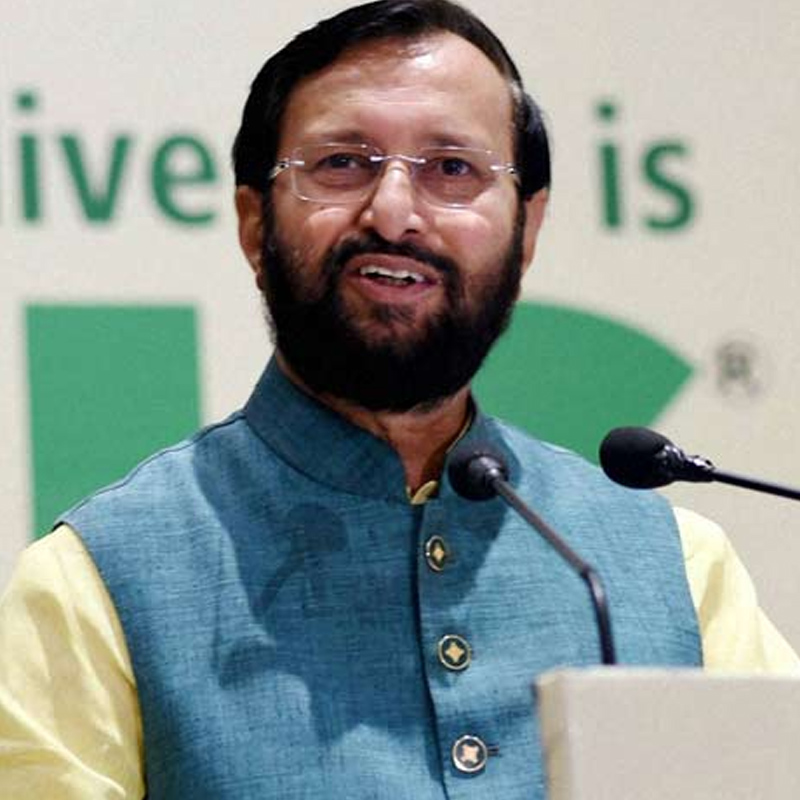
    Other distinguished guests scheduled to be in attendance include AICC in charge for Telangana – Manikrao Thakare, Telangana BJP – Election in-charge and MP and former Union Minister Prakash Javadekar, BRS Member of the Legislative Council – K. Kavitha, Congress – MP in the Rajya Sabha – Syed Naseer Hussain, Telangana BJP – state president and Union Minister for Culture, Tourism & Development of Northeastern Region in the Government of India – G Kishan Reddy.

    The lineup further includes Asaduddin Owaisi, the president of All India Majlis-e-Ittehadul Muslimeen and MP; K. R. Suresh Reddy, a MP in the Rajya Sabha representing BRS; Revanth Reddy, a MP and the State president of Telangana Congress; Mohammad Azharuddin, working president of Telangana Pradesh Congress Committee; Y. S. Sharmila, founder and president of YSR Telangana Party; Dasoju Sravan, War Room In-charge, BRS; Rohan Gupta, War Room In-charge, Congress; Zafar Islam, War Room In-Charge, BJP and G Naveen Babu (Nani), a well-known actor, among other notable figures.

    The India Today Group, with its extensive reach of over 500 million viewers, readers, listeners, and subscribers, is at the forefront of responsible and impactful journalism, and this event is expected to contribute significantly to the discussions surrounding the state’s political future and critical issues that will decide the election outcome.

  • Cabinet Reshuffle: Javadekar resigns, Anurag Thakur takes charges as I&B minister

    Cabinet Reshuffle: Javadekar resigns, Anurag Thakur takes charges as I&B minister

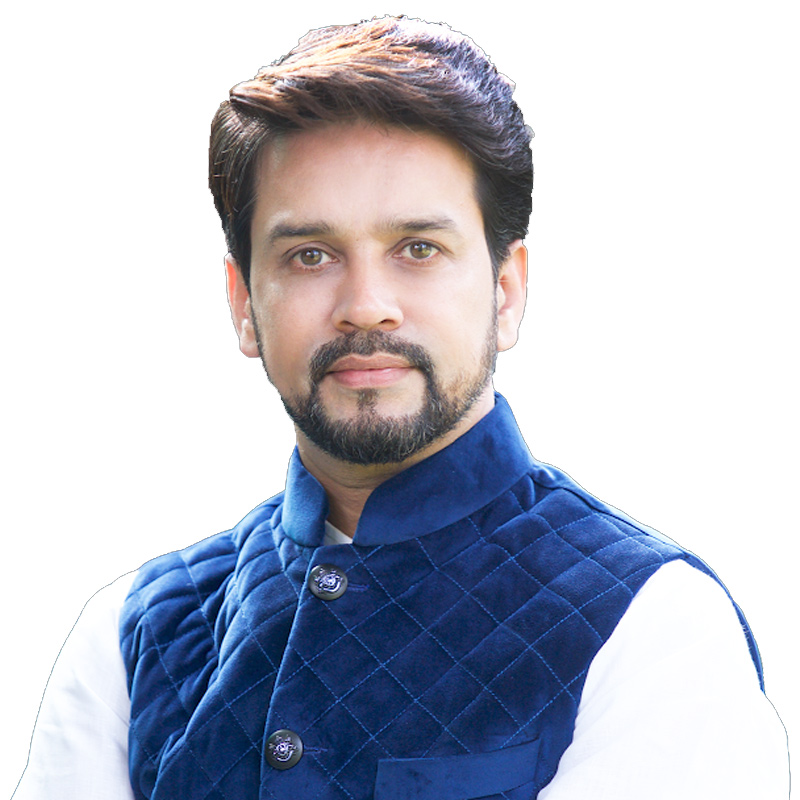
    New Delhi: Lok Sabha MP from Himachal Pradesh was appointed as the new minister of information and broadcasting (I&B), in one of the biggest cabinet reshuffles during the second term of the Modi government.

    Thakur, who took oath of office and secrecy as one of the new Cabinet ministers on Wednesday evening, along with 15 new cabinet ministers, succeeds Prakash Javadekar who stepped down ahead of the reshuffle. Javadekar is among the 12 senior ministers, who submitted their resignations. The list of outgoing ministers also includes minister of electronics and Information Technology (Meity), Ravi Shankar Prasad.

    The Hamirpur MP has also been given charge of the sports and youth affairs ministry, which was earlier under Kiren Rijiju. “I am thankful to prime minister Narendra Modi, home minister Amit Shah for giving me this chance. All possible efforts will be made to fulfil the duties,” he said.

    Thakur has been minister of state for finance and corporate affairs under finance minister Nirmala Sitharaman since 2019, when prime minister Narendra Modi-led NDA government began its second term. Since then, he has been a close aide of the finance minister and has witnessed the economic turmoil caused by the pandemic. The 46 years old MP has also been the president of the Board of Cricket Control in India (BCCI), and held the post from 2016 to 2017.

    As I&B Minister, he will have to steer the proposed Cinematograph (Amendment) Bill, 2021 which is currently in the stage of public consultation. Centre had sought public comments on the draft bill starting 18 June. However, the draft bill has invited criticism from the film fraternity, which has expressed concerns over its execution.

    Thakur’s appointment as the sports and youth affairs Minister comes close on the heels of Tokyo Olympics 2020, which begins on 23 July. Apart from taking care of athletes’ preparation on a ministerial level, he will also have to ensure that they conform to the strict stipulations regarding vaccination and other arrangements.

  • Big Cabinet Reshuffle: Prakash Javadekar steps down as I&B minister

    Big Cabinet Reshuffle: Prakash Javadekar steps down as I&B minister

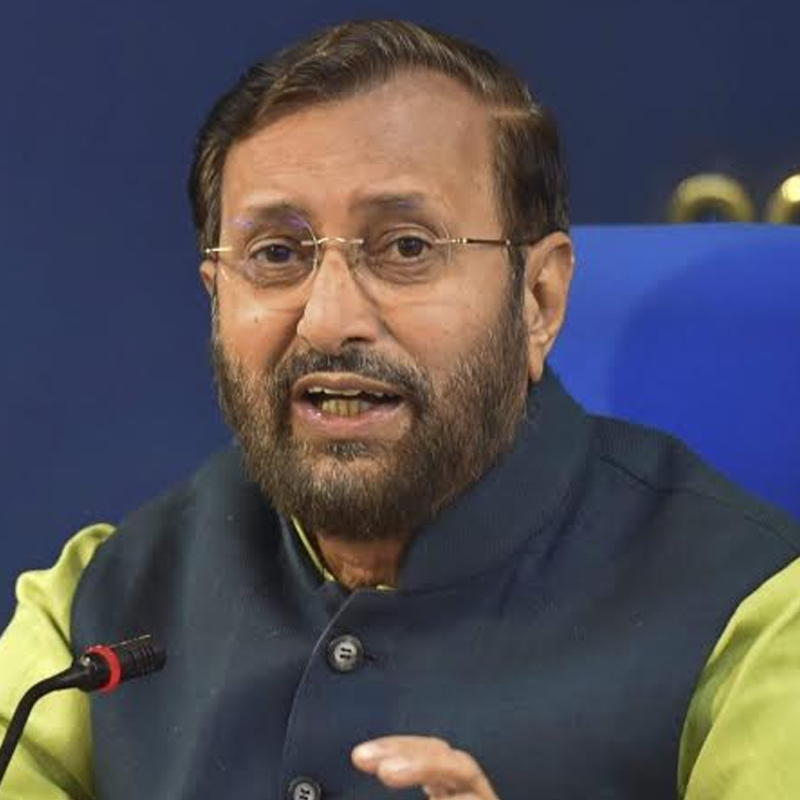
    New Delhi: Prakash Javadekar has stepped down as the union minister of information and broadcasting, here on Wednesday. The decision is part of one of the biggest cabinet reshuffles during the second term of PM Narendra Modi-led government.

    Apart from Javadekar, Ravi Shankar Prasad who held the portfolio of the ministry of electronics and information technology (meity) also submitted his resignation along with ten other ministers. The list also included the union minister of health and family welfare Harsh Vardhan. Javadekar also held charge for the ministry of environment, forest, and climate change.

    Later in the evening, as many as 43 new ministers took oath at Rashtrapati Bhawan, however, the new portfolios are yet to be announced. A total of 15 individuals were sworn in as ministers in the Union Cabinet and another 28 as ministers of state (MoS). The cabinet has now grown in strength from 54 to 78 ministers which include several new names, and representation from states like Karnataka, Rajasthan, and north-eastern states.

    There are 11 women in the new cabinet. Nisith Pramanik (35), the Lok Sabha MP from West Bengal’s Cooch Behar, is the youngest minister to be sworn in, while the oldest member in the council of ministers is 72-year-old Som Parkash. There are 78 members in the council of ministers now.

  • India opens facilitation office to speed up approvals for international filmmakers: Javadekar

    India opens facilitation office to speed up approvals for international filmmakers: Javadekar

    New Delhi: India has opened up a facilitation office to attract more international filmmakers to India and ensure that they get all permissions in one go, said the union minister for information and broadcasting Prakash Javadekar on Tuesday.

    Javadekar was addressing the virtual inauguration of the ‘India Pavilion’ during the 74th Cannes Film Festival, organised by the ministry jointly with the Federation of Indian Chambers of Commerce & Industry (FICCI).

    “This is the second year when the pavilions are virtually organised but the business is real including the creativity, talent, technology, and India offers the best of these. The virtual India pavilion can become a meeting place to meet and discuss the future of the world of cinema,” said the union minister, adding that he hopes “the world comes out of the pandemic very soon and people come back to theaters once again”.

    Highlighting India’s increasing contribution to world films, Javadekar said, a lot of Hollywood movies like Lion King, Jungle Book, Avatar have got their VFX animation done in India. Many of the international films are being filmed in India with over 500 sites available, he added.

    India is participating in the Cannes Film Festival 2021 virtually due to the prevailing coronavirus pandemic. At the virtual pavilion, India will focus on celebrating the birth centenary of the legendary filmmaker, Satyajit Ray, promoting India as an important shooting destination and improving co-production between Indian filmmakers and foreign counterparts, said FICCI Film Forum co-chair, Uday Singh.

    Balaji Telefilms, joint MD, Ekta Kapoor highlighted that India weaves a lot of local inbuilt flavours in its storytelling. “India is known as a content creating nation. Indian content has always been the soft ambassador of India and it has a lot of appeal in the international market. Collaborations are the way forward for any company and there are a lot of opportunities in India,” she said.

    According to CBFC chairman, Prasoon Joshi, Indian cinema along with the filmmakers are going in the right direction today along with the focus on regional cinema. “Indian audiences today are more active seekers and the pandemic has given more acceleration to explore the world of cinema. There is a churn in Indian cinema,” he added.

    Cannes Film Festival, one of the most prestigious movie galas in the world, was initially scheduled to take place in May but was pushed by two months due to the ongoing coronavirus pandemic. Last year’s edition was cancelled due to the pandemic and replaced by a low-key event in October, showcasing short films but without the A-list movie stars, directors and producers.

  • New DTH guidelines will make the sector competitive: Javadekar

    New DTH guidelines will make the sector competitive: Javadekar

    KOLKATA: At the end of last year, the ministry of information and broadcasting (MIB) announced revised guidelines for direct-to-home (DTH) operators in India. The new DTH policy will make the sector competitive and will have a positive impact on consumers, I&B minister Prakash Javadekar informed the Rajya Sabha on Monday.

    The minister mentioned that the guidelines with enhanced period of license with provisions of renewal beyond the initial licence period will ensure continuity and a rationalised licence fee regime. Moreover, the rules will have a positive impact on qualitative and competitive services being extended to the consumers in the long term.

    “The changes will facilitate ease of doing business, offer employment opportunities, make the sector competitive with likelihood of new players coming forward to provide DTH services and also provide a rationalised licensing fee regime and enhanced period of licence,” he detailed.

    After resolving the long standing impasse on the DTH licence policy, the government announced DTH licences will now be issued for a period of 20 years. Under the new rules, licence fee will be collected quarterly instead of annually.

    Changes had been approved for 100 per cent foreign direct investment (FDI) in the DTH sector which was earlier limited to 49 per cent. The decision had already been taken by the ministry of commerce and industry but the sector could not avail the benefits due to past MIB guidelines.

    The cabinet also approved the sharing of infrastructure between DTH operators. Distributors of TV channels will be permitted to share common hardware for their subscriber management system (SMS) and conditional access system (CAS) applications. Javadekar said at the time of announcement that the decision had been taken to create a level playing field.

  • Govt ad spends on print down 51 per cent from last year

    Govt ad spends on print down 51 per cent from last year

    New Delhi: Print publications received a hard wallop with the outbreak of Covid2019 last year – circulation dropped, subscribers cut ties, and revenue dried up as advertisers tightened their purse strings. Now, it has emerged that the government, which is one of the biggest newspaper advertiser, slashed its spends on the medium by more than half during 2020.

    The NDA-led Centre spent roughly Rs 62 crore on print advertisements to publicise its activities and programmes during the pandemic ravaged 2020-21, which is 51 per cent down from last year. In 2019-20, the government’s total ad spend was Rs 128.96 crore.

    The information was shared by union minister for information and broadcasting Prakash Javadekar in the Rajya Sabha on Monday.

    According to the data, the government had spent Rs 430.75 crore in publishing print advertisements in 2015-16, which came down to Rs 366 crore in 2016-17, and increased substantially to Rs 462.2 crore in 2017-18. However, the downward trend began in 2018, when the print ad spends decreased from Rs 301 crore in 2018-19 to Rs 128.96 crore in 2019-20 and further shrunk to Rs 62 crores last year.

    The plummeting ad spends by the government come at a time when the print industry is struggling to survive the pandemic’s severe blow. Print media thrives on advertisement expenditure of industries including e-commerce, automobiles, and BFSI, which were also impacted by the lockdown. Many businesses ended up pulling out advertisements, as part of budget cuts and also due to a drastic fall in the circulation of newspapers and magazines. The prolonged lockdown restrictions forced several publications to limit the number of pages, shut their editions and resort to layoffs .

    Last year, the Indian Newspaper Society (INS) had also raised concerns over the rising newsprint and logistics costs and increasing preference for online content.

    The data shared also showed that the Centre spent relatively less money on advertising its programmes and policies on private satellite and cable TV channels compared to 2017. The overall ad spend on television came down from Rs 123 crores in 2018-19 to 25.68 crores in 2019-20 and just Rs 11 crores in 2020-21. The ad spends on social media remained a miniscule part of the total budget, the data indicated.

    The Bureau of Outreach and Communication (BOC), which acts as an advisory body to the government on its media strategy, undertakes information, education, and communication (IEC) campaigns of the government through its empanelled media platforms as per the policy guidelines.

    Javadekar also informed the Parliament that BOC adopted a media mix approach and it is also using digital cinema, internet websites, SMS, and social media along with print, radio and television advertisements for dissemination. He said that BOC had also conducted an all-India survey – an impact assessment study of multi-media campaigns covering 722 districts to study the impact of the campaigns run on various media platforms. 

    When asked if the government plans to increase the ad spend over the next few years, the I&B minister said, “BOC releases advertisements keeping in view the campaign requirements, target audience, availability of funds, and preferences indicated by the client departments.”

  • New IT guidelines not intended to control OTT platforms: I&B minister

    New IT guidelines not intended to control OTT platforms: I&B minister

    NEW DELHI: The government has attempted to provide a level-playing field for various digital platforms through the new guidelines on over-the-top (OTT) platforms, said union information and broadcasting minister Prakash Javadekar, amid concerns that the new rules may pose a threat to the freedom of expression.

    The minister mentioned that digital technology platforms have played a key role in promoting transparency and introducing a corruption-free atmosphere in governance.

    “Through these guidelines on OTT, we have tried to bring about transparency and provide a level playing field to various media platforms, be it electronic, print, or digital media. It is just for fair-facilitation for self-regulation and not intended for controlling the OTT platforms,” said Javadekar, while speaking at a digital media conclave organised by a private TV network in Mumbai.

    The new rules released by the government on 25 February ask for a three-tier grievance system and content classification for digital platforms. First, self-regulation by the platform through a grievance redressal officer; second, by an institutional self-regulatory body of industry experts, and third level of oversight through an interdepartmental committee constituted by the government.

    While this may create a forum where users can voice their complaints, there are concerns that it could also lead to an increase of content-related disputes in the country. Several video streaming platforms are already mired in controversies over their content, the latest being Amazon Prime’s Tandav and Netflix’s Bombay Begums.

    The formulation of guidelines took place expeditiously, revealed Javadekar, with more than 50 cabinet meetings held virtually to ensure that there weren't any delays in the decision-making.

    The union minister also talked about the decision to broadcast the old Doordarshan TV series like Ramayana, Mahabharat during the pandemic and how it registered record-breaking viewership.

  • ‘Potential to undermine media freedom’: Editors Guild on new IT rules

    ‘Potential to undermine media freedom’: Editors Guild on new IT rules

    NEW DELHI: The Editors Guild of India has raised concerns about the Indian government’s new Information Technology rules, saying they will “fundamentally alter” and put “unreasonable restrictions” on digital media.

    On 25 February, the Centre notified the Information Technology (Intermediary Guidelines and Digital Media Ethics Code) Rules 2021, under the Information Technology Act. The rules are framed to regulate social media companies, streaming and digital news content, virtually bringing them under the ambit of government supervision.

    Online platforms will now have to be much more responsive to complaints about posts on their networks, including giving the government details about the “originator” of content – effectively breaking end-to-end encryption – as well as setting up verification systems that could have a major impact on individual privacy.

    The Editors Guild said the government cannot “overwhelm India’s constitutional safeguards” for free media in the name of controlling an “unfettered social media”.

    “The rules, issued under the Information Technology Act, 2000, fundamentally alter how publishers of news operate over the Internet,” the association said. “They empower the Union government to block, delete, or modify published news anywhere in the country without any judicial oversight and mandate all publishers to establish a grievance redressal mechanism. Various provisions in these rules can place unreasonable restrictions on digital news media, and consequently media at large.”


    The Editors Guild added that the rules have potential to “seriously undermine” media freedom in India. It expressed concern over the fact that the government did not consult all stakeholders before notifying the “far-reaching rules”.

    The association urged the government to suspend the rules and hold a meaningful consultation with the stakeholders.

    Meanwhile on Friday, the Supreme Court noted that the rules to regulate streaming platforms “lacked teeth” as there was no provision to punish violators. It made the observation while granting interim protection from arrest to Amazon Prime Video’s India content head Aparna Purohit in the criminal complaints lodged against her in connection with the web series Tandav.

    Solicitor general Tushar Mehta, appearing for the Centre, said he will submit a draft legislation to the court.

    On Thursday, minister of information and broadcasting Prakash Javadekar had clarified that OTT platforms will not have to register with the ministry and that a self-regulating body under the new digital rules would have no members appointed by the government. Javadekar claimed that the rules focused on self-classification of content instead of imposing any form of censorship.

  • Cabinet approves merger of four film units with NFDC

    Cabinet approves merger of four film units with NFDC

    NEW DELHI: The government has given its nod to the merger of four of its film media units with the national film development corporation (NFDC).

    The decision was taken in the Cabinet meeting chaired by PM Narendra Modi on Wednesday. As part of the plan, the four units namely films division, directorate of film festivals, national film archives of India, and children’s film society, India will now operate under the NFDC, which will then carry out all the activities hitherto performed by them.

    While this will lead to rationalisation of infrastructure and manpower, the government highlighted that interests of employees of all the concerned media units will be fully taken care of and no employees will be retrenched. A transaction advisor and legal advisor will be appointed to advise on the transfer of assets and employees, and to oversee all aspects of operationalisation of the merger.

    “There was a lot of duplication in activities and there was a need to bring synergy. However, all the work which is currently underway at each of the units will remain in progress. Our aim is to ensure good films reach masses,” said Union information and broadcasting minister Prakash Javadekar post the meeting.

    India is one of the largest film producers in the world with an industry led by the private sector. Over 3,000 films are produced every year. After the merger, all promotion, production and preservation of film content will come under one management.

    The films division, a subordinate office of the ministry of information and broadcasting, is among the oldest of the four media units. It was formed in 1948 to produce documentaries and news magazines for publicity of government programmes and cinematic record of Indian history.

    Formed in 1964, the national film archives is mainly responsible for acquiring and preserving Indian cinematic heritage, and the directorate of film festivals, set up in 1973, focuses on promoting Indian films and cultural exchange. The children’s film society, India is however, an autonomous organisation formed under the Societies Act in 1955 to specifically provide children and young people value-based entertainment through the medium of films.

    All the four media units will now operate as one unit under the NFDC – the central public sector undertaking  which was formed in 1975 for planning and promoting an organised, efficient and integrated development of the Indian film industry. “The vision of the new entity will be to ensure balanced and focused development of Indian cinema in all its genres – feature films, including films/content for the OTT platforms, children's content, animation, short films and documentaries,” stated the government.

  • DD India now available in HD

    DD India now available in HD

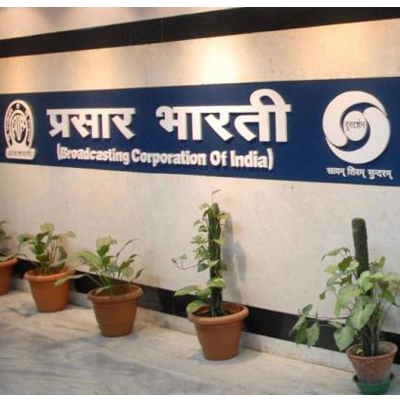
    MUMBAI: Prasar Bharati CEO Shashi Shekar Vempati announced today that DD India is going high definition. From October 3, the channel will be available in HD. The broadcaster had ventured into the HD arena with DD National and DD News back in 2017.


    Link to tweet: https://twitter.com/shashidigital/status/1312224516748140545


    Minister of information & broadcasting Prakash Javadekar congratulated both Prasar Bharti and Doordarshan officials on the launch.


    DD India is available in 146 countries all over the globe. It is an English news channel service which also airs programmes for the Indian diaspora and those interested in all things desi.


    Prasar Bharti’s decision to push aggressively into the HD playing field is a welcome, if belated, move. Most private broadcasters in India had spun off HD cousins of their standard definition channels more than a decade ago. And internationally, most pubcasters have started experimenting with the 4K format. One Indian broadcaster, TravelXP, has in fact already launched a 4K channel internationally. Whereas in Japan and parts of Europe, TV shows are being test–transmitted in 8K by public broadcasters.