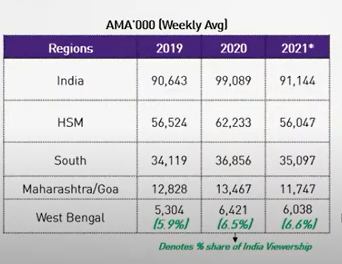
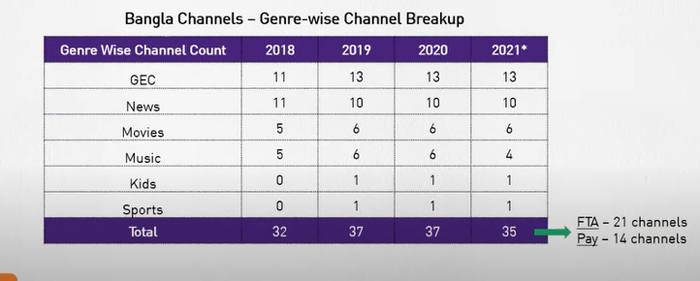
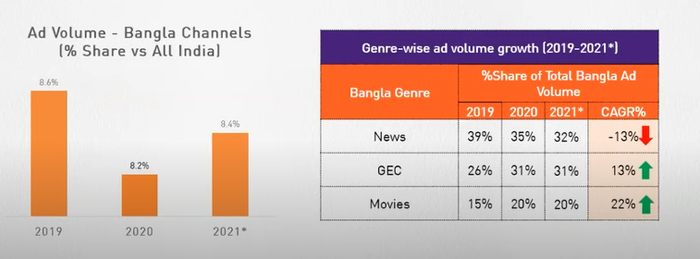
Mumbai: There is little doubt about television as a far-reaching instrument of viewership connecting masses pan India. It remains the medium of choice to build reach and brand salience. However, as the second wave of the pandemic swept through the country, it also impacted the overall TV viewership across regions. This, in turn led the advertisers and brands to reflect on the way they leveraged TV to reach out to their target audience.
As a part of the inaugural edition of the Tele-wise Bangla Summit 2021 organised by Indiantelevision.com in partnership with Zee Bangla, industry experts and stakeholders from across sectors weighed in on the strength of the West Bengal TV market and the disruption caused by Covid-19 on people’s lives, their consumer spending, and TV viewing habits.
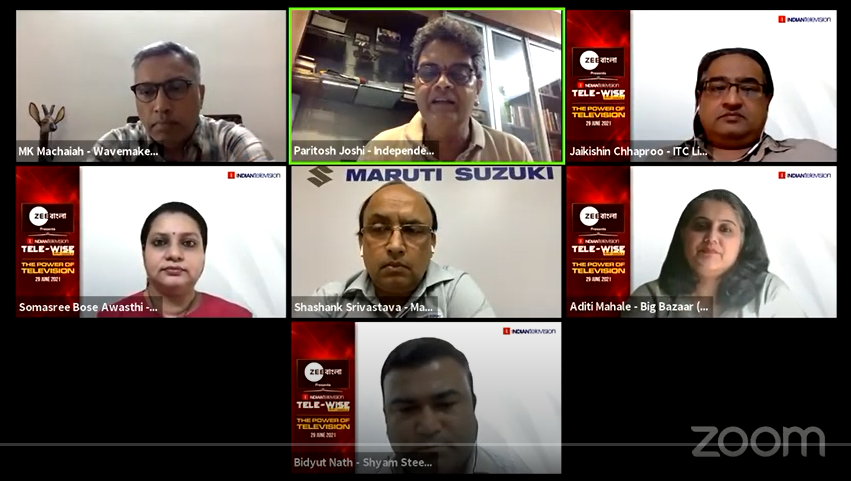
In an informative discussion ‘Gauging the Might of the Market’ – moderated by independent media consultant Paritosh Joshi, marketers debated on how the Bangla market remains highly relevant for national brands looking to make their presence felt in the state when it comes to TV ad spends.
The session kicked off with Joshi observing that, although the pandemic has largely resulted in an overall bleak economic environment, FMCG remained the sole bright spot. Godrej Consumer Products Limited marketing head (homecare category) Somasree Bose Awasthi pitched in that it was true specifically with regards to essential items, which have been driving the growth in the sector. The premium or discretionary categories like grooming or hygiene products have suffered a setback in the last year. She added, however, that the reverse migration due to the pandemic had led to a revival in the rural economy across the country, including West Bengal.
 Shyam Steel India, head of brand marketing, Bidyut Nath corroborated this by saying that, while the pandemic had brought most large-scale construction activity in the cities to a standstill, with workers going back to their villages, it had continued almost uninterrupted in the rural areas as people did not cease to build houses for themselves, irrespective of the pandemic. So while there was little positive growth in the sector, it did reflect a steady growth with nearly 69 per cent of the populace constructing homes, he said.
The panellists discussed how the pandemic also caused people to become risk-averse when it came to buying decisions, due to which market leaders in a particular sector and trusted brands gained.
According to Maruti Suzuki India’s marketing & sales executive director Shashank Srivastava in such times, the trusted brands become the anchor for consumers. “That trust helped us, and our market share went up in most segments, despite Automobiles being a discretionary, high-value purchase. In general, the retail sales were better in 2020 than the previous year for Maruti, mainly because of the change in consumer perception towards public transport, resulting in more people becoming inclined towards owning private vehicles,” he said.
However, the fall in incomes did show in the “telescoping of demand”, whereby the demand for a higher segment shifted towards a lower segment vehicle, he added.
Future Group’s Big Bazaar marketing head Aditi Mahale shared that while the group had 15 to 20 stores across the state, nearly eight to ten of them were based out of Kolkata.
“We had to cut back on TV ad-spend last year, mainly due to lack of fresh content, and we focused more on the news genre and digital,” said Mahale, but the group continues to use television as part of its marketing strategy, especially during regional festivals, for “retail is, by nature, always local” with even their competition being largely local in the genre.
For ITC, which has its roots in West Bengal, the state is “priority #1 market”, said ITC’s Media & PR head Jaikishin Chhaproo, largely because of the unparalleled distribution strength that it provides.
When it came to the media mix in the state, panellists shared that television had a regional reach of more than 70 per cent in the state. Hence brands try to capitalize on the richness of the regional content by preparing creatives with local flavour and by going “hyper-local”.
“Becoming hyper-local is the need of the hour. Doing local TVCs with local actors really pays off. But brands face challenges in terms of talent & cost,” said Wavemaker India’s ITC lead and special initiatives president MK Machaiah.
In West Bengal, like most other markets- there is an innate attachment to sports. So while Shyam Steel India did see great brand engagement post onboarding Virat Kohli and Anushka Sharma as brand ambassadors, Bidyuth Nath agreed that going hyper-local by engaging with local celebrities is also indispensable. All panellists agreed on the value that localised content brings to brand promotions in the state, regardless of the medium – print, television, or digital.