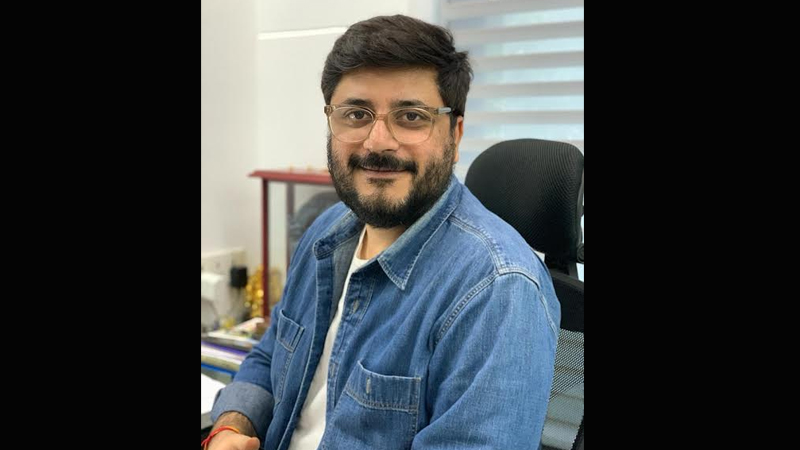
Mumbai: Rose Audio Visuals, founded by Goldie Behl, is expanding the storytelling realm by boldly fostering into the audio podcasting segment with the launch of RosePod. This innovative move introduces a range of meticulously crafted audio tales, spanning gripping mysteries, heartwarming dramas, enthralling love stories, and timeless mythologies, Rose Audio Visuals leverages AI-generated visuals to enhance the immersive experience. The launch features an interesting lineup of 100 original fiction shows and premium non-fiction shows along with Hindi Audiobooks, pushing creative boundaries and leaving a lasting impact on the hearts and minds of listeners.
Encompassing several kinds of audio stories ranging from love, mythology, mystery, drama, and more promising an unmatched auditory experience in Hindi followed by Tamil and Telugu. RosePod is making this accessible on 30 plus major streaming platforms including YouTube, Spotify, Apple Podcasts, Jio Savaan, Amazon Music, Gaana, and Hungama.
Talking about the vision of RosePod, founder Goldie Behl said, “Jumping into audio storytelling is a natural evolution, driven by our love for timeless stories and myself being a consumer of audio stories. In the world of sound, we’re not just expanding creatively but building a close connection with our listeners. While the audio space has its divisions, from informative to entertaining content, we’re reaching out to everyone through our wide range of stories since it’s a reasonable and accessible form of entertainment. Our content is for all kinds of listeners, making this journey more than growth—it’s a harmonious rhythm, weaving universal stories that bring us together.”
Join Rose Audio Visuals on this exhilarating journey as they unveil RosePod, orchestrating a sonic revolution that sets a new standard in the world of audio storytelling.
Mumbai: People who don’t appreciate English music are subhumans. They shouldn’t be allowed to wear clothes. They should be made to sing ullullu like the aboriginal tribes,” said RJ Sarthak, trying to drive home his point about the appeal of music. Sarthak, Delhi’s loved and listened-to radio jockey went ballistic about Vidya Balan’s portrayal of an RJ in Munna Bhai MBBS and Karthik Aryan in Dhamaka as unrealistic portrayals of RJs. He was baring his soul to Sumedha on her popular podcast “Bluntly Streaming” where she grilled the RJ on various counts.
In a two-part series, the volatile guest even ends up demanding that Sumedha NOT call him an RJ, but a radio host or radio presenter. “Radio jockey” is the wrong phrase. It should be Radio Disc jockey,” he snorts. Sumedha Bluntly Streaming dives deep into the vibrant life of RJ Sarthak, a personality with a beard as colourful as his journey. The RJ is known to be one of the most loved ones on radio waves. Also considered original for his content. He quotes a famous saying that states that “There are only three original ideas in the world and the rest are interpretations,” to which Sumedha, with a straight face, asks him, “Are you original?” Offended by her blunt question (what else do you expect from Bluntly Streaming?), he mocks her for her question, but not before attacking her with, “What do you think is being original” Are you an original?” The conversation takes amusing turns as both end up making peace with each other about whether or not radio jockeys are loyal to the Jockey, a popular lingerie and innerwear brand.
“Everything begins with my hunger for attention,” Sarthak confesses to Sumedha. What about your hunger for auditions, asks Sumedha who called the chair he was sitting on a “casting couch”. The conversation veered towards other topics such as his relief package for later risers who missed out on his early morning show, the beauty of sunrises and sunsets, his tryst with MK’s Gandhi’s book, “My Experiments with Truth” and more.
The RJ also gets grilled on why he chose French or Sanskrit, his stint on TV with Headlines Today and about his most memorable callers on the show. The RJ who is into his 25 year on the radio waves shared a heart-touching anecdote about a caller who would be the first one to call his show every fortnight. “We even had special music for the first caller. Later, I got to know, after about a year of radio interactions, that he, his wife and disabled child committed suicide after he faced losses in his business and could not recover from it financially.
Sumedha also explores the intriguing world of RJ Sarthak’s nepotism and under-the-table dealings. “If you want to win me over, get me food,” he states. The conversation then touches on some uncomfortable chords. Sarthak then blows off the lid on sex, drugs and rock n roll by decoding the concept of choreographed music. “These days, music is not straight from the heart. Rather is researched and designed to give a music spike every 30 seconds. No wonder that the old-timers like Metallica could still beat the Taylor Swifts of this era,” he states. The Rolling Stones and U2 are still on the top and headlining shows in venues like Sphere in Las Vegas because they are not into the nonsense called template music.
He then reveals his fondness for underground music, citing bands like Gogo Penguin, Coco Roco, and Fyah, whose audience may be limited to around 25 people. He appreciates music that emanates from the heart, emphasizing the connection it creates.
As the conversation shifts to streaming, CDs, and vintage vinyl records, Sarthak highlights the significant effort required not only to create music but also to delve into its nuances. He expresses frustration that, in the present era, there seems to be no premium placed on knowledge. Recalling his past, he vividly remembers taking a bus to the British Library, borrowing books, and immersing himself in reading about Eric Clapton. He laments the contrast with today’s easy access to information, stating that the effort he invested in acquiring knowledge in the 90s is now condensed into the first line of Clapton’s Wikipedia page. He concludes his episode of Bluntly Streaming with a stern reminder, “Don’t mistake information for knowledge,” before Sumedha concludes the conversation.
Mumbai: 93.5 RED FM, India’s leading private radio and entertainment network is thrilled to announce the launch of its latest podcast ‘Main Hoon Villian,’ in collaboration with HarperCollins. The podcast delves into the world of Bollywood villains, and their journey through the ages.
As the iconic dialogues echo in our minds, we find ourselves in awe of the performances that have defined these villains and their roles in Bollywood. Red FM believes in celebrating the appeal of Bollywood’s antagonists. In this podcast, cinephile host Mohit Chhabra invites the National Award Winning author of the book ‘Pure Evil – The Bad Men of Bollywood’ – Balaji Vittal to explore the ever-evolving nature of villainy in Bollywood.
The podcast features six episodes exploring different archetypes of villainy in Bollywood, including The Smugglers, The Dacoits, The Psychopaths, The Scheming Relatives, and The Foreign Villains, and a special episode with filmmaker Sriram Raghavan, examining why villains continue to fascinate us.
Reflecting on this announcement, RED FM and Magic FM director & COO Nisha Narayanan stated “From dramatic dialogues to portrayals of nuanced emotions, our villains have gone through it all. ‘Main Hoon Villain’ our latest podcast explores the evolving social fabric over the decades and how it gave birth to diverse villains in Bollywood. As leading podcast curators, we believe it is our prerogative to introduce unique concepts as topics of conversation; joining forces with HarperCollins’ was a collaboration prodigy where we could explore the intriguing world of villains in Bollywood.”
Speaking on the announcement, HarperCollins India general manager, marketing Aman Arora said, “Our collaboration with 93.5 RED FM on the ‘Main Hoon Villain’ podcast is a testament to our mutual love for storytelling. We are delighted to share that our beloved author, Balaji Vittal, will be featured in the show to discuss his remarkable book, Pure Evil: The Bad Men of Bollywood. This podcast promises to take its audience on a journey into the intriguing conversations around Indian cinema’s ‘Bad Men,’ and we couldn’t be more thrilled to be a part of this fascinating exploration.”
Tune in to ‘Main Hoon Villian’ on Red FM and other leading podcast platforms to immerse yourself in the world of the bad men and women who have left an indelible mark on Bollywood.
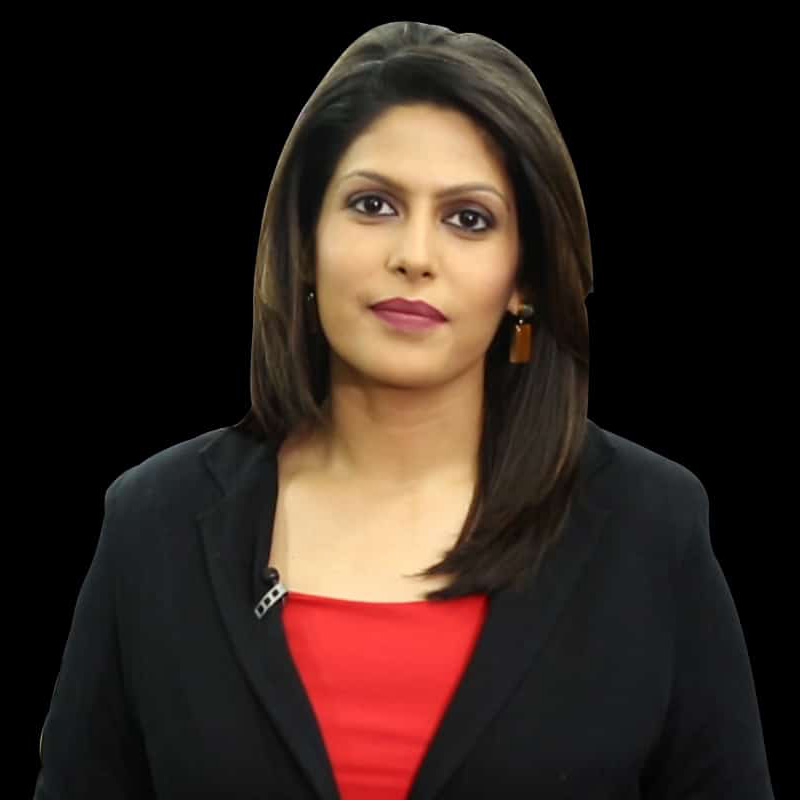
Mumbai: News personality and Wion’s ex-managing editor Palki Sharma, who recently joined Network18 Group for an upcoming project, is likely to be back with a new show soon.
In a conversation with ANI’s managing editor Smita Prakash on her podcast, Sharma hinted at her return, hopefully, with a better show.
In the recently announced teaser of the episode by ANI, Sharma was recalling the reason why she left her previous channel, Wion: “… left because I thought that whatever I wanted to do there, I had done there…”
Moreover, she also shared that she did not enjoy everything that she was doing there and didn’t like the direction they were taking.
Acknowledging the curiosity of the fans and their desire to know about her return, Sharma said, “A lot of people write to me, and every time I put a photo on Instagram, people are like, yeh toh theek hai par show kab ayega? which is nice, but I want to tell you and everyone else that… I will be back, and it will be a better show hopefully…and I want to do the show when I am ready, when I know it is going to work.”
Sharma has over 21 years of experience across several media, including the ITV Network, Network18, Doordarshan News, and The Hindustan Times.
She was the host of Gravitas, a popular prime-time English news programme, as well as the highly regarded digital programme Gravitas Plus on Wion. Additionally, she conceptualised and oversaw the Wion Global Summit, a channel event held annually in Dubai.
In a career spanning over two decades, Sharma has interviewed several national and international heads of state. She has also covered important stories and events on the ground, including the ongoing conflict in Ukraine, the Quad Summits in Tokyo and Washington DC, and many others.
At Network18, Sharma will launch a new multi-platform video project for the group. This will be her second stint at Network18, where she has earlier worked in different capacities.
The video project to be built and led by Sharma will straddle all formats of news reporting and presentation. The new product will aim to capture a new generation of audiences for the group.
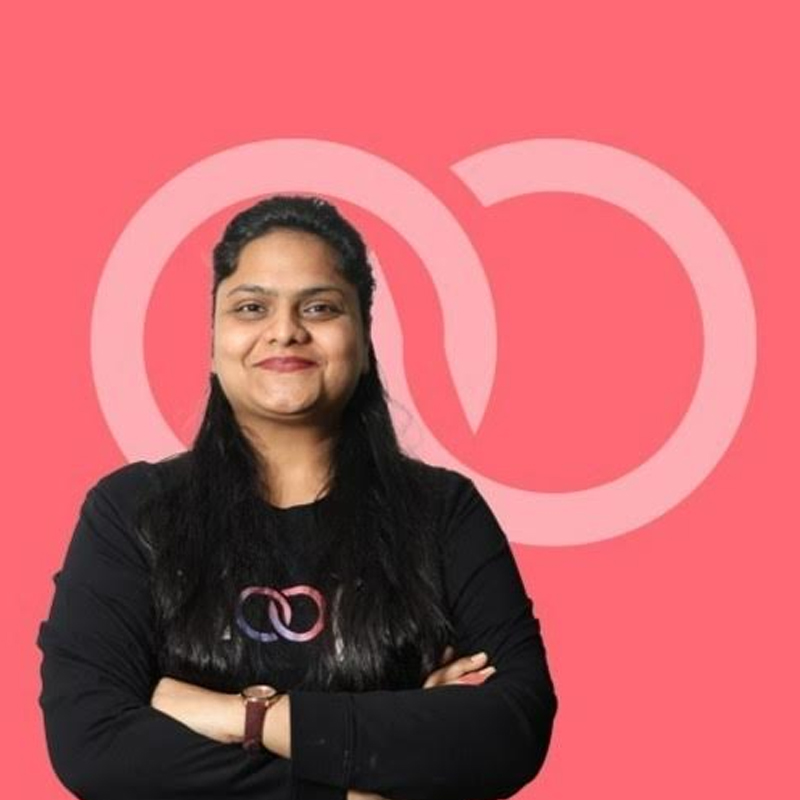
Mumbai: Meghna Mittal is GSharp Media’s co-founder and chief marketing officer; the company has two brands under its umbrella: Songfest India and Hoopr. Songfest focuses on giving musicians the creative freedom to explore new sonic avenues; Hoopr is India’s first music licensing marketplace that intends to offer cutting-edge solutions to both musicians and content creators alike.
Ever since its inception, GSharp Media has been focused on building creator-centric products. Mittal has led these initiatives and focuses extensively on crafting innovative marketing strategies while also playing a key role in scaling up products. Her strengths lie in staying close to the consumer, understanding the market requirements, and creating the right product that solves the customer’s pain point. She was pivotal in steering several viral marketing campaigns for Songfest, which accumulated more than 100 million views for its YouTube channel.
Her latest venture is Hoopr.ai, a music licensing marketplace that offers cutting-edge viral solutions to brands and video creators in collaboration with some of the most popular artists. The idea behind it is to offer a multitude of songs, background scores, and sound effects to creators regardless of the kind of content they create and showcase some innovative music from India’s best musicians and composers. Mittal and her team aim to help the creator economy reach new heights in India and around the globe with the platform.
Prior to joining GSharp Media, Mittal led the marketing initiatives for Hubilo and YesssWorks for more than seven years. A music lover herself and a people person, her interests include designing and building consumer-centric products, creating exciting content, and crafting unique music solutions for brands. She also has a huge, self-cultivated network of influencers across the country and believes that every creator deserves to have the best tools at their disposal for creating invigorating content.
On the personal front, she is extremely passionate about cooking and loves feeding her guests different delicacies. Indiantelevision.com caught up with Mittal to find out the growth strategy of the company.
Excerpts:
On Hoopr.ai
Most founders create products that solve a certain pain point they themselves have experienced and for which there is a large market but no clear solution. A few months into the pandemic, Gaurav Dagaonkar (GSharp Media founder) and I were running the content production studio Songfest and realised that costs and means of video production had come down heavily due to the lockdown. Most clients of Songfest and Songfest itself heavily use stock video & music to complete productions and save costs. It was at this stage that we realised how limited the availability of Indian stock music was.
It was this particular project for which we needed a Hindi hip-hop, street rap kind of track, and we couldn’t find even one across all platforms in the world. The international music licensing platforms didn’t carry Indian music, and we didn’t have any of our own. I mean, we’re talking about a country with a combined value of $15 billion if you put together the film, television, advertising, and music industries, and strangely, not one music licensing marketplace existed before Hoopr. We ultimately had to get the track created, which cost us a lot more time and money than the budget permitted.
So we started thinking about the millions of Indian vloggers, podcasters, live streamers, and digital content creators, including startups, who create daily video content for their Indian audiences and would be requiring relevant Indian music. On the one hand, using music without a licence results in a copyright or content ID claim, which takes away a creator’s monetisation rights for that video, while on the other, there is hardly any Indian music available to licence. That got us to start thinking seriously about building Hoopr.
But the final catalyst in this decision turned out to be a unique one. Anushka Sen is an Indian influencer with over 35 million followers on Instagram and two million on YouTube. She received a copyright claim for using a song belonging to Songfest and asked for a micro licence that could be purchased. I remember this one day when we came across a report that projected India having more than 100 million content creators by 2025, and Sen also wanted to buy a micro licence from us. We started building Hoopr from that day on.
On Hoopr.ai’ revenue model
We offer subscriptions to individual creators and businesses. Apart from that, we also offer custom plans for enterprises.
On the growth
We’re proud of the fact that we have received traction from customers all over India. It’s a testament to the power of the creator economy that we’ve seen traction from not only individual creators but also interest from brands and businesses across India.
On the challenges for monetisation of content including music
Let’s look at the content—music and video—separately. YouTube is currently the most important source of content monetization, at least for Indian creators.However, in order for this monetization to begin on YouTube, one must have more than 1,000 subscribers and 4,000 hours of watch time. Post that too, it requires millions of views to make a reasonable amount of income. Typically, if YouTube pays 2-3 paisa per view in India, a typical YouTuber ends up earning somewhere close to 15 to 30 thousand for a million views.
But the million views are hard to get, so the challenge for the Indian content creator is to be regular, attract a large audience, and create content in a sustained manner. Also, a small fraction of video creators end up making substantial money from platforms such as YouTube. A lot of the other short-form platforms do not allow monetization similar to YouTube, although it is likely that this may change in the future. Aside from this, content creators face a number of other challenges that limit their ability to monetize. Sometimes there could be licensing issues, creators may end up using music tracks that might get muted, or there could be a copyright claim or a takedown.
For musicians, it can be relatively easier as one can create music tracks and distribute them to multiple streaming platforms, and typically there is a pay-out associated with each stream. However, the challenge in this case is to get discovered, heard, and seen when the competition is cutthroat and there are thousands of tracks uploaded every single day.
On how covid impacted this area
The covid pandemic fuelled the digital revolution and accelerated the growth of content creators, social media community engagers, and even curators. During this time, both Dagaonkar and I realised that our agency and brand clients were actively looking to licence Indian music but were not able to find relevant content. We experienced this difficulty while creating promos and marketing videos for Songfest. But the turning point came when one of India’s leading content creators, Anushka Sen, got a content ID claim on YouTube and called me to buy a licence. A subsequent deep dive into the numbers of the creator economy revealed that millions of creators in India require music for their content and are willing to buy licences to avoid copyright claims.
Having launched the platform now, the industry envisages Hoopr as a potential go-to platform to find the right music for video content.
On the products like Songfest that GSharp Media operates
GSharp Media is a music tech and content company, and the idea has been to create and operate brands and products in the music domain that are interconnected and have synergies with one another. With Songfest and Hoopr, we have these synergies. Songfest is a brand that creates customised brand solutions. We create branded content, such as music videos, television commercials, and so on. Songfest also operates a YouTube channel with over half a million subscribers. The biggest asset of the company is the network of 3000+ music creators that we have.
On the latest campaign
We have launched a new campaign called “#HarGharCreator” with an ad to celebrate and empower creators across India. Hoopr.ai is solving a billion-dollar problem faced by content creators and businesses every day: that of discovering and licensing the right music for their videos. India’s 80 million+ creator community comprises vloggers, podcasters, gamers, filmmakers, live-streamers, and influencers who create audio-visual content on a variety of topics. With over 25,000 tracks and sound effects, Hoopr.ai is not only enabling these creators to get specific music for their needs but also helping them avoid copyright strikes and legal issues.
Furthermore, what’s also changing is the mindset with regard to content creation, with more people embracing it as a career choice. And that is exactly what the ad captures. In the ad, a young college student can be seen telling his strict father that he doesn’t want to be an engineer but rather a content creator. The reaction of the father makes the ad a must-watch for all content creators and their families.
A creator is now emerging in nearly every home across India, and we want to help them find phenomenal Indian music for their videos. Apart from individual creators, the music on Hoopr is also being used by brands, enterprises, and OTT platforms, as it is cleared for use and free from any copyright strikes or takedowns.
On trends being seen when it comes to music tech
There are a lot of developments happening in music technology. Right from production to distribution and consumption, to areas like licensing, building communities, and fan funding of collectibles, music tech has seen a lot of developments and interesting start-ups over the last couple of years. When it comes to music production, we are seeing tools that allow people to collaborate. There are multiple music distribution services that have evolved over the last four to five years that allow artists to distribute music across different streaming platforms. We are also in an era where the majority of music is consumed through streaming platforms. As a result, apps such as Spotify are continuously evolving their algorithms and recommendation engines to contribute to a better user experience. We have also seen the emergence of licensing platforms that have opened up new doors of income for musicians.
Two areas that are still in their nascent stage but will only continue to grow are AI-generated music and the ability of artists to create and distribute NFTs. These could unlock new doors as far as the music industry is concerned and could bring with them new opportunities for artists, new sources of funding, etc., all on the back of technological development.
On the future of the podcast format in India
Any kind of individualised content creation is here to stay, whether the creator makes a living out of it or does it out of passion and knowledge sharing. Any kind of content creation is going to grow from here, mainly because there are so many new tools that are coming up that help creators create content. In the case of podcasts, it’s a bit easier, as one can create podcasts in the comfort of their homes. They are able to record using microphones, which have become cheaper using workstations. Distributing podcasts has become easier too. The biggest driver is the fact that people want to share their knowledge, experience, and learnings, in addition to the huge appetite of the digital audience to consume this content.
India still has the potential to grow multifold in the domain of podcasts and some related fields too. Companies like Pocket FM do well in India, along with regional companies like Kuku FM, which are also producing a large number of audio books. Very soon, it will translate into individuals creating systematic podcasts. The future of podcasts in India is promising, and one of the biggest drivers will be regional content or regional podcasts, as 70 per cent of India’s population consumes regional content
Mumbai: BBC Studios has announced that producers of natural history programmes such as Planet Earth II and Blue Planet II are bringing their storytelling to audiences’ ears with a new podcast. Whether one is a nature lover, nature curious or haven’t yet realised nature is for one, the BBC Earth Podcast is accessible for all, sprinkling entertainment and humour into stories from around the natural world told by global speakers, experts, and campaigners. It has been commissioned by BBC Studios Digital Engagement.
Starting 4 October, this podcast will drop every week until 27 December on YouTube, Spotify and other platforms where listeners get their podcasts.
Each episode is themed around a core topic – from real life superpowers to the importance of death and decay – which nature-loving zoologist hosts Rutendo Shackleton and Sebastian Echeverri explore alongside special guests including nature Instagrammers, stars of film and television, and the world’s most respected scientists and naturalists.
Colombian born Sebastian and Zimbabwean born Rutendo break down complex and technical subjects into relatable, conversational, and sometimes humorous stories.
Eric Stonestreet, best known from his role in Modern Family features in episode one exploring his inspiration and insight for animal voice acting roles and wildlife, and TikToker Mamadou Ndiaye, the ‘internet zoologist’ entertains in episode three with his comic approach to the natural world.
Rutendo and Sebastian are here to make the natural world available to everyone.
Sebastian said, “Growing up, I did not see myself reflected in any of the people I saw in natural history media, and that made it really hard to envision myself working with nature as a career. But science and the natural world is for everyone, and that is a core message of the podcast.”
Rutendo added, “My hope is that this podcast encourages every listener to go out and appreciate the nature around them – wherever they are! And to feel included in the conservation conversation in whatever capacity they are able to do so. This podcast is meant to encourage everyone to gain a deeper love for the natural world, because when you love something, you’ll fight hard to protect and preserve it!”
NHU Digital head Lee Bacon said, “Here at the BBC Natural History Unit, we knew that there were an abundance of amazing animal stories, passionate expert contributors and unbelievable unheard sounds that were just waiting be shared with the world in a new type of nature podcast, and we’re incredibly excited to be working with BBC Studios Digital Engagement to bring together a fantastically talented team and two brilliant new talents in Sebastian and Rutendo to launch The BBC Earth Podcast. It’s been a highlight of my job to get to listen to what they have been capturing and I can’t wait for everyone to hear what we have been making.”
BBC Studios Digital Engagement VP programming Athena Witter said, “We’re proud to launch a brand-new podcast featuring new talent in the natural history space, with our resident experts Rutendo Shackleton and Sebastian Echeverri taking the helm for this series. Each episode brings in leading voices across a range of topics tied to the natural world and the universe – from superpowers, to death, to activism and beyond – and presents an exciting new digital proposition for BBC Earth’s audience.”
The BBC Earth Podcast was commissioned by Chris Allen and Matt Butler for BBC Studios. It is a BBC Studios Natural History Unit production. The executive producer was Deborah Dudgeon.
Mumbai: The global technology and service provider to the digital audio and podcast industry, Triton Digital, has unveiled the results of their “Podcast Advertising Effectiveness Study,” commissioned with VTION Digital Analytics, a leading digital consumer behaviour intelligence platform.
The survey highlights the strong growth of podcast listening in India and the effectiveness of podcast advertising to drive brand and product recall.
According to the study, on an average, audio content consumers in India listen to podcasts three to four times per week. In metro cities, this rate is even greater, with 70 per cent of respondents listening to podcasts weekly and 30 per cent listening daily.
He added, “Our study further demonstrates a high brand recall in the region and a willingness to receive additional advertisements, setting the medium up for a long future of success.”
Additional key findings of the study include:
Podcast listeners are willing to listen to ads. In fact, out of the total respondents who have reported ever hearing a podcast ad, 42 per cent had no issues with hearing ads in the middle of podcasts that are free.
Advertising frequently leads to purchases. 80 per cent of listeners who have heard of a product are interested in learning more about it, with 29 per cent claiming to have bought the product they heard advertised.
Podcast advertisements catch people’s attention. 40 per cent of listeners state that ads in between podcasts always or often capture their attention, with 40 per cent of these listeners saying they trust these advertisements.
“We are grateful to be commissioned by Triton Digital to study the state of podcast listening in India and measure the effectiveness of podcast advertising in the region,” said VTION Digital Analytics chief executive officer Manoj Dawane.
“Podcasts are clearly becoming a popular medium in India. It is great to see listeners respond positively to podcast advertisements as well,” he concluded.
The report surveyed 354 VTION panellists who defined themselves as podcast listeners between 1 August and 7 August. Triton Digital will be sharing these results at Radiodays Asia, 6-7 September in Kuala Lumpur, Malaysia.
Check the full report here: (Embed Link) https://info.tritondigital.com/podcast-advertising-effectiveness-survey
Mumbai: The Indian audio and music landscape has undergone a paradigm shift in the past few years. On-demand audio content and podcasts are transforming people’s listening habits, just as on-demand video has changed how viewers watch television. Music streaming platforms have been gaining traction driven by the growing appetite for on-demand music and the rising popularity of podcasts, with a pandemic-prompted shift in the public’s content consumption patterns. The Indian music streaming market is projected to cross $870 million by the year 2025, according to the data from market research firm Statista.
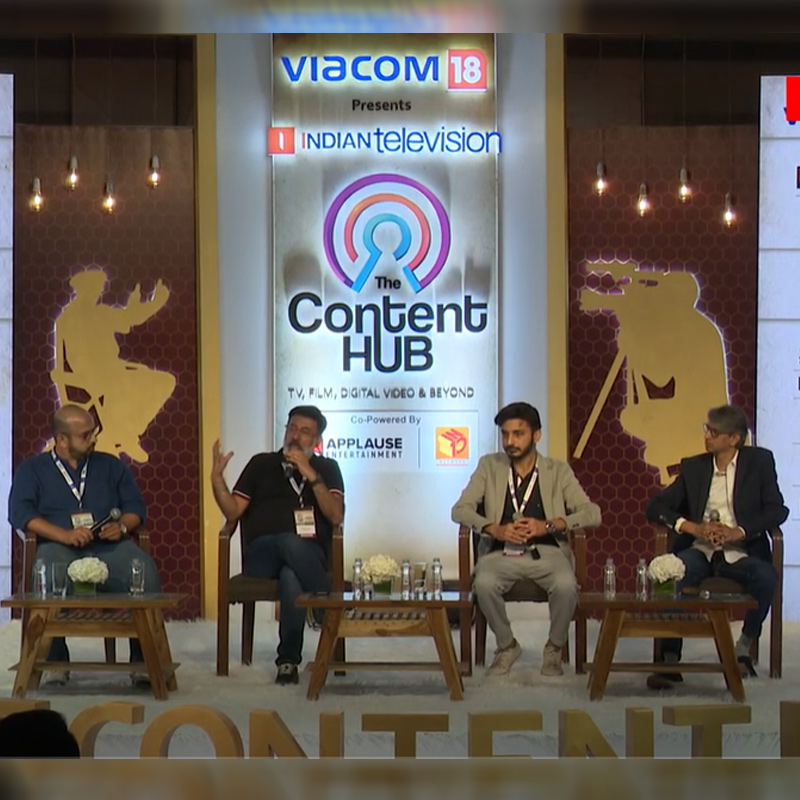
On day two of the sixth edition of Indiantelevision.com’s The Content Hub Summit 2022 held on Thursday in Mumbai, executives of the music and audio content industry share their insights on ‘Decoding the business of audio, music and podcast’. The informative session chaired by Ideabrew Studios co-founder & CEO Aditya Kuber saw industry insiders comprising Hungama Digital chief executive officer Siddhartha Roy, Showbox vice president -Programming & Strategy Clyde Dsouza and Pocket FM senior vice president – content Ashu Behl discuss ways and means to drive the next wave of business growth in the digital audio space.
The summit was presented by Viacom18, and co-powered by Applause Entertainment and IN10 Media Network. Aaj Tak Connected Stream is the association partner. Industry partners are Fremantle India, Hill+Knowlton Strategies, One Take Media, Pratilipi, Pocket FM and The Viral Fever. The Indian Motion Pictures Producers’ Association (IMPPA) is our community partner.
With widespread internet penetration, and affordable smartphones becoming a common commodity even in the country’s tier three and four towns, the boundaries of the music streaming landscape have been pushed.
Showbox’s Clyde Dsouza, represents the more traditional media which some may say is on its way out. In his view, the more things change the more they remain the same. He said “While the platforms will keep evolving, the core piece- which’s the content- be it audio or visual- will always remain the same. So, the curation, the programming, the packaging- all of that remains the same. It’s just that the distribution models will keep changing.”
While the Indian market is now choc-a-bloc with digital music streaming platforms, OTTs that are purely ‘non-music’ and ‘audio-based’, such as Pocket FM, are also getting launched. These OTTs are evolving the audio-listening space into three broad categories, namely the traditional informative podcasts, audio books and lastly, the dominant category of audio series, explained Pocket FM’s Ashu Behl.
“The biggest barrier to user acquisition for us was there are not many audio user-acquisition channels, unless we go to competitors like Gaana or maybe, Hungama. So, we actually leveraged a video-led acquisition approach where we got consumers to sample audio content in some form of video, maybe a five-minute or three-minute clip,” continued Behl. “When the audience gets ‘stuck’ to the content or the story they then latch onto the content and download the app and continue to listen.”
How has the digital side of the business affected revenue on the traditional side, Ideabrew Studios’s Aditya Kuber asked Showbox’s Dsouza. From an advertising perspective one might have expected a downturn from digital platforms eating away at the advertising revenue, but there’s actually been an upturn, observed D’souza.
“I think traditional TV media is grounded within the ecosystem of the advertiser, the client, the audience and the measurability,” he added further. “Showbox has seen a huge uptick, not only in terms of viewership, but also in terms of advertising. So, music channels are still robust and it’s a while away for the traditional space to be upturned as such.”
The industry stakeholders discussed some of the newer payment methods in terms of micropayment models, and how smaller pieces of content can be converted into paid pieces of content.
“When we started monetising, we did so with an annual subscription model, but then we realised there’s an entry barrier for users to pay even nominal amounts,” said Behl. “So, we completely did away with it and started micro-payments, where the initial user can start spending, say as low as nine rupees, and listen to a number of episodes of a particular show.” This has lowered the entry barrier for the users, as well as, helped retention and stickiness of our long-form content.
When it comes to streaming platforms- more so music-driven- the entire category, each of us are aggressively continuing to grow our communities and each of us have different ways and forms in the way we are going about it, said Hungama Digital’s Siddhartha Roy. “From a payment perspective, it’s not the price. It’s all about the fact that if I’m getting the service free, why should I be paying? So, each of us are running different programs on how to move the consumer from a ‘free’ bucket into ‘paid’.”
What is the role that brands can play, in terms of advertising and effectively tapping into a platform’s community of users, asked Kuber, while going beyond the standard sponsorship or advertising route? The key for brands could be to step up by taking calculated risks and partnering more with the content, say the panellists.
Taking the same content, and packaging it and giving the brand proposition across music, OTT and broadcast, creating a 360-degree play with the brand’s passion was some of the other means spoken about. Another innovation is integrating the brand’s stories as a part of an audio series or content, where brands can actually monetise and see the outcome.
One of the major challenges brands face today is measuring the return on investment (RoI) on their investments in the digital audio space. How are the platforms aiding the brands on this, asked Kuber.
Digital as a medium is the most transparent measurement of what you would call ‘brand value’, says Roy. “It could be done through an impression, a view, or through the time spent. So, the amount of data that is being put out to brands, the effective RoI for the money that they deploy on advertising in digital – it can’t get more transparent than that.”
That context-setting and target-setting needs to be done at the time of engaging with the brand, he added.
The panellists also debated on having a standardised tool of data measurement for brands to measure their ROI, when it came to digital platforms.
On dealing with upcoming challenges and rising competition in the audio content space, experts were united about applying the standard tenets of staying ‘relevant’ and ‘committed’, while continuing to add something new and of value to the ecosystem.
Mumbai: Fueled up by the pandemic and unprecedented lockdown, the audio industry has grown massively over the past two years. According to a listener survey by IVM Podcasts, around 96 per cent tuned in via their phones and saw more women than ever listening to podcasts. 80 per cent of listeners prefer to listen to episodes that are more than 20 minutes long, and serious listeners get about seven-eight hours of listening per week.
According to a KPMG study, podcast consumption increased by 29.3 per cent in the first year of the pandemic. A survey by Spotify and YouGov says that as of 2021, 50 percent of Indians prefer listening to at least one episode of a podcast every week.
The PWC Global Entertainment & Media Outlook 2020 study also predicted that India’s podcast listening market, the third-largest globally, is expected to reach Rs 17.61 crore by 2023, growing at a CAGR of 34.5 per cent.
Following the trend, branded podcasts have emerged as a favorite of advertisers across industries.
In a conversation with IndianTelevision.com, Pratilipi owned IVM podcasts head Amit Doshi shared why brands should go for a branded podcast. Along with him, IVM co-founder Kavita Rajwade also joined in to highlight the increasing number of advertisers on the platform.
The growth trajectory of IVM
Industry estimates show that the podcast industry has grown immensely during the pandemic. Highlighting the growth of IVM, Doshi said, “Like the entire podcast industry, IVM too has grown enormously.”
“Right now we create content for thirty-five advertisers and are aiming to garner a hundred brands by the end of 2022,” he revealed.
He added, “during the initial months of the lockdown, IVM registered a drop in listenership but soon audiences were saturated with regular entertainment channels like television, OTT, etc., which led them to discover podcasts.”
“As soon as they realised that the medium is a perfect resort for infotainment, they couldn’t take a step back which helped the medium grow,” Doshi added.
Except for FMCG, brands across categories show interest
At present, IVM has thirty-five advertisers in its bucket. Doshi said, “We have a variety of advertisers working with us. However, we are not specific to a particular niche of brands. We have all kinds of advertisers including fintech, edtech and e-commerce. However, FMCG is one category that is still very hesitant to invest in branded podcasts.”
Explaining the reason behind the low-interest rates of FMCG brands, he said, “FMCG brands are usually targeting all classes of the society, whereas, the podcast is still not a mass medium. Branded podcasts are limited to educated people, millennials and Gen Z, hence FMCG brands are not open to experimenting in the podcast ecosystem.”
Audio is no more limited to music only
Gone are the days when audio was synonymous with music only. Now, audio for Indian listeners is a lot beyond music.
“There was a time when audio was only about music. Songs were the only option to fill our everyday commutes, long lines at the bank, early morning walks and awkward carpools with insightful and funny stories,” Rajwade said. “But now when it comes to audio-based entertainment, listeners look for podcasts, audiobooks, editorials and other audio options,” she added.
Content experience is more important than content creation
Rajwade thinks that it is the content experience that helped them to grow consistently. “To provide the right solutions to the brands, we focus on providing better experiences to our listeners rather than just creating content,” she said.
“Content creation is our primary job but we focus more on how our content makes the listener feel, because no one remembers the content after listening to it, what stays with them is the experience and feel they get while listening to a particular content,” she explained.
Immense room for growth
According to an analysis by market research firm RedSeer, only 12 per cent of the Indian population “had ever listened to a podcast” till 2021. The number indicates that there’s “immense room for growth.”
In his concluding remarks, Doshi said, “As India has finally started seeing a notable surge in the number of podcast listeners, I see a great opportunity for growth in this industry.”
Mumbai: Covid-19 disruptions and months-long lockdowns hampered the marketing industry for the last two years. While some mediums became irrelevant during the pandemic, others witnessed enormous growth. One leading example of the latter is podcast! Experts feel that with the restriction on movement during the pandemic, podcast emerged as a screen-free comfortable medium to deliver content to the listeners and consumers are increasingly inclining toward passive entertainment leading marketers to invest more in audio advertising.
According to a KPMG study, podcast consumption increased by 29.3 per cent in the first year of the pandemic. A survey by Spotify and YouGov says that as of 2021, 50 percent of Indians prefer listening to at least one episode of a podcast every week. In 2018, PWC estimated that among 500 million internet users in India, only 40 million ever listened to a podcast. But the number changed dramatically during the pandemic as the listener base increased to 57.6 million monthly listeners, revealed another PWC report of 2020. The PWC Global Entertainment & Media Outlook 2020 study also predicted that India’s podcast listening market, the third-largest globally, is expected to reach Rs 17.61 crore by 2023, growing at a CAGR of 34.5 per cent.
By offering advertising opportunities, the podcast is emerging as an influential platform. The key reason behind brands’ interest and increasing spending on podcast advertising is that it works, and it works more effectively compared to the traditional advertising mediums that have become increasingly less effective. It is a popular medium especially among millennials and gen-Z as the medium lets them learn more about self-love, discover something new, cope with anxiety, or simply entertain themselves.
Surge in ad sales
Spotify, which is believed to be the largest music streaming app in India, recorded a surge in ad sales from a big investment in newer services such as podcasts while recording a 16 per cent increase in paid subscribers in the fourth quarter of last fiscal year. According to reports, Spotify has recorded major growth in the regional market, leading them to launch 30 new podcasts with local creators.
Local creators tapped into the trend by understanding the need of the time. While the pandemic brought unavoidable challenges to life, podcasts made content consumption easier.
As digital players are moving back to the traditional way of storytelling, open mics and sharing content through audio, audio platforms expect even bigger growth numbers in the upcoming years. Gaana.com, another leading music streaming app, is also eying to improve its marketing efficiency by 50 per cent by the end of 2022, tells Gaana head of marketing Shashwat Goswami.
Goswami says that their efforts are dedicated to diversification and personalisation. Revealing the marketing strategy for the year, he states, “Our major focus is non-music content for the year because the growth trajectory in the future will be led by podcasts.”
On being asked why is so hopeful about the growth of podcasts, he explains that podcasts are highly personalised and getting hyper-local. “Podcasts are becoming increasingly popular among local communities, if it goes at the same pace, we can expect growth in tier 2 and 3 cities,” he asserts.
Brands are all up to leverage the medium
This change in numbers attracted many brands to invest in the medium. If we see the trends, brands like Oppo, Netflix, HDFC Life, Unacademy, Cadbury’s, and many more started investing in the medium a long time ago.
The Man Company, an ultimate solution to becoming a gentleman, is soon launching a very exciting show with a significant modern gentleman as the host and an amazing lineup of guests, reveals The Man Company director-brand marketing Rumi Ambastha.
Ambastha feels that this becomes a platform that’s worth exploring both from an education and entertainment perspective.
QuackQuack founder and CEO Ravi Mittal says, “The usage of podcasts is going up in India. Our observation shows people who were listening to music are now also switching to podcasts for entertainment, knowledge and inspiration. We are finding this concept interesting for marketing our products.”
“Podcasts should see continuous growth in India for now as people opt to get more productive with their free time and consume more audio-based content. Audio-based marketing has a tremendous scope from a sponsorship point of view if done in the right manner leading to a win-win for the podcast and the brands,” he adds, while evaluating the future of podcast marketing.
The popular dating app Bumble also collaborated with JioSaavn during the pandemic to spread the message of being together among young adults. With a highly-engaged and young user base, JioSaavn was the perfect destination for Bumble to build a community to foster safe, meaningful, and true connections.
Dairy Milk Silk also launched a campaign with Spotify to bring lovestruck couples together. The campaign was targeted toward the couples who couldn’t meet during the lockdown. According to Spotify official data, the campaign reached five million+ listeners and eight thousand Spotify users opted to gift a Dairy Milk Silk to their loved ones.
Supertails, an online vet consultation platform, also invests in podcast marketing. Supertails co-founder Varun Sadana says, “We definitely see podcasts as an interesting brand building tool and are working in this direction. Our initiatives for the medium are still in the works and we’re excited to see how our community takes it when we launch.”
Well! Not just the mainstream brands but other industry players are also investing in the medium. Scenic Communication, a leading communication agency, has invested in the medium by collaborating with leading podcasters.
Scenic Communication co-founder Anindita Gupta says, “We invest in the medium by collaborating with leading podcasters.” She added, “as a communication agency we are aware of how significant this platform is going to be in the future of brand engagement and we are working towards a strategy to involve most of our clients to create a presence on this platform.”
The relevance of podcast: Explained by experts
Gupta feels podcast as a medium has rapidly evolved over the last five years, mainly as an alternative to video, as it allows people to reduce screen time, multi-task, and still consume content of their choice.
“Over a period of time, podcasts also became a source of knowledge, entertainment and news, helping both podcasters and brands to engage with a fast-evolving audience willing to ‘Listen’ instead of being attached to an ‘immersive viewing’ experience all the time. This is how podcasts started as a marketing medium and are now used as a tool for brands to showcase their products and services,” affirms Gupta.
Adding to it, The Man Company’s Ambastha says, “podcast emerged as an interesting respite from all other video streaming platforms. So one can say podcasts literally and figuratively found their space and voice during the pandemic.”
“Podcast is a welcome change from the erstwhile omnipresent mobile phones. Gives you the liberty to watch and do other household chores or workout all while listening to your favorite personalised podcasts,” she explains.
Pulp Strategy founder and MD Ambika Sharma shares that podcasts are a great way to reach hyper-targeted audiences. “Podcasts can be information, and engagement on-demand while audiences are on the go, they are easy to tune into and offer the advantage of repetitive engagement if the content is great. It is a very useful medium for new-age brands that are majorly targeted to millennials and gen-Z and if we deep dive into the demographics of the users of audio platforms, we realise that 75 per cent of their consumers are from these age groups. Hence, audio streaming platforms become relevant for dating applications,” she further says.
4AM Worldwide chief creative officer Anand Nair thinks that audio-based content has certain transparency and intimacy to it. “The beauty of listening to a well-conducted podcast as it transports the listener to the room where the host and the guest are conversing makes it feel like a personal experience. Whether from entertainment or from a learning perspective, this kind of engagement is remarkable in the times we live in where distractions abound,” asserts Nair.
“Podcasts make more sense for a certain type of brand targeting a certain type of audience thanks to the level of intimate and extensive engagement it offers. It makes the speaker appear as an authority thus inducing trust which is the precursor to most purchase decisions,” he further says, adding that, “If used strategically as part of a larger media plan, it can help build recall and become a channel to build more evangelists for the brand since the audience listening are likely to be among the influencers of their social circles.”
Moreover, podcasts appeal to the mass audience as it has the added advantage of less attention span which does not require any extra screen time making them an ideal option for consuming productive content even in a busy schedule.
Grapes Digital CEO and co-founder Shradha Agarwal thinks that podcasts as a platform show a great affinity for story-telling. Explaining further, she said, “The sector has always shown significant growth, which in the past two years got the desired mileage with the onset of a pandemic that necessitated a reduction in the screen time which worked in favour of podcasts.”
“However, the listenership for podcasts is growing, but on a small base because in the end, it’s difficult to define how many listeners have actually tuned in for how many minutes but there is an immense scope in the industry to grow.”
“In recent times, various categories of brands have started advertising audio marketing. The brands usually tap the millennials or people in the age bracket of 20-40 years. With the rising popularity of podcasts and the wide reach it exercises, diverse brands are foraying in this platform where e-commerce, fintech, education, food delivery apps etc are highly active on the platform,” Agarwal attests.