Tag: PKL

  • Star’s five marketing strategies that helped sports grow in 2016

    Star’s five marketing strategies that helped sports grow in 2016

    “Business has only two functions: marketing and innovation,” is a lesser known observation of Milan Kundera, the Czech-born French writer who’s more famous for Unbearable Lightness of Being and more such thought-provoking novels.

    Why are we cross referencing Kundera in a write-up for sports marketing campaigns? Simply because Star India and its bouquet of sports channels, marketed under brand Star Sports, are following Kundera’s words to a T— and successfully too.

    In a dynamic world of sports broadcasting where events are now held and telecast almost round the year — at times various big ticket events held and aired live the same day in different part of the globe in different time zones — it is difficult to ensure the success of every league or tournament in terms of advertising revenue. Behind the numbers’ game, lot of research is done to finalise marketing strategies, which are aimed to ensure that audiences are given exactly what they want, where they want and how they want.

    With some smart packaging, marketing and advertising, Star India has managed not only to acquire broadcast rights for the region for some of the big sporting events, but also get the eyeballs — and advertising revenue — to justify the millions of dollars it is sinking into Indian sports. A business newspaper reported last year that Star India has bet Rs. 200 billion (Rs. 20,000 crore) on sports. This money has been ploughed into not only getting the rights for Indian cricket, Summer Olympics and sundry other games, but also into building lesser sports like kabaddi and cash in on football’s popularity by creating an Indian football league with participation of retired international stars.

    We look at five marketing strategies of Star India, helmed by Chairman and CEO Uday Shankar and his deputy Sanjay Gupta, which helped the respective sports aired on Star Sports grow in terms of viewership in India.

    1. India vs. England Test Series

    In an age where T20 and slam-bang form of cricket is being aggressively promoted and vastly followed, it has been a refreshing change to see Test cricket getting good viewership. India had been itching to take revenge over England, a side which had defeated the Indian cricket gladiators in three consecutive Test series prior to this.

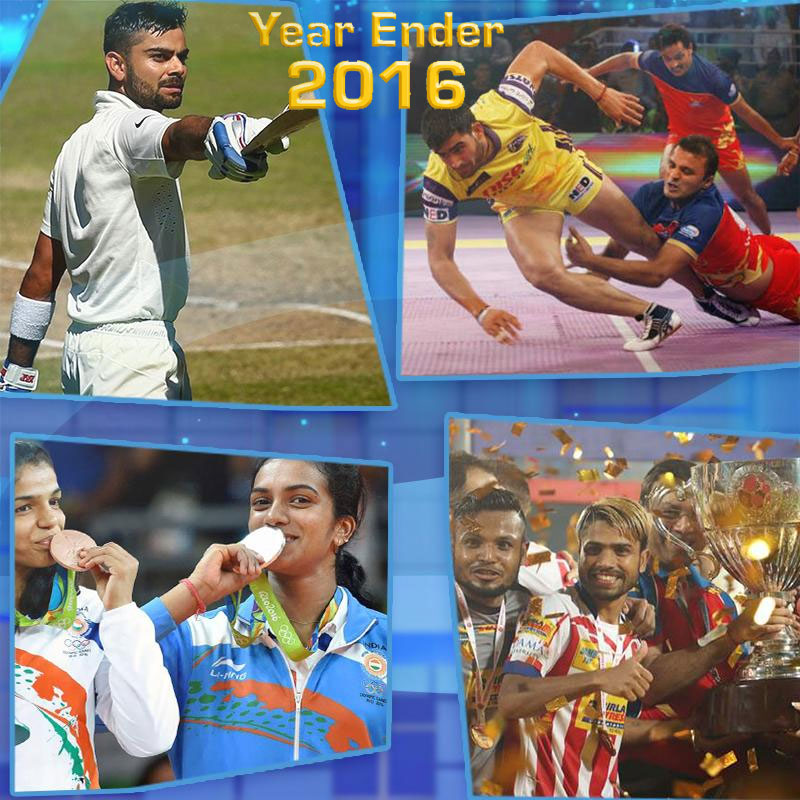
    Building up the tension with #scoretosettle, Star Sports network used the Virat Kohli factor very effectively and the response was satisfying. The five-match Test series had a reach of 159 million viewers. BARC recorded a total of 728 million impressions in the India urban market and a total of 1,217 impressions in the all-India market. The fourth Test had the highest rating with 4.9, proving the series was the biggest of the year.

    Virat Kohli scored a brilliant 235 in the fourth Test and the rise of Karun Nair and Jayant Yadav had Indian viewers glued to their TV screens. There would have been additional viewers reached via Star’s digital platform Hotstar that too streamed the matches. The series was won 4-0. It was not only Team Virat that put on a sterling performance in recent times, but also Star Sports in terms of viewership.

    2. ICC Cricket T20 World Cup

    In a heavily marketed campaign of the year, the T20 World Cup was being played on the Indian soil for the first time in its history. Quirky, gripping and nationally-emotional TVCs were made and beamed on national television starting early 2016. With #T20WC as easy and relatable as ever, the match between India vs. Pakistan trended with #maukamauka, setting the tone for brilliant support for the Men in Blue. India defeated Pakistan comfortably, riding on Virat Kohli’s brilliant half century after the team, at one time, was tottering at 23/3 due to a fearful Mohammed Amir spell. India reached the semi-finals, only to be defeated by eventual winners West Indies.

    The tournament reached 393 million people in India, one of the highest viewed tournaments in 2016. The India vs. Pakistan game got a rating of 17.3 across the Star Sports network, becoming the most watched T20 game ever since the 2007 WC final played between the arch-rivals.

    While the cricket on display was high quality, credit must be given to the marketers who too did their job magnificently. Video snippets and memes capturing Mauka-man’s reactions were also pushed in real-time during the match and after it, which contributed to #IndvsPak overtaking the tournament’s official hash tag during the game.

    The Mauka Mauka campaign, originally devised in 2015 by Ranchi-born Suresh Triveni for Star Sports, not only connected with cricket fans instantly, but also got featured in a Forbes’ list of five best sports marketing campaigns that went viral in 2015. Even as the campaign’s character still connects with viewers when used by Star Sports, writing about it in 2015 Forbes said, “Occasionally, a campaign hits a nerve and it catches the attention of a whole country. For India, this is that campaign.”

    3. Rio Summer Olympics 

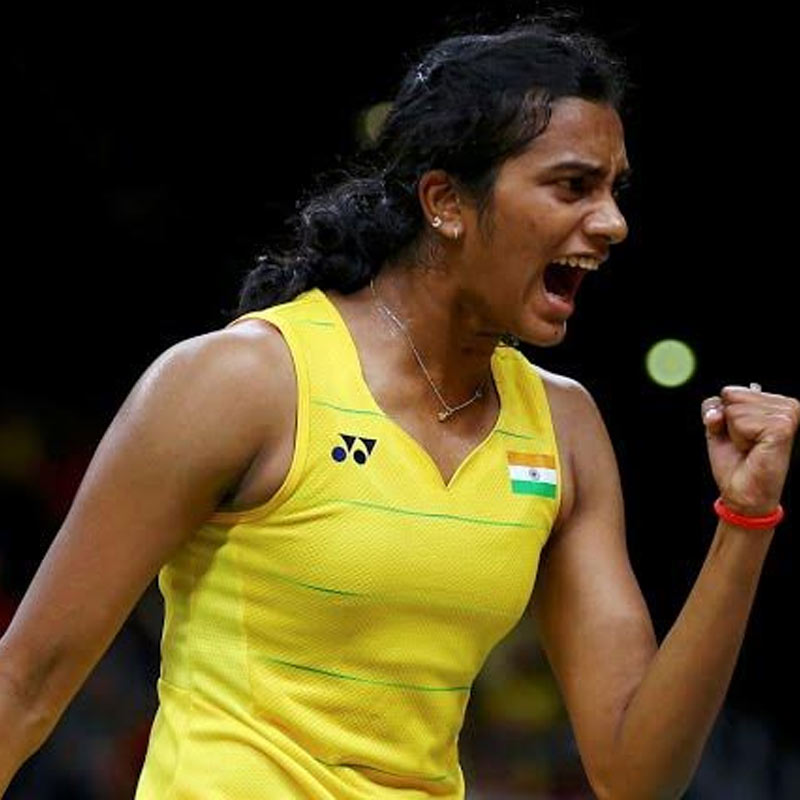
    It doesn’t get bigger than the Olympics, does it? In one of the most apt hash tags in Indian markets last year, Star Sports used #issebadakuchnahi in the build up to the Rio Olympics 2016. Rest as they say, is history. Female badminton player PV Sindhu reached the finals and was part of an extensive marketing programme by the Star network.

     The tall and powerful Indian, who catapulted overnight as a superwoman in an overtly patriarchal country, lost to Spain’s Caroline Marin in a well-fought three-set final 21-19, 21-12 and 21-15. The match recorded 17.2 million impressions, the most viewed programme on that day across all genres in India. In total, 202 million viewers tuned in to watch the Rio Games on television and 10 million (Star’s internal figures) watched the live streaming on Star’s digital sibling, Hotstar.

    The whole scenario of Indian alternative sports or non-cricket games has changed after the Rio Olympics. Fans found new heroes in gymnast Dipa Karmakar, Sindhu, wrestler and bronze medallist Sakshi Malik, Aditi Ashok and various other sports personalities. As part of the story-telling, Star Sports brought their stories to fans via videos, images and content and ensured continuous engagement with fans throughout the tournament with conversations peaking when India clinched two medals (badminton and wrestling). So thought out was the marketing engagement unleashed by Star Sports that it even dug out the noodle-haired Indo-Canadian Kamal Sidhu, one of India’s fav music veejays and TV anchors during the mid 1990s and early 2000s, as the host for pre-live Olympics programmes.

    #BillionCheers, a 360-degree campaign that happened before, during and after the Olympics helped #Rio2016 become one of the top trending hash tags in India in 2016.

     4. India Super League

    The Indian football extravaganza was one of the hottest tournaments in 2016 in terms of viewership. The league saw the arrival of 2010 World Cup Golden Ball winner Diego Forlan join hands with Mumbai City FC, taking the side to the semi-finals for the first time in three editions. The league was won by Atletico de Kolkata, which defeated fellow first season finalists Kerala Blasters at a wildly-cheering houseful Kochi Stadium in Kerala.

    Using the Diwali fervour as a peg to enhance viewership, Star Sports network used a tagline of ‘Ye Diwali Football wali’ to connect the game to the audiences and the soccer culture of the nation. While 41 million fans tuned in to television to watch the final, it was a rise of 41 per cent viewership compared to the final of ISL 2015. In Kerala, the ISL matches were viewed more than the 2016 T20 cricket WC semi-final between India and West Indies and the Euro 2016 final.

    In West Bengal, the match had a higher viewership than the IPL 9 final. The league saw a total viewership of 216 million and a steep growth in rural viewership, cumulatively reaching 101 million viewers in a new high for the sport. This edition of the league also registered double view-time as compared to 2015 on the digital platform Hotstar.

    5. Kabaddi World Cup

    Arguably the alternative sport of 2016, kabaddi grew manifold with two editions of Pro Kabaddi League (PKL) and the men’s World Cup in the same year. The viewership of every event grew as time progressed and the game can now boast of having a dedicated audience, both on ground and on TV and digital platforms. The fourth edition of the PKL posted 10 million average BARC impressions and is the only league in the country to have registered a growth trend in four editions. The league has shown a growth of 51 per cent in the last four seasons and has been one of the key reasons for India’s good performance in the World Cup.

    As India snapped up the World Cup, the men’s edition clocked a whopping 114 million impressions spread across 33 matches over 16 days. Star helped building its audience with #readytoraid and a TVC that captured well rural India, the topography the game is primarily associated with.

    The women’s kabbadi challenge was even better. In the marketing strategy, Star Sports highlighted that women regularly challenge gender stereotypes in the society and can cross the line in kabaddi as well – the hash tag being an apt #crosstheline. After women’s kabaddi in PKL IV, the first two matches got a viewership of 38 million, the highest any women’s sport has got in India ever. The tournament had a total viewership of 90.4 million, with an average of 6.7 million impressions as per BARC data. This number is 2.3 times higher than the second semi-final between New Zealand and West Indies, the highest rated women’s game till date. Thus, women’s kabaddi Challenge features amongst the top 10 sporting events watched on Indian television over the last one year.
  • Star’s five marketing strategies that helped sports grow in 2016

    Star’s five marketing strategies that helped sports grow in 2016

    “Business has only two functions: marketing and innovation,” is a lesser known observation of Milan Kundera, the Czech-born French writer who’s more famous for Unbearable Lightness of Being and more such thought-provoking novels.

    Why are we cross referencing Kundera in a write-up for sports marketing campaigns? Simply because Star India and its bouquet of sports channels, marketed under brand Star Sports, are following Kundera’s words to a T— and successfully too.

    In a dynamic world of sports broadcasting where events are now held and telecast almost round the year — at times various big ticket events held and aired live the same day in different part of the globe in different time zones — it is difficult to ensure the success of every league or tournament in terms of advertising revenue. Behind the numbers’ game, lot of research is done to finalise marketing strategies, which are aimed to ensure that audiences are given exactly what they want, where they want and how they want.

    With some smart packaging, marketing and advertising, Star India has managed not only to acquire broadcast rights for the region for some of the big sporting events, but also get the eyeballs — and advertising revenue — to justify the millions of dollars it is sinking into Indian sports. A business newspaper reported last year that Star India has bet Rs. 200 billion (Rs. 20,000 crore) on sports. This money has been ploughed into not only getting the rights for Indian cricket, Summer Olympics and sundry other games, but also into building lesser sports like kabaddi and cash in on football’s popularity by creating an Indian football league with participation of retired international stars.

    We look at five marketing strategies of Star India, helmed by Chairman and CEO Uday Shankar and his deputy Sanjay Gupta, which helped the respective sports aired on Star Sports grow in terms of viewership in India.

    1. India vs. England Test Series

    In an age where T20 and slam-bang form of cricket is being aggressively promoted and vastly followed, it has been a refreshing change to see Test cricket getting good viewership. India had been itching to take revenge over England, a side which had defeated the Indian cricket gladiators in three consecutive Test series prior to this.

    Building up the tension with #scoretosettle, Star Sports network used the Virat Kohli factor very effectively and the response was satisfying. The five-match Test series had a reach of 159 million viewers. BARC recorded a total of 728 million impressions in the India urban market and a total of 1,217 impressions in the all-India market. The fourth Test had the highest rating with 4.9, proving the series was the biggest of the year.

    Virat Kohli scored a brilliant 235 in the fourth Test and the rise of Karun Nair and Jayant Yadav had Indian viewers glued to their TV screens. There would have been additional viewers reached via Star’s digital platform Hotstar that too streamed the matches. The series was won 4-0. It was not only Team Virat that put on a sterling performance in recent times, but also Star Sports in terms of viewership.

    2. ICC Cricket T20 World Cup

    In a heavily marketed campaign of the year, the T20 World Cup was being played on the Indian soil for the first time in its history. Quirky, gripping and nationally-emotional TVCs were made and beamed on national television starting early 2016. With #T20WC as easy and relatable as ever, the match between India vs. Pakistan trended with #maukamauka, setting the tone for brilliant support for the Men in Blue. India defeated Pakistan comfortably, riding on Virat Kohli’s brilliant half century after the team, at one time, was tottering at 23/3 due to a fearful Mohammed Amir spell. India reached the semi-finals, only to be defeated by eventual winners West Indies.

    The tournament reached 393 million people in India, one of the highest viewed tournaments in 2016. The India vs. Pakistan game got a rating of 17.3 across the Star Sports network, becoming the most watched T20 game ever since the 2007 WC final played between the arch-rivals.

    While the cricket on display was high quality, credit must be given to the marketers who too did their job magnificently. Video snippets and memes capturing Mauka-man’s reactions were also pushed in real-time during the match and after it, which contributed to #IndvsPak overtaking the tournament’s official hash tag during the game.

    The Mauka Mauka campaign, originally devised in 2015 by Ranchi-born Suresh Triveni for Star Sports, not only connected with cricket fans instantly, but also got featured in a Forbes’ list of five best sports marketing campaigns that went viral in 2015. Even as the campaign’s character still connects with viewers when used by Star Sports, writing about it in 2015 Forbes said, “Occasionally, a campaign hits a nerve and it catches the attention of a whole country. For India, this is that campaign.”

    3. Rio Summer Olympics 

    It doesn’t get bigger than the Olympics, does it? In one of the most apt hash tags in Indian markets last year, Star Sports used #issebadakuchnahi in the build up to the Rio Olympics 2016. Rest as they say, is history. Female badminton player PV Sindhu reached the finals and was part of an extensive marketing programme by the Star network.

     The tall and powerful Indian, who catapulted overnight as a superwoman in an overtly patriarchal country, lost to Spain’s Caroline Marin in a well-fought three-set final 21-19, 21-12 and 21-15. The match recorded 17.2 million impressions, the most viewed programme on that day across all genres in India. In total, 202 million viewers tuned in to watch the Rio Games on television and 10 million (Star’s internal figures) watched the live streaming on Star’s digital sibling, Hotstar.

    The whole scenario of Indian alternative sports or non-cricket games has changed after the Rio Olympics. Fans found new heroes in gymnast Dipa Karmakar, Sindhu, wrestler and bronze medallist Sakshi Malik, Aditi Ashok and various other sports personalities. As part of the story-telling, Star Sports brought their stories to fans via videos, images and content and ensured continuous engagement with fans throughout the tournament with conversations peaking when India clinched two medals (badminton and wrestling). So thought out was the marketing engagement unleashed by Star Sports that it even dug out the noodle-haired Indo-Canadian Kamal Sidhu, one of India’s fav music veejays and TV anchors during the mid 1990s and early 2000s, as the host for pre-live Olympics programmes.

    #BillionCheers, a 360-degree campaign that happened before, during and after the Olympics helped #Rio2016 become one of the top trending hash tags in India in 2016.

     4. India Super League

    The Indian football extravaganza was one of the hottest tournaments in 2016 in terms of viewership. The league saw the arrival of 2010 World Cup Golden Ball winner Diego Forlan join hands with Mumbai City FC, taking the side to the semi-finals for the first time in three editions. The league was won by Atletico de Kolkata, which defeated fellow first season finalists Kerala Blasters at a wildly-cheering houseful Kochi Stadium in Kerala.

    Using the Diwali fervour as a peg to enhance viewership, Star Sports network used a tagline of ‘Ye Diwali Football wali’ to connect the game to the audiences and the soccer culture of the nation. While 41 million fans tuned in to television to watch the final, it was a rise of 41 per cent viewership compared to the final of ISL 2015. In Kerala, the ISL matches were viewed more than the 2016 T20 cricket WC semi-final between India and West Indies and the Euro 2016 final.

    In West Bengal, the match had a higher viewership than the IPL 9 final. The league saw a total viewership of 216 million and a steep growth in rural viewership, cumulatively reaching 101 million viewers in a new high for the sport. This edition of the league also registered double view-time as compared to 2015 on the digital platform Hotstar.

    5. Kabaddi World Cup

    Arguably the alternative sport of 2016, kabaddi grew manifold with two editions of Pro Kabaddi League (PKL) and the men’s World Cup in the same year. The viewership of every event grew as time progressed and the game can now boast of having a dedicated audience, both on ground and on TV and digital platforms. The fourth edition of the PKL posted 10 million average BARC impressions and is the only league in the country to have registered a growth trend in four editions. The league has shown a growth of 51 per cent in the last four seasons and has been one of the key reasons for India’s good performance in the World Cup.

    As India snapped up the World Cup, the men’s edition clocked a whopping 114 million impressions spread across 33 matches over 16 days. Star helped building its audience with #readytoraid and a TVC that captured well rural India, the topography the game is primarily associated with.

    The women’s kabbadi challenge was even better. In the marketing strategy, Star Sports highlighted that women regularly challenge gender stereotypes in the society and can cross the line in kabaddi as well – the hash tag being an apt #crosstheline. After women’s kabaddi in PKL IV, the first two matches got a viewership of 38 million, the highest any women’s sport has got in India ever. The tournament had a total viewership of 90.4 million, with an average of 6.7 million impressions as per BARC data. This number is 2.3 times higher than the second semi-final between New Zealand and West Indies, the highest rated women’s game till date. Thus, women’s kabaddi Challenge features amongst the top 10 sporting events watched on Indian television over the last one year.
  • Corporate funding vital for sports development: KPMG-CII

    Corporate funding vital for sports development: KPMG-CII

    MUMBAI: The global sports market comprising infrastructure, events, sponsorship, training and manufacturing and retail of sports goods is estimated at Rs 37.8–44.2 lakh crore (USD 600–700 billion), accounting for approximately one per cent of the global GDP.

    According to the report titled, “The Business of Sports” launched today by KPMG in India in association with CII during the summit on “Business of Sports and Entertainment”, over the years sports has evolved as a noticeable sector for all economies, presenting myriad careers as well as business opportunities. Further, sports contributes significantly towards improving the overall health and well-being of a country. Interesting trends driving the global sports sector highlighted in this report are:

    • Technology has gradually made its presence felt through applications across the entire value chain of sports business

    • Like in other industries, social media is acting as a game changer in the sports sector too. A large number of sportspersons also use the medium to connect with their fans and endorse their brand affiliations

    • Amongst the devoted sports enthusiasts globally, 45 per cent prefer viewing sports content online

    • There has been an upsurge in global women viewership for sports events. In India too, women are increasingly comprising a significant portion of the viewership pie

    Shrinivas Dempo, chairman, CII summit, and CMD, Dempo Shipbuilding & Engineering said, “The last 5-7 years have been the most dynamic for the sports industry in India with some fundamental changes. Sports not only provides an active branding and marketing opportunity to investors, but has also created value for fans all across. Addition of various sporting leagues in India have invited tremendous support and presence of corporate sector.”

    While presenting an overview of the global and Indian sports market, the report explores and assesses the sports ecosystem in India, identifies the various stakeholders concerned and addresses their specific issues and challenges while attempting to highlight the common grounds between all stakeholders to enhance the development of sports in India.

    According to Jaideep Ghosh, partner and head, transport, leisure and sports, KPMG, in India, “In February 2016, the government accorded an industry status to sports infrastructure, which is expected to attract investments from the private sector, thereby not limiting its role to just corporate social responsibility (CSR) activities and non-profit organisations.”

    Increasing viewership, sponsorship and participation in sports other than cricket, a rising number of sports start-ups and the growth in rural viewership numbers are key trends driving the growth of this sector in India. The report further highlights encouraging aspects of sports landscape in India, as below:

    • Indian sports viewership (TV) numbers grew 30 per cent over the two year period between 2014 and 2015

    • In 2015, the Indian sports sponsorship market grew 6.7 per cent y-o-y to INR 5,190 crore

    • Sports consumption in India is on the rise with leagues as well international sports garnering strong support across multiple platforms. While India is a latecomer, the concept is rapidly covering ground. Of the 11 operational leagues, nine were launched during 2013–16 and two more are planned in 2016

    • Regional games packaged in interesting league formats have been successful in garnering rural viewership as well

    The report identifies key issues facing the sports ecosystem in India across segments of governance, sports events, and infrastructure development among others, while offering recommendations to tackle these problems. It also presents a comprehensive view of the governance structure of sports in India, outlining the roles and responsibilities of major governing entities.

    “India is facing a moment of truth after its performance at the 2016 Rio Olympics. To initiate a strong foundation for the development of sports in India, the country needs to focus on three major aspects — improving governance and infrastructure, building a sporting culture and deploying a focused approach to winning medals,” added Jaideep Ghosh.

    The early success achieved by league-based events across multiple sports indicates a strong potential for Indians to consume sports other than cricket. This growing popularity of the league format in India resonates across the report. The league culture is still in its nascent stages in India, in comparison to the U.S. and Europe. IPL established a successful model for packaging and marketing. 2014 saw the emergence of some potentially successful leagues, including PKL, ISL, IPTL and CTL. However, the business of leagues requires high investments and has long gestation periods. In order to drive team success in leagues, the report suggests significant focus on fan engagement and marketing, celebrity influence, geographic location and better overall management apart from on field performance.

    India has a long journey ahead on its path to developing a strong sports culture. It needs to begin at the base, and that is what will build the future.

    KPMG in India, the Indian member firm of KPMG International, strives to provide rapid, performance-based, industry-focused and technology-enabled services, which reflects a shared knowledge of global and local industries.

  • Corporate funding vital for sports development: KPMG-CII

    Corporate funding vital for sports development: KPMG-CII

    MUMBAI: The global sports market comprising infrastructure, events, sponsorship, training and manufacturing and retail of sports goods is estimated at Rs 37.8–44.2 lakh crore (USD 600–700 billion), accounting for approximately one per cent of the global GDP.

    According to the report titled, “The Business of Sports” launched today by KPMG in India in association with CII during the summit on “Business of Sports and Entertainment”, over the years sports has evolved as a noticeable sector for all economies, presenting myriad careers as well as business opportunities. Further, sports contributes significantly towards improving the overall health and well-being of a country. Interesting trends driving the global sports sector highlighted in this report are:

    • Technology has gradually made its presence felt through applications across the entire value chain of sports business

    • Like in other industries, social media is acting as a game changer in the sports sector too. A large number of sportspersons also use the medium to connect with their fans and endorse their brand affiliations

    • Amongst the devoted sports enthusiasts globally, 45 per cent prefer viewing sports content online

    • There has been an upsurge in global women viewership for sports events. In India too, women are increasingly comprising a significant portion of the viewership pie

    Shrinivas Dempo, chairman, CII summit, and CMD, Dempo Shipbuilding & Engineering said, “The last 5-7 years have been the most dynamic for the sports industry in India with some fundamental changes. Sports not only provides an active branding and marketing opportunity to investors, but has also created value for fans all across. Addition of various sporting leagues in India have invited tremendous support and presence of corporate sector.”

    While presenting an overview of the global and Indian sports market, the report explores and assesses the sports ecosystem in India, identifies the various stakeholders concerned and addresses their specific issues and challenges while attempting to highlight the common grounds between all stakeholders to enhance the development of sports in India.

    According to Jaideep Ghosh, partner and head, transport, leisure and sports, KPMG, in India, “In February 2016, the government accorded an industry status to sports infrastructure, which is expected to attract investments from the private sector, thereby not limiting its role to just corporate social responsibility (CSR) activities and non-profit organisations.”

    Increasing viewership, sponsorship and participation in sports other than cricket, a rising number of sports start-ups and the growth in rural viewership numbers are key trends driving the growth of this sector in India. The report further highlights encouraging aspects of sports landscape in India, as below:

    • Indian sports viewership (TV) numbers grew 30 per cent over the two year period between 2014 and 2015

    • In 2015, the Indian sports sponsorship market grew 6.7 per cent y-o-y to INR 5,190 crore

    • Sports consumption in India is on the rise with leagues as well international sports garnering strong support across multiple platforms. While India is a latecomer, the concept is rapidly covering ground. Of the 11 operational leagues, nine were launched during 2013–16 and two more are planned in 2016

    • Regional games packaged in interesting league formats have been successful in garnering rural viewership as well

    The report identifies key issues facing the sports ecosystem in India across segments of governance, sports events, and infrastructure development among others, while offering recommendations to tackle these problems. It also presents a comprehensive view of the governance structure of sports in India, outlining the roles and responsibilities of major governing entities.

    “India is facing a moment of truth after its performance at the 2016 Rio Olympics. To initiate a strong foundation for the development of sports in India, the country needs to focus on three major aspects — improving governance and infrastructure, building a sporting culture and deploying a focused approach to winning medals,” added Jaideep Ghosh.

    The early success achieved by league-based events across multiple sports indicates a strong potential for Indians to consume sports other than cricket. This growing popularity of the league format in India resonates across the report. The league culture is still in its nascent stages in India, in comparison to the U.S. and Europe. IPL established a successful model for packaging and marketing. 2014 saw the emergence of some potentially successful leagues, including PKL, ISL, IPTL and CTL. However, the business of leagues requires high investments and has long gestation periods. In order to drive team success in leagues, the report suggests significant focus on fan engagement and marketing, celebrity influence, geographic location and better overall management apart from on field performance.

    India has a long journey ahead on its path to developing a strong sports culture. It needs to begin at the base, and that is what will build the future.

    KPMG in India, the Indian member firm of KPMG International, strives to provide rapid, performance-based, industry-focused and technology-enabled services, which reflects a shared knowledge of global and local industries.

  • Are we headed for a sports broadcasting ‘Duopoly’ in India?

    Are we headed for a sports broadcasting ‘Duopoly’ in India?

    As a nation, India has evolved significantly in sports broadcasting. With unbounded technological progress nipping away at our heels, a digital evolution was a long time coming, especially in the Indian subcontinent. The sporting world has all its eyes on the recent SPN̶̶-ZEEL deal, an acquisition that will leverage, consolidate and crucially enhance the relationship between right-holder, broadcaster and the fan. Truly, India has launched itself to transforming into a sporting nation to reckon with. 

    Content and consolidation will drive and scale up distribution and reach for both – network(s) within India and the subcontinent. 

    This acquisition is a major win and a penetration peak for SPN. It can now break into hitherto untapped territories and consolidate content from a far-‘reaching’ perspective. The world is in a frenzied state of “digital data drive” and this drive is only going to escalate. Our broadcasting output is changing every day. Last two decades has seen Single TV households changing their viewing environs from terrestrial TV to cable and satellite. The big daddies of the DTH universe are all moving towards consolidating the reality of second and third screen-driven ecosystems.

    Taking stock of things, Star India has the telecast rights of BCCI, ICC, Cricket Australia, English Cricket Board, Formula 1, EPL and tennis Grand Slams like Wimbledon and the French Open. In addition to this, Star has significant rights to the local sports leagues like ISL, PKL, PBL, HIL and IPTL. 

    SPN, on the other hand, proudly holds the rights to FIFA, UEFA, Euro, NBA and UFC on the international circuit. Through this landmark deal with TEN Sports, SPN now has an open-door all-access pass to the media rights of numerous golfing events as well as the rights to the cricket boards of African countries, Sri Lanka, West Indies and Pakistan. In the tennis world, they own the first and the last Grand Slams of the year – Australian Open and the US open, respectively. However, in India, IPL remains their biggest marquee acquisition despite being up for renewal post the 2017 season.

    The sports broadcast gladiatorial arena thus will soon witness a veritable battle between these two. With two key players running neck and neck towards the finish line, it’s a race that changes the environment and brings about a scale-up in distribution and revenue.

    The network that makes itself more accessible, more consumable and creates, builds and sustains real-time conversations while enhancing fan experience will emerge as the monarch in a currently duopolistic condition. The focus on Digital India, the technological and revenue-right prowess of the two key network players should reveal some of the answers in the times to come. Data will play a pivotal role in making sports content more consumable and build real-time conversations around enhancing fan experience and build higher level stickiness and relevance. 

    This phenomenon is aptly called ‘Datagiri’ – big data is the big dada, and it will outpace the traditional broadcast model soon enough. With live sports streaming and on-the-spot digital consumption through various media platforms such as Hotstar and Sony Liv may look to rise to the top with the Usain Bolt speed, a certain aggression and a prepared relevantly stronger digital interface.

    The digital ecosystem experiences an amplification of connections at an exponential rate. Every day, there is a new surge in distribution and a revamping of the “traditional” model since consumers are establishing newer ways and means of connecting with their favorite sports. After all, the name of the game is “enhanced fan experience”. The Rio Olympics displayed this very digital omnipresence – it was up to the fans to consume sports data, whenever, however, and in whichever way suited them best. The power was at the consumer’s fingertips.

    Some questions though surface strongly — Will data-driven content-providers compete with the traditional broadcast platforms? Will telecom players drive and build the next billion sports consumers? Will the definition of the 1st screen economy change?  These are just some of the questions that will be answered in times to come. 

    In summary, it promises an exciting time for the Sports Fan. The sports fan will share its limelight with no one; he or she will be at the centrestage of the best sporting live action. It will be served on a platter for his or her gluttonous consumption – peppered with analytic appetisers and tantalizing trivia, thus cinching a momentous union between networks, right-holders and sports fans. 

    (The author is the business head of ESP Properties. The views expressed are entirely his own and Indiantelevision.com does not subscribe to them)
     

  • Are we headed for a sports broadcasting ‘Duopoly’ in India?

    Are we headed for a sports broadcasting ‘Duopoly’ in India?

    As a nation, India has evolved significantly in sports broadcasting. With unbounded technological progress nipping away at our heels, a digital evolution was a long time coming, especially in the Indian subcontinent. The sporting world has all its eyes on the recent SPN̶̶-ZEEL deal, an acquisition that will leverage, consolidate and crucially enhance the relationship between right-holder, broadcaster and the fan. Truly, India has launched itself to transforming into a sporting nation to reckon with. 

    Content and consolidation will drive and scale up distribution and reach for both – network(s) within India and the subcontinent. 

    This acquisition is a major win and a penetration peak for SPN. It can now break into hitherto untapped territories and consolidate content from a far-‘reaching’ perspective. The world is in a frenzied state of “digital data drive” and this drive is only going to escalate. Our broadcasting output is changing every day. Last two decades has seen Single TV households changing their viewing environs from terrestrial TV to cable and satellite. The big daddies of the DTH universe are all moving towards consolidating the reality of second and third screen-driven ecosystems.

    Taking stock of things, Star India has the telecast rights of BCCI, ICC, Cricket Australia, English Cricket Board, Formula 1, EPL and tennis Grand Slams like Wimbledon and the French Open. In addition to this, Star has significant rights to the local sports leagues like ISL, PKL, PBL, HIL and IPTL. 

    SPN, on the other hand, proudly holds the rights to FIFA, UEFA, Euro, NBA and UFC on the international circuit. Through this landmark deal with TEN Sports, SPN now has an open-door all-access pass to the media rights of numerous golfing events as well as the rights to the cricket boards of African countries, Sri Lanka, West Indies and Pakistan. In the tennis world, they own the first and the last Grand Slams of the year – Australian Open and the US open, respectively. However, in India, IPL remains their biggest marquee acquisition despite being up for renewal post the 2017 season.

    The sports broadcast gladiatorial arena thus will soon witness a veritable battle between these two. With two key players running neck and neck towards the finish line, it’s a race that changes the environment and brings about a scale-up in distribution and revenue.

    The network that makes itself more accessible, more consumable and creates, builds and sustains real-time conversations while enhancing fan experience will emerge as the monarch in a currently duopolistic condition. The focus on Digital India, the technological and revenue-right prowess of the two key network players should reveal some of the answers in the times to come. Data will play a pivotal role in making sports content more consumable and build real-time conversations around enhancing fan experience and build higher level stickiness and relevance. 

    This phenomenon is aptly called ‘Datagiri’ – big data is the big dada, and it will outpace the traditional broadcast model soon enough. With live sports streaming and on-the-spot digital consumption through various media platforms such as Hotstar and Sony Liv may look to rise to the top with the Usain Bolt speed, a certain aggression and a prepared relevantly stronger digital interface.

    The digital ecosystem experiences an amplification of connections at an exponential rate. Every day, there is a new surge in distribution and a revamping of the “traditional” model since consumers are establishing newer ways and means of connecting with their favorite sports. After all, the name of the game is “enhanced fan experience”. The Rio Olympics displayed this very digital omnipresence – it was up to the fans to consume sports data, whenever, however, and in whichever way suited them best. The power was at the consumer’s fingertips.

    Some questions though surface strongly — Will data-driven content-providers compete with the traditional broadcast platforms? Will telecom players drive and build the next billion sports consumers? Will the definition of the 1st screen economy change?  These are just some of the questions that will be answered in times to come. 

    In summary, it promises an exciting time for the Sports Fan. The sports fan will share its limelight with no one; he or she will be at the centrestage of the best sporting live action. It will be served on a platter for his or her gluttonous consumption – peppered with analytic appetisers and tantalizing trivia, thus cinching a momentous union between networks, right-holders and sports fans. 

    (The author is the business head of ESP Properties. The views expressed are entirely his own and Indiantelevision.com does not subscribe to them)
     

  • Star India & franchises set for Pro Kabaddi League season 3

    Star India & franchises set for Pro Kabaddi League season 3

    MUMBAI: What Star India did for the Indian sport of Kabbadi is unprecedented. With the success that Pro Kabaddi League (PKL) has seen in a short span of time, it almost seems as if the game was a dark horse waiting to be saddled. From a flying bubble to an established entity, Star India CEO Uday Shankar and Mashal Sports director Charu Sharma’s PKL, which is all set for its third season, has clearly emerged as the undisputed second after cricket when it comes to sports in India.


    Even as the maiden season in 2014 got a first-rate response, with the second season in 2015, the interest level had only escalated amongst fans and advertisers alike. Unrecognised names and faces suddenly became household names as Kabaddi players from various PKL franchises posed for selfies with fans. Such prodigious was the response that stakeholders didn’t bat an eyelid before making the tourney a bi-yearly proposition.


    Smelling an attractive proposition, advertisers too queued up briskly. While the first season did not see brands on board, the second season snagged a hefty Rs 55 crore by roping in as many as eight associate sponsors and two partners.


    PKL franchises also saw the benefits with Ronnie Screwvala’s UMumba breaking even before the team’s first raid.


    With PKL season 3 set to kick-start from 3 February, the official broadcaster and title sponsor Star Sports has started unveiled its marketing trump cards. Amitabh Bachchan is back with the Le-Panga anthem with a few modifications. Salman Khan was spotted talking about the tournament getting bigger and better. Last year every match kick-started with a famous dignitary singing the Indian National Anthem. This year too, the trend will continue.


    Aamir Khan will mark open the third edition of PKL by singing the National Anthem. “The entire Le-panga campaign has been orchestrated by Star Sports’ in-house team. We are associating with  brand ambassadors and will have specific videos with specific brand ambassadors,” a source close to the development tells Indiantelevision.com.


    Multi-lingual telecast feed will also continue this year. However, the sportscaster has dropped the number of languages from five to four. While the English, Hindi, Kannada and Telegu feeds will continue, the Marathi coverage, which was there last year, has been dropped this year.


    Brands like TVS, Bajaj, Flipkart, State Bank of India and Gionee have been roped in as associate sponsors. Fair and Lovely Men has also come on board as a partner.


    “We are in talks with a few more brands and will soon be in a position to disclose more names. The brand interaction this year has been very good and we are expecting good numbers,” said a senior Star India official.


    Speaking on the advertising dynamics for PKL, a media planning expert on condition of anonymity says, “Anything equal to what they raked in last year will be a great achievement, because PKL will now be held twice a year. The ad revenue from this year’s tourney will be somewhere between Rs 40 – 50 crore. An associate sponsor inventory will be between Rs 3 – 5 crore, whereas ad rates for a 10 second slot will be somewhere in the range of Rs 60,000 to 65,000.”


    CAA KWAN COO Indranil Das Blah is of the opinion that the twice a year proposition is a progressive one. “The nature of the league is such that it ends very fast. So having such an expedition twice a year is a good move. It gives broadcasters as well as the franchises added room of monetisation. It is a positive move and will be beneficiary for all the stakeholders.”


    The franchises too welcome the decision of making PKL a bi-yearly affair. “We are very happy that it’s happening twice a year now. It gives an added advantage of building the connect, both with brands and the audience. Apart from the associations, with the tournament becoming a bi-yearly proposition, now we can have various value adds for brands associated with us, our team as well as fans. We plan to travel to various regions this year along with our team,” informs UMumba CEO Supratik Sen.


    UMumba is the defending champion of the tournament and the franchise’s performance has been equally good on the commercial front too. “This year we are eying a 140 per cent growth in our sponsorship revenues. Global player Adidas has associated with us as apparel partner. This only goes to show that the tournament is garnering global attention,” adds Sen.


    Close to 60 per cent of UMumba’s revenue comes from sponsorships, while ticketing contributes to 10 per cent of the overall revenue. The remaining 30 per cent comes from central revenue. 


    A sports media planning expert says, “Ronnie and his team have done a fantastic job to uplift their brand value. Any brand associating with them knows for a fact that there will be high ROI and that’s why they get considerably high sponsorship revenue. Smart monetisation is what they practice. When they know they charge more, they enhance the inventory. To my knowledge, for a chest spot UMumba would be charging somewhere close to Rs 3 crore, which is a great figure. Overall from this edition they can rake in close to Rs 12 crore, which is a great return given the investments are not more than Rs 4 crore.”


    Another franchise, which is optimistic about breaking even this year and has demonstrated constant growth is Bengaluru Bulls. The franchise rakes in 45 per cent of its revenue from sponsorship and ticketing, while the rest comes from central sponsorship. For a chest spot, the team charges close to Rs 2 crore. Bengaluru Bulls CEO Uday Sinh Wala says, “We are witnessing a 20 per cent growth, which I think should have been more but we have to understand the subdued nature of our economy at this stage and the enormous high profile cricket happening around us. However, I am sure that it will grow rapidly in the future.”


    “The response to the bi-yearly proposition will be clearer when more seasons unfold but at this stage I can say that it’s a great move as it gives us an opportunity to endeavour into long term association with our clients,” he adds.


    How the PKL juggernaut continues its sojourn over the coming years will be interesting to watch.

  • Star India & franchises set for Pro Kabaddi League season 3

    Star India & franchises set for Pro Kabaddi League season 3

    MUMBAI: What Star India did for the Indian sport of Kabbadi is unprecedented. With the success that Pro Kabaddi League (PKL) has seen in a short span of time, it almost seems as if the game was a dark horse waiting to be saddled. From a flying bubble to an established entity, Star India CEO Uday Shankar and Mashal Sports director Charu Sharma’s PKL, which is all set for its third season, has clearly emerged as the undisputed second after cricket when it comes to sports in India.


    Even as the maiden season in 2014 got a first-rate response, with the second season in 2015, the interest level had only escalated amongst fans and advertisers alike. Unrecognised names and faces suddenly became household names as Kabaddi players from various PKL franchises posed for selfies with fans. Such prodigious was the response that stakeholders didn’t bat an eyelid before making the tourney a bi-yearly proposition.


    Smelling an attractive proposition, advertisers too queued up briskly. While the first season did not see brands on board, the second season snagged a hefty Rs 55 crore by roping in as many as eight associate sponsors and two partners.


    PKL franchises also saw the benefits with Ronnie Screwvala’s UMumba breaking even before the team’s first raid.


    With PKL season 3 set to kick-start from 3 February, the official broadcaster and title sponsor Star Sports has started unveiled its marketing trump cards. Amitabh Bachchan is back with the Le-Panga anthem with a few modifications. Salman Khan was spotted talking about the tournament getting bigger and better. Last year every match kick-started with a famous dignitary singing the Indian National Anthem. This year too, the trend will continue.


    Aamir Khan will mark open the third edition of PKL by singing the National Anthem. “The entire Le-panga campaign has been orchestrated by Star Sports’ in-house team. We are associating with  brand ambassadors and will have specific videos with specific brand ambassadors,” a source close to the development tells Indiantelevision.com.


    Multi-lingual telecast feed will also continue this year. However, the sportscaster has dropped the number of languages from five to four. While the English, Hindi, Kannada and Telegu feeds will continue, the Marathi coverage, which was there last year, has been dropped this year.


    Brands like TVS, Bajaj, Flipkart, State Bank of India and Gionee have been roped in as associate sponsors. Fair and Lovely Men has also come on board as a partner.


    “We are in talks with a few more brands and will soon be in a position to disclose more names. The brand interaction this year has been very good and we are expecting good numbers,” said a senior Star India official.


    Speaking on the advertising dynamics for PKL, a media planning expert on condition of anonymity says, “Anything equal to what they raked in last year will be a great achievement, because PKL will now be held twice a year. The ad revenue from this year’s tourney will be somewhere between Rs 40 – 50 crore. An associate sponsor inventory will be between Rs 3 – 5 crore, whereas ad rates for a 10 second slot will be somewhere in the range of Rs 60,000 to 65,000.”


    CAA KWAN COO Indranil Das Blah is of the opinion that the twice a year proposition is a progressive one. “The nature of the league is such that it ends very fast. So having such an expedition twice a year is a good move. It gives broadcasters as well as the franchises added room of monetisation. It is a positive move and will be beneficiary for all the stakeholders.”


    The franchises too welcome the decision of making PKL a bi-yearly affair. “We are very happy that it’s happening twice a year now. It gives an added advantage of building the connect, both with brands and the audience. Apart from the associations, with the tournament becoming a bi-yearly proposition, now we can have various value adds for brands associated with us, our team as well as fans. We plan to travel to various regions this year along with our team,” informs UMumba CEO Supratik Sen.


    UMumba is the defending champion of the tournament and the franchise’s performance has been equally good on the commercial front too. “This year we are eying a 140 per cent growth in our sponsorship revenues. Global player Adidas has associated with us as apparel partner. This only goes to show that the tournament is garnering global attention,” adds Sen.


    Close to 60 per cent of UMumba’s revenue comes from sponsorships, while ticketing contributes to 10 per cent of the overall revenue. The remaining 30 per cent comes from central revenue. 


    A sports media planning expert says, “Ronnie and his team have done a fantastic job to uplift their brand value. Any brand associating with them knows for a fact that there will be high ROI and that’s why they get considerably high sponsorship revenue. Smart monetisation is what they practice. When they know they charge more, they enhance the inventory. To my knowledge, for a chest spot UMumba would be charging somewhere close to Rs 3 crore, which is a great figure. Overall from this edition they can rake in close to Rs 12 crore, which is a great return given the investments are not more than Rs 4 crore.”


    Another franchise, which is optimistic about breaking even this year and has demonstrated constant growth is Bengaluru Bulls. The franchise rakes in 45 per cent of its revenue from sponsorship and ticketing, while the rest comes from central sponsorship. For a chest spot, the team charges close to Rs 2 crore. Bengaluru Bulls CEO Uday Sinh Wala says, “We are witnessing a 20 per cent growth, which I think should have been more but we have to understand the subdued nature of our economy at this stage and the enormous high profile cricket happening around us. However, I am sure that it will grow rapidly in the future.”


    “The response to the bi-yearly proposition will be clearer when more seasons unfold but at this stage I can say that it’s a great move as it gives us an opportunity to endeavour into long term association with our clients,” he adds.


    How the PKL juggernaut continues its sojourn over the coming years will be interesting to watch.