Tag: PKL

  • UP Yoddhas brings on board Asclepius as Associate Sponsor for PKL Season 10

    UP Yoddhas brings on board Asclepius as Associate Sponsor for PKL Season 10

    Mumbai: UP Yoddhas – the GMR group owned franchise competing in Pro Kabaddi League (PKL) announced their partnership with Asclepius, a provider of health, beauty and wellness products as associate sponsor. This partnership marks Asclepius’ first foray into the dynamic world of kabaddi, reflecting their commitment to support indigenous sports and promote athletic excellence.

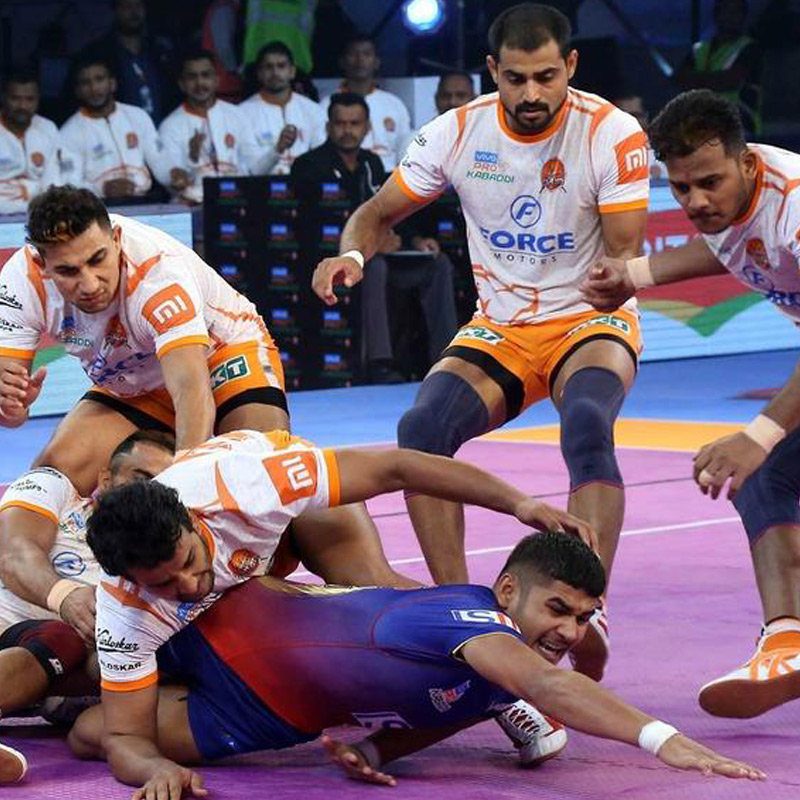
    Under the ownership of GMR Group, UP Yoddhas made an impactful debut in the Pro Kabaddi League during the fifth season in 2017. Ever since, the team has continued to impress fans with their flamboyant yet result-oriented gameplay, all throughout having earned the reputation of being one of the most consistent teams in the Pro Kabaddi League universe. Since their inception in 2017, UP Yoddhas have always made their way to the play-offs and this season they have kicked off their campaign in an equally impressive manner with their eyes set on the trophy. The Yoddhas, currently at the third position in the points table, are basking under the glory of two back-to-back wins against Haryana Steelers and Telugu Titans, and will now face Bengaluru Bulls in their next clash on 11 December 2023.

    GMR League Games CEO PKSV Sagar commented on the partnership, “We are delighted to welcome Asclepius as the new sponsor of the UP Yoddhas. Their commitment to supporting sports and promoting a healthy lifestyle aligns perfectly with our team’s values. We are confident that this partnership will be mutually beneficial and bring great value to our fans.”

    Asclepius MD and CEO Sanjeev Kumar said, “We are thrilled to partner with the UP Yoddhas, a team known for its excellence and dedication to the sport,” said “Kabaddi is a rapidly growing sport with a passionate fan base, and we believe this partnership will allow us to connect with audiences throughout India and beyond. We are excited to support the Yoddhas in their vision of supporting indigenous sports in the country.”

    The collaboration will see the Asclepius logo prominently displayed on the UP Yoddhas jerseys, training kits, and other team merchandises. Additionally, Asclepius will be integrated into the team’s marketing campaigns, further amplifying the brand’s visibility and engagement with kabaddi fans.

    With a shared passion for sportsmanship and athletic achievement, Asclepius and the UP Yoddhas look forward to a successful partnership that will benefit both parties and contribute to the further development and popularity of kabaddi.

  • vivo Pro Kabaddi League launches PKL unplugged

    vivo Pro Kabaddi League launches PKL unplugged

    Mumbai: Pro Kabaddi League has decided to take fan engagement to the next level during the ongoing vivo PKL Season 9.

    With this, kabaddi lovers will get a special insight into the lives and minds of their favourite vivo PKL stars off the mat in the League’s new digital property – vivo PKL Unplugged.


    A post shared by Pro Kabaddi (@prokabaddi)


    Exclusively available on the vivo PKL app and the website, vivo PKL unplugged will consist of several exciting segments such as the Ultimate Panga Fan, Mazedaar Panga, Coach ki Soch and Rapid Fire Raid.

    The Ultimate Panga Fan series will provide a never-before opportunity for kabaddi fans to express their love for their favourite teams and players, while, the stars will also be seen entertaining the fans through trending challenges and snappy rapid fires. In addition, kabaddi fans will get a chance to hear from all 12 Head Coaches about the nitty-gritties of coaching and their side of the story.

    Speaking about the launch of PKL Unplugged, Vivo Pro Kabaddi League, league commissioner and Mashal Sports head sports leagues Anupam Goswami said, “With increasing ascriptive stature of PKL athletes, we realise that fans want to see and engage with their PKL heroes beyond the mat as well.  That’s why vivo PKL Unplugged is a special initiative for us as this will give the fans a brilliant chance to get to know the persona behind the superstars that they are. This is a new journey for us and we will keep looking to come up with out-of-the-box initiatives for our fans in the future.”

    The ongoing Season 9 of the vivo Pro Kabaddi League was launched at the Shree Kanteerava Indoor Stadium, Bengaluru on 7 October and was conducted there till 26 October, after which the League moved to the Shree Shivchhatrapati Sports Complex, Balewadi, Pune on 28 October. The third leg of the tournament will be held at the Gachibowli Indoor Stadium, Hyderabad from 18 November to 10 December before the playoffs and the final.

  • Bikano sponsors team Dabang Delhi for PKL season 9

    Bikano sponsors team Dabang Delhi for PKL season 9

    Mumbai: Bikano has become the official sponsor of team Dabang Delhi for the upcoming season nine of the Pro Kabaddi League.

    Following this partnership, the Bikano logo will feature prominently on the right sleeves of team Dabang Delhi’s competition t-shirts this season. It will also splash across all in-stadium branding collateral and across ATL-BTL and digital branding as well.

    Speaking about this partnership, Bikanervala Foods director Manish Aggarwal said, “This has been a blessed year for brand Bikano as markets are open and people are back to spending on snacks after two years of lockdown. In order to consolidate these good times, as a leading FMCG company, we are looking to spread awareness about our brand and products via diverse, aggressive marketing campaigns. And what could be better than being associated with the Pro Kabaddi League and, more specifically, the previous season’s defending champions, Team Dabang Delhi? Kabaddi is a beloved sport in India, and the league has managed to win the hearts of millions of people across the world, so we decided to sponsor the original sport of India.”

    “The fact is that the Dabang Delhi team is in great form this year. It should therefore come as no surprise that Dabang Delhi was our first choice when we decided to extend our sponsorship to this league,” Aggarwal elaborates.

    Adding to it, Bikano head of sales Sanjeev Wadhwa said, “The popularity of the Dabang Delhi team is growing with every match and we are proud to be associated with the champions as their sponsor. We are confident that it will bring good visibility to our brand. This is because the famous Bikano logo will feature prominently on the right sleeves of Team Dabang Delhi’s competition t-shirts. It will also feature on all other in-stadium branding material, and all ATL-BTL and digital branding too.”

    He continued, “We are already running a high-frequency advertising campaign around our much-loved bestselling Bikano Bhujia across several prominent television channels, social media, and on-ground platforms. We intend to take the “#HumseBehtarBhujiaKoJaaneKaun” campaign to the next level with this sponsorship. This addition will help us further consolidate the brand awareness that we have created over the years. We are focused on connecting with our existing consumers and showcasing our Bhujia category to new consumers. We want to become the preferred choice among all our stakeholders and be part of every Indian family, be it in India or overseas.”

  • There is sound commercial viability basis for the money spent on the IPL media rights: CA Atul Thakkar

    There is sound commercial viability basis for the money spent on the IPL media rights: CA Atul Thakkar

    Mumbai: India is on the cusp of a revolution in the sports business. A recently released report compiled by Anand Rathi Advisors (ARAL) confirms what sports pundits have been claiming for long – that India’s time as a sporting superpower has come.

    According to ARAL, the sports industry is estimated to reach $100 billion by 2027; up 4x from $27 billion in 2020.

    The report hypothesizes that the industry will be driven by India’s gigantic youth population (400 million people, larger than the population of the US) and rapidly improving economic conditions. Historically what has been seen is that as basic needs are met, the populace leans towards consumption that supports a healthier lifestyle and entertainment.

    “We believe that the entire sports media market will grow at an unprecedented rate over the next few years,” said CA Atul Thakkar.

    Thakkar joined ARAL in 2013. He joined the financial services firm in 2007 and sharpened his leadership skills at the organisation for over 15 years. Prior to this, he began his career with Kagrana & Associates Chartered Accountants.

    In conversation with Indiantelevision.com, Anand Rathi Advisors director – investment banking CA Atul Thakkar shared his views on the sports media market.

    Excerpts:

    On the factors that will propel the sport media market in India

    Viewership and engagement will drive the sports media market. The unique ability of sports to draw eyeballs from a wide set of captive audience over an extended period of time is what compels brands/advertisers to spend money on sports. With multiple sports events gaining traction with the youth (cricket, kabaddi, F1, UFC etc.), unveiling of new sporting leagues and access to sports over multiple platforms – overall viewership of sport will grow. We believe that the entire sports media market will grow at an unprecedented rate over the next few years.

    On the IPL rights being split between two broadcasters

    Given the unique position that digital has come to occupy in today’s times, from BCCI’s (Board of Control for Cricket in India) perspective it makes commercial sense to split the rights between television and digital. It is a function of changing consumption patterns that has driven this decision. Media consumption is shifting towards digital with consumers spending +50 per cent time on digital as compared to television and this will increase manifold over time. We would not be surprised if the next media rights auction sees digital rights base prices exceed that of television.

    On whether Disney Star and Viacom18 will make money

    There is a sound commercial viability basis for the money spent on the rights. India is a large market, we have 400 million people in the age group of 15-45, which is larger than the population of the US, presenting an opportunity to grow sports viewership exponentially provided it is packaged as a mix of entertainment and sporting prowess – which the IPL is. Viewership has further potential to grow as the IPL expands into new geographies globally. We expect that the first two years will remain the investment period dedicated towards increasing the viewer base while the returns start coming in post that.

    On the IPL ratings falling on TV

    Covid-19 was a setback for IPL, in which the matches were postponed, the venues were changed. This created a break in the excitement of the game. However, the latest IPL season with two new teams was a success. The reason for falling television viewership is that people are shifting to OTT platforms and prefer to watch the game online. IPL is a valuable property and the only major sporting event in the country, we expect viewership to continue to rise with a change in the OTT and television mix.

    On the rights value growth potential for other cricket properties like ICC

    Cricket’s base in India and the South Asia region in general, combined with BCCI’s monetary heft, made IPL a massive success. The T20 format of the IPL is short, packed with action and easy to consume. We do not see any other cricket property having the wherewithal or the market to create a league of similar scale and fan following as the IPL.

    On whether other sports are gaining traction in terms of viewership and rights value

    Cricket has clearly dominated India in terms of viewership i.e. nine million, however, other sports leagues like PKL are growing, the viewer share of PKL has grown from 31 per cent to 39 per cent in five years. ISL again, has gained global recognition and has become the fifth largest football league in terms of viewership. The properties other than IPL, though currently smaller, have the potential to grow with the right investments.

    Also Read:Indian sports media market to touch $13.4 bn by 2027: Report

    On the role that digital is playing in disrupting and growing rights value

    India will have 900 million internet users in the next five years, underscoring the potential of digital rights. While TV was the main source of entertainment in Indian middle-class homes, the past few years have seen a rapid pivot toward online streaming due to affordable internet and smart devices.

    The pandemic accelerated the digital media growth in India. For instance, the premium paid for the media rights in the IPL, 1.7x for digital and 1.3x for television, shows the potential that corporates see in digital rights and their willingness to pay for it.

    On the progress that local leagues like ISL, PKL are making

    ISL and PKL have been the underdogs as compared to the IPL as they do not come with the money power that IPL has. Sports is entertainment, which PKL has managed to deliver with its format while ISL still has to improve its viewer engagement. ISL for one has always been popular with a consistent viewership from a core base. Investments in making the games more engaging – better camera angles capturing the action, for instance, will catapult ISL substantially.

    Both leagues have started small and have seen viewership traction with numbers that would be considered a success in most developed nations. The increase in viewership will see sponsorship pick up for these two leagues. They do have a very long way to go as compared to IPL, but without doubt they have been successful.

    On the potential impact of inflation in the sports media rights market in the coming five years

    Inflation is a transitory economic phenomenon. We do not see it having a significant impact over the next five years.

    On advertising and subscription being important

    Advertising is the larger chunk of revenues, however the rates itself are determined based on viewership and subscriber base. Subscription revenue provides a base to build on in periods where there aren’t any major events, shows or movies.

    On whether the startup funding slowdown will impact the ad market for sports

    Start-ups account for a minor portion of Sports Sector advertising. The start-ups that do spend the big bucks – like Dream11, Byju’s and Unacademy – are the leaders in their space and are well funded. A brand aims to reach the largest set of viewers, sports invariably provide this opportunity – with millions of people tuning in for 90 uninterrupted minutes.

    In the current context, we expect brands to rationalise spends and skew it towards mega events that draw eyeballs – such as sports. There will continue to be multiple bids for sponsorship and we do not think the slowdown in the funding will have any significant impact on the ad market for sports.

    On trends being seen in gaming, e-sports in terms of investments and fan following.

    The gaming and esports sector is very differentiated. Each platform has a different strategy which doesn’t lend itself to straight analysis. You will see behemoths in each segment, but the differentiated experience in each platform will allow for them to co-exist and thrive.

    On the way forward for India to follow other sports more

    Our thoughts on the way to expand sports is to create several commercial leagues – in the US for instance, a country with a population a third of India’s – there are over a 100 functioning leagues. Competitive leagues will make sports a viable career option, ensuring wider participation.

    For instance, the IPL has given a platform for talented sportsmen, who although have not made it to the national team, have found a way to make a meaningful career in the sport. Presence of leagues will have a trickle down effect with children wanting and parents willing to allow their wards to play sport competitively, creating demand for related infrastructure, products and services, which enterprising individuals will fill.

    The ultimate aim as a society should be to make every individual play sport competitively, there are a host of character traits and health benefits that sports bring that can have significant societal impact which will help the nation in the long term.

  • Vivo PKL 8 ropes in Dhani app as strategic timeout partner

    Vivo PKL 8 ropes in Dhani app as strategic timeout partner

    Mumbai: Vivo Pro Kabaddi League (PKL) season 8 has roped in Dhani app as its strategic timeout partner in collaboration with Professional Management Group (PMG) and Madison Media Ace.

    The association will provide Dhani with differentiated visibility during the Live matches of PKL. Strategic timeout is taken twice, at the 10th and 15th minute of the game’s second half. Dhani has further strengthened its on-ground association with Vivo PKL 8 through inventory buys on TV as well as Hotstar.

    The 90-second ‘strategic timeout’ fits in seamlessly with Dhani’s proposition of providing the OneFreedom Card to customers in less than two minutes, said the brand in a statement.

    “Getting to be a part of a homegrown sport that brings the entire country together is truly exciting for us at Dhani,” Dhani CMO Ankit Banga remarked. “Since a majority of our customers also stem from the heartland and other smaller pockets of India, we believe it is a great fit for us. Also, it resonates fantastically with our product proposition of giving our customers a timeout from making full payments by splitting their transaction into three interest-free parts.”

    “Dhani – OneFreedom Card is the first kind of a product and needed a unique way to drive benefits of the product beyond standard inventory buys,” stated Madison Media Ace COO Vandana Ramkrishna. “We leveraged PMG’s expertise to get the STO created for the first time ever on Kabaddi for Dhani to help bring out the brand benefits seamlessly. Kabaddi as a sport, has significant unique viewers and driving visibility through both on-air and on-ground will not only help Dhani garner incremental audiences, but would also drive significant business results.”

    “Both Vivo PKL and Dhani are only growing bigger and better in terms of stature and popularity. We have no doubt that the relationship between these two institutions will go the same way in the weeks and months to come,” said Professional Management Group COO Melroy D’Souza.

  • U Mumba ropes in 6 sponsors, 3 partners for Pro Kabaddi League 7

    U Mumba ropes in 6 sponsors, 3 partners for Pro Kabaddi League 7

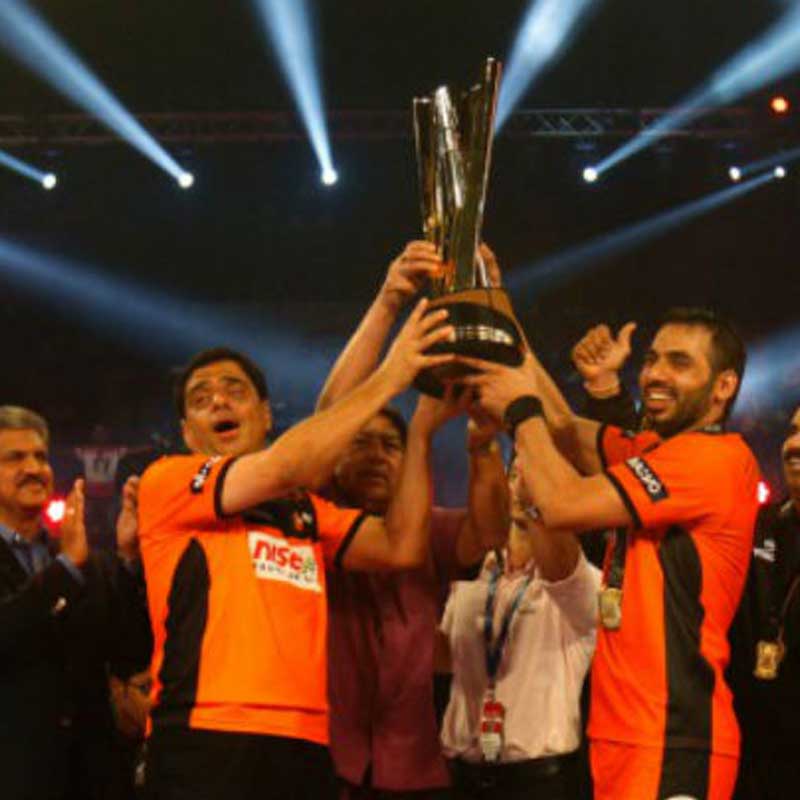
    MUMBAI: U Mumba, the franchise owned by U Sports which is helmed by Ronnie Screwvala and Supratik Sen, got 6 sponsors and 3 partners on board for the upcoming Season 7 of the Pro Kabaddi League that starts on 20 July. While a few brands have been associated with U Mumba in prior seasons as well, a few new ones have deals across all the sport franchises under U Sports.

    The categories of sponsorship have been taken by the following: Indigo Paints as Presenting Sponsor, Haldirams as Powered by Sponsor, Mitashi as Electronics Partner, BKT Tires as Off Highway Tire Partner, Flamingo as Pain Management Partner, Je & Vee Infrastructure as Infrastructure Partner and Vihan Switches as Electric partner. In fact, Indigo paints was Presenting sponsor for U Mumba in season 6 as well. A few more sponsors are expected to come on board as the season begins.

    U Mumba also has Radio City as Radio Partner, Superfan AI as Fan Engagement Partner, Gold’s Gym as Fitness Partner, Dome@NSCI, SVP Stadium as Venue Partner and PayTM/Insider.in as Ticketing Partner for a second year running.

    Flamingo, flagship brand of Ascent Meditech Ltd. has backed U Sports not only in kabaddi, but also in volleyball (U Mumba Volley) and table tennis (U Mumba TT)

    As a brand, U Mumba looks to grow along with its partner brands. U Mumba believes in ensuring all brands get their desired visibility, engagement and more. It’s evident from the fact that some of our partners are with us in concurrent seasons.

    U Sports co-founder and MD, Supratik Sen said, "We are pleased to have all these sponsor and partner brands on board for season 7 of the Pro Kabaddi League. All our partner brands and sponsors share similar mindsets and ethos as U Sports, and we hope to have an engagement with them that is deeper than just being sponsors. As always, U Mumba has always engaged the right audiences and thus facilitates maximum traction for our sponsors! With strong brands like these backing the team, we will definitely do our best to live up to their and the fans expectations and reach for top honors.”

    Indigo Paints managing director Hemant Jalan said, "We have been a part of the U Mumba journey for a while now and the relationship has been nothing short of amazing. It is important to have similar mindset and goals. The engagement we got last season was wonderful and we’re looking to do more this season. The team over the seasons has shown tremendous progress and we could not be prouder to be associated with a team like U Mumba. Hoping for yet another successful season this time too!"

    Haldirams Food International Pvt Ltd, director, Neeraj Agrawal said, “We are extremely pleased to be a sponsor of U Mumba for the upcoming Season 7. Kabaddi is the most iconic & lovable sports after cricket in India, and in over the years PKL has grown as one of the biggest sporting properties, and we are proud to be part of it, U Mumba and our brand have perfect synergy. This is our first season with U Mumba, and we are as excited as the team is! We believe the team will deliver the best of their skills & conclude at the top order. On behalf of Haldirams family, I wish them all the very best”

    Ascent Meditech Ltd, founder and MD, Flamingo, Rajiv Mistry said, ‘’Pro Kabaddi, an action-packed platform for brands has changed the media consumption pattern among Indians drastically over the past seasons. Kabaddi players have now become household names and carry with them huge followers, who are majorly millennial. With Kabaddi or with any sporting activity, come injuries and pain. Flamingo, the official pain management partner of U Mumba would play a crucial role in comforting the pain among the players with its quality products thereby enabling them to excel in their pursuits and help emerge Kabaddi as the winner. He adds, Kabaddi acted as the perfect fit as Flamingo products are used by everyday consumers across age who strives to progress and refuse to stare at defeat due to niggles and pain.’’

    BKT Tires joint managing director Rajiv Poddar said, “Having been associated with 8 Kabaddi teams last season and receiving a fantastic response from our stakeholders, we are delighted to continue our association with Kabaddi this year as well. Being able to support some of the most competitive Kabaddi teams in the country is a matter of pride for BKT Tires. The U Mumba team has had great success over the past seasons, and we are delighted to be able to partner with the team this season.”

    Mitashi Edutainment Pvt. Ltd. founder and CMD, Rakesh Dugar said, “With longstanding associations with cricket and football, Mitashi is excited to collaborate with the U Mumba team for the 7th edition of the Pro Kabaddi League 2019. We share the team’s ethos and ideology with focus on hard work, companionship and sportsmanship. We encourage the promotion of home-grown talent and sports across India and Internationally. We are confident that our U Mumba team shall come through with flying colours and shall win the trophy in this edition of the PKL 2019."

    Vihan Electric Private Limited director Devendra Kumar Jain said, "We are very excited to be associated with U Mumba and are sure the journey is going to be a long lasting and fruitful one for both parties. As a team, U Mumba is young and motivated and that reflects on our brand energy too."

    Je & Vee Infrastructure MD Vinay Singh said, “At Je & Vee Infrastructure, as someone who believes in quality and excellence in everything we do, we see U Mumba is the one team that shares the same values. By partnering with them, we hope to connect with the common Mumbaikar and build long term relationships not only with audiences but with the team as well! We look forward to the next 3 months and more!”

  • Hotstar’s Varun Narang on driving consumer engagement for IPL 2019

    Hotstar’s Varun Narang on driving consumer engagement for IPL 2019

    MUMBAI: The nature of sports broadcasting has witnessed a dramatic shift over the years with fan engagement now playing a pivotal role in the strategy matrix of major channels. Technology has enhanced the core product on TV by enabling broadcasters to provide more statistically-driven insights.  

    Star India has been at the forefront of this change, offering technology-driven content on both TV and digital for some of its marquee sporting properties like the Indian Premier League. The Select Dugout feed for fanatics on TV and Watch’N play on its OTT platform Hotstar are prime examples.

    India has more than 790 million sports viewers, with 740 million of those being cricket watchers. IPL 2018 drew a humongous 700 million plus viewers to the Star Sports Network, with 22 per cent of those being contributed by Hotstar.

    The super streamer saw a concurrent viewership of 10.7 million for the finals between CSK and SRH, a record of sorts in the world of live sports streaming.

    The company has set its sights on shattering more such records this season as it looks to up the fan engagement levels through innovation. Those running the streaming service believe that two aspects in particular hold the key to keeping fans hooked for longer durations during sessions.

    “It’s been quite a phenomenal journey over the last few years for the platform. We are super excited for the upcoming IPL season starting 23 March. We want to make IPL even more compelling and addictive. We think that gamification as well as social are two big areas that will make the enjoyment of sports even more than it already is,” highlighted Hotstar chief product officer Varun Narang.

    Star India has not just been quick off the blocks in adapting to the digital environment but also managed to gallop ahead of competition by benefiting from the Jio-led telecom revolution.

    India is one of the fastest growing 4G markets in world today. The number of 4G users was five times the number of 3G users at the end of December 2018, according to Amazon Web Service (AWS).

    Improvement in internet connectivity, gradually declining data costs and increasing penetration of smartphones has led to rapid growth in online and on-the-go consumption of live sports content in India.

    “We thought that how can we make it more fun from a gamification perspective as hundreds of millions of fans are not in the stadium. We built a game (Watch‘N play) that was based on some principles and tens of millions of users played and enjoyed it. We are super thrilled to take the next step and are looking for really cool filters that are built around IPL games. We looked at the entire spectrum including fantasy leagues, percentage of engagement in fantasy leagues with NFL which is the largest fantasy league in the world,” Narang stated.

    Fantasy sports has emerged as a big winner in recent times due to the growth of digital infrastructure and the emergence of new sports leagues. Fantasy sports is increasingly gaining more traction in India, with the number of fantasy sports operators having risen from 10 in 2016 to 70 in 2018. That number of users on fantasy sports platforms is expected to cross 100 million by 2020.

    Star has demonstrated its success from cricket broadcasting in the Pro Kabaddi League (PKL) as well.

    “It’s a sport which is well known in India and is played by almost everyone in their childhood. So the challenge was how to make it exciting to watch and then over time finding the right partners for the league to ensure that you have momentum in growing the sport. So one of the trusts is the franchises, until two years ago we had eight franchises and now we have 12. When we brought the next set of franchises, we wanted them to know how to build a brand which will engage the fan and broaden the sport,” pointed out Star India president – new strategy and head of PKL Ipshita Dasgupta

    According to her, the fact that 65 per cent of the Indian population is under the age of 35 and 50 per cent is under the age of 25 is extremely crucial.

    “I think going from zero to 300 million viewers in the space of four years, there are so many things that can be attributed to this. The thing that we added to that is involving kids and schools into Kabaddi, that was a big difference. Having kids play and making Kabaddi aspirational for children is important. We are one of the longer leagues which is substantial compared to others. To build a sport you need to have coaches, players making money, teams which can build brands – all of these things play a huge role,” she further added.

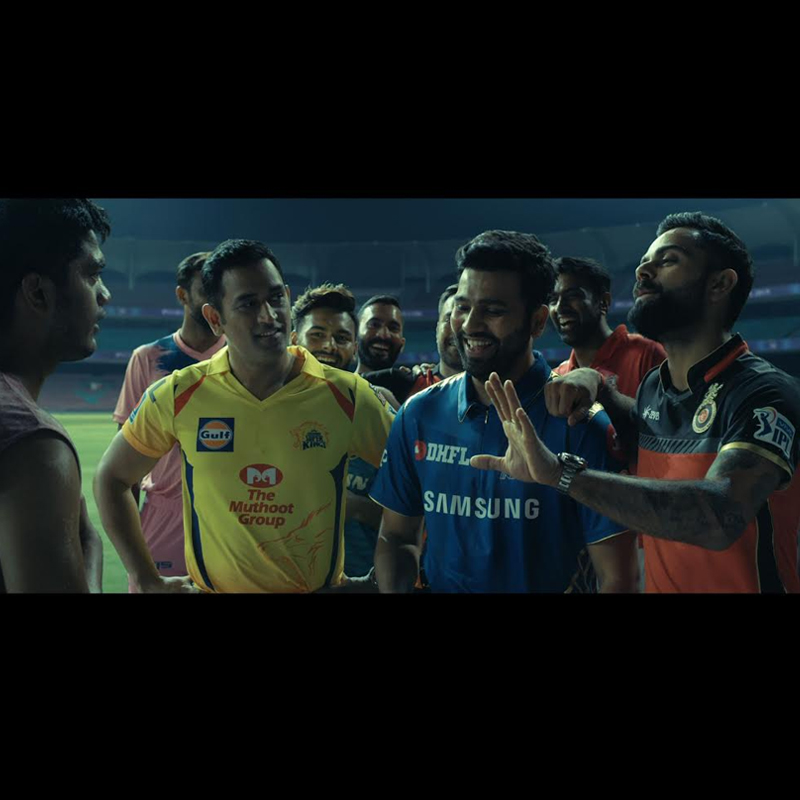
    With the 12th edition of IPL just around the corner, Star Sports and BCCI unveiled the campaign #GameBanayegaName which focuses on IPL as a platform where one’s ‘Talent’ (Game) precedes one’s name.

    The TVC opens with a split screen battle between young players in a maidan on one side and established IPL stars on the other to grab screen space. After an entertaining tussle, the film ends with IPL stars acknowledging the maidan players talent and inviting them to show their game. The TVC is a reflection of the core spirit that IPL resonates, a platform for young talent to showcase their game and an opportunity to make a name.

    The film is being released simultaneously in 7 languages – Hindi, Tamil, Kannada, Malayalam, Telugu, Bengali and Marathi across all platforms, TV, radio, and digital.

  • Star India awaits cricket bonanza in 2019 after solid sports growth in 2018

    Star India awaits cricket bonanza in 2019 after solid sports growth in 2018

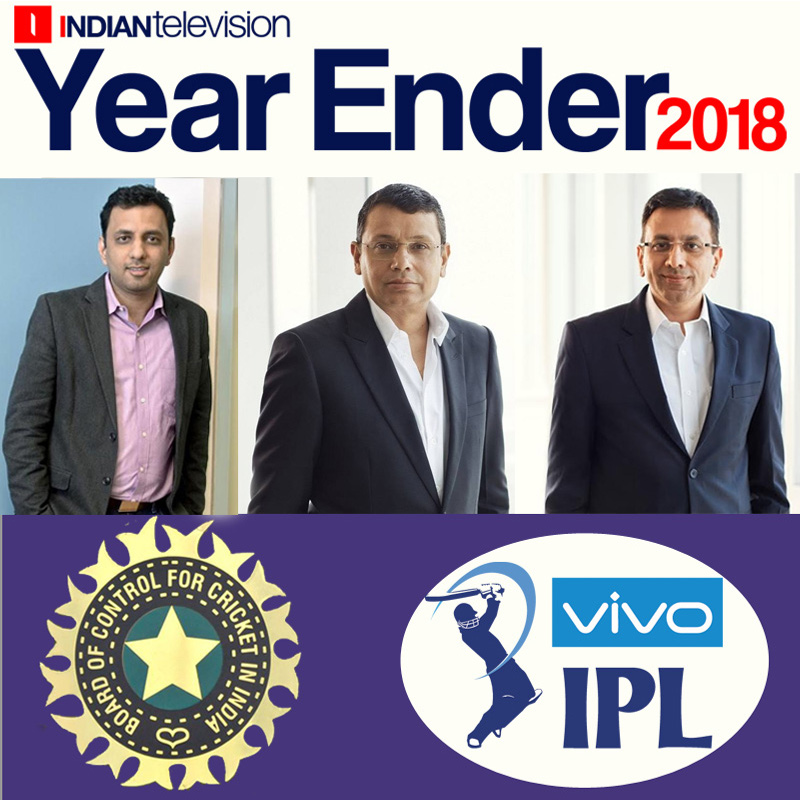
    MUMBAI: Uday Shankar, who was recently promoted to president of The Walt Disney Company Asia Pacific and chairman of Star and Disney India after the Fox-Disney units combined, has disrupted the Indian sports broadcasting business in the last couple of years. From scooping the media rights of the cash-rich Indian Premier League (IPL) to bolstering his sports networks’ regional offerings with the launch of Telugu and Kannada language, Shankar has thrown caution to the wind on more than one occasion in his bid to change the rules of the high-stakes game. Shankar’s grand vision and appetite for big bets has now placed Star India in a rather enviable position with a stranglehold over cricket properties this World Cup year.

    Tightened grip on Indian cricket

    Star wasted no time in setting the tone for the year as it appointed Gautam Thakar as the new Star Sports CEO on 15 January 2018. Thakar was roped in to fill up the void left by the exit of Nitin Kukreja, Shankar’s blue-eyed boy, who left the organisation in March 2017.

    The broadcaster tried to alter the IPL timings (8 pm game to 7 pm and the 4 pm match to 5.30 pm), a controversial development which was confirmed to Indiantelevision.com by then IPL chairman Rajeev Shukla. Despite the IPL governing council on board with the idea, opposition from team owners stalled Star’s plans.

    In February, Star won the rights for IPL’s audio-visual production as well as the BCCI domestic circuit for 2018-19, further tightening its grip on Indian cricket.

    In April, Star kept its foot on the pedal as it retained the BCCI rights, conducted via an e-auction for the first time, until 2023 for mind-boggling Rs 6,138.1 crore. Star came out on top after a fierce bidding war, which lasted three days, against Sony Pictures Network India (SPNI).

    The broadcaster paid Rs 60.1 crore per match for the 2018-23 home rights across five years which, a 50 per cent increase from the Rs 40.1 crore it shelled out for the 2012-18 cycle with a bid of Rs 3,851 crore for 96 matches.

    Kicked off IPL with a bang

    Star couldn’t have asked for a better start to its IPL reign, firing on all cylinders. The IPL final, aired live on 17 channels across eight different languages, powered the network’s growth by 34 per cent with 52.9 million average impressions. The title decider was produced with 11 live feeds across the TV network and Hotstar.

    Super streamer Hotstar, then led by Ajit Mohan, hit a world record for concurrent online viewing with 10.7 million viewers for the final. The final witnessed a sudden hike from eight million to 9.1 million and then to 9.7 million before hitting the 10.7 million mark.

    The television viewership for the tournament was 1.4 billion impressions with a growth of 15 per cent. With a total of six regional languages contributed to 22 per cent of the overall viewership.

    According to industry sources, the network clocked close to Rs 2000 crore in advertising revenue for the first season.

    For the first time, IPL was also aired on public broadcaster Doordarshan. According to the agreement, Doordarshan could telecast a select number of matches with a 60-minute delay along with some highlights.

    Another potential Star-Prasar Bharti face-off

    It wasn’t all smooth sailing for the broadcaster. In October, MIB proposed to amend the Sports Act 2007, which will provide ‘sports events of national importance’ on Prasar Bharati-owned, free-to-air Doordarshan Network an extended reach via private direct to home and cable TV Networks.

    The MIB has now proposed to amend the act to make such events available on DD through all mediums of distribution. This may result in preference changes of the consumer and would not subscribe to costly private sports network channels. This will also give the distribution platforms an opportunity to negotiate harder with the sports broadcasters.

    The move to amend the Sports Act 2007 has been necessitated due to a Supreme Court verdict which held that the public broadcaster Doordarshan cannot air events of national importance on private distribution platforms.

    In the same month, MIB issued a notice for receiving feedback/comments from general public/stakeholders on the draft bill, 2018. In a recent update, the ministry has extended the deadline to give feedback on the draft sports broadcasting signals (Mandatory sharing with Prasar Bharti) (Amendment) Bill 2018 till 15 January 2019. The earlier deadline was 31 December 2018.

    A move of this nature could adversely impact the revenues of sports broadcasters, particularly Star given its big bets on Indian cricket.

    Bolstered regional play

    Star India launched three channels in 2018, in line with its commitment of fostering a multi-sports culture in the country. Star Sports 3, a multi-lingual channel, was launched on 15 September and the first big event to air on it was Indian Super League (ISL) Season 5 in Hindi.

    Star Sports launched its third regional channel Star Sports 1 Telugu after Star Sports 1 Hindi and Star Sports 1 Tamil. The channel went on-air on 7 December.

    The broadcaster added a fourth regional channel, Star Sports 1 Kannada, on 29 December. Star India’s attempt at securing an exclusive sports channel for its Kannada viewers didn’t see the light of day for the 11th season of IPL. Regulatory hurdles made the broadcaster switch the Kannada feed to Suvarna Plus.

    According to FICCI- Re-imagining India’s M&E sector 2018, the sale of broadcasting and media rights is the biggest source of revenue for most sports organisations, and can account for 55 per cent to 70 per cent of total revenues. The global sports media rights is expected to breach the US$50 billion barrier in 2019 and could reach US$54.3 billion by 2021.

    2019 cricket bonanza

    2019 is loaded with marquee cricket events with Star India owning rights to most of them. The summer has four key series or tournaments – New Zealand versus India, India versus Australia followed by the 2019 IPL and the all-important ICC World Cup 2019. Barring two series, Star is bound to be the home for Indian cricket lovers this year. That’s not all. The broadcaster intends to further dominate the regional language market play with the launch of three additional sports channels in Bengali, Marathi and Malayalam. 

  • Tata Communications and NEP pioneer the remote production of VIVO Pro Kabbadi League 2018 for Star Sports

    Tata Communications and NEP pioneer the remote production of VIVO Pro Kabbadi League 2018 for Star Sports

    MUMBAI: Tata Communications, a leading global digital infrastructure provider, and NEP Broadcast Solutions, a division of NEP Group, are together enabling the remote production of  VIVO Pro Kabbadi League (PKL) for Star Sports, the number one sports broadcaster in India and subsidiary of  21st Century Fox. Now in its sixth season, this is the first time that PKL is being produced remotely by harnessing superfast connectivity.

    The PKL is the largest league in the nation in terms of footprint, and the second most popular sports league in terms of viewership after the Indian Premier League (IPL). The 2018 season consists of 138 matches taking place over 91 days (October 7th 2018 – January 5th 2019). It is being streamed across six channels and in five languages – Star Sports English, Star Sports Hindi, Star Sports First, Star Sports 1 (Tamil), Star Suvarna Plus (Kannada) and Star Maa Gold (Telugu).

    Given the back-to-back schedule of events in multiple locations, Star Sports has partnered with Tata Communications and NEP to streamline and reduce the cost of the broadcast of PKL with remote production.

    This means that production teams don’t need to travel to each venue, and the different localised broadcasts can be brought to audiences more efficiently.

    During each match, the remote production team (the director, vision mixer, audio engineers, EVS operators, producers and graphics team) operates out of the Star Sports facility in Mumbai, whereas the production crew along with NEP’s engineering team (cameramen, sound assistants, talent producers and the production management) are on-site. They collaborate seamlessly in real-time to deliver every moment of the action to more than 200 million viewers using Tata Communications’  Video Connect network. It ensures the smooth transmission of a combination of signals and camera feeds from each fixture because of its ultra-low, four- frames-per-second latency and hitless switching capability. NEP’s flight pack Broadcast Lite – which allows a quick set-up in minimum space without any compromise in functionality and quality – makes it easy for Star Sports to produce both the world feed and regional language feeds. These consist of 27 unilateral camera feeds that are sent from the venues to its Mumbai hub, and 4 return feeds that are sent back to the venues, along with associated AES audio feeds.

    “As India’s number one sports broadcaster, we have always pushed the boundaries of what’s possible,” a Star India spokesperson said. “Harnessing the joint capabilities of NEP and Tata Communications allows us to bring this incredible — yet logistically complex — series of matches to millions of Kabaddi fans across India without a glitch. And, thanks to the efficiencies gained through remote production, we can focus our efforts on enhancing how people are able to enjoy and engage with their favourite sport.”

    “The millions of kabaddi fans across India don’t want to miss a millisecond of the on or off-court action, which means that the production of each PKL match needs to be completely seamless,” said Brian Morris, Vice President and General Manager, Media & Entertainment Services, Tata Communications. “At the same time, broadcasters are under pressure to increase efficiencies and reduce costs to ensure good return for their sports investments. To deliver the highest-quality content to audiences and create a TV experience that is closest to witnessing a match live in the stadium, more and more broadcasters globally are following in Star Sports’ footsteps and embracing remote production.”

    “We are delighted to partner again with Star Sports and Tata Communications on enhancing the viewer experience by seamlessly broadcasting sporting events to millions of fans using remote production. This teamwork demonstrates that leveraging the unified force of leading organisations can drive innovation in the broadcasting industry while improving efficiencies,” said Saeed Izadi, President, Broadcast Solutions, NEP. “Together, we are redefining the production of kabaddi in India.”

    In less than a year, this is Star Sports’ second major remote production project with Tata Communications and NEP. Earlier this year, the two companies joined forces for the remote production of the entire VIVO IPL 2018 league that consisted of 60 matches taking place over 50 days in nine cities.

  • Tata Motors celebrates #DeshKeTruck with brand new TVC

    Tata Motors celebrates #DeshKeTruck with brand new TVC

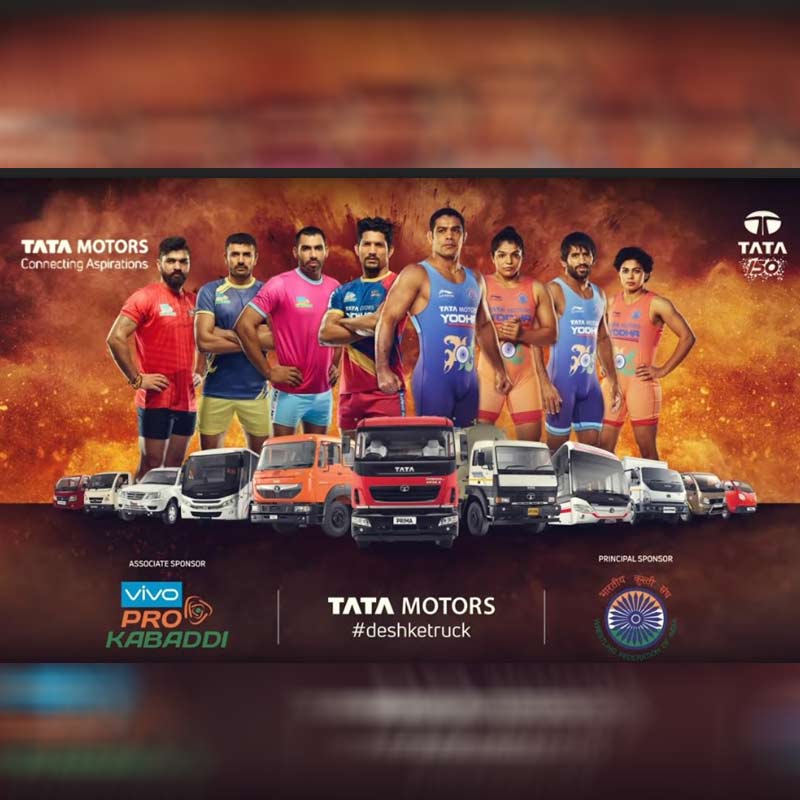
    MUMBAI: Tata Motors, India’s automotive company has introduced its brand new TVC DeshKeTruck, continuing its association and strong support towards home –grown sports of the country like kabaddi and wrestling. The film establishes Tata Motors’ range of commercial vehicles as an integral part of a sportsperson’s quest for excellence, helping them hone their skills to pursue success. The film ‘Desh Ke Truck’ has been conceptualised by Rediffusion and executed by Old School Films.

    The TVC features players such as Sushil Kumar, Bajrang Punia, Sakshi Malik, Rishank Devadiga, Monu Goyat etc. among others, from Wrestling Federation of India (WFI) and Pro Kabaddi League (PKL). It will be promoted during the ongoing Pro Kabaddi League matches, further cascading on to the social media handles with the following hashtags – #DeshKeKhiladi #DeshKeTruck #PKL #WFI.

    Speaking on the TVC Tata Motors Commercial Vehicle Business Unit, head – marketing and brand communications UT Ramprasad said, “Tata Motors is the archetype trucking champion of India. In essence – the ‘DeshKeTruck’ positioning embodies our vehicles and the movement of the Indian economy at large. Tata Motors Commercial Vehicle’s association with Kabaddi & Wrestling is our acknowledgment of the undeniable and unstoppable ‘Sportification’ of India through these homegrown sports.”

    Rediffusion executive creative director Pramod Sharma said, “Tata Commercial Vehicles are the lifeline of India. Be it goods, Ganesha idols or sports felicitation processions, the Tata vehicles carry emotions with them, making them the heartbeat of the country. Our idea stemmed from this insight, executed nicely by Old School Films.”

    Tata Motors is at the forefront, promoting wrestling and kabaddi in the country through their recent associations with Wrestling Federation of India (WFI) and Pro Kabaddi League (PKL). In some of the biggest non-cricket partnerships of the country, Tata Motors takes pride in extending its support beyond a simple commercial engagement by promoting the sport, encouraging and developing rising sporting talents, enabling them to achieve their aspirations.