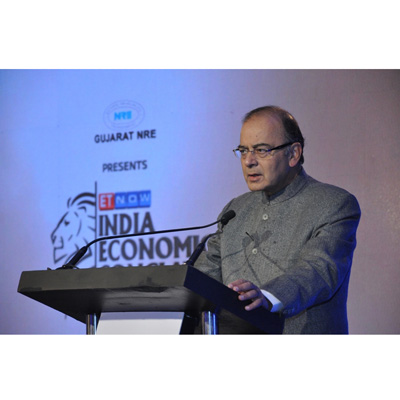
Tag: Piyush Goyal

  • Celebrating Piyush: Mumbai’s ad world gathers to remember the maestro who made advertising human

    Celebrating Piyush: Mumbai’s ad world gathers to remember the maestro who made advertising human

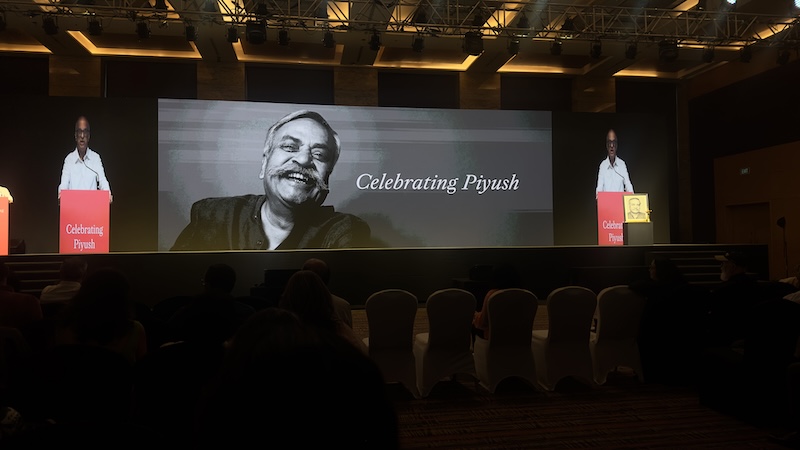
    MUMBAI: At 10am on a Sunday morning, 1,500 of India’s advertising elite crammed into Mumbai’s Grand Hyatt to do what the industry does best: tell stories. This time, though, the subject was one of their own. Piyush Pandey, the creative titan who died last week, got the send-off befitting a man who transformed Indian advertising from borrowed jingles and forced sophistication into raw, real-life observation. The numbers would have swelled far higher had Ogilvy thrown open the doors, but this was an invitation-only affair—a gathering of those who’d worked alongside, been mentored by, or simply marvelled at the man who made “front foot pe khelo” the rallying cry of an entire generation.

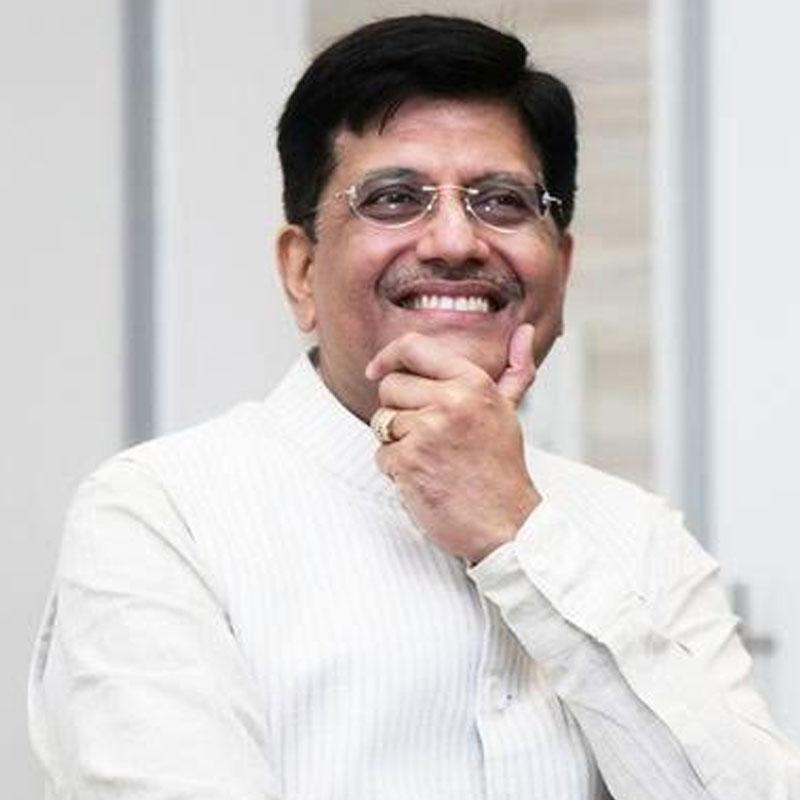
    The two-hour tribute played out like a masterclass in the man himself—equal parts emotion, irreverence and creative brilliance. Hepzibah Pathak, Ogilvy India’s executive chairperson, took the stage visibly shaken, setting the tone for what would become an outpouring of stories that captured Pandey’s essence better than any obituary could. She was followed by a caravan of speakers: WPP’s chief operating officer Devika Bulchandani, Ogilvy India group chief executive Rajesh VR, chief strategy officer Prem Narayan, chief creative officers Kainaz Karmakar and Harshad Rajadhyaksha, vice-chairman and director client relations Madhukar Sabnavis, the legendary R Balki, McCann Erickson’s Prasoon Joshi, Pidilite director Madhukar Parekh, marketing guru Suhel Seth, his nephew and agency boss Abhijit Avasthi, and Asian Paints chief executive and managing director Amit Syngle. Even commerce minister Piyush Goyal made time to pay tribute, underscoring the breadth of Pandey’s influence beyond advertising’s narrow confines.

    PIYUSH GOYALThe 6:30am phone calls became the event’s leitmotif. Most speakers wore them as badges of honour—those dawn raids when Pandey would ring, sometimes to share a creative idea that had struck him in the shower, other times to help them excavate their own. His Ogilvy team recalled in granular detail how he mentored them: kind words when they delivered good work, sharp rebukes when they didn’t push hard enough. “Front foot pe khelo,” he’d say, deploying his favourite cricket analogy to urge aggression over timidity. Karmakar captured the bittersweet mood: “Who will make those 6:30am calls now?” she asked, confessing she’d hated being woken but lived for those conversations. Others complained they’d been left out of the dawn club, wondering aloud why Pandey’s Rolodex of early-morning confidants hadn’t included them.

    His creative team peeled back the curtain on his teaching methods. At a Cannes Lions masterclass, he’d begun not with case studies or charts but with meditative breathing. Inhale deeply and slowly, he’d instructed global participants. That’s observation—riding trains, chatting with taxi drivers, watching life unfold in its messy, unscripted glory. Exhale. That’s the creative work that connects with real audiences, not the manufactured personas of focus groups. It was vintage Pandey: grounding the lofty business of advertising in the quotidian rituals of simply paying attention.

    Syngle, who worked with Pandey for 37 years across Cadbury, Pidilite and Asian Paints, painted a portrait of a man allergic to pretence. He recalled being dragged from formal dinners during overseas trips—the kind with white tablecloths and wine lists—to eat dal chawal and bhindi at hole-in-the-wall Nepalese joints. “That was Piyush,” Syngle said. “Authentic. You got what you saw.” When invited to join the Pidilite board, Pandey made clear he wouldn’t wear formal clothes to meetings. Not as rebellion, but as declaration: this is who I am. Take it or leave it.

    Friends and cricketers Amit Mathur and Arun Lal delivered the comic relief Pandey would have demanded. They shared his joke about why actress Sridevi wouldn’t marry Lal: “Because she wouldn’t want to be called Sridevi Lal”—a reference to politician Chaudhary Devi Lal that sent Pandey into his trademark loud guffaws. The joke was terrible. The memory was priceless.

    PRASOON PANDEYGoyal’s recollection offered a window into Pandey’s principles. In 2014, the minister spent six hours at Pandey’s Shivaji Park home trying to convince him to handle BJP’s election advertising. “Despite years of friendship, he was stubborn every time I approached him for days,” Goyal explained. “I thought I’d failed. Next morning, relief: he called saying he’d do it.” The result was “Ab ki baar, Modi Sarkar”—a slogan that became the soundtrack of that election. What persuaded him remains unclear, but the episode revealed a man who wouldn’t be rushed or arm-twisted, even by friends in high places.

    Balki and Joshi traded admiration for Pandey’s work, but Balki’s anecdote cut deeper. They’d once decided to quit smoking together after visiting a hypnotherapist. Pandey called daily to compare notes—until he didn’t. When Balki rang, Pandey admitted he’d started smoking again. Balki lasted longer, then folded too. But Balki struck a defiant, almost evangelical note: at a time when advertising has become dreary—all performance metrics and programmatic buying and jargon-stuffed decks—Pandey’s death has ironically handed the industry its biggest campaign. “To bring advertising back into focus,” he said. “No amount of jargon, no amount of people trying to distract us from the fact that we have to do great stuff will work now. People are looking and saying: this is advertising. We’ve got the best opportunity for great work.” It was a call to arms wrapped in a eulogy.

    Prasoon Pandey, Piyush’s younger brother and an accomplished film-maker, delivered perhaps the most wrenching tribute. After seeing the industry’s outpouring, he wondered if his own love had been enough. “He was my elder brother, my father, my hero,” he said. “We’d speak six or seven times a day—not about work, but jokes, vicious pranks he wanted to pull on family or friends.” On work, the dynamic was pure Piyush: he’d hand Prasoon the soul of an idea in three or four words and expect execution. “We were drinking beer on our balcony when he asked: how strong would eggs be from a hen that feeds from a Fevicol container?” Prasoon recalled. “I thought it brilliant. He told me to go do it.” The result was one of Indian advertising’s most memorable campaigns—born not in a conference room but over beers and brotherly banter.

    The event was interspersed with screenings of Pandey’s greatest ads—the Fevicol campaigns, the Cadbury work that made Indians fall in love with chocolate again, the Asian Paints spots that turned home décor into emotion. The audience responded with applause, oohs, ahs, and more than a few tears.

    Lunch followed the stories: a spread of his favourite Indian dishes, the kind he’d have sought out in that Nepalese eatery instead of rubber chicken at a five-star buffet. Attendees left smiling, bellies and hearts full, having spent two hours remembering a man who’d taught them that the best advertising doesn’t sell products—it celebrates life.

    Piyush would have approved: tears, laughter, great work on screen, and damn good food to finish. Front foot pe khelo, indeed.

  • TV9 Network hosts News9 Global Summit 2025 Germany edition in Stuttgart

    TV9 Network hosts News9 Global Summit 2025 Germany edition in Stuttgart

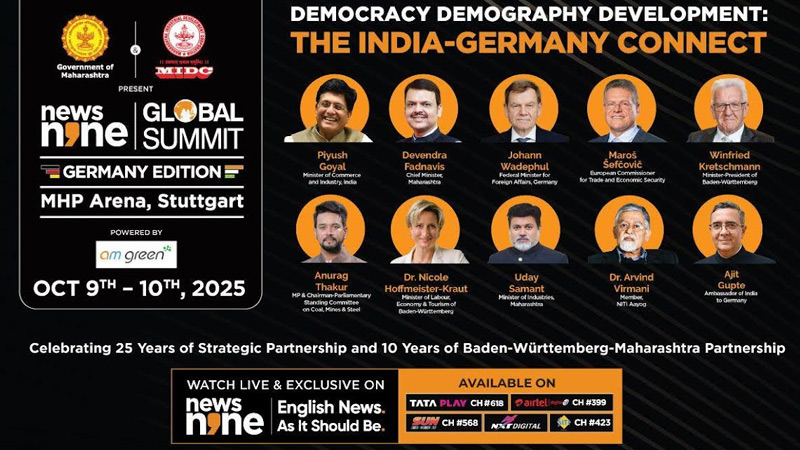
    MUMBAI: TV9 Network is set to host the second News9 Global Summit – Germany Edition in Stuttgart on 9–10 October 2025, celebrating 25 years of India-Germany strategic partnership.

    The Summit, themed “Democracy | Demography | Development: The India-Germany Connect,” brings together policymakers, corporate leaders, and thought innovators from both nations to explore trade, technology, and collaborative opportunities.

    Presented by the Government of Maharashtra and MIDC, co-hosted by Vfb Stuttgart and supported by the State of Baden-Württemberg, the event promises high-level dialogue and actionable insights. Gold partners Fintiba and Barmer, Silver partners MHP – A Porsche Company and Tata Ace Pro, alongside other institutional and strategic partners, anchor the discussions.

    The Germany edition began in Berlin on 6 October at the Axica Convention Centre, adjacent to the Brandenburg Gate. Over 200 innovators, startups, and investors attended, with keynotes from India’s Ambassador to Germany HE Ajit Gupte, and spotlight sessions featuring Vijay Chauthaiwale, Anandi Iyer, Stefan Halusa, and Jörg Müller. The journey continues through Munich and Karlsruhe, culminating in Stuttgart for the main Summit dialogue.

    TV9 Network, MD & CEO Barun Das said, “The Summit is about more than dialogue; it’s about building trust in a multipolar world. Stuttgart, a hub of engineering, innovation, and diplomacy, is the perfect stage for India’s narrative as the world’s fastest-growing major economy.”

    Vfb Stuttgart chief marketing & sales officer Rouven Kasper added, “Sport and dialogue share a common language, teamwork, resilience, and innovation. Co-hosting the Summit reflects these shared values and celebrates the India-Germany connect beyond trade and technology.”

    The Summit’s lineup is a blend of policy, industry, and culture: From Germany and Europe Johann David Wadephul, Nina Warken, Maroš Šefčovič, and state leaders including Winfried Kretschmann and Frank Nopper; Industry voices Andreas Lapp, Joachim Erdle, Bernd-Otto Hörmann, alongside innovators like Honza Ngo and Jan-Frederik Dammenhain; Strategic experts Karl-Heinz Grossmann (Airbus Defence & Space), captain Michael Giss (Bundeswehr), cultural innovators Alexander Heinrich and Thomas Diehl.

    From India, the Summit includes Piyush Goyal and Devendra Fadnavis (virtual), with in-person participation from Anurag Singh Thakur, Uday Samant, and HE Ajit Gupte, supported by policy and economic thought leaders like Arvind Virmani and Sachin Kumar Sharma, as well as industry leaders including Vivek Lall, Pankaj Vyas, Anandi Iyer, and Ujjwal Jyoti.

    Cultural and creative perspectives feature chef Kunal Kapur, captain Zoya Agarwal, and new-generation innovators Siddharth Bhasin and Markus Besch.

    The News9 Global Summit 2025 – Germany Edition continues TV9 Network’s mission of placing India at the heart of global dialogue while redefining bilateral cooperation, innovation, and strategic partnerships for the next 25 years.

  • Rising Bharat Summit 2025 fuels bold vision for India’s global future

    Rising Bharat Summit 2025 fuels bold vision for India’s global future

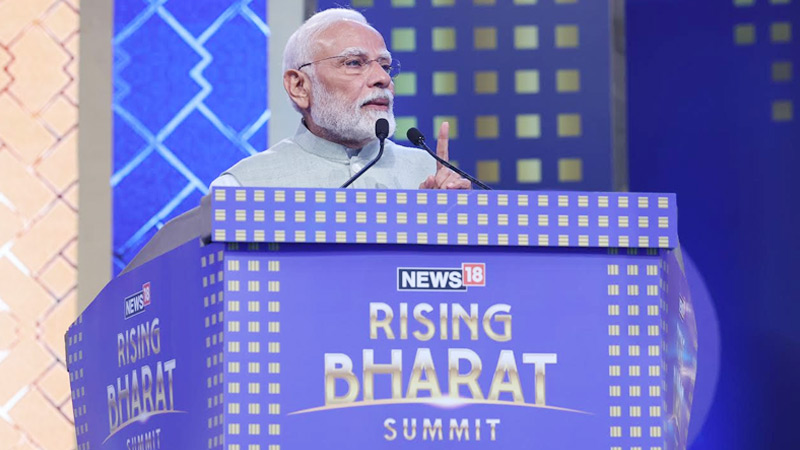
    MUMBAI: The News18 Rising Bharat Summit 2025 unfolded as a dynamic exchange of ideas, direction and determination in New Delhi, spotlighting India’s youthful energy and its ambitions to become a developed nation by 2047.

    Centred on the theme ‘Youthful Aspirations, Dream Big, Achieve More, Rise Together,’ the summit brought together an influential line-up of ministers, policy shapers, global experts and cultural icons to present India’s vision across governance, trade, diplomacy, technology and social equity.

    In a charged keynote, prime minister Narendra Modi spoke of urgent, performance-based governance. “The Waqf Amendment Bill ensures true social justice, ending appeasement and protecting Pasmanda Muslims from land mafias. In our first 100 days, we’ve delivered tax relief for youth, reforms in space, nuclear, and gig sectors, and launched WAVES to boost creativity. India cannot afford delays, our progress must be driven by performance,” he said.

    Home minister Amit Shah, addressing electoral concerns and national unity, added, “I want to reassure our southern states that the delimitation process will be fair and proportionate. The opposition is creating fear to divert attention from its own failures… The idea of ‘One Nation, One Election’ is rooted in efficiency and unity, values our youth must uproot politics of appeasement.”

    Commerce & industry minister Piyush Goyal responded to global trade shifts stating, “We remain committed to fair and balanced trade relationships… Our trade policies, guided by the ‘India First’ principle, reflect growing strategic maturity.”

    On India’s evolving geopolitical stance, minister of external affairs S. Jaishankar said, “We see opportunities even amid global uncertainties… The global community increasingly acknowledges Pakistan’s role in terrorism, and India stands firm in defending its national interests.”

    Technology and infrastructure also took centre stage. IT and I&B minister for railways Ashwini Vaishnaw remarked, “This year, we will see India’s first indigenous semiconductor chip. In AI, India has the talent and vision to lead… Our approach is not just timely, but responsible.”

    On infrastructure and road safety, minister Nitin Gadkari shared, “The rules apply to everyone, including myself… Real progress comes from a sense of shared responsibility.”

    International insights came from professor Jeffrey Sachs, who said, “India is in a unique position… With its scale, talent, and resolve, India is poised to become the world’s second-largest economy, not by imitation, but on its own terms.”

    The summit also welcomed an eclectic mix of national figures including justice D.Y. Chandrachud, Scott Kelly, Abhinav Bindra, Aravind Srinivas, Børge Brende, Sunny Deol, and Kajol, reflecting the convergence of innovation, governance, space science, sports and culture.

    The 2025 edition of the Rising Bharat Summit stood as a clarion call for collaboration and purpose. It celebrated a confident, inclusive India, placing youth at the centre of policy, progress and global ambition.

  • Rajat Sharma’s birthday celebration draws elite crowd as India defeats Pakistan

    Rajat Sharma’s birthday celebration draws elite crowd as India defeats Pakistan

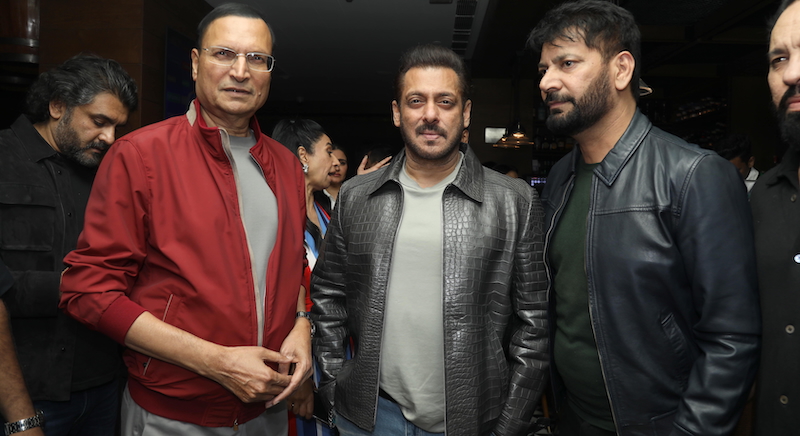
    MUMBAI: Media mogul Rajat Sharma’s birthday celebration attracted a star-studded gathering of Bollywood celebrities, political heavyweights and business leaders at the Grappa Bar.

    Hosted by his wife Ritu Dhawan, the soirée welcomed Bollywood star Salman Khan, musicians Jasbir Jassi and Anu Malik, and filmmaker Madhur Bhandarkar. 

    The political sphere was represented by Piyush Goyal, Vasundhara Raje, Kamal Nath, Raghav Chadha and Manoj Tiwari.

    piyush goyalFashion luminaries Kavita Bhartia, Tikka Shatrujit Singh and Sunil Sethi mingled with business leaders including C K Birla, Rajan Mittal, Hari Bhartia, Ajay Singh, Sandeep Jajodia and Ajay Shriram. Distinguished members of the judiciary, legal profession and medical fraternity were also present.

    The festivities coincided with India’s six-wicket victory over Pakistan in cricket, sparking jubilant celebrations amongst guests and transforming the evening into a dual celebration.

    Sharma, whose contributions to Indian journalism have been widely lauded, had received an outpouring of social media tributes earlier in the week from fans and industry colleagues alike.

    The gathering showcased Sharma’s remarkable ability to unite individuals from diverse professional backgrounds, with conversations flowing effortlessly against a backdrop of fine dining and entertainment.

  • NDTV Profit conclave 2025 unites industry leaders to shape India’s future

    NDTV Profit conclave 2025 unites industry leaders to shape India’s future

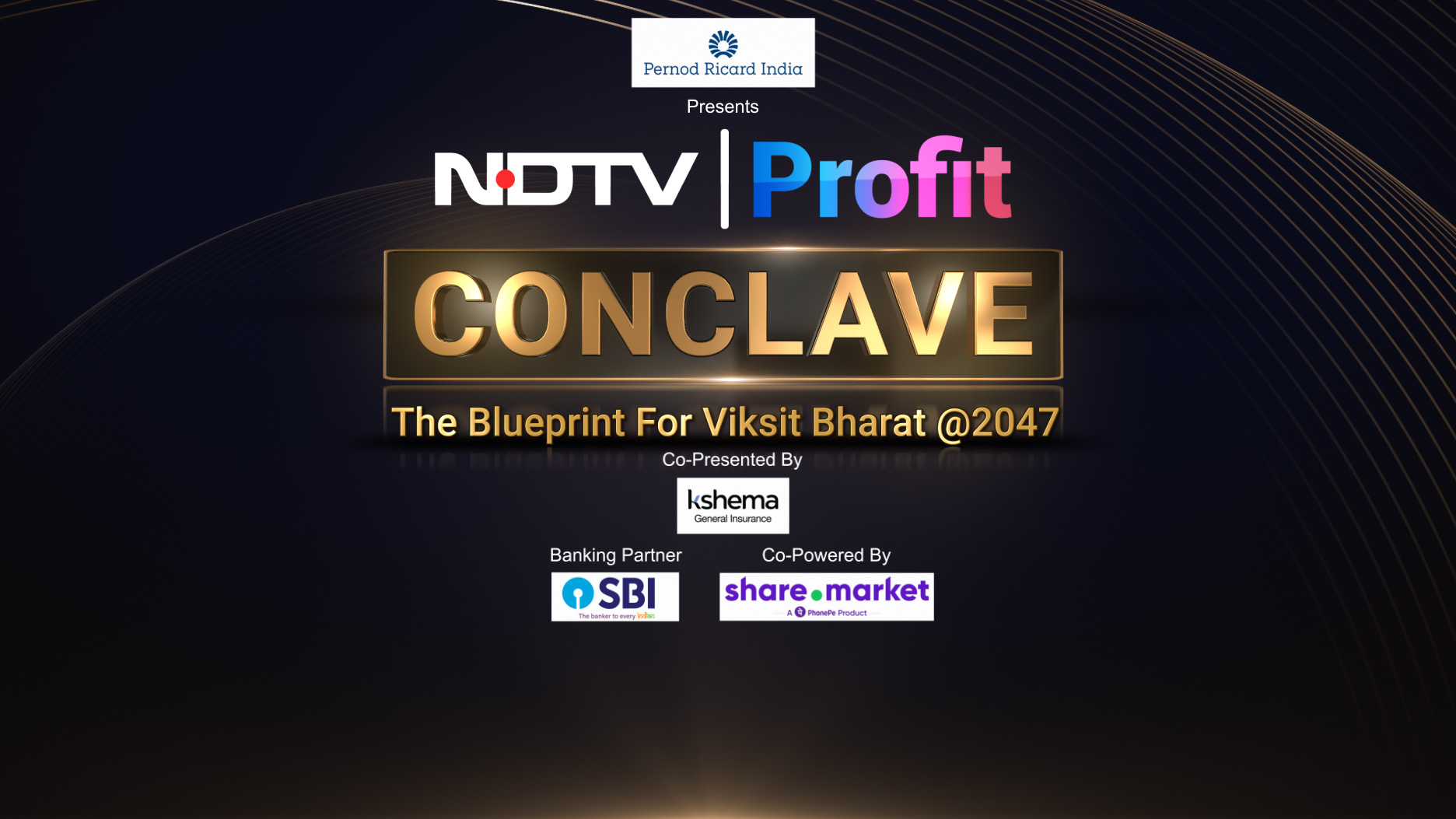
    MUMBAI : The NDTV Profit Conclave, a premier business event, is coming to Mumbai on 18 February 2025. With the theme ‘blueprint for Viksit Bharat 2047,’ the event will unite leading corporate and political figures to chart India’s journey toward becoming a developed nation by its 100 year of independence.

    The conclave will serve as a key platform for dialogue on inclusive growth, sustainability, governance, and youth empowerment, reflecting India’s commitment to long-term economic transformation. Industry stalwarts and policymakers, including Piyush Goyal, CS Setty, Raamdeo Agarwal, Ridham Desai, Anish Shah, Dipali Goenka, Nadir Godrej, and Ashishkumar Chauhan, will lead discussions on manufacturing, AI, banking, investment, and sustainability.

    Live coverage will be available on NDTV Profit’s tv & digital platforms from 10 am on 18 February. Attendees can register online, with entry granted on a first-come, first-served basis. 

  • India Today – Business Today Budget Round Table 2025: Big bets & bold claims

    India Today – Business Today Budget Round Table 2025: Big bets & bold claims

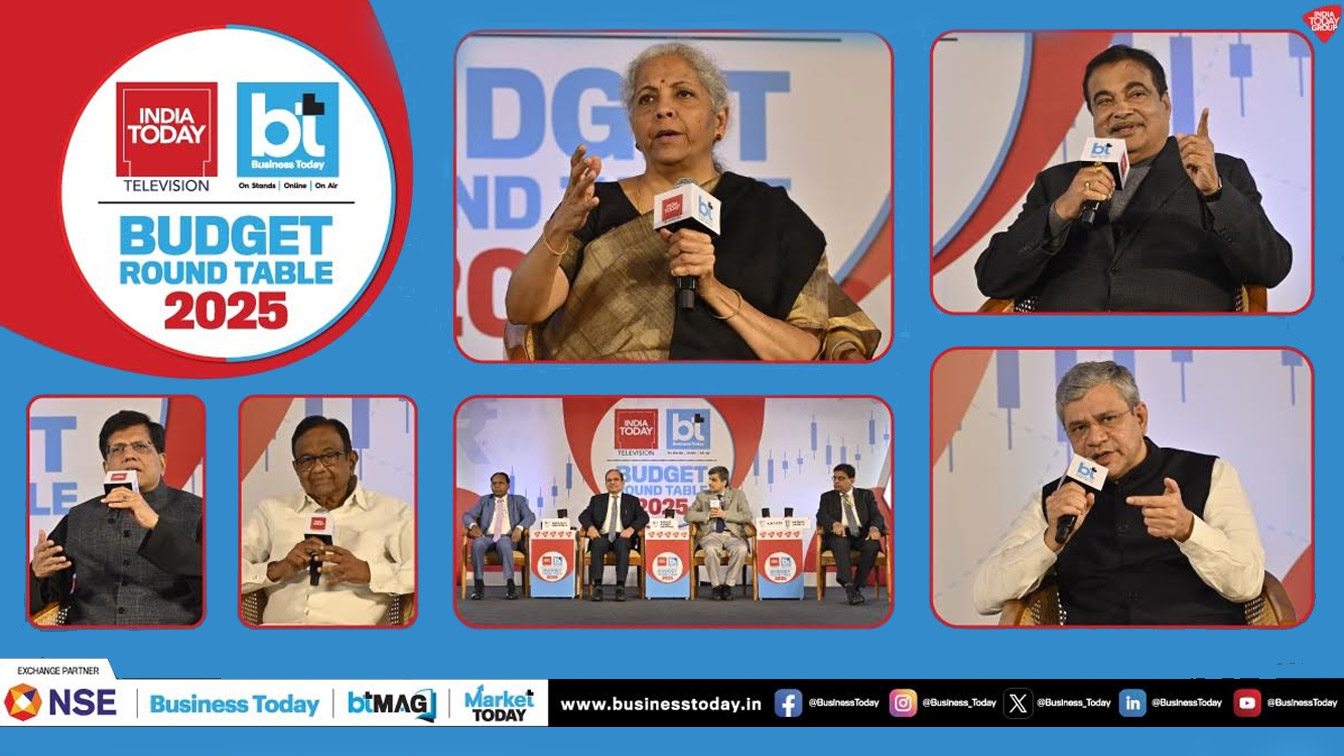
    MUMBAI: If Budget discussions were a high-stakes poker game, this year’s India Today – Business Today Budget Round Table saw ministers going all in with big bets and even bolder claims. From Finance minister Nirmala Sitharaman’s tax relief assurances to Piyush Goyal’s firm rejection of a BRICS currency, and Nitin Gadkari’s ambitious Rs 15 lakh crore infrastructure monetisation vision—this was no ordinary policy talk.

    Sitharaman set the tone early, brushing aside concerns of a structural slowdown while underscoring the government’s commitment to taxpayers. “In every Budget, there is a clear sense that we respect taxpayers,” she declared, championing income tax rebates and relief measures under the new tax regime. She also expressed confidence that higher disposable incomes would fuel consumption and savings, giving sectors like FMCG and banking a much-needed boost.

    Meanwhile, Commerce minister Piyush Goyal wasted no time in dismissing the idea of a BRICS currency. “We don’t support any BRICS currency… It is impossible to think of a BRICS currency,” he said, leaving no room for ambiguity. He also addressed rupee depreciation, maintaining that India must work towards a stronger currency to reduce import dependence.

    Transport minister Nitin Gadkari, always one to bring numbers to the table, outlined his Rs 5 lakh crore plan for highway monetisation while acknowledging roadblocks like land acquisition and environmental clearances. His projections were ambitious—toll income hitting Rs 1.4 lakh crore in two years, scaling up to Rs 15 lakh crore with further monetisation—but execution remains the challenge.

    Beyond taxation and infrastructure, the event also dived into global economic headwinds. Finance and Revenue secretary Tuhin Kanta Pandey flagged rising trade disruptions and protectionist policies, reassuring attendees that India remains committed to open markets. Meanwhile, Electronics & IT minister Ashwini Vaishnaw had exciting news on the tech front—India’s foundational AI model will be ready by the end of the year, with 10,000 GPUs already deployed for research.

    For investors, the insights kept coming. Market veteran Vijay Kedia predicted continued market consolidation, advising investors to focus on government-driven themes like tourism. Value Research CEO Dhirendra Kumar urged a gradual investment strategy, while Mosaic Asset Management’s Maneesh Dangi remained bullish on IT and services.

    With 10 power-packed sessions, 15+ industry leaders, and over 200 corporate executives and experts in attendance, the India Today – Business Today Budget Round Table 2025 delivered high-impact discussions and valuable takeaways. With NSE as an exchange partner, the event ensured that the country’s economic pulse was taken with precision.

    As India steers through global uncertainties, the discussions reinforced the government’s commitment to taxpayers, economic stability, and infrastructure growth—while also highlighting challenges like trade tensions, currency fluctuations, and policy roadblocks that remain very much in play.


  • Copyrights registrar grants copyright society status to Indian screenwriters rights body

    Copyrights registrar grants copyright society status to Indian screenwriters rights body

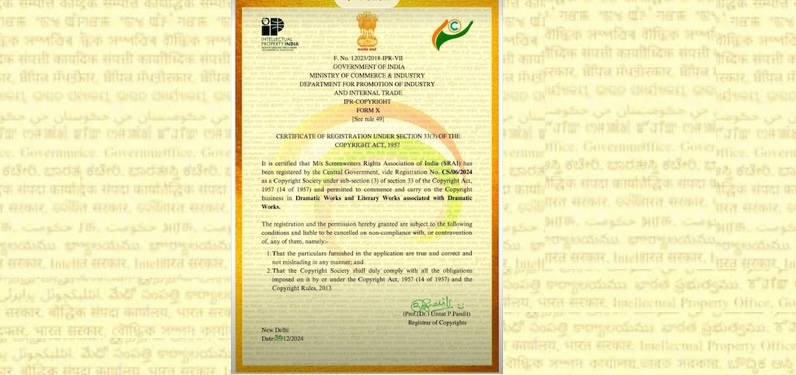
    MUMBAI: It took four years  and a little more to come through, but it finally has. The Screenwriters Rights Association of India (SRAI) has got the go-ahead from the registrar of copyrights Unnat P Pandit on 30 December to operate as a copyright society under the Copyright Act, 1957.  What that means is that it can collect royalties for dramatic works  and literary works associated with dramatic works.  

    This means good news for story writers, scriptwriters, dialogue writers of television shows , OTT shows and films. They  can now look forward to a future where they can get royalties for their works.

    In fact, the Screen Writers Association (SWA)  and its members were made aware  of this through minister of commerce Piyush Goyal’s office which posted the SRAI certificate on social media late in the evening of 30 December.

    The request for the registration was made to the  registrar of copyrights (which falls under the department for promotion of industry and internal trade  which in turn is a body under the commerce ministry) on 4 November 2020 by SRAI’s chairman Anjum Rajabali with Vinod Ranganathan as the CEO and veteran writers like Saket Chaudhary, Kamlesh Pandey, Rajesh Dubey, Vipul Shah, Mohammed Badiuzzaman (Zaman Habib), Javed Akhtar and Juhi Asheesh Malhotra as members of the governing body, according to documents available with indiantelevision.com..

    The SRAI is a section 7 company and was set up in February 2016.

    For the writing community, however, this is probably the first step of many to follow.

    “What will follow are negotiations between the SRAI and the platforms  – whether OTT or broadcasters or producers – on the rate of the royalties,” says an industry source. “How long this will take will depend on how reasonable both sides will be. However, when an agreement is reached, it will be succor for the writing community which has been deprived of royalties unlike their counterparts in other parts of the world.” 

  • CNBC-TV18’s 25th anniversary inspires new business horizons at Global Leadership Summit

    CNBC-TV18’s 25th anniversary inspires new business horizons at Global Leadership Summit

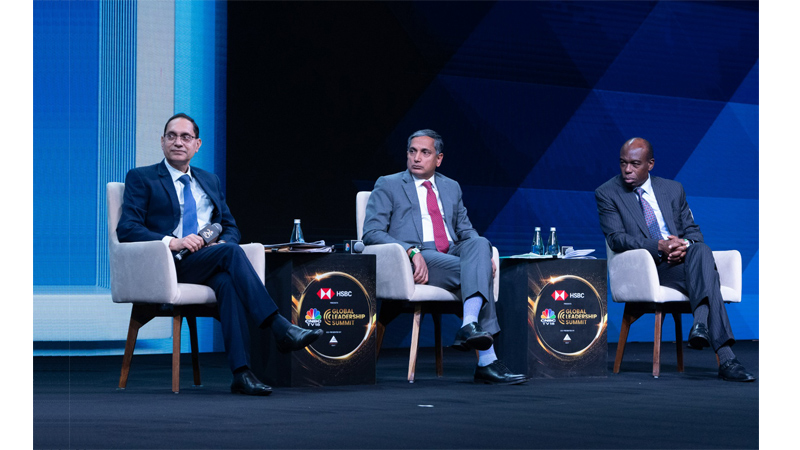
    Mumbai: As CNBC-TV18 marked 25 years of excellence in business journalism, the Global Leadership Summit presented by HSBC India and co-presented by Embassy REIT, unfolded as a landmark event, showcasing the channel’s profound impact on India’s economic and business landscape. Held at Jio World Centre, the summit brought together visionaries from across industries, policymakers, and thought leaders to deliberate on pressing global challenges, emerging opportunities, and India’s ascent on the world stage.

    The summit opened with an address by CNBC-TV18 managing editor Shereen Bhan, who underlined India’s journey in the global economic narrative. She remarked “As CNBC-TV18 marks 25 years of excellence, the Global Leadership Summit brought together the most influential thinkers to chart out the roadmap for what India needs to focus on over the next quarter century to achieve high performance. From the policy priorities to the role of the Private sector, from manufacturing to services, from infrastructure to Artificial Intelligence, the Global Leadership Summit was the stage for insightful and transformative discussions. As we look ahead, we hope This summit will continue to reflect our commitment to providing thought leadership and an execution strategy to deliver on India’s promise and potential”

    Minister of Commerce & Industry, Government Of India, Piyush Goyal initiated the day’s conversations with a thought-provoking fireside chat, stating, “I was reviewing the numbers of a major automobile company that recently went public. It’s remarkable to note that an initial investment of $200 million made 25 years ago has yielded dividends and royalties exceeding $12 to $13 billion in just the last decade. Even with such extraordinary returns, the company’s current market capitalization remains at approximately $15 billion. This highlights the significant competitive edge that companies manufacturing in India possess. As they continue to offer better pricing and greater value, I’m confident they are poised for even greater growth.  Ultimately, companies must decide whether to maintain high margins in a softening market or to become more aggressive, capture a larger market share, and drive growth through competitive pricing. The answer lies in how they leverage their strengths in this evolving landscape.”

    The summit’s agenda was packed with discussions and thought-provoking dialogues. RBI Governor Shaktikanta Das delivered a compelling keynote titled “Sailing Through Turbulence: India’s Tryst with Financial Stability”. He said, “Central banks worldwide are navigating an increasingly complex financial environment, and the Reserve Bank of India is no exception. The trade-off between supporting growth and controlling inflation remains challenging, especially in a time of high global volatility. We have witnessed the repercussions of moving ‘too early’ or ‘too late,’ particularly in the banking sector issues that emerged in advanced economies earlier this year. At the Reserve Bank, our response has been measured and timely, maintaining the flexibility to act in sync with evolving conditions. By balancing growth and inflation priorities, we aim to build resilience into India’s financial system. As we shift towards a neutral stance, we remain focused on achieving a durable alignment of inflation within target while supporting growth, underscoring our commitment to a stable and thriving economy.”

    A special segment at the event was devoted to honour Dr. C Rangarajan, Dr. Bimal Jalan, and Dr. Y. V. Reddy, former Governors of the Reserve Bank of India, for their monumental contributions to India’s economic stability.  This tribute was followed by the unveiling of “5/25 Transformative Ideas for the Next Quarter Century,” where Uday Kotak, Founder of Kotak Mahindra Bank, shared a visionary roadmap for India’s future.

    Global Leader, Esi Eggleston Bracey, Global Chief Growth & Marketing Officer, Unilever, took centre stage during the session “Boost Brands, Boost Business” where she delved into strategies for driving brand growth in competitive markets. Another highlight was the panel discussion “Investing in India’s Today & Tomorrow,” featuring insights from leading investors such as Ramesh Damani, Owner, Ramesh Damani Finance Pvt Ltd., Manish Chokhani, Director, Enam Holdings, Raamdeo Agrawal, Chairman & Co-founder, Motilal Oswal Financial Services and Ashishkumar Chauhan, MD & CEO, NSE who explored India’s economic potential and sustainable growth strategies.

    The afternoon sessions kicked off with a dynamic panel discussion on ‘Managing Markets: Is it Time to be Bullish or Bearish?’ where Ridham Desai, Managing Director, Morgan Stanley India, Rama Bijapurkar, Author & Independent Director, India Blue-Chip Companies, V. Vaidyanathan, MD & CEO, IDFC First Bank, Nilesh Shah, MD, Kotak Mahindra Asset Management Company Ltd. and Samir Arora, Founder & Fund Manager, Helios Capital, shared perspectives on market trends and investment strategies. The subsequent panel, ‘India: The Outlier, ’discussed India’s position amid global economic changes, with insights from Auguste Tano Kouame, Country Director, World Bank, Krishna Srinivasan, Director, Asia & Pacific Department, International Monetary Fund  and Tuhin Kanta Pandey, Finance Secretary & Secretary (DIPAM).

    An engaging discussion titled, ‘Legacy, Longevity, Leadership: The Playbook for the Future,’ which brought together Rishad Premji, Executive Chairman of Wipro, and Rajiv Bajaj, Managing Director of Bajaj Auto, who shared their insights on sustaining leadership in rapidly evolving industries.

    The summit continued with a fireside chat with Hitendra Dave, CEO of HSBC India who spoke about ‘The Next Superpower: India’s Growth Blueprint,’ and he explored strategies that could propel India to global superpower status. He commented, “India’s optimism for the next 25 years is rooted in its young demographics and unmatched digital infrastructure. With 1.4 billion people, most under 28, the potential for transformation is staggering. Strategic investments in digital payments and unified lending systems can redefine credit access, unleashing growth across sectors. By harnessing this opportunity, India can pave its way to becoming a developed economy with a per capita income of $13,000–$15,000—a bold but achievable vision.”

    The event also featured notable sessions on entrepreneurship, innovation, and India’s competitive edge. A discussion titled ‘Startup Dreams to Wealth Creation,’ where Rajan Anandan, MD, Peak XV, Amrit Acharya, Co-founder & CEO, Zetwerk, Kunal Shah, Founder, CRED and Kapil Makhija, MD & CEO, Unicommerce eSolutions discussed the challenges and successes of building thriving startups in India. Meanwhile, ‘The Promise of Phygital India: From Bricks to Broadband’ underlined the seamless integration of digital and physical spaces, with insights from Ari Sarker, President, Asia Pacific, Mastercard, Jitu Virwani, Chairman and Managing Director, Embassy Group, and Ankur Gupta, Head, Asia & Middle East Rela Estate, Brookfield.

    As the evening unfolded, Sajjan Jindal, Chairman & MD, JSW Group of Companies led a session titled ‘India’s Manufacturing Moment: Breakout Ready?’ discussing India’s potential as a global manufacturing leader. The event also witnessed the felicitation of Deepak Parekh, Former Chairman of HDFC, as an Icon of The Indian Economy who also delivered an insightful TED Talk on ‘Transforming the Financial Sector for a New Generation’.

    Further discussions explored India’s global leadership potential with a segment on –‘From The Foreign Investors Lens’ where the speakers Prem Watsa, Chairman & CEO, Fairfax Financial Holdings Limited, and John Chambers, Chairman, USISPF and Founder & CEO, J2C Ventures shared their insights. The discussion ‘India’s Right to Win,’ featuring Dr. Anish Shah, Group CEO & MD, Mahindra Group, and Falguni Nayar, Founder & CEO, Nykaa further highlighted India’s competitive edge in global markets.

    In one of the summit’s most engaging fireside chats, Adar Poonawalla, CEO, Serum Institute Of India and Karan Johar, Film Director discussed the evolution of India’s entertainment industry in ‘Cinema: Magic to Monetisation.’ Another captivating fireside chat was with Sriharsha Majety, Co-founder and Group CEO, Swiggy, who shared Swiggy’s journey leading upto IPO on “Let’s Swiggy with it”.

    The summit also honoured N.R. Narayana Murthy, Co-founder & Former Chairman, Infosys as ‘Icon of The Indian Economy’ followed by a powerful fireside chat with him titled ‘India The Next 25: Notes from N.R. Narayana Murthy,’ which reflected on India’s future in the Global Landscape. He shared his views and said, “Over the last 30 years, India has made remarkable progress. A new wave of confidence and energy is driving growth, visible in everything from local businesses and street vendors to fitness centres. Yet, while urban middle-class incomes are rising, a vast segment of the population remains untouched by globalisation. The challenge ahead is creating jobs, especially for those who cannot access high-skill industries like software. The solution lies in exports, countries like China and Vietnam have shown how global demand can drive large-scale job creation. To succeed, India must move faster in decision-making, adopt global best practices, and raise its standards of excellence. India’s potential is limitless, but realising it requires swift, competitive, and decisive action.”

    The summit had an interesting fireside chat with Leo Varadkar, former Taoiseach of Ireland, in conversation with Navtej Sarna, former Ambassador of India to the US, discussing global leadership challenges in “Finding Leadership in a Fractured World.” CNBC-TV18 Global Leadership Summit concluded with a power-packed performance by Ajay Bijli, Managing Director, PVR INOX Limited.

    CNBC-TV18 Global Leadership Summit was presented by HSBC India, and co-presented by Embassy REIT, along with Destination Partner- Saudi Tourism Authority, Associate Sponsor – ITC, AI Partner- AWS, Exchange Partner – NSE, Associate Partner – Reliance Industries

  • Business Today unveils 21st edition of the Most Powerful Women in business, honours winners

    Business Today unveils 21st edition of the Most Powerful Women in business, honours winners

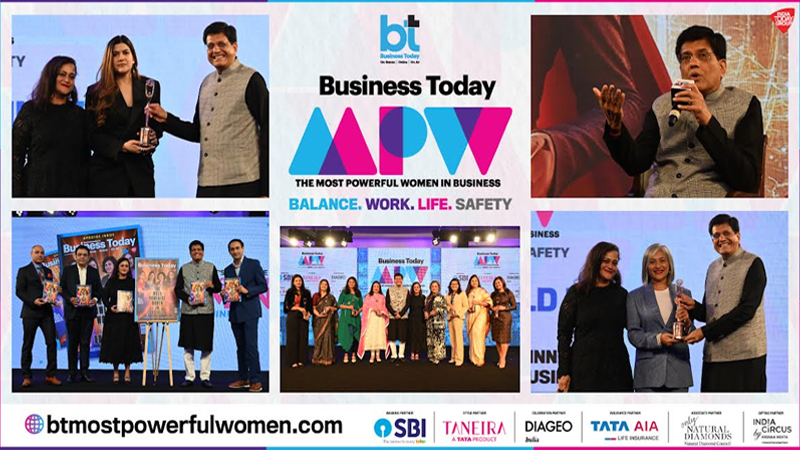
    Mumbai: Business Today celebrated the 21st edition of the Most Powerful Women in Business list on November 8 in Mumbai. The event brought together visionary women leaders, entrepreneurs, and executives from diverse sectors to discuss key challenges and new opportunities for women in Indian business.

    Union minister of commerce and industry, Piyush Goyal, was the chief guest at the event. He alongside India Today Group vice-chairperson and executive editor-in-chief Kalli Purie, unveiled the MPW Special Issue of the magazine, which featured the inspiring stories of the women leaders who made it to this year’s prestigious list.  

    Addressing the stalwarts and guests, Goyal emphasised India’s enduring respect for female leadership and praised the National Democratic Alliance (NDA) government’s initiatives to empower women.

    He also highlighted India’s resilience to potential tariff increases from the US after Donald Trump’s re-election, stating, “India is regarded as a trusted partner by the democratic world.” He also assured that India was willing to reduce tariffs on products where there is little competition, such as heavy motorcycles from Harley Davidson.

    This year, Business Today recognised 60 women leaders across various industries, with 12 new faces added to the list, showcasing the increasing diversity and dynamism of female leadership in India. Alongside these new honourees, four returning achievers highlighted the consistent excellence and evolution in their fields. Two leaders were inducted into the Hall of Fame, having been a part of the list a record seven times, underscoring their profound and enduring impact on the business landscape.

    This year’s event was centered around the theme “Balance. Work. Life. Safety” focused on the delicate balance women strive to maintain between their professional and personal lives. It also addressed the need for greater gender equity and inclusivity in business.

    Distinguished honourees were Schauna Chauhan, CEO of Parle Agro; Ananya Birla, Founder & Chairperson of Svatantra Microfinance; Prabha Narasimhan, MD & CEO of Colgate-Palmolive (India); Prativa Mohapatra, VP & Managing Director of Adobe India; Ameera Shah, Executive Chairperson of Metropolis Healthcare; and Padmaja Ruparel, Co-founder of Indian Angel Network, among others. To know about the full list, log on to https://btmostpowerfulwomen.com/2024/

    During a thought-provoking panel discussion, Prabha Narasimhan, MD & CEO of Colgate-Palmolive (India) highlighted the underappreciation of women’s contributions. “Grit, Gumption and Guts are common to men and women both. What makes it interesting for women as we tend to undersell ourselves a little bit,” she said.

    Indian Angel Network co-founder Padmaja Ruparel emphasized the societal barriers women face and the importance of embracing risk. “Women always had a tough time. In most societies, not just India, people have preconceived notions about women. That’s the first challenge. The second point is that the women are not grown or nurtured to take risks in their workplace,” said Padmaja.

    Prativa Mohapatra, VP & Managing Director of Adobe India and Pavitra Shankar, MD of Brigade Group also shared their personal journeys of resilience and leadership.

    In another insightful session, Edelweiss AMC MD & CEO Radhika Gupta, celebrated women’s innate multitasking abilities. “Women are natural multitaskers without any professional training and spreadsheets. Multitasking is a tremendous skill in leadership… So, what we traditionally refer to as feminine skill sets are those which are required in the workplace,” she said.

    Shefali Goradia, Chairperson of Deloitte South Asia, and Amisha Vora, Chairperson & MD of Prabhudas Lilladher Group, discussed the importance of self-belief and the need to close the gender gap in corporate leadership. Shefali said that in India there is still a lack of equal seats for women at the high table despite awareness, while Gupta urged women to move from being cautious savers to confident investors, encouraging them to extend their financial stewardship beyond the household.

    The theme of work-life balance was a key point of reflection throughout the day. Nirupa Shankar, Joint MD of Brigade Group, observed that the idea of “work-life balance” is evolving, with more emphasis now on work-life integration. Devita Saraf, Chairperson & CEO of Vu Group, echoed this thought and stressed the importance of setting clear boundaries to maintain focus and mental well-being.

    Since its inception in 2003, Business Today’s Most Powerful Women in Business list has served as an important platform to recognize women who have made significant contributions to their industries. This year’s event not only celebrated the accomplishments of these remarkable leaders but also underscored the critical need to address gender disparities and create an environment where women can truly thrive.

  • Reliance-Disney Star: joint venture to finally fall in place by 18 November

    Reliance-Disney Star: joint venture to finally fall in place by 18 November

    MUMBAI: Here’s more on the Reliance-Viacom18-Disney Star India. Disney Star India distribution and international head Gurjeev Singh Kapoor is moving on. That came across as a shocker to many in the industry as he was known to be close to vice-chairman Uday Shankar and has had a good track record in terms of achieving targets and getting in revenue. Rumours are that he is likely to be headed to Sony Pictures Network India (SPNI) to work closely with CEO Gaurav Banerjee. Others say he is going to be turning entrepreneur.

    Questions are being raised as to the fate of IndiaCast COO Piyush Goyal and international head Govind Shahi as the buzz in the organisation is that a new professional is likely to take Gurjeev’s place. Some fingers are being pointed towards SPNI’s Rajesh Kaul hopping on board. 

    While many have been saying that the new joint venture entity is going to be called JioStar and the email addresses are going to be jiostar.com, others are saying that the merged entity is going to be under Star India and the email addresses will be startv.com. Mails have been zipping around to executives in the two organisations and to clients announcing this, if sources are to be believed.

    Sources indicate that the final announcements of the executives who will be staying or moving on are going to be made by 15 or 16 November with everything finally falling into place by 18 November. 

    Here’s hoping that we, at indiantelevision.com, are not adding to the oodles of speculation being floated around. Only time will tell.