Tag: Pioneer Channel Factory

  • Ad cap case put off to 1 August, court to hear plea challenging stay order

    Ad cap case put off to 1 August, court to hear plea challenging stay order

    NEW DELHI: There is clearly no indication to an early resolution to the controversial issue of adcaps on television channels, with yet one more adjournment of the petitions pending before the Delhi High Court, this time to 1 August.

    The matter was put off by chief justice G Rohini and justice Jayant Nath as they did not have time to hear the matter in view of urgent cases.

    When the case comes up next, it is expected to take up an application by intervenor Home Cable Network Pvt Ltd seeking vacation of the order staying action against violating television channels.

    In the hearing on 29 March, a plea was made on behalf of the Information and Broadcasting ministry that a proposal was being contemplated to amend the relevant provision relating to limiting ads to 12 minutes an hour.

    However counsel Vivek Sarin of Home Cable counsel pressed for early hearing of his application for vacation of stay. Thereupon, counsel for Discovery Communications said it wanted to press its application to come in as intervenor. The court had on 11 February agreed to take up the application by Discovery Communications to intervene on the matter.

    Earlier on 27 November last year, the court chaired by the chief justice had said the matter had been pending for some time and therefore it would hear and conclude the case in the next hearing. On that day, the I and B Ministry had informed the Court that it was in talks with the News Broadcasters Association and other stakeholders on the issue of the advertising cap of 12 minutes per hour. This was the first time that the ministry had put in an appearance in the petition filed by the News Broadcasters and others against the Telecom Regulatory Authority of India and others.

    Home Cable Network Pvt. Ltd had been permitted to intervene on 5 January and the Court had agreed to consider contentions on whether pay channels should be permitted to carry commercials in view of subscription fee charged by them. Home Cable Counsel Vivek Sarin had told the court that the petitioners had not disclosed that broadcasters had given their consent to observe the 10+2 ad cap rule under the Cable Television Network Regulation Rules 1994 and the Act that followed a year later and also under the Uplink and Downlink Guidelines. He also said pay TV broadcasters should not be allowed to take ads as they charged subscription fee.

    The case, filed by News Broadcasters Association and others against the Telecom Regulatory Authority of India and the Union Government, has so far been adjourned from time to time on the plea that the government and the broadcasters are in talks on this issue.

    The court has already directed that the order that TRAI would not take any action against any channel pending the petition would continue. In an earlier hearing, the court had, at the regulator’s instance, directed that all channels keep a record of the advertisements run by them.

    The NBA had challenged the ad cap rule, contending that TRAI does not have jurisdiction to regulate commercial airtime on television channels. Apart from the NBA, the petitions have been filed by Sarthak Entertainment, Pioneer Channel Factory, E24 Glamoru, Sun TV Network, TV Vision, B4U Broadband, 9X Media, Kalaignar, Celebrities Management, Eanadu Television and Raj Television.

    Meanwhille, complaints against fifteen broadcasters by TRAI on the ad cap issue are also pending with the chief metropolitan magistrate in Delhi.

  • Ad cap case put off to 1 August, court to hear plea challenging stay order

    Ad cap case put off to 1 August, court to hear plea challenging stay order

    NEW DELHI: There is clearly no indication to an early resolution to the controversial issue of adcaps on television channels, with yet one more adjournment of the petitions pending before the Delhi High Court, this time to 1 August.

    The matter was put off by chief justice G Rohini and justice Jayant Nath as they did not have time to hear the matter in view of urgent cases.

    When the case comes up next, it is expected to take up an application by intervenor Home Cable Network Pvt Ltd seeking vacation of the order staying action against violating television channels.

    In the hearing on 29 March, a plea was made on behalf of the Information and Broadcasting ministry that a proposal was being contemplated to amend the relevant provision relating to limiting ads to 12 minutes an hour.

    However counsel Vivek Sarin of Home Cable counsel pressed for early hearing of his application for vacation of stay. Thereupon, counsel for Discovery Communications said it wanted to press its application to come in as intervenor. The court had on 11 February agreed to take up the application by Discovery Communications to intervene on the matter.

    Earlier on 27 November last year, the court chaired by the chief justice had said the matter had been pending for some time and therefore it would hear and conclude the case in the next hearing. On that day, the I and B Ministry had informed the Court that it was in talks with the News Broadcasters Association and other stakeholders on the issue of the advertising cap of 12 minutes per hour. This was the first time that the ministry had put in an appearance in the petition filed by the News Broadcasters and others against the Telecom Regulatory Authority of India and others.

    Home Cable Network Pvt. Ltd had been permitted to intervene on 5 January and the Court had agreed to consider contentions on whether pay channels should be permitted to carry commercials in view of subscription fee charged by them. Home Cable Counsel Vivek Sarin had told the court that the petitioners had not disclosed that broadcasters had given their consent to observe the 10+2 ad cap rule under the Cable Television Network Regulation Rules 1994 and the Act that followed a year later and also under the Uplink and Downlink Guidelines. He also said pay TV broadcasters should not be allowed to take ads as they charged subscription fee.

    The case, filed by News Broadcasters Association and others against the Telecom Regulatory Authority of India and the Union Government, has so far been adjourned from time to time on the plea that the government and the broadcasters are in talks on this issue.

    The court has already directed that the order that TRAI would not take any action against any channel pending the petition would continue. In an earlier hearing, the court had, at the regulator’s instance, directed that all channels keep a record of the advertisements run by them.

    The NBA had challenged the ad cap rule, contending that TRAI does not have jurisdiction to regulate commercial airtime on television channels. Apart from the NBA, the petitions have been filed by Sarthak Entertainment, Pioneer Channel Factory, E24 Glamoru, Sun TV Network, TV Vision, B4U Broadband, 9X Media, Kalaignar, Celebrities Management, Eanadu Television and Raj Television.

    Meanwhille, complaints against fifteen broadcasters by TRAI on the ad cap issue are also pending with the chief metropolitan magistrate in Delhi.

  • Ad cap case put off to 13 May, court to hear plea challenging stay order

    Ad cap case put off to 13 May, court to hear plea challenging stay order

    NEW DELHI: The ad cap case by television channels continues to linger on, with the Delhi High Court once again putting off the hearing to 13 May when it will hear an application by intervenor Home Cable Network Pvt Ltd seeking vacation of the order staying action against violating television channels.

    The matter was put off by chief justice G Rohini and justice Jayant Nath as they did not have time to hear the matter in view of urgent cases. In the last hearing on 29 March, a plea was made on behalf of the Information and Broadcasting ministry that a proposal was being contemplated to amend the relevant provision relating to limiting ads to 12 minutes an hour.

    However counsel Vivek Sarin of Home Cable counsel pressed for early hearing of his application for vacation of stay. Thereupon, counsel for Discovery Communications said it wanted to press its application to come in as intervenor. The court had on 11 February adjourned the hearing to today when it had agreed to take up the application by Discovery Communications to intervene on the matter.

    Earlier on 27 November last year, the court chaired by the chief justice had said the matter had been pending for some time and therefore it would hear and conclude the case in the next hearing. On that day, the I and B Ministry had informed the Court that it was in talks with the News Broadcasters Association and other stakeholders on the issue of the advertising cap of 12 minutes per hour. This was the first time that the ministry had put in an appearance in the petition filed by the News Broadcasters and others against the Telecom Regulatory Authority of India and others.

    Home Cable Network Pvt. Ltd had been permitted to intervene on 5 January and the Court had agreed to consider contentions on whether pay channels should be permitted to carry commercials in view of subscription fee charged by them. Home Cable Counsel Vivek Sarin had told the court that the petitioners had not disclosed that broadcasters had given their consent to observe the 10+2 ad cap rule under the Cable Television Network Regulation Rules 1994 and the Act that followed a year later and also under the Uplink and Downlink Guidelines. He also said pay TV broadcasters should not be allowed to take ads as they charged subscription fee.

    The case, filed by News Broadcasters Association and others against the Telecom Regulatory Authority of India and the Union Government, has so far been adjourned from time to time on the plea that the government and the broadcasters are in talks on this issue.

    The court has already directed that the order that TRAI would not take any action against any channel pending the petition would continue. In an earlier hearing, the court had, at the regulator’s instance, directed that all channels keep a record of the advertisements run by them.

    The NBA had challenged the ad cap rule, contending that TRAI does not have jurisdiction to regulate commercial airtime on television channels. Apart from the NBA, the petitions have been filed by Sarthak Entertainment, Pioneer Channel Factory, E24 Glamoru, Sun TV Network, TV Vision, B4U Broadband, 9X Media, Kalaignar, Celebrities Management, Eanadu Television and Raj Television.

    Meanwhille, complaints against fifteen broadcasters by TRAI on the ad cap issue are also pending with the chief metropolitan magistrate in Delhi.

  • Ad cap case put off to 13 May, court to hear plea challenging stay order

    Ad cap case put off to 13 May, court to hear plea challenging stay order

    NEW DELHI: The ad cap case by television channels continues to linger on, with the Delhi High Court once again putting off the hearing to 13 May when it will hear an application by intervenor Home Cable Network Pvt Ltd seeking vacation of the order staying action against violating television channels.

    The matter was put off by chief justice G Rohini and justice Jayant Nath as they did not have time to hear the matter in view of urgent cases. In the last hearing on 29 March, a plea was made on behalf of the Information and Broadcasting ministry that a proposal was being contemplated to amend the relevant provision relating to limiting ads to 12 minutes an hour.

    However counsel Vivek Sarin of Home Cable counsel pressed for early hearing of his application for vacation of stay. Thereupon, counsel for Discovery Communications said it wanted to press its application to come in as intervenor. The court had on 11 February adjourned the hearing to today when it had agreed to take up the application by Discovery Communications to intervene on the matter.

    Earlier on 27 November last year, the court chaired by the chief justice had said the matter had been pending for some time and therefore it would hear and conclude the case in the next hearing. On that day, the I and B Ministry had informed the Court that it was in talks with the News Broadcasters Association and other stakeholders on the issue of the advertising cap of 12 minutes per hour. This was the first time that the ministry had put in an appearance in the petition filed by the News Broadcasters and others against the Telecom Regulatory Authority of India and others.

    Home Cable Network Pvt. Ltd had been permitted to intervene on 5 January and the Court had agreed to consider contentions on whether pay channels should be permitted to carry commercials in view of subscription fee charged by them. Home Cable Counsel Vivek Sarin had told the court that the petitioners had not disclosed that broadcasters had given their consent to observe the 10+2 ad cap rule under the Cable Television Network Regulation Rules 1994 and the Act that followed a year later and also under the Uplink and Downlink Guidelines. He also said pay TV broadcasters should not be allowed to take ads as they charged subscription fee.

    The case, filed by News Broadcasters Association and others against the Telecom Regulatory Authority of India and the Union Government, has so far been adjourned from time to time on the plea that the government and the broadcasters are in talks on this issue.

    The court has already directed that the order that TRAI would not take any action against any channel pending the petition would continue. In an earlier hearing, the court had, at the regulator’s instance, directed that all channels keep a record of the advertisements run by them.

    The NBA had challenged the ad cap rule, contending that TRAI does not have jurisdiction to regulate commercial airtime on television channels. Apart from the NBA, the petitions have been filed by Sarthak Entertainment, Pioneer Channel Factory, E24 Glamoru, Sun TV Network, TV Vision, B4U Broadband, 9X Media, Kalaignar, Celebrities Management, Eanadu Television and Raj Television.

    Meanwhille, complaints against fifteen broadcasters by TRAI on the ad cap issue are also pending with the chief metropolitan magistrate in Delhi.

  • Adcap case put off to 29 March; Discovery moves for  intervention, Home Cable seeks early hearing

    Adcap case put off to 29 March; Discovery moves for intervention, Home Cable seeks early hearing

    NEW DELHI: The Delhi High Court today adjourned the hearing of the adcap (advertising cap) challenge to 29 March, when it will also take up the application by Discovery Communications to intervene in the matter.

    While the matter was listed for today, it was put off to another date in view of pending cases before the court.

    In the last hearing on 27 November, the Court chaired by Chief Justice G Rohini said the matter had been pending for some time and therefore it will hear and conclude the case in the next hearing.

    On that day, the Information and Broadcasting Ministry had informed the Court that it was in talks with the News Broadcasters Association (NBA) and other stakeholders on the issue of the advertising cap of 12 minutes per hour. This was the first time that the Ministry had put in an appearance in the petition filed by the NBA and others against the Telecom Regulatory Authority of India (TRAI) and others.

    On an oral plea by intervenor Home Cable Network Pvt Ltd counsel Vivek Sarin for early hearing, the Court directed him to file a written application with the relevant contentions for early hearing, saying that the court would consider it.

    Even as Discovery Communications sought to press its plea for being impleaded as an intervenor, the Court said this would also be considered at the next hearing.

    Home Cable Network was permitted to intervene on 5 January and the Court had agreed to consider contentions on whether pay channels should be permitted to carry commercials in view of subscription fee charged by them. Sarin had told the court that the petitioners had not disclosed that broadcasters had given their consent to observe the 10+2 ad cap rule under the Cable Television Network Regulation Rules 1994 and the Act that followed a year later and also under the Uplink and Downlink Guidelines.

    He also said pay TV broadcasters should not be allowed to take ads as they charged subscription fee.

    The case, filed by 9X Media, NBA and others against TRAI and the Union Government, has so far been adjourned from time to time on the plea that the government and the broadcasters are in talks on this issue.

    Indiantelevision.com has learnt that this comes in the wake of a statement made by Minister Arun Jaitley in January last year that there should be no ad cap in the print or electronic media. However, no instructions have been issued in this regard by the Minister so far.

    The Court has already directed that the order that TRAI will not take any action against any channel pending the petition will continue. In an earlier hearing, the Court had, at the regulator’s instance, directed that all channels keep a record of the advertisements run by them.

    The NBA had challenged the ad cap rule, contending that TRAI does not have jurisdiction to regulate commercial airtime on television channels.

    Apart from the NBA, the petitions have been filed by Sarthak Entertainment, Pioneer Channel Factory, E24 Glamoru, Sun TV Network, TV Vision, B4U Broadband, 9X Media, Kalaignar, Celebrities Management, Eanadu Television and Raj Television.

    Meanwhile, according to information available with this website, the Chief Metropolitan Magistrate in Delhi is already hearing a case on this issue against 15 broadcasters. It is further learnt that officials of these channels have obtained bail and the matter is pending before the Magistrate.

  • Adcap case put off to 29 March; Discovery moves for  intervention, Home Cable seeks early hearing

    Adcap case put off to 29 March; Discovery moves for intervention, Home Cable seeks early hearing

    NEW DELHI: The Delhi High Court today adjourned the hearing of the adcap (advertising cap) challenge to 29 March, when it will also take up the application by Discovery Communications to intervene in the matter.

    While the matter was listed for today, it was put off to another date in view of pending cases before the court.

    In the last hearing on 27 November, the Court chaired by Chief Justice G Rohini said the matter had been pending for some time and therefore it will hear and conclude the case in the next hearing.

    On that day, the Information and Broadcasting Ministry had informed the Court that it was in talks with the News Broadcasters Association (NBA) and other stakeholders on the issue of the advertising cap of 12 minutes per hour. This was the first time that the Ministry had put in an appearance in the petition filed by the NBA and others against the Telecom Regulatory Authority of India (TRAI) and others.

    On an oral plea by intervenor Home Cable Network Pvt Ltd counsel Vivek Sarin for early hearing, the Court directed him to file a written application with the relevant contentions for early hearing, saying that the court would consider it.

    Even as Discovery Communications sought to press its plea for being impleaded as an intervenor, the Court said this would also be considered at the next hearing.

    Home Cable Network was permitted to intervene on 5 January and the Court had agreed to consider contentions on whether pay channels should be permitted to carry commercials in view of subscription fee charged by them. Sarin had told the court that the petitioners had not disclosed that broadcasters had given their consent to observe the 10+2 ad cap rule under the Cable Television Network Regulation Rules 1994 and the Act that followed a year later and also under the Uplink and Downlink Guidelines.

    He also said pay TV broadcasters should not be allowed to take ads as they charged subscription fee.

    The case, filed by 9X Media, NBA and others against TRAI and the Union Government, has so far been adjourned from time to time on the plea that the government and the broadcasters are in talks on this issue.

    Indiantelevision.com has learnt that this comes in the wake of a statement made by Minister Arun Jaitley in January last year that there should be no ad cap in the print or electronic media. However, no instructions have been issued in this regard by the Minister so far.

    The Court has already directed that the order that TRAI will not take any action against any channel pending the petition will continue. In an earlier hearing, the Court had, at the regulator’s instance, directed that all channels keep a record of the advertisements run by them.

    The NBA had challenged the ad cap rule, contending that TRAI does not have jurisdiction to regulate commercial airtime on television channels.

    Apart from the NBA, the petitions have been filed by Sarthak Entertainment, Pioneer Channel Factory, E24 Glamoru, Sun TV Network, TV Vision, B4U Broadband, 9X Media, Kalaignar, Celebrities Management, Eanadu Television and Raj Television.

    Meanwhile, according to information available with this website, the Chief Metropolitan Magistrate in Delhi is already hearing a case on this issue against 15 broadcasters. It is further learnt that officials of these channels have obtained bail and the matter is pending before the Magistrate.

  • Adcap case to be heard on 11 February, MIB informs Court matter under discussion with broadcasters

    Adcap case to be heard on 11 February, MIB informs Court matter under discussion with broadcasters

    NEW DELHI, 27 November: The Information and Broadcasting Ministry today informed the Delhi High Court that it was in talks with the News Broadcasters Association and other stakeholders on the issue of the advertising cap of 12 minutes per hour.


    Consequently, the Court put off hearing of the matter to 11 February. This is the first time that the Ministry has put in an appearance in the petition filed by the News Broadcasters and others against the Telecom Regulatory Authority of India and others.


    The Bench observed that the matter had been pending for some time and therefore it will hear and conclude the case in the next hearing.


    Counsel for NBA Nisha Bhambhani also said that talks were on with the Ministry in this regard.


    Meanwhile in an intervention MSO Home Cable Network (P) Ltd said it wanted to intervene as it was directly affected by the outcome of the present petition. Lawyer Vivek Sarin appearing for Home Cable said in the intervention application that “the ordinary subscribers are unduly burdened with unjustified charges when the cost of operating the channels can be recovered from the advertisement revenue. The said cost includes notional profits also.”


    The application wanted the NBA petition to be dismissed and added: “The Pay channel broadcasters are profiteering at the expense of subscribers and the DPO’s. There is no justification for changing monthly subscription when commercial advertisements are inserted. The Standards of Quality of Service (Digital Addressable Cable TV Systems) Regulations 2012 (with Amendments thereafter) is justified to the extent they are applicable to Pay Channels. The pay channel broadcasters cannot charge the subscription fee while inserting commercials into the content or in the alternative, the subscribers have to be compensated for the revenue earned on the basis of their being subscribers of the channels.”


    In the last two hearings on 8 and 23 September, the NBA had sought the adjournment on the ground that the matter was under discussion with the Ministry to seek certain clarifications.


    (It is learnt by indiantelevision.com that this comes in the wake of a statement made by Minister Arun Jaitley in January this year that there should be no ad cap in the print or electronic media, However, no instructions have been issued in this regard by the Minister so far,).

    The order that TRAI will not take any action against any channel pending the petition will continue. In an earlier hearing, the Court had, at the regulator’s instance, directed that all channels keep a record of the advertisements run by them.
      
    The NBA had challenged the ad cap rule, contending that TRAI does not have jurisdiction to regulate commercial airtime on television channels.
     
    Apart from the NBA, the petitions have been filed by Sarthak Entertainment, Pioneer Channel Factory, E24 Glamoru, Sun TV Network, TV Vision, B4U Broadband, 9X Media, Kalaignar, Celebrities Management, Eanadu Television and Raj Television.
     

    The news and regional broadcasters fear that the capping of commercial airtime will curtail their ad revenues. They also argue that the ad cap must be brought only after the benefits of cable TV digitisation start showing. 


     Meanwhile, TRAI had three months earlier released results of their records which show that around 36 news channels apart from 105 General Entertainment Channels are violating the ad cap by telecast ads of more than 12 minutes an hour.

  • Adcap case to be heard on 27 November, Court informed matter under discussion with MIB

    Adcap case to be heard on 27 November, Court informed matter under discussion with MIB

    NEW DELHI: The challenge to the advertising cap of 12 minutes per hour by the News Broadcasters Association (NBA) and others in the Delhi High Court will be heard on 27 November.
     

    The NBA sought the adjournment on the ground that the matter was under discussion with the Information and Broadcasting (I&B) Ministry to seek certain clarifications. On 8 September,  the matter was adjourned on the same plea.
     

    According to information available with Indiantelevision.com, this comes in the wake of a statement made by I&B Minister Arun Jaitley in January this year that there should be no ad cap in the print or electronic media. However, it is also learnt that Jaitley has given no such instructions in any order in the Ministry.
      

    The order that the Telecom Regulatory Authority of India (TRAI) will not take any action against any channel pending the petition will continue. In an earlier hearing, the Court had, at the regulator’s instance, directed that all channels keep a record of the advertisements run by them.

      
    The NBA had challenged the ad cap rule, contending that TRAI does not have jurisdiction to regulate commercial airtime on television channels.
     

    Apart from the NBA, the petition has been filed by Sarthak Entertainment, Pioneer Channel Factory, E24 Glamoru, Sun TV Network, TV Vision, B4U Broadband, 9X Media, Kalaignar, Celebrities Management, Eanadu Television and Raj Television.
     

    The news and regional broadcasters fear that the capping of commercial airtime will curtail their ad revenues. They also argue that the ad cap must be brought only after the benefits of cable TV digitisation start showing. 

     
    Meanwhile, TRAI recently released results of their records, which show that around 36 news channels apart from 105 general entertainment channels (GECs) are violating the ad cap by telecasting ads for more than 12 minutes an hour.

  • Adcap case adjourned to 24 July; broadcasters hope govt will reverse earlier order

    Adcap case adjourned to 24 July; broadcasters hope govt will reverse earlier order

    NEW DELHI: The Delhi High Court has adjourned the petition by the News Broadcasters Association (NBA) and others challenging the advertising cap of 12 minutes per hour sought to be imposed by the government to 24 July.


    The NBA and regional broadcasters along with music channels informed the court about recent developments vis-?-vis the new government and highlighted the fact that they were awaiting the government’s response against their joint representation.


    The Court agreed to the adjournment in order to give some more time for the aggrieved broadcasters and government to represent and decide an amicable solution amongst themselves.


    The order that the Telecom Regulatory Authority of India (TRAI) will not take any action against any channel pending the petition will continue. In an earlier hearing, the Court had, at the regulator’s instance, directed that all channels keep a record of the advertisements run by them.


    TRAI sought to tell the Court that the matter had been pending for long, but the bench headed by Chief Justice G Rohini said if the matter could be resolved, then it was better to give more time.


    For the broadcasters, this is a major relief even Information and Broadcasting Minister Arun Jaitley recently voiced his views against an ad cap on broadcasters.


    The NBA had challenged the ad cap rule, contending that TRAI does not have jurisdiction to regulate commercial airtime on television channels.


    Apart from the NBA, the petition have been filed by Sarthak Entertainment, Pioneer Channel Factory, E24 Glamoru, Sun TV Network, TV Vision, B4U Broadband, 9X Media, Kalaignar, Celebrities Management, Eanadu Television and Raj Television.


    The news and regional broadcasters fear that the capping of commercial airtime will curtail their ad revenues. They also argue that the ad cap must be brought only after the benefits of cable TV digitisation start showing.


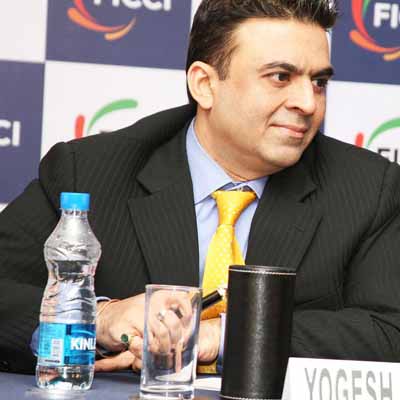
  • “Ad cap should have been restricted to only pay channels”: Yogesh Radhakrishnan

    “Ad cap should have been restricted to only pay channels”: Yogesh Radhakrishnan

    A veteran in the cable TV industry, someone who dabbled in the sector almost three decades back, Yogesh Radhakrishnan, now the MD and CEO of Pioneer Channel Factory, has seen the sector grow from the scratch.


    Known for setting up businesses, Radhakrishnan has been the man behind building IndusInd Media and Communication Limited, ETC and ETC Punjabi, rejuvenating Zee Cinema, setting up Zee Middle East, launching the first HD movies channel with Times Television Network – Movies Now and the first HD music channel – MTunes.


    Radhakrishnan, who has seen the sector emerge from a mere video-tape business to entering the digital era, talks to Indiantelevision.com’s Seema Singh about the emergence of cable TV in India, the first satellite channel, the emerging music sector and more…


    Excerpts:


    How did you get into the cable industry? How was the sector then? Why did you move out of it?


    In an era when the only form of entertainment was Doordarshan, I was fascinated how it could capture loyal viewership despite old, dusted black and white movies they telecast. I sensed that if people were given the option of better quality of movies on their own TV sets without the hassle of VCR or cassette which was prohibitively expensive there would be a huge demand for it. Thus was born the idea of launching cable TV in India. However re distribution of home video cassettes was illegal so in the year 1988, I pioneered the launch of India’s first copyrighted cable content with my three other partners under the brand name Cable Master. This gave the entire cable TV trade a flip and a legal straw to hold on to as the Government was yet to announce licensing policy for cable TV operators.

    In the next stage of evolution from cable to satellite TV, in the year 1992, we were all geared to launch a channel but lost out the lone transponder on Asiasat 1 to Zee. Those were the days  of quotas and licence raj and we had to partner with an established business house to do business in India.


    At that time the Hinduja group was on the verge of launching IndusInd, and so we partnered with them to create a media division and that is how the IndusInd Media Communications was created as a joint venture.

    Incable emerged to be the largest consolidator at that time to bring in the economies of scale in a city like Mumbai which had more than 8000 cable operators. We were the biggest players across most of the states in the country.

    Under IndusInd, we launched India’s first cable channel In Mumbai and a 24 hour movie channel CVO.

    Recognising the strength of ground distribution that our company had, we got many offers for joint ventures from the likes of HBO, Time Warner Cable, TCI etc. A huge multi million dollars offer from Rupert Murdoch didn’t go through due to valuation differences between the Hinduja’s and News Corp.


    In 1997, the cable industry got into a turmoil and that was the day I decided to move out of cable.


    You went on to launching ETC which you later sold to Zee? What’s the story behind that? How did Movies Now and the distribution venture with BCCL happen?

    In the year 1998, the concept of a 24 hour music channel was a need I saw and that is when I launched ETC, a channel focusing on new releases, as has been established nowadays the exposure of songs on TV plays a big role in the box office success of a film. ETC became the number one Hindi music channel followed by MTV, which was then a Hinglish channel.


    ETC was the second listed company after Zee and after the successful launch of the channel, we also pioneered the daily live telecast by securing the rights to the telecast of Gurbani from the Golden temple and thus ETC Punjabi was born which went on to become the No.1 Punjabi channel and continues to be in that position till date in its other avatar PTC Punjabi.


    After music and Punjabi channels, we saw the gap for 24 hour Hindi news channel, and that is how ETC News was conceived even before Aaj Tak was launched. But Technology wasn’t in place at that time a camera cost Rs 20 lakh, which today is close to Rs 50,000. Editing equipment, bandwidth for news feeds had to be sourced from DD, all in all, it was an expensive proposition. Hence, a 24 hour news channel had to be put on hold.


    Subsequently in 2002 when we got a good offer from Subhash Chandra, we sold ETC Networks to Zee.


    And then my association with Zee began, which was also an exciting time. I was a partner with Zee Middle East. Subsequently, I went on to build a strong company in Zee Middle East, which till date is one of the strongest markets for ZEEL.


    In 2008, I sold back my equity to Zee and wanted to return back to India where the action really was. Former Times Television Network CEO English channels Ajay Trigunayat, was in Dubai then. We got together with our project to launch India’s first ever English Movie channel in HD.


    I had discussions with BCCL MD Vineet Jain and a JV was formed in 2010 to launch four channels and then we further got into launching a distribution venture together called Prime Connect.


    Movies Now was one of most successful TV channel launch. It went on to becoming the No. 1 channel in the first week of its launch. Finally, in 2012, I exited the company by selling my equity back to BCCL.


    Then you moved on to setting up Pioneer Channel Factory? How is MTunes doing?
     

    Following the trend of people wanting to go to multiplexes for the pleasure of enjoying quality production of Hindi cinema and their desire to watch songs in its full glory, I set out to launch MTunes, india’s first Bollywood music channel in HD on the premise of Bollywood music like never seen before. Our songs were carefully selected to ensure they lived up to the channel premise.
     

    Acknowledgement from advertisers came as we got many campaigns exclusively on our channel due to its HD premise. Today, MTunes delivers far greater HD audiences than English movie, entertainment or even sports for that matter.


    Our second music channel Music Express resonates well with the industry, we package music with Glamour and Gupshup. Bhakti Sagar is our foray into the spiritual space.


    How will digitisation help the music channel industry?

    In analogue what was important was opportunity to see (OTS). In digital, all the channels are blocked in one category. The advantage for us is that we are in HD and so we got the advantage of the four million eyeballs. Our reach is good in HD and we are also available on SD. So for our advertisers it is a win win situation.


    How big is the music channel industry currently?


    If you take 14 music channels on an average, advertising and promo put together, we would be around Rs 700-Rs 900 crore.


    Unless and until you can differentiate yourself, you will not be able to grow majorly. If you see the broadcast business, be it GEC, sports or music, it’s very unfortunate that you are operating in the world’s cheapest advertising market (CPT) and cheapest pay TV market and this growth is slow.


    What is your take on music channels turning into youth general entertainment channel? Are you looking at foraying in the youth space?
     

    No way. It is a lovely genre to be in and is growing. Youth programming will drive this market to a large extent.


    But I don’t look at great economics that really works in any GEC space, unless and until there is good subscription that one is getting. If you strip off the subscription from all these channels and make them play pure advertising driven GECs I think each of them will lose money.


    Where do you see the music channel industry heading, considering music is easily available, you think there is still a market for music channels?

    Linear television will always have its market. Music will continue to be in a market where there is a television population which is very huge. There are a lot of people who watch content online and for them we are present online. There is still a large market and it will continue to be that way.


    Television is larger than life, especially music channels like MTunes which is very current and new and which plays new music and promos and that is what people look forward to rather than online where you need to make searches for content, while here content just keeps flowing.


    Why did music and news channels not follow 10+2 ad cap?


    US is such a free market and FCC is very strict in terms of regulation, but they do not have an advertising cap. Why should the government intervene on how much of advertising air time one should carry. For a moment Pay channels could be directed but definitely not the FTA channels. And that’s what we argued in the court. In short people will not watch your channel, if you put too much of advertising. So why is it that the government wants to intervene with channels and that too for free to air channels. We are not charging customers any money, its free.


    If we put in excess advertising, anyways our ratings will fall as no one would watch the channel, and that would affect our business.


    Ad cap should have been restricted to only pay channels, as India is the only country, where the pay channels are getting paid from both subscription and advertising.

    Government needs to create level playing field. Currently as independent networks, it is a difficult situation.


    How do you think music channels can start generating more revenue?
     

    Carriage is the biggest drainer. Network channels have the advantage of either not paying carriage or less carriage. Advertising is stuck in the low rate game. Cartelization is a good experiment that we all can get into in order to get decent rates. But, with the plethora of channels available, advertisers have a lot of options.

    It’s not just the music channels, but with new GEC launches, competition is getting tough even in the GEC space.