Tag: Phase Iv

  • TRAI orders broadcasters to remove analogue RIOs from website

    TRAI orders broadcasters to remove analogue RIOs from website

    MUMBAI: The Telecom Regulatory Authority of India (TRAI) has ordered cable TV service providers to stop displaying any reference interconnect offers(RIO) for analogue platforms.

    Broadcasters have been warned not to show any analogue RIO on its site and also refrain from making direct or indirect offers to allow their TV signals to be shown on analogue cable TV networks. MSOs have been told not to entertain any unencrypted signals on their cable TV networks.

    The TRAI has taken note of some broadcasters who have been avoiding this and continue to display analogue RIOs. “TRAI has written letters to such broadcasters individually whose analogue RIOs were found on websites,” it said.

    The necessity of the order is because 31 March 2018 is the last date for implementing Phase IV of the digital addressable cable TV systems (DAS) after which only digital encrypted signals can be carried in the country. Carrying unencrypted signals after this date will be a violation of Section 4A of the Cable Television Network (regulation) Act 1995.

  • Q1-17: Dish TV adds 4 lakh subs, subscription revenue up at Rs 728 cr

    Q1-17: Dish TV adds 4 lakh subs, subscription revenue up at Rs 728 cr

    BENGALURU: Indian direct to home (DTH) television operator Dish TV India Limited (Dish TV) has reported growth across important financial and operational parameters including operating revenues (TIO) , EBIDTA and subscription numbers. The company announced the addition of 402,000 net subscribers for the quarter ended 30 June 2016 (Q1-17, current). It closed the quarter with 149 lakh subscribers. Average revenue per user (ARPU) for Q1-17 remained the same year-over-year (y-o-y) and quarter-over-quarter (q-o-q) at Rs 174.

    Dish TV reported 6.7 percent higher y-o-y subscription revenue of Rs 728.2 crore for Q1-17, as compared to Rs 682.8 crore. Operating revenue in the current quarter increased 5.7 percent y-o-y to Rs 778.6 crore from Rs 736.7 crore in the corresponding quarter of the previous year. (Refer Note 2.1 and 2.2 below)

    Dish TV reported PAT of Rs. 50.9 crore in Q1-17, down 24.6 percent as compared to Rs 54.2 crore in Q1-16.

    EBIDTA in the current quarter increased 12.2 percent to Rs 264.6 crore from Rs 235.7 crore in Q1-16.

    Total expense in the current quarter increased 2.6 percent y-o-y to Rs 513.9 crore (66 percent of revenue) from Rs 500.9 crore (68 percent of revenue). (Refer note 2.3 below). Personnel cost increased 9.8 percent y-o-y to Rs 38.1 crore (4.9 percent of revenue) from Rs 34.7 crore (4.7 percent of revenue). Cost of sales and services declined 1.8 percent y-o-y to Rs 358.4 crore (46 percent of revenue) from Rs 365 crore (49.5 percent of revenue).

    Dish TV managing director Jawahar Goel said, “Buoyed by digitization, notwithstanding the relative seasonal weakness in 1Q, the industry collectively added around 15 percent higher subscribers compared to the same quarter last fiscal. Dish TV maintained its lead in incremental subscriber additions during the quarter. Our strengthened distribution in DAS Phase III and IV areas along with the popularity of the Dish TV Insta Care – 4- Hour Service Assurance Campaign were instrumental in helping us maintain an edge over competition. Our regional and mass-market offerings continued to remain crowd-pullers in respective geographies.”

    “The consumers growing passion for HD has the potential to trigger yet another round of growth, beyond that being driven by digitization, for the DTH industry. Going forward, we would continue to build on our HD advantage while focusing on its sales across the country,” Goel added.

    To further enhance the digital TV experience for subscribers and build an affordable and fast deployment model for itself, Dish TV recently selected Wyplay’s Frog as the Middleware for its next generation Set-Top-Boxes. Wyplay is an HTML5 browser based system and incorporates all features required for traditional linear broadcast TV consumption, on-demand content and applications distributed over the internet.

    Talking about the first quarter results, Goel said, “Healthy subscriber additions led to a 12.3 percent y-o-y increase in subscription revenues (on a like-to-like basis). EBITDA margin bounced to 34.0 percent from 32.0 per cent in the corresponding quarter last fiscal. Net Profit for the quarter was Rs. 409 million leading to FCF generation of Rs. 627 million. Churn for the quarter at 0.7 percent per month remained well within manageable limits.”

    Expressing his views on other regulatory overhangs Goel, said, “An industry favourable resolution of the DTH license fee matter should go a long way in ensuring non-discrimination amongst various distribution platforms in the country. We are also hopeful of a just and logical outcome of the currently debated TRAI consultation paper on Interconnection Framework for Broadcasting TV Services Distributed through Addressable Systems.”

    Notes: (1) The unit of currency in this report is the Indian rupee – Rs (also conventionally represented by INR). The Indian numbering system or the Vedic numbering system has been used to denote money values. The basic conversion to the international norm would be:

    (a) 100,00,000 = 100 lakh = 10,000,000 = 10 million = 1 crore.

    (b) 10,000 lakh = 100 crore = 1 arab = 1 billion.

    (2) Dish TV says

    (2.1) For Q1-17, subscription revenue, on a like-to-like basis, was Rs 766.9 crore, a growth of 12.3 percent y-o-y.

    (2.2) For Q1-17 operating revenue, on a like-to-like basis, was Rs 817.2 crore, a growth of 10.9 percent y-o-y.

    (2.3) For Q1-17, COGS, on a like-to-like basis, was Rs 3,97 crore, a change of 8.8 percent y-o-y. The resultant Total Expense, on-a like-to-like basis, was Rs. 552.6 crore, a change of 10.3 percent y-o-y.

  • Q1-17: Dish TV adds 4 lakh subs, subscription revenue up at Rs 728 cr

    Q1-17: Dish TV adds 4 lakh subs, subscription revenue up at Rs 728 cr

    BENGALURU: Indian direct to home (DTH) television operator Dish TV India Limited (Dish TV) has reported growth across important financial and operational parameters including operating revenues (TIO) , EBIDTA and subscription numbers. The company announced the addition of 402,000 net subscribers for the quarter ended 30 June 2016 (Q1-17, current). It closed the quarter with 149 lakh subscribers. Average revenue per user (ARPU) for Q1-17 remained the same year-over-year (y-o-y) and quarter-over-quarter (q-o-q) at Rs 174.

    Dish TV reported 6.7 percent higher y-o-y subscription revenue of Rs 728.2 crore for Q1-17, as compared to Rs 682.8 crore. Operating revenue in the current quarter increased 5.7 percent y-o-y to Rs 778.6 crore from Rs 736.7 crore in the corresponding quarter of the previous year. (Refer Note 2.1 and 2.2 below)

    Dish TV reported PAT of Rs. 50.9 crore in Q1-17, down 24.6 percent as compared to Rs 54.2 crore in Q1-16.

    EBIDTA in the current quarter increased 12.2 percent to Rs 264.6 crore from Rs 235.7 crore in Q1-16.

    Total expense in the current quarter increased 2.6 percent y-o-y to Rs 513.9 crore (66 percent of revenue) from Rs 500.9 crore (68 percent of revenue). (Refer note 2.3 below). Personnel cost increased 9.8 percent y-o-y to Rs 38.1 crore (4.9 percent of revenue) from Rs 34.7 crore (4.7 percent of revenue). Cost of sales and services declined 1.8 percent y-o-y to Rs 358.4 crore (46 percent of revenue) from Rs 365 crore (49.5 percent of revenue).

    Dish TV managing director Jawahar Goel said, “Buoyed by digitization, notwithstanding the relative seasonal weakness in 1Q, the industry collectively added around 15 percent higher subscribers compared to the same quarter last fiscal. Dish TV maintained its lead in incremental subscriber additions during the quarter. Our strengthened distribution in DAS Phase III and IV areas along with the popularity of the Dish TV Insta Care – 4- Hour Service Assurance Campaign were instrumental in helping us maintain an edge over competition. Our regional and mass-market offerings continued to remain crowd-pullers in respective geographies.”

    “The consumers growing passion for HD has the potential to trigger yet another round of growth, beyond that being driven by digitization, for the DTH industry. Going forward, we would continue to build on our HD advantage while focusing on its sales across the country,” Goel added.

    To further enhance the digital TV experience for subscribers and build an affordable and fast deployment model for itself, Dish TV recently selected Wyplay’s Frog as the Middleware for its next generation Set-Top-Boxes. Wyplay is an HTML5 browser based system and incorporates all features required for traditional linear broadcast TV consumption, on-demand content and applications distributed over the internet.

    Talking about the first quarter results, Goel said, “Healthy subscriber additions led to a 12.3 percent y-o-y increase in subscription revenues (on a like-to-like basis). EBITDA margin bounced to 34.0 percent from 32.0 per cent in the corresponding quarter last fiscal. Net Profit for the quarter was Rs. 409 million leading to FCF generation of Rs. 627 million. Churn for the quarter at 0.7 percent per month remained well within manageable limits.”

    Expressing his views on other regulatory overhangs Goel, said, “An industry favourable resolution of the DTH license fee matter should go a long way in ensuring non-discrimination amongst various distribution platforms in the country. We are also hopeful of a just and logical outcome of the currently debated TRAI consultation paper on Interconnection Framework for Broadcasting TV Services Distributed through Addressable Systems.”

    Notes: (1) The unit of currency in this report is the Indian rupee – Rs (also conventionally represented by INR). The Indian numbering system or the Vedic numbering system has been used to denote money values. The basic conversion to the international norm would be:

    (a) 100,00,000 = 100 lakh = 10,000,000 = 10 million = 1 crore.

    (b) 10,000 lakh = 100 crore = 1 arab = 1 billion.

    (2) Dish TV says

    (2.1) For Q1-17, subscription revenue, on a like-to-like basis, was Rs 766.9 crore, a growth of 12.3 percent y-o-y.

    (2.2) For Q1-17 operating revenue, on a like-to-like basis, was Rs 817.2 crore, a growth of 10.9 percent y-o-y.

    (2.3) For Q1-17, COGS, on a like-to-like basis, was Rs 3,97 crore, a change of 8.8 percent y-o-y. The resultant Total Expense, on-a like-to-like basis, was Rs. 552.6 crore, a change of 10.3 percent y-o-y.

  • TRAI prefers industry-driven guidelines instead of mandating directives: SK Gupta

    TRAI prefers industry-driven guidelines instead of mandating directives: SK Gupta

    GOA: Even as he reiterated that there will be no further extension of date for the third phase of Digital Addressable System (DAS) slated for 31 December, 2015, Telecom Regulatory Authority of India (TRAI) principal advisor  SK Gupta stressed the need of industry-driven guidelines instead of those mandated by the regulators.


    Pointing out that many lessons had been learnt from implementation of the first two phases of DAS, Gupta also stressed that the consumer was king and all policy decisions including tariffs had to be made with him in mind.


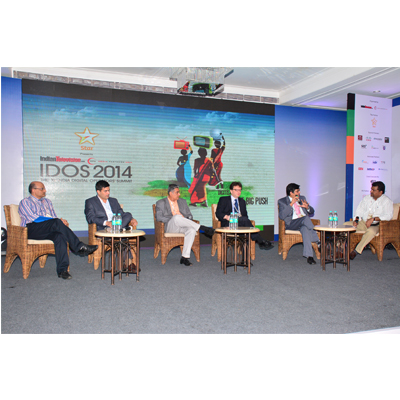
    Addressing the concluding session of the Indian Digital Operators Summit (IDOS) 2015, through teleconferencing from Delhi, Gupta accepted a suggestion for the need of a ‘supra-body’ other than the Task Force to go into these issues and solve problems that arise during implementation. 


    IDOS 2015 was organised by Indiantelevision.com and Media Partners Asia from 24 to 26 September in Goa.


    Gupta was of the opinion that the consumer’s choice was neglected and he was forced to pay for bundling of channels or bouquets instead of a la carte rates, which may not give him the channels he wants.


    At the outset, he said that there the industry had seen a sizeable growth. “The number of cable households have gone up from 79 million in 2006 to over 101 million at present. The number of channels have gone up to over 800,” he said.


    However, he added that though the number of channels have grown to over 800 in India, the driver channels totalled to just around 50.


    Furthermore, he said that customer still face billing problems and it wasn’t easy for them to switch to another operator. “The stakeholders must jointly resolve these issues. It has to be understood that it will not be easy to get customer to pay more,” he said.


    Pointing out that the increase in average revenue per user (ARPU) is illusory, if the system was faulty, Gupta asked stakeholders to reflect on it jointly. However, he was quick to add that this may not be possible, given “the level of infighting within the sector.”


    Gupta also urged the broadcasting sector to take a few lessons from the telecom sector, which had also begun with lot of litigations but had then realised that collaboration was the only way to go ahead. “Today they are prepared to share and sell spectrum and have accepted mobile portability. As a result, there has been tremendous growth in the telecom sector,” he said.


    Speaking on broadband, Gupta said, “Lowering the price of broadband is do-able if set top boxes could provide both television and broadband. TRAI gave its recommendations in this regard to the Government in January this year. This will herald the start of a new era in broadband growth.”


    “Stakeholders need to realise that the concept of television or video watching is moving to mono-viewing,” he said.


    While it was for the stakeholders to find ways to get the customer to fill the Common Assessment Framework (CAF) forms, Gupta said that lessons learnt from the first two phases should help. TRAI would “like to see consensus,” he said.


    Gupta also said that while TRAI had its offices in many centres of the country, he would urge the Information and Broadcasting Ministry to send proper instructions to nodal officers in the Phase III and Phase IV areas. His remark came following a complaint that most nodal officers in smaller towns were still not clear about their role in DAS.


  • Ground level challenges delay digitsation benefits to MSOs & broadcasters: ICRA

    Ground level challenges delay digitsation benefits to MSOs & broadcasters: ICRA

    BENGALURU: In a vast country like India, ground level challenges is a key reason that has delayed in multi-system operators (MSOs) and broadcasters reaping the benefits of digitisation. The digitisation of the TV distribution industry, initiated in 2011, is yet to achieve its target of addressability and transparency in billing systems, which was expected to yield significant benefits to MSOs and broadcasters as per a report by Indian investment and ratings agency ICRA on the Indian Media and Entertainment Industry – TV Distribution (September 2015).


    Some of the noteworthy points mentioned in the report are as follows:


    As MSOs struggle with last mile ‘addressability’ hurdles for its digitised customer base, the industry’s ability to deliver customised / value added content remains restricted. As a result, the expected benefits of higher subscription revenues for MSOs and broadcasters are yet to be achieved. The end consumers are also yet to benefit from targeted subscription packages, which were expected to optimise the user experience. ICRA believes that end consumers are also yet to benefit from targeted subscription packages. Roll out of channel packages by MSOs remains crucial for driving ARPU growth and profitability as content costs increase.


    Implementation challenges and slow progress in Phase I and Phase II markets have restricted monetisation for MSOs due to slow progress in Consumer Application Form (CAF) collections – effectively LCOs have retained their control over the subscriber base, disputes in sharing of entertainment tax, ARPU is constrained and as yet determined on per subscriber basis, and not on basis of channel packages chosen.


    While distributors have witnessed 25-30 per cent decline in carriage income, overall carriage income for distributors has remained buoyant because the disbanding of channels aggregators has given distributors leverage with smaller broadcasters and new channels. Also, new channel launches and wider audience measurement metrics will keep carriage revenues buoyant for MSOs.


    DTH players and regional MSOs are likely to take the lead in implementation of Phase III and Phase IV. Extension of deadline for Phase III and Phase IV markets provides adequate time for resolving ground issues as well as coverage for large subscriber base; however lower purchasing power and price sensitive nature of subscribers make investments less attractive. DTH players remain well positioned for tapping growth opportunities in Phase III and Phase IV markets due to inherent technology advantage and easier access to cable dark areas.


    Credit profiles unlikely to improve significantly on account of debt funded capex plans.  Longer than expected timelines in monetisation opportunities, higher content costs for digitised areas coupled with ongoing investments for Phase III and IV would keep the return and coverage indicators of MSOs muted in near term. 


    While a significant amount of equity funds supported the investments in Phase I and II markets for major MSOs, investments for penetrating Phase III and IV areas, broadband penetration as well as offering value added services (such as Video on Demand) may be largely funded through debt; correspondingly the borrowing levels are expected to remain high over the next two years while the profitability generation from digitised areas stabilise gradually.


    In spite of execution delays, in the longer term, digitisation is expected to benefit MSOs, DTH operators and broadcasters through greater customer wallet resulting in higher subscription revenues.


    Sizeable subscriber penetration opportunity persists in Phase III and Phase IV markets. The market share dynamics between MSOs and DTH players are expected to change with an uptick in run rate for DTH operators (approximately 20-25 per cent market share in Phase I/II) as the industry progresses towards the Phase III and Phase IV.

  • DAS: A mirage that moves farther, the closer one gets to it

    DAS: A mirage that moves farther, the closer one gets to it

    New Delhi/Mumbai: When developed countries like the United States and the United Kingdom decided to adopt digital addressable systems (DAS), they knew there would be major road blocks.

    Not only did these countries decide to complete digitisation by 2017-end, but admitted that both analogue and DAS would have to co-exist for some time until all viewers realised the advantages of digitisation.

    In its effort to beat these bigger countries, India decided it would set out a deadline wherein analogue and DAS would not co-exist.

    The result was a mirage that was shown to most Indians and – as it happens with a mirage – the realisation became more distant as the deadlines approached.

    It was exactly a decade earlier (14 September, 2005) that the Telecom Regulatory Authority of India (TRAI) presented its first report on Digitisation of Cable Television. Five years later, in August 2010 it gave recommendations relating to DAS.

    However, it was only in April 2011 that the Ministry of Information and Broadcasting (MIB) finalised the schedule for digitisation. According to that decision, which was notified in November that year, the entire country was to have adapted to digital addressable cable systems by December 2014. The first phase covering the metros was to be completed by 31 March, 2012, Phase II covering cities with a population more than one million by 31 March, 2013, Phase III covering all urban areas (Municipal Corporations/Municipalities) by 30 September, 2014 and Phase IV covering the rest of India by 31 December, 2014.

    Since then, the deadlines have been pushed at least twice. The first was when Phase I was delayed by six months, whereas the second was when the current Government decided that the Phase III deadline would be extended to December 2015 and Phase IV to December 2016.

    And clearly at a time like this, it would be apt to quote these popular lines from Robert Frost’s poem made famous by the country’s first Prime Minister Jawaharlal Nehru – ‘The woods are lovely, dark, and deep, But I have promises to keep, And miles to go before I sleep.’

    Indeed there are miles to go even as Phase I in the metros claimed to be major success. But it is well known that DAS continued to be barred by a stay order of the Madras High Court, and there are large pockets in the other three metros (Mumbai, Delhi & Kolkata) where analogue TV continues to thrive. 

    Phase II also suffered in that many of the cities are still not digitised and this is evidenced by the large number of cases pending before the Telecom Disputes Settlement and Arbitration Tribunal (TDSAT).

    Keeping in mind ground level realities, the government initially contemplated merging the final two phases, but realised that this might lead to major embarrassment. Therefore, it was decided by the Narendra Modi led government to implement Phase III by the end of 2015 and the rest of the country in Phase IV by the end of 2016. The third phase includes 38.79 million television households spread across 630 districts and 7,709 urban areas.

    In a recent conversation with Indiantelevision.com, MIB additional secretary J S Mathur, who heads the Task Force for the final two phases, ruled out any possibility of extension of deadline. He said, “There is no reason for any extension of dates for completion of phase III. Work is proceeding as per schedule.”  

    However as the saying goes, there are many a slips between the cup and the lip. So even as the first deadline is barely four months away, there are many hurdles in the way that need to be crossed.

    Apart from several legal issues, the last Task Force itself laid bare many of these hurdles.

    SHORTAGE OF MSOs

    Although the Home Ministry has in principle decided to do away with security clearance for multi system operators (MSOs), the fact is that India still has not even touched the figure of 375 in the number of MSOs. As per the last report dated 20 August,2015, while 226 MSOs have 10-year licences, 146 have only provisional licences. It does not need a bright mind to figure out that the number stands out as a joke when one considers the number of television households in the country.

    SET TOP BOXES

    The country still does not have adequate STBs and it is claimed by many local cable operators (LCOs) that the STBs being supplied are those that are meant for direct-to-home (DTH) transmission and not cable and therefore create problems. The other option is to take cheap China-made STBs.

    Despite the Make in India campaign, very few manufacturers have come forward with proposals for reliable STBs. 

    The Consumer Electronics and Appliances Manufacturers Association (CEAMA) complained at the Task Force meeting that no major orders were being placed with it by MSOs. However, a representative of the CEAMA said, “There is little time to place orders if they want the STBs, which are required to be delivered before the cut-off date.”

    The FICCI annual survey of manufacturing shows that there has actually been a decline in the manufacture of electronic goods, despite the Make in India impetus. The manufacture of electronics – presuming these include broadcast equipment and STBs – and electrical came down from 75 per cent in the last quarter of 2013-14 to 70 per cent in the same period of 2014-15.

    LACK OF AWARENESS

    Clearly, this is a grey area, since many people in the country are not aware of the advantages of DAS. The last Task Force meeting stressed on the need to push up awareness through advertisements, workshops, and interactive sessions. There was even mention of a Chetna Yatra.  

    There is lack of communication even between the regulator TRAI and the stakeholders. A Task Force member from Assam said, “The regulatory bodies need to speed up their action. TRAI is supposed to launch its regional operations. There is no clear idea when that will happen. The system here in Assam is not aware of various rules and regulations and the operators do not have the affording power to take the legal battle to Delhi so they often succumb to injustice.”   

    INTER-CONNECT AGREEMENTS

    TRAI had recently asked all broadcasters and MSOs to make the Authority aware of any problems they were facing. However! there were very few complaints, because in most cases the matters are pending before TDSAT or courts of law.

    The interconnect agreement between the stakeholders of the ecosystem is pending even in DAS phase I and phase II areas. “People are not ready to spend in head-ends as there is no clear revenue model. There are distributors who have their favorite MSOs and there is a discrimination of revenue flow on the basis of that favouritism,” said an LCO. He further added “We want a transparent revenue model, which will only come after signing of the interconnect agreement.”

    DAS TARIFF

    In an order on 28 April subsequently upheld by the Supreme Court, TDSAT told TRAI that it “will be well advised to have a fresh look at the various tariff orders in a holistic manner and come out with a comprehensive tariff order in supersession of all the earlier tariff orders.”

    It had also said, “While doing so, it may consider all the agreements and relevant data available with it. It may consider differentiating between content, which is of a monopolistic nature as against that which is shown by other channels also. It may also consider classifying the content into premium and basic tiers.”  The Tribunal had struck down TRAI’s tariff orders.

    COMMERCIAL TARIFF

    TRAI has already begun a fresh exercise in the light of court orders in trying to determine the difference between commercial and private tariff. Following directions by TDSAT earlier this year that there was need for a fresh look at tariff orders, TRAI had issued a new paper on “Tariff issues related to Commercial Subscribers”. In the paper, TRAI asked commercial subscribers whether there is need to define and differentiate between domestic subscribers and commercial subscribers for provision of TV signals and the basis for such classification.

    PROBLEMS BETWEEN MSO AND DISTRIBUTORS

    There is no clear communication between the two very important stakeholders of the DAS ecosystem – the MSOs and distributors. Recently all Multi Screen Media MD channels were taken off Hathway due to internal issues between the two stakeholders. Additionally, Indusind Media and Communication Limited (IMCL) and India Cast are now going through disruption. IMCL informed its subscribers through a message: “Indiacast group is demanding steep increase in monthly subscription, which is commercially unviable, they are pressurizing us by running OSD on colors. IMCL is planning to take the legal recourse. Regret inconvenience caused to you and appreciate your support. Thanks IMCL team”

    MSO – LMO TUSSLES

    The lack of understanding is more prominent when it comes to the MSO and the last mile operators (LMO). The LMOs claim that they are never given their due. The differences are often taken to the regulatory bodies. In one such case, the Bombay High Court issued directions to TRAI to settle the Interconnect Agreement (ICA) issue between LMOs and MSOs within two weeks even as the MSOs believe that there is not enough transparency when it comes to the revenue models.     

    Progress, it is said, cannot be stopped. Similarly, DAS is bound to come in the country. What remains to be seen is whether in its race to catch up with the developed world, it will succeed in a smooth transition or lead to a mess that probably will linger on in courts of law, corridors of bureaucracy, or the one-upmanship of political parties. 

    digitisation


  • Made-in-India STBs sale to witness 15% growth in DAS phase 4

    Made-in-India STBs sale to witness 15% growth in DAS phase 4

    NEW DELHI: With the government’s emphasis on Make in India, local manufacturing of set top boxes (STBs) that are built within the country is showing a steady increase, even as India continued to lead STB shipments for the quarter ended June 2015 accounting for about 94 per cent of the total shipments to the SAARC region (Bangladesh, Nepal, India, Pakistan and Sri Lanka).


    With digitisation in India and other countries in the region propelling the demand for SD STBs to HDTV and hybrid boxes, the STB market in major South Asian Association for Regional Cooperation countries is witnessing steady and robust growth.


    According to research from Dataxis, indigenous manufacturing had been merely five per cent in the Phase I and Phase II of Digital Addressable System (DAS). While this has seen a steady growth in the third phase, the sale of Made-in-India STBs is likely to witness growth up to 15 per cent in the fourth phase of digitization.


    “Local manufacturing in India, which got a shot in the arm with the Indian government’s Make-in-India initiative, is slowly picking up as indigenous brands are signing deals with MSOs in third and fourth stage. The local STB brands are opting to independent, regional MSOs than the pan-India MSOs or national players,” says Dataxis analyst Sreeja VN.


    STB shipments to SAARC countries have witnessed 20 per cent quarter-on-quarter growth during the second quarter of 2015. In Q2 2015, 4.38 million STBs were shipped in the SAARC region with an estimated value of $96 million.


    The Dataxis research also finds that the quantity of the STB shipments in India the first half of this year has declined compared to the same period a year ago. However, the total number of STBs shipped in Q2 2015 registered an increase on quarter-on-quarter basis.


    Technicolor tops the STB shipments to SAARC in the Q2 2015. The company’s recent deal to acquire Cisco’s STB unit could further bolster Technicolor’s presence in the SAARC STB market.


    Airtel Digital TV, Dish TV and Videocon d2h, the three major DTH players have announced their plans to focus on deploying indigenous brands, which will give a boost to domestic manufacturing of STBs in India. The first half of the 2015 also witnessed DTH players partnering with Indian brands to source STBs manufactured indigenously.


    Another notable trend, according to Dataxis Research, is the increasing demand for HD STBs in the region. Dataxis’s analysis of STB shipment for the H1 2014 and H1 2015 depicts steady growth in the volume of HD STBs shipped to India. The rise in the number of HD STBs has also contributed to a rise in the average selling price of STBs shipped in the first half of 2015 compared to the same period last year.


    The report says that the key STB vendors for the quarter are: Technicolor, Skyworth, Changhong, Huawei and Coship (international vendors), and Mybox, One-eIGHT technologies, Trend Electronics, Ridsys, and Willet Communications (domestic vendors). 

  • FY-2015: Indian cable industry – long haul work in progress

    FY-2015: Indian cable industry – long haul work in progress

    BENGALURU: The cable industry in India has made a remarkable amount of progress in implementing DAS in phase I and phase II considering the weak balance sheets that most players carry, but all still have a long way to go before they actually start making profits. However, the promise of addressability, greater transparency and higher average revenue per user (ARPU) is yet to be realized by the cable industry.

    Current Status

    As on 31 December, 2014, 138 multi system operators (MSOs) have been granted permanent registration (for 10 years) for providing Cable TV services through Digital Addressable Systems (DAS) by the Ministry of Information and Broadcasting (MIB).

    DAS roll out in phases III and IV is expected to be more challenging on account of larger geographical spread, poor balance sheets of the cable industry players and low potential for ARPUs from the conventional cable carriage and subscription business. Implementation of phases I and II was challenging, tiered packages have yet to be offered to the viewer and billing is still work in progress as MSOs still face resistance from local cable operators (LCOs) in giving up ownership of customers in some cases.

    Cable players in India have started giving broadband services a lot of serious attention in fiscal 2015. A few players such as the medium sized MSO Atria Convergence Technologies Private Limited (ACT) had actually changed strategy since 2012 and started focusing more on broadband services, without losing focus on its MSO operations. Despite being a regional player, ACT is the second largest private wired broadband player in the country with a market share of 3.24 per cent and over 6.11 lakh broadband subscribers as on 31 December, 2104, just after the behemoth Airtel (15 lakh subscribers, 7.95 per cent market share). ACT had 4.25 lakh (includes numbers of Beam Telecom Limited which was merged with ACT on 1 April, 2014) broadband customers as on 31 December, 2013 and hence, its broadband subscriber base has grown by 43.76 per cent in the 12 months until 31 December, 2014. As on April 30, 2015, Atria had a wired broadband subscriber base of 6.8 lakh.

    Public sector companies such as BSNL (the largest wired internet services player in India with 69.83 per cent market share, 1.317 crore subscribers) and MTNL (6.02 per cent market share and 11.3 lakh subscribers) are of course bigger players in the wired broadband services than ACT. Among the major MSOs in the country, Indusind Media & Communications Limited is probably the only player whose broadband subscriber base has not grown much until 31 December, 2014, during which the company reported 29,709 internet subscribers (including 3539 narrowband subscribers) as compared to the 28,337 subscribers (including 4750 narrowband subscribers) as on 31 December, 2013.

    Internet services has turned into a heavy capex exercise for many MSOs where the last mile is owned by LCOs mainly because an MSO may not be allowed access to the customer for sales and service by the LCO, and/or the quality of the cable may not be at par.

    This report takes four MSOs – Den Networks Limited (Den), Siti Cable Network Limited (Siti), Hathway Cable and Datacom Limited (Hathway) and Ortel Communications Limited (Ortel), financials as a sample size.

    Note: 100,00,000 = 100 lakh = 10 million = 1 crore

    Let’s look at FY-2015 numbers reported by these companies:

    (Please refer to Fig 1 below) The sum total of operating revenue (OR) for these companies in FY-2015 grew 9.94 per cent to Rs 3213.27 crore from Rs 2922.86 crore in the previous year. Den, the company with the highest operating revenue numbers and subscriber base amongst the three, showed the lowest operating revenue growth of just 1.16 per cent to Rs 1129.64 crore in FY-2015 from Rs 1116.69 per cent in FY-2014. Siti showed the highest operating revenue growth at 29.93 per cent in FY-2015 at Rs 905.93 crore from Rs 627.24 crore in FY-2014. The minnow – Ortel’s operating revenue grew 20.46 per cent to Rs 158.79 crore in FY-2015 from Rs 128.50 crore in the previous fiscal, while that of the second largest player among the four, Hathway grew 4.33 per cent to Rs 1022.91 crore in the current year from Rs 980.43 crore in FY-2014.

    Cable Subscription Numbers

    Most MSOs’ revenue model is subscription, carriage plus advertising charges for cable services and broadband. Set- top-box (STB) seeding is a one time periodic revenue (maybe once every five years?) for the companies that could later erode the profits – considering the depreciation and the interest cost on the STB subsidy that many MSOs offer to subscribers.

    In its FY-2014 annual report, Den said it serves an estimated 1.3 crore households of which over 64 lakh had opted for digital subscription as on 31 March, 2014. The company has a digital subscriber base of 70 lakh (53.85 per cent of total number of 1.3 crore subscribers) as on 31 March, 2015, of which 51 lakh are in phases I and II of DAS, and Den continues to bill about 80 per cent of these subscribers.

    On the other hand, Siti has reported 1.05 crore subscribers and a digital subscriber base of 53.8 lakh (51.24 per cent of total subscribers) for FY-2015, a conversion of 13.8 lakh subscribers to digital over a 12 month period, from the 40 lakh digital subscribers it had reported at the end of FY-2014. As a matter of fact, in Q4-2015, the company deployed 5.3 lakh STBs, and a big portion of its seeding had taken place then.

    Hathway has a subscriber base of 1.18 crore of which 85 lakh (72 per cent of total subscribers) are digital and 65 lakh are paying subscribers. This makes it the biggest player in the country in terms of digital subscribers.

    Ortel reported a subscriber base of 4.72 lakh in FY-2015 as compared to 4.61 lakh in FY-2014. The company reports 1.07 lakh (22.73 per cent of total subscribers) digital subscribers as on 31 March, 2015.

    Ortel CEO and President Bibhu Prasad Rath said, “Ortel Communications’ direct-to-consumer offering with full control over the ‘last mile’ network has enabled us to emerge as a dominant regional player in the cable TV and broadband business. With increasing penetration in our core and emerging markets along with the inorganic LCO buy out strategy, we believe we are well-positioned to achieve our immediate target of approximately 1 million RGUs by the end of FY-2017.”

    Subscription income for all the four mentioned companies has grown, with Siti showing the highest jump at 56.41 per cent – from Rs 339.5 crore in FY-2014 to Rs 531 crore in FY-2015. (Please refer to figure 2 below) Ortel’s subscription revenue grew the least 4.36 per cent – from Rs 75.7 crore in the previous year to Rs 79 crore in FY-2015.

    Siti Cable executive director and CEO V D Wadhwa said, “Our focus on monetization of existing business in phase I and II cities in FY-2015, led to a strong subscription revenue growth of 57 per cent y-o-y and operating EBITDA margin expansion. Siti Cable is engaged in proactive seeding and well placed to benefit from the ongoing digitization process.”

    Internet Services

    As mentioned above, offering internet service is a part of many of the major MSOs’ business and revenue expansion strategy. Internet services, and more so broadband services of all the four companies mentioned in this report have in general shown higher revenue growth than their cable services revenues.

    Den commenced its broadband services in Q1-2015 and has garnered 23,000 subscribers since then. Den CEO Pradeep Parameswaram said, ”We are laying the foundations of building a powerful consumer franchisee in broadband, cable television and television shopping. Significant investments are being made to bring disruptive consumer offerings to the market. We are augmenting out historical strengths in cable operations with high quality talent in all functions.”

    Siti Cable’s broadband revenue in FY-2015 grew 53.3 per cent to Rs 26.5 crore from Rs 17 crore in FY-2015. The company reported a broadband subscriber base of 70,100 in FY-2015 as compared to 54,000 in FY-2014.

    “We are looking to expand our broadband presence on Docsis technology in our endeavour to diversify our revenue stream and provide the consumer with a compelling experience,” added Wadhwa.

    Hathway’s broadband revenue jumped 47 per cent to Rs 247.5 crore in FY-2015. With the addition of Delhi and Central Mumbai to Docsis 3.0 and upgradation of Surat Network, Hathway is the only MSO to offer high speed 50 mbps broadband services in Delhi, Mumbai, Pune, Bangalore, Hyderabad and Surat.

    Ortel’s broadband revenue increased five per cent to Rs 28.9 crore in FY-2015 from Rs 27.5 crore in FY-2014. The company’s broadband subscribers increased 7.52 per cent in FY-2015 to 58,519 from 54,427 in the previous year.

    “We anticipate further improvement in margins going forward as a result of deeper penetration in the Cable business along with our continued focus on the high-margin Broadband segment,” said Ortel’s Rath.

    EBIDTA

    The financials of three of the four sample players showed an increase in operating profits (simple EBIDTA including other income). (Please refer to Fig 3 below) Den EBIDTA dropped to half at Rs 180.23 crore in FY-2015 from the Rs 360.41 crore in FY-2014. With an increase of 94.17 per cent, Siti’s FY-2015 EBIDTA almost doubled to Rs 168.43 crore from Rs 86.74 crore in FY-2014. Hathway’s EBIDTA in FY-2015 increased 16.13 per cent to Rs 560.9 crore from Rs 483 crore in the previous year. Ortel’s EBIDTA increasd 44.6 per cent to Rs 59.05 crore from Rs 40.84 crore in the previous fiscal.

    Profit/Loss

    (Please refer to figure 4 below) Two of the three large players in this sample – Siti Cable and Hatway have reported higher loss in FY-2015, while Den’s results have turned to the red in FY-2015 from the black in FY-2014. Ortel, which was listed a few months ago on the bourses, is the only one among the four that has reported a small profit of Rs 5.90 crore (3.62 per cent margin) in the current year as compared to a loss of Rs 13.79 crore in the previous year.

    “We have seen the positive results on subscription revenues and collections in Q4 of the current year. The profitability has been impacted because of the new business initiatives of the company including broadband, TV Shop and football as we build Den for future,” said Den’s Parameswaran.

    Last year, Den became the owner of the Hero Indian Super League’s Delhi Team – Delhi Dynamos FC. With the introduction of Delhi Dynamos FC, the company aims to become the default destination for entertainment, information and interactivity for the Indian family.

    End Points

    As the value chain shifts to addressable systems and tiering, growth in cable TV ARPUs will be driven by customized channel packs, premium content channels, HD channels and other value added services. It will not be easy going because cable industry players have to contend with DTH players who have strong balance sheets and are backed by deep pockets – be it Airtel, Tata Sky, Videocon d2h, Sun Direct or Reliance.

    The cable industry players need to sort out the ambiguity about revenue shares between the MSOs and LCOs and between the MSOs and broadcasters. The one positive is that larger MSOs appeared to have stopped poaching LCOs from each other, at least in phases I and II areas. “It’s not because the industry has turned goodie-goodie all of a sudden. Generally, it is just not worth the cost to pay to an LCO to switch loyalties in a phase I and II areas, or any area where digitsation has happened in a major way,” reveals an MSO on condition on anonymity. That attitude has to change for the common good of the industry.

    An industry source cites instances of LCOs still trying to fudge numbers despite deployment of STBs, with the LCOs claiming that a customer has relocated without returning the STB, or fudging with the number of STBs received. On the other hand, some LCOs need help in developing a robust last mile infrastructure.

    The cable industry has to leverage whatever advantages it has – this could be providing local information and relevant local news, local advertisements, etc., on MSOs’ own channels and services.

    A key differentiator could be the service quality and the personal connect that many operators have developed with consumers. Industry players need to change the impression they create right from ground up. This includes approach to customers for bill collection, to how each individual is perceived by anyone and everyone in the value chain, and more so banks and financers. Big as well as multiple middle sized players have already brought in a degree of professionalism across many levels and hence have relatively easier access to funding.

    Long term common purpose unity is what the cable industry needs desperately. Each player has to mature, has to understand and accept that one cannot do without the other. The road is still long and arduous.

  • Subscription rates in DAS phase III & IV expected to be half of that in first two phases

    Subscription rates in DAS phase III & IV expected to be half of that in first two phases

    NEW DELHI: The subscription revenue from phase III and IV areas of Digital Addressable System (DAS) is expected to be between 20 to 30 per cent as compared to 70 to 80 per cent from phase I and phase II areas.


    Therefore, channel pricing in phase I and II areas need to be decided for areas under phase III and phase IV so that multi-system operators can plan operation in these areas.


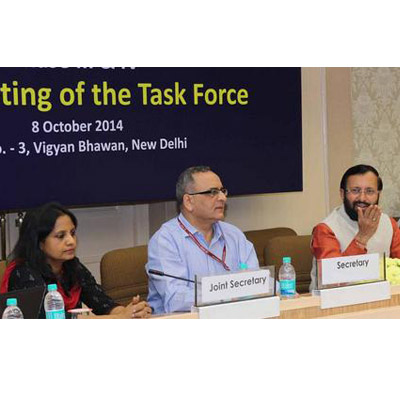
    This was stated during the fifth Task Force meeting on phase III and IV held recently under the chairmanship of Information and Broadcasting Ministry additional secretary J S Mathur and attended among others by DAS adviser Yogendra Pal.


    Pal informed the meeting that while the centre had sought from all states and union territories (UT) the district wise data of urban areas to be covered in phase III with number of households, only Chhatisgarh and Uttar Pradesh had responded.


    Similarly, only around 15 states and UTs had responded to the query about nodal officers, both at State level and district level.


    Only Gujarat had responded to the query about nomination of one LCO association from each State and UT for the LCO sub-group.


    The states of Maharashtra and Andhra Pradesh are still to respond to the query about nomination of a local cable operator association to the Task Force.


    Mathur directed that copies of the letters written to State Governments in this regard may be provided to the nodal officers present in the meeting to expedite the pending nominations/data.


    Referring to procurement plans and stock of Set Top Boxes (STB) requirements of phase III, the MSOs said they had limited inventory of STBs. Procurement of STBs is taking place according to earlier orders and no new orders have been placed by the national MSOs either with foreign suppliers or indigenous STB companies.


    The MSOs stated that they are making arrangements for finances for procurement of STBs for phase III. The position with regard to availability of funds would be clear by the end of February.


    At the outset, Mathur said digitisation in phase I and II has been possible due to active cooperation and support of State Governments.


    A Representative of Consumer Electronics and Appliances Manufacturers Association stated that they had called a meeting with MSOs in December 2014 but the response was not good. None of the major MSOs attended this meeting. He mentioned that indigenous STB manufacturers are ready to discuss all issues with MSOs anywhere and anytime.


    Mathur advised the MSOs to have a meeting with indigenous STB manufacturers to sort out all the issues. He said the Ministry was also planning to hold a meeting with the Small Industries Development Bank of India (SIDBI) on the demand of long-term financing.


    When MSOs raised the difficulty of signing agreements with broadcasters, a representative of the Telecom Regulatory Authority of India (TRAI) stated that broadcasters cannot deny signal to MSOs once they are DAS compliant. He suggested MSOs should make a formal written request to the broadcasters for the signal according to the regulations. He added that broadcasters should enter into agreements with MSOs for distribution of content without waiting for the cutoff date.


    A representative of a consumer forum stated that computerized billing was not happening in phase I and II areas. He added that CAF forms should be filled before installation of an STB.


    For publicising the extension in date for applying for MSO registration for operation in phase III areas, it was suggested that broadcasters run a scroll on their channels. It was also suggested that MSOs download a video spot made by the Ministry and play it on their local channels.


    The MSO representatives were told to share the data of existing MSOs operating in analogue regime with the Ministry. The representative of ASSOCHAM wanted that the broadcasters should be apprised for the same.


    Regarding publicity campaign, Joint Secretary (Broadcasting) R Jaya said all stakeholders must contribute in spreading awareness about ongoing digitisation in the country. She suggested MSOs should run audio visual ads on their local channels. She also suggested spreading awareness through handbill or printed ads on monthly bills issued by LCOs to the consumers. She called upon broadcasters to plan publicity campaign on their channels.


    FICCI, Cll and ASSOCHAM were asked to draw up a plan for workshops for public awareness campaign.


    Mathur re-emphasized the need to mount an awareness campaign by all stakeholders particularly the broadcasters. He also asked all the MSOs to begin discussions with indigenous STB manufacturers to meet the deadlines of phase III of December 2015 and phase IV of December 2016.

  • “We are looking at funding options and are actively engaged with investors”: JK Jain

    “We are looking at funding options and are actively engaged with investors”: JK Jain

    Cable TV industry in the country has been the hub of the action for the past one year, especially with the government pushing through digitisation of cable TV homes. An important player in the industry is the headend in the sky (HITS) player JAINHITS, which did face some initial hiccups in being accepted by the broadcasters and local cable operators (LCOs), but has now finally made in-roads in several homes pan-India.


    And leading the HITS platform from the front is Dr. Jinendra Kumar Jain, who is not only a surgeon, a former member of parliament, but also the founder chairman of Jain TV Group.  


    He pioneered the satellite TV era in India by launching the country’s first round-the-clock satellite television service in Indian languages. JAINHITS is his latest initiative to serve the national goal of digitisation. 


    The HITS platform proposes to distribute 200 to 500 digital channels via satellite to the existing ground networks of cable operators. It is designed to integrate broadcasting and broadband services and thus, help bridging the digital divide in one go all over the country.


    Jain’s leadership, innovative ideas in the ICT sector and entrepreneurial initiatives have led to establishment of several successful businesses, including: Video on Wheels (Vow), a countrywide network of mobile video and health service vans, Noida Software Technology Park Limited (NSTPL), India’s first private teleport that provides both fixed (FSS) as well as mobile (MSS) satellite services, Medical Communication Network (MCN) whose publications include the Indian edition of FIGO Journal, IJGO (International Journal of Gynecology and Obstetrics) and the Population Reports for John Hopkins University, National Broadcasting Academy (NBA), a graduate and post graduate educational programme providing degrees in Management and Communication fields.  


    While the eyes are fixed on the soon-to-be launched HITS platform from Hinduja, Indiantelevision.com’s Seema Singh spoke to Jain on the platform’s performance, the struggle in getting accepting, his future plans and much more….


    Excerpts…


    How did you think of launching a HITS platform in a market which was dominated by multi system operators (MSOs)? How long did it take from planning to finally launching the service?


    We were the very first company that explained the headend in the sky (HITS) strategy to deliver digital signals to the cable operators. It was somewhere in the year 2003 that the then Minister Sushma Swaraj declared the decision of digitisation. They had obviously not done any homework and officials in her Ministry were willing to learn the technological aspects of the task. I had an opportunity to explain Anil Baijal, the then additional secretary in the Ministry about HITS. He liked the idea and I agreed to submit a detailed project report with all the relevant information.  The Government issued us the permission letter to deliver HITS services from our Teleport which had already been set up. In the beginning, there was no market and therefore we did not show any hurry. In fact, Citi Networks also got the similar permission and even started HITS based services without waiting for finalisation of rules and regulations. They arrived in the market before time but we waited for the right time and that is how they closed their shop without waiting for the market conditions to ripe and our timely decision is now giving us full benefits. Today we are the market leader in this sector. 


    Was it a task to get the broadcasters onboard? How did they initially react to the HITS model?


    Yes it was quite a task to get the broadcasters onboard. This became possible only with the help of judicial intervention. The big monopoly houses of the Indian cable industry have been offering resistance at every step of our journey. Nobody doubts the fact that cable digitisation will be a game changer in India. The cable distribution market is flourishing and millions of people in India watch TV via cable. Digitisation is certainly good news for broadcasters and tax authorities because subscriber numbers will be reported accurately and transparently.  Even the subscriber shall benefit from itemised billing detail so that they will be charged only for the channels that they wish to subscribe.


    It is true that the vertical chain of the industry stands divided between big and small players.  But, the game is turning in favour of small cable operators and their victory would mean the success of HITS platform.


    While a lot of the issues have been resolved with the court ruling in your favour, how have you dealt with the issues the broadcasters were raising, that of piracy?


    We have deployed best technology solutions to prevent piracy related issues.  As a company we take ‘Piracy’ very seriously. We have our own anti-piracy teams who look into such piracy issues.


    We also work in tandem with our business partners- broadcasters, LCOs, and distributors and take inputs from them to fight back the malice of Piracy. At present, during the audits conducted by the broadcasters they have found our systems working efficiently and exceeding industry standards. 


    How big is the company today, in terms of number of offices, employees, ground stations, revenue?


    NSTPL is a Public Ltd. profit making company. The business of the company is divided across three verticals:


    NSTPL Infra

    NSTPL Broadband

    JAINHITS


    The company has presence across the country with its own offices as well as distribution partners spread across India. NSTPL that operates India’s only National Cable and Broadband Platform called JAINHITS, operates teleports in Greater Noida and Hyderabad, serving 70 broadcasters. The Teleport is duly authorised & licensed by various regulatory bodies such as Ministry of Information & Broadcasting and Ministry of Communications, Government of India.


    When you started, what was the initial investment that was made into the company? Who were the partners? How have you grown the company over the years?


    NSTPL is a closely held Limited Company with fully paid up share capital of Rs 30 crore. 86.66 per cent of its shares are held by  Ankur Services Growth Fund, 13.33 per cent is held by Jain Studio and 0.002 per cent is held by individuals. We have invested approximately Rs 150 crore in JAINHITS since the concept initiation i.e. from April 2012.


    The response to JAINHITS has been extremely encouraging and thus, in a short span of one year we have signed up with over 300 cable operator partners across India.


    How many TV channels does the platform have currently? How many homes do you reach to and in which regions?


    We have around 254 channels today. Out of which 7 channels, namely, Disney, Cartoon Network, Pogo, Discovery, History, TV18, Animal Planet and Nickelodeon have dual audio feeds. Our services are available pan-India.


    How will digitisation benefit JAINHITS? What are the steps that are being taken to reap the maximum benefits of digitisation?


    Owing to pressure from DTH and on account of the digitisation law, all cable operators have to go digital. JAINHITS provides most cost-effective digitisation solution for such cable operators across India. Any cable operator across India can go completely digital and be fully DAS compliant with mere investment as low as Rs 5-10 lakh, while retaining full control of their business. They also have a chance to enhance their monthly Average Revenue Per User (ARPU) by offering additional value added services like Triple Play Services throughout India – Video, Data & Voice, Broadband Services.


    We keep announcing consumer friendly schemes so that our business partners i.e. the cable operator community have the best to offer to its customers. We conduct LCO meets in every state almost once a quarter. This is a platform where partner LCOs along with potential prospective cable operators come face to face and get their concerns addressed. We participate in industry events and expos to reach more and more cable operators.


    What are the services that the platform provides to its consumers?


    JAINHITS provides a platform of 254 SD channels at present. Very soon we will introduce HD platform and additional value added services like Triple Play Services– Video, Data & Voice, Broadband Services throughout India.


    How do you think HITS platform will play a major role in phase III and IV of digitisation? Will you be competing with DTH and MSOs? What’s the strategy?


    Phase III & IV of digitisation covers over 1350 Municipal Corporation and 597,464 Villages (as per Census 2011) spread in the far flung areas across India. These are the areas where the reach of cable TV is at its lowest level on account of non-availability of adequate infrastructure. For the land based networks and MSOs, this vast area in phase III & IV is the most difficult to reach.


    Only and most effective method of reaching this area is through HITS platform. JAINHITS allows all cable operators in these phase III & IV markets to go digital at a miniscule cost of Rs 5 lakh. The platform also provides these cable networks to offer broadband services to their consumers in these far flung areas. Above all, it is the only platform in the country, offering complete empowerment and ownership to even the smallest LCO by making him a leader & cable owner and an ISO (Independent Service Operator). It provides a simple “Plug & Play cost effective digitisation solution” to cable operators.


    Recently, MSOs have been facing issues with a few broadcasters like Star and Zee. Also with TDSAT ruling that Star channels will be available on RIO, does that impact JAINHITS in any way? What’s your take on the judgment?


    We have most of our content available on RIO basis and accordingly we offer our viewers a choice wherein they can opt for A-la-Carte choice of content to meet their individual needs.


    Per say this Judgment, really doesn’t affect our business models.


    While the cable TV industry in phase I and II are still struggling with packaging and billing, what’s the scenario with the HITS platform?


    HITS services were envisaged with an inbuilt SMS & CAS system. Accordingly, we at JAINHITS have also sensitized our partners- ‘the need’ of different types of packaging that may be required based on the area they will service. Accordingly, we have created different types of packs that serve the needs of large cross-section of people in India. Billing is automated and done through SMS platform.


    Are you looking for funding to go ahead with your plans? Any plans for IPO?

    We are indeed looking at funding options and are actively engaged with investors interested in the Indian cable & broadband market.