Tag: PBL

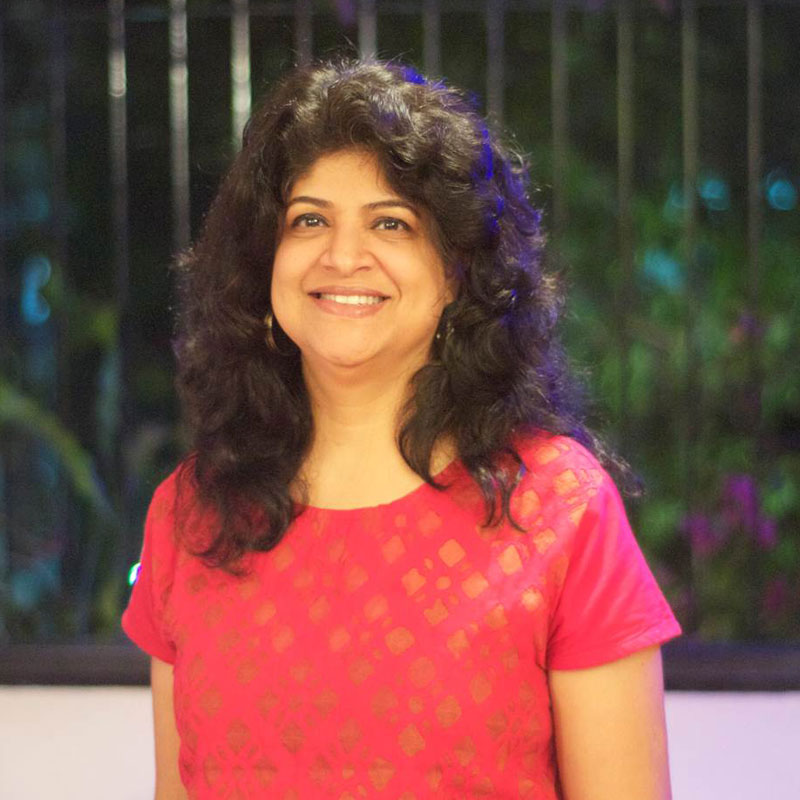
  • Lodestar UM CEO Nandini Dias on her love for Badminton, emergence of PBL and its brand value

    Lodestar UM CEO Nandini Dias on her love for Badminton, emergence of PBL and its brand value

    MUMBAI: Badminton, today, is the world’s second most popular sport. And some 150 years after the game was invented in India, the humble shuttlecock sport has once again dazzled one and all in the country of its origin.

    A survey by British research firm SMG Insight revealed that badminton ranks just behind cricket in terms of a sport that Indians choose to play regularly. Additionally, another survey revealed that the interest in Badminton among Indians has more than doubled since 2017, and has gone up by 40 per cent in 2019 over 2018.

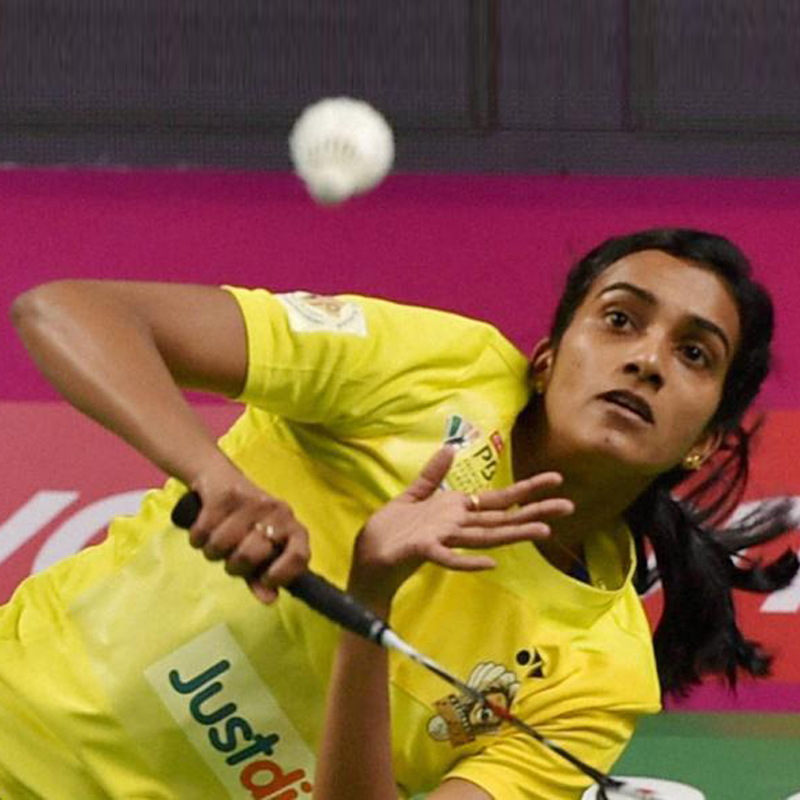
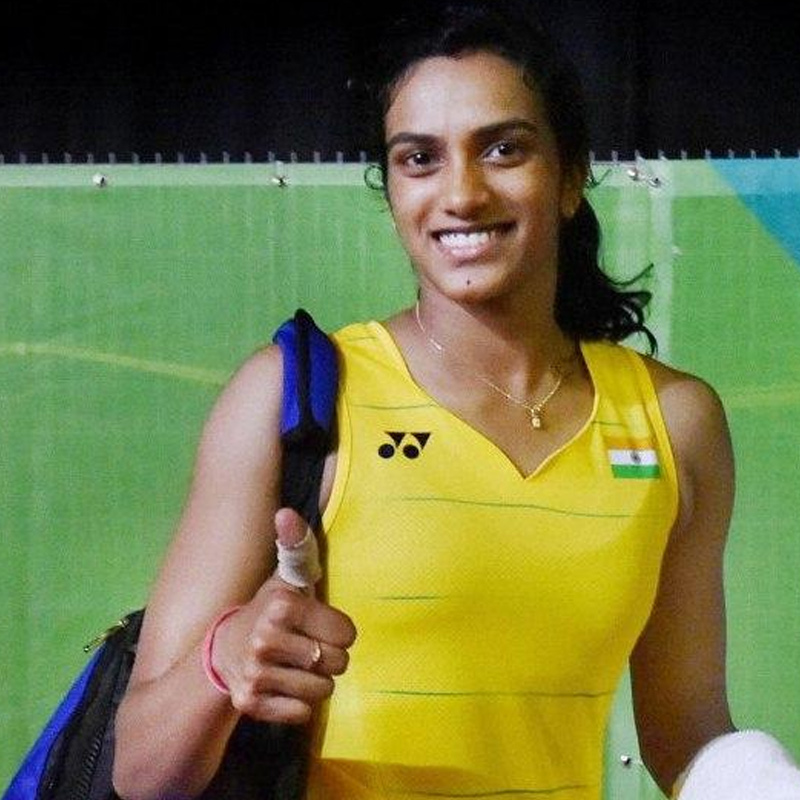
    Badminton’s rising popularity in India can also be gauged from the fact that the last edition of Premier Badminton League (PBL) was watched by over 133 million Indians. A mind-boggling number when you consider that the opening ceremony of Rio Olympics 2016 was watched by 342 million people globally. Already one of the world’s biggest Badminton league, PBL has also helped in establishing the sport as a coveted career choice in India. PV Sindhu got auctioned for Rs 77 lakhs and Sai Praneeth bagged 32 lakhs for PBL Season 5, starting January 2020.

    As you would expect, big brands have also joined the bandwagon. Brands and sporting events have, in fact, always worked very well together and PBL is no exception. Apart from access to some 150 million audiences, PBL is a great opportunity to build reputations and long-term brand image by investing in a growing sport in India. No wonder then that from telecom operator (Vodafone) to energy drink (Red Bull) to cement manufacturer (Dalmia), big brands have associated with the franchise.

    As count-down begins to PBL season 5, we bring you stories of media executives who have played, loved and followed the sport; what they love about the game and how can brands effectively leverage PBL’s growing popularity.

    Name: Nandini Dias


    Media agency: Lodestar UM


    Designation: CEO


    Favourite PBL team: Mumbai Rockets


    What is behind Badminton’s growing popularity in India as a sport? 

    I think it is a few things coming together at the same time. The rise of coaching, led by Gopichand, is a powerful force. The emergence of more than one world-class player at the same time. Till now it's only been a single player followed by a single player. And of course, the emergence of Premier Badminton League. All of these feeding off each other and happening together has resulted in the rise of the sport's popularity.

    When did you start playing Badminton? 

    I do not play regularly anymore due to a serious injury a few years ago but I've been a state player for Maharashtra before advertising and in fact, briefly joined the Railways as a sports quota employee before gravitating to advertising.

    What do you love about Badminton as a sport?

    I started playing Badminton as a kid. I guess one naturally tends to gravitate towards something that one starts doing well at quite early. And there was something about the poetry of hand eye coordination, the power and grace of a flying shuttle, the mix of strength and touch that drew me to it.

    Three Indian and International Badminton players – you admire the most?

    Prakash Padukone, obviously the hero of our times. He was the one who broke down the door as far as our mentality was concerned. I used to admire Rudy Hartono a lot and I will always have a soft corner for Saina Nehwal. In many ways, she is the Prakash Padukone of Indian women's badminton.

    Your favourite PBL team? 

    My favourite, even without trying naturally tends to be, Mumbai. It's something that comes naturally due to my past association with the game.

    Between Prakash Padukone and P V Sindhu, how has the association between brands and Badminton players evolved? 

    I don't think the two eras are in the same ballpark as far as brand association goes. Prakash's era in India could at best hope for an association with sport equipment brands that a player actually used and even that was rare. Today of course, the brands that the likes of PV are associated with go far beyond the purview of sport equipment into social and personal categories which is indicative of the foray of the sport's popularity into non-core audiences.

    Do you anticipate more brands engaging with Badminton players as PBL viewership grows? 

    Yes it will. Badminton is also a spectator-friendly sport and currently enjoys huge casual participation. Which is great news for any sport and with familiar faces growing out of the sport into prime time viewership through talk shows etc, it is only natural that more brands will want to be part of the bandwagon. What is also great is that there is a steady second layer of players coming in. Last few years we had 3-4 singles players but now we have five male players in the top 30 BWF list and even the rise of our doubles teams.

    What is behind PV Sindhu’s unmatched brand value? 

    PV has got a certain X-factor as a personality that makes her both inspirational and human at the same time. It's her personality that is now coming to the fore along with the delivery of her talent which was always there. She can switch from a winning-machine to someone who seems approachable, chat-able and hang out-able with when she's off court. And yet,she has delivered impressive results, which makes her an obvious choice for any brand.

    What is driving PBL viewership growth, from 35 million in 2016 to 133 million in 2018? 

    Badminton as a sport has a wider casual playing segment than most other sports. It can be indulged in by a wider range of age groups, genders and geographies. This, in turn makes badminton a more involved viewing experience. Secondly, the length of the matches are short and extremely high intensity points, the longer rallies and improved fitness of the players has literally drawn in sceptical watchers to become involved enthusiasts. Thirdly, I feel the team structure of PBL makes it a more competitive experience rather than an individual sport. Be it the Olympics or Davis Cup and of course hockey and cricket, we've always been more favourable to team sports than individual sports as a nation. In addition we like watching if there is an Indian competing. Last few years we have had several winners bringing in big medals. Lastly, the technical quality of the broadcast, the cameras, the packaging, the replays, the challenges; the graphics etc have pulled it up to a far more engaging level than we've ever seen before.

    What role can PBL play in making Badminton a coveted career option in a Cricket-crazy country like India? 

    The number of prize money tournaments inside India should go up drastically. Like cricket and football and now Kabaddi, a player should be able to earn a decent living even if she/he doesn't become a global superstar. That single act of giving the sport a consistent safety net moves it from a sport to a career. And PBL is the biggest chance to do that.

    PV Sindhu and Tai Ying got auctioned for Rs 77 lakhs each for PBL season 5. Your thoughts? 

    It is a testament to the sport's growing popularity in India and the fact that it can provide both glamour and an enviable career.

    How can brands fully leverage their association with PBL? 

    Other than naming rights and a few interesting innovations, I don't think we' ve yet explored the possibility of what all can be done with various aspects of the game in order to create properties that can be leveraged by brands.

  • Why the Premier Badminton League looks promising

    Why the Premier Badminton League looks promising

    MUMBAI: There was a time not so long ago when India was just a one-trick pony as far as sport is concerned. And we all know what that game is: cricket. Recently a clutch of new sports have been getting a shot in the arm: kabaddi, soccer, basketball and of course badminton.

    The shuttlecock sport – which has its origin in British India Poona and was even called by that name once – has had its Indian champions in the form of Khanna, Nandu Natekar, Prakash Padukone, Syed Modi, and Pulela Gopichand who brought home international titles and got accolades from the government. Most apart from Padukone are but a memory.

    Over the past decade Badminton has been getting a lot of media coverage courtesy the emergence of a new crop of players such as  PV Sindhu,  Srikanth Kidambi, Saina Nahiwal who have gone on to top the world rankings and won some major titles and Olympic silvers and bronzes.

    A survey by British research firm SMG Insight in 2012 revealed that badminton ranks just behind cricket in terms of a sport that Indians choose to play regularly and the fourth most followed after cricket, tennis and football. Additionally, another survey in 2018 revealed that the interest in Badminton among Indians has more than doubled since 2017, and has gone up by 40 per cent in 2019 over 2018. 

    India’s success at the global level and in the Badminton World Federation (BWF) championships since 2010 has no doubt helped in buoying the popularity of the sport even further. And the Star India network (now Disney Star India) has been putting all its might behind badminton by continuously backing the Premier Badminton League (PBL) since 2016. Its creators SportzLive had a stop-start in its first edition which was called the Indian Badminton League in 2013.

    That sports other than cricket are getting popular in India is evidenced by the commercial success of the PKL, and the ISL. Reams have been written about how valuable they have become.

    But, almost silently, the PBL too has been growing. In its second edition in 2016 (under Star’s steerage) it had a reach of 35 million. However, the PBL’s 2019 reach was a staggering 133 million.  That’s an eye-popping increase of 280 per cent between Season 1 and Season 4.

    The second and third editions had 14 days of live telecasts, while the next two had 23 days. The number of teams participating went up from six in 2016 to nine in 2018- 2019. The 2019-20 version will see seven franchises slugging it out on the badminton courts for the Rs six crore prize for the winner and Rs three crore for the runner up  as the PBL gets into its sixth edition in end December.   24 matches are scheduled to be played in toto.

    PBL’s rising popularity can also be gauged from the fact that awareness of the league has gone up from 50 per cent in 2018 to 57 per cent in 2019, as per an industry survey.

    Thanks to the immense popularity of PBL, international Badminton icons like Carolina Marin and Lee Chong Wei have garnered huge fan following in India, at times, even surpassing their fan following in their home countries. Marin, for instance is the brand ambassador to promote Spain’s premier soccer league – La Liga – in India. Brands are also trying to leverage the rising popularity of Badminton players. PNB Metlife, Visa, JBL, Yonex, Stayfree, Flipkart, Bridgestone, Moov, Gatorade, Nokia, and Panasonic have partnered with PV Sindhu. Chinese sports brand Li Ning has partnered with both Sindhu and Srikanth Kidambi. Also, seeking to cash-in on the rising popularity of PBL, new sports brands like Victor have also entered India.

    Fans and the public have recognised that the PBL has successfully achieved what it set out to do. On almost every front: improving its exposure and the standards of the sport, becoming success, improving the financial lot of the players, making it entertaining for non-fans,  as well as providing a bond between family and friends who watch the matches.

    With such positive strides being made by the world’s largest badminton league, the 2019-2020 edition looks set to be a must watch. And indeed it will be thanks to the PBL matches being short, fast paced and with intense drama.

  • Pune joins the Vodafone Premier Badminton League bandwagon; Season 4 to have nine franchises

    Pune joins the Vodafone Premier Badminton League bandwagon; Season 4 to have nine franchises

    MUMBAI: In its endeavour to take the Vodafone Premier Badminton League (PBL) to unprecedented heights and making it a much bigger affair, the Badminton Association of India (BAI) is introducing a new team for the fourth edition of league, having its highest prize money.

    The league is owned by BAI and is organised by Sportzlive, the official license holders under the aegis of the Badminton Association of India. After the highly successful completion of three editions, the city of Pune will join the bandwagon to make the event a nine-team affair from the forthcoming season.

    The Pune team has been baptized as Pune Seven Aces and is owned by popular Bollywood actress, Taapsee Pannu and KRI. 

    The new addition underlines BAI and its President, Dr. Himanta Biswa Sarma’s philosophy of taking badminton to all the corners of the country as well as making the League the most talked about and followed not only in India but also globally.

    Echoing the thoughts, BAI President and Chairman PBL Dr. Himanta Biswa Sarma said, “The number of people getting inclined towards badminton in this country has witnessed a steep rise in the last few years. PBL especially has been instrumental for such a development. The League started off with six teams in Season 1 and now we have nine franchisees within a span of three years, which is an incredible feat. I am confident we will continue to increase the popularity of the sport and PBL will continue to make waves all across in the future too.”

    The upcoming season will begin from December 22, 2018 to January 13, 2019 and will be played across five cities, Mumbai, Pune, Hyderabad, Ahmedabad and Bengaluru. 

    Critically acclaimed for her acting Taapsee Pannu, the Pune owner, said after signing her association with the League, “I have played quite a bit of badminton in my early days and have a special liking for the game. I always wanted to associate myself with the game in a big way and I have found the perfect avenue to express my passion through the League. I am confident that Pune Seven Aces will be a team to reckon with.”

  • PBL S3 to launch with Saina vs Sindhu match

    PBL S3 to launch with Saina vs Sindhu match

    MUMBAI: The Vodafone Premier Badminton League (PBL) season 3 is just around the corner featuring top Indian and international badminton talent in the world, including eight Olympic Medal Winners.

    The league kicks-off on 23 December 2017 and will go on till 14 January 2018. Guwahati will open the third season. The pan-Indian league will be hosted in five cities this time, with Delhi, Lucknow, Chennai, and Hyderabad being the others. Hyderabad, which is very much Indian badminton’s hub, will get the honour to host both the semi-finals as well as the final.

    The defending champions Chennai Smashers will take on Awadhe Warriors on the first day, with the clash between India’s top two shuttle queens, Saina Nehwal and PV Sindhu.

    Indian badminton has a strong legacy from the past with players like Prakash Padukone and Pullela Gopichand who have put India on the global badminton map. Season one of the PBL attracted more than six crore badminton fans in India through various social media and other platforms, and this number only increased in season two.

    The costliest player this time is India’s HS Prannoy. The World No 10 was bought by the Ahmedabad Smash Masters for a whopping Rs 62 lakh.

    The women’s singles top-ranked player, Tai Tzu Ying, who has won five superseries titles this year, is a new name in the PBL and she will represent the Ahmedabad franchise. Men’s singles No 1 Viktor Axelsen, who was crowned the world champion in August, will play for Bengaluru Blasters.

    Besides showcasing the best of international and Indian talent, the tournament has also been successful in widening the base of the game.

  • PBL: Setting stage for next big thing on Indian sporting landscape

    PBL: Setting stage for next big thing on Indian sporting landscape

    MUMBAI: India has witnessed the emergence of a multi-sports culture over the past few years. This significant development has come on the back of a promising display by Indian sportspersons across various disciplines, the meteoric rise of home grown leagues and the consequent widening of the fan base of sports such as badminton, kabaddi, soccer, hockey, and wrestling.

    Badminton has always been one of the precursors in attracting the attention of the Indian sports fan to the sporting universe that extends beyond Cricket. The Sindhu vs Marin final at the Olympic Games attracted a whopping 17 million viewers, making it the most watched Olympics tie ever in the country. However, the popularity of badminton is not driven just by this record breaking match. Over the past five years, we have seen more and more Indians breaking into the top 20 world rankings. Badminton outsells every other sport in terms of sales on e-commerce portals. Courts are mushrooming all over the country in new age residential complexes and sports clubs. The sport is truly on its way to becoming mainstream for a new generation of Indians.

    The Premier Badminton League, launched in 2016, aims to target this generation of youngsters. Being the richest badminton league in the world, the second edition is expected to feature the world’s best players including Spain’s Carolina Marin, China’s Lin Dan, Denmark’s Viktor Axelsen and Jan O Jorgensen, Thailand’s RatchanokIntanon, and Korea’s Lee Yong Dae and YooYeon Song, amongst others facing off in front of Indian fans.

    2016 has been a great year for Indian Badminton with Saina Nehwal’s Australian Super Series victory and Kidambi Srikanth’s south Asian games singles’ gold giving company to Sindhu’s silver medal finish at the Olympics. India is fast emerging as a force in the world of Badminton and giving traditional powerhouses like China, Indonesia and Malaysia a run for their money with performances from the likes of Parupalli Kashyap, B Sai Praneeth, PC Thulasi complementing those of Saina, Srikanth and Sindhu. The Premier Badminton League has been one of the catalysts to lead this change in terms of bringing the home grown stars to compete with the global talent in a league that matches the standards of any world class tournament.

    While the inaugural edition proved to be the ideal training ground for PV Sindhu to build herself for the Olympics, winning all five matches that she played for Chennai Smashers, the Premier Badminton League has also brought the talent of youngsters like Siril Verma, Vrushalli Gummaddi and Manu Attri to the fore. The league, under the aegis of the Badminton Association of India has played an important role in bringing in more and more international stars to the Indian shores and allowing the Indian talent to lock horns with the best in the world and hone their own skills in the process.

    With badminton steadily amplifying its reach to the Indian sports fan resulting from promising performances of the Indian players in international tournaments, the Premier Badminton League provided a healthy boost in terms of viewership numbers allowing for badminton to reach to a more diverse audience base.The League introduced the fresh idea for a format in which each of the competing teams will nominate one match in each tie as their trump card to further stimulate the element of audience interest in the tournament. A victory by the team that picks the particular game as its trump will provide it with one extra point but a defeat will set it back by one point, the intent being generating intrigue that would keep the ties alive till the very end, providing edge of the seat action to the viewer.

    Further, the league provided recognition to those who are the most integral part of the sport – the players. Top stars Saina Nehwal and Lee Chong Wei fetched contracts amounting to US$100,000, while Indian shuttlers P.V. Sindhu and Kidambi Srikanth were bought for a whopping US$95,000 and US$80,000, respectively.

    The tournament was not only instrumental in raising the stature and ‘relatability’ of the sport amongst the Indian audience but also played a key role in enhancing the reach of the sport to a more global audience. With the next edition of the tournament slated for December 2016, we are already salivating at the prospect of watching the rematch between Sindhu and Marin. There could not be a better way to kick off the new year for sports fans in India.

  • PBL: Setting stage for next big thing on Indian sporting landscape

    PBL: Setting stage for next big thing on Indian sporting landscape

    MUMBAI: India has witnessed the emergence of a multi-sports culture over the past few years. This significant development has come on the back of a promising display by Indian sportspersons across various disciplines, the meteoric rise of home grown leagues and the consequent widening of the fan base of sports such as badminton, kabaddi, soccer, hockey, and wrestling.

    Badminton has always been one of the precursors in attracting the attention of the Indian sports fan to the sporting universe that extends beyond Cricket. The Sindhu vs Marin final at the Olympic Games attracted a whopping 17 million viewers, making it the most watched Olympics tie ever in the country. However, the popularity of badminton is not driven just by this record breaking match. Over the past five years, we have seen more and more Indians breaking into the top 20 world rankings. Badminton outsells every other sport in terms of sales on e-commerce portals. Courts are mushrooming all over the country in new age residential complexes and sports clubs. The sport is truly on its way to becoming mainstream for a new generation of Indians.

    The Premier Badminton League, launched in 2016, aims to target this generation of youngsters. Being the richest badminton league in the world, the second edition is expected to feature the world’s best players including Spain’s Carolina Marin, China’s Lin Dan, Denmark’s Viktor Axelsen and Jan O Jorgensen, Thailand’s RatchanokIntanon, and Korea’s Lee Yong Dae and YooYeon Song, amongst others facing off in front of Indian fans.

    2016 has been a great year for Indian Badminton with Saina Nehwal’s Australian Super Series victory and Kidambi Srikanth’s south Asian games singles’ gold giving company to Sindhu’s silver medal finish at the Olympics. India is fast emerging as a force in the world of Badminton and giving traditional powerhouses like China, Indonesia and Malaysia a run for their money with performances from the likes of Parupalli Kashyap, B Sai Praneeth, PC Thulasi complementing those of Saina, Srikanth and Sindhu. The Premier Badminton League has been one of the catalysts to lead this change in terms of bringing the home grown stars to compete with the global talent in a league that matches the standards of any world class tournament.

    While the inaugural edition proved to be the ideal training ground for PV Sindhu to build herself for the Olympics, winning all five matches that she played for Chennai Smashers, the Premier Badminton League has also brought the talent of youngsters like Siril Verma, Vrushalli Gummaddi and Manu Attri to the fore. The league, under the aegis of the Badminton Association of India has played an important role in bringing in more and more international stars to the Indian shores and allowing the Indian talent to lock horns with the best in the world and hone their own skills in the process.

    With badminton steadily amplifying its reach to the Indian sports fan resulting from promising performances of the Indian players in international tournaments, the Premier Badminton League provided a healthy boost in terms of viewership numbers allowing for badminton to reach to a more diverse audience base.The League introduced the fresh idea for a format in which each of the competing teams will nominate one match in each tie as their trump card to further stimulate the element of audience interest in the tournament. A victory by the team that picks the particular game as its trump will provide it with one extra point but a defeat will set it back by one point, the intent being generating intrigue that would keep the ties alive till the very end, providing edge of the seat action to the viewer.

    Further, the league provided recognition to those who are the most integral part of the sport – the players. Top stars Saina Nehwal and Lee Chong Wei fetched contracts amounting to US$100,000, while Indian shuttlers P.V. Sindhu and Kidambi Srikanth were bought for a whopping US$95,000 and US$80,000, respectively.

    The tournament was not only instrumental in raising the stature and ‘relatability’ of the sport amongst the Indian audience but also played a key role in enhancing the reach of the sport to a more global audience. With the next edition of the tournament slated for December 2016, we are already salivating at the prospect of watching the rematch between Sindhu and Marin. There could not be a better way to kick off the new year for sports fans in India.

  • Are we headed for a sports broadcasting ‘Duopoly’ in India?

    Are we headed for a sports broadcasting ‘Duopoly’ in India?

    As a nation, India has evolved significantly in sports broadcasting. With unbounded technological progress nipping away at our heels, a digital evolution was a long time coming, especially in the Indian subcontinent. The sporting world has all its eyes on the recent SPN̶̶-ZEEL deal, an acquisition that will leverage, consolidate and crucially enhance the relationship between right-holder, broadcaster and the fan. Truly, India has launched itself to transforming into a sporting nation to reckon with. 

    Content and consolidation will drive and scale up distribution and reach for both – network(s) within India and the subcontinent. 

    This acquisition is a major win and a penetration peak for SPN. It can now break into hitherto untapped territories and consolidate content from a far-‘reaching’ perspective. The world is in a frenzied state of “digital data drive” and this drive is only going to escalate. Our broadcasting output is changing every day. Last two decades has seen Single TV households changing their viewing environs from terrestrial TV to cable and satellite. The big daddies of the DTH universe are all moving towards consolidating the reality of second and third screen-driven ecosystems.

    Taking stock of things, Star India has the telecast rights of BCCI, ICC, Cricket Australia, English Cricket Board, Formula 1, EPL and tennis Grand Slams like Wimbledon and the French Open. In addition to this, Star has significant rights to the local sports leagues like ISL, PKL, PBL, HIL and IPTL. 

    SPN, on the other hand, proudly holds the rights to FIFA, UEFA, Euro, NBA and UFC on the international circuit. Through this landmark deal with TEN Sports, SPN now has an open-door all-access pass to the media rights of numerous golfing events as well as the rights to the cricket boards of African countries, Sri Lanka, West Indies and Pakistan. In the tennis world, they own the first and the last Grand Slams of the year – Australian Open and the US open, respectively. However, in India, IPL remains their biggest marquee acquisition despite being up for renewal post the 2017 season.

    The sports broadcast gladiatorial arena thus will soon witness a veritable battle between these two. With two key players running neck and neck towards the finish line, it’s a race that changes the environment and brings about a scale-up in distribution and revenue.

    The network that makes itself more accessible, more consumable and creates, builds and sustains real-time conversations while enhancing fan experience will emerge as the monarch in a currently duopolistic condition. The focus on Digital India, the technological and revenue-right prowess of the two key network players should reveal some of the answers in the times to come. Data will play a pivotal role in making sports content more consumable and build real-time conversations around enhancing fan experience and build higher level stickiness and relevance. 

    This phenomenon is aptly called ‘Datagiri’ – big data is the big dada, and it will outpace the traditional broadcast model soon enough. With live sports streaming and on-the-spot digital consumption through various media platforms such as Hotstar and Sony Liv may look to rise to the top with the Usain Bolt speed, a certain aggression and a prepared relevantly stronger digital interface.

    The digital ecosystem experiences an amplification of connections at an exponential rate. Every day, there is a new surge in distribution and a revamping of the “traditional” model since consumers are establishing newer ways and means of connecting with their favorite sports. After all, the name of the game is “enhanced fan experience”. The Rio Olympics displayed this very digital omnipresence – it was up to the fans to consume sports data, whenever, however, and in whichever way suited them best. The power was at the consumer’s fingertips.

    Some questions though surface strongly — Will data-driven content-providers compete with the traditional broadcast platforms? Will telecom players drive and build the next billion sports consumers? Will the definition of the 1st screen economy change?  These are just some of the questions that will be answered in times to come. 

    In summary, it promises an exciting time for the Sports Fan. The sports fan will share its limelight with no one; he or she will be at the centrestage of the best sporting live action. It will be served on a platter for his or her gluttonous consumption – peppered with analytic appetisers and tantalizing trivia, thus cinching a momentous union between networks, right-holders and sports fans. 

    (The author is the business head of ESP Properties. The views expressed are entirely his own and Indiantelevision.com does not subscribe to them)
     

  • Are we headed for a sports broadcasting ‘Duopoly’ in India?

    Are we headed for a sports broadcasting ‘Duopoly’ in India?

    As a nation, India has evolved significantly in sports broadcasting. With unbounded technological progress nipping away at our heels, a digital evolution was a long time coming, especially in the Indian subcontinent. The sporting world has all its eyes on the recent SPN̶̶-ZEEL deal, an acquisition that will leverage, consolidate and crucially enhance the relationship between right-holder, broadcaster and the fan. Truly, India has launched itself to transforming into a sporting nation to reckon with. 

    Content and consolidation will drive and scale up distribution and reach for both – network(s) within India and the subcontinent. 

    This acquisition is a major win and a penetration peak for SPN. It can now break into hitherto untapped territories and consolidate content from a far-‘reaching’ perspective. The world is in a frenzied state of “digital data drive” and this drive is only going to escalate. Our broadcasting output is changing every day. Last two decades has seen Single TV households changing their viewing environs from terrestrial TV to cable and satellite. The big daddies of the DTH universe are all moving towards consolidating the reality of second and third screen-driven ecosystems.

    Taking stock of things, Star India has the telecast rights of BCCI, ICC, Cricket Australia, English Cricket Board, Formula 1, EPL and tennis Grand Slams like Wimbledon and the French Open. In addition to this, Star has significant rights to the local sports leagues like ISL, PKL, PBL, HIL and IPTL. 

    SPN, on the other hand, proudly holds the rights to FIFA, UEFA, Euro, NBA and UFC on the international circuit. Through this landmark deal with TEN Sports, SPN now has an open-door all-access pass to the media rights of numerous golfing events as well as the rights to the cricket boards of African countries, Sri Lanka, West Indies and Pakistan. In the tennis world, they own the first and the last Grand Slams of the year – Australian Open and the US open, respectively. However, in India, IPL remains their biggest marquee acquisition despite being up for renewal post the 2017 season.

    The sports broadcast gladiatorial arena thus will soon witness a veritable battle between these two. With two key players running neck and neck towards the finish line, it’s a race that changes the environment and brings about a scale-up in distribution and revenue.

    The network that makes itself more accessible, more consumable and creates, builds and sustains real-time conversations while enhancing fan experience will emerge as the monarch in a currently duopolistic condition. The focus on Digital India, the technological and revenue-right prowess of the two key network players should reveal some of the answers in the times to come. Data will play a pivotal role in making sports content more consumable and build real-time conversations around enhancing fan experience and build higher level stickiness and relevance. 

    This phenomenon is aptly called ‘Datagiri’ – big data is the big dada, and it will outpace the traditional broadcast model soon enough. With live sports streaming and on-the-spot digital consumption through various media platforms such as Hotstar and Sony Liv may look to rise to the top with the Usain Bolt speed, a certain aggression and a prepared relevantly stronger digital interface.

    The digital ecosystem experiences an amplification of connections at an exponential rate. Every day, there is a new surge in distribution and a revamping of the “traditional” model since consumers are establishing newer ways and means of connecting with their favorite sports. After all, the name of the game is “enhanced fan experience”. The Rio Olympics displayed this very digital omnipresence – it was up to the fans to consume sports data, whenever, however, and in whichever way suited them best. The power was at the consumer’s fingertips.

    Some questions though surface strongly — Will data-driven content-providers compete with the traditional broadcast platforms? Will telecom players drive and build the next billion sports consumers? Will the definition of the 1st screen economy change?  These are just some of the questions that will be answered in times to come. 

    In summary, it promises an exciting time for the Sports Fan. The sports fan will share its limelight with no one; he or she will be at the centrestage of the best sporting live action. It will be served on a platter for his or her gluttonous consumption – peppered with analytic appetisers and tantalizing trivia, thus cinching a momentous union between networks, right-holders and sports fans. 

    (The author is the business head of ESP Properties. The views expressed are entirely his own and Indiantelevision.com does not subscribe to them)