MUMBAI: Paytm, India’s largest mobile-first financial services platform has announced that it is the exclusive ticketing partner for the Delhi Daredevils in the upcoming 11th edition of the VIVO Indian Premier League (VIVO IPL). Tickets will go live on Paytm and Insider.in after the 2nd week of March for games to be played at the historic Feroz Shah Kotla Stadium starting April 8.
DD fans will be able to experience the most seamless cricket-watching experience with Paytm. The company will leverage its extensive network to offer DD fans a first-of-its-kind seamless omni-channel ticketing and shopping experience. The company, along with Paytm-Insider will host tickets for all DD home games and handle everything from In-Stadium and counter payments, refund on Cancellation for both online and offline sales. It will also manage the DD loyalty program and host official merchandise sales on Paytm Mall and various other channels. Paytm’s expertise in ticketing along with Paytm-Insider’s experience in events discovery will lead to greater ticketing volumes for the Delhi Daredevils franchise. Paytm will also leverage Insider.in’s online and offline marketing channels to create nationwide buzz around upcoming Delhi Daredevils games and driving greater audience engagement.
In a first-of-its-kind move, Paytm would make match tickets available through its network of over 200+ Partner Stores in Delhi NCR. Fans will also be able to get a special DD-Paytm Food & Beverages Payments Card online before the game as they book their tickets and use it for all food or beverage purchases at the stadium. This DD-Paytm Food & Beverages Card can be recharged instantly before or during the match using the Paytm app. This move will streamline the sale of food & beverages during the games and make it more convenient for fans who visit the stadium to enjoy the game.
Paytm, Chief Financial Officer and SVP, Madhur Deora said “We are proud to partner Delhi Daredevils, as they embark upon an exciting VIVO IPL season with one of their best squads ever. Paytm Entertainment is focused on helping our partners grow their business through innovation and helping them offer a superlative experience to their customers –in movies, events, and now – DD Home Games. We are committed to bringing our scale and ecosystem to solve pain points like online and offline bookings, fan-club management, payments, merchandising and much more. We believe we are uniquely placed, and are fully committed to innovating for our customers and our partners.”
GMR Sports Pvt. Ltd, Chief Executive Officer, Hemant Dua said “Fan experience has always been one of our top priorities. An integration with a partner like Paytm is a step in that direction. We also hope to leverage Paytm’s expertise to create a seamless experience for all the fans.” Paytm will manage the end-to-end ticketing experience for what promises to be an exciting season of T20 cricket. DD Fans & Paytm customers can book their tickets online, on the Paytm website, app, or Insider.In, with which Paytm will be managing ticketing and operations for these matches or scan the Paytm QR placed at the ticket counters and book tickets offline”.
Paytm has aggressively moved into the cricket ticketing space over the last year, as the official ticketing partner for India-Sri Lanka and India-New Zealand matches in Delhi, Mohali, Indore and Dharamshala.
MUMBAI: The Board of Control for Cricket in India (BCCI) today announced its association with Paytm as the Official Umpire Partner of the VIVO Indian Premier League for the next five years. Paytm is also the Title Sponsor of India Cricket.
Speaking on the development, Chairman of the IPL, Mr. Rajeev Shukla said, “Paytm are presently the Title Sponsors of India Cricket and the relationship has now been extended to the IPL. Both Paytm and BCCI share a strong bond and we will continue to provide great value to Paytm.”
Paytm of Founder and CEO, Mr. Vijay Shekhar Sharma said, “We are delighted to be the IPL Umpire Partner for the next five years. Cricket has been a key element in Paytm’s brand journey and it has worked brilliantly for our young brand. In addition to IPL, we are also the Title sponsor for India cricket for the last few years. We had a great relationship with the BCCI, and our investment in IPL further reaffirms our commitment to this wonderful sport.”
Paytm offers a wide range of online and offline payment use-cases including mobile recharges,utility bill payments, movie ticketing as well as travel bookings among others. Paytm pioneered QR-based payments in the country, allowing millions of small merchants to accept payments using their smartphones. Paytm QR now enables its merchant partners to accept Paytm & UPI payments directly into their bank accounts at no charges, as it aims at extending its support to all major payments instruments and help them grow their, business.
MUMBAI: India’s largest mobile payments platform Paytm’s instrumental role towards pioneering the cashless economy has been honored in American business magazine Fast Company’s annual ranking of the world’s ‘50 Most Innovative Companies’ for 2018. The company is among the only two Indian companies that has joined the list of other leading global companies such as Netflix, Tencent and SpaceX.
Most Innovative Companies is one of Fast Company’s most significant and highly anticipated editorial efforts of the year. To produce the 2018 list, more than three dozen Fast Company editors, reporters, and contributors surveyed thousands of enterprises across the globe to identify the most notable innovations of the year and trace the impact of those initiatives on business and industry.
Paytm has played a key role in making payments easy for Indians. It has pioneered QR based mobile payments in the country and supports all payment methods including Credit/Debit Cards, Net Banking, Paytm BHIM UPI and the Paytm Wallet. It offers customers the widest range of offline and in-store payment use-cases among others. Today the company’s widely accepted QR is enabling merchant partners across India to accept unlimited payments directly into their bank accounts at 0% fee. It is also fast emerging as the largest platform for UPI payments in India.
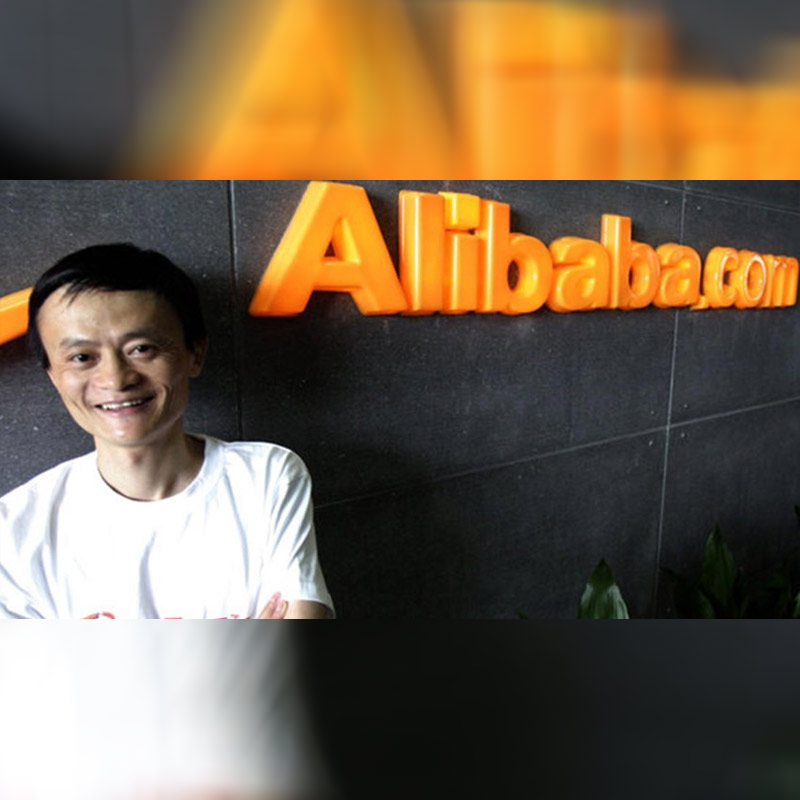
MUMBAI: According to a report by The Ken, Chinese ecommerce giant Alibaba has announced plans to launch an over-the-top (OTT) video service in India over the next three months. The service will be introduced in partnership with its Indian investee company Paytm and mobile Internet subsidiary UCWeb, the report said.
However, in a statement made to Indian Television Dot Com, an Alibaba Group spokesperson said: “India is key in our globalization strategy and we are very committed to growing our existing businesses in this market in the long term. As a policy we do not comment on market speculation.”
“It’s an obligatory play. The global player does it so we have no option but to follow it,” the report quoted a senior Paytm official as saying.
Over the last several months, Jack Ma-led Alibaba has reportedly been scouring the Indian market looking for quality content creators and production houses in Mumbai.
The ecommerce behemoth is also reportedly in the process of hiring a strategic alliance head in Gurugram as well as a strategic alliance head for Video in either Mumbai or Gurugram.
Both of these positions would fall under the Alibaba-owned UCWeb’s business, sources have revealed. It is, however, believed that the move will be spearheaded locally by Damon Xi, head of UCWeb India and Indonesia.
Currently, Alibaba has two contest-based products in India – mobile browser UCWeb and We-Media, which together boast over 200 Mn users. Launched in March 2017 with an initial investment of Rs 5 crore ($782000), We-Media is a UCWeb-operated platform wherein users can post their own content in the form of articles, photos and videos.
Alibaba currently has a formidable presence in the Chinese OTT video market through Youku Tudou, which it acquired in 2015. Youku and Tudou are, essentially, two free video sites like YouTube that were merged in 2012.
MUMBAI: The year 2017 was when brands were unwillingly thrown into a roller-coaster ride only to emerge dizzy and faint. The highs weren’t enough to ride out the lows.
2017 will be seen as a year of turmoil for brands. Just when the effects of last year’s demonetisation were ebbing away, the government threw another spanner in the works in the form of the goods and services tax (GST).
Much before its implementation, marketers and consumers cheered on the GST to be a saviour for the industry, touted to solve multiple tax complications. But its launch timing, months after demonetisation, crippled the Indian economy even further primarily due to faulty implementation.
The year began with the economy regaining its composure after the ban on bills of Rs 500 and Rs 1000, which led to troubled times for businesses across the country, especially in the cash-dependent sectors. No one was spared from the effects, be it kirana stores, big FMCG players or media and advertising agencies. As physical money became dear, online payment apps were the saving grace. Paytm, Mobikwik, Zappr and the likes became a must-have app for a majority of Indians and their profits grew four fold by March 2017.
In the months after GST was passed, sales crashed, margins dropped and marketers became extra cautious before investing in new products and advertisements. Brands steered away from marketing and advertising post August, which otherwise is considered as the ideal period for creating new campaigns as the festive season in India commences from September and goes up all the way till the new year.
The crashing economy brought down infrastructure, including real estate, to its knees and crushed consumer demand with the implementation of the new Real Estate Regulation and Development Act (RERA) in May. Slow implementation of the new real estate regulation across the country as well as uncertainty over the impact of GST on home prices pulled down consumer sentiment this year. According to a report by the Centre for Monitoring Indian Economy (CMIE), home loan growth in April-October fell by 32.7 per cent from a year ago, one of the biggest declines in the last five years.
It was not only the FMCG and real estate sectors that had a nightmarish 2017. The USD35 billion liquor industry was subjected to one of the worst hangovers not only because of GST but also because of a Supreme Court ban on all alcohol sales within 500 meters of highways across India from 1 April 2017. Although the ban was implemented to curb drunken driving on highways, it dried up the hospitality industry, state government and liquor companies who ended up losing Rs 50,000 – Rs 70,000 crore. The market fell nearly 30 per cent in the immediate quarter after the highway ban and at least 1,500 retail outlets closed down.
After all the bad news, 2017 also saw some strong revenue figures and new entrants in the market. Patanjali recently became India’s most trusted FMCG brand as per The Brand Trust Report India Study 2017. Valued at over Rs 30 billion, Patanjali estimated its annual turnover of the year 2016-17 to be Rs 10,216 crore. In November this year, the company also signed a memorandum of understanding (MoU) of Rs 10,000 crore with the Government of India at the World Food India 2017. To buck up against the Baba Ramdev-led ayurvedic company, top FMCG players went the whole nine yards in their bids to recapture the markets they lost. While Hindustan Unilever Limited (HUL) launched its version of ayurvedic products under brand Ayush, homegrown FMCG major Dabur is in the process of modernising its ayurveda portfolio and introducing new products. The multimillion-dollar company also launched a traditional ayurvedic product Dashmularishta and menstrual pain relief tonic Ashokarishta.
Lever Ayush, in its first campaign, took a potshot at Patanjali by pointing out the naive ways in which we categorise ayurvedic products like skincare creams, soaps and toothpaste. It went on to say that not every product with green packaging or leaves on the cover essentially fit ayurvedic ingredients. The company has managed to create its dominance in the southern market by aggressive marketing and advertising.
According to a Nielsen Report, herbal segment in India accounts for 41 per cent of the Rs 45,000 crore personal care market. Hence, sectoral leader HUL has come out all guns blazing in a field so far ruled by Patanjali, while Colgate-Palmolive has placed its own natural products to take back its market in the toothpaste segment and Dabur India now has a major share in the honey segment as opposed to Patanjali.
Television remained the strongest sector for advertisers this year despite depressed economic conditions while digital continued to ride on a high growth trajectory. Advancement in infrastructure, evolving audience measurement technology leading to better content and lowering data costs induced viewers to greater digital consumption. Television advertising is expected to grow at over 10.3 per cent with free to air channels gaining significance, localised content and high-definition experience boosting regional channels’ viewership and sporting leagues outside of cricket becoming increasingly popular.
Source: Group M
Print media continued to witness a slowdown in 2017 where while English newspapers remained under pressure, regional language papers demonstrated strong growth.
The out of home (OOH) industry registered a slowdown in growth rate at seven per cent majorly due to adverse impact of demonetisation and GST but is projected to grow at a CAGR of 11.8 per cent primarily driven by development of regional airports, privatisation of railway stations, growth in smart cities, setting up of business and industrial centres, and growing focus on digital OOH.
The year also saw a rise in influencer marketing and brands sent out messaging by using ‘internet celebrities’ to put in a good word for the product on social media. According to Business Insider Affiliate Marketing Report, approximately 15 per cent of the digital media industry’s revenue is achieved through affiliate (influencer) marketing. A recent report suggested that 40 per cent consumers are sold on a product or idea if an influencer they followed were to recommend it.
The turmoil in the Indian telecom industry can be attributed to several things. Smartphone penetration in the country increased this year by three folds and today India has over 300 million smartphone users which is projected to grow by more than 50 per cent in the next few years. According to Counterpoint research, 300 million people out of 650 million phone users own a smartphone, making India a big market for brands and telcos. Indian tycoon Mukesh Ambani sparked a price war in 2016 with the launch of Reliance Jio with other telecom giants scattering to acquire market share. Vodafone and Airtel lured customers with data at cheap prices and unlimited calls. But Reliance Jio clearly won that war. Within the first month of commercial operations, Jio announced that it had acquired 16 million subscribers. This was the fastest ramp-up by any mobile network operator anywhere in the world. Jio crossed the 50 million subscriber mark in 83 days since its launch subsequently crossing 100 million subscribers on 22 February 2017. By October 2017 it had about 130 million subscribers.
On 21 July 2017, Jio introduced its first affordable 4G feature phone, powered by KaiOS, named as JioPhone. The price announced for it was Rs 0 with a security deposit of Rs 1500 which could be withdrawn back by the user by returning the JioPhone only after 3 years. This phone was released for beta users on 15 August 2017 and pre-booking for regular users started on 24 August 2017.
In order to strengthen its presence in the ongoing battle of the telecom sector, Sunil Bharti Mittal-led Bharti Airtel launched Android powered 4G smartphones in partnership with Indian mobile company, Karbonn Mobiles. Airtel will partner with multiple mobile handset manufacturers to create an ‘open ecosystem’ of affordable 4G smartphones and bring them to market for virtually the price of a feature phone. It is also in talks with Intex mobiles for similar offerings. Domestic handset maker Micromax and Vodafone came together to offer a smartphone, effectively at a price of Rs 999 if the buyer retains the device for three years.
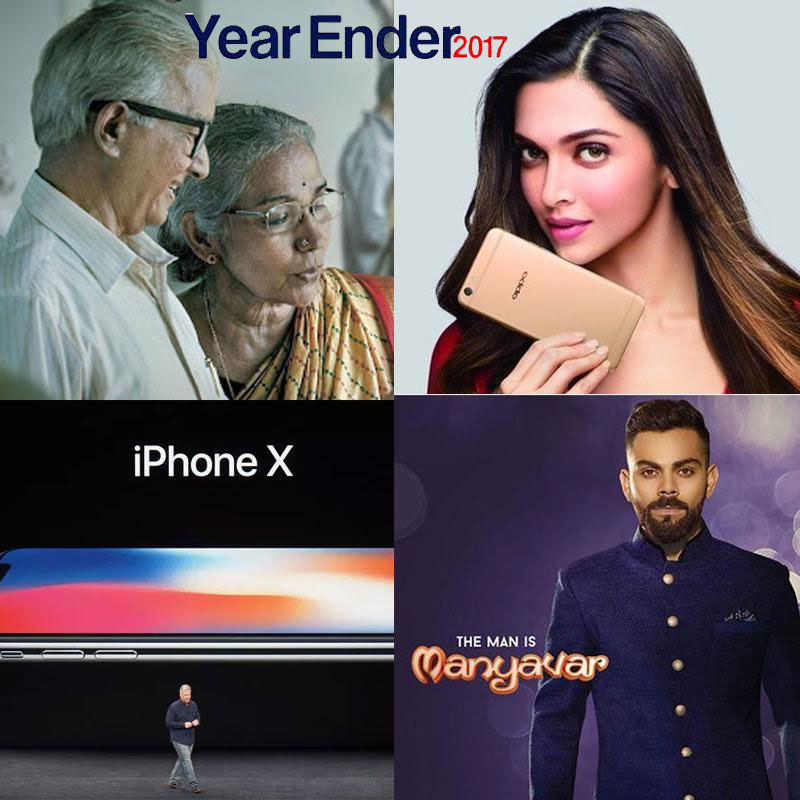
With data becoming much cheaper this year and mobile manufacturers selling handsets at throwaway prices, mobile handsets became much affordable and smartphone penetration increased three folds. A lot of this has to be credited to Chinese players who took the Indian smartphone market by storm. While Vivo and Oppo were aggressive in marketing their products, both invested heavily in OOH advertising in 2017. We saw a lot of hoardings and static banners with Deepika Padukone (Oppo), Ranveer Singh (Vivo) and Virat Kohli (Gionee) promoting their respective brands (as brand ambassadors). While Vivo came on board as the title sponsor for India’s premier cricketing league IPL, rival Oppo became team India’s official jersey sponsor for all its matches for five years.
According to various reports, today Chinese brands such as Lenovo, Oppo, Vivo, Gionee and Xiaomi have captured over 50 per cent share of India’s smartphone market even as Apple and Samsung fought a tough battle to hold on to their reigns.
Amidst all this, the biggest highlight of the year in the space was the launch of Apple 8 and Apple X. The company launched its flagship phones in much fanfare in September this year on its 10th anniversary.
Still recouping from the setbacks of 2017, marketers are pinning hopes on 2018 that improved market sentiment will bring them back to a steady growth path. The prospects of good economic growth, coupled with a revival in demand and consumption, will help them overcome the hit they took in volumes and profits in 2017.
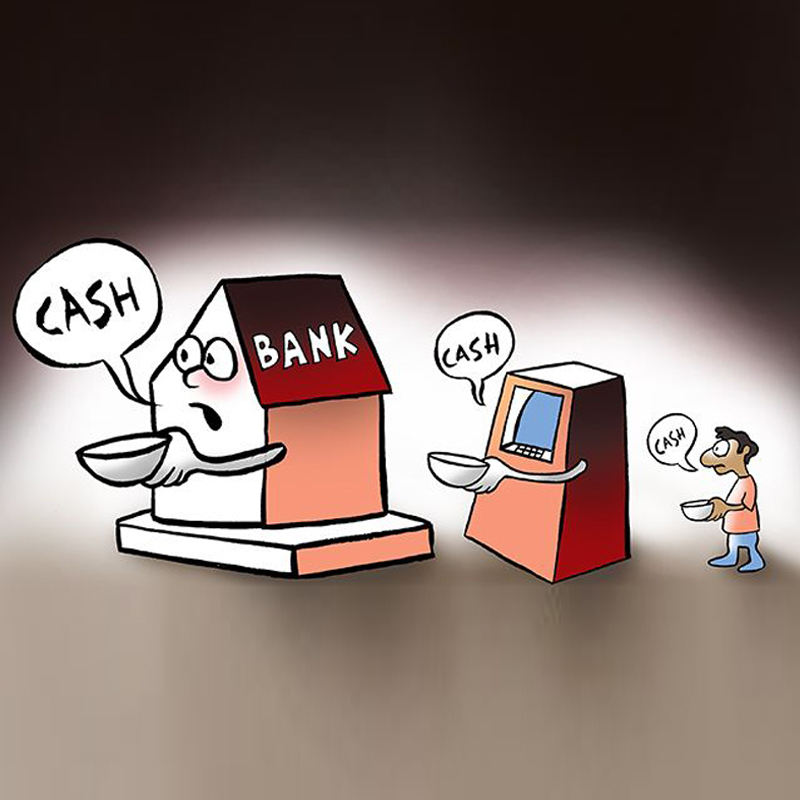
MUMBAI: 8 November 2016 was a day that took the world by storm. While the world was stunned with Donald Trump’s victory as the new US president, Indian prime minister Narendra Modi decided to give the country a shocker of its own- demonetisation.
An ordinary Tuesday evening saw all news channels and radio stations halt their programmes to listen to Modi, assuming it as another Mann Ki Baat. Instead, what followed was the shocking revelation that all the Rs 500 and Rs 1000 notes in the country will be invalid post midnight. As people scrambled to get rid of their notes and lined up for new ones, they were restricted to just Rs 10,000 a day and Rs 20,000 a week for the next 4 days (10-13 November).
A severe cash shortage in the hands of the public forced them to seek alternative modes of payment. Companies too weren’t spared. By the second week of demonitisation, cigarette sales had dropped by 30-40 per cent and cash on delivery (COD) orders fell by 30 per cent for e-commerce companies. Dabur India corrected its advertising spends for November by almost 50 per cent and many prominent brands decided to hold the rolling out of new campaigns for a few months. The festive October-December quarter, this year, ended up draining out over Rs 2000 crore.
Amidst this confusion and loss, if there was a clear winner, it was the class of startups offering online wallets and digital payments. Brands offering online payment ‘cashed’ out the most from the prime minister’s move. It was time for overlooked and unrecognised players like Paytm, Freecharge, Mobikwik, Swiggy, Zomato, Foodpanda and others to make optimum utilisation of the situation. These brands had found people’s Achilles heel and created campaigns, tweaking their communication, to show people that you don’t need to worry about less cash.
With this, digital payments became India’s new currency and debit card transactions surged to over 1 billion in January this year from 817 million last year.
Foodpanda India co-founder and CEO Saurabh Kochhar says that there were positive implications of demonetisation on its platform. “Before demonetisation, on a regular day, our platform would receive close to 70,000 orders. While that shot up by 40-50 per cent, around 92 per cent of payments were made online after demonetisation. As our order value ranges between Rs 400-500, consumers did not mind paying online,” he reveals.
As consumers were forced to get acquainted with digital payment modes, they got comfortable with the idea of paying for their orders online. Brands ensured their technology backend could support the surge in payments so that no glitches would leave people harassed or with bad experiences.
One of the biggest beneficiaries of demonetisation was online wallet app Paytm. Within only 12 days after the move was announced, Paytm witnessed over Rs 7 million transactions worth Rs 120 crore a day and Rs 5,000 crore worth of transactions in the month of January 2017.
Even though India was cutting down on spending, online travel grew between November 2016 and June 2017. Indians spent $246.6 million in overseas travel-related payments in November 2016, up 581 per cent as compared to $36.2 million spent in the same month in 2015. Arrivals from India to Australia since the demonetisation period (Nov 2016 – Aug 2017) grew at an average of 15 per cent.
A year on, are people still transacting online at the same pace or was it just the momentary fluster? Kochhar optimistically says, “As valid currency got into a normalised flow in the country, there was an increase in COD orders. However, we have seen more uptake in users paying online for their orders. It is more about the change in the mindset of the users and demonetisation pushed them in that direction for sure.”
While demonetisation opened people’s eyes to digital avenues, adex was briefly hampered. Overall brand revenues fell and there was a clear dip in sale, but all of that is now in the past. The advertising and marketing industry revved up but was assured that India’s suspicious view towards digital had surely been changed.
MUMBAI: From time to time, Hotstar, the VOD streaming service from Twenty First Century Fox’s Star India, has been making short-term promotional subscription offers through its payment partners like HDFC, Citibank, PayTM and what have you.
Subscribers have either been getting 100 per cent cash back for one month or two months depending on the subscriber’s card. Including the first free trial month, that effectively gives an annual subscription at anywhere between Rs 1, 800 or Rs 2,000 as compared to the monthly subscription price of Rs 199.
However, since 11 August, it has been running an extremely tempting subscription scheme called the Premier League offer, which has a sticker price of Rs 999 for nine months. The only catch: the payment is non-refundable and has to be made using a debit card and is for a limited period till 12 September.
The idea obviously is to get potential football lovers who have been fence sitting so far to sign up with a massive discount of around 40-50 per cent.
Over the past year, the government has been driving consumers toward digital payments, and also open bank accounts. The Indian consumer – normally wary of piling too much debt – has been loathe to sign up for a credit card. However, opening a bank account normally gets a bank customer a debit card in most cases.
By pushing the Premier League offer, it is hoping to make it a very lucrative proposition for those consumers and others to start using their debit cards.
Hotstar, smart TV apps of which are in the pipeline, currently offers around 50,000 hours of movies and television content together across eight languages, and almost all major sports are covered live.
Even as the research firm KalaGato reported 73 per cent jump in Hotstar’s market share in 10 months, that is expected to spurt further with the addition of the CBS catalogue, and of course Game of Thrones which has been in the news for its crackling seventh season and its leakage from different partners worldwide, including India.
Recently announcing a pipeline with 18 originals from India, Amazon Prime offers perceptibly the most reasonable annual plan at Rs 499. Sun TV’s Sun NXT subscription plans start from Rs 50 per month. Netflix however is expensive – with plans starting at Rs 500 per month, but is reflective of the catalogue size and its target audience, the crème de la crème of Indian consumers.
Amazon Prime has reportedly bagged a market share of just 9.66 per cent, Sony Liv pocketed 6.96 per cent share and Airtel-run Wynk Movies was at 6.36 per cent, the KalaGato report had added.
We reached out to Hotstar CEO Ajit Mohan, but received no response.
MUMBAI: Minster of textile, information & broadcasting Smriti Irani, addressing a gathering of media, advertising and marketing industry stalwarts, said: “All I implore today to the industry stalwarts is that we now, in a systemic fashion, build a platform that takes care of those who need help, specially from the creative faction of the industry. I hope that, one day, on this stage, some of us will stand here to applaud an Indian media company that has made it at the global stage.”
The Advertising Club (TAC) India hosted the inaugural edition of the unique ‘Marquee Awards’ in Mumbai. Presented by News18 India, powered by Colors and MTV and partnered by One India, the event was flagged off by Irani as the chief guest of honour.
Hindustan Unilever won the coveted Green Marketer Award, which honors brands that have strived and conquered, by keeping a close focus on environment sustainability. The Special Award for “Conquering an impregnable fortress” was won by Bira 91. Pro Kabaddi League was recognised as the brand that “Traversed unchartered waters” and Paytm was recognized for “Riding on an emerging wave”. Honda Motorcycle & Scooter was awarded for “Breathing new life into a category”, Indian Accent was recognized for “Creating a Global Impact” while Oppo was recognized for “Carving out a Niche” for themselves in a highly competitive category.
Making a special mention of the ‘Global Impact’ category, Irani said, “Having been a part of this journey, I have just one appeal this evening – while we sell dreams to the nation and world, there are many amongst us who wither away with the passage of time. We now build a platform that takes care of the creative faction so that the world does not accuse us selling dreams but living a lie.”
The Advertising Club president Raj Nayak said, “Marquees 2017 has emerged as the gold standard in marketing awards. I thank the minister Smriti Irani for gracing the maiden edition of Marquees 2017.”
Marquees 2017 chairman and BARC India CEO Partho Dasgupta said, “The debut edition of Marquees has set a new benchmark of excellence by recognising brands that have challenged the communication archetype in the industry, thus appealing to the evolved consumer of today. These awards through their differentiated scope, right from the jury panel to representation to categories, has ensured that they are a marketer’s dream.”
A+E Networks | TV18 managing director and Network18 president Avinash Kaul said, “At News18 India, we identify with the spirit of celebrating brands that drive positive change. News18 India, as a brand, has also undergone a transformation after the rebranding exercise and the results are visible. This only re-affirms our association with Marquees which has today honoured path-breaking marketing campaigns that have inspired change.”
MUMBAI: Paytm has unveiled a new brand film on the occasion of Mother’s Day. The film is a tribute to the spirit of motherhood & how their selfless acts touch the lives of their children.
With the current user base of more than 220 million, Paytm is on a mission to bring half a billion Indians to the mainstream of the economy using mobile payment.
The video begins with a mother-son duo where the son is in two minds about shifting to a new city to pursue a career and has kept this a secret from his mom. But like most mothers, she gets to know and asks him to teach her how to book flight tickets on Paytm. In a sweet & selfless twist, the mother books her son a flight ticket to pursue his new job & promises to visit him often. The clip ends with the tagline ‘Flight Tickets Book Karo #Paytmkaro’.
Speaking at the launch, Jaskaran Kapany, Vice President – Paytm, “This Mother’s Day, Paytm is celebrating the spirit of a Mother’s love with a film dedicated to selfless moms across the world. The film emphasizes not only on a mother’s importance in our lives but also highlights her sacrificing & giving nature. We hope this film will serve as a little nudge this Mother’s Day or any other day for children to catch a flight & fly back to their mothers for a visit. Our convenient travel booking options are waiting to help them in any way possible.”
The latest brand film developed by leading advertising agency McCann Erickson will go live across all prominent channels and will be cross-promoted via Paytm’s YouTube channel and other social media platforms.
MUMBAI: Paytm has announced that its movies segment is aiming to contribute 50% to the opening weekend online collection of leading Hollywood and Bollywood Movies by end 2017. The company will achieve this with extensive marketing partnerships to further increase its adoption and reach.
Paytm Movies has received an exceptional response with more than Rs. 400 crore in GMV within a year of launch. Contributing more than 20% to the opening weekend collection of all major Hollywood and Bollywood movies, the platform is garnering major traction from Tier II and Tier III cities by upgrading traditional offline ticket booking systems in local theaters to online ticketing. It is also using its widely popular Paytm QR codes to implement easy scan-and-book offline ticketing at their box-office and F&B counters.
“We are thrilled to have a great start to 2017 by achieving blockbuster sales for key movie releases. Our aim this year is to contribute more than half of opening weekend online collection for all major movies. We will continue working with all move theatre chains to increase online ticket sales by promoting them aggressively amongst our vast user base,” says Paytm vice president Renu Satti.
Paytm’s online movie ticketing service is available at more than 3500 screens across 550 cities and the platform’s pan-India distribution reach has led to it currently accounting for around 20% share of opening weekend box-office collection for most movies.