Tag: pay TV

  • TRAI tariff order: MSOs welcome its direction

    TRAI tariff order: MSOs welcome its direction

    NEW DELHI: At least two multisystem operators (MSOs) have welcomed the broad drift of the Telecom Regulatory Authority of India’s  (TRAI’s) Telecommunication (Broadcasting and Cable Services) (Eighth) (Addressable Systems) Tariff Order, 2016. The draft, released on Monday, seeks to bring in transparency to an otherwise disorganized sector.

    Indiantelevision.com spoke to a bunch of executives from broadcasting, cable TV,  and even the TRAI advisor on the proposed regulation. Most said it was too early to comment as they had not got the time to study it.

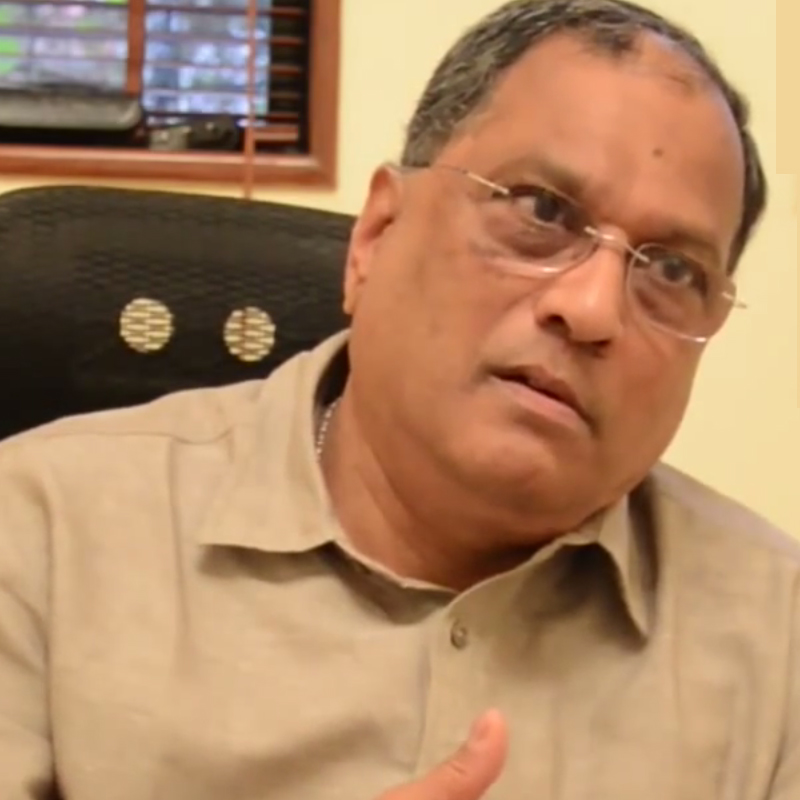
    S N Sharma, who surprised many earlier this year by returning to the national multi-system operator (MSO) DEN Networks as its  chief executive, said “It is a good draft; we welcome it. It brings a lot of transparency and ease, especially in the life of the consumer. We, as an MSO, look for a fair share of revenue, and hope to get the same.” He said he still had to study the draft in full, and would give further comments later.

    public://sn-sharma_0.jpg
    S.N.Sharma CEO,DEN Networks Limited

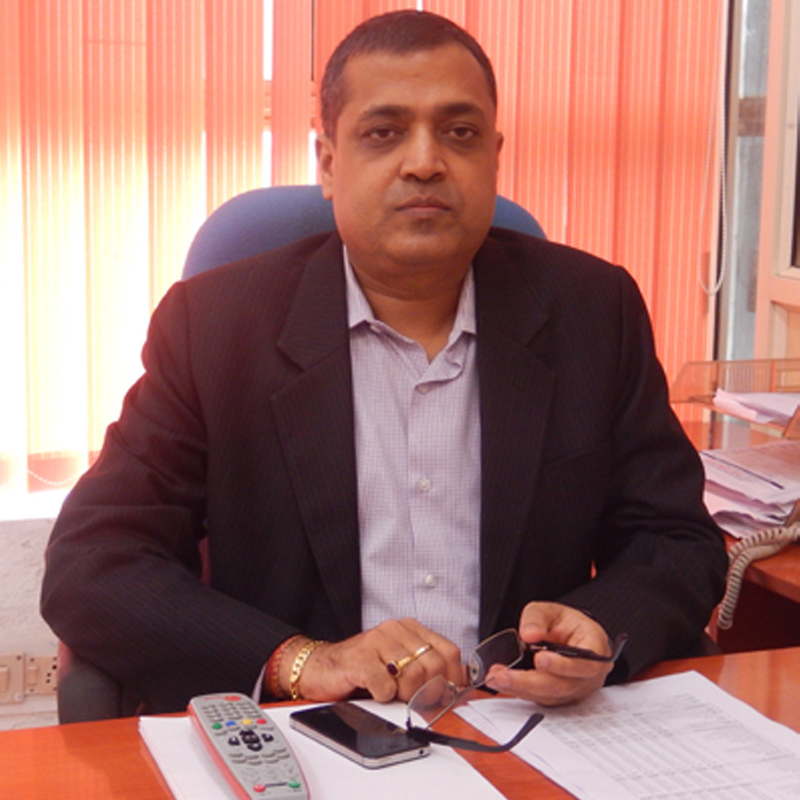
    Regional MSO Ortel Communications President & CEO  Bhibhu Prasad Rath, welcoming the draft, said “We believe that this draft regulation, if implemented, will bring in path-breaking changes to the industry structure with a lot of transparency and non-discrimination.”

    Rath added: “Currently, there is widespread discrimination in the content deals done by some broadcasters with various DPOs (distribution platform operators). The prices of the same channels or bouquet of channels vary widely from one DPO to another across the country. The new proposed regulation intends to bring in uniformity in the cost structure so that a level-playing field will be created while we all compete in the same market.”

    Rath also noted that the other major issue that the regulations attempts to address is the unbundling of channels. “Currently, many broadcasters offer around 80-90% discount / incentives on a bouquet deal as compared to the sum of a la carte prices of the respective channels. This, in my view, is unreasonable and intended to discourage a la carte subscription. The proposed regulation, by capping the bouquet discount at a maximum of 15%, will be a big relief to consumers who want to subscribe to channels on a la carte basis and will encourage DPOs to pass on to the benefit to consumers.”

    “Overall, this regulation, in addition to bringing in non-discriminatory and transparent practices in the industry, will go a long way in implementing digitization in its true spirit where “choice” is in the hands of the consumers,” he concluded.

    “I think it is a fabulous piece of proposed regulation,” says HITS consultant Castle Media director Vynsley Fernandes. “I think the TRAI has really outdone itself. I can only see the industry opening up and growing from hereon.”

    However, National Cable and Telecommunications head and founder of Home Cable Network of Delhi, Vikki Choudhry was the dissenting voice. Said he:  “This draft order is still not a cost-based tariff fixation, TRAI was supposed to conduct an exercise according to the Supreme Court and TDSAT orders. This draft tariff is completely anti-consumer. When the present tariff (rates) were coming down by 70 per cent, the regulator has further provisioned an increase of about 45-55 per cent for the Pay TV broadcasters.”

    (In May this year, TDSAT had said it thought TRAI “will be well advised to have a fresh look at the various tariff orders in a holistic manner and come out with a comprehensive tariff order in supersession of all the earlier tariff orders.”) Sunil Gupta, advisor to TRAI, responding to this allegation said: “We have protected the interests of the consumer: why should he pay even one extra rupee for a channel he does not want to watch? This draft brings the power of choice to the consumer’s hands. He can choose to have a lower cable TV bill or higher.”

    Gupta further added that the new category of  premium channels will allow broadcasters to offer specialized channels at higher MRPs – even Rs 100 – if the consumer wants them at this price, thus overall increasing the ARPUs of all those in the value chain.

    Gupta also said that the interconnection paper for local cable operators and multi-system operators would come out soon. The entire industry value chain should read this and understand we have protected everyone’s interests – the cable TV operators, MSOs, broadcasters, customers. The  ARPUs of the entire industry would go up in the coming months, he said.

    Also read:

    Tariff Hike Case: SC rejects appeal challenging TDSAT order; asks TRAI to out new tariff
     

  • TRAI tariff order: MSOs welcome its direction

    TRAI tariff order: MSOs welcome its direction

    NEW DELHI: At least two multisystem operators (MSOs) have welcomed the broad drift of the Telecom Regulatory Authority of India’s  (TRAI’s) Telecommunication (Broadcasting and Cable Services) (Eighth) (Addressable Systems) Tariff Order, 2016. The draft, released on Monday, seeks to bring in transparency to an otherwise disorganized sector.

    Indiantelevision.com spoke to a bunch of executives from broadcasting, cable TV,  and even the TRAI advisor on the proposed regulation. Most said it was too early to comment as they had not got the time to study it.

    S N Sharma, who surprised many earlier this year by returning to the national multi-system operator (MSO) DEN Networks as its  chief executive, said “It is a good draft; we welcome it. It brings a lot of transparency and ease, especially in the life of the consumer. We, as an MSO, look for a fair share of revenue, and hope to get the same.” He said he still had to study the draft in full, and would give further comments later.

    public://sn-sharma_0.jpg
    S.N.Sharma CEO,DEN Networks Limited

    Regional MSO Ortel Communications President & CEO  Bhibhu Prasad Rath, welcoming the draft, said “We believe that this draft regulation, if implemented, will bring in path-breaking changes to the industry structure with a lot of transparency and non-discrimination.”

    Rath added: “Currently, there is widespread discrimination in the content deals done by some broadcasters with various DPOs (distribution platform operators). The prices of the same channels or bouquet of channels vary widely from one DPO to another across the country. The new proposed regulation intends to bring in uniformity in the cost structure so that a level-playing field will be created while we all compete in the same market.”

    Rath also noted that the other major issue that the regulations attempts to address is the unbundling of channels. “Currently, many broadcasters offer around 80-90% discount / incentives on a bouquet deal as compared to the sum of a la carte prices of the respective channels. This, in my view, is unreasonable and intended to discourage a la carte subscription. The proposed regulation, by capping the bouquet discount at a maximum of 15%, will be a big relief to consumers who want to subscribe to channels on a la carte basis and will encourage DPOs to pass on to the benefit to consumers.”

    “Overall, this regulation, in addition to bringing in non-discriminatory and transparent practices in the industry, will go a long way in implementing digitization in its true spirit where “choice” is in the hands of the consumers,” he concluded.

    “I think it is a fabulous piece of proposed regulation,” says HITS consultant Castle Media director Vynsley Fernandes. “I think the TRAI has really outdone itself. I can only see the industry opening up and growing from hereon.”

    However, National Cable and Telecommunications head and founder of Home Cable Network of Delhi, Vikki Choudhry was the dissenting voice. Said he:  “This draft order is still not a cost-based tariff fixation, TRAI was supposed to conduct an exercise according to the Supreme Court and TDSAT orders. This draft tariff is completely anti-consumer. When the present tariff (rates) were coming down by 70 per cent, the regulator has further provisioned an increase of about 45-55 per cent for the Pay TV broadcasters.”

    (In May this year, TDSAT had said it thought TRAI “will be well advised to have a fresh look at the various tariff orders in a holistic manner and come out with a comprehensive tariff order in supersession of all the earlier tariff orders.”) Sunil Gupta, advisor to TRAI, responding to this allegation said: “We have protected the interests of the consumer: why should he pay even one extra rupee for a channel he does not want to watch? This draft brings the power of choice to the consumer’s hands. He can choose to have a lower cable TV bill or higher.”

    Gupta further added that the new category of  premium channels will allow broadcasters to offer specialized channels at higher MRPs – even Rs 100 – if the consumer wants them at this price, thus overall increasing the ARPUs of all those in the value chain.

    Gupta also said that the interconnection paper for local cable operators and multi-system operators would come out soon. The entire industry value chain should read this and understand we have protected everyone’s interests – the cable TV operators, MSOs, broadcasters, customers. The  ARPUs of the entire industry would go up in the coming months, he said.

    Also read:

    Tariff Hike Case: SC rejects appeal challenging TDSAT order; asks TRAI to out new tariff

     

  • ZEEL Cignals deal for Filipino channel Zee Sine

    ZEEL Cignals deal for Filipino channel Zee Sine

    MUMBAI: Zee Entertainment Enterprises Limited has signalled a deal with Cignal TV for Filipino channel Zee Sine.

    Earlier this year, ZEEL had announced its foray into the Philippines with its Tagalog and Taglish language Bollywood movie channel Zee Sine in partnership with the local cable TV distributor Cable Boss. Since then, it has been expanding its reach. An agreement with the cable TV MSO Cable Link followed which gave it access to subscribers in parts of Manila.

    Then, last week, it announced a carriage deal with local satellite platform and DTH operator Cignal TV.

    Cignal, launched in 2009, transmits 102 channels including free-to-air, SD and HD channels to household and commercial venues nationwide. It also offers a mix of 12 audio channels and on-demand service through pay-per-view channels. It is owned by MediaQuest Holdings, the media partner of PLDT Group.

    The entertainment major launched the Zee Sine on pay TV and DTH operator Cignal TV which boasts a subscriber base in excess of 1 million. After launching channels in Latin America, Germany, Indonesia, the US, Malaysia, Thailand (not necessarily in that order), it was now the turn of the south-east Asian nation to see another offering from the Punit Goenka-led company.

    Available on Channel 19 with Cignal Postpaid plan 290 and up and Cignal Prepaid Premium 300 and up, Zee Sine is backed by ZEEL’s Bollywood movie library, the world’s largest with over 3500 titles.

    The tag line of the channel is Bollywood Na Tayo! (Let’s Go Bollywood) and viewers have three Bollywood movies on offer daily with the 8pm movie band being themed as unli tawa Mondays (comedy), lab na lab on Tuesdays (romance), Bollywood divas on Wednesdays, Hari ng Aksyon Huwebes (action), star of the month on Fridays, blockbuster movies on Saturday and special monthly thematic films on Sundays.

    Cignal VP/Head of Channels Management, Sienna Olaso, said that the partnership with ZEEL was a strong affirmation of Cignal’s commitment to provide the best Pay TV service to their loyal subscribers by providing them with world class shows and channels that catered to their diverse tastes in TV viewing.

    Zee Entertainment CEO, Middle East and Asia Pacific, Mukund Cairae, said that Fillipinos had love in abundance for music and dance that Bollywood represents. Cairae added that he anticipated Fillipnos to connect with the Bollywood masala as the core values across Asia were similar. The strategy was to put Zee TV’s movies and shows on free to air channels while also running the 24×7 pay TV channel Zee Sine.

    Cairae said the company was seeking to to do Filipino productions in phase II of the launch.

  • ZEEL Cignals deal for Filipino channel Zee Sine

    ZEEL Cignals deal for Filipino channel Zee Sine

    MUMBAI: Zee Entertainment Enterprises Limited has signalled a deal with Cignal TV for Filipino channel Zee Sine.

    Earlier this year, ZEEL had announced its foray into the Philippines with its Tagalog and Taglish language Bollywood movie channel Zee Sine in partnership with the local cable TV distributor Cable Boss. Since then, it has been expanding its reach. An agreement with the cable TV MSO Cable Link followed which gave it access to subscribers in parts of Manila.

    Then, last week, it announced a carriage deal with local satellite platform and DTH operator Cignal TV.

    Cignal, launched in 2009, transmits 102 channels including free-to-air, SD and HD channels to household and commercial venues nationwide. It also offers a mix of 12 audio channels and on-demand service through pay-per-view channels. It is owned by MediaQuest Holdings, the media partner of PLDT Group.

    The entertainment major launched the Zee Sine on pay TV and DTH operator Cignal TV which boasts a subscriber base in excess of 1 million. After launching channels in Latin America, Germany, Indonesia, the US, Malaysia, Thailand (not necessarily in that order), it was now the turn of the south-east Asian nation to see another offering from the Punit Goenka-led company.

    Available on Channel 19 with Cignal Postpaid plan 290 and up and Cignal Prepaid Premium 300 and up, Zee Sine is backed by ZEEL’s Bollywood movie library, the world’s largest with over 3500 titles.

    The tag line of the channel is Bollywood Na Tayo! (Let’s Go Bollywood) and viewers have three Bollywood movies on offer daily with the 8pm movie band being themed as unli tawa Mondays (comedy), lab na lab on Tuesdays (romance), Bollywood divas on Wednesdays, Hari ng Aksyon Huwebes (action), star of the month on Fridays, blockbuster movies on Saturday and special monthly thematic films on Sundays.

    Cignal VP/Head of Channels Management, Sienna Olaso, said that the partnership with ZEEL was a strong affirmation of Cignal’s commitment to provide the best Pay TV service to their loyal subscribers by providing them with world class shows and channels that catered to their diverse tastes in TV viewing.

    Zee Entertainment CEO, Middle East and Asia Pacific, Mukund Cairae, said that Fillipinos had love in abundance for music and dance that Bollywood represents. Cairae added that he anticipated Fillipnos to connect with the Bollywood masala as the core values across Asia were similar. The strategy was to put Zee TV’s movies and shows on free to air channels while also running the 24×7 pay TV channel Zee Sine.

    Cairae said the company was seeking to to do Filipino productions in phase II of the launch.

  • Pay-TV in vital stage; service providers must innovate: Study

    Pay-TV in vital stage; service providers must innovate: Study

    SINGAPORE: Pay-TV has entered a period of significant change. Competition is set to increase dramatically, and, in order to grow, service providers will have to innovate strongly.
    Nagra, a Kudelski Group (SIX:KUD.S) company and the world’s leading independent provider of content protection and multi-screen television solutions, in partnership with MTM, has published the global learnings from the Pay-TV Innovation Forum. Findings from the Asia Pacific leg of the programme were released last month.

    According to the global findings, industry participants strongly believe that pay-TV, while still growing worldwide, has entered a period of significant change, creating both challenges and opportunities. 83% of executives stated that competition is set to increase dramatically and 78% agreed that in order to grow, service providers will have to innovate strongly over the next five years. However, the state of innovation varies by region. North American pay-TV service providers are notable for their innovation capabilities, offering the most advanced and diversified product and service portfolios. In comparison, pay-TV markets in Asia Pacific are much more fragmented, with market characteristics and service-providers’ innovation capabilities varying substantially by territory.

    Looking forward, executives cited strengthening their core pay-TV platform by going beyond traditional services as their main area of opportunity by focusing on multiscreen/TV everywhere services (76 per cent), new types of content (74 per cent), and new content pricing and packaging strategies (73 per cent). Just over half of executives also see opportunities in advance advertising and data (54 per cent), as well as standalone OTT services (53 per cent).

    Identifying opportunities for innovation globally, the research notes that many service providers have already started investing in new growth areas. North American providers, for example, see a significant commercial opportunity in new forms of content that appeal to Millennials and Generation Z such as digital-first short-form content, on-boarding of third-party OTT services, virtual reality, and gaming. Some European and Asia Pacific pay-TV service providers also see value in providing OTT or gaming services on their pay-TV platforms, particularly through partnerships. Only a smaller number of large scale operators currently address business adjacencies such as advanced advertising and Internet of Things (IoT).

    The research also identifies four major innovation success factors for the industry including strong customer and market insight, having the right platforms and processes, as well as strategic and collaborative partnerships with best-of-breed technology suppliers and content companies.

    “As broadband becomes more ubiquitous in several markets, competition from streaming media platforms intensifies and consumer TV and video journeys evolve, it is clear that the industry needs to innovate at a faster pace to satisfy its customers and remain relevant,” said Simon Trudelle, Senior Product Marketing Director for NAGRA. “Thanks to the work of the Pay-TV Innovation Forum, we now have a global view of the state of innovation around the world and a foundation of key learnings to ensure future success and growth for pay-TV service providers.”

    “The pay-TV industry is a global success story,” said Jon Watts, Managing Partner at MTM. “Despite some regional differences, the majority of executives expect to continue innovating around their core pay-TV services, improving user experience and developing new ways to price and package content, bringing new kinds of content onto their TV platforms, and continuing to invest in multiscreen offerings. The research programme also shows that successful service providers have focused strongly on developing their innovation capabilities, enabling them to adapt to new market conditions.”

  • Pay-TV in vital stage; service providers must innovate: Study

    Pay-TV in vital stage; service providers must innovate: Study

    SINGAPORE: Pay-TV has entered a period of significant change. Competition is set to increase dramatically, and, in order to grow, service providers will have to innovate strongly.
    Nagra, a Kudelski Group (SIX:KUD.S) company and the world’s leading independent provider of content protection and multi-screen television solutions, in partnership with MTM, has published the global learnings from the Pay-TV Innovation Forum. Findings from the Asia Pacific leg of the programme were released last month.

    According to the global findings, industry participants strongly believe that pay-TV, while still growing worldwide, has entered a period of significant change, creating both challenges and opportunities. 83% of executives stated that competition is set to increase dramatically and 78% agreed that in order to grow, service providers will have to innovate strongly over the next five years. However, the state of innovation varies by region. North American pay-TV service providers are notable for their innovation capabilities, offering the most advanced and diversified product and service portfolios. In comparison, pay-TV markets in Asia Pacific are much more fragmented, with market characteristics and service-providers’ innovation capabilities varying substantially by territory.

    Looking forward, executives cited strengthening their core pay-TV platform by going beyond traditional services as their main area of opportunity by focusing on multiscreen/TV everywhere services (76 per cent), new types of content (74 per cent), and new content pricing and packaging strategies (73 per cent). Just over half of executives also see opportunities in advance advertising and data (54 per cent), as well as standalone OTT services (53 per cent).

    Identifying opportunities for innovation globally, the research notes that many service providers have already started investing in new growth areas. North American providers, for example, see a significant commercial opportunity in new forms of content that appeal to Millennials and Generation Z such as digital-first short-form content, on-boarding of third-party OTT services, virtual reality, and gaming. Some European and Asia Pacific pay-TV service providers also see value in providing OTT or gaming services on their pay-TV platforms, particularly through partnerships. Only a smaller number of large scale operators currently address business adjacencies such as advanced advertising and Internet of Things (IoT).

    The research also identifies four major innovation success factors for the industry including strong customer and market insight, having the right platforms and processes, as well as strategic and collaborative partnerships with best-of-breed technology suppliers and content companies.

    “As broadband becomes more ubiquitous in several markets, competition from streaming media platforms intensifies and consumer TV and video journeys evolve, it is clear that the industry needs to innovate at a faster pace to satisfy its customers and remain relevant,” said Simon Trudelle, Senior Product Marketing Director for NAGRA. “Thanks to the work of the Pay-TV Innovation Forum, we now have a global view of the state of innovation around the world and a foundation of key learnings to ensure future success and growth for pay-TV service providers.”

    “The pay-TV industry is a global success story,” said Jon Watts, Managing Partner at MTM. “Despite some regional differences, the majority of executives expect to continue innovating around their core pay-TV services, improving user experience and developing new ways to price and package content, bringing new kinds of content onto their TV platforms, and continuing to invest in multiscreen offerings. The research programme also shows that successful service providers have focused strongly on developing their innovation capabilities, enabling them to adapt to new market conditions.”

  • What’s troubling HITS man Tony D’Silva?

    What’s troubling HITS man Tony D’Silva?

    MUMBAI: When the Hindujas announced their intentions to set up their Headend in the sky (HITS) platform to service cable dark phase III and phase IV– years ago, the project’s head – cable TV veteran Tony D’Silva – was highly excited. HITS would allow the company – Grant Investrade Ltd (GIL) – to beam out the 800 or so Indian TV channels to homes in towns and villages where setting up new or upgrading to expensive digital head ends was not viable or feasible.

    There were regulatory hurdles initially but the venture finally got off the ground last year much in advance of the DAS Phase III deadline of 31 December 2015. Tony went around marketing the project with great gusto, reaching out to cable ops in the hinterlands, got the Hindujas, the owners, to invest.

    There was interest from cable operators in almost all the areas that the product was demonstrated. The project looked very much viable as it gave cable operators a steady source of income without having to invest much in hardware and just servicing their existing subscribers.

    Then came the spate of cases in the courts of various states, and Phase III came to a grinding halt (it is now pending the decision from the Delhi high court which is expected in the next week). Analogue signals were not switched off in many parts of the country and Tony was in a bit of a fix. As are many other chieftains in MSOs like DEN and Hathway, which have reported very bloodied and battered results in Q1 2017.

    And Tony is a troubled man. Not just for that reason. He says he expects the court to rule justly in favour of digitization of the cable TV sector. However, he is not clear how many more court cases will be filed to stymie Phase III and Phase IV.

    Tony’s woes are mainly because he has been unable to strike viable content deals with some broadcasters.

    “It’s very unfair,” he states. “Some of the major broadcasters are asking the digital package price from me, but they continue to be okay with analogue pricing from cable operators in the very same phase III areas. How will I be able to offer them a digital package price to them when they are getting the same channels at analogue rates? Why will cable operators accept my superior quality digital offering? Why will an MSO and LCO agree to pay for digital services when they are also paying for analogue- that is double the price. These are questions broadcasters need to understand.”

    Another point that Tony would like to make is that broadcasters had refrained from charging any special digital rates in phase I and II areas until the cutoff dates. “We are a pure digital platform; but we are looking at serving in the now-analogue areas more,” he says.

    Tony would like to make an appeal to broadcasters and the regulator to stop charging digital package rates from him and analogue package rates from cable ops. “We are the new kid on the block and we are really aiding the spread of cable TV digitization in very difficult to reach areas of the country. I would beseech the community to give us a fair content deal at analogue rates until the analogue switch off commences. We are very open to pay digital rates once digital is switched on.”

    He goes on to point out that HITS is definitely going to help the pay TV broadcast sector get revenues in their coffers which are hitherto difficult-to-access as digitization gains in strength. “But allow us to run a feasible business first,” he says.

    Hopefully, broadcasters and the regulators will see reason in his plea.

    Meanwhile, the HITs platform is continuing with its game plan of merging GIL with IMCL – the hitherto cable TV MSO arm of the group. The company has informed the ministry of information & broadcasting about its merger intentions and has also approached the High court about the same.

    Then, over the past year or so, IMCL or Incable, has shut down or exited or bought joint ventures MSO headends where they had very little control over the operations. “We are down to about two and a half million paying cable TV customers and most of them are on a wholesale pre-paid model, so we are doing fine there,” says Tony. “The next few months are going to be very crucial. I am hopeful of things getting better,” he adds with a note of optimism.

  • What’s troubling HITS man Tony D’Silva?

    What’s troubling HITS man Tony D’Silva?

    MUMBAI: When the Hindujas announced their intentions to set up their Headend in the sky (HITS) platform to service cable dark phase III and phase IV– years ago, the project’s head – cable TV veteran Tony D’Silva – was highly excited. HITS would allow the company – Grant Investrade Ltd (GIL) – to beam out the 800 or so Indian TV channels to homes in towns and villages where setting up new or upgrading to expensive digital head ends was not viable or feasible.

    There were regulatory hurdles initially but the venture finally got off the ground last year much in advance of the DAS Phase III deadline of 31 December 2015. Tony went around marketing the project with great gusto, reaching out to cable ops in the hinterlands, got the Hindujas, the owners, to invest.

    There was interest from cable operators in almost all the areas that the product was demonstrated. The project looked very much viable as it gave cable operators a steady source of income without having to invest much in hardware and just servicing their existing subscribers.

    Then came the spate of cases in the courts of various states, and Phase III came to a grinding halt (it is now pending the decision from the Delhi high court which is expected in the next week). Analogue signals were not switched off in many parts of the country and Tony was in a bit of a fix. As are many other chieftains in MSOs like DEN and Hathway, which have reported very bloodied and battered results in Q1 2017.

    And Tony is a troubled man. Not just for that reason. He says he expects the court to rule justly in favour of digitization of the cable TV sector. However, he is not clear how many more court cases will be filed to stymie Phase III and Phase IV.

    Tony’s woes are mainly because he has been unable to strike viable content deals with some broadcasters.

    “It’s very unfair,” he states. “Some of the major broadcasters are asking the digital package price from me, but they continue to be okay with analogue pricing from cable operators in the very same phase III areas. How will I be able to offer them a digital package price to them when they are getting the same channels at analogue rates? Why will cable operators accept my superior quality digital offering? Why will an MSO and LCO agree to pay for digital services when they are also paying for analogue- that is double the price. These are questions broadcasters need to understand.”

    Another point that Tony would like to make is that broadcasters had refrained from charging any special digital rates in phase I and II areas until the cutoff dates. “We are a pure digital platform; but we are looking at serving in the now-analogue areas more,” he says.

    Tony would like to make an appeal to broadcasters and the regulator to stop charging digital package rates from him and analogue package rates from cable ops. “We are the new kid on the block and we are really aiding the spread of cable TV digitization in very difficult to reach areas of the country. I would beseech the community to give us a fair content deal at analogue rates until the analogue switch off commences. We are very open to pay digital rates once digital is switched on.”

    He goes on to point out that HITS is definitely going to help the pay TV broadcast sector get revenues in their coffers which are hitherto difficult-to-access as digitization gains in strength. “But allow us to run a feasible business first,” he says.

    Hopefully, broadcasters and the regulators will see reason in his plea.

    Meanwhile, the HITs platform is continuing with its game plan of merging GIL with IMCL – the hitherto cable TV MSO arm of the group. The company has informed the ministry of information & broadcasting about its merger intentions and has also approached the High court about the same.

    Then, over the past year or so, IMCL or Incable, has shut down or exited or bought joint ventures MSO headends where they had very little control over the operations. “We are down to about two and a half million paying cable TV customers and most of them are on a wholesale pre-paid model, so we are doing fine there,” says Tony. “The next few months are going to be very crucial. I am hopeful of things getting better,” he adds with a note of optimism.

  • BARC Week 33: Pay TV channels declines in ratings

    BARC Week 33: Pay TV channels declines in ratings

    MUMBAI: The standout of week 33 was the fall in ratings for all the major pay TV Hindi general entertainment channels, according to Broadcast Audience Research Council (BARC) all India data.

    Other noteworthy changes were: Big Magic exited the Rural HSM top ten channels list and Sab TV came in at number 10.  

    Urban + Rural HSM

    Star Plus continued as the  undisputed leader in the general entertainment channel genre even after a fall in ratings with 668069 Impressions (000s) as against 691536 Impressions (000). Star Utsav too witnessed a fall but maintained its position at number two with 549545 Impressions (000s) followed by Zee TV at third  position with 542520 Impressions (000s) against 598686 Impressions (000s). Fourth placed Colors generated 508811 Impressions (000s) as against 586734 Impressions (000s).

    Zee Anmol on the fifth spot with 479214 Impressions (000) against 490427 Impressions (000s) and number six was Life OK with 405279 Impressions (000s).

    In week 33, Sony Pal stood at seventh with 401288 Impressions (000s) and SPN’s other channels Sab TV and Sony Entertainment Television grabbed eight and ninth spot with 375133 Impressions (000s) and 369158 Impressions (000s) respectively.

    Rishtey bagged the tenth spot with 300669 Impressions (000s).

    Rural HSM

    In week 33, Star Utsav maintained its leadership position with 417767 Impressions against 4461095 Impressions (000s) in week 32, followed by Zee Anmol  at second position with 367641 Impressions (000s) and Sony Pal on the third spot with 309802 Impressions (000s). Zee TV retained its fourth position with 231427 Impressions (000s).

    Rishtey replaced Star Plus on fifth place with 222953 Impressions (000s)  and Star Plus  bagged the sixth spot with 216435 Impressions (000s) followed by Colors at number seven with 151145 Impressions (000s). Life Ok stood at eight with 147949 Impressions (000s) followed by Sony Entertainment Television at ninth place with 105116  Impressions (000s) while Sab TV entered the list at tenth spot with 103480 Impressions (000s). Big Magic exited this week.

    Urban HSM

    Star Plus garnered the pole position even after a dip ratings with 451634 Impression (000s)against   475066 Impressions (000s) in week 33 followed by Colors at second place with 357667 Impressions (000s) and Zee TV with 311093 Impressions (000s) stood at number three.

    Sab TV grabbed the fourth spot with 271653 Impressions (000s) followed by Sony Entertainment Television  at fifth with 257330 Impressions (000s) and Life Ok with 264041 Impressions (000s).
    In urban HSM,  &TV maintained its number seven position with 159776 Impressions (000s) followed by Star Utsav with 131778 Impressions (000s) on eighth and Zee Anmol bagged ninth spot with 111573 Impressions (000s).  Sony Pal was at tenth with 91486 Impressions (000s).


  • BARC Week 33: Pay TV channels declines in ratings

    BARC Week 33: Pay TV channels declines in ratings

    MUMBAI: The standout of week 33 was the fall in ratings for all the major pay TV Hindi general entertainment channels, according to Broadcast Audience Research Council (BARC) all India data.

    Other noteworthy changes were: Big Magic exited the Rural HSM top ten channels list and Sab TV came in at number 10.  

    Urban + Rural HSM

    Star Plus continued as the  undisputed leader in the general entertainment channel genre even after a fall in ratings with 668069 Impressions (000s) as against 691536 Impressions (000). Star Utsav too witnessed a fall but maintained its position at number two with 549545 Impressions (000s) followed by Zee TV at third  position with 542520 Impressions (000s) against 598686 Impressions (000s). Fourth placed Colors generated 508811 Impressions (000s) as against 586734 Impressions (000s).

    Zee Anmol on the fifth spot with 479214 Impressions (000) against 490427 Impressions (000s) and number six was Life OK with 405279 Impressions (000s).

    In week 33, Sony Pal stood at seventh with 401288 Impressions (000s) and SPN’s other channels Sab TV and Sony Entertainment Television grabbed eight and ninth spot with 375133 Impressions (000s) and 369158 Impressions (000s) respectively.

    Rishtey bagged the tenth spot with 300669 Impressions (000s).

    Rural HSM

    In week 33, Star Utsav maintained its leadership position with 417767 Impressions against 4461095 Impressions (000s) in week 32, followed by Zee Anmol  at second position with 367641 Impressions (000s) and Sony Pal on the third spot with 309802 Impressions (000s). Zee TV retained its fourth position with 231427 Impressions (000s).

    Rishtey replaced Star Plus on fifth place with 222953 Impressions (000s)  and Star Plus  bagged the sixth spot with 216435 Impressions (000s) followed by Colors at number seven with 151145 Impressions (000s). Life Ok stood at eight with 147949 Impressions (000s) followed by Sony Entertainment Television at ninth place with 105116  Impressions (000s) while Sab TV entered the list at tenth spot with 103480 Impressions (000s). Big Magic exited this week.

    Urban HSM

    Star Plus garnered the pole position even after a dip ratings with 451634 Impression (000s)against   475066 Impressions (000s) in week 33 followed by Colors at second place with 357667 Impressions (000s) and Zee TV with 311093 Impressions (000s) stood at number three.

    Sab TV grabbed the fourth spot with 271653 Impressions (000s) followed by Sony Entertainment Television  at fifth with 257330 Impressions (000s) and Life Ok with 264041 Impressions (000s).
    In urban HSM,  &TV maintained its number seven position with 159776 Impressions (000s) followed by Star Utsav with 131778 Impressions (000s) on eighth and Zee Anmol bagged ninth spot with 111573 Impressions (000s).  Sony Pal was at tenth with 91486 Impressions (000s).