Tag: pay TV

  • Zindagi, Tata Sky tie up for contest; winners to celebrate New Year in Turkey

    Zindagi, Tata Sky tie up for contest; winners to celebrate New Year in Turkey

    MUMBAI: Zindagi, a leading premium entertainment channel, has always offered viewers unique experiences and presented the best stories from across the world.

    Taking this value proposition a step ahead, the channel has associated with one of India’s leading content distribution platform providing Pay TV and OTT services, Tata Sky. The ‘Zindagi New Year in Turkey Contest’ will start on 21 November and end on 5 December 2016.

    Zindagi will offer Tata Sky subscribers a chance to win an all-expense paid holiday for two to Turkey in January 2017. Five lucky winners along with a companion each will get a chance to visit Turkey by answering few simple questions on the blockbuster primetime series, ‘Fatmagul’ that airs on Zindagi Monday to Saturday at 9:00 PM.

    Zee Entertainment Enterprises Ltd. (ZEEL) chief business officer Sunil Buch said, “Our Turkish shows have acquainted viewers with a country that is known for its beautiful locations, good stories, great talent and people whose sensibilities and values are similar Indians. Our partnership with Tata Sky allows us us an opportunity to delight viewers with a memorable holiday to Turkey for the appreciation they have given to Turkish shows on Zindagi.”

    Tata Sky chief communications officer Malay Dikshit said, “The co-marketing initiative with Zindagi is a win-win for all. Imagine that one can be rewarded for watching good quality TV – something that they enjoy!.”

    Tata Sky subscribers can answer questions based on Fatmagul by pressing the Red Button on their Tata Sky remote while watching the show on Zindagi. This will lead them to a landing page where they need to answer few simple questions. The contest will be LIVE on Zindagi only during the original episode airing i.e. from 9: 00 PM to 10: 00 PM, Monday to Saturday. The contest will be promoted heavily through promos on the Default Landing Channel, Search & Scan Banner & Guide Banner across all TATA Sky households.

    Zindagi presents finite world stories with bold narratives that unveil universal emotions. Tata Sky, a JV between the Tata Group and 21st Century Fox, was the first to launch multiple products and services that redefined the subscribers viewing experience in the country.

  • Zindagi, Tata Sky tie up for contest; winners to celebrate New Year in Turkey

    Zindagi, Tata Sky tie up for contest; winners to celebrate New Year in Turkey

    MUMBAI: Zindagi, a leading premium entertainment channel, has always offered viewers unique experiences and presented the best stories from across the world.

    Taking this value proposition a step ahead, the channel has associated with one of India’s leading content distribution platform providing Pay TV and OTT services, Tata Sky. The ‘Zindagi New Year in Turkey Contest’ will start on 21 November and end on 5 December 2016.

    Zindagi will offer Tata Sky subscribers a chance to win an all-expense paid holiday for two to Turkey in January 2017. Five lucky winners along with a companion each will get a chance to visit Turkey by answering few simple questions on the blockbuster primetime series, ‘Fatmagul’ that airs on Zindagi Monday to Saturday at 9:00 PM.

    Zee Entertainment Enterprises Ltd. (ZEEL) chief business officer Sunil Buch said, “Our Turkish shows have acquainted viewers with a country that is known for its beautiful locations, good stories, great talent and people whose sensibilities and values are similar Indians. Our partnership with Tata Sky allows us us an opportunity to delight viewers with a memorable holiday to Turkey for the appreciation they have given to Turkish shows on Zindagi.”

    Tata Sky chief communications officer Malay Dikshit said, “The co-marketing initiative with Zindagi is a win-win for all. Imagine that one can be rewarded for watching good quality TV – something that they enjoy!.”

    Tata Sky subscribers can answer questions based on Fatmagul by pressing the Red Button on their Tata Sky remote while watching the show on Zindagi. This will lead them to a landing page where they need to answer few simple questions. The contest will be LIVE on Zindagi only during the original episode airing i.e. from 9: 00 PM to 10: 00 PM, Monday to Saturday. The contest will be promoted heavily through promos on the Default Landing Channel, Search & Scan Banner & Guide Banner across all TATA Sky households.

    Zindagi presents finite world stories with bold narratives that unveil universal emotions. Tata Sky, a JV between the Tata Group and 21st Century Fox, was the first to launch multiple products and services that redefined the subscribers viewing experience in the country.

  • Friend MTS-Castle Media to tackle Bollywood’s digital piracy using unique watermark tech

    Friend MTS-Castle Media to tackle Bollywood’s digital piracy using unique watermark tech

    MUMBAI: Piracy is a serious challenge to the entertainment industry in India. In fact, according to the Motion Pictures Distributors Association of India (MPDA), India country is infamous for having one of the highest rate of video piracy in the world. Lack of stringent IP protection laws to counter exponential growth of online piracy has made matters worse. In 2008 alone, the industry lost close to USD 4 billion (Rs 27,000 crore) to piracy, going by Ernst & Young estimates. By 2016, the figure may have doubled by conservative extrapolation.

    Birmingham-based content protection service Friend MTS sees a business opportunity in bringing back this large sum of non-monetised revenue back to the content-owners in India. Friend MTS is leading a delegation to India that will investigate the escalating problem of digital piracy.

    “As pioneers in the creation and provision of content protection services, already used by many of the world’s Pay-TV operators, rights holders and broadcasters, we want to engage with the country’s movie producers and work with them to effectively fight the increasing threat to the revenue of premium channels and rights holders,” said Friend MTS’ global sales & marketing EVP Paul Hastings.

    Friend MTS has already established the company’s base in Chennai, with Rahul Nehra overseeing its India operations. He works with India’s film studios, broadcasters and content owners to help protect them from unauthorised redistribution of their live and premium on-demand content.

    Film producers and content rights owners such as Kollywood’s Venkat Prabhu is excited “at the prospects of having FMTS track and contain on-line piracy” and are hopeful this will give them a significant upside in local and global revenues. Tamil Film Producers Council secretary T Siva, a film producer at Amma Creation, said, “The industry welcomes these initiatives on digital anti-piracy.” Friend MTS had already helped secure Bollywood movies like Baahubali and Pink against piracy.

    India is the biggest film producer in the world making between 1500 and 2000 movies each year, including the cult Bollywood movies.

    “By teaming up with our local partner, Rahul Nehra, a well-known face in the Indian broadcast, satellite, content and OTT markets, and growth consultants from Frost Sullivan, the event and our delegation will be an unprecedented forum for discussing India’s spiraling digital piracy problems and how together we can work to stop it,” Hastings shared.

    To help the international player understand the complex Indian media ecosystem, it has made an alliance with Castle Media. To guide its penetration in the southern market, it is relying on Novacom. Friend MTS’s flagship service titled ‘Studio’ is designed to identify instances of pirated movies on the internet, and is being used by some of the largest content-owners in the world.

    In 2012 India was added to an ‘International Piracy Watch List’ by a U.S. government panel looking to highlight countries not taking sufficient action to address high rates of digital piracy. According to a 2013 article in WIPO Magazine (the journal of the World Intellectual Property Organization), the Indian film industry loses around US$3.34 billion and some 60,000 jobs every year because of piracy.

    Identifying each copyright violator by generating unique watermark within the content for each user is what Hastings calls is the technology’s USP. “It uses a sophisticated but lightweight fingerprinting technology, coupled with our global monitoring platform and network forensics, to identify and enforce against websites and apps that are being used deliver illegal content,” he added.

    In India Friend MTS is already operational for a leading broadcaster, and in talks with pay TV platforms, OTT service providers, and content makers, to ensure it catches up to its vibrant international clientele. “We deliver digital anti-piracy services for a wide range of customers including content owners such as Viacom and Paramount, sports rights holders such as the English Premier League, Serie A (Italian Football League), UFC, WWE, the International Olympic Committee and leading Hollywood studios. We also protect tier one pay-TV operators such as Sky, BT, nc+ (Poland) and OTE (Greece) delivered via satellite, cable and OTT,” Hastings added in parting.

  • Friend MTS-Castle Media to tackle Bollywood’s digital piracy using unique watermark tech

    Friend MTS-Castle Media to tackle Bollywood’s digital piracy using unique watermark tech

    MUMBAI: Piracy is a serious challenge to the entertainment industry in India. In fact, according to the Motion Pictures Distributors Association of India (MPDA), India country is infamous for having one of the highest rate of video piracy in the world. Lack of stringent IP protection laws to counter exponential growth of online piracy has made matters worse. In 2008 alone, the industry lost close to USD 4 billion (Rs 27,000 crore) to piracy, going by Ernst & Young estimates. By 2016, the figure may have doubled by conservative extrapolation.

    Birmingham-based content protection service Friend MTS sees a business opportunity in bringing back this large sum of non-monetised revenue back to the content-owners in India. Friend MTS is leading a delegation to India that will investigate the escalating problem of digital piracy.

    “As pioneers in the creation and provision of content protection services, already used by many of the world’s Pay-TV operators, rights holders and broadcasters, we want to engage with the country’s movie producers and work with them to effectively fight the increasing threat to the revenue of premium channels and rights holders,” said Friend MTS’ global sales & marketing EVP Paul Hastings.

    Friend MTS has already established the company’s base in Chennai, with Rahul Nehra overseeing its India operations. He works with India’s film studios, broadcasters and content owners to help protect them from unauthorised redistribution of their live and premium on-demand content.

    Film producers and content rights owners such as Kollywood’s Venkat Prabhu is excited “at the prospects of having FMTS track and contain on-line piracy” and are hopeful this will give them a significant upside in local and global revenues. Tamil Film Producers Council secretary T Siva, a film producer at Amma Creation, said, “The industry welcomes these initiatives on digital anti-piracy.” Friend MTS had already helped secure Bollywood movies like Baahubali and Pink against piracy.

    India is the biggest film producer in the world making between 1500 and 2000 movies each year, including the cult Bollywood movies.

    “By teaming up with our local partner, Rahul Nehra, a well-known face in the Indian broadcast, satellite, content and OTT markets, and growth consultants from Frost Sullivan, the event and our delegation will be an unprecedented forum for discussing India’s spiraling digital piracy problems and how together we can work to stop it,” Hastings shared.

    To help the international player understand the complex Indian media ecosystem, it has made an alliance with Castle Media. To guide its penetration in the southern market, it is relying on Novacom. Friend MTS’s flagship service titled ‘Studio’ is designed to identify instances of pirated movies on the internet, and is being used by some of the largest content-owners in the world.

    In 2012 India was added to an ‘International Piracy Watch List’ by a U.S. government panel looking to highlight countries not taking sufficient action to address high rates of digital piracy. According to a 2013 article in WIPO Magazine (the journal of the World Intellectual Property Organization), the Indian film industry loses around US$3.34 billion and some 60,000 jobs every year because of piracy.

    Identifying each copyright violator by generating unique watermark within the content for each user is what Hastings calls is the technology’s USP. “It uses a sophisticated but lightweight fingerprinting technology, coupled with our global monitoring platform and network forensics, to identify and enforce against websites and apps that are being used deliver illegal content,” he added.

    In India Friend MTS is already operational for a leading broadcaster, and in talks with pay TV platforms, OTT service providers, and content makers, to ensure it catches up to its vibrant international clientele. “We deliver digital anti-piracy services for a wide range of customers including content owners such as Viacom and Paramount, sports rights holders such as the English Premier League, Serie A (Italian Football League), UFC, WWE, the International Olympic Committee and leading Hollywood studios. We also protect tier one pay-TV operators such as Sky, BT, nc+ (Poland) and OTE (Greece) delivered via satellite, cable and OTT,” Hastings added in parting.

  • Viacom buys Telefe for US$ 345 million

    Viacom buys Telefe for US$ 345 million

    MUMBAI: Viacom Inc, the owner of Nickelodeon, MTV and Comedy Central, in an attempt to expand its Latin America footprint, has signed a deal to buy Argentina’s largest broadcast network Telefe from the telecom carrier Telefonica SA for US$ 345 million (Rs 2336 crore) in cash.Through a network of channels, Telefe reaches 95 per cent of Argentina’s households.

    The deal to purchase the Spanish-language content producer, that commands 33% Argentina’s TV audience share, is part of Viacom’s plan to upgrade its market in Argentina and Latin America.

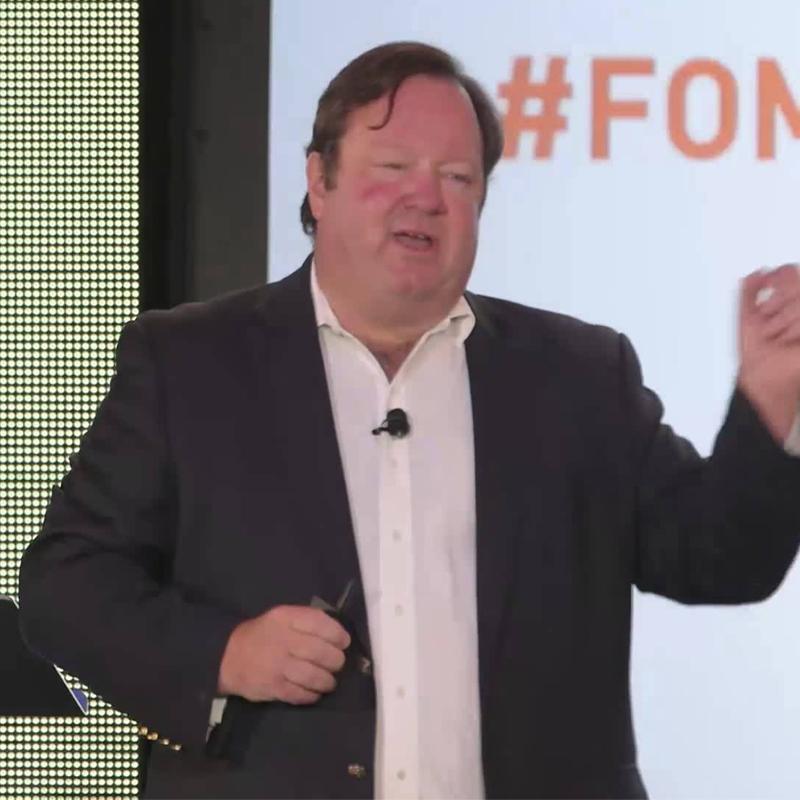
    It is the first major announcement after Viacom’s new acting president and CEO Bob Bakish joined and it comes on Day 1 of his being elevated from his international distribution position. Viacom owns Cartoon Network and MTV among other channels.

    The buy, funded with cash from international operations, not adding to Viacom debt load, will be accretive to Viacom’s 2017 earnings.

    Operating eight regional channels throughout Argentina and streaming services , Telefe International, a pay TV service that is functional in 17 countries, also owns 12 production studios. Its content is distributed in 35 languages in 100 nations. It has close to 33,000 hours of content in its library, while churning out around 3,000 hours annually.

    Bakish said that Telefe was an outstanding broadcast and production business, and the acquisition would give a fillip to their growth strategy in Argentina. The buy brings Viacom significant resources that spread beyond the core broadcast network and beyond Argentina’s borders.

    In around 50 years, Viacom would become the first American company to operate a FTA (free-to-air) channel in Argentina.

    Sources indicate that some of the shows from its Spanish language could find traction on Viacom18’s English language Colors Infinity and as fiction and non-fiction formats on the local language channels it runs jointly with Reliance Industries in India.

  • Viacom buys Telefe for US$ 345 million

    Viacom buys Telefe for US$ 345 million

    MUMBAI: Viacom Inc, the owner of Nickelodeon, MTV and Comedy Central, in an attempt to expand its Latin America footprint, has signed a deal to buy Argentina’s largest broadcast network Telefe from the telecom carrier Telefonica SA for US$ 345 million (Rs 2336 crore) in cash.Through a network of channels, Telefe reaches 95 per cent of Argentina’s households.

    The deal to purchase the Spanish-language content producer, that commands 33% Argentina’s TV audience share, is part of Viacom’s plan to upgrade its market in Argentina and Latin America.

    It is the first major announcement after Viacom’s new acting president and CEO Bob Bakish joined and it comes on Day 1 of his being elevated from his international distribution position. Viacom owns Cartoon Network and MTV among other channels.

    The buy, funded with cash from international operations, not adding to Viacom debt load, will be accretive to Viacom’s 2017 earnings.

    Operating eight regional channels throughout Argentina and streaming services , Telefe International, a pay TV service that is functional in 17 countries, also owns 12 production studios. Its content is distributed in 35 languages in 100 nations. It has close to 33,000 hours of content in its library, while churning out around 3,000 hours annually.

    Bakish said that Telefe was an outstanding broadcast and production business, and the acquisition would give a fillip to their growth strategy in Argentina. The buy brings Viacom significant resources that spread beyond the core broadcast network and beyond Argentina’s borders.

    In around 50 years, Viacom would become the first American company to operate a FTA (free-to-air) channel in Argentina.

    Sources indicate that some of the shows from its Spanish language could find traction on Viacom18’s English language Colors Infinity and as fiction and non-fiction formats on the local language channels it runs jointly with Reliance Industries in India.

  • Goel & Dhoot speak Dish TV-Videocon d2h merger

    Goel & Dhoot speak Dish TV-Videocon d2h merger

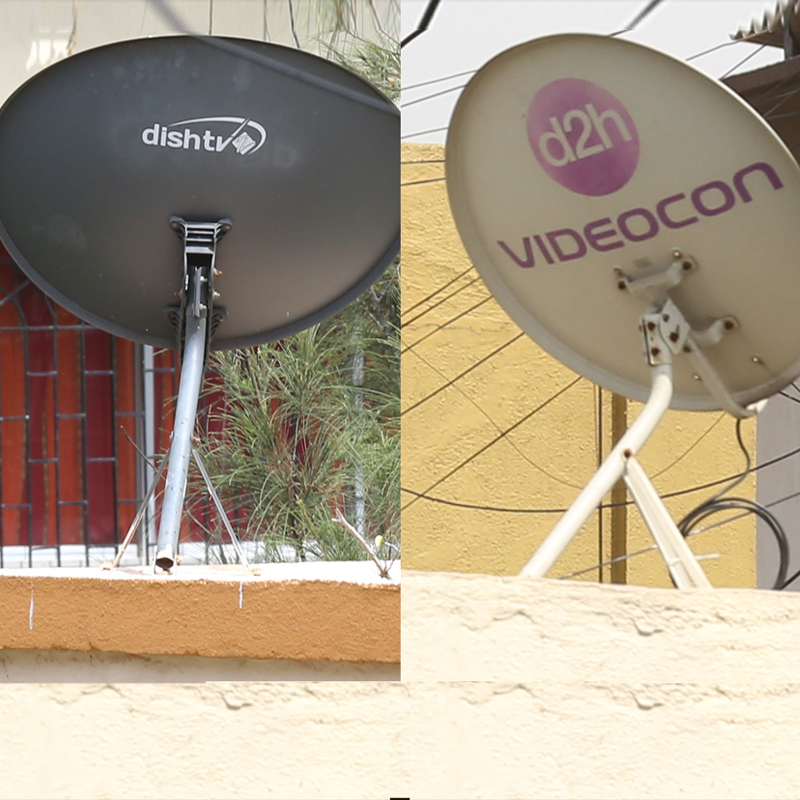
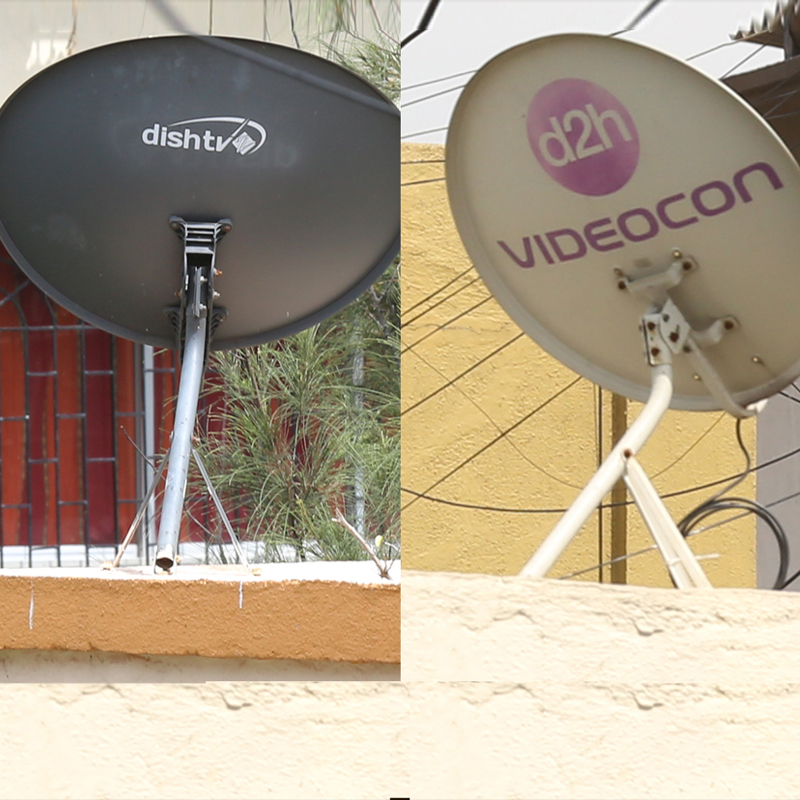
    MUMBAI: It was earlier this year that mainstream media was going berserk with the speculation that India’s largest pay TV operator Dish TV was going to acquire the the Dhoot family run rival DTH service Videocon d2h. Repeated denials by Dish TV did nothing to restrain hacks from reporting that an acquisition was almost done. But the facts are out now. Speaking to CNBC TV18 last weekend Dish TV India managing director Jawahar Goel said that “the arrangement of the scheme is merger and we never envisaged a buyout.” Which is probably why most journos got it wrong.

    Goel informed CNBC TV18 that he would be chairman & managing director of the new entity, while Saurabh Dhoot will be the deputy managing director. The Dhoot family can also appoint another nominee as vice-chairman of the board. The merger will result in a new pay TV operator with 27.6 million subscribers, commanding 16 per cent or so of the Indian pay TV market.

    “The two brands Dish TV and Videocon d2h will continue to operate as distinct brands in the market,” Dhoot clarified to the business news channel.

    He added that “both the families – the Goel family and the Dhoot family are very closely associated since a decade, this is really a family affair.”

    Post the merger, Dish TV and the public will end up with 36 per cent equity each, while Videocon d2h will have 28 per cent of the equity of Dish TV Videocon. Dhoot further clarified that “Dish TV shareholders would comprise of in terms of ownership of the new entity of 55.4 percent and so around 45 percent would be owned by Videocon D2H shareholders. Dish TV shareholders would own something like 1066 million shares, Videocon d2hshareholders would own 857 million shares and this is an all stock combination swap ratio reflecting the relative values of each business across operating like financial and trading metrics. So subscribers and subscriber addition is factored in, revenue, earnings before interest, taxes, depreciation, and amortization (EBITDA) and growth is factored in and trading metrics are also factored in, so the combination combine Dish’ scale and profitability with d2h scale and growth and the scale and efficiency benefit emanating from such a combination will be a win-win for all stakeholders.”

    Goel pointed out that the merger will likely take around seven to eight months and the benefits of the reasonably debt cost that Dish TV enjoys will be passed on to the merged entity. Said he: (The debt) will be around Rs 2,100 crore and EBITDA as reported in the last financial numbers in the past it is around Rs 1,800-1,900 crore…. and the debt will definitely will be the Dish TV debt, which will be coming at the same price or a better price going forward – – so the problem of high cost of debt should not be there.”

    But, most importantly, added Dhoot that “the merger would lead to significant cost synergies as well as enhance our ability to grow alternate revenue streams like carriage, advertising, value added services, new channel launches and these are all highly margin accretive. So the proposed combination shall create scale benefits for all stakeholders. There will be better growth opportunities for employees, sales and service networks, larger distribution network, but from an economic standpoint for our shareholders, which includes the existing Dish TV and Videocon D2H shareholders the merged entity will drive value unlocking from combine sourcing, purchasing, product development, improved distribution, customer service and net support, network and infrastructure consolidation and capex. “

    Clearly, one plus one could end up being more than two in this case.

  • Goel & Dhoot speak Dish TV-Videocon d2h merger

    Goel & Dhoot speak Dish TV-Videocon d2h merger

    MUMBAI: It was earlier this year that mainstream media was going berserk with the speculation that India’s largest pay TV operator Dish TV was going to acquire the the Dhoot family run rival DTH service Videocon d2h. Repeated denials by Dish TV did nothing to restrain hacks from reporting that an acquisition was almost done. But the facts are out now. Speaking to CNBC TV18 last weekend Dish TV India managing director Jawahar Goel said that “the arrangement of the scheme is merger and we never envisaged a buyout.” Which is probably why most journos got it wrong.

    Goel informed CNBC TV18 that he would be chairman & managing director of the new entity, while Saurabh Dhoot will be the deputy managing director. The Dhoot family can also appoint another nominee as vice-chairman of the board. The merger will result in a new pay TV operator with 27.6 million subscribers, commanding 16 per cent or so of the Indian pay TV market.

    “The two brands Dish TV and Videocon d2h will continue to operate as distinct brands in the market,” Dhoot clarified to the business news channel.

    He added that “both the families – the Goel family and the Dhoot family are very closely associated since a decade, this is really a family affair.”

    Post the merger, Dish TV and the public will end up with 36 per cent equity each, while Videocon d2h will have 28 per cent of the equity of Dish TV Videocon. Dhoot further clarified that “Dish TV shareholders would comprise of in terms of ownership of the new entity of 55.4 percent and so around 45 percent would be owned by Videocon D2H shareholders. Dish TV shareholders would own something like 1066 million shares, Videocon d2hshareholders would own 857 million shares and this is an all stock combination swap ratio reflecting the relative values of each business across operating like financial and trading metrics. So subscribers and subscriber addition is factored in, revenue, earnings before interest, taxes, depreciation, and amortization (EBITDA) and growth is factored in and trading metrics are also factored in, so the combination combine Dish’ scale and profitability with d2h scale and growth and the scale and efficiency benefit emanating from such a combination will be a win-win for all stakeholders.”

    Goel pointed out that the merger will likely take around seven to eight months and the benefits of the reasonably debt cost that Dish TV enjoys will be passed on to the merged entity. Said he: (The debt) will be around Rs 2,100 crore and EBITDA as reported in the last financial numbers in the past it is around Rs 1,800-1,900 crore…. and the debt will definitely will be the Dish TV debt, which will be coming at the same price or a better price going forward – – so the problem of high cost of debt should not be there.”

    But, most importantly, added Dhoot that “the merger would lead to significant cost synergies as well as enhance our ability to grow alternate revenue streams like carriage, advertising, value added services, new channel launches and these are all highly margin accretive. So the proposed combination shall create scale benefits for all stakeholders. There will be better growth opportunities for employees, sales and service networks, larger distribution network, but from an economic standpoint for our shareholders, which includes the existing Dish TV and Videocon D2H shareholders the merged entity will drive value unlocking from combine sourcing, purchasing, product development, improved distribution, customer service and net support, network and infrastructure consolidation and capex. “

    Clearly, one plus one could end up being more than two in this case.

  • Dish TV Videocon: Building a DTH powerhouse of global reckoning

    Dish TV Videocon: Building a DTH powerhouse of global reckoning

    MUMBAI: It’s a reflection of what’s hitting the corporate world globally – consolidate and build global scale. And scale is important in television distribution – whether cable, satellite or terrestrial or direct to home (DTH). Yesterday’s announcement of — what was speculated for nearly a year – the merger of India’s No 1 DTH operator Dish TV India with India’s fastest growing DTH player Videocon d2h – is a reflection of that trend and the building of a DTH powerhouse and pay TV operator.

    The merger has created a pay TV behemoth unrivalled in TV  distribution in the Indian market (let’s discount the public service terrestrial broadcaster Doordarshan and its satellite service FreeDish). The next Indian private DTH provider is less than half the size of the merged entity’s  size in pure net subscriber terms.

    A collective 27.6 million subs  for the combo firm Dish TV Videocon places it just behind the US-based DirecTV (which is now owned by AT&T) with its 37.6 million subs.  That’s a number which is hard to ignore. Much senior players such as Sky in the UK and dishnetwork in the US have just 21 million subs and 13.6 million subs, respectively.

    Of course, one may argue that ARPUs in India are wafer thin at about $3 or so per subscriber and revenues too are minuscule for the DTH operators.  ARPUs for Sky which is so much smaller than Dish TV Videocon are around pounds sterling 47 while these are at $111 at DirecTV which is far bigger.

    Team Dish TV led by Jawahar Goel and his CEO Arun Kapoor have reason to celebrate. For the fusion of the two players has created an enterprise that probably has overtaken his elder brother Subhash Chandra’s Zee Entertainment Enterprises in terms of EBIDTA and in revenue.  And what must be even more pleasing is that Dish TV has been operational for fewer years than Zee Entertainment which has led the cable and satellite TV revolution in India since the early nineties.

    Ditto for team Videocon d2h that is led by the executive chairman Saurabh Pradeep Kumar Dhoot and CEO Anil Khera. The last entrant in the DTH game, the merger has catapulted it into the leadership position in India.

    True, the market capitalization of Dish TV  (alone) is  Rs 9,321.1 crore  and Videocon d2h is being merged at an equity valuation of around Rs 7,200 crore and at an enterprise value of around  Rs 9,000-odd crore (as per reports) as compared to Zee Entertainment’s Rs 46,284 crore and Sun TV’s Rs 19,747 crore . The market capitalization value of  Dish TV Videocon has yet to be calculated at the time of writing but there’s no doubt it will skyrocket substantially post the completion of the merger in the next six to seven months.

    What does the fusion mean for DishTV Videocon?

    For one, lower costs. On almost every front.

    Imagine the negotiating power it will have with broadcasters on content pricing. Carriage and placement fees will end up being substantial. It  will be in a position to get better rates on hardware, middleware, ERP software, consumer premise equipment. And then, the two companies’ administration and sales teams could also be streamlined to form a formidable lean and mean sales force. Both have vast and deep distribution strengths. While Dish TV has 2,268 distributors, 244,688 dealers and 1090 service franchises across 9322 towns, Videocon d2h has 2280 distributors and direct dealers, 230,000 dealers/retailers and 320 direct service centres nationally. A consolidation of this could also yield cost benefits.

    A PhillipCapital estimate to CNBC TV18 was that the synergy benefit at the EBIDTA level would be between Rs 300 crore to 350 crore from year two onwards.

    The lower costs could allow Dish TV Videocon to also pass on the benefits to consumers and possibly start a price war, should it choose to, and thus attracting subscribers from cable TV or other DTH providers, in the process scaling up even further.

    Dish TV Videocon’s value-added services (VAS) will get a collective boost as these could be cross-promoted between the platforms. Its scale will allow it to negotiate better advertising deals for the two services opening screens, sponsorships and on TVCs.

    Most importantly, the combined entity will end up with a robust financial report card with revenues of Rs 5,915.8 crore ($883 million) for the year ended 31 March 2016.  The figure for the first half of the current fiscal (H1-2017) is at Rs 3,100 crore. That means one can expect it to cross the $1 billion topline milestone either by end this year or mid next.

    Dish TV Videocon’s EBIDTA margins too look  healthy at 31 per cent and absolute last-fiscal-year figures of Rs 1,826 crore ($274 million). The figure for H12017 is at Rs 1,040 crore. EBIDTA minus capex stands at a puny Rs 195 crore ($29 million) but that’s significantly higher than the Rs 116.5 crore of DishTV and Rs 78.5 crore of Videocon d2h, individually. In H12017, that figure had already climbed to Rs 190 crore. The merged entity will have a net debt load of Rs 2161 crore ($323 million). H1 2017, however,  saw that climb to Rs 2660 crore.

    How Dish TV Videocon will service this higher debt – whether it will be through internal accruals or through an external cash infusion – is a question. Both the firms have to also grapple with subscriber acquisition costs  – at around Rs 1500 for Dish TV at the end of March 2016 and at Rs 1,869 for Videocon d2h at the end of 30 September 2016. But, the good part is that both have generated net profits and free cash flows.

    The combined entity will end up with close to 2.8 million HD subscribers, which is around 10 per cent of the overall subscribers. These higher ARPU customers are also growing rapidly, forming around 50 per cent of the net adds.

    Now, one does not know the ambitions that the Goel and Dhoot families are harbouring. Will they go for further scale in a few years once the merger gets digested? Will they acquire other Indian DTH players as competitive forces compel further consolidation? Will they go outside and look for opportunities elsewhere in more mature and developed pay TV markets?

    It appears as if  the road to that journey may have just begun.

    Also read:

    http://www.indiantelevision.com/dth/dth-operator/videocon-d2h-to-merge-with-dish-tv-create-leading-cable-satellite-distribution-platform-in-india-161111


  • Dish TV Videocon: Building a DTH powerhouse of global reckoning

    Dish TV Videocon: Building a DTH powerhouse of global reckoning

    MUMBAI: It’s a reflection of what’s hitting the corporate world globally – consolidate and build global scale. And scale is important in television distribution – whether cable, satellite or terrestrial or direct to home (DTH). Yesterday’s announcement of — what was speculated for nearly a year – the merger of India’s No 1 DTH operator Dish TV India with India’s fastest growing DTH player Videocon d2h – is a reflection of that trend and the building of a DTH powerhouse and pay TV operator.

    The merger has created a pay TV behemoth unrivalled in TV  distribution in the Indian market (let’s discount the public service terrestrial broadcaster Doordarshan and its satellite service FreeDish). The next Indian private DTH provider is less than half the size of the merged entity’s  size in pure net subscriber terms.

    A collective 27.6 million subs  for the combo firm Dish TV Videocon places it just behind the US-based DirecTV (which is now owned by AT&T) with its 37.6 million subs.  That’s a number which is hard to ignore. Much senior players such as Sky in the UK and dishnetwork in the US have just 21 million subs and 13.6 million subs, respectively.

    Of course, one may argue that ARPUs in India are wafer thin at about $3 or so per subscriber and revenues too are minuscule for the DTH operators.  ARPUs for Sky which is so much smaller than Dish TV Videocon are around pounds sterling 47 while these are at $111 at DirecTV which is far bigger.

    Team Dish TV led by Jawahar Goel and his CEO Arun Kapoor have reason to celebrate. For the fusion of the two players has created an enterprise that probably has overtaken his elder brother Subhash Chandra’s Zee Entertainment Enterprises in terms of EBIDTA and in revenue.  And what must be even more pleasing is that Dish TV has been operational for fewer years than Zee Entertainment which has led the cable and satellite TV revolution in India since the early nineties.

    Ditto for team Videocon d2h that is led by the executive chairman Saurabh Pradeep Kumar Dhoot and CEO Anil Khera. The last entrant in the DTH game, the merger has catapulted it into the leadership position in India.

    True, the market capitalization of Dish TV  (alone) is  Rs 9,321.1 crore  and Videocon d2h is being merged at an equity valuation of around Rs 7,200 crore and at an enterprise value of around  Rs 9,000-odd crore (as per reports) as compared to Zee Entertainment’s Rs 46,284 crore and Sun TV’s Rs 19,747 crore . The market capitalization value of  Dish TV Videocon has yet to be calculated at the time of writing but there’s no doubt it will skyrocket substantially post the completion of the merger in the next six to seven months.

    What does the fusion mean for DishTV Videocon?

    For one, lower costs. On almost every front.

    Imagine the negotiating power it will have with broadcasters on content pricing. Carriage and placement fees will end up being substantial. It  will be in a position to get better rates on hardware, middleware, ERP software, consumer premise equipment. And then, the two companies’ administration and sales teams could also be streamlined to form a formidable lean and mean sales force. Both have vast and deep distribution strengths. While Dish TV has 2,268 distributors, 244,688 dealers and 1090 service franchises across 9322 towns, Videocon d2h has 2280 distributors and direct dealers, 230,000 dealers/retailers and 320 direct service centres nationally. A consolidation of this could also yield cost benefits.

    A PhillipCapital estimate to CNBC TV18 was that the synergy benefit at the EBIDTA level would be between Rs 300 crore to 350 crore from year two onwards.

    The lower costs could allow Dish TV Videocon to also pass on the benefits to consumers and possibly start a price war, should it choose to, and thus attracting subscribers from cable TV or other DTH providers, in the process scaling up even further.

    Dish TV Videocon’s value-added services (VAS) will get a collective boost as these could be cross-promoted between the platforms. Its scale will allow it to negotiate better advertising deals for the two services opening screens, sponsorships and on TVCs.

    Most importantly, the combined entity will end up with a robust financial report card with revenues of Rs 5,915.8 crore ($883 million) for the year ended 31 March 2016.  The figure for the first half of the current fiscal (H1-2017) is at Rs 3,100 crore. That means one can expect it to cross the $1 billion topline milestone either by end this year or mid next.

    Dish TV Videocon’s EBIDTA margins too look  healthy at 31 per cent and absolute last-fiscal-year figures of Rs 1,826 crore ($274 million). The figure for H12017 is at Rs 1,040 crore. EBIDTA minus capex stands at a puny Rs 195 crore ($29 million) but that’s significantly higher than the Rs 116.5 crore of DishTV and Rs 78.5 crore of Videocon d2h, individually. In H12017, that figure had already climbed to Rs 190 crore. The merged entity will have a net debt load of Rs 2161 crore ($323 million). H1 2017, however,  saw that climb to Rs 2660 crore.

    How Dish TV Videocon will service this higher debt – whether it will be through internal accruals or through an external cash infusion – is a question. Both the firms have to also grapple with subscriber acquisition costs  – at around Rs 1500 for Dish TV at the end of March 2016 and at Rs 1,869 for Videocon d2h at the end of 30 September 2016. But, the good part is that both have generated net profits and free cash flows.

    The combined entity will end up with close to 2.8 million HD subscribers, which is around 10 per cent of the overall subscribers. These higher ARPU customers are also growing rapidly, forming around 50 per cent of the net adds.

    Now, one does not know the ambitions that the Goel and Dhoot families are harbouring. Will they go for further scale in a few years once the merger gets digested? Will they acquire other Indian DTH players as competitive forces compel further consolidation? Will they go outside and look for opportunities elsewhere in more mature and developed pay TV markets?

    It appears as if  the road to that journey may have just begun.

    Also read:

    http://www.indiantelevision.com/dth/dth-operator/videocon-d2h-to-merge-with-dish-tv-create-leading-cable-satellite-distribution-platform-in-india-161111