Tag: Pathankot

  • NDTV won’t apologise for Pathankot coverage

    MUMBAI: New Delhi Television Ltd (NDTV) has told the Supreme Court that it will not tender an apology for its coverage of the Pathankot airbase terror attack on 2 January 2016.

    Senior advocate Harish Salve, appearing for NDTV, informed a bench of justices AK Sikri and Ashok Bhushan who briefly heard the matter that the channel will not tender an apology for its coverage.

    Law officer solicitor-general Ranjit Kumar said that, since NDTV had refused to furnishing a letter of apology, there was no other option but to hear the matter on merit. The case will be heard after three weeks.

    The government had imposed a one-day blackout order against NDTV India (since held in abeyance) which will be reversed after it offers an apology.

    On 3 November, 2016, the ministry of information & broadcasting (I&B) asked NDTV India to go off-air for a day on 9 November for revealing sensitive details on the Pathankot attack.

    NDTV then moved the apex court challenging the constitutional validity of the order and the provisions of law pursuant to which the said order has purportedly been passed.

    Also Read:

    NDTV India ban reversal: Centre wants apology, counsel seeks time from SC

    Govt hands NDTV India 24-hr ban for breach of content code

    NDTV ban: SC to hear appeal today

  • NDTV ban: SC to hear appeal today

    NDTV ban: SC to hear appeal today

    MUMBAI: The Supreme Court in New Delhi is on Monday scheduled to hear the appeal filed by NDTV against the ban imposed on its NDTV India channel for telecasting security-related information linked to the terrorist attack on the Pathankot air force base earlier this year.

    India’s highest court had, on November 6, deferred the hearing in the case to 5 December, citing reason of no urgency for its hearing. Information and broadcasting ministry had asked NDTV India to go off-air on 9 November after the government accused it of airing sensitive information related to the terror attack on Pathankot base in January.

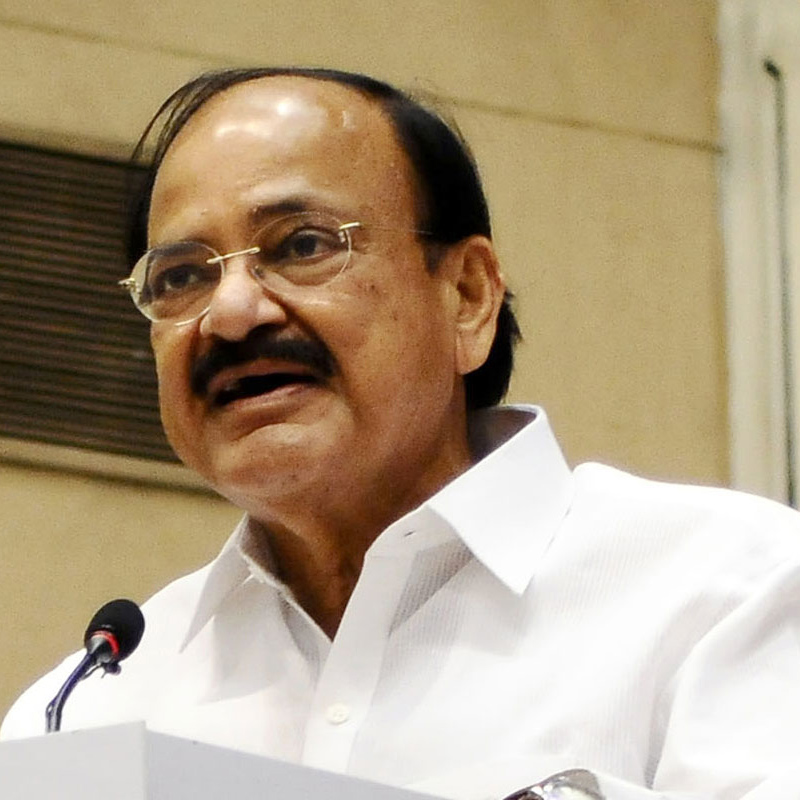
    NDTV had, however, refuted the allegations stating that other channels had also reported the same. Information and broadcasting minister M. Venkaiah Naidu however supported the ban, stating that it was in the interest of India’s security.

    Major media organisations and journalists condemned the ban and protested against it, comparing it with the emergency when the right of the freedom of press was violated.

    Naidu had earlier said that there have been only two cases in the past two years and the current year where the government put on hold its orders asking TV channels to prohibit transmission for limited time.

    These relate to channel DY 365 for a news broadcast on 12 June 2014 and the NDTV India for a report on 4 January 2016, Naidu told the Parliament. In both cases, he said, the channels had made representations to the ministry which were under consideration.

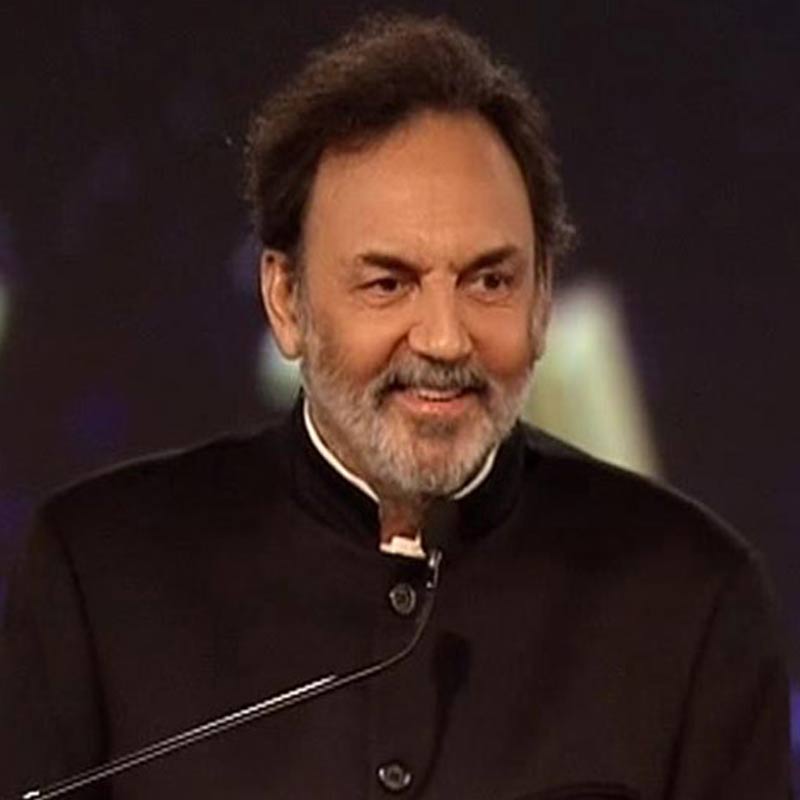
    In a separate case, Prannoy Roy and family-controlled NDTV heaved a sigh of relief. The channel had got a notice from SEBI in June 2016 for alleged violation of takeover norms with respect to timely disclosure of share transactions of its promoters. With regards to their petition to the Delhi High Court, the date of the hearing, which was 29 November. was adjourned to 17 January 2017.

    Also read

    http://www.indiantelevision.com/regulators/ib-ministry/telecast-ban-withheld-in-two-of-31-cases-no-imc-recast-plan-161203

    http://www.indiantelevision.com/television/tv-channels/news-broadcasting/limited-punitive-action-taken-against-31-tv-channels-in-11-years-161126

    http://www.indiantelevision.com/television/tv-channels/news-broadcasting/ndtv-india-ban-sc-to-hear-appeal-on-5-dec-govt-may-restructure-review-panel-161109

  • NDTV ban: SC to hear appeal today

    NDTV ban: SC to hear appeal today

    MUMBAI: The Supreme Court in New Delhi is on Monday scheduled to hear the appeal filed by NDTV against the ban imposed on its NDTV India channel for telecasting security-related information linked to the terrorist attack on the Pathankot air force base earlier this year.

    India’s highest court had, on November 6, deferred the hearing in the case to 5 December, citing reason of no urgency for its hearing. Information and broadcasting ministry had asked NDTV India to go off-air on 9 November after the government accused it of airing sensitive information related to the terror attack on Pathankot base in January.

    NDTV had, however, refuted the allegations stating that other channels had also reported the same. Information and broadcasting minister M. Venkaiah Naidu however supported the ban, stating that it was in the interest of India’s security.

    Major media organisations and journalists condemned the ban and protested against it, comparing it with the emergency when the right of the freedom of press was violated.

    Naidu had earlier said that there have been only two cases in the past two years and the current year where the government put on hold its orders asking TV channels to prohibit transmission for limited time.

    These relate to channel DY 365 for a news broadcast on 12 June 2014 and the NDTV India for a report on 4 January 2016, Naidu told the Parliament. In both cases, he said, the channels had made representations to the ministry which were under consideration.

    In a separate case, Prannoy Roy and family-controlled NDTV heaved a sigh of relief. The channel had got a notice from SEBI in June 2016 for alleged violation of takeover norms with respect to timely disclosure of share transactions of its promoters. With regards to their petition to the Delhi High Court, the date of the hearing, which was 29 November. was adjourned to 17 January 2017.

    Also read

    http://www.indiantelevision.com/regulators/ib-ministry/telecast-ban-withheld-in-two-of-31-cases-no-imc-recast-plan-161203

    http://www.indiantelevision.com/television/tv-channels/news-broadcasting/limited-punitive-action-taken-against-31-tv-channels-in-11-years-161126

    http://www.indiantelevision.com/television/tv-channels/news-broadcasting/ndtv-india-ban-sc-to-hear-appeal-on-5-dec-govt-may-restructure-review-panel-161109

  • NDTV gets additional time in SEBI case

    NDTV gets additional time in SEBI case

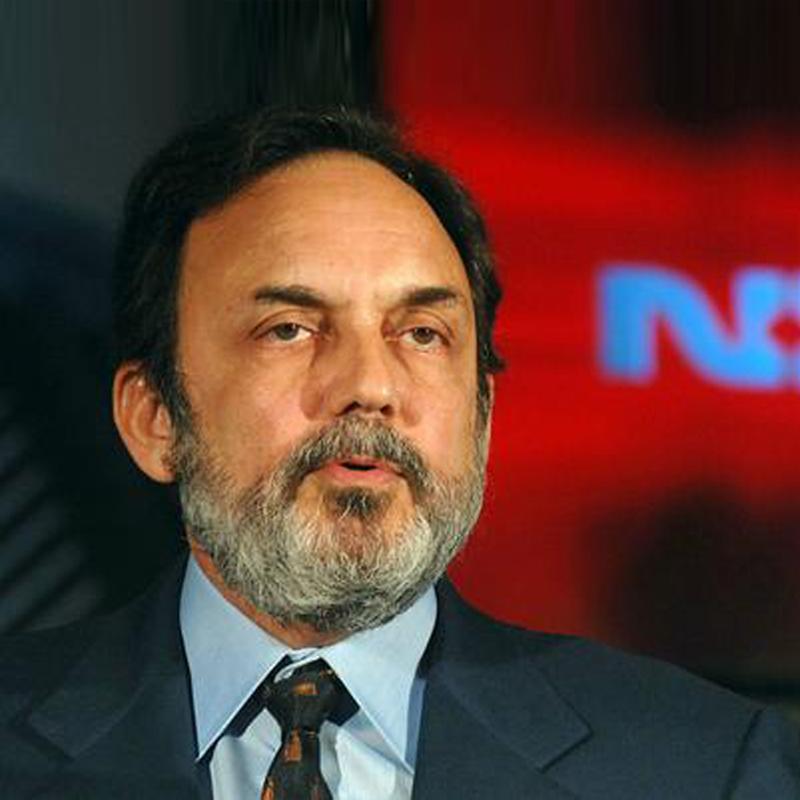
    MUMBAI: Prannoy Roy and family-controlled NDTV India can heave a sigh of relief. The channel had got a notice by the market regulator Securities and Exchange Board of India (SEBI) in June 2016 for alleged violation of takeover norms with respect to timely disclosure of some share transactions of its promoters.

    With regards to their petition to the Delhi High Court, the date of the hearing which was 29 November 2016 has been adjourned to 17 January 2017. The change in date was announced on the BSE today.

    “The company and its promoters have, on 13 June 2016, received Show Cause Notices (SCNs) issued by Sebi with regard to certain non-compliance related to delay/non-filing of disclosures in the previous years under Sebi Takeover Regulations,” NDTV said in a regulatory filing to BSE.

    The company further said it is “of the opinion that the alleged non-compliance referred in SCN are technical/ procedural in nature,” and it is seeking legal advice to take appropriate action in the said matter.

    NDTV was recently directed by the government to go off air for 24 hours from 9 November 2016 as a penalty for breaching telecast norms related to security issues. The channel was accused of airing images and revealing information regarding defence locations while covering the Pathankot terrorist attack a few months back.

    In an another development, the News Broadcasting Standards Authority (NBSA), the self-regulatory body of news channels under the News Broadcasters’ Association ( NBA) late last month asked NDTV, the English news channel, to air an apology for showing an incorrect map of India. The letter from NBA to NDTV stated the complaint was studied and the channel was directed to run an apology (full screen) prior to 9 pm on 5 November.

  • NDTV gets additional time in SEBI case

    NDTV gets additional time in SEBI case

    MUMBAI: Prannoy Roy and family-controlled NDTV India can heave a sigh of relief. The channel had got a notice by the market regulator Securities and Exchange Board of India (SEBI) in June 2016 for alleged violation of takeover norms with respect to timely disclosure of some share transactions of its promoters.

    With regards to their petition to the Delhi High Court, the date of the hearing which was 29 November 2016 has been adjourned to 17 January 2017. The change in date was announced on the BSE today.

    “The company and its promoters have, on 13 June 2016, received Show Cause Notices (SCNs) issued by Sebi with regard to certain non-compliance related to delay/non-filing of disclosures in the previous years under Sebi Takeover Regulations,” NDTV said in a regulatory filing to BSE.

    The company further said it is “of the opinion that the alleged non-compliance referred in SCN are technical/ procedural in nature,” and it is seeking legal advice to take appropriate action in the said matter.

    NDTV was recently directed by the government to go off air for 24 hours from 9 November 2016 as a penalty for breaching telecast norms related to security issues. The channel was accused of airing images and revealing information regarding defence locations while covering the Pathankot terrorist attack a few months back.

    In an another development, the News Broadcasting Standards Authority (NBSA), the self-regulatory body of news channels under the News Broadcasters’ Association ( NBA) late last month asked NDTV, the English news channel, to air an apology for showing an incorrect map of India. The letter from NBA to NDTV stated the complaint was studied and the channel was directed to run an apology (full screen) prior to 9 pm on 5 November.

  • Press regulation not called for, says Modi

    Press regulation not called for, says Modi

    NEW DELHI: Prime Minister Narendra Modi has expressed concern over the recent killings of journalists in some parts of the country. He said journalists were losing their lives in the quest for telling the truth was an extremely serious development.

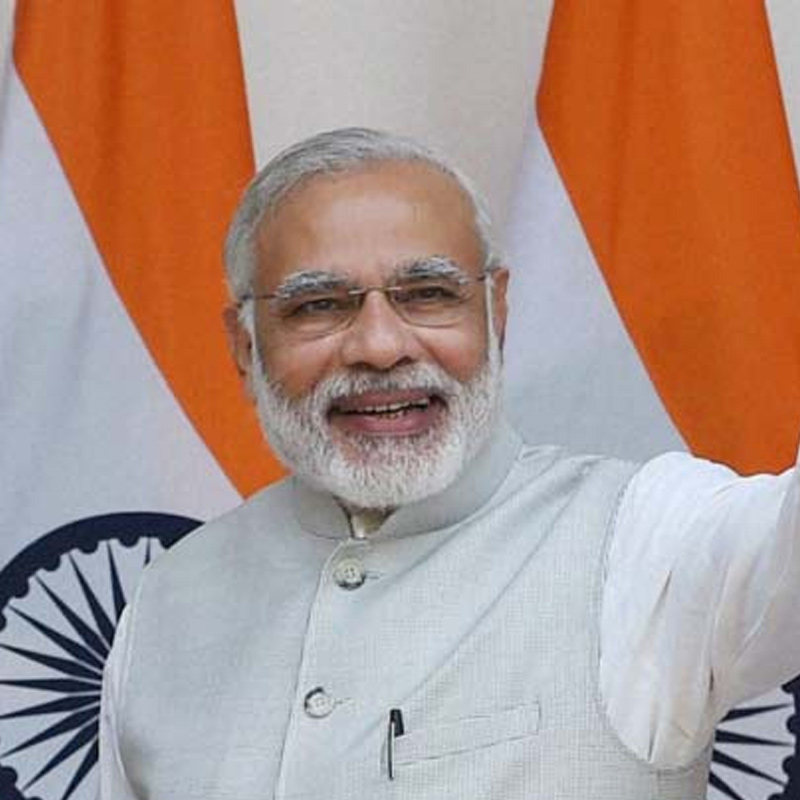
    Modi emphasised the importance of freedom of press, and said press should self-regulate, adding that any external interference or regulation on the press was not called for. Modi was speaking at a function organised by the Press Council of India yesterday on the occasion of National Press Day. The occasion also marks the golden jubilee of the Press Council of India.

    Speaking earlier, information and broadcasting minister M Venkaiah Naidu has said that self-regulation in the media space was the best practice which would uphold journalistic ethics and democratic ideals of the Nation.

    The government does not believe in imposing ban on any medium of communication, but necessary restraint has to be exercised keeping in mind the protection of sovereignty and integrity of India, security of the nation, and law & order situation in the country, he added.

    Naidu recalled that the electronic media coverage of Mumbai terrorist attacks had received a backlash from the Supreme Court, which said “any attempt to justify the conduct of the TV channels by citing the right to freedom of speech and expression would be totally wrong and unacceptable in such a terrorist situation.” He also mentioned the recent case of Pathankot coverage also highlighted how electronic media coverage while reporting could put civilians, armed personnel lives in danger.

    Speaking about the role of the regional media, the minister said the media assumed importance at the regional level due to its proximity with local communities and local language which enhances the participatory potential of citizens. The regional media played an important role in building participatory democracy by reaching out to all the sections of the society and also created an informed citizenry. In a federal polity, regional media with its reach could help align the interests of states with that of the nation thereby enabling the prime minister’s vision of cooperative federalism.

    Regarding the government’s new print media advertisement policy, Naidu said it promoted equity-based regional outreach by providing relaxation in empanelment procedure to provide special encouragement for regional language/dialects small and medium newspapers.

    On the opportunities offered by social media, the minister said that it was a new tool of communication which was spontaneous and interactive. Such a medium was both an opportunity and a challenge. This mode of communication should be used judiciously for larger national and individual good.

    Naidu said the media had a larger role to play in developmental agenda of the nation by proactively projecting flagship programmes of the government such as Swachh Bharat, Digital India, Jan Dhan Yojana, Skill India and Make in India as national programmes which have the potential to bring about change. The media needed to adorn the role of a stakeholder in the developmental process.

    Minister of state Rajyavardhan Rathore and Press Council of India chairman Justice C. K Prasad were also present.

    Eminent journalists and photo- journalists including Surendra Nihal Singh, Mrinal Pande, Raghu Rai, Renjith John, Arvind Kumar Singh, and Xavier Selva Kumar were awarded for excellence in Journalism.

  • Press regulation not called for, says Modi

    Press regulation not called for, says Modi

    NEW DELHI: Prime Minister Narendra Modi has expressed concern over the recent killings of journalists in some parts of the country. He said journalists were losing their lives in the quest for telling the truth was an extremely serious development.

    Modi emphasised the importance of freedom of press, and said press should self-regulate, adding that any external interference or regulation on the press was not called for. Modi was speaking at a function organised by the Press Council of India yesterday on the occasion of National Press Day. The occasion also marks the golden jubilee of the Press Council of India.

    Speaking earlier, information and broadcasting minister M Venkaiah Naidu has said that self-regulation in the media space was the best practice which would uphold journalistic ethics and democratic ideals of the Nation.

    The government does not believe in imposing ban on any medium of communication, but necessary restraint has to be exercised keeping in mind the protection of sovereignty and integrity of India, security of the nation, and law & order situation in the country, he added.

    Naidu recalled that the electronic media coverage of Mumbai terrorist attacks had received a backlash from the Supreme Court, which said “any attempt to justify the conduct of the TV channels by citing the right to freedom of speech and expression would be totally wrong and unacceptable in such a terrorist situation.” He also mentioned the recent case of Pathankot coverage also highlighted how electronic media coverage while reporting could put civilians, armed personnel lives in danger.

    Speaking about the role of the regional media, the minister said the media assumed importance at the regional level due to its proximity with local communities and local language which enhances the participatory potential of citizens. The regional media played an important role in building participatory democracy by reaching out to all the sections of the society and also created an informed citizenry. In a federal polity, regional media with its reach could help align the interests of states with that of the nation thereby enabling the prime minister’s vision of cooperative federalism.

    Regarding the government’s new print media advertisement policy, Naidu said it promoted equity-based regional outreach by providing relaxation in empanelment procedure to provide special encouragement for regional language/dialects small and medium newspapers.

    On the opportunities offered by social media, the minister said that it was a new tool of communication which was spontaneous and interactive. Such a medium was both an opportunity and a challenge. This mode of communication should be used judiciously for larger national and individual good.

    Naidu said the media had a larger role to play in developmental agenda of the nation by proactively projecting flagship programmes of the government such as Swachh Bharat, Digital India, Jan Dhan Yojana, Skill India and Make in India as national programmes which have the potential to bring about change. The media needed to adorn the role of a stakeholder in the developmental process.

    Minister of state Rajyavardhan Rathore and Press Council of India chairman Justice C. K Prasad were also present.

    Eminent journalists and photo- journalists including Surendra Nihal Singh, Mrinal Pande, Raghu Rai, Renjith John, Arvind Kumar Singh, and Xavier Selva Kumar were awarded for excellence in Journalism.

  • NDTV India ban: SC to hear appeal on 5 Dec; govt may restructure review panel

    NDTV India ban: SC to hear appeal on 5 Dec; govt may restructure review panel

    MUMBAI: It is not going to be easy to gag the freedom of press. NDTV India’s appeal against the one-day ban on its Hindi channel will be heard next month by the Supreme Court.

    NDTV has challenged the ban for violating the constitutional right to free speech and expression.

    Appearing for NDTV, Fali Nariman, one of India’s most reputed lawyers, said that, because the government has suspended the ban, there was no urgent need for the court to stay the government’s order that called for a 24-hour ban and that the case could be heard a month later, during which NDTV expects the government to take a final decision.

    The government on November 7 put on hold its order asking NDTV India not to telecast for 24 hours starting 9 November for allegedly flouting norms.

    The Supreme Court adjourned the hearing to December 5 as Attorney General Mukul Rohatgi told Justice A.K. Sikri that there was no real urgency as their plea (by NDTV) for review of the decision was being considered by the government.

    The ban was put on hold by the government after representatives of NDTV met with Information and Broadcasting Minister Venkaiah Naidu. NDTV reiterated that its Hindi channel did not broadcast sensitive details of the terror attack on the Pathankot air base.

    The information and broadcasting (I&B) ministry said it was weighing restructuring the inter-ministerial committee (IMC) which reviews cases of violations in the broadcast media. The ministry was facing criticism for directing NDTV India to go off air for a day.

  • NDTV India ban: SC to hear appeal on 5 Dec; govt may restructure review panel

    NDTV India ban: SC to hear appeal on 5 Dec; govt may restructure review panel

    MUMBAI: It is not going to be easy to gag the freedom of press. NDTV India’s appeal against the one-day ban on its Hindi channel will be heard next month by the Supreme Court.

    NDTV has challenged the ban for violating the constitutional right to free speech and expression.

    Appearing for NDTV, Fali Nariman, one of India’s most reputed lawyers, said that, because the government has suspended the ban, there was no urgent need for the court to stay the government’s order that called for a 24-hour ban and that the case could be heard a month later, during which NDTV expects the government to take a final decision.

    The government on November 7 put on hold its order asking NDTV India not to telecast for 24 hours starting 9 November for allegedly flouting norms.

    The Supreme Court adjourned the hearing to December 5 as Attorney General Mukul Rohatgi told Justice A.K. Sikri that there was no real urgency as their plea (by NDTV) for review of the decision was being considered by the government.

    The ban was put on hold by the government after representatives of NDTV met with Information and Broadcasting Minister Venkaiah Naidu. NDTV reiterated that its Hindi channel did not broadcast sensitive details of the terror attack on the Pathankot air base.

    The information and broadcasting (I&B) ministry said it was weighing restructuring the inter-ministerial committee (IMC) which reviews cases of violations in the broadcast media. The ministry was facing criticism for directing NDTV India to go off air for a day.

  • NDTV challenges I&B Ministry order in Supreme Court

    NDTV challenges I&B Ministry order in Supreme Court

    MUMBAI: NDTV has challenged in the Supreme Court the I&B Ministry’s order of one-day ban on its Hindi news channel NDTV India. The Ministry of Information & Broadcasting (MIB) had directed NDTV India to go off air for 24 hours from 9 November 2016 00:01 hrs as a penalty for showing strategically-sensitive information while covering the Pathankot military operation in January this year.

    In response, the company argued that it was not the only channel that disclosed the information for which it is being penalised. NDTV has petitioned the Supreme Court challenging the order.

    In a BSE filing, the news network said that it has filed a writ petition before the Supreme Court, inter-alia, challenging the constitutional validity of the said order, and the provisions of law pursuant to which the said order has purportedly been passed.

    The Editors Guild of India, the Broadcast Editors Association (BEA), the News Broadcasters Association (NBA) and several influential personalities such as Rajdeep Sardesai, Sagarika Ghose, Rana Ayyub, Rahul Kanwal, Praveen Swami, and journalists from the channel — Ravish Kumar, etc have shown solidarity towards the channel and have come up in full support against the government’s order. They have demanded its immediate revocation.

    Others such as Zee group chairman Dr Subhash Chandra have said that the government is being soft on NDTV and that the ban should be for a lifetime for daring to carry reports which could harm the country’s security. He additionally said on twitter that if the channel dares to go to court to challenge the ban, its appeal will be rejected.

    The blackout of NDTV India comes at a crucial time when the news channels, apart from covering the current affairs, will be providing extensive coverage of the US Presidential Elections 2016.