Tag: Partho Dasgupta

  • Amagi partners with BARC India to offer monitoring of geo-targeted TV ad-campaigns

    Amagi partners with BARC India to offer monitoring of geo-targeted TV ad-campaigns

    MUMBAI: Amagi Media Labs has entered into a partnership agreement with India’s apex television viewership monitoring body BARC India to help advertisers monitor geo-targeted ad-campaigns of brands across TV channels.

    With this partnership, TV networks offering geo-targeted split of its national channels, including their national and regional feeds will be monitored on a separate basis and will be listed across BARC India’s interfaces. This will help Amagi’s advertisers evaluate their national geo-targeted ad-campaigns on BARC India’s software and as a result will increase the credibility of the concept of geo-targeting advertising.

    “Our partnership with the BARC India is a proof of the increasing ad spends of brands geo-targeting on TV. As competition becomes local, be it large brands or small regional brands all of them need to target specific region as their product has specific regional promotional needs. This will help marketers measure the ROI of their targeted TV campaigns and fine tune their media strategies. It will also be a great tool for our future customers to understand the large and varied audiences they can cater to using Amagi’s patented geo-targeting technology”, said Amagi Media Labs co-founder Baskar Subramanian.

    As the industry’s authoritative voice on TV viewership data, BARC India’s association with Amagi will provide transparent and quality data on geo-targeted advertising, thus enhancing its offering to its own clients, and providing unprecedented insights into the viewership patterns of the diverse and heterogeneous Indian market.

    “BARC India has always endeavored towards providing the media industry with cutting edge viewership and advertising data. Our tie up with Amagi in monitoring geo-targeted advertising is a big step in this direction. As more and more companies opt for geo-targeted advertising, the importance of this data is only growing. This partnership is an essential tool in providing the industry with data that will help them plan their campaigns with deeper insights,” said BARC India CEO Partho Dasgupta.

  • Whether BARC action can stop unethical practices?

    Whether BARC action can stop unethical practices?

    MUMBAI: Can businesses and industries practise their art of selling fairly although they have ‘Fair Practices’ training during academic courses, workshops and several ISO and other certifications? There seems to be the fear of the lawman, and not the law in India. If the traffic cop is watching, nobody would jump a signal on the highway, if the competition or the monopolies regulator is watching closely, none would dare to contravene rules. The case in point is of two television broadcast channels which had been caught trying to influence the sample of a rating agency in order to get higher viewership numbers, which in turn would help them get higher advertising revenue.

    Close on the heels of Tamil Nadu-based Raj TV having been issued a legal notice by audience measurement body Broadcast Audience Research Council (BARC) India, another similar contravention of law has been caught by it.

    The Tamil Nadu-based satellite television network Raj TV was, in March 2016, issued a legal notice by BARC which, as reported by indiantelevision.com, alleged that certain ‘sample’ homes with viewership meters “have been approached and have been asked to watch your channel ‘Raj TV’ in exchange for some financial consideration.”

    And now, BARC India and Kerala TV Federation (KTF) have filed a police complaint with the director-general of Kerala police after the former’s vigilance team received complaints regarding attempts to retrieve addresses of BARC India panel homes and influencing them.

    KTF is a trade body representing Malayalam channels in Kerala. Speaking to indiantelevision.com, Asianet MD and KTF president K Madhavan said that it had facilitated BARC’s police complaint against certain unidentified individuals who are trying to influence sample homes. “More the number of panels, more is the likelihood of such problems,” Madhavan said.

    Thiruvananthapuram-based Federation secretary and Kairali TV MD John Brittas could not be reached for comment on the possible way forward, and concrete action on the ground. But, the fact remains how effective will a mere complaint be, or how efficiently will the local police in the distant state of Kerala act against local unlawful persons on the basis of a complaint from a ratings body based in Mumbai or Delhi.

    The complaint was filed after the BARC India vigilance team’s gathered conclusive evidence of more than one effort to tamper with its TV viewership measurement system in favour of a couple of channels. Preliminary scrutiny by the on-ground vigilance team has confirmed that attempts had been made by some individuals to not only find out addresses of the TV panel homes, but also to incentivise them and influence their viewership.

    These acts of the suspects are a cause for concern for BARC India and the broadcasting community in Kerala, and are allegedly causing financial losses to other channels. Kerala Police are reportedly investigating the matter further.

    As per its established standard operating procedure, BARC India immediately quarantined the impacted panel homes from its TV viewership measurement system to ensure efforts at infiltration don’t impact the ratings of channels operating in the region.

    In the case of Raj TV too, it seemed like a one-off case. “The network, in order to garner higher ratings, was perusing households with the meter boxes to tune in to its channels. BARC found this as a criminal offense and hence have issued a legal notice to the broadcaster,” a source close to the development had said.

    However M Ragunathan, director of marketing at Raj Television Network, had termed the allegations as ‘baseless.’

    It seems BARC is trying its best to send out a strong message to channels and broadcasters that such unethical means of influencing their respective ratings are not going to be taken lightly. BARC is attempting to project that it is not a toothless body. It is the first time that it has filed an FIR after meeting the Kerala director-general of police against these “criminal activities.”

    In the fresh case, Dasgupta, in a statement earlier, said, “TV industry trades on the currency released by BARC India and we understand how important every rating point is to the broadcaster. We have evidence of a couple of broadcasters trying to tamper with our panel homes to improve ratings. We have taken steps to quarantine the affected panel homes. While we have filed a complaint this time, we want the industry to be aware that, going forward, BARC India will stop publishing ratings for those channels found involved in such activities,” he said.

    “Well done, BARC, for taking strong action against those tampering with the system. Must name and shame offenders,” Dentsu Aegis Network South Asia Chairman and CEO Ashish Bhasin has tweeted.

    It remains to be seen whether BARC is going to name or shame the broadcasters in question. It’s over to team BARC.

  • Whether BARC action can stop unethical practices?

    Whether BARC action can stop unethical practices?

    MUMBAI: Can businesses and industries practise their art of selling fairly although they have ‘Fair Practices’ training during academic courses, workshops and several ISO and other certifications? There seems to be the fear of the lawman, and not the law in India. If the traffic cop is watching, nobody would jump a signal on the highway, if the competition or the monopolies regulator is watching closely, none would dare to contravene rules. The case in point is of two television broadcast channels which had been caught trying to influence the sample of a rating agency in order to get higher viewership numbers, which in turn would help them get higher advertising revenue.

    Close on the heels of Tamil Nadu-based Raj TV having been issued a legal notice by audience measurement body Broadcast Audience Research Council (BARC) India, another similar contravention of law has been caught by it.

    The Tamil Nadu-based satellite television network Raj TV was, in March 2016, issued a legal notice by BARC which, as reported by indiantelevision.com, alleged that certain ‘sample’ homes with viewership meters “have been approached and have been asked to watch your channel ‘Raj TV’ in exchange for some financial consideration.”

    And now, BARC India and Kerala TV Federation (KTF) have filed a police complaint with the director-general of Kerala police after the former’s vigilance team received complaints regarding attempts to retrieve addresses of BARC India panel homes and influencing them.

    KTF is a trade body representing Malayalam channels in Kerala. Speaking to indiantelevision.com, Asianet MD and KTF president K Madhavan said that it had facilitated BARC’s police complaint against certain unidentified individuals who are trying to influence sample homes. “More the number of panels, more is the likelihood of such problems,” Madhavan said.

    Thiruvananthapuram-based Federation secretary and Kairali TV MD John Brittas could not be reached for comment on the possible way forward, and concrete action on the ground. But, the fact remains how effective will a mere complaint be, or how efficiently will the local police in the distant state of Kerala act against local unlawful persons on the basis of a complaint from a ratings body based in Mumbai or Delhi.

    The complaint was filed after the BARC India vigilance team’s gathered conclusive evidence of more than one effort to tamper with its TV viewership measurement system in favour of a couple of channels. Preliminary scrutiny by the on-ground vigilance team has confirmed that attempts had been made by some individuals to not only find out addresses of the TV panel homes, but also to incentivise them and influence their viewership.

    These acts of the suspects are a cause for concern for BARC India and the broadcasting community in Kerala, and are allegedly causing financial losses to other channels. Kerala Police are reportedly investigating the matter further.

    As per its established standard operating procedure, BARC India immediately quarantined the impacted panel homes from its TV viewership measurement system to ensure efforts at infiltration don’t impact the ratings of channels operating in the region.

    In the case of Raj TV too, it seemed like a one-off case. “The network, in order to garner higher ratings, was perusing households with the meter boxes to tune in to its channels. BARC found this as a criminal offense and hence have issued a legal notice to the broadcaster,” a source close to the development had said.

    However M Ragunathan, director of marketing at Raj Television Network, had termed the allegations as ‘baseless.’

    It seems BARC is trying its best to send out a strong message to channels and broadcasters that such unethical means of influencing their respective ratings are not going to be taken lightly. BARC is attempting to project that it is not a toothless body. It is the first time that it has filed an FIR after meeting the Kerala director-general of police against these “criminal activities.”

    In the fresh case, Dasgupta, in a statement earlier, said, “TV industry trades on the currency released by BARC India and we understand how important every rating point is to the broadcaster. We have evidence of a couple of broadcasters trying to tamper with our panel homes to improve ratings. We have taken steps to quarantine the affected panel homes. While we have filed a complaint this time, we want the industry to be aware that, going forward, BARC India will stop publishing ratings for those channels found involved in such activities,” he said.

    “Well done, BARC, for taking strong action against those tampering with the system. Must name and shame offenders,” Dentsu Aegis Network South Asia Chairman and CEO Ashish Bhasin has tweeted.

    It remains to be seen whether BARC is going to name or shame the broadcasters in question. It’s over to team BARC.

  • BARC India ropes in Nielsen’s Jamie Kenny as DAM head

    BARC India ropes in Nielsen’s Jamie Kenny as DAM head

    MUMBAI: BARC India has appointed Jamie Kenney as the business head of its digital arm. The move is a part of BARC India’s plan of launching digital audience measurement in the country.

    Jamie has a distinguished career in digital measurement product rollouts from 18 countries spanning from New Zealand, Japan, China, India, Singapore and many more throughout Asia, EU, Latin and South America.

    Prior to join BARC India, Kenny was working with Nielsen in America where he was responsible for strategic digital initiatives, new digital products and expansion, and global digital rollouts, training technical client facing teams to support the rollouts on the ground in 10 countries around the world. He is an expert in the area of Digital Audience Measurement system and has diverse experience in multicultural markets.

    On Kenny’s joining the BARC India family, BARC India CEO Partho Dasgupta said, “After establishing the TV viewership measurement system in the country, we are now moving towards digital audience measurement. Through this, we aim at measuring all forms of online video including ads and content, which will finally culminate in Cross Media measurement.”

    Partho further said, “This is an evolving area worldwide with very few countries having a total solution that we are seeking to have. Jamie in his role will help take BARC India’s digital plans forward.”

    Jamie will be based out of BARC India’s Mumbai office. “While the journey of digital measurement for BARC India is a long and challenging one, in my short time here, I have seen the importance and need for it,” said Kenny.

    “BARC India is working towards measuring the rapidly expanding digital space with the ever-important TV component. Once we launch digital measurement, we will have delivered a cross-platform solution that every major market that I have been to, is craving for,” added Kenny.

    “I can’t wait to work closely with the team at BARC India and the stakeholders that make BARC India continue to drive the industry forward,” concluded Kenny.

  • BARC India ropes in Nielsen’s Jamie Kenny as DAM head

    BARC India ropes in Nielsen’s Jamie Kenny as DAM head

    MUMBAI: BARC India has appointed Jamie Kenney as the business head of its digital arm. The move is a part of BARC India’s plan of launching digital audience measurement in the country.

    Jamie has a distinguished career in digital measurement product rollouts from 18 countries spanning from New Zealand, Japan, China, India, Singapore and many more throughout Asia, EU, Latin and South America.

    Prior to join BARC India, Kenny was working with Nielsen in America where he was responsible for strategic digital initiatives, new digital products and expansion, and global digital rollouts, training technical client facing teams to support the rollouts on the ground in 10 countries around the world. He is an expert in the area of Digital Audience Measurement system and has diverse experience in multicultural markets.

    On Kenny’s joining the BARC India family, BARC India CEO Partho Dasgupta said, “After establishing the TV viewership measurement system in the country, we are now moving towards digital audience measurement. Through this, we aim at measuring all forms of online video including ads and content, which will finally culminate in Cross Media measurement.”

    Partho further said, “This is an evolving area worldwide with very few countries having a total solution that we are seeking to have. Jamie in his role will help take BARC India’s digital plans forward.”

    Jamie will be based out of BARC India’s Mumbai office. “While the journey of digital measurement for BARC India is a long and challenging one, in my short time here, I have seen the importance and need for it,” said Kenny.

    “BARC India is working towards measuring the rapidly expanding digital space with the ever-important TV component. Once we launch digital measurement, we will have delivered a cross-platform solution that every major market that I have been to, is craving for,” added Kenny.

    “I can’t wait to work closely with the team at BARC India and the stakeholders that make BARC India continue to drive the industry forward,” concluded Kenny.

  • Introducing digital measurement is more a political hurdle, than technical

    Introducing digital measurement is more a political hurdle, than technical

    NEW DELHI: Who is afraid of the yardstick, and an authentic one? The digital media has been a victim of many a misnomers. “Easily measurable” media, for example. The assumption stems from advertisers taking their campaigns’ ‘views’ or social media numbers at face value, and not questioning agencies on the effectiveness of paid or inorganic reach gained through proxies or hoax accounts.

    This fundamental lack of understanding or ignorance of duping digital figures comes in the way of measuring effective digital media consumption — an issue that the four-person panel gathered at Broadcast Audience Research Council (BARC) India’s session at Zee MELT were keen to address.

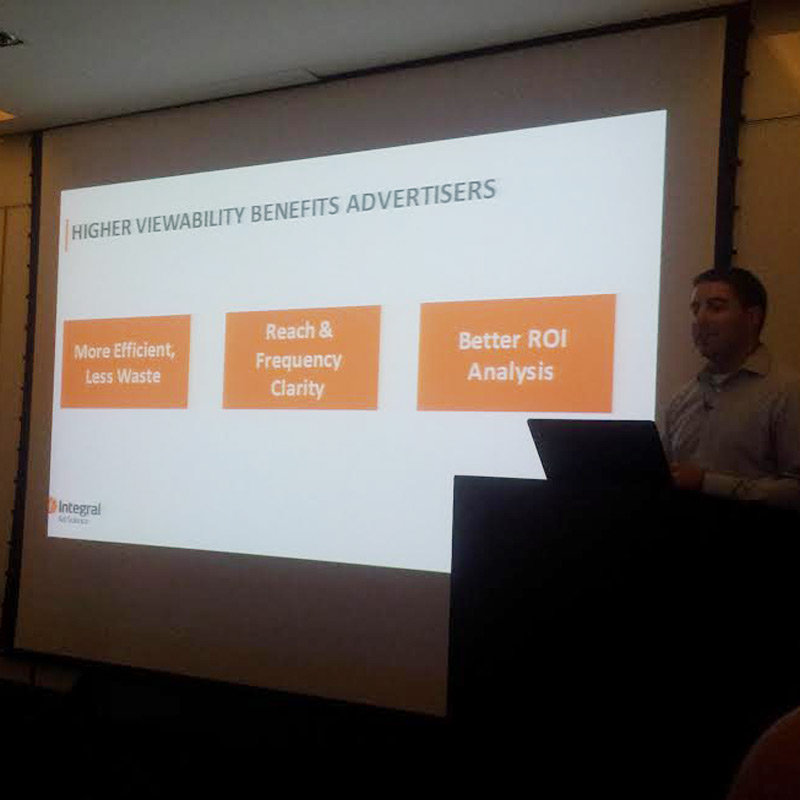
    The panelists were — Integral Ad Science product management VP Brian Murphy, comScore strategic partnerships SVP Paul Goode, Moat APAC director Guy Barbier, and BARC India CEO Partho Dasgupta.

    To put the panel discussion in context, BARC India is on an ambitious mission to roll out digital ratings in the country based on viewability in a few months. The aim is to measure unduplicated audiences across all devices and platforms together through a neutral third-party monitor. If that were achieved, BARC India will become the first rating agency to provide a TV+ digital viewership measurement service across the globe.

    Introducing a standard digital measurability in India was a high mountain hall, thankfully, the country could fast-forward the progress by learning from other mature markets such as the US, and Europe, Murphy suggested.

    “The first lesson learned is to accept that third-party javascript is not commonplace with publishers. There are both, policy and technological limitations,” he said. Secondly, Murphy observed, the stakeholders needed to be open about what could and could not be measured.

    The measurability standards need to be based on a realistic picture, after all.

    The panel also raised concerns that are perhaps unique to emerging markets such as India. From an advertiser’s perspective, a lot of the current digital traffic can be dismissed as invalid (due to duplication or its irrelevance to the brand). Given the fact that India is still at a nascent stage when it comes to digital marketing, will it deter advertisers from investing into the medium? Or else, advertisers can continue to rely on their existing media options that have been fruitful, and avoid the digital medium.

    While India has a relatively cleaner slate, it has already set out on the digital transformation path, however smaller it may be. Thus, there was no turning back for brands, Murphy noted. The real challenge would be to bring brands and publishers to come to terms if the standard measurement data, when rolled out, was below their expectations. “Coming to terms with the fact that you weren’t really getting the numbers you thought you were, is the real challenge,” Goode pointed out.

    The uneven brands-platforms power ratio was discussed as well, keeping in mind the growing digital ecosystem in India. “Those with the advertisement dollars will always have an upper hand. Its true for any market,” said Barbier, adding a global perspective. Traditional TV advertisers in India too are known to flex their muscle when it comes to getting their money’s worth. Advertisers buying spots during cricket matches sometimes refuse to pay the full worth of a spot if a part of the advertisement was cut out due to live coverage limitations, the panel cited.

    When it comes to programmatic media management, the assumption that the digital inventory is endless has been a hindrance to bringing in the advertisement dollars for premium inventory.

    Advertisement blocking was the elephant in the room that the panel dared to address. The panel established the fact that irresponsibly placing advertisement that causes the viewer inconvenience doesn’t serve anyone, be it the publisher or the advertiser. A huge advertisement that dominates the entire screen may not be able to provide an advertiser the desired viewability. On the contrary, it may put off the viewer from the publisher’s content. Success metrics can be driven by content and context, instead of blindly maximizing visibility of a campaign.

    Queuing back to introduction of digital measurement in a new market, the moderator raises the question: on which factors does the success of a digital measurement system depend? Threatened by the disruption that digital measurement may bring into their businesses, several publishers are bound to resist the introduction of a new digital currency, afraid that it will devalue their inventories.

    Broadcasters too are concerned that their metrics may not be able to keep up with that of digital, if both the mediums were to be judged on the basis of viewability numbers.

    Therefore, even after establishing the technological backbone for the measurement system, it cannot take off. This was seen in the case of Spain. Thus, establishing a digital measurement standard is a bigger political challenge than technological.

    When it comes to India, Dasgupta is optimistic that the level of resistance will not hinder the progress of the initiative in the market. “When it comes to videos, our confidence in the system comes from the number of major broadcasting partners that have signed up for this system. Moreover, the biggest push is coming from big brands and the Levers of the world who want an apple to apple comparison between television and digital videos,” Dasgupta concluded on an optimistic note.


  • Introducing digital measurement is more a political hurdle, than technical

    Introducing digital measurement is more a political hurdle, than technical

    NEW DELHI: Who is afraid of the yardstick, and an authentic one? The digital media has been a victim of many a misnomers. “Easily measurable” media, for example. The assumption stems from advertisers taking their campaigns’ ‘views’ or social media numbers at face value, and not questioning agencies on the effectiveness of paid or inorganic reach gained through proxies or hoax accounts.

    This fundamental lack of understanding or ignorance of duping digital figures comes in the way of measuring effective digital media consumption — an issue that the four-person panel gathered at Broadcast Audience Research Council (BARC) India’s session at Zee MELT were keen to address.

    The panelists were — Integral Ad Science product management VP Brian Murphy, comScore strategic partnerships SVP Paul Goode, Moat APAC director Guy Barbier, and BARC India CEO Partho Dasgupta.

    To put the panel discussion in context, BARC India is on an ambitious mission to roll out digital ratings in the country based on viewability in a few months. The aim is to measure unduplicated audiences across all devices and platforms together through a neutral third-party monitor. If that were achieved, BARC India will become the first rating agency to provide a TV+ digital viewership measurement service across the globe.

    Introducing a standard digital measurability in India was a high mountain hall, thankfully, the country could fast-forward the progress by learning from other mature markets such as the US, and Europe, Murphy suggested.

    “The first lesson learned is to accept that third-party javascript is not commonplace with publishers. There are both, policy and technological limitations,” he said. Secondly, Murphy observed, the stakeholders needed to be open about what could and could not be measured.

    The measurability standards need to be based on a realistic picture, after all.

    The panel also raised concerns that are perhaps unique to emerging markets such as India. From an advertiser’s perspective, a lot of the current digital traffic can be dismissed as invalid (due to duplication or its irrelevance to the brand). Given the fact that India is still at a nascent stage when it comes to digital marketing, will it deter advertisers from investing into the medium? Or else, advertisers can continue to rely on their existing media options that have been fruitful, and avoid the digital medium.

    While India has a relatively cleaner slate, it has already set out on the digital transformation path, however smaller it may be. Thus, there was no turning back for brands, Murphy noted. The real challenge would be to bring brands and publishers to come to terms if the standard measurement data, when rolled out, was below their expectations. “Coming to terms with the fact that you weren’t really getting the numbers you thought you were, is the real challenge,” Goode pointed out.

    The uneven brands-platforms power ratio was discussed as well, keeping in mind the growing digital ecosystem in India. “Those with the advertisement dollars will always have an upper hand. Its true for any market,” said Barbier, adding a global perspective. Traditional TV advertisers in India too are known to flex their muscle when it comes to getting their money’s worth. Advertisers buying spots during cricket matches sometimes refuse to pay the full worth of a spot if a part of the advertisement was cut out due to live coverage limitations, the panel cited.

    When it comes to programmatic media management, the assumption that the digital inventory is endless has been a hindrance to bringing in the advertisement dollars for premium inventory.

    Advertisement blocking was the elephant in the room that the panel dared to address. The panel established the fact that irresponsibly placing advertisement that causes the viewer inconvenience doesn’t serve anyone, be it the publisher or the advertiser. A huge advertisement that dominates the entire screen may not be able to provide an advertiser the desired viewability. On the contrary, it may put off the viewer from the publisher’s content. Success metrics can be driven by content and context, instead of blindly maximizing visibility of a campaign.

    Queuing back to introduction of digital measurement in a new market, the moderator raises the question: on which factors does the success of a digital measurement system depend? Threatened by the disruption that digital measurement may bring into their businesses, several publishers are bound to resist the introduction of a new digital currency, afraid that it will devalue their inventories.

    Broadcasters too are concerned that their metrics may not be able to keep up with that of digital, if both the mediums were to be judged on the basis of viewability numbers.

    Therefore, even after establishing the technological backbone for the measurement system, it cannot take off. This was seen in the case of Spain. Thus, establishing a digital measurement standard is a bigger political challenge than technological.

    When it comes to India, Dasgupta is optimistic that the level of resistance will not hinder the progress of the initiative in the market. “When it comes to videos, our confidence in the system comes from the number of major broadcasting partners that have signed up for this system. Moreover, the biggest push is coming from big brands and the Levers of the world who want an apple to apple comparison between television and digital videos,” Dasgupta concluded on an optimistic note.

  • BARC India launches BMW online certification

    BARC India launches BMW online certification

    MUMBAI: The TV audience measurement service BARC India has announced an online certification BARC India Media workstation (BMW), starting from 20 July. Its been more than a year since BARC India launched its TV measurement service.

    Media professionals and analysts working at various Broadcasters, Media Agencies and Advertisers have been trained on the BARC India Media Workstation (BMW), a powerful software application specially designed to analyse media and advertising audience results.

    After having successfully trained over 5000 media professionals on its BMW platform, the industry has been asking for a standardized testing and certification tool that would enable professionals as well as employers/organisations to evaluate their media proficiency.

    The BMW Online Certification will provide a standard for skill measurement and certification of professionals engaged in TV viewership measurement, research & analytics, media planning and sales & marketing, as well as students keen to pursue a career in these fields.

    BMW is a specialised software application specially designed to analyse media and advertising audience results, and subscribers are regularly trained so that they may make productive use of the application. BARC India now encourages BMW users to add the benefits of certification to their profile.

    “The certification programme will not only benefit BMW users by improving their employability quotient, but will also help an organisation appraise the skill level of their employees with the help of a pan-industry measurement standard. Students of media and Marketing courses would also benefit by taking these courses and be market ready” saidBARC India CEO Partho Dasgupta.

  • BARC India launches BMW online certification

    BARC India launches BMW online certification

    MUMBAI: The TV audience measurement service BARC India has announced an online certification BARC India Media workstation (BMW), starting from 20 July. Its been more than a year since BARC India launched its TV measurement service.

    Media professionals and analysts working at various Broadcasters, Media Agencies and Advertisers have been trained on the BARC India Media Workstation (BMW), a powerful software application specially designed to analyse media and advertising audience results.

    After having successfully trained over 5000 media professionals on its BMW platform, the industry has been asking for a standardized testing and certification tool that would enable professionals as well as employers/organisations to evaluate their media proficiency.

    The BMW Online Certification will provide a standard for skill measurement and certification of professionals engaged in TV viewership measurement, research & analytics, media planning and sales & marketing, as well as students keen to pursue a career in these fields.

    BMW is a specialised software application specially designed to analyse media and advertising audience results, and subscribers are regularly trained so that they may make productive use of the application. BARC India now encourages BMW users to add the benefits of certification to their profile.

    “The certification programme will not only benefit BMW users by improving their employability quotient, but will also help an organisation appraise the skill level of their employees with the help of a pan-industry measurement standard. Students of media and Marketing courses would also benefit by taking these courses and be market ready” saidBARC India CEO Partho Dasgupta.

  • BARC India launches mobile app

    BARC India launches mobile app

    MUMBAI: Broadcast Audience Research Council (BARC) India has been beefing up its services ever since it launched last year. Adding another feather to its cap, the television measurement ratings body has launched its mobile app.

    The BARC India mobile app is now available for download on both Android Play Store and IOS App Store.

    The app has been launched in two versions: BARC India BMW Subscriber and Non-Subscriber. Created by Grey Global Group, the app will provide easy access to channel/programme viewership data by genres, thus easing the way TV viewership data is consumed.

    “Our intent was to make the whole process of consuming TV viewership data easy and on the go. With the launch of BARC India mobile app, we have moved a step closer towards that. I am sure that this easy to navigate BARC India app will give both our subscribers and non-subscribers great user experience,” said BARC India CEO Partho Dasgupta.