Tag: Parryware

  • Parryware partners ‘Halkaa’ to take on the challenge of open defecation

    Parryware partners ‘Halkaa’ to take on the challenge of open defecation

    MUMBAI: Indian bathroom brand Parryware has joined hands with Nila Madhab Panda for his upcoming movie Halkaa.

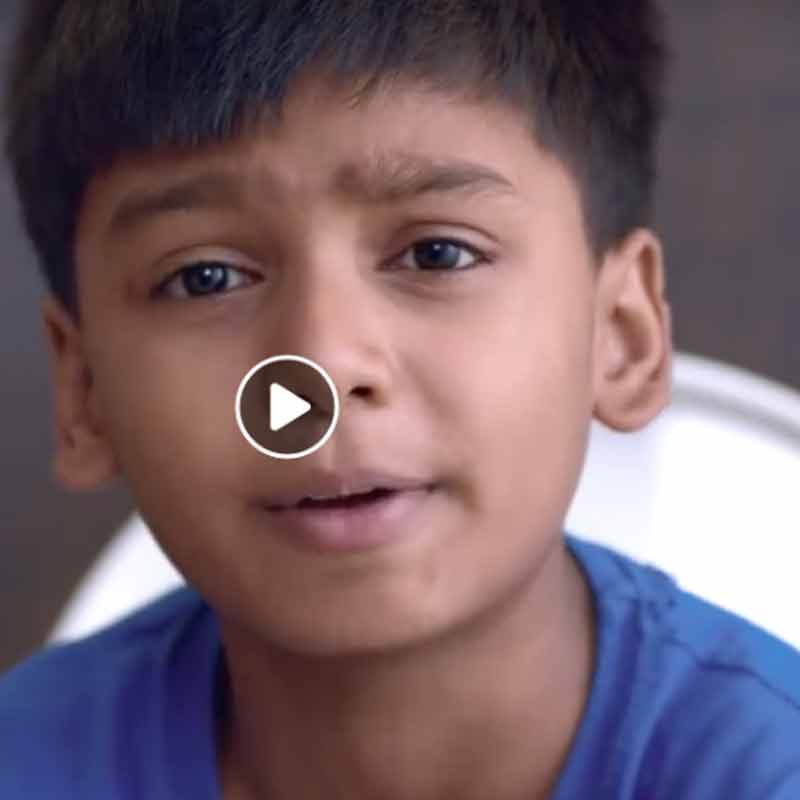
    The film that has traveled to over 15 international film festivals across the globe, essays the story of a slum child's dream to free himself from open defecation and have a toilet of his own. It’s a story of his heroism and aspirations.

    The film also reflects the same and highlights the need to curb open defecation in India. This unique partnership extends to cinemas, retail outlets and digital space; and is another of brand’s cross industry associations. This partnership also launches the second edition of Parryware's loo break campaign in cinemas.

    Post receiving a great response for the first season of ‘Parryware Loo Break’ campaign, India’s contemporary bathroom solutions brand has rolled out the second phase of its national level campaign in association with the Halkaa starring Tathastu, Ranvir Shorey and Paoli Dam.

    https://www.facebook.com/ParrywareIndia/videos/897824940426497/

    The campaign is first of its kind in the industry breaking clutter and making the brand synonymous to loo breaks. The TVC breaks the conventional advertising, where it will mark the beginning of intermission and will be played across 170+ PVR in 35 cities ensuring complete attention of the viewers.

    RBPPL marketing head Mayuri Saikia says, “When the Nilabh’s team came to us with the proposal, we found it to be a perfect fit for both the brands (Parryware & Halkaa) as the film address the key issue of open defecation that Parryware has been consistently advocating for the past 60 years. Films today have emerged as a very effective medium in reaching out to the public and efficiently imparting the message across.”

    Roca bathroom products MD KE Ranganathan adds, “Given the fragmented segment that the brand operates in, bathroom as a category is yet to be claimed and consumers hardly pay attention to multiple brands that they come across in a day during different environments. Post the success of our first Loo Break campaign, the second phase of is aimed at strengthening brand’s popularity in the market and interact with the audience in most unique way making Parryware synonymous with loo breaks.”

    Apart from this, the brand is promoting the partnership and new product launches through innovative PoS at more than 2000 dealer and retailer stores across India.

    Parryware introduced for the first time in India a complete bathroom customer care support during mid 1990s and has since built a strong service network across 30 cities in India.

    Parryware products are manufactured in eight factories across India and is present through a strong distribution network of 7800+ dealers and retailers in the Indian market.
  • The rising trend of coopetition among brands

    The rising trend of coopetition among brands

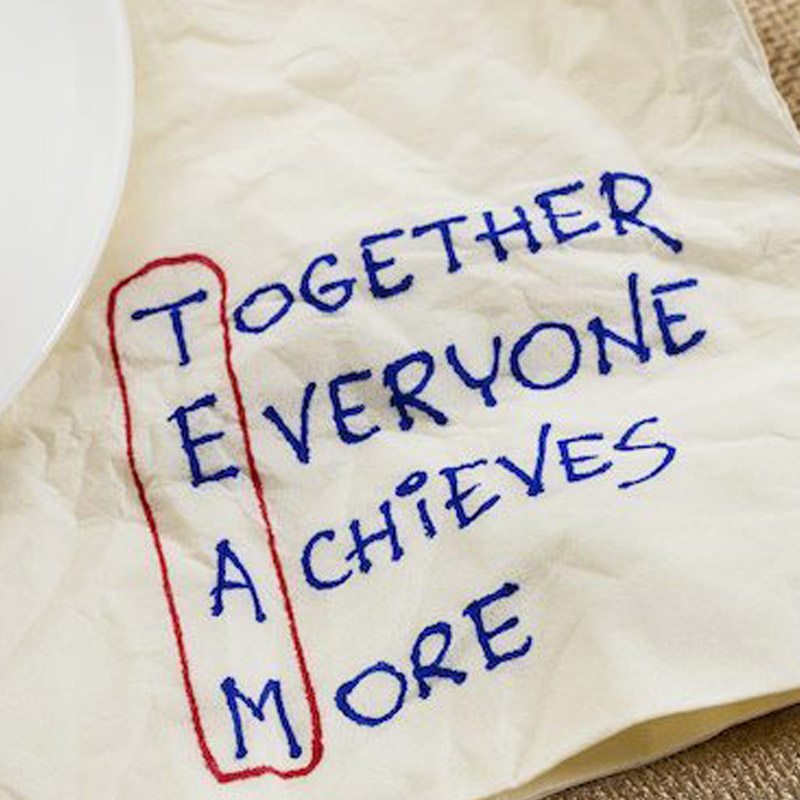
    MUMBAI: Who would have thought that companies would overcome their ego and actually collaborate with other brands to come up with joint advertisements? That is the new trend in the market-coopetition (a combination of cooperative and competition).

    Companies are willing to do anything today, including riding along with other brands just because it will benefit them. Coopetition essentially involves one company advertising through another company, so that each can benefit from the brand loyalty and reputation of the other. It is also called brand partnership and the term is relatively new to the business vocabulary and is used to encompass a wide range of marketing activities involving the use of two or more brands.

    An early instance of co-branding occurred in 1956 when Renault tied up with French jeweller Jacques Arpels to turn the dashboard of one of its newly introduced Renault Dauphines into a work of art. A unique case of coopetition was when Burger King made a proposal to archrival McDonald’s to create a unique burger McWhopper but Ronald McDonald frowned on it.

    public://Screen Shot 2018-01-14 at 7.03.43 PM.png

    The most infamous case was the success story of Samsung and Sony partnership back in 2004. Two competitors who operate in the same television manufacturing business decided to come together in a joint venture to develop and produce LCD panels for flat screen TV sets. Teaming with a rival produced two innovations, knocking down other competitors from their positions and more than doubled the combined market share of these two companies. The companies ended their partnership of liquid-crystal displays for televisions in 2011.

    Although a common practice internationally, the phenomenon is fairly new in India. The most acknowledged has been Ariel washing powder and LG washing machine coming together for a brand alliance. The partnership was strengthened by a TVC that showcased LG as the best washing machine to wash your clothes using Ariel washing powder.

    Indian two-wheeler motorcycle company Hero Group and Japanese Honda Motor Company entered a joint venture to set up Hero Honda Motors Limited in 1984. The joint venture not only created the world’s single largest two-wheeler company but also one of the most successful joint ventures worldwide. But, on 16 December 2010, the companies signed an agreement to dissolve their partnership.

    We have also witnessed telecom companies partnering with handset manufacturers to strengthen their position jointly in the market. This results in an increased sale of handsets and mobile network subscribers. In 2017, Sunil Bharti Mittal-led Airtel launched Android-powered 4G smartphones in partnership with Karbonn Mobiles. Domestic handset maker Micromax and Vodafone also came together to offer a smartphone at an affordable price hence increasing the mobile and network penetration in smaller markets.

    The latest addition to the list is sanitaryware Parryware joining hands with toilet cleaner Harpic to educate and promote imperative lifestyle habits. Emphasising the need for hygienic and clean toilets, the duo has even jointly launched a television commercial which revolves around the need to keep toilets sparkling clean and germ free for maintaining hygiene as well as longevity, while showcasing bathrooms as an important factor that drives health and well-being of consumers in their living spaces.

    Additionally, various food delivery apps have also been tying up with cab hailing services and e-commerce websites tie-up with mobile handsets as an exclusive seller such as OnePlus with Amazon. Although the trend is fairly new, it is an interesting space to see two brands coming together to achieve marketing and revenue goals together.

    Also Read:

    Indian TVCs that rapped with consumers

    The attention grabbing gimmick of comparative advertising

    Why do we lack animated ads despite their popularity