Tag: Parliamentary

  • Close Kolkata LCOs appeal to MIB for 10 year license

    Close Kolkata LCOs appeal to MIB for 10 year license

    KOLKATA: Since the time the process of cable TV digitisation started, if any faction has been really troubled, it’s the local cable operators (LCOs). To make their future secure, they have raised their voice time and again.

    In an attempt to form a united front and take up the common issues troubling them, around 8,000 Kolkata LCOs, who claim that mandatory digitisation has adversely affected their livelihood, are requesting the Parliamentary Standing Committee of Information Technology for 10-year license from the Ministry of Information and Broadcasting (MIB).

    One of the reasons that worry the LCOs the most is that they are registered with the post office and get only a year’s license at a time.

    “But the Multi System Operators (MSOs) get a 10-year license from the MIB,” says Cable & Broadband Operators Welfare Association (CBOWA) general secretary Swapan Chowdhury, who thinks that the present condition of licensing is unfair and is making LCOs uncertain about their future.

    “We have requested the authority to recommend the licensing provisions made in the ‘Recommendations on Restructuring of Cable TV Services’ dated 25 July, 2008 to be implemented for LCOs and MSOs,” he adds.

    The body has also appealed to Member of Parliament and Member of Parliamentary Standing Committee of IT, Tapas Paul to review the arbitrary rule and act of Digital Addressable System (DAS) in order to protect the cable operator’s fundamental rights of livelihood.

    Chowdhury thinks that the current revenue sharing model between the MSOs and LCOs is not viable for the cable operators and in due course of time it may even compel the LCOs to quit the business. In the current scenario, as defined by the regulator, the ratio of revenue sharing between MSOs and LCOs is 55:45 for free-to-air (FTA) channels and 65:35 for the pay channels. “The business model should be reconsidered to protect the livelihood of lakhs of people,” says Chowdhury and adds that CBOWA believes that the model is discriminatory and thus they have put in a request for that as well.

    Another thing that is bothering the LCOs is that the MSOs are not executing the terms in the agreement even though DAS has been implemented since February this year. CBOWA has also put in a request about this so that these issues can be addressed in the winter session.

    A cable TV analyst, Namit Dave thinks that the digitisation process is a massive exercise and requires all stakeholders – broadcasters, MSO and LCOs to work in collaboration. “It would be difficult to execute the herculean task if any of these parties don’t cooperate,” he concludes.

  • 100 Kolkata LCOs group to set up a new headend

    100 Kolkata LCOs group to set up a new headend

    KOLKATA: One would imagine that cable operators would be a happy lot, considering the country is on the threshold of the last two phases of digitisation. However, the truth is LMOs (last mile operators) or LCOs are unhappy with the Telecom Regulatory Authority of India (TRAI) ruling on consumer application forms (CAF) and billing, which according to them, makes multi system operators (MSOs) the owners of consumers.

    Earlier this week, indiantelevison.com reported how a group of LCOs and independent MCOs met the Parliamentary Committee on Information and Technology in New Delhi to put forth their views on the subject.

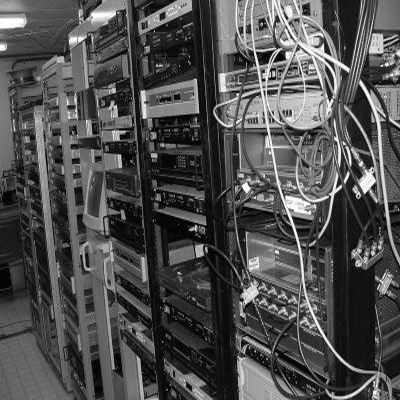
    The latest, sources reveal, is that around 100 Kolkata-based LCOs – some affiliated with Siticable, others with Manthan – have come together and invested between Rs 2 and Rs 3 crore toward setting up a headend and accompanying infrastructure at Salt Lake College More in the city.

    This group is believed to be in the process of setting up a cooperative venture and is eager to start its own services. With the LCOs’ rising concern over MSOs becoming the owners of their hard-won subscribers, the development does not come as a surprise to the industry.

    However, “MSOs are creating hurdles for these LCOs,” sources added, without divulging any details.

    Swapan Chowdhury, convener of the Kolkata Cable Operators Digitalisation Committee of the Association of Cable Operators confirmed that this new cooperative had indeed been formed and that the LCOs might name the service Bengal Brand. “It is a difficult time for LCOs in Kolkata as the MSOs are not allowing them to go ahead with their plans,” he said.

    Rajiv Sharma, lead analyst (telecom and media), HSBC Securities, opined: “The local cable operators are also thinking of becoming MSOs by coming together… Not good news for the stock prices of existing MSOs which have raised funds from the public even if LCOs fail eventually.”

    Namit Dave, cable TV analyst, stated that bunching together was probably a good option for smaller operators. “A 200 channel headend costs nearly Rs 1 crore; a smaller operator with subscribers running into a few thousands would not find the investment profitable in a small town. However, if operators were to get together, it could end up being a profitable venture,” he pointed out.

    Kolkata-based Manthan Broadband Services director Sudip Ghosh sees more cable ops coming together in east India. Says he: “Players with a subscriber base of more than 500,000 may not consolidate headends. But Kolkata can see the consolidation of players with others having a subscriber base of around 300,000-400,000.

  • TDSAT & Ad cap: TRAI continues arguments

    TDSAT & Ad cap: TRAI continues arguments

    MUMBAI: Continuing to present its side to the Telecom Disputes Settlement Appellate Tribunal (TDSAT), the Telecom Regulatory Authority of India (TRAI) put forth its arguments to the bench consisting of Justice Aftab Alam and member Kuldip Singh.

    It started off continuing on yesterday’s argument trail saying that the law does not state that if the laying requirements are not fulfilled then it becomes void. That is, TRAI cannot execute its regulation on channels. That broadcasters are covered by both the Cable TV Networks Act and the TRAI act is a parliamentary mandate and there is nothing illegal in what it is doing. There are several precedents where a subject matter could be covered by more than one statute,  TRAI counsel  Rakesh Dwivedi stated.
        

    TRAI also claimed that it has a clear parliamentary mandate exercised through the central government to regulate advertisements. It contested the broadcasters’ arguments that TRAI has just a recommendatory role, by highlighting that it has an additional function under section 11 (1) (a) of the TRAI  Act and that does not mean its plenary functions under section (11) (1) (b) are taken away. Therefore, apart from its recommendatory function under (a), its powers also remain under (b). Both the sub clauses complement each other and there is no clash, the counsel stated.

    Reiterating that it has the authority, it said that what it is aiming to do is in perfect accordance with the powers the ministry and it has under section 7 (11) of the Cable TV Act. Likewise, the counsel, said it is not as if the government is seeking to have a higher allowance for advertising air time and is in disagreement with the limit of 12 minutes that the TRAI is seeking to impose.

    To support its argument, the counsel also read out various preceding judgments. According to the TRAI, broadcasters are licensees under the Telegraph Act and so the regulator has full power to ensure compliance within the licence term.
    Singh asked if TRAI can direct Google on the duration and number of ads it can run. To this, the TRAI counsel replied by saying: ‘I am the regulator and I will decide who, when and how much to regulate.

    Coming to the point raised yesterday about a statement TRAI had made in 2004 that “there should not be any regulation at present on advertisement on both FTA and Pay channels” it said that much water had flown under the bridge since it made its statement and the situation was different today. So, it can deem it appropriate to regulate since an expert opinion at one point of time does not mean that it will stay forever, the counsel stated.

  • Parliamentary standing committee begins study on paid news menace

    Parliamentary standing committee begins study on paid news menace

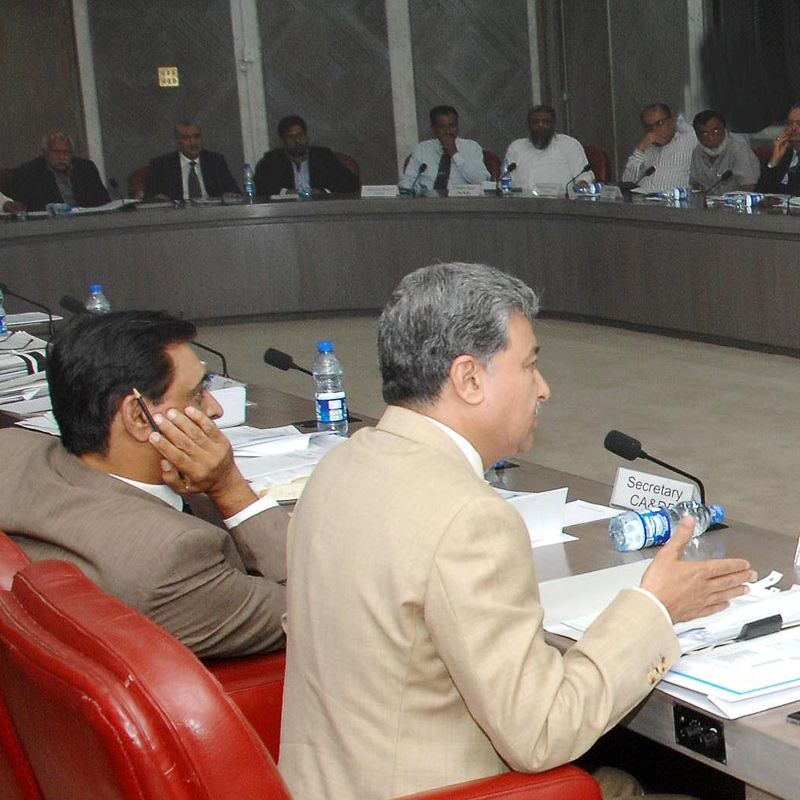
    NEW DELHI: The Parliamentary Standing Committee on Information Technology, which had late last week announced its intention to probe the menace of paid news, today held a meeting with senior officials of the Information and Broadcasting Ministry to gain the perspective of the government.

    Sources said the Committee, which deals with the I&B Ministry, also worked out modalities for probing into the subject during its meeting held in the premises of the Planning Commission.

    The Committee on 16 December invited comments from the public in general and experts/professionals/organizations/associations and stakeholders on various aspects relating to ‘Paid News‘.

    The matter has gained importance with leakage of telephonic conversations between mediapersons and corporate bosses and politicians.

    The Committee headed by Lok Sabha Member of Parliament Rao Inderjit Singh has decided to go into the subject and has sought the views for wider consultations.