Tag: Parle-G

  • How Parle G tackled distribution challenges during lockdown

    How Parle G tackled distribution challenges during lockdown

    MUMBAI: Distributing food supplies during a pandemic can be very challenging. While the central government has exempted biscuit manufacturers from the restrictions of the lockdown, Parle G was facing issues in some parts of the country as local authorities have not allowed transport of raw materials.

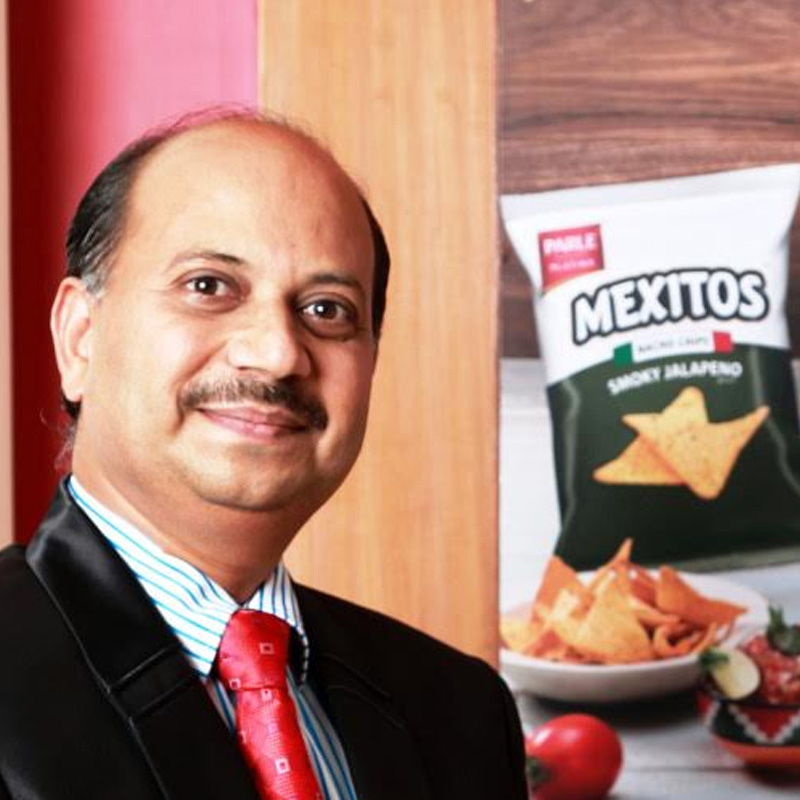
    Animation Xpress.com organised a virtual roundtable conference on the theme ‘The changing dynamics of brands amid the pandemic’. The insightful discussion was moderated by indiantelevision.com founder CEO and editor-in-chief Anil Wanvari. During the roundtable, Parle Products senior category head of marketing Krishnarao S Buddha spoke at length about the challenges faced while distributing Parle products during the pandemic.

    Buddha says that post 20 March, April and May has been a roller coaster ride. At Parle, hand sanitisers are a small segment; biscuit and snack business formed part of the main business.

    He says, “Since day one we were clear that most of the Parle products came under essential services. It was a very tough time till April; from May onwards we are relatively better.”

    About the challenges the company faced while kick-starting the distribution pipeline and supply chain, Buddha said, “We formed a small combat team and the whole objective was to see how we can bring things back to normal. First and foremost, we spoke to our partners, contract manufacturers.  There are ten mother units which are owned by Parle and 120 manufacturers spread across the country. So, the idea was to activate them; it didn’t really take a lot of time to do that.”

    Convincing CnFs (carrying and forwarding agent) was very difficult. They were quite hesitant in the beginning as they believed the company was not doing a right thing by sending the out, when the entire situation is so scary. But somehow the company managed to get them working as well.

    According to Buddha, the last and the most important leg in the business were distributors. According to him, initially they were not willing to step out. It took a lot of convincing and motivation, communication for maintaining hygiene. All guidelines were sent to manufacturing locations, CnF’s distributors, and most importantly, distributors to start functioning.

    In the meantime, the company’s decision of giving away Rs 3000-crore worth biscuit packets was taken up really well by the government.  It helped it get a lot of permissions to start their factories at 50 per cent capacity.

    He added, “Forget about 50 per cent capacity we were struggling to get 20 per cent of our workforce. Most of the migrant workers have already gone away and we were struggling. Somehow, we managed to start our wheels in the factories and then the challenge was to get raw material and packaging materials. For example, we needed print ink for food lamination. So, we sent letters to vendors stating that Parle food is an essential part and it would require you all to provide raw material and packaging materials.”

    The initial few days the company was struggling with 20 per cent of capacity, but today Parle is working with over 70 per cent of the capacity.

    The next challenge was to get the transportation. He points out that the drivers were not willing to come; families were not willing to send them. They had to incentivise at every level. “So, we incentivised factory workers, transporters, and vendors to provide raw materials. They were not willing to go to the containment zones. Eventually over a period of time we overcame that,” he says.

    The last leg was in the system of distributors, who were quite panicked about the whole situation.

    Gradually, distributors started going out to the market. They were to cover about 60 shops a day. Buddha mentioned that their main focus was to safeguard their lives. Distributors were advised to maintain all the norms and guidelines: wearing masks, gloves and maintaining social distancing.

     “There was reciprocation from our channel partners and another aspect was we asked our distributors for counter selling. People had started to hoard food due to the Covid2019 outbreak. By the end of March the shelves on the shops were empty. We thought there was so much demand because of people hoarding and buying stuff in panic. So we told our distributors to start calling retailers and take appointment orders and accordingly keep the stock ready.”

    He added, “If they don’t do online payment, we told them to take an appointment in different time slots to collect the payment. So, it becomes much easier and much planned. That is how we overcome this whole situation.”

    Parle G is bread and butter of so many people in India. To help the needy, Parle products started routing three crore packets to the government authorities. Buddha says, “It is not like we have done this for the first time. We sent truckloads of Parle products during earlier calamities also. We never speak about it, but now it is important to do. This enlightened the authorities, commissioners, and district magistrates.  That is where things eased up.”
  • How brands are leveraging Children’s Day for moment marketing

    How brands are leveraging Children’s Day for moment marketing

    MUMBAI: Gone are the days when marketing only used to target adults with disposable income. Now-a-days, kids are an important constituent of marketing eco-system for brands, as they understand that kids can influence a lot of buying decisions of their parents. It’s no wonder then that 14 November is an important day for brands, not only for boosting sales through product-specific discounts but also for brand placement and building brand recognition and brand loyalty through ethical, moment marketing.
    We take a look at the marketing strategies of brands for this Children Day, to understand better how brands are leveraging November 14 for their products and brand image.

    Google

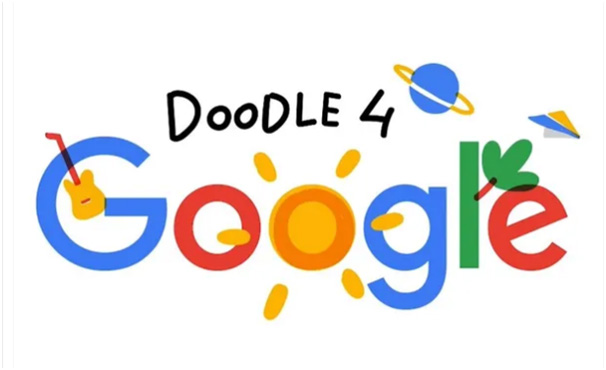
    Every year Google organises a doodle contest for school children in India and the doodle submitted by the national winner of the contest is featured on the Google homepage on Children's Day.
    The theme for this year’s contest was 'When I grow up, I hope….’ The contest was held in five class groups. Four entries from each group were finalised as the national finalist. Each finalist entry was put up for voting from 25 October to 6 November.
    "A cumulative score based on public voting, scores by guest judges and panel of Google executives will choose one of the five group winners and announce the National Winner on 14 November 2019," says the official Doodle for Google website.
    The winner of the contest, apart from their doodle being placed on Google India homepage, will receive Rs 500,000 college scholarship, Rs 200,000 technology package for their school, a certificate / trophy of achievement, and a trip to the Google office.

    SBI

    Every year, on the occasion of Children’s Day, SBI Life Insurance releases inspiring real life videos of people who strive towards child development. Over the years, SBI Life has associated with various institutions like Parikrma Humanity Foundation’s founder, Maneka Stephen, who rose from slums to become a beacon of hope for underprivileged kids, NGOs like Canshala – CanKids…KidsCan, Freedom 4U Foundation, Smile Foundation, etc. to encourage the cause and awareness of children’s rights, care and education.
    This year SBI has associated with Muskan Foundation’s founder Dipti Gandhi to support the cause of ‘equal education’ for children having multiple disabilities with visual impairment (MDVI) under SBI Life’s digital property #DilBacchaTohSabAccha.

    McDonald’s! #ImKiddinit

    McDonald’s is trying to market itself as the ultimate family outing destination for the whole month and celebrating November as #ChildrensMonth2019. For the same, McDonald’s has launched #ImKiddinit – under which it will offer discounts on Family Meal plans from 12 November to 24 November. Besides, the restaurants will also get a kiddie makeover as the menu boards will be changed to display doodle sketches (like children’s drawings). There will also be cute toys, doodle mats, kiddie menu boards and amazing offers at its outlets.

    Parle-G

    Parle-G, the iconic biscuit brand by Parle, has launched #BackToBachpan challenge for this Children’s Day. It asks Twitter users to recreate a moment from one of their old childhood picture and share both pictures after tagging Parle-G and one or more friends, asking them to accept the same challenge. The initial response from Twitter users has been encouraging with hundreds of young people recreating a moment from their childhood picture and sharing it on social media.


    The fact that it’s mandatory to tag friends and ask them to accept and participate in the challenge, is ensuring that the campaign goes viral and increases its reach with every new participant. The result – hundreds of people tagging Parle-G along with their personal pictures, in the process enhancing Parle-G’s brand recognition in urban markets.

    Vodafone

    Vodafone has come up with #LookUp campaign for Children Day. The telco has also launched a 15-second supporting video for the campaign. The video exhorts mobile-users to ‘Sush Your Phone, Not Your Kid’ this children day. It encourages parents to give the most precious gift to the kids this Children Day, their time by looking up from their phones. The campaign also asks parents to share their thoughts on how they want to spend this 14 November with their kids.


    The campaign is an attempt to communicate to Vodafone users that the company cares for their family lives and their emotional well being, at the same time, increasing brand recognition and loyalty.

    GrabOn


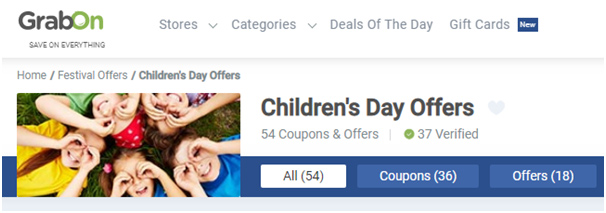
    Brands understand kids influence the buying decisions of their parents, and a day like 14 November could be leveraged for marketing products in kids’ category. Thus, GrabOn has curated many Children’s Day-specific discount offers and coupons at one place. It says that this savings’ special is for everyone and not just kids, as everyone loves saving. Many of the discount coupons are in children-specific products and services like – First Cry, Kids Carnival, Simplilearn, etc.

    Adani

    Adani Group has tried to stand out from other Brands by sharing a warm message for India about its aged population on this Children’s Day. The message is supported by a heart warming video that reminds the nation – home to the world’s largest young workforce – that our elderly need as much care as our children.
    The campaign aims to shed light on this novel thought and bring forth the idea of becoming parents to our own parents and raise awareness amongst the youth who tend to overlook the needs and aspirations of their parents and highlight the importance of making them feel loved and needed in our fast paced lives. The campaign video highlights the innocent and compassionate relationship between a young couple and their parents along with the little things they do to take care and make him happy.
    Sharing a statement with the media, the conglomerate said: “Adani Group believes in the growth of goodness and this campaign has brought in a new perspective of celebrating the special occasion of Children’s Day with our aged.”

    Ford 

    Ford India has launched several unique initiatives on the Children’s Day – including a specially created Comic Book titled Discover More with Ford.

    A unique content initiative, the comic book inspires readers to be the change they wish to see in making travel safe – for drivers and pedestrians.

    With Ford EcoSport as the narrator, the story highlights a day in the life of Dia – the lead character -and how she never fails to follow traffic rules. Her courteous behaviour throughout the story makes her a role model not just for the kids travelling with her, but also the readers.

    “From providing the best of safety technology in Ford cars –to– encouraging drivers to be courteous to others while driving and follow rules, we believe in making every effort possible to ensure that every family travel safely,” said Kapil Sharma, Director, Communications, Ford India. “With the Comic Book, we look to put an influencer in each car, persuading others to be courteous and drive safe.”

    Besides the Comic Book, Ford dealerships will organize special on-ground engagement zones to sensitize kids on the significance of road safety with games like Spot the Hazards, Kaun Banega Safety Champion and Ditches & Bridges.

    Children visiting the dealerships will also be given the tour of the service area, wearing safety gear specially made for them, and play the technician. In return of their participation, children will be given a gift hamper of safety kits including a safety champion badge, Discover More band and a board game on road safety.

  • Brands ride on the 10-year challenge wave

    Brands ride on the 10-year challenge wave

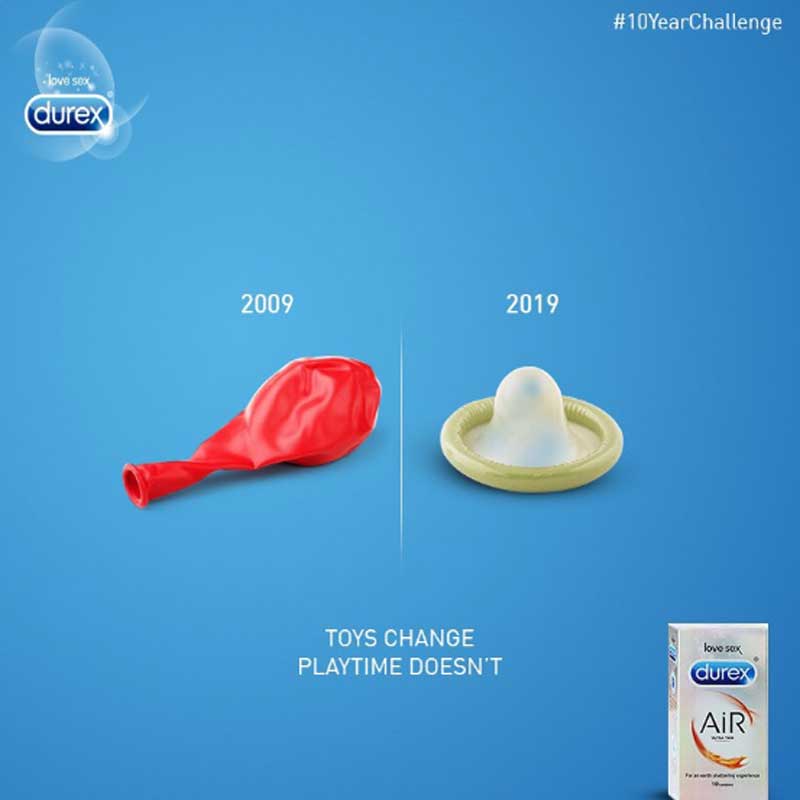
    MUMBAI: While Facebook’s latest viral trend #10YearChallenge is being seen as a negative conspiracy; an attempt to "train a facial recognition algorithm on aging" by many, brands have leveraged the upward tide of its popularity in an interesting manner by sharing their own versions of the challenge. From modest to quirky, the responses are drawing a lot of attention on social media. Check out a few of them below:

    1. Acer boasts about its improved design and efficiency

    2. Durex goes quirky again


    3. Fevicol’s hilarious take on its ‘Mazboot Jod’


    4. Manforce changes the taste of the challenge


    5. Swiggy’s ‘Ladka Nikal Chuka Hai’ is all the assurance you need


    6. Tinder truly drives nostalgia home


    7. Uber Eats brings in the latest viral star to its feed


    8. Talk about personalisation and Zomato is ready with its unique take


    9. Google India changing how we have known things since ever


    While all these brands flowed with the wave of showing changes in the narrative over the past decade, a few brands managed to show how some things never change.

    10. Airtel then and Airtel now


    11. Amul India’s utterly butterly take on its evergreen presence


    12. Kaya promotes its timeless beauty idea

    13. Finolex Pipes shows longevity


    14. KamaSutra India takes pleasure 10 years ahead


    15. KFC India says taste is never out of fashion


    16. Godrej Nature’s Basket brings in a fresh take


    17. Parle G hasn’t changed a bit


  • Parle’s bid to overthrow Britannia’s Nutrichoice

    Parle’s bid to overthrow Britannia’s Nutrichoice

    MUMBAI: The digestive cookies range in India is dominated by Britannia Nutrichoice range of biscuits. The market is huge and every brand now sees opportunity in the segment due to increased awareness and healthy eating choices of the consumers.

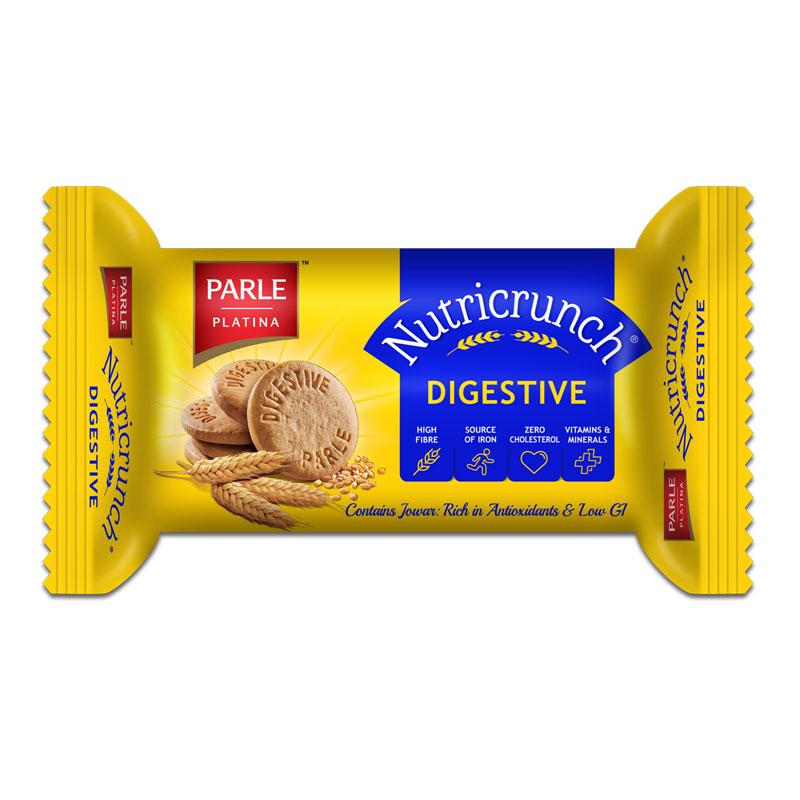
    In a bid to compete and make its mark in this sector, home grown brand Parle Products has launched its own range of digestive biscuits under the umbrella of NutriCrunch. The launch of the healthy range of biscuits  is inspired by the growing demand for healthy snacking options among Indian consumers and will include products like Nutricrunch Digestive, Nutricrunch Honey & Oats, Nutricrunch Digestive Marie and Nutricrunch Lite Cracker.

    This is the second innings for brand Parle in the health category. The company has decide to phase out its older health biscuit offerings that was sold under the Simply Good brand name. While the production of Simply Good has been completely stopped, Parle Products now wants to complete switch and focus on NutriCrunch. The sheer reason for Simply Good not being so “simply good” was due to lack of effort and focus on the product’s marketing as a healthy alternative to regular biscuits and Parle Products does not want to repeat the same again.

    Priced at a sweet spot of Rs 20, the confectionary and biscuit giant wants to capture a sizeable share of 15 per cent in the 1200 crore health segment in India. The company, however, faces stiff completion from Britannia Nutrichoice that occupies a major 70 per cent premium health biscuit category followed by ITC’s Sunfeast range of Famlite biscuits and McVitties Digestive biscuits.

    For Parle Products, it’s important to diversify its portfolio into more premium products as a majority of its revenue – both in value and volume terms – still comes from its mass market brand Parle G. While that segment is growing steadily, premium offerings will bring in better margins and faster growth in future. The Platina division is just a year old but is already growing in the high double-digits.

    Indiantelevision.com spoke to Parle Products category head for biscuits Mayank Shah to understand insights into launching the product, competition with Britannia, scope in the market and much more.  

    Why did you decide on launching health products at this point in time?

    It was the right time for us to enter the market as we see huge potential in this category. Consumers of health category are divided into those who are actively seeking healthier options and those that passively consumer healthy products once in a while to reduce the guilt of leading an unhealthy lifestyle. A primary reason why we didn’t want to get into health segment was because a larger pool of consumers were passive health-conscious but that is increasingly changing. The active health conscious consumers will not consider the price of a product while purchasing a product, whereas passive consumers only tend to buy when there are offers or the products are available at a cheaper price.

    But why did you decide on launching NutriCrunch? What happens to Simply Good then?

    We were already present in the health category but we didn’t really focus on those products and rather focused on our other products. We didn’t really see a huge value in Simply Good products as well. That why our focus was limited. However, we have seen an increasing traction in the health category. Soon after we launched the Platina category last year, health segment was always going to be our next focus.

    What kind of consumer research behind the product launch? You much have had a lot of pressure on getting it right the second time?

    We conducted extensive research this time. We reached out to consumers across India and asked them what kind of product would they like to have. Our research revealed that most consumers were looking at healthier alternatives with low sugar and multigrain biscuits.

    What kind of growth opportunity do you see in the sector?

    The health segment in India is growing in double digits. It is growing at the rate of 15-17 per cent per annum. There is a shift in consumer’s trend where they are actively seeking healthier products. There is a large quantum of consumers that seek healthier options out of guilt and we see a large scope there and want to tap those consumers.

    What is your distribution plan like for the new range of products?

    It’s launched under the Platina range and so will be well distributed across metros and mini metros. We are looking at selling it to more than 1 million towns over the next two-three months.

    What about online sales? Will that also be your focus to get the product out in the market?

    Online and modern trade will be an important channel for us. We will be available across all leading e-commerce platforms.

    Why did you launch this new category under Platina umbrella?

    Simply because Platina is skewed towards modern trade and online channels. Also because it has a natural fit with the distribution channel and the consumers. Platina consumers are relatively evolved and modern who don’t mind spending some extra bucks for a quality product.

    What are your revenue expectation with this product?

    There is a huge potential and scope in this segment. The health segment market is currently valued at Rs 1200 crore and we want to corner a 15 per cent share of it by 2019 (by the end of first year of operation for Nutricrunch).

    Don’t you think it is a super competitive market for you to enter in? There are already established players in the market…

    Yes, it is a super competitive market but it is an extremely growing category as well and there is a scope for more players to participate in it. Its because of the entry of multiple players coming in and more buzz around the category.

    What kind of investment went into the launch of this new product line?

    We cant really reveal the numbers but yes, we did invest heavily into the R&D for these products and getting them right. It took us a year and half to design the product.

    What were your biggest barriers while entering into the category? What sort of challenge do you see in the market?

    Our biggest challenge right now is to make the product available across India at the earliest and have a strong distribution muscle. The biggest challenge initially was supplying the products to retailers due to the recent transport strike. We were all ready and geared up for the launch but had to push it due to the transport strike. Our next challenge will be to ensure that we have enough conversions from passive health product custumers to active consumers. We will have to make consumers relatively price insensitive and ready to pay a fair price for these products.

    When will you launch your campaign to advertise and market these products?

    Once we roll out the products entirely, which should be done by mid September, then we will look at launching the campaign in August.

    Will you look at having a brand ambassador for the category since you also have Twinkle Khanna for Platina?

    No, we are not looking at having a brand ambassador at the moment.

    What will be your marketing strategy for product marketing?

    It will definitely be a 360-degree campaign with an increased focus on digital.

    Lately, a lot of brands are looking at cutting down sugar and salt in the products. Will Parle Products also look at going the same route?

    Our new range of products is a step towards cutting down sugar and salt content in products and we will increasingly look at how we can improve the quality of our existing line of products without changing the taste of quality.

  • Parle-G’s new campaign celebrates the unsung hero of biscuits

    Parle-G’s new campaign celebrates the unsung hero of biscuits

    MUMBAI: Parle Products, India’s leading manufacturer of biscuits and confectionery, has partnered with Taproot Dentsu, the creative agency from Dentsu Aegis Network India, to launch a series of five films for its flagship brand Parle-G.

    In all its humility and unchanged goodness over the decades, Parle-G has remained the largest selling biscuit brand across the world. However, in the face of constant expansion in the biscuit category, the brand somewhere seems to have become a default, taken for a granted pick, instead of an active, desired choice. Consequently, Taproot Dentsu’s task here was to move Parle-G right up in the emotional consideration set of consumers, thereby reminding them of what Parle-G really is — the unsung hero of biscuits!

    Taproot Dentsu Mumbai executive creative director Pallavi Chakravarti says, “Parle-G is a staple. Quite like our rice and pulses. It is like that one person everyone has in their life who has always been there, albeit on the side-lines. This campaign is a celebration of relationships that we seldom acknowledge but without which life isn’t quite the same. It’s a message that only a brand as iconic as Parle-G can give. Because come to think of it, everyone has eaten one and everyone has a human equivalent, if they just take the time out to think of it.”

    “The idea is based on the human tendency to take the familiar for granted. This campaign uses this tendency to point out how invaluable the familiar in our lives is while making a compelling connection with the brand Parle-G,” adds Taproot Dentsu Mumbai head of strategic planning Shashank Lanjekar.

    Speaking about the campaign, Parle Products category head Mayank Shah mentions, “Over the years, Parle-G was strongly positioned as a staple given that it is associated with health and nutrition. However, a consumer research that we conducted recently revealed that Parle-G has moved beyond being a staple and is now an emotion. Through this campaign, we want to celebrate that emotion and the bond a consumer has with Parle-G by showcasing how there are relations in our life which are never acknowledged but have played a significant role in making us who we are.”

  • Parle Products eyes China for next phase of growth

    Parle Products eyes China for next phase of growth

    MUMBAI: The girl with the glucose biscuit is probably the most iconic image after the Amul butter girl in India. The Parle-G girl is a part of the Parle Products family that has been in existence since 1929, founded by the Chauhan family in Vile Parle, Mumbai. Until a few years ago, as you crossed the station, you could smell the aroma of the baked biscuits wafting through the air and immediately got transported back in time to your childhood. The now-defunct factory on the premises is a great reminder of the company’s heritage. Now, Parle is gearing up to make a bigger impact in China and is planning to build a manufacturing facility in Mexico.

    In 1947, when India became independent, the company launched an ad campaign, showcasing its glucose biscuit, Parle-G, as an Indian alternative to the British biscuits. The Parle brand has since become well known in India expanding to other names such as Milano, Hide & Seek, Poppins, Kismi, and Melody.

    Parle-G continues to hold 20 per cent share of the Rs 25,000 crore biscuit market by value. Since 1990, the product has managed to retain 80 per cent of the glucose biscuit market while premium biscuits are worth only Rs 5000 crore in the total biscuits market. 

    While biscuits have always been the anchor of the company, comprising nearly 70 per cent of its Rs 10,000 crore turnover in 2017, Parle is now seeking to enhance its confectionery portfolio that generates revenue of more than Rs 1000 crore. The company has also entered into a new category of staples in the recent past.

    Parle Products category head Buddha Krishna Rao says that in the last year and half, the company has seen good growth coming back to categories like biscuits, confectionary, snacks, cakes and rusks.

    While the brand’s core target has always remained women and kids, a few products have a great appeal with the younger generation. Parle has over a period of time learned to customise its content and communication that cuts the ice with the audience as the market changes.

    Parle is working on being relevant in the digital space. Krishna Rao says, “We are in talks with a few production houses for brand integration on digital platform for a customised series, which will be targeted at the Parle audience. The webisode series is slated to launch in late 2018.”

    Parle recently rebranded one of its quintessential products, Kismi. The product now also comes in two additional Indianised flavours of rosemilk, kulfi and rajbhog along with the traditional elaichi flavourajr. Kismi, along with Melody, was once the star product for the brand that started to lose its sheen with the entry of newer products in the market. 

    “Although many believe it was out of the market, it just wasn’t marketed enough. In the last four years, we have felt the need to communicate for the brand and we choose to communicate with youngsters,” Krishna Rao adds. Since the product caters to the younger generation, Parle will engage in a lot of OOH, radio, college fest and other opportunities to connect with the millennials. 

    Madison recently launched its 2018 outlook report for adex. The report projected that ad expenditures are likely to grow at 12 per cent this year and Krishna Rao thinks the projection is a fair expectation. Parle itself will increase the ad spends by 11-12 per cent in 2018 and the majority of the ad spend will go to the digital medium. 

    Known for its distribution strength, Parle Products currently reaches out to 4.5 million outlets directly and also has an indirect reach of 6 million. Kaccha Mango Bite has been the best-selling candy in terms of sheer volume for the brand. Parle Products rebranded its chocolate Lacto Bite as Londonderry in 2012, which competes directly with Perfetti Van Melle’s Alpenliebe. Parle discontinued its mint-flavoured candy, Mints, in early 2017 as it was under performing. 

    The company exports to various markets across the globe including the US, the UK, Europe, Africa, the UAE, South East Asia and Pakistan. It is also looking at spreading its presence in China. Among all the countries Parle exports to, majority of demand comes from Africa as it is still a developing nation and Parle products are available there at economical prices. The company also has two manufacturing units set up in Africa at Cameroon and Nigeria and is already working on setting up a new unit in Mexico. Products like Parle-G, Marie, Krack Jack are locally produced in Africa and the brand wants to predominantly target the Indian diaspora living abroad. Going forward, Parle is looking at having customised products for international markets which would result in more local authentic flavours and combinations to attract local buyers.

    Also Read:

    Kids’ candy segment: Communication sees a shift

    Digital takes centre stage on tepid Valentine’s Day for brands

    Cinema advertising begins to take centre stage 

  • Discovery bags nine sponsors for Battle Ops

    Discovery bags nine sponsors for Battle Ops

    MUMBAI: Battle Ops, Discovery Communications India’s (DCIN) integrated television and digital offering, has received a resounding response from the advertiser community. The show, which will premiere on Discovery Channel and Veer on 26th January, has already sold out with nine sponsors on board.

    Mahindra KUV and Thums Up have come on board as the co-presenting sponsors of Battle Ops while the series is co-powered by Swiggy, Suzuki Intruder, Parle G and Gillette. Idea, LIC of India and K P Foodshave come on board as the associate sponsors.

    Discovery Communications India SVP and GM- South Asia Karan Bajaj said, “In response to the exploding multi-screen viewership in India, we wanted to break the linear and digital silos that currently exist in the market and offer a seamless consumer experience, a first-of-a-kind approach adopted by a broadcaster in India. We are delighted that this unique offering has been able to draw unprecedented advertiser interest. We will only accelerate from here on.”

    He added, “Discovery is the undisputed leader in the infotainment category on television and our clutter-breaking digital-first content proposition on digital is designed to help us achieve our ambition of being the number 1 mobile content brand in the country.”

    The scale of advertiser interest stands testimony to DCIN’s new strategy of aggregating television and digital audiences with an aim to multiply advertiser value. The company spotted a big market opportunity with no major at-scale digital/mobile-first channels and announced its plans to launch four direct-to-consumer, social and mobile-first channels.  

    Discovery Communications India VP-head of advertising sales Vikram Tanna said, “The military genre has always been a favourite with advertisers. The aggregation of premium audiences with the unique television plus digital offering makes our product highly differentiated and robust.  In today’s multi-screen environment, reach multiplication across screens, with a strong and focused content ecosystem makes the combination of Discovery channel and Veer by Discovery, truly, a game changer.”

  • Qyuki partners with Emotionalfulls to recreate the magical experience of the 90’s with ‘ Woh Din’

    Qyuki partners with Emotionalfulls to recreate the magical experience of the 90’s with ‘ Woh Din’

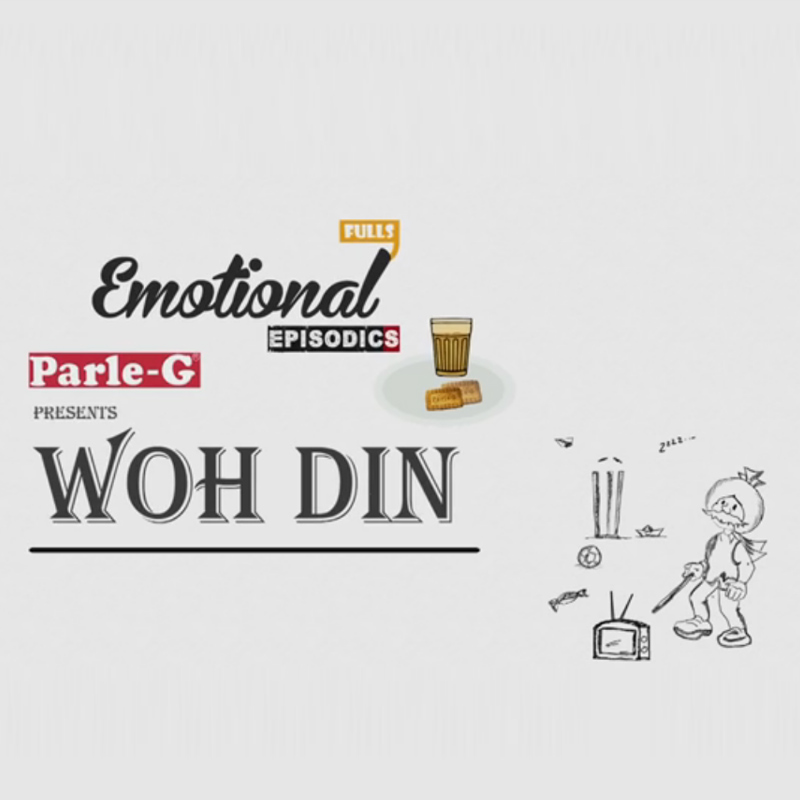
    MUMBAI: Parle G, a household brand for decades revisits the magical era of 90’s with ‘Woh Din’. This five-part web series is a reminiscence of the simplicity of the days gone by, one that was marked by our love for cricket, movies and household biscuit, Parle G.

    Woh Din is the story of a nine-year-old boy named Babu and his best friend Shreedhar growing up in the small town of India. The series sketches the joys of childhood beautifully with an endearing story line and in the process, integrates Parle G into it effortlessly; so much so that it goes on to become a third character in the show.

    Each of us have had our brush with Parle G at some point while growing up. The coming together of Woh Din and Parle-G is the pathway that leads backs to warm anecdotes, so vivid in our minds, yet never to return. Each 20-minute long episode chalks the ethos of the era, just as we have lived them.

    Qyuki brand solutions head Juhi Mehta shares, “The growing appetite for web series makes the foray into the digital space as a natural progression for any brand. However, Parle G deviates from the pop culture identify so heavily present in the digital forum. Qyuki Digital Media helped provide the much required ‘’away from the norm’’ experience. Woh Din serves as the perfect brand solution simply because it is a story about growing up in the 90’s, the decade so widely popularized by the brand over the years. The sheer magic of family and familiarity, the cultural shocks with new beginnings, almost everything that a kid in the 90’s has experienced, has been dished out in an all-new manner. You can call it Qyuki’s latest attempt at redefining pop culture! ”

    Biscuits Category head Mayank Shah says, “With young consumers consuming media across multiple screens beyond TV, our goal was to produce engaging content that captures emotional moments and how the brand was part our growing up years. With growing appetite for web series among youngsters, it is a natural progression for any brand. Qyuki’s ‘Woh Din’ serves as the perfect brand solution simply because it is a story about growing up in the 90’s, an era so widely captured by the brand and its ethos. We’ve all had our share of Parle-G and with time, it has acquired a taste of nostalgia within us.

    Sandeep Jha co-founder EmotionFulls added “The idea to recreate the 90’s has been an ongoing desire for long. Having grown up in that era, we wanted the new generation to know what it was like back then. More importantly, we wanted to provide our generation something to reminisce about. What better brand than ‘Parle-G’ to partner with, one that has witnessed it all while being an important part of our childhood”.

  • Qyuki partners with Emotionalfulls to recreate the magical experience of the 90’s with ‘ Woh Din’

    Qyuki partners with Emotionalfulls to recreate the magical experience of the 90’s with ‘ Woh Din’

    MUMBAI: Parle G, a household brand for decades revisits the magical era of 90’s with ‘Woh Din’. This five-part web series is a reminiscence of the simplicity of the days gone by, one that was marked by our love for cricket, movies and household biscuit, Parle G.

    Woh Din is the story of a nine-year-old boy named Babu and his best friend Shreedhar growing up in the small town of India. The series sketches the joys of childhood beautifully with an endearing story line and in the process, integrates Parle G into it effortlessly; so much so that it goes on to become a third character in the show.

    Each of us have had our brush with Parle G at some point while growing up. The coming together of Woh Din and Parle-G is the pathway that leads backs to warm anecdotes, so vivid in our minds, yet never to return. Each 20-minute long episode chalks the ethos of the era, just as we have lived them.

    Qyuki brand solutions head Juhi Mehta shares, “The growing appetite for web series makes the foray into the digital space as a natural progression for any brand. However, Parle G deviates from the pop culture identify so heavily present in the digital forum. Qyuki Digital Media helped provide the much required ‘’away from the norm’’ experience. Woh Din serves as the perfect brand solution simply because it is a story about growing up in the 90’s, the decade so widely popularized by the brand over the years. The sheer magic of family and familiarity, the cultural shocks with new beginnings, almost everything that a kid in the 90’s has experienced, has been dished out in an all-new manner. You can call it Qyuki’s latest attempt at redefining pop culture! ”

    Biscuits Category head Mayank Shah says, “With young consumers consuming media across multiple screens beyond TV, our goal was to produce engaging content that captures emotional moments and how the brand was part our growing up years. With growing appetite for web series among youngsters, it is a natural progression for any brand. Qyuki’s ‘Woh Din’ serves as the perfect brand solution simply because it is a story about growing up in the 90’s, an era so widely captured by the brand and its ethos. We’ve all had our share of Parle-G and with time, it has acquired a taste of nostalgia within us.

    Sandeep Jha co-founder EmotionFulls added “The idea to recreate the 90’s has been an ongoing desire for long. Having grown up in that era, we wanted the new generation to know what it was like back then. More importantly, we wanted to provide our generation something to reminisce about. What better brand than ‘Parle-G’ to partner with, one that has witnessed it all while being an important part of our childhood”.

  • O&M creates new Parle-G TVC

    MUMBAI: In an attempt to cement its market leadership and strengthen its bond with the consumers particularly the newer generation of parents and children, Parle-G has launched its new ad campaign.

    Titled ‘Kal Ka Genius‘, the campaign has been created by Ogilvy & Mather. It is targeted at children of 5 to 15 years and their mothers.

    The creative idea of the campaign is ‘There is no bigger school than childhood; and there is no better teacher than curiosity‘.

    Parle-G believes all kids are exceptional and creative but when they grow up, they often lose their creative ability as they journey towards conformity. It wants parents to realise that their kids could develop their potential for genius if they let them be, if they nurtured their natural curiosity, encouraged the desire to try new things, experiment, learn from their failures and mistakes. They should realised that kids can learn everywhere and from everything and that school is beyond just books and classrooms, the agency said.

    The campaign was launched on the digital medium in two phases, Teaser and Launch Phase. In the first phase there was a teaser which was released across YouTube, Facebook and Twitter.

    This was followed by releasing the TVC online. The idea behind the new communication is to make the communication more progressive and not regressive. The core philosophy behind this campaign is to let kids explore and learn their own rather them stopping them.

    Produced by Chrome Pictures, the film has been directed by Amit Sharma while Gulzaar is credited for the lyrics of the campaign.